Southern Europe
Emilian (Emilia-Romagna)
Also: Cucina Emiliana, Emilia-Romagna cuisine, Food Valley cuisine
Italy's food valley — the fat, egg-rich sfoglia belt where hand-rolled pasta, age-ripened Parmigiano, and salt-cured Parma ham define the richest regional table in Europe.
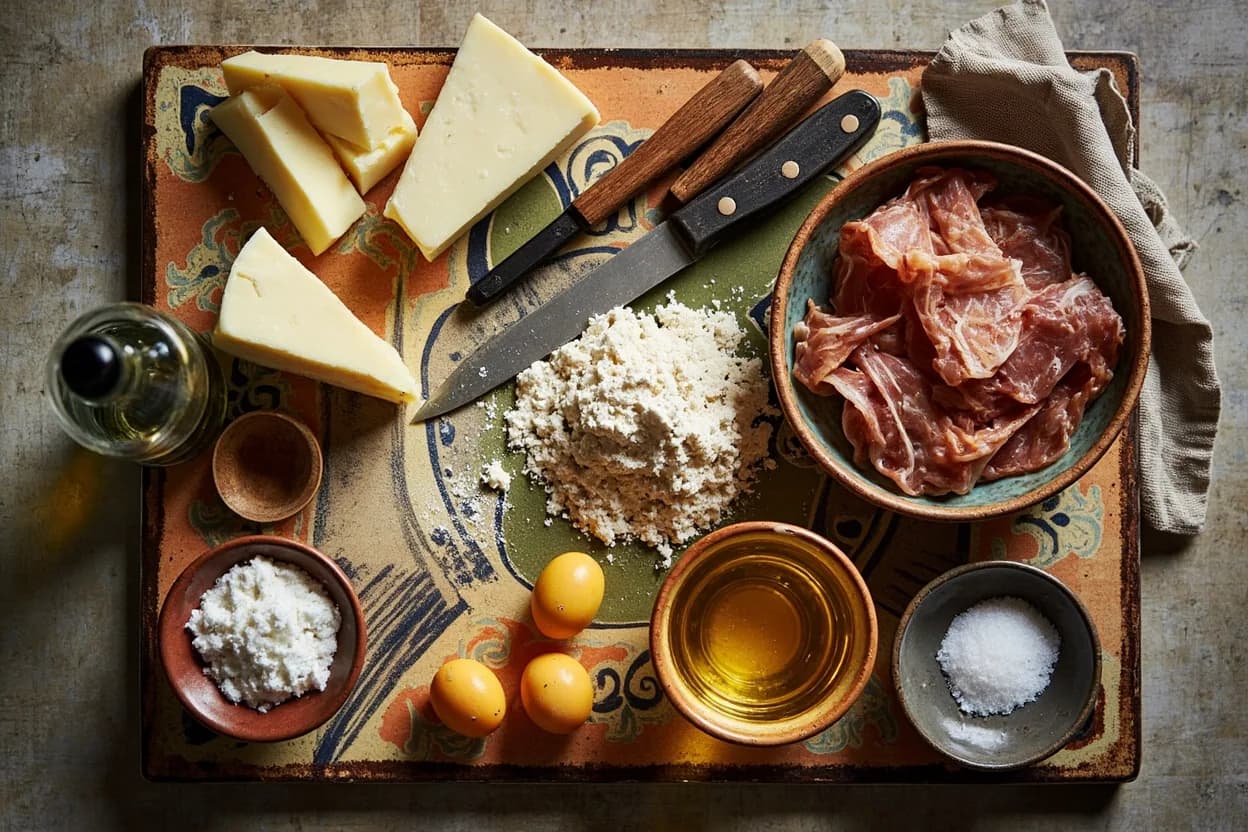
Emilia-Romagna is the geographical and philosophical opposite of southern Italian cucina povera. This is a cuisine of deliberate richness: pasta dough made only with egg yolks and '00' flour, butter and cream finishing sauces, Parmigiano-Reggiano grated over everything, and a pork-salumi tradition — prosciutto di Parma, culatello di Zibello, mortadella di Bologna, salame felino — that is the most architecturally complex in Europe. The region divides between Emilia (Bologna to Piacenza, egg-pasta and salumi heartland) and Romagna (Rimini to Ravenna, strozzapreti, piadina flatbread, and Adriatic fish), but the defining image is Bologna and its sfoglina rolling pasta by hand.
The flavour base
Burro e oro — butter (not olive oil) with grated Parmigiano-Reggiano forms the baseline finish for egg pasta. Battuto (finely chopped onion, carrot, celery) opens the soffritto; white wine deglazes; cream or butter mounts the sauce. Prosciutto adds sweet-salt depth rather than smokiness.
Pantry staples
Key ingredients
Signature techniques
Signature dishes
Emilian (Emilia-Romagna) on the table
At the table
The Emilian Sunday meal is an event of multiple courses without abbreviation: affettati misti (sliced salumi) as antipasto, a pasta primo in broth or butter, a secondo of braised or roasted meat with contorni, cheese with mostarda, and dessert. Parmigiano is present at every course except the dessert. Brodo (capon or beef broth) is the universal liquid — tortellini in brodo is the festive first course that overrides all other considerations at Christmas.
History & context
Emilia-Romagna's agricultural wealth rested on the Po Valley's fertile alluvial soils, which supported wheat, cattle, and pig farming at a density that made it one of medieval Italy's most prosperous regions. The city of Bologna ('La Grassa' — the fat one) became the culinary capital by the Renaissance, with its guild of sfogline (professional pasta rollers) and a salumeria tradition already described in 14th-century texts. Parmigiano-Reggiano production is documented from 1254 in Benedictine and Cistercian monasteries that needed a long-lasting, portable protein. Aceto balsamico tradizionale is documented from the 11th century in Modena and Reggio Emilia; the cooked-grape-must reduction aged through fractional barrel systems is the most labour-intensive condiment in European cooking. The term 'Bolognese' for a meat sauce only became internationally established post-WWII; the original ragù uses very little tomato and is nothing like the ketchup-heavy versions exported globally.
Regional variations
- Bologna
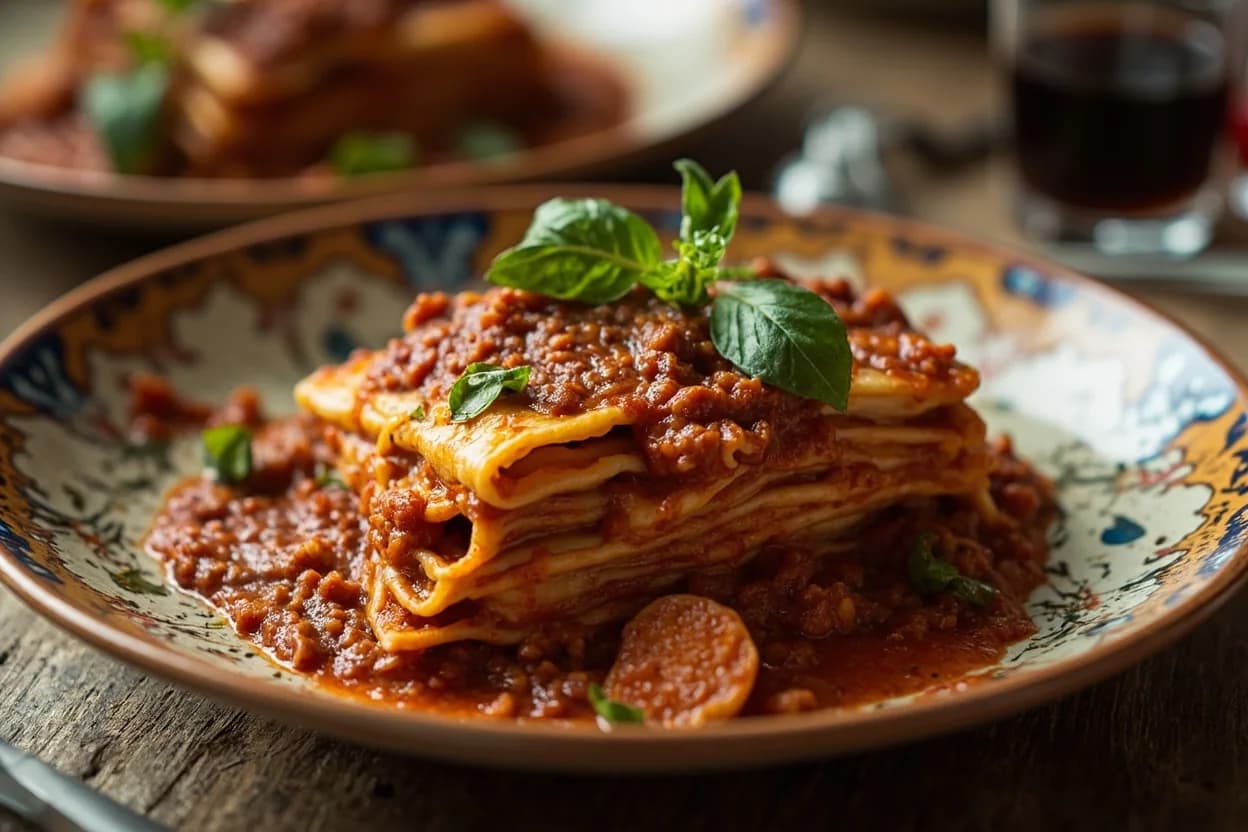
The fat capital: tagliatelle al ragù, tortellini, lasagne verdi, mortadella; butter and Parmigiano dominant throughout.
- Parma and Piacenza
Salumi primacy: culatello di Zibello (the cured rump-cap aged in the Po fog, considered Italy's finest salume), anolini in brodo (Piacenza's tortellini cousin), and Champagne-method Lambrusco rosé.
- Modena
Aceto balsamico tradizionale D.O.P. and the zampone (stuffed pig's trotter) for New Year; cotechino e lenticchie is a Modena–Reggio tradition.
- Romagna (Rimini, Ravenna, Forlì)
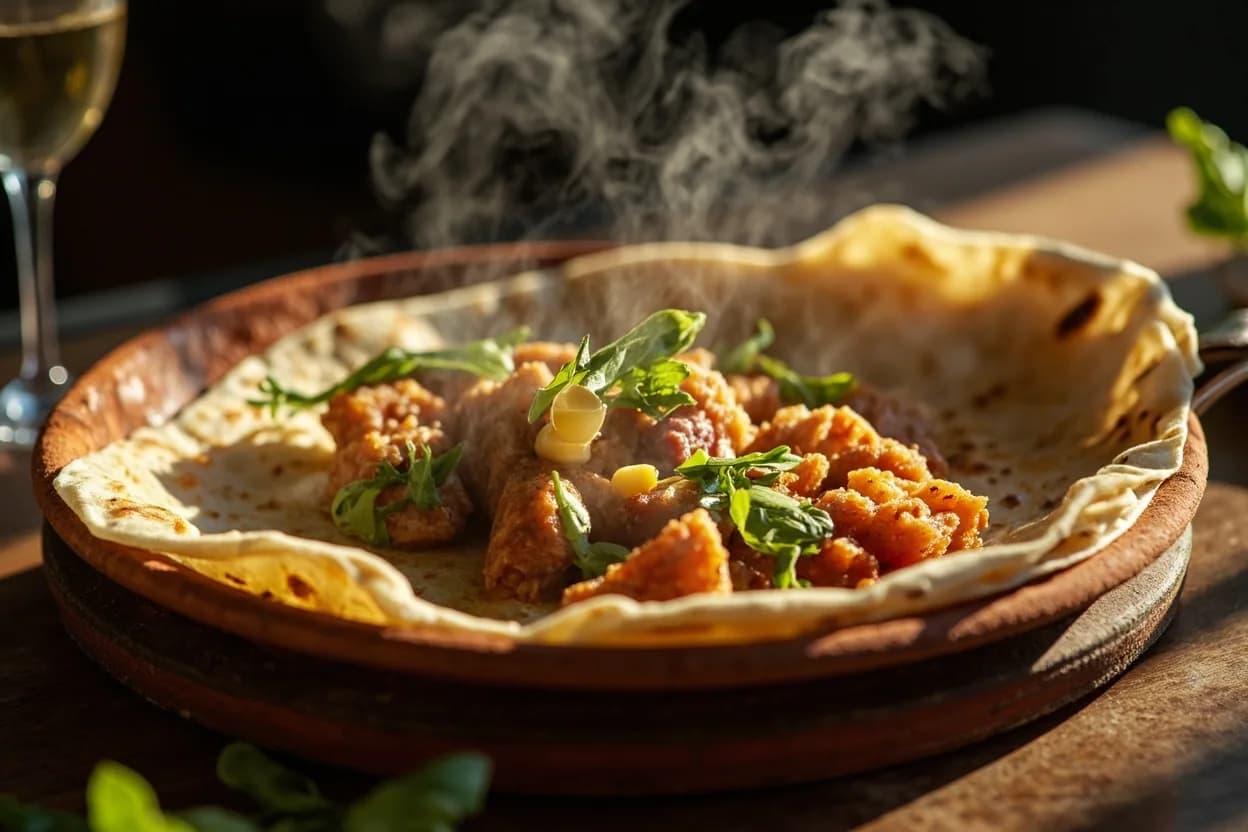
Drier, more frugal register: piadina (unleavened flatbread), strozzapreti, passatelli in brodo, and Adriatic seafood including brodetto (local fish stew variant).
Related cuisines
Both are northern Italian butter-and-Barolo traditions with elaborate stuffed pasta (agnolotti vs. tortellini) and a reverence for aged cheese.
- Lombard
Neighbouring tradition with risotto and polenta as competing starches; Lombard cuisine lacks the egg-pasta obsession.
Southern neighbour with a contrasting cucina povera ethos — Tuscans mock Emilians for the richness, Emilians mock Tuscans for the austerity.
Canonical recipes
The dishes that define Emilian (Emilia-Romagna), documented in the Canon.

References
- 1.The Splendid Table — Lynne Rossetto Kasper (1992)
- 2.Essentials of Classic Italian Cooking — Marcella Hazan (1992)
- 3.Il Cucchiaio d'Argento — Editoriale Domus (10th ed., 2011)
- 4.Disciplinare di produzione Parmigiano-Reggiano D.O.P. — Consorzio del Formaggio Parmigiano-Reggiano
- 5.Delizia! The Epic History of Italians and Their Food — John Dickie (2008)
Confidence: high
Notes
The ragù misconception
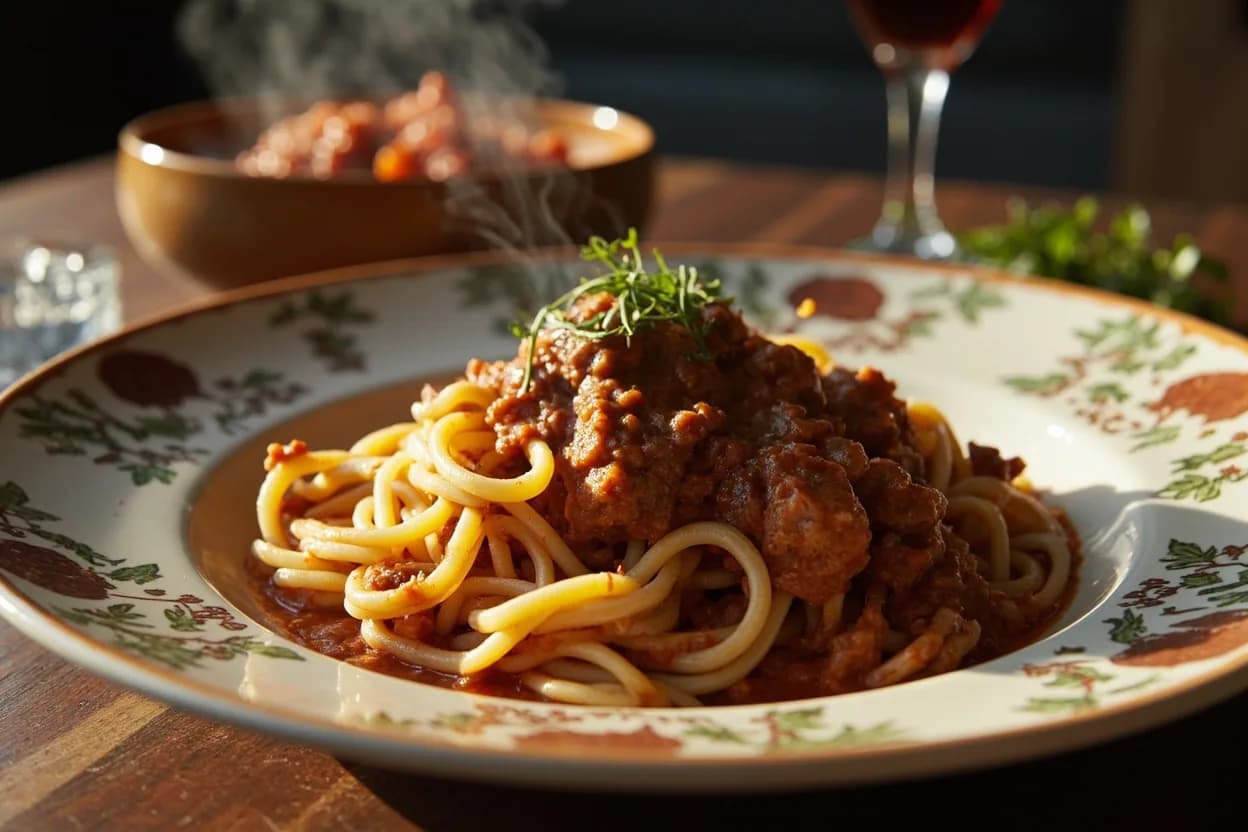
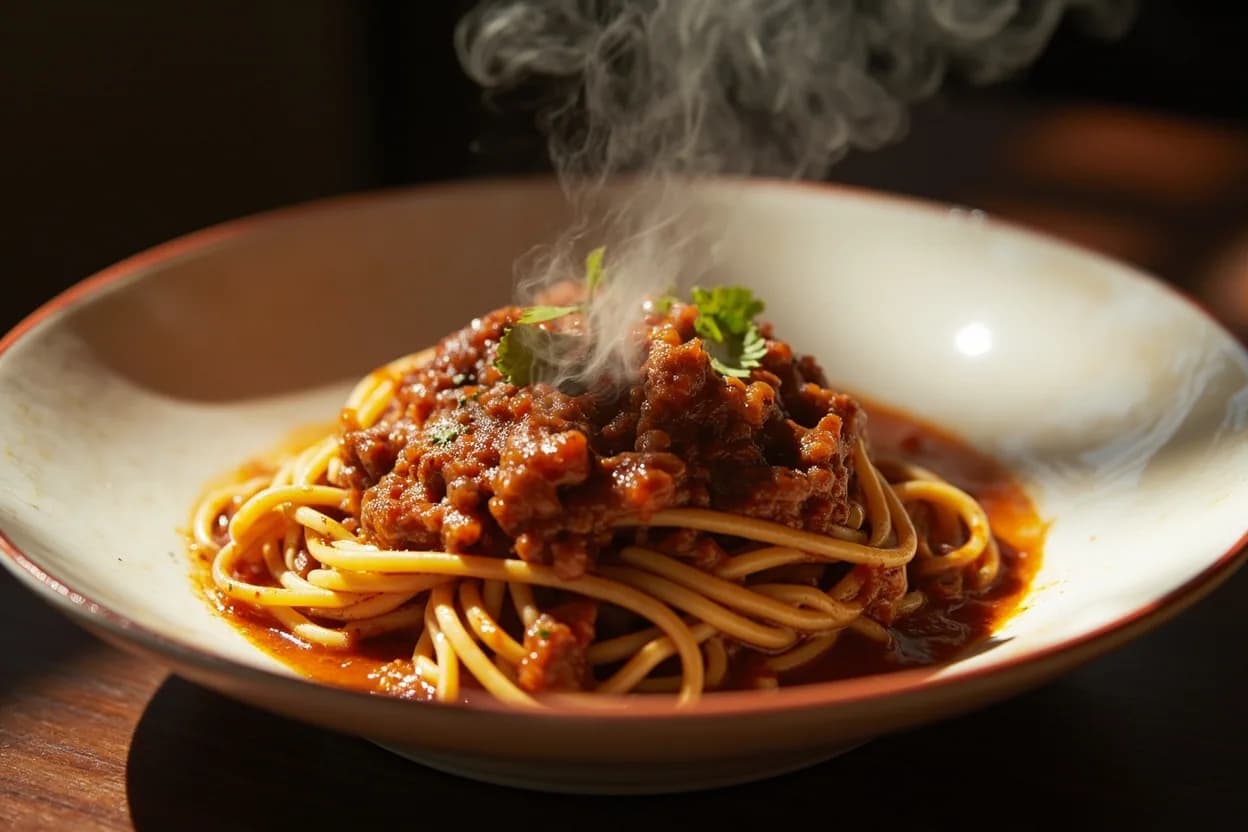
Authentic ragù bolognese (registered with the Bologna Chamber of Commerce in 1982) contains beef (coarse-ground or finely minced), soffritto, white wine, whole milk, and a small amount of tomato paste — not canned tomatoes, not herbs, not garlic. It is served with tagliatelle (never spaghetti), and the sauce clings to the pasta without pooling. The global 'Bolognese' tradition bears little resemblance.
Tortellini mythology
Tortellini legend (from Castelfranco Emilia) holds that the shape was inspired by Venus's navel glimpsed through a keyhole — the myth is folkloric, but the ring shape is practical: the sealed pasta cooks quickly and holds broth inside the fold. The canonical filling (mortadella, prosciutto, Parmigiano, egg, nutmeg) is specified by the Confederazione Nazionale dell'Artigianato.