Southern Europe
Tuscan
Also: Cucina Toscana, Tuscan peasant cuisine
The proud peasant table of central Italy, where impeccable raw materials and unflinching restraint define one of the world's most imitated — and least improved — culinary traditions.
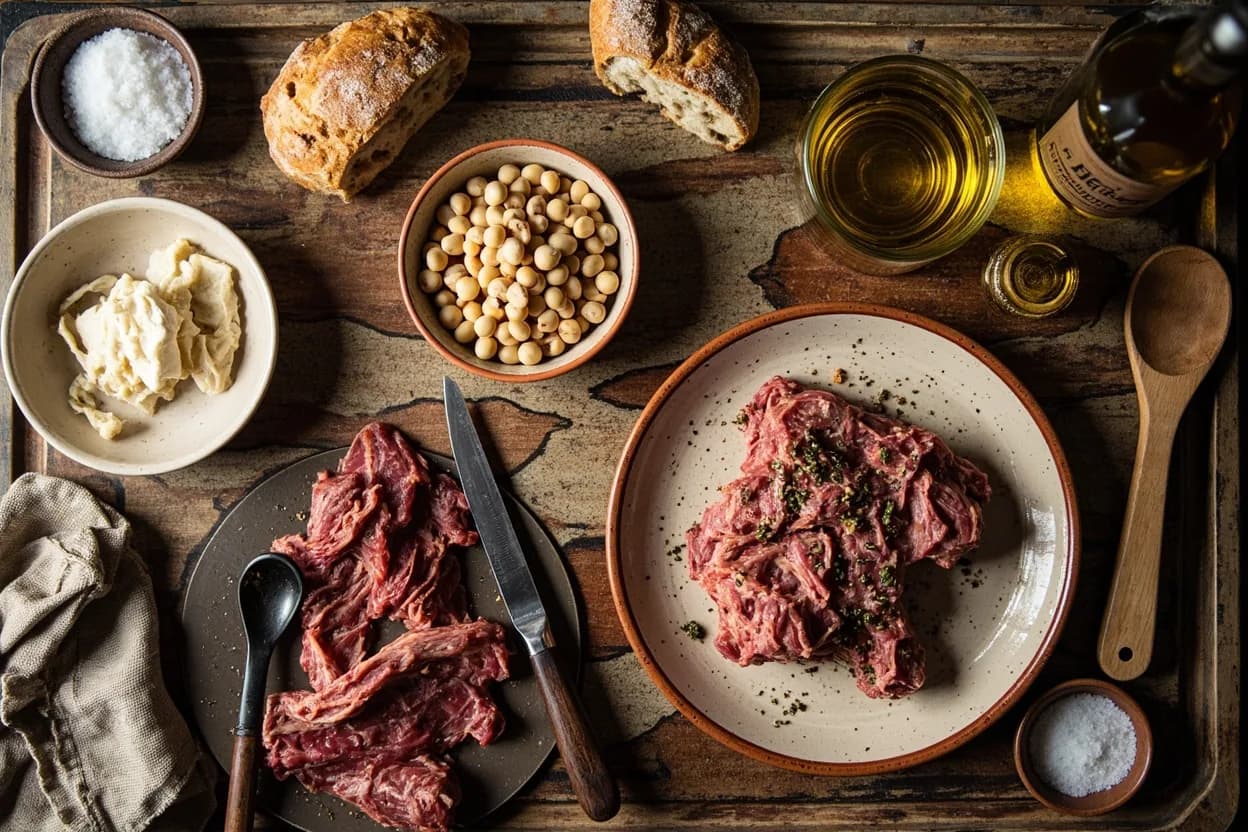
Tuscan cuisine is built on the conviction that great ingredients need no embellishment. Structured around bread, legumes, olive oil, and meat — particularly the Chianina beef of the Val di Chiana — it prizes quality over complexity. The region's cooking is emphatically savory (pane sciocco, the unsalted bread, forces flavor onto the food itself), rustic in origin but aristocratic in aspiration. Bitter greens, white beans, cured meats, and aged Pecorino anchor a repertoire that honors poverty-born ingenuity and refuses to be flashy.
The flavour base
Soffritto of onion, carrot, and celery in Tuscan extra-virgin olive oil, often finished with sage, rosemary, or juniper; for grilled meats, the base is the quality of the animal itself — seasoned only with salt and wood smoke.
Pantry staples
Key ingredients
Signature techniques
Signature dishes
Tuscan on the table
At the table
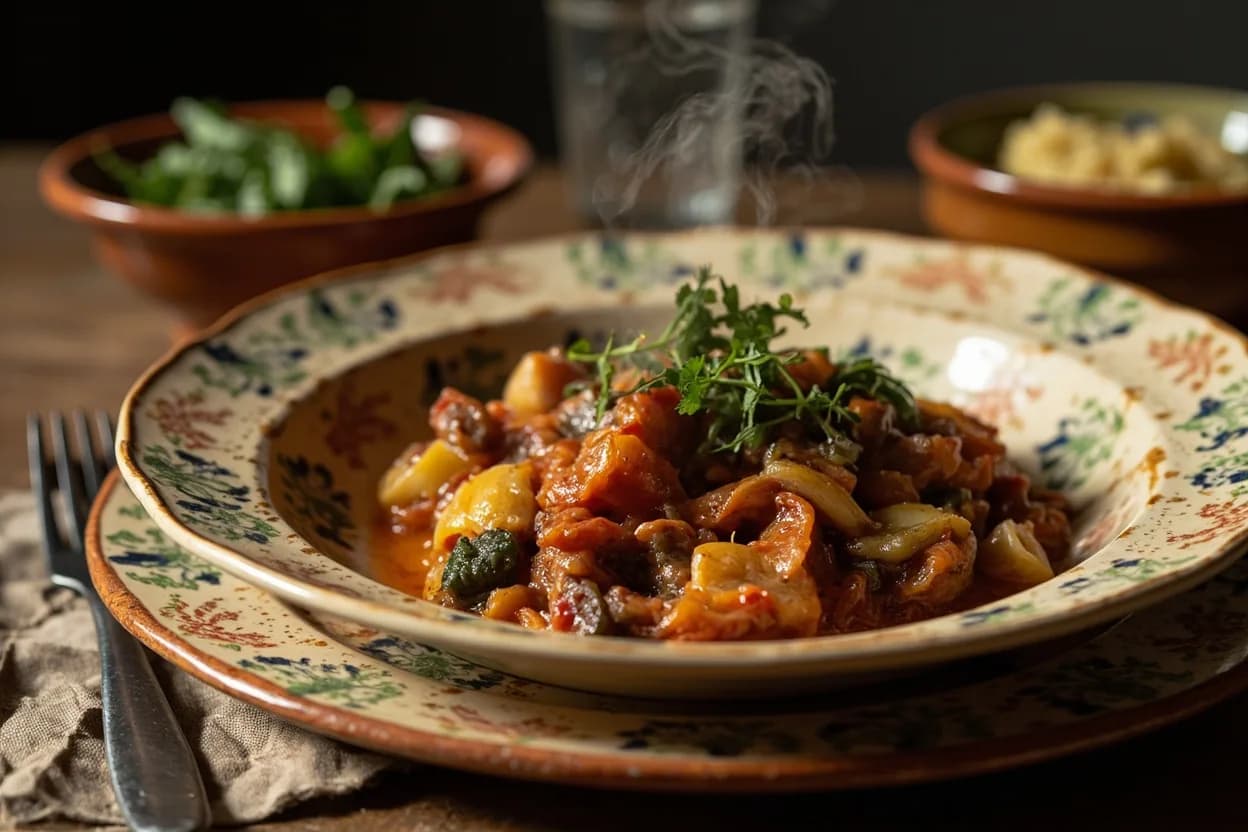
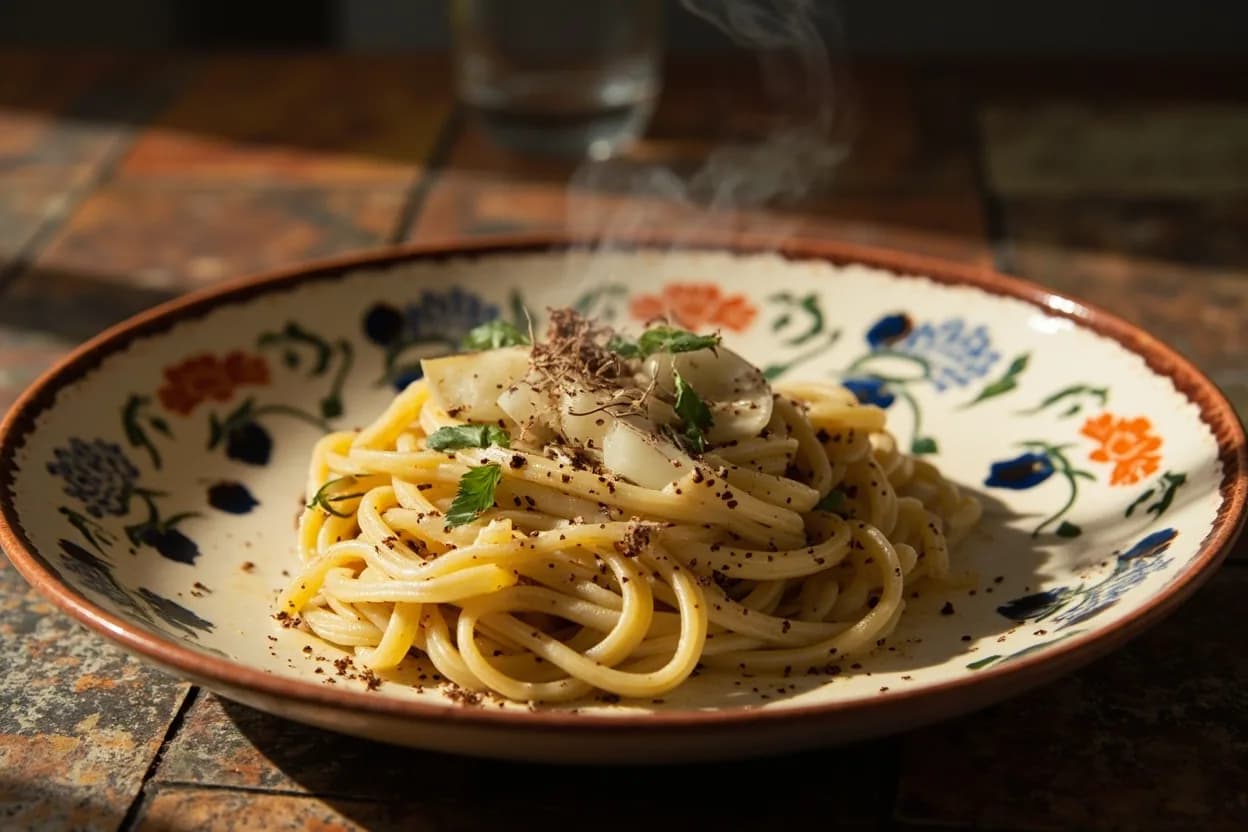
A traditional Tuscan meal moves from an antipasto of cured meats and bruschetta, through a primo of hand-made pasta or bean soup, to a secondo of grilled or braised meat accompanied by simple contorni (white beans, sautéed greens), and closes with cantucci dipped in Vin Santo. Cheese (Pecorino at varying ages) may appear with honey and walnuts. Meals are unhurried; Chianti, Brunello, or Morellino anchor the table.
History & context
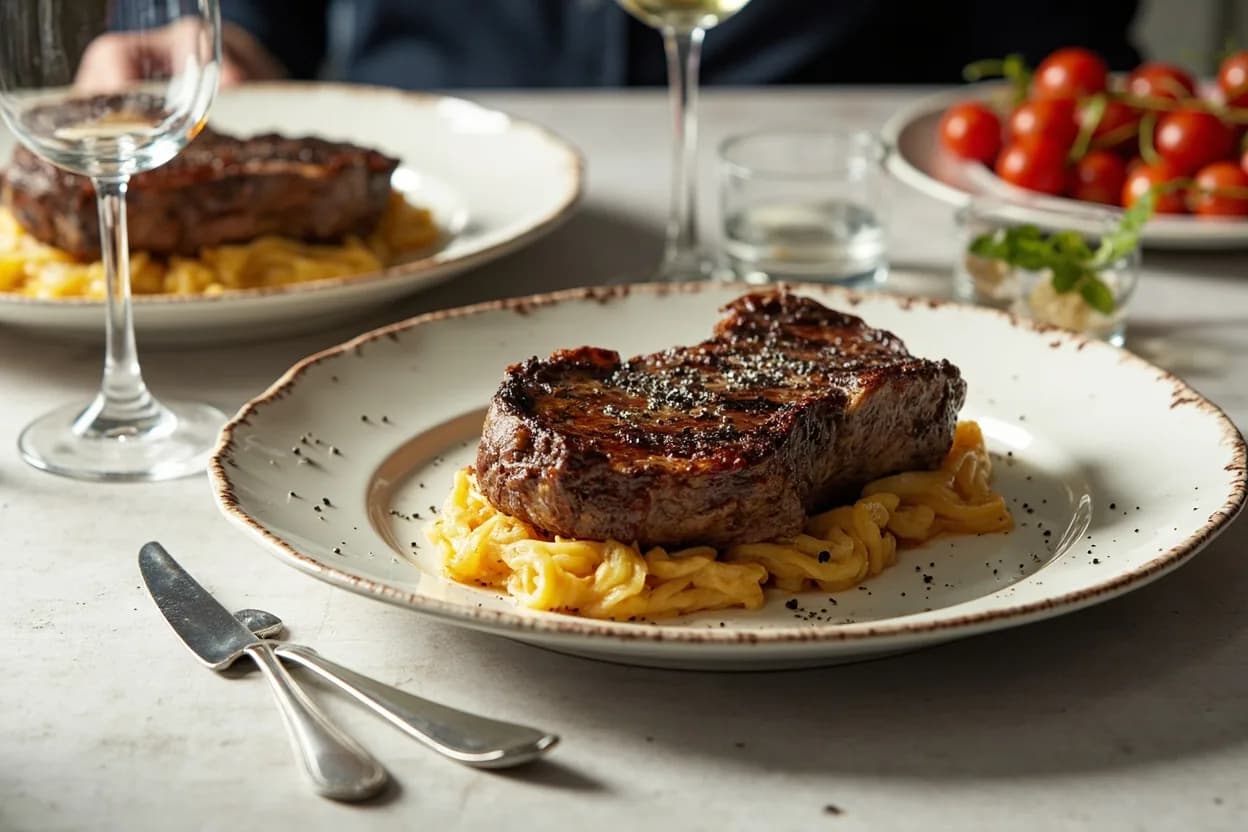
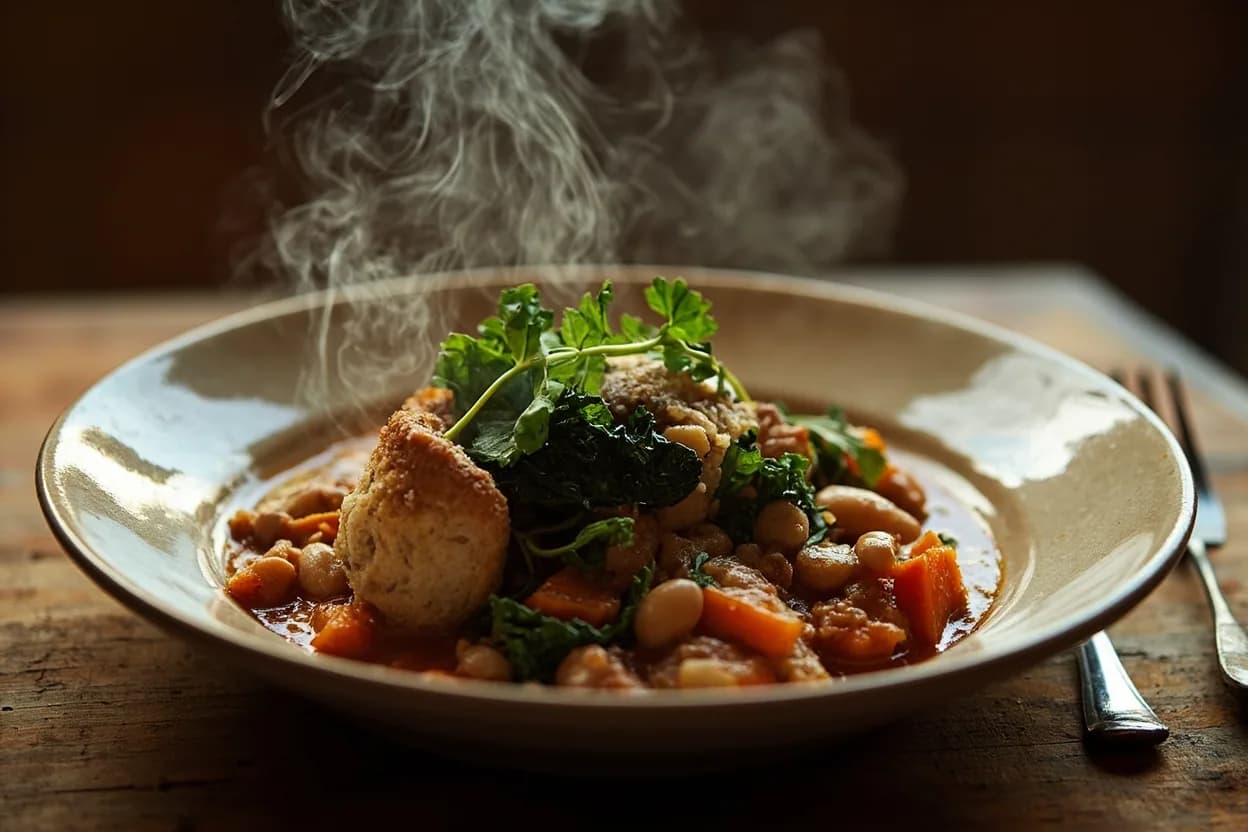
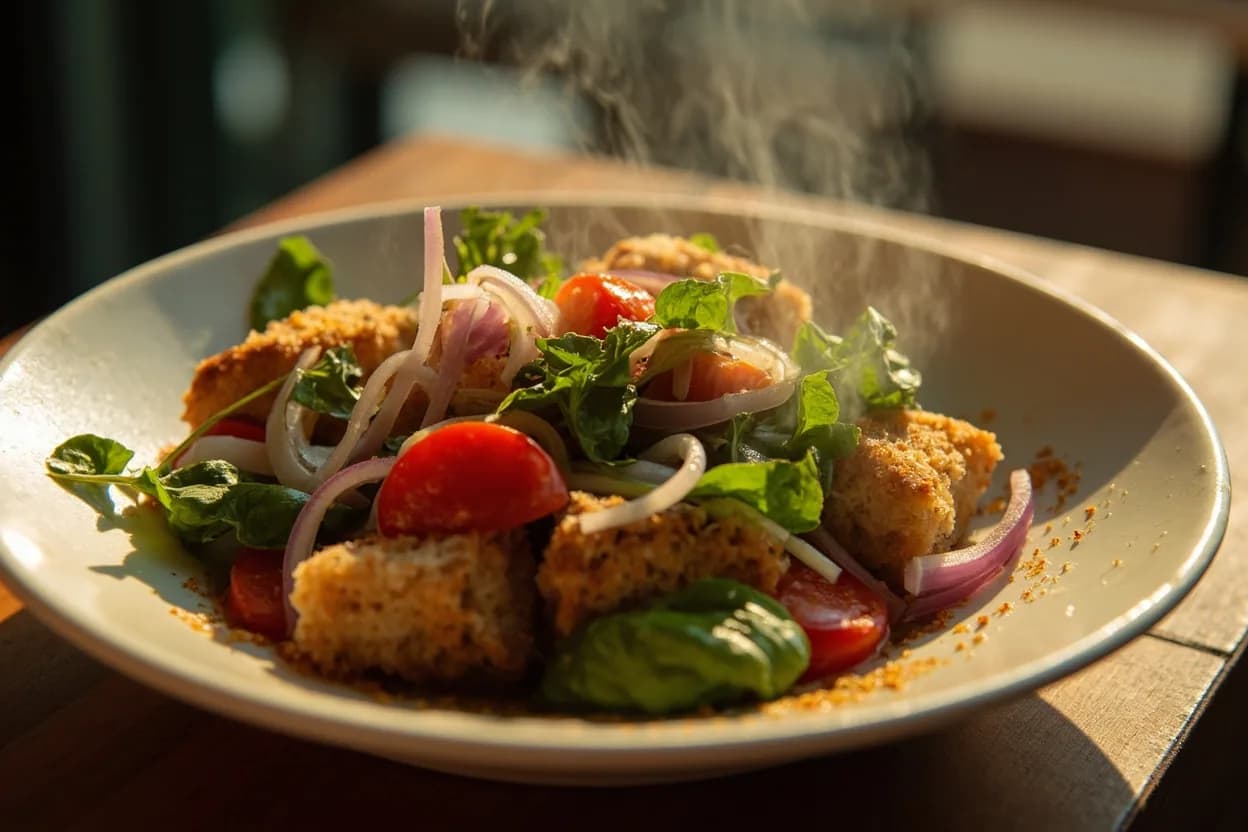
Tuscan cooking is inseparable from the region's Republican city-states and the Medici court, yet its deepest roots are in the contadino (peasant) traditions that transformed poverty ingredients — stale bread, offal, dried legumes — into defining dishes. Ribollita and panzanella are bread-recycling strategies elevated to cuisine. The bistecca emerged from the 18th-century Florentine practice of grilling Chianina on bonfires for San Lorenzo. Chianti Classico's DOCG zone formalized wine-food symbiosis. The Renaissance cucina of Bartolomeo Scappi and later Pellegrino Artusi's 1891 Science in the Kitchen codified the region's influence on Italian gastronomy at large.
Regional variations
- Florentine (Firenze)
Center of bistecca, lampredotto street food, ribollita, and pappa al pomodoro; urban, confident.
- Sienese
Home of Pecorino di Pienza, pici, Cinta Senese pork, and panforte; more medieval and spiced.
- Livornese (Livorno)
Port city with cacciucco (fisherman's stew) and Jewish-Sephardic influences; assertively spiced compared to the Florentine interior.
- Lunigiana
Northern border zone blending Tuscan and Ligurian traditions; testaroli pasta and chestnut flour products dominate.
- Maremma
Coastal south — the butteri (cowboys) tradition yields slow-braised beef and wild boar; also sea urchin and bottarga.
Related cuisines
- Umbrian
Near-identical austere peasant philosophy, also built on legumes, pork, and black truffles; shares pici and grilled meats.
Both embrace offal and bread-thickened soups, but Roman cooking is more abundant and garlic-forward.
Shares extra-virgin olive oil reverence and herb-driven simplicity; Lunigiana is the cultural overlap zone.
Canonical recipes
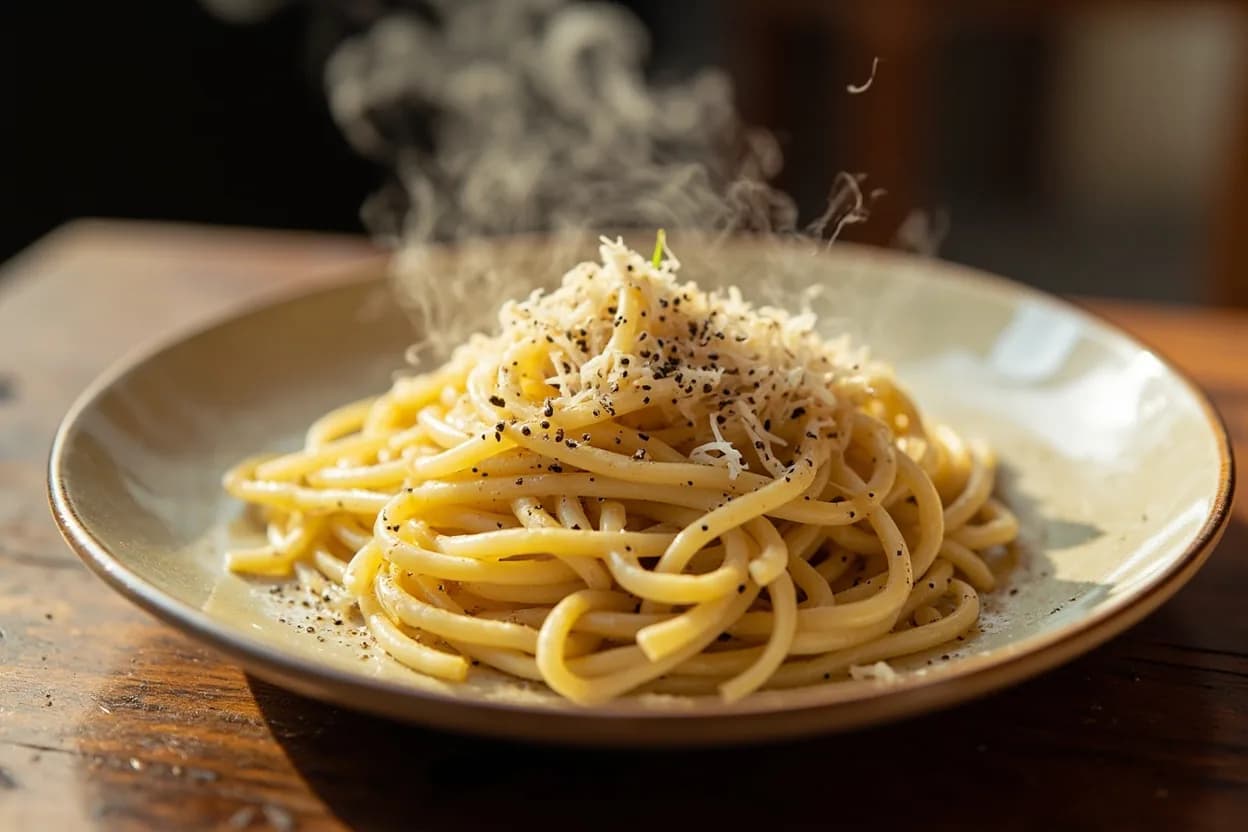
The dishes that define Tuscan, documented in the Canon.
References
- 1.Science in the Kitchen and the Art of Eating Well — Pellegrino Artusi (1891)
- 2.Tuscany: Recipes from the Heart of Italy — Maxine Clark
- 3.Italian Food — Elizabeth David (1954)
- 4.The Silver Spoon (Il Cucchiaio d'Argento) — Phaidon Press
Confidence: high
Notes
The Bread Paradox
Pane sciocco — Tuscan bread made without salt — often baffles outsiders but is deliberate: unsalted bread forces every other element on the table to carry its own flavor. It also keeps longer, explaining ribollita and panzanella.
Olive Oil as Seasoning
New-harvest Tuscan olive oil (olio nuovo, released in November) is a seasonal event; its grassy, peppery bite is drunk almost as a condiment on fettunta and bean soups, and its quality is considered non-negotiable.