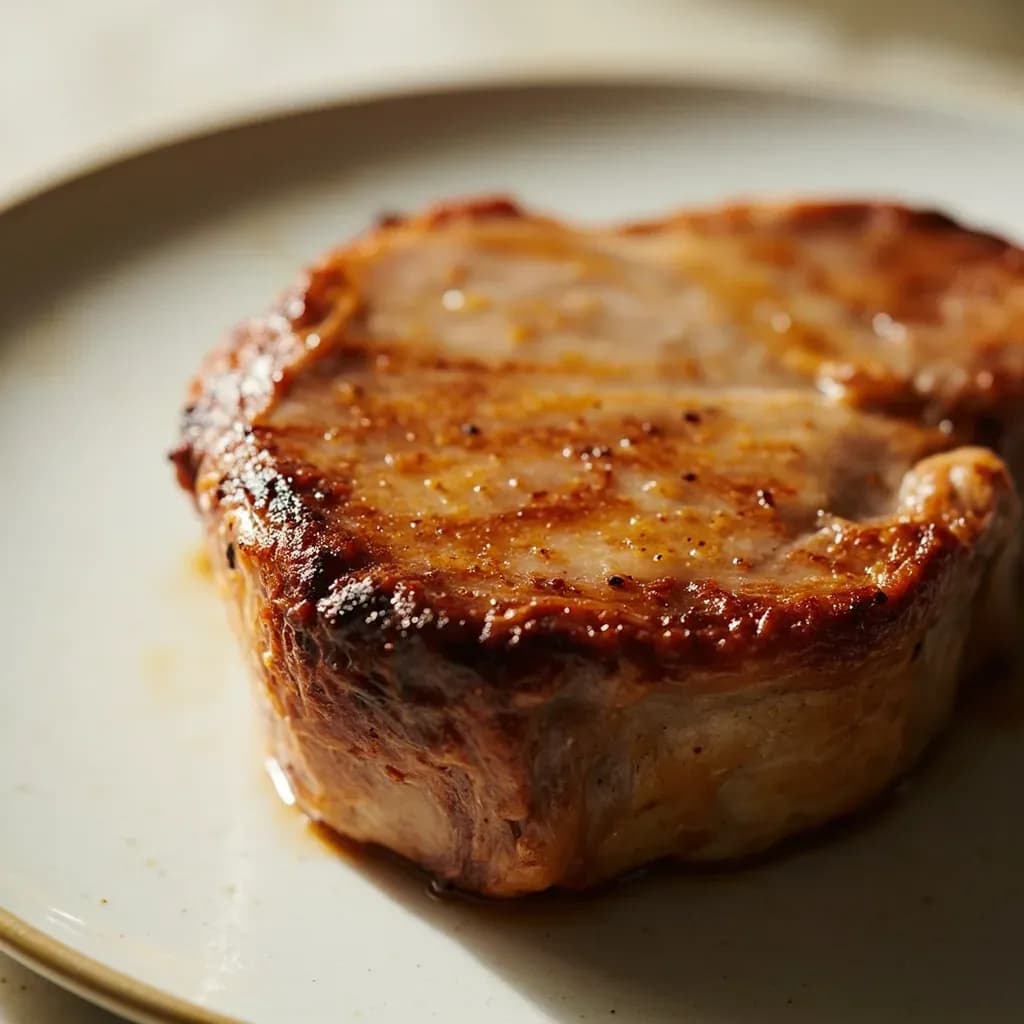
Proteins
Cinta Senese Pork
Heritage black-and-white Tuscan pig with richly marbled, deeply flavored meat.
Cinta Senese is an ancient Tuscan pig breed, recognizable by the white belt across its dark coat, traditionally raised free-range in the woods. Its meat and fat are intensely marbled and flavorful, used fresh for roasts and chops and cured into prized salumi and prosciutto. It carries EU protected-designation status as a regional specialty.
Cinta Senese is a heritage swine breed raised in the Siena province of Tuscany since at least the 14th century, distinguished by its striking appearance—a black or dark grey coat with a white belt (cinta) across the shoulders and a white blaze on the forehead. The breed was nearly wiped out by the 1980s, with fewer than 70 purebred animals surviving, before concerted breeding programs brought populations back to over 10,000 by the 2010s. Today it holds two PDO designations: one for fresh meat (2000) and one for cured products (2012), with strict geographic requirements ensuring the pigs are born, raised, and slaughtered in designated Tuscan zones. The breed's extraordinary flavor comes from its free-range life on Tuscan hillside woodlands, where the animals forage on chestnuts, acorns, wild herbs, and roots for 12 to 18 months—twice the life of commercial pigs. The meat is dark red to ruby, densely marbled with 6–10% intramuscular fat, and produces an ivory-white lard prized in pastry and soffritto. Because of its lower water content and denser muscle structure, Cinta Senese behaves differently from commodity pork: it overcooks easily, requires lower temperatures, and rewards patience with a depth of flavor that commercial breeds cannot achieve.
- Measured in
- g
- Storage
- Fridge
Types & varieties
Fresh primal cuts: loin, ribs, shoulder, belly, ham. Sold whole or as individual cuts from certified producers.
Cured products: whole prosciutto, saucisson, finocchiona, and guanciale from certified Cinta Senese swine raised in the designated zone.
Extremely rare variety with entirely black coat; retains the white belt marking but lacks the white forehead blaze. Same breed genetics, different coat expression.
Smaller-stature variant traditionally raised in the Lucchesia area near Lucca. Now extremely difficult to source; consult specialized breeders or regional producers' associations.
Sourcing and Certification
When purchasing Cinta Senese, verify PDO certification on the label or from your supplier. The PDO mark guarantees the animals were born, raised, and slaughtered within the designated Tuscan provinces and that breed purity meets regulatory standards. Prices run 3–5 times higher than commodity pork, but the difference in braises and cured products is substantial. Seek specialty Italian importers, specialty butcher shops, or direct-from-farm sources for the best access outside Italy. Whole primal cuts travel well; ask your butcher to portion and vacuum-seal for home freezer storage up to 6 months.
- Look for PDO seal on fresh cuts and cured products
- Specialty Italian grocers and importers are primary sources outside Tuscany
- Ask for specific cuts by their Italian names: lonza (loin), costine (ribs), spalla (shoulder), pancetta (belly), prosciutto (ham)
- Frozen primal cuts maintain quality for up to 6 months
The Lard
Cinta Senese lard is not a substitute for industrial shortening—it is a legitimate cooking fat with terroir. The ivory-colored fat renders slowly into a clear liquid with a mild, clean flavor that elevates soffritto, pie pastry, and pan-fried potatoes far beyond what commercial shortening achieves. Render it low and slow over medium heat, adding a splash of water initially to prevent scorching. The cracklings (cotiche) that remain should be golden and crispy, not burned; they are traditionally used as a salad garnish or eaten as a snack with wine.
- Render with a tablespoon of water to prevent browning before fat melts
- Strain through fine mesh and store refrigerated up to 3 months
- Use in place of butter in savory pastry for pizzas and tarts
- The cracklings (cotiche) are edible and traditional as a snack
Common uses
Tips & pitfalls
- Cook Cinta Senese like venison or heritage lamb, not standard pork—the meat is denser and drier than commercial breeds and overcooks easily.
- Use low, steady heat for braising: 140–160°C for 2.5–3.5 hours for shoulder and neck, or the meat will seize and toughen.
- For fresh cuts, bring to room temperature 30 minutes before cooking and pat completely dry—surface moisture prevents proper browning.
- Rest braised or roasted cuts for a minimum of 10–15 minutes, loosely tented with foil, before slicing against the grain.
- When curing, the meat's lower water content requires a 10–15% reduction in cure salt compared to standard pork to avoid over-salting.
- The lard is prized for pastry and soffritto; render it slowly over medium heat until the cracklings (cotiche) are golden but not burned.
- Do not substitute standard pork in recipes calling for Cinta Senese—the flavor gap is substantial and the cooking times differ significantly.
- Season cured Cinta Senese products more lightly than commercial cured meats; the flavor is more concentrated and salt amplifies quickly.
Nutrition
Energy
3397 kJ · per 100 g
Where the calories come from
Protein
2.9g
6% DV
Carbs
0g
0% DV
Fat
88.7g
114% DV
Fiber
0g
0% DV
Sugars
0g
of which
Sodium
11mg
0% DV
Source · USDA FoodData Central · approx. Pork, fresh, backfat, raw
View on FDC →In the shops
Matched grocery products
 €2.20
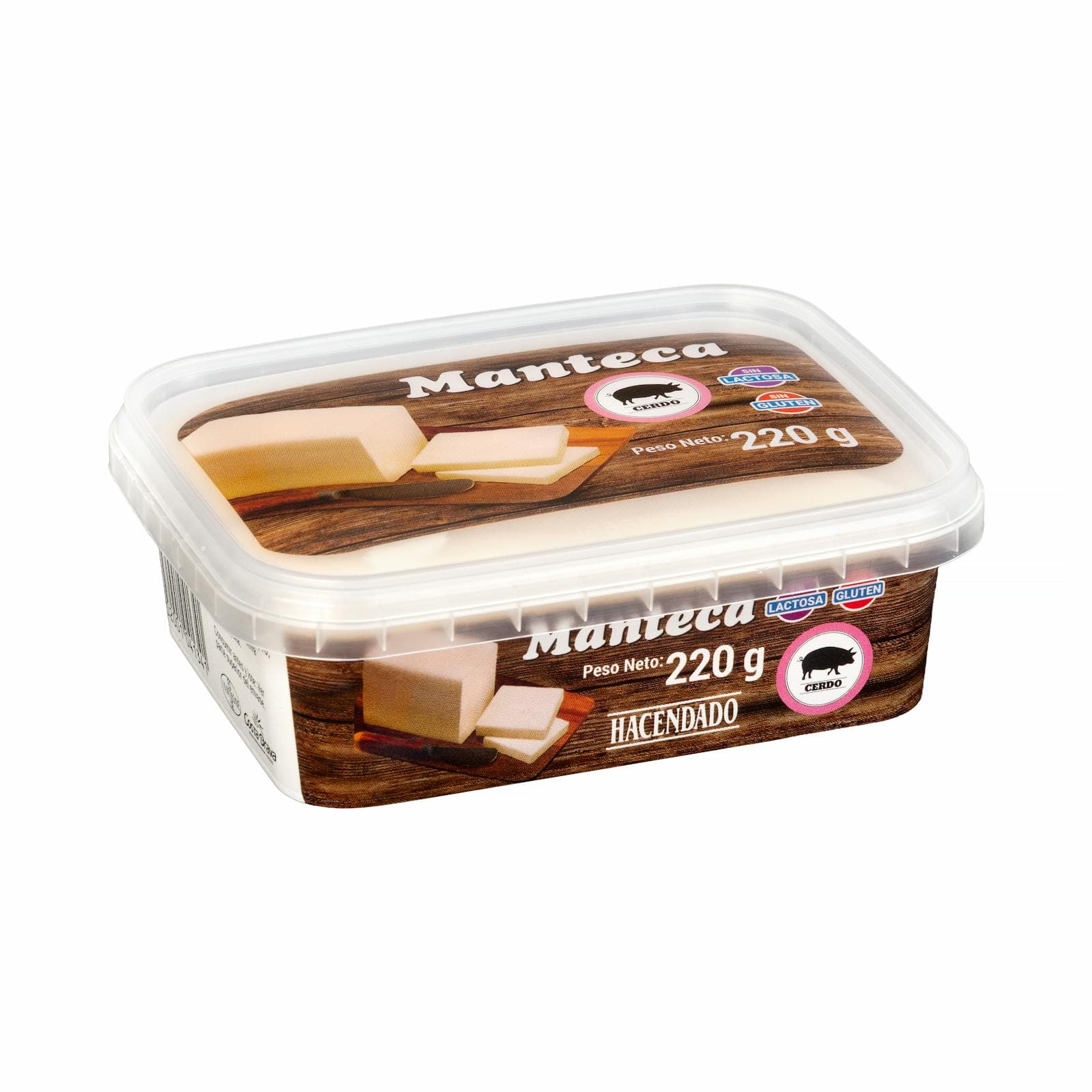
€2.20Pork Lard
Hacendado · 220 g · Mercadona
 €3.40
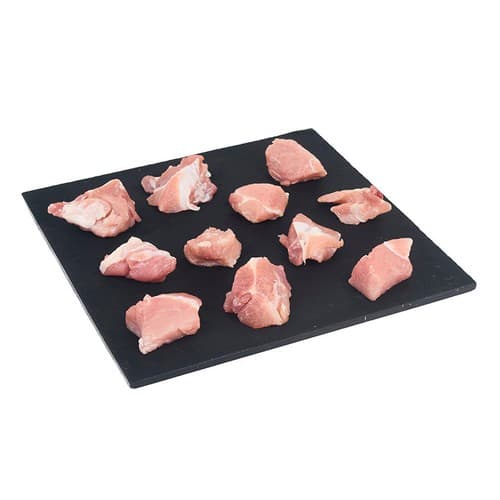
€3.40Pork Stew
BONPREU · ud · Bonpreu
 €3.45
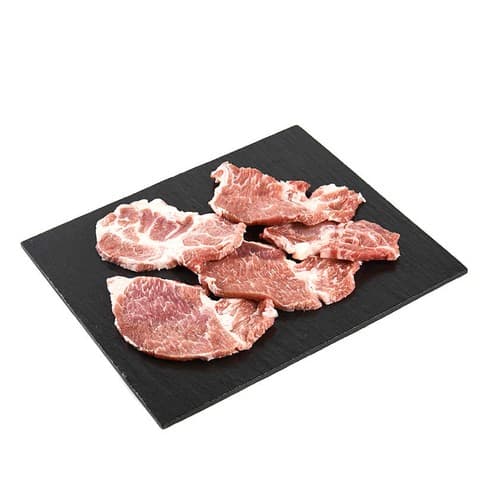
€3.45Lean Pork
BONPREU DE L'ERA · ud · Bonpreu
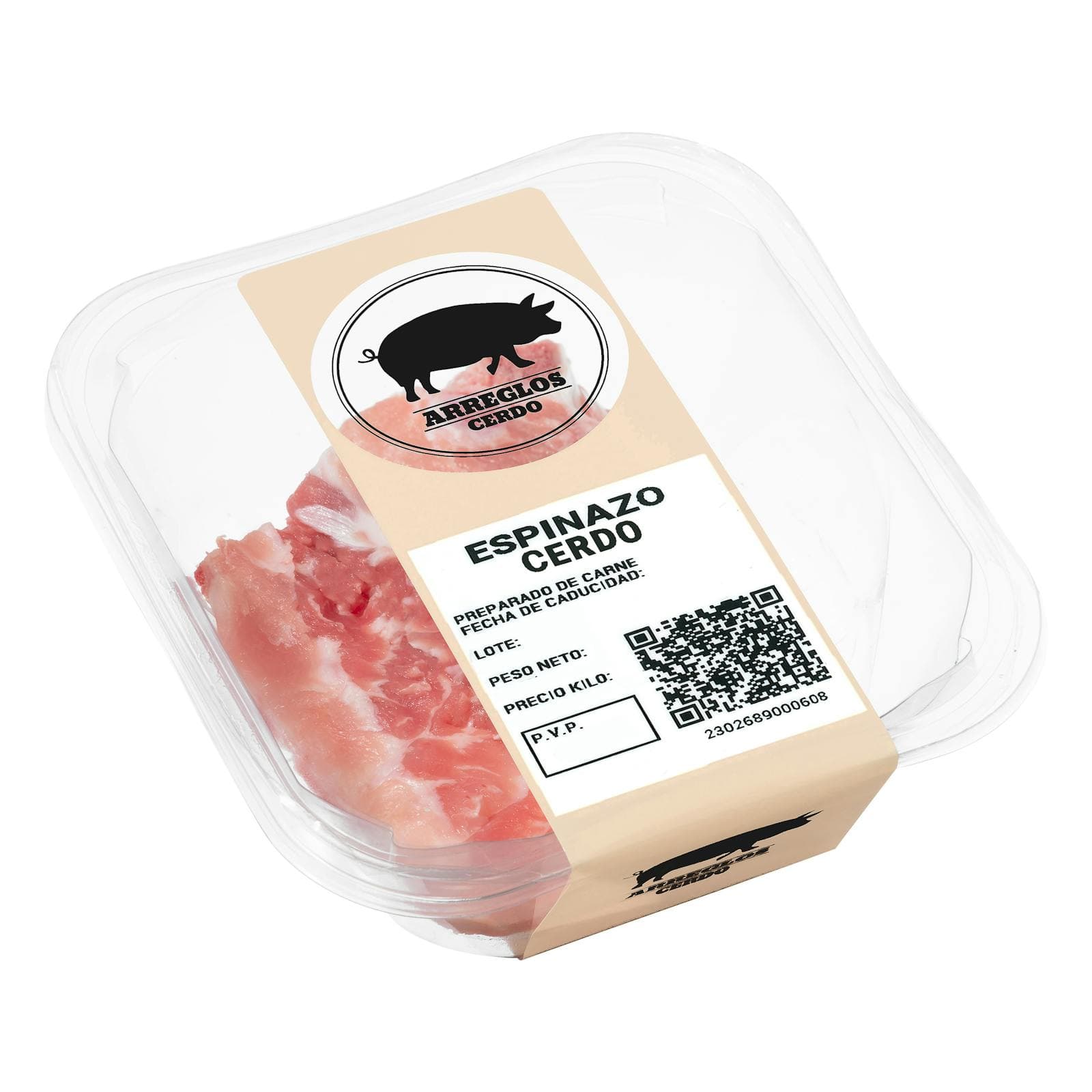 €2.10
€2.10Pork Spine
300 g · Mercadona
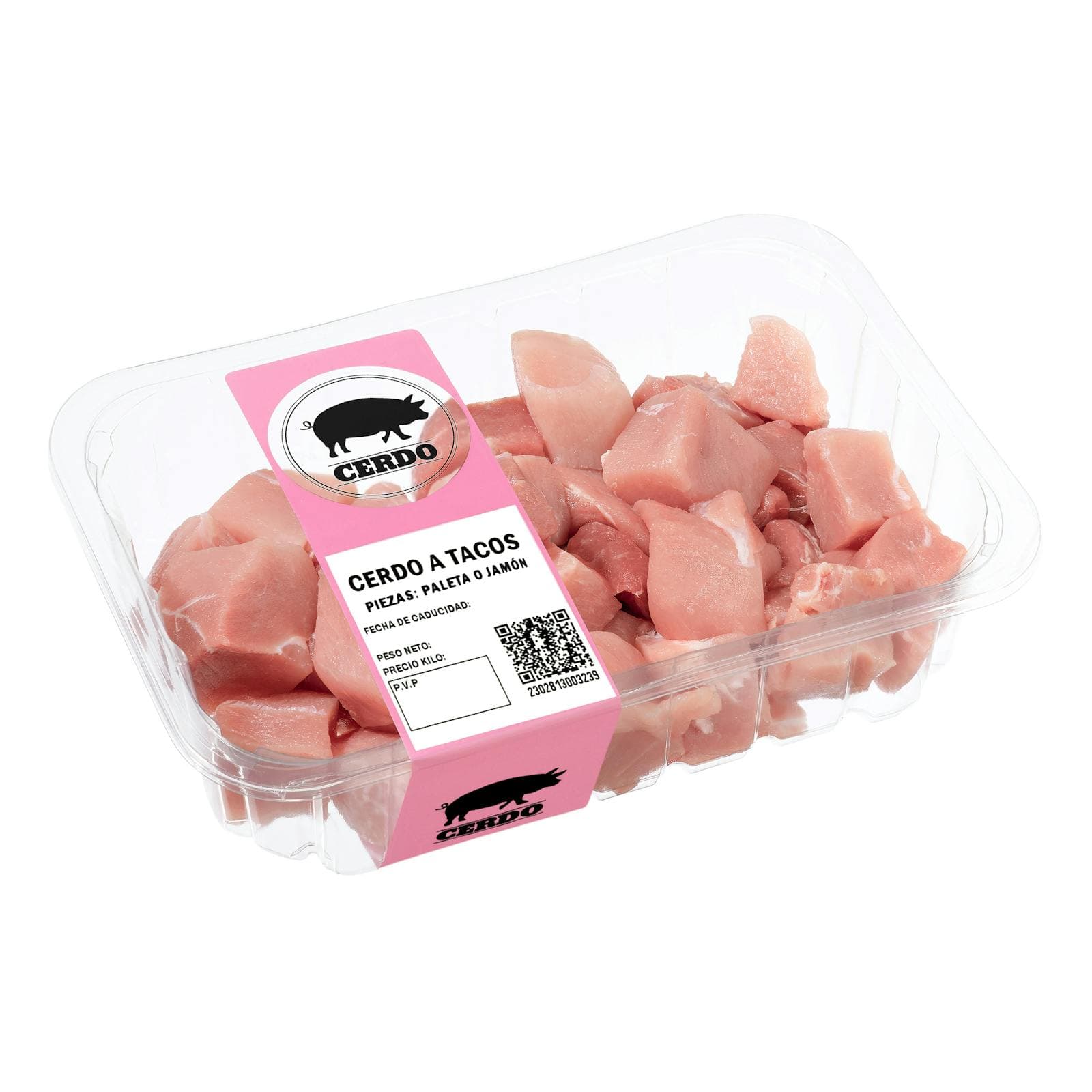 €3.22
€3.22Diced Pork
560 g · Mercadona
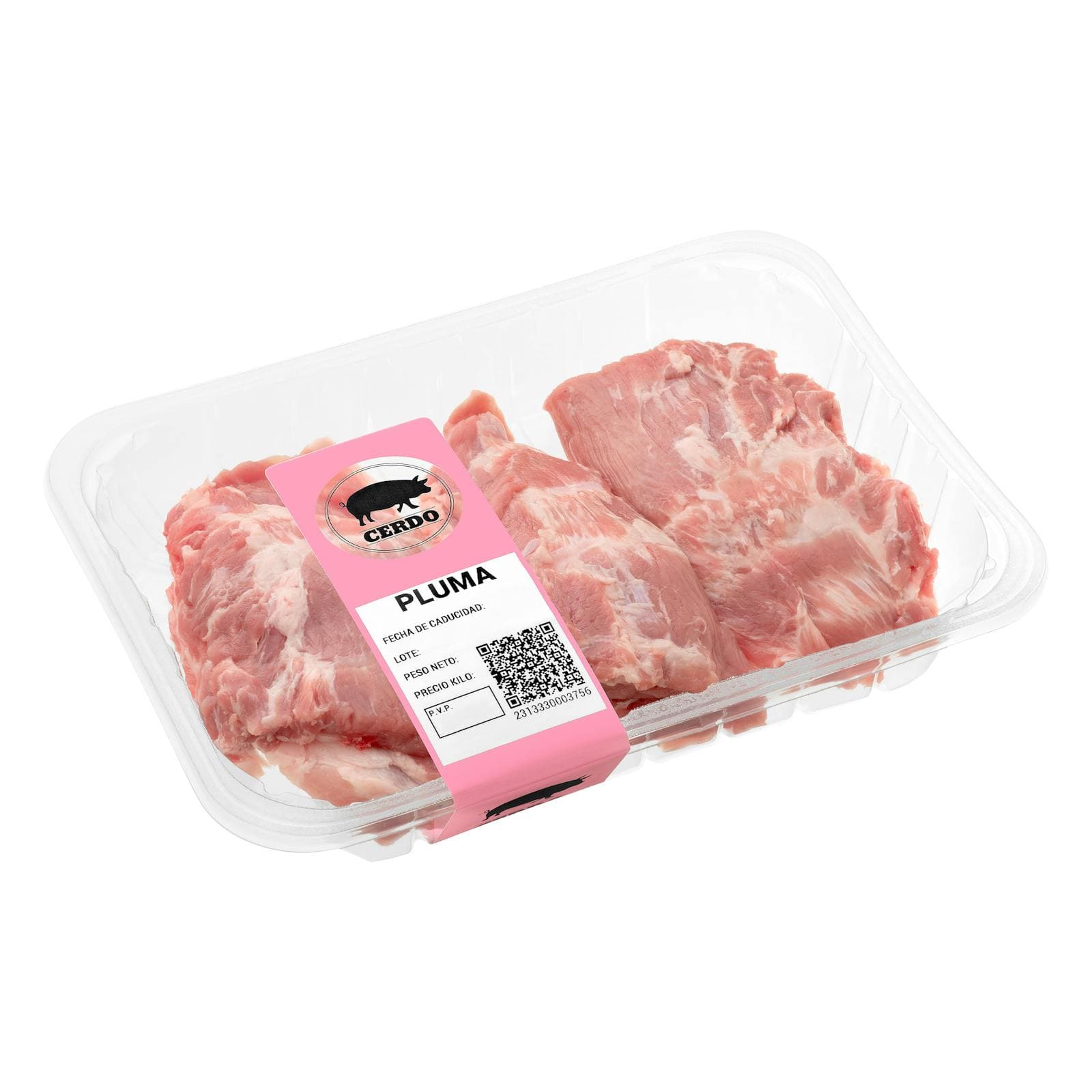 €3.75
€3.75Pork Pluma
300 g · Mercadona
Good to know
- Origin
- Siena province, Tuscany, Italy; documented since at least the 14th century
- Breed Type
- Heritage/antique Italian swine breed, free-range and semi-wild
- Physical Mark
- White belt (cinta) across shoulders and white blaze on forehead; black or dark grey coat
- Diet
- Chestnuts, acorns, wild herbs, roots, and forage in Tuscan hillside woodlands
- Slaughter Age
- 12–18 months (vs. 6 months for commercial breeds)
- Meat Color
- Dark red to ruby; significantly darker than commercial pork
- Fat Profile
- 6–10% intramuscular fat; firm, ivory-colored lard
- PDO Status
- Cinta Senese fresca PDO (2000); Cinta Senese toscana cured meats PDO (2012)
- Live Weight at Slaughter
- 150–180 kg; dressed carcass yield approximately 55–65%
Substitutes
- Other heritage Italian breeds — Casertana, Nero di Parma, or Mora Romagnola share similar marbling and depth; adjust cooking times slightly as each breed's fat-to-lean ratio varies.
- Iberico de Bellota — Spanish acorn-fed pork has comparable depth and fat distribution; use at a 1:1 ratio but reduce cooking time by 10-15% as Iberian pigs are typically slaughtered younger.
- Duroc pork — The most widely available heritage cross in the US with decent marbling. Season more aggressively and expect a milder flavor; best used in braises where it benefits from extended cooking.
- Berkshire (Kurobuta) — Japanese-British heritage breed with excellent marbling and moist texture. Cook to lower doneness than Cinta Senese as it is more forgiving of slightly higher temperatures.
Pairs with
Also called
Cinta Senese · Sienese Belted Pig
Related

Egg
The kitchen's everything ingredient — bind, leaven, enrich, or fry

Chicken Breast
Lean, quick-cooking white meat for everyday dinners

Ground Beef
Versatile minced beef for burgers, ragù, tacos, and meatballs

Pork Loin
Lean, tender roasting cut that stays juicy with care

Salmon
Rich, rosy fish that roasts, grills, or cures beautifully

Egg White
Pure protein that whips to airy peaks for meringue and more

Egg Yolk
Rich, golden yolk for custards, mayonnaise, and pasta

Quail Egg
Tiny, speckled eggs for garnishing and elegant bites