North Africa
Egyptian (Masri)
Also: Masri cuisine, Egyptian cuisine, Nile Valley cooking
One of the world's oldest continuous food cultures, built on the Nile's grain and legumes, with flavors both deeply ancient and vibrantly street-level.
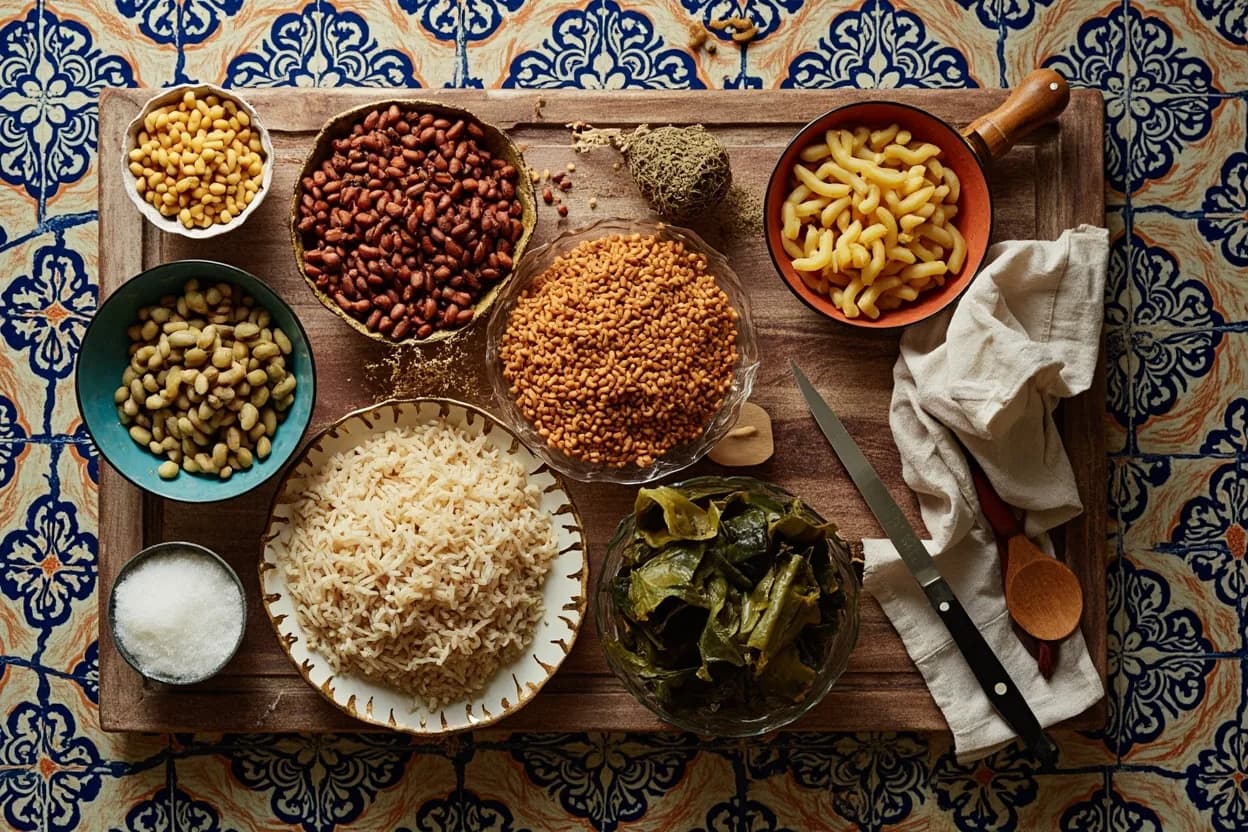
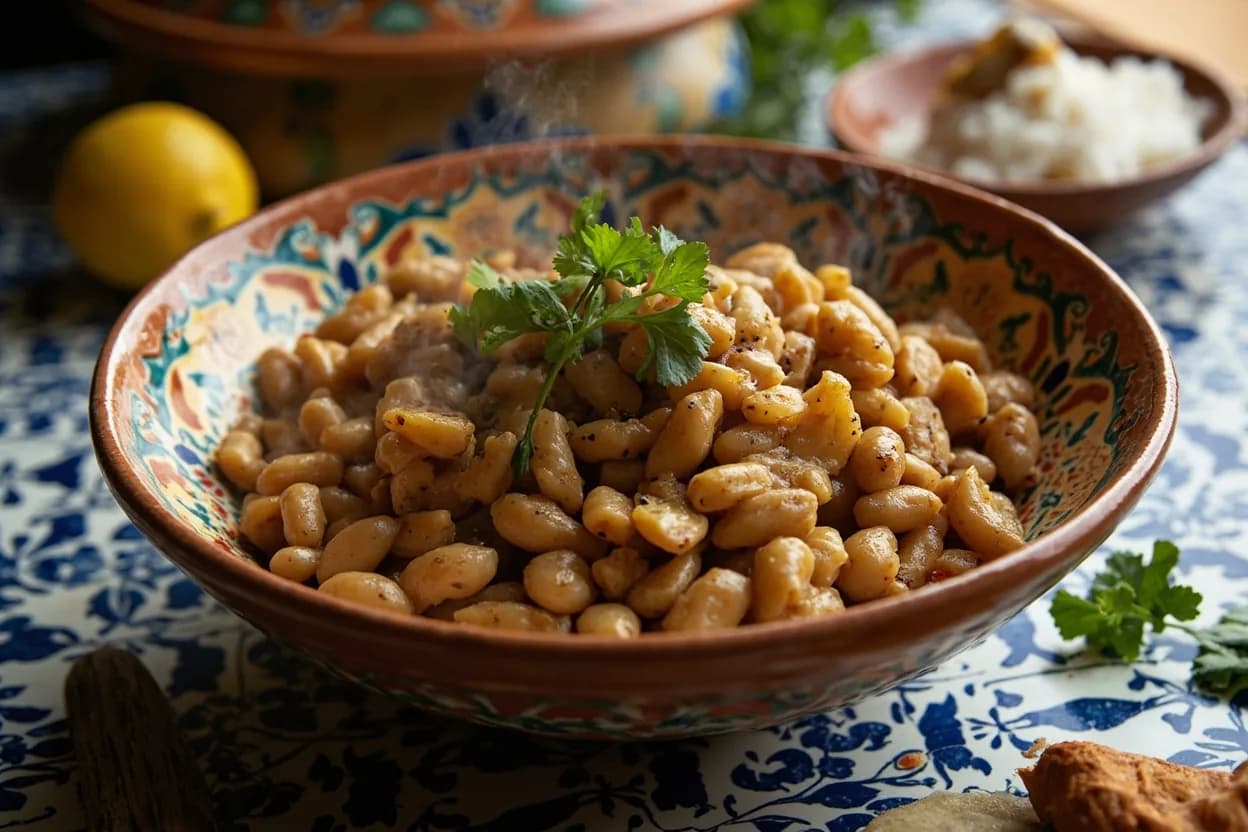
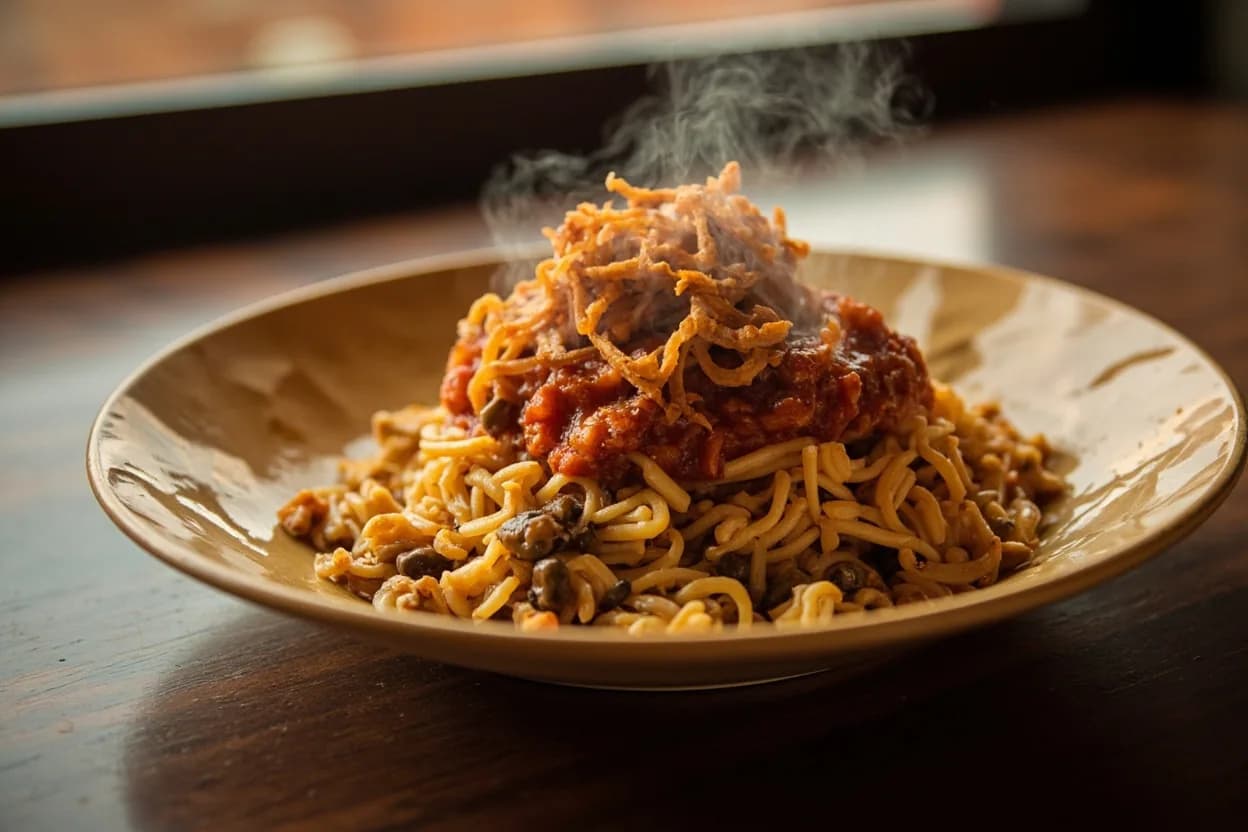
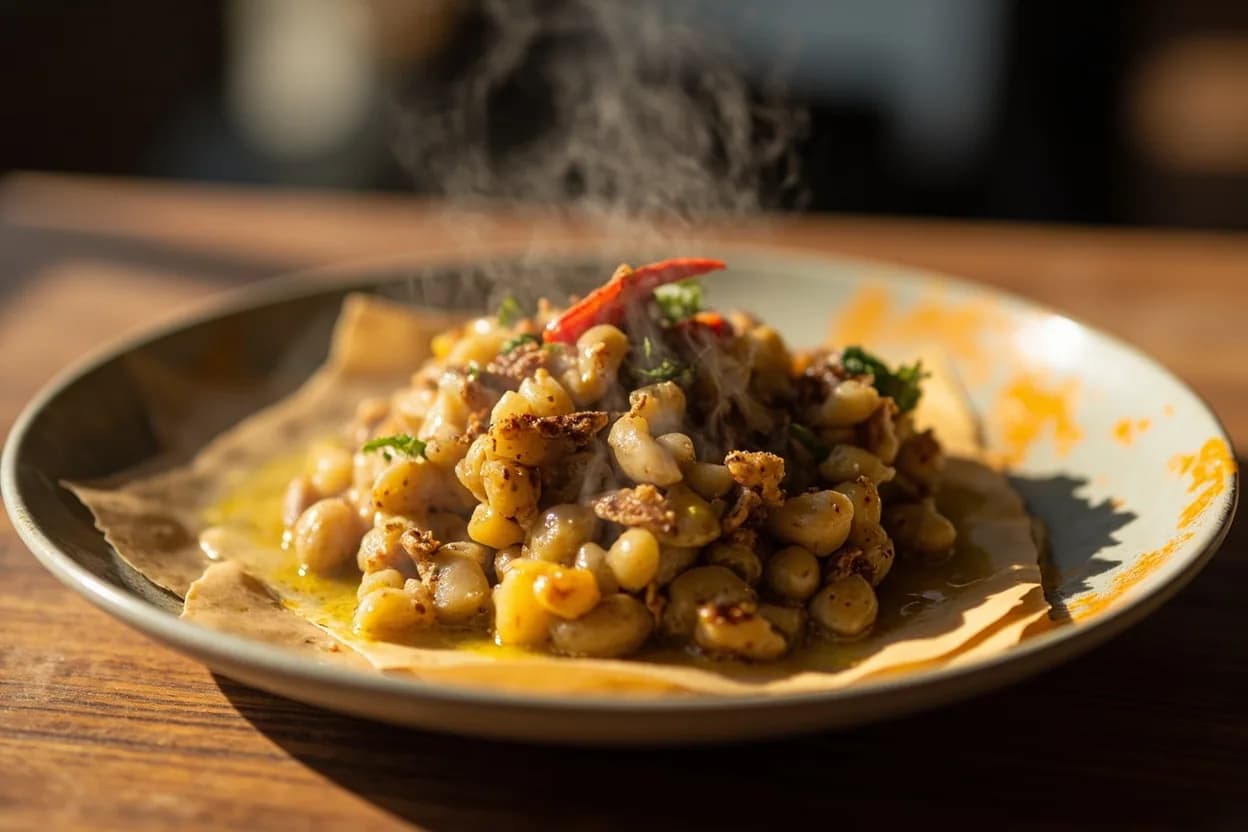
Egyptian cuisine is defined by its reliance on legumes, bread, and preserved ingredients as daily staples — a necessity rooted in 5,000 years of agricultural civilization along the Nile. Unlike the lamb-forward cuisines of neighboring Arab countries, Egypt's cooking skews vegetarian by tradition and economy, with dishes like ful medames (slow-cooked fava beans) and koshari (a layered lentil, rice, and pasta tangle) eaten at every economic level. Flavor accents are confident but not aggressive: cumin, coriander, garlic, and dried chili form the backbone. Slow cooking is paramount — in earthenware, in communal ovens, and over low flame.
The flavour base
Garlic softened in oil or ghee, enriched with cumin and coriander, then built upon with tomato, onion, and dried chili — a restrained but aromatic foundation called 'ta'leya' (a finishing fry of crispy garlic) that appears as a sauce, a garnish, and a cooking medium across the repertoire.
Pantry staples
Key ingredients
Signature techniques
Signature dishes
Egyptian (Masri) on the table
At the table
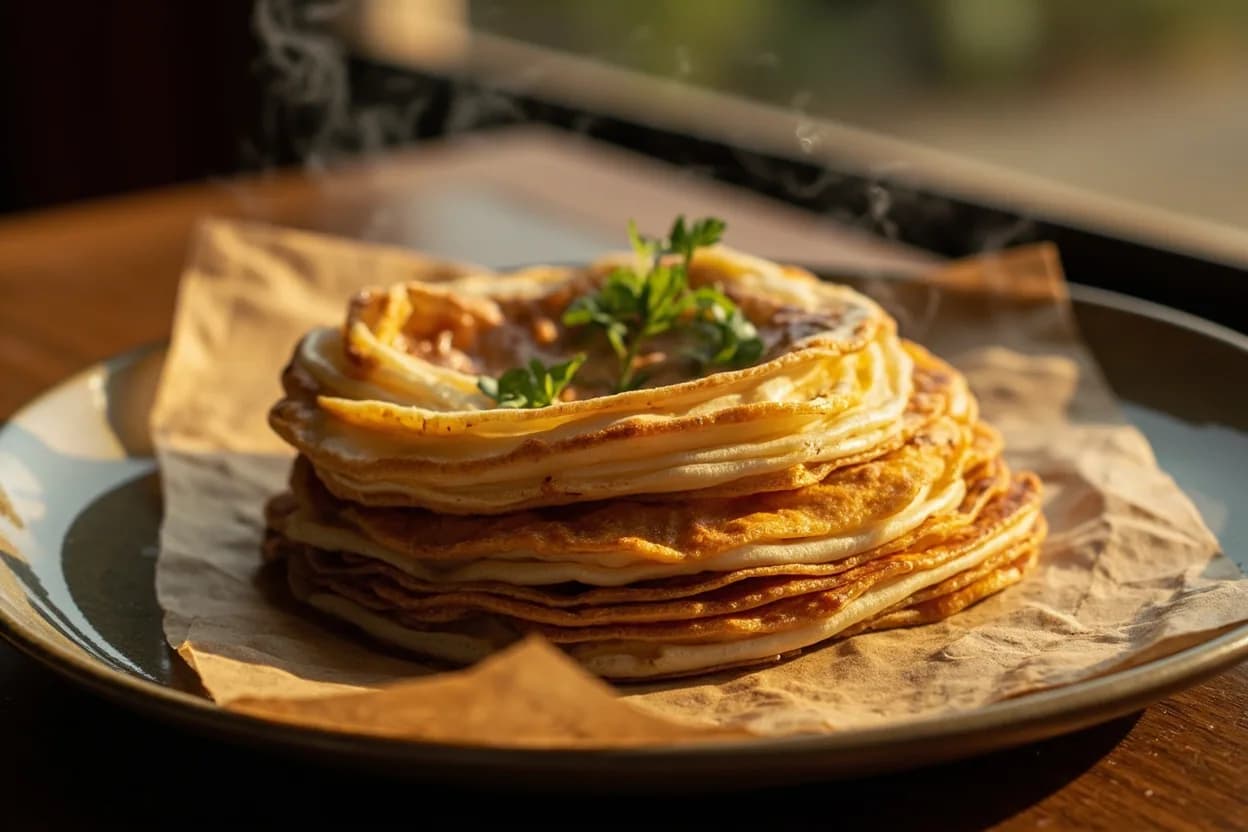
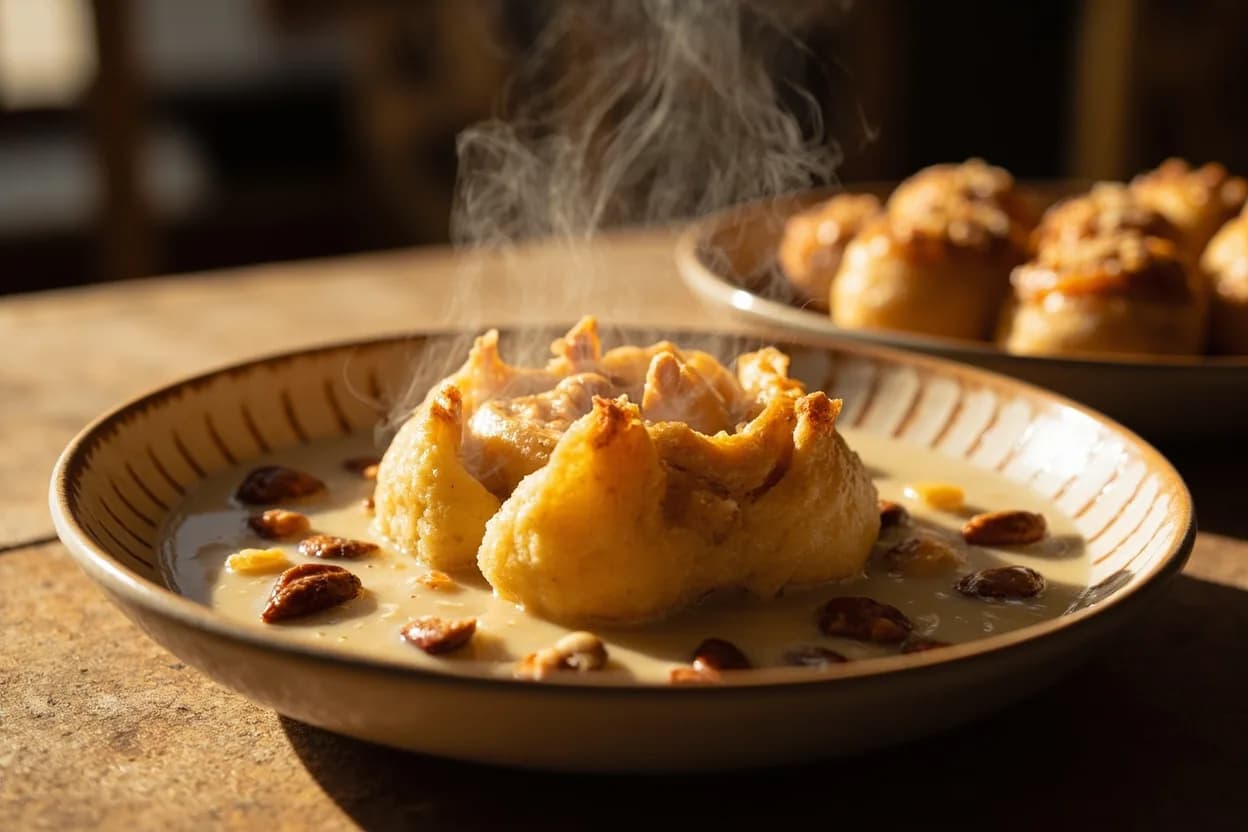
The main meal in Egypt is midday: a spread of meze-style mezaat (dips, salads, pickles), a central slow-cooked protein or stew, and large quantities of aish (flatbread) or rice. Street food — koshari, ta'ameya sandwiches, ful carts — functions as a parallel meal culture for working Egyptians. Dinner is lighter. Ramadan nights invert the cycle: iftar is a festive evening feast, with konafa and qatayef sweets dominating the nocturnal market.
History & context
Egyptian food history is among the most documented in the world, with evidence of bread-baking, brewing, and legume cultivation dating to the Predynastic period (before 3100 BCE). The pharaonic diet centered on emmer wheat, barley, fava beans, lentils, onions, garlic, and Nile fish — ingredients still central today. Arab conquest in the 7th century CE introduced new spice routes and rice; Ottoman rule layered on stuffed vegetable traditions and sweet pastries. Egypt's position as a colonial crossroads — French, British, Mediterranean — added pasta and Western-style bread, which Egyptians made entirely their own (macaroni in koshari being the most famous example). The country's size and poverty shaped a cuisine that maximized legumes and grains into some of the Arab world's most satisfying street food.
Regional variations
- Alexandria
Stronger Mediterranean influence; more seafood, Greek-Egyptian pastries, and a love of fresh herbs and lemon.
- Upper Egypt (Sa'id)
More conservative, rustic cooking; heavy reliance on clay-pot ful, dried fish from the Nile, and corn-based flatbreads.
- Sinai
Bedouin influence is strong; zarb pit cooking, camel's milk products, and date-based sweets diverge from Nile Valley norms.
- Delta (Lower Egypt)
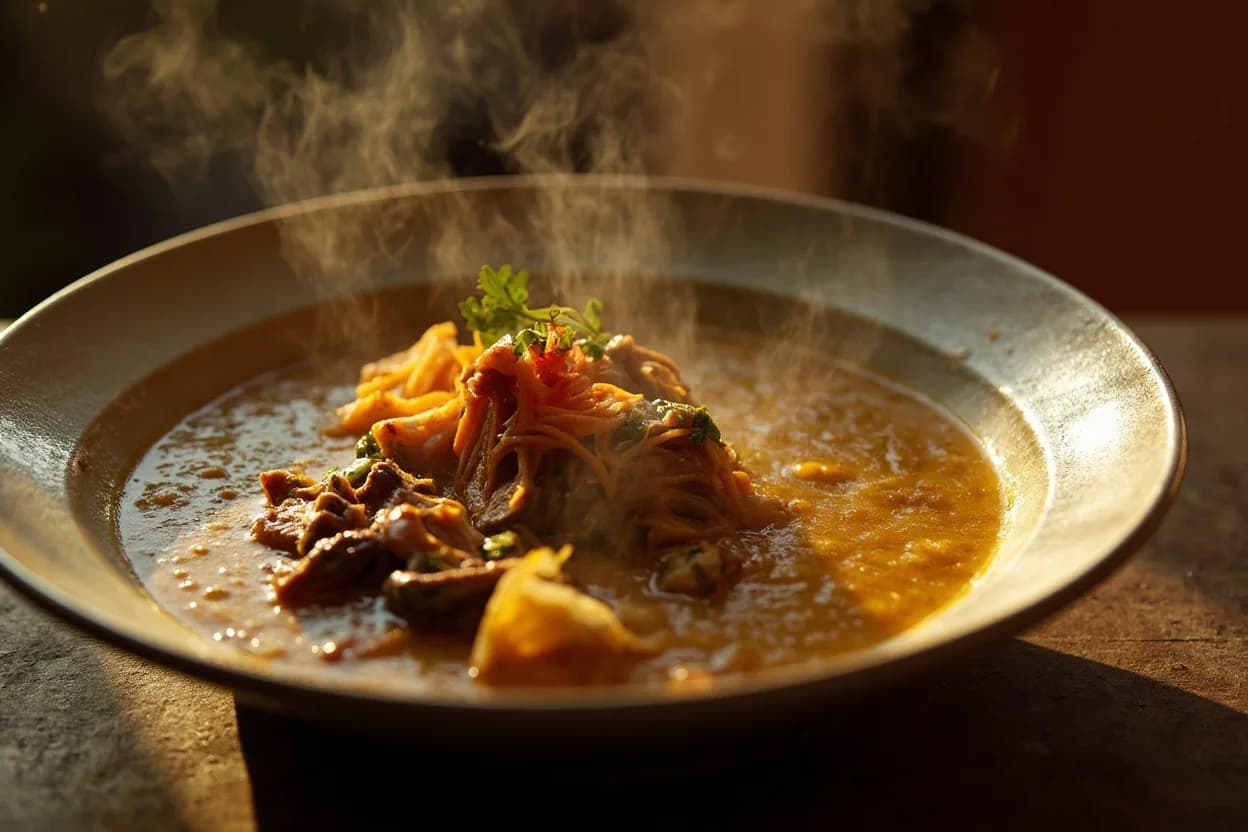
Richer agricultural land supports more vegetable variety; famous for molokheya and pigeon dishes (hamam).
Related cuisines
- Levantine
Shares mezze tradition, stuffed vegetables, and tahini usage, but Egypt's legume-centeredness and ta'ameya distinguish it.
Western neighbor shares ful and couscous overlap in border regions.
Southern neighbor shares ful medames as a morning staple, with additional sorghum-based preparations.
- Ottoman
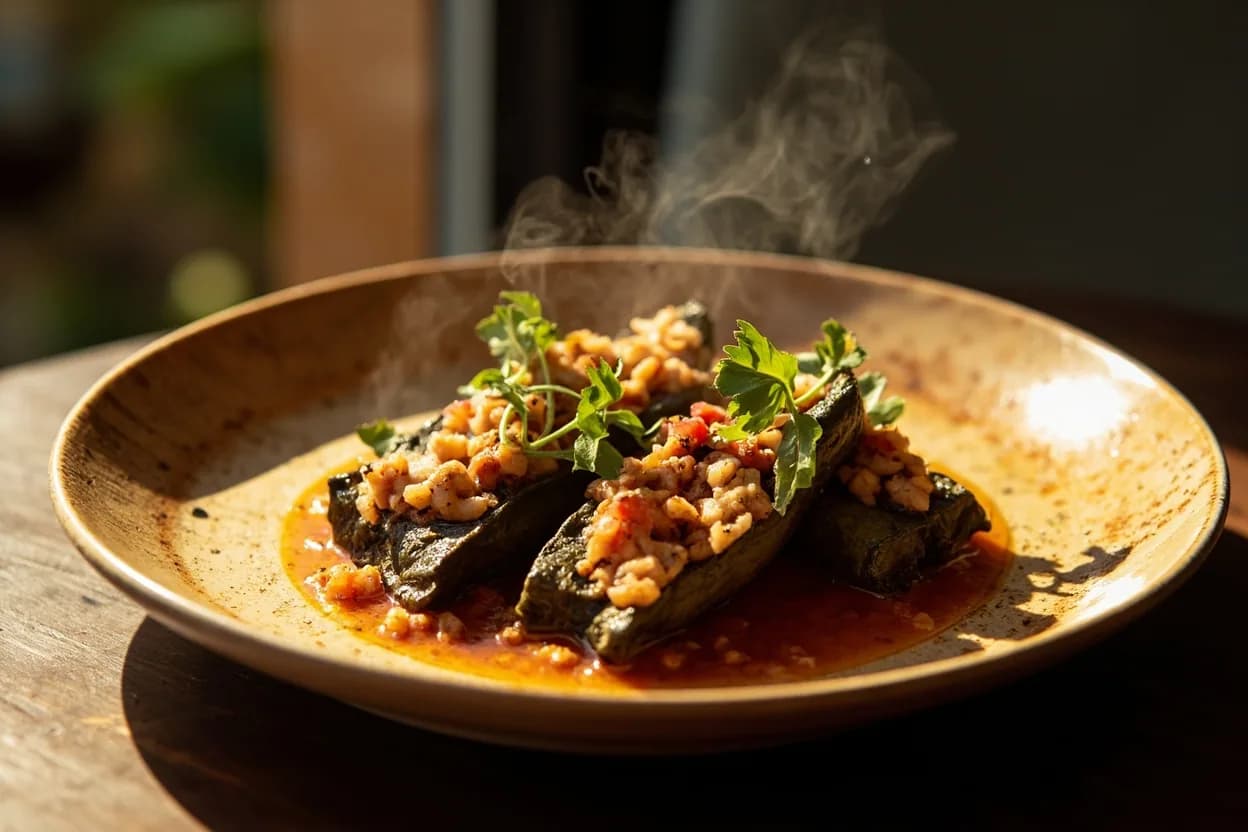
Ottoman rule introduced dolma, baklava, and köfte into Egyptian urban cooking.
Canonical recipes
The dishes that define Egyptian (Masri), documented in the Canon.
References
- 1.A New Book of Middle Eastern Food — Claudia Roden
- 2.The Food of Egypt — Ferne Arfin
- 3.Feast: Food of the Islamic World — Anissa Helou
- 4.Oxford Companion to Food — Alan Davidson (Egypt entry)
Confidence: high
Notes
Ta'ameya vs. falafel
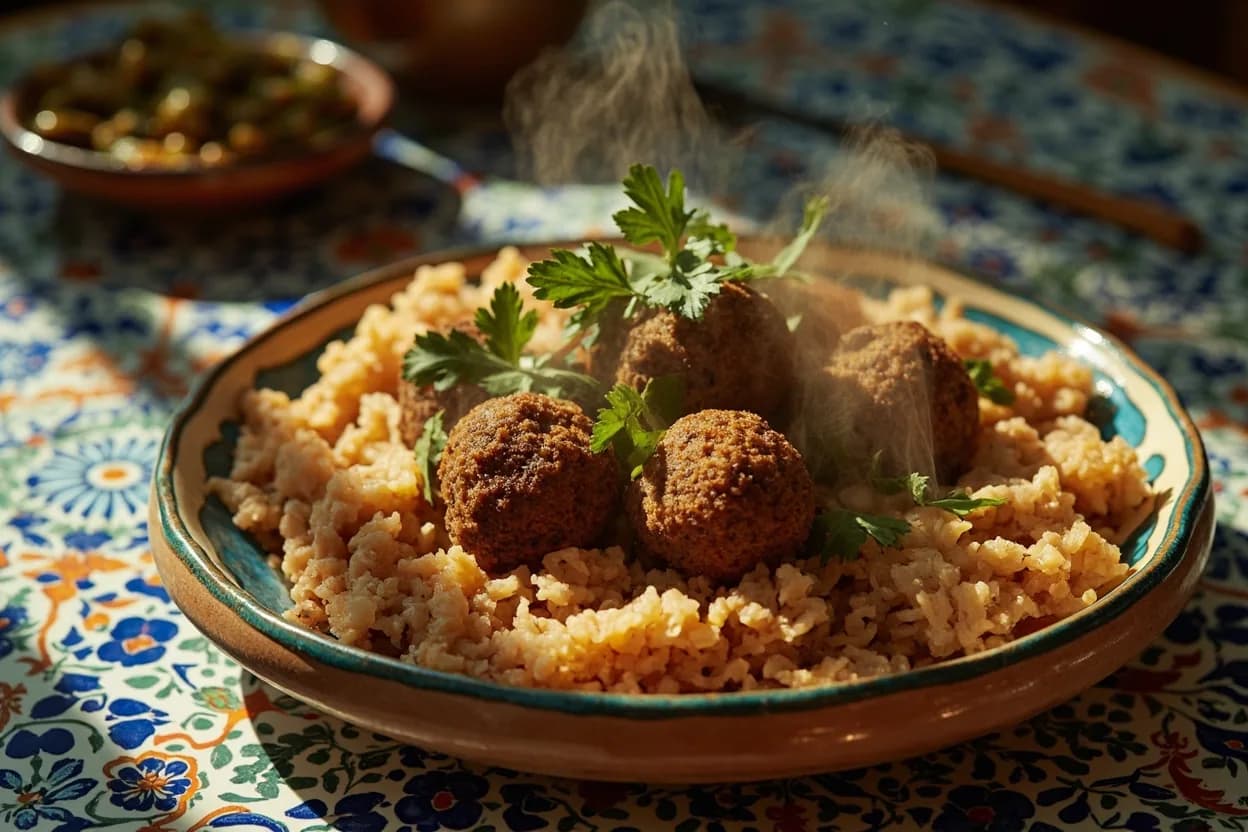
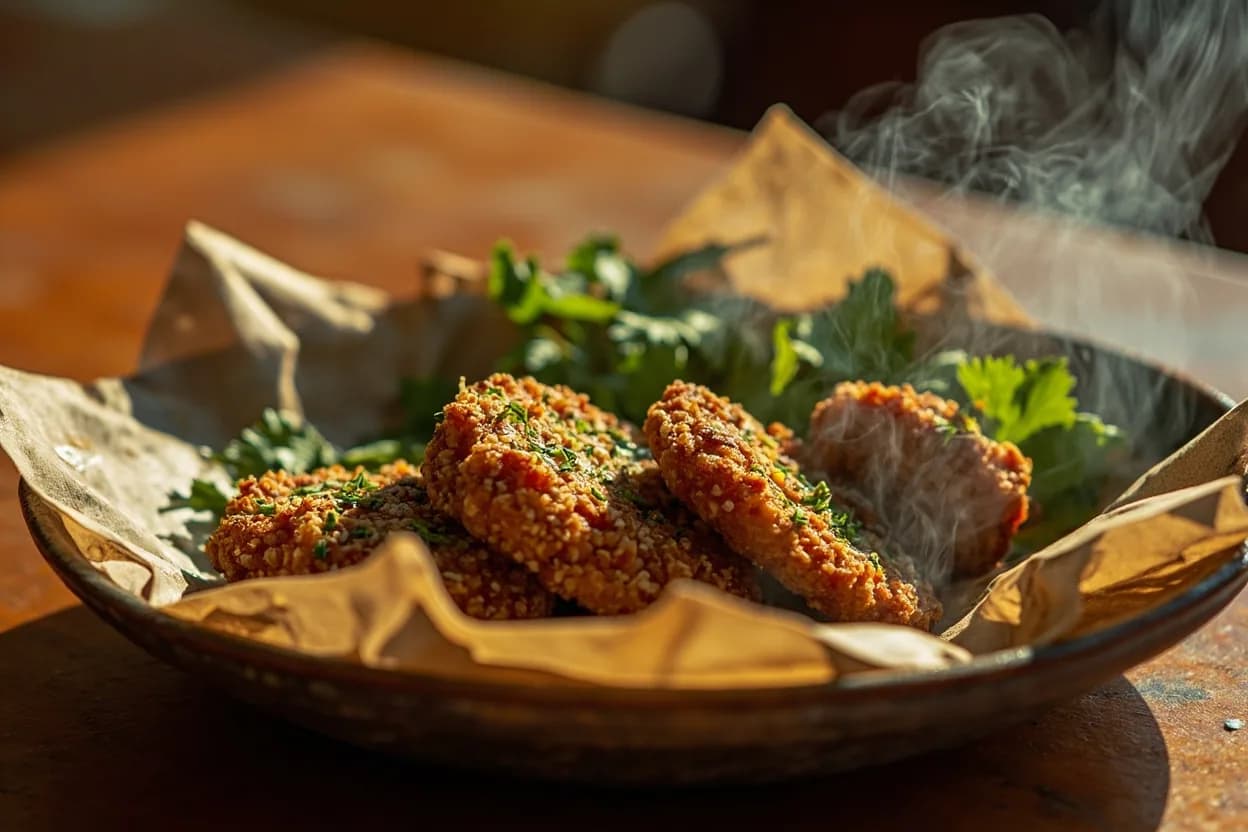
Egyptian ta'ameya is made from ground dried fava beans (not chickpeas), soaked overnight and mixed with fresh green herbs — parsley, dill, coriander — before frying. The result is greener, lighter, and more herb-forward than Levantine chickpea falafel. The distinction is a point of Egyptian culinary pride.
Koshari as national dish
Koshari's combination of rice, lentils, pasta, and crispy fried onions topped with vinegared tomato sauce appears accidental — a fusion of Egyptian, Italian, and Indian staple imports — but became Egypt's definitive street food in the 19th century. Dedicated koshari shops (koshariat) operate like fast-food chains, serving only this dish.