North Africa
Libyan
Also: Libyan Arab, Tripolitanian, Cyrenaican
A stark, nourishing cooking tradition shaped by Saharan austerity, Ottoman spice trade, and the dueling identities of Tripolitania and Cyrenaica.
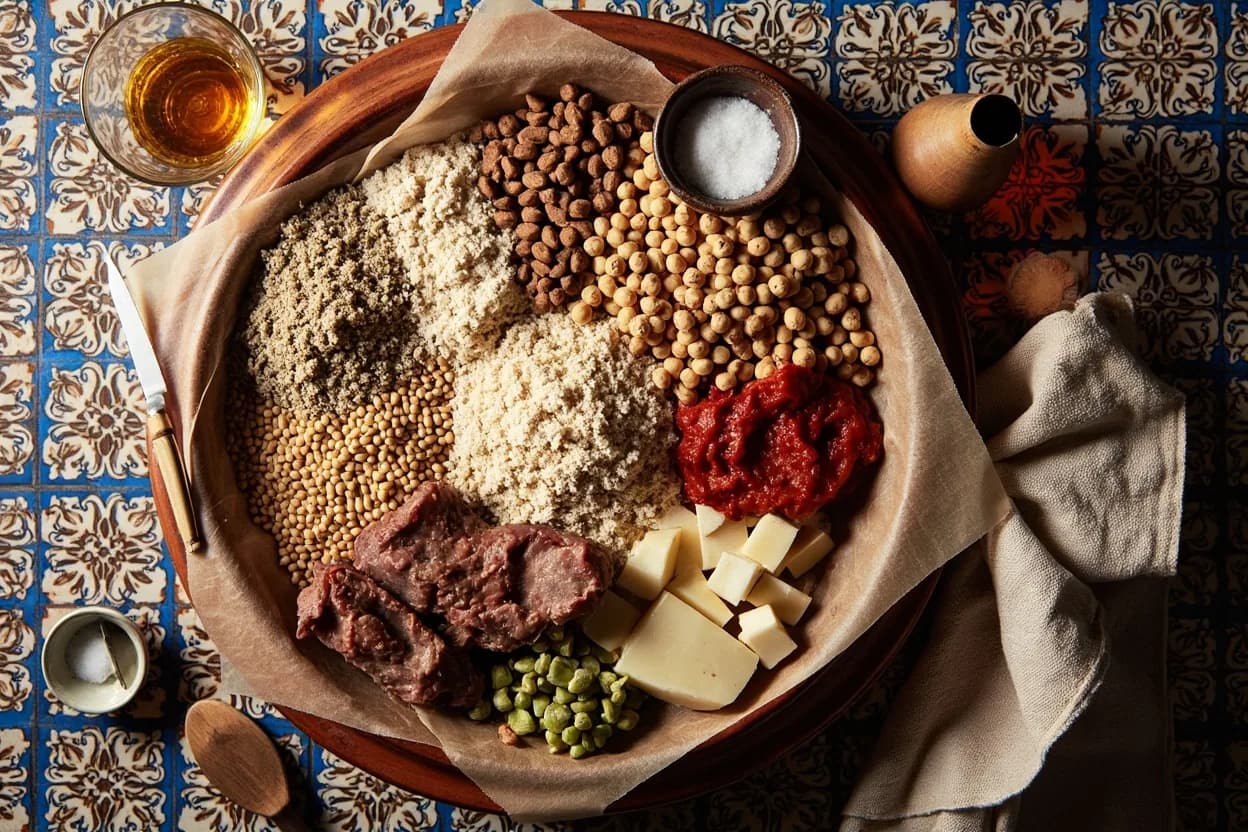
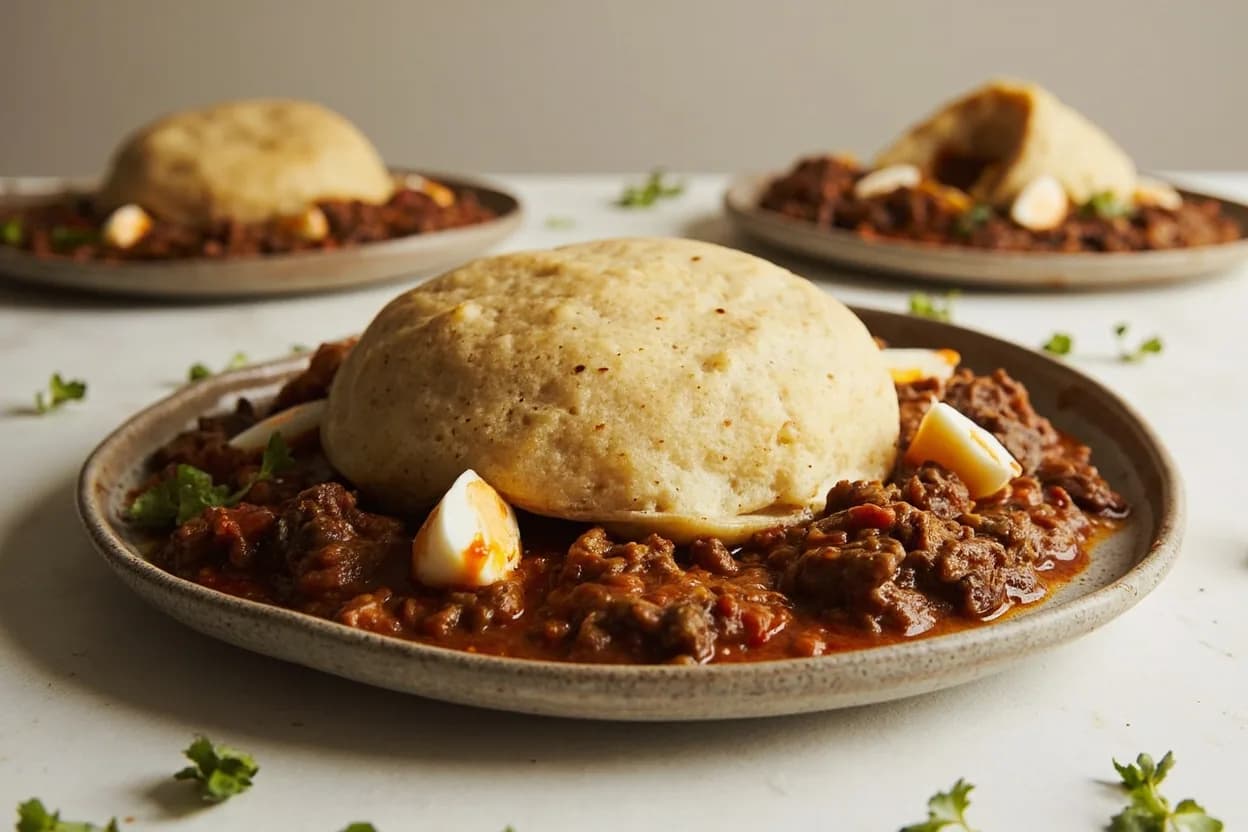
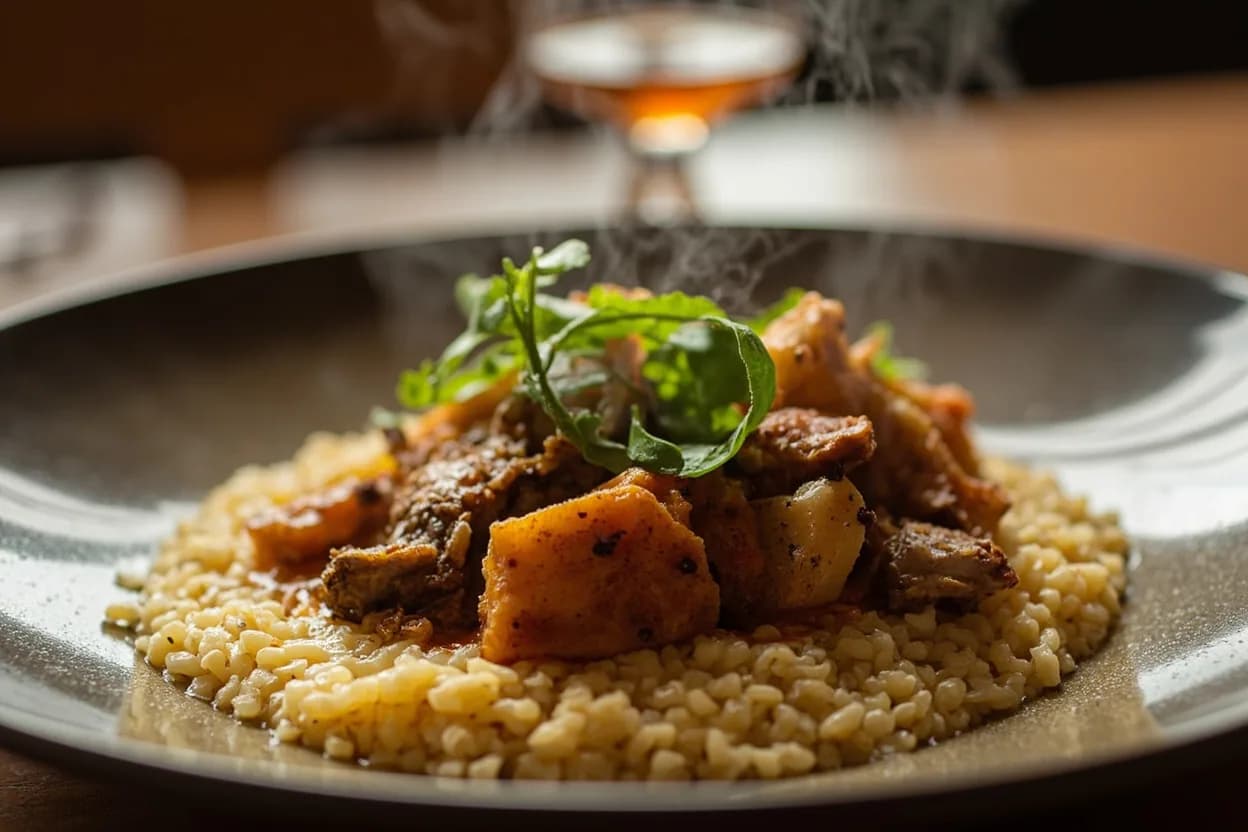
Libyan cuisine is built on staple grains — barley, semolina, and couscous — enriched by lamb, camel meat, dried legumes, and aromatic spice blends that reflect centuries of Saharan caravan trade and Ottoman administration. Dishes tend toward the hearty and slow-cooked rather than elaborate; the flavors are warm and savory rather than fiery, distinguished by cumin, turmeric, caraway, and cinnamon. The national staple bazin — a stiff, unleavened barley porridge boiled then kneaded into a dome and eaten communally by hand — is one of North Africa's most ancient and singular dishes, with no close parallel in neighboring cuisines.
The flavour base
Tomato-onion base spiced with cumin, turmeric, caraway, and cinnamon; lamb or camel fat as primary cooking medium in the interior
Pantry staples
Key ingredients
Signature techniques
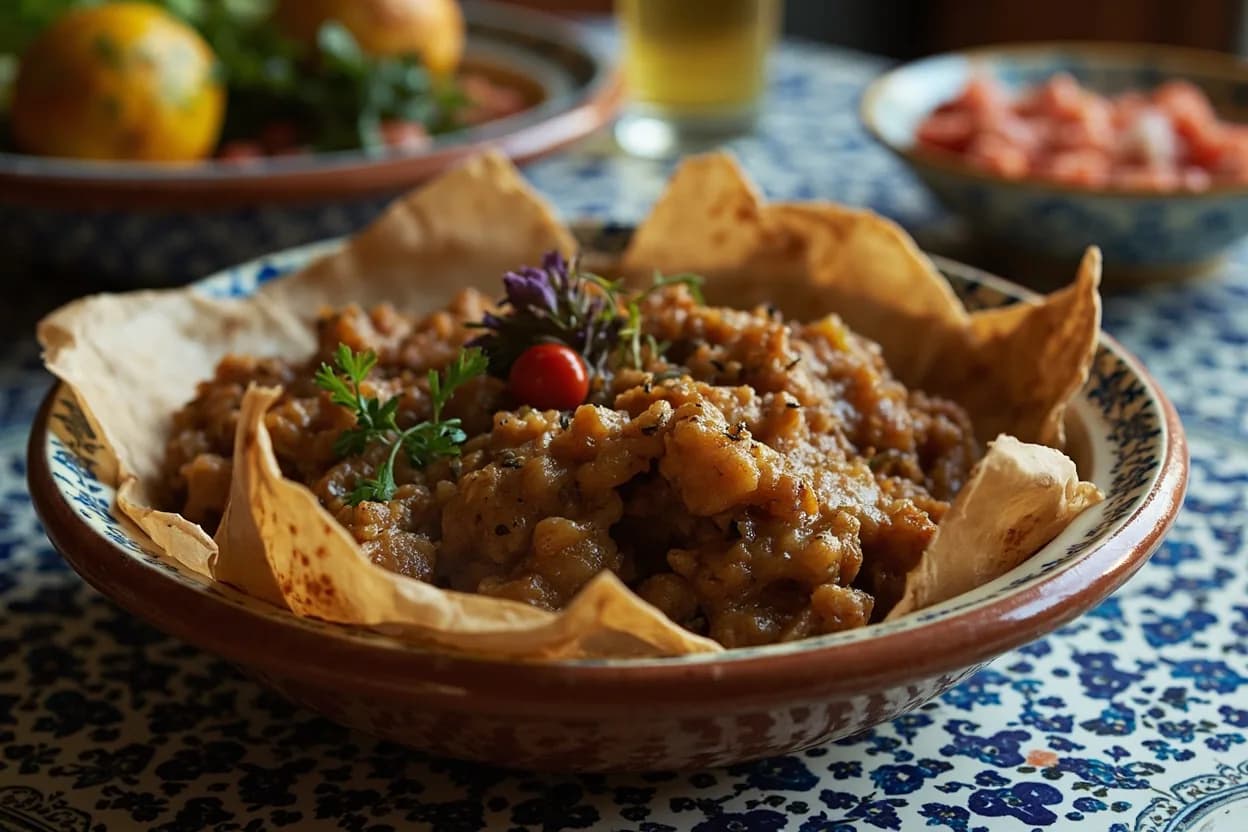
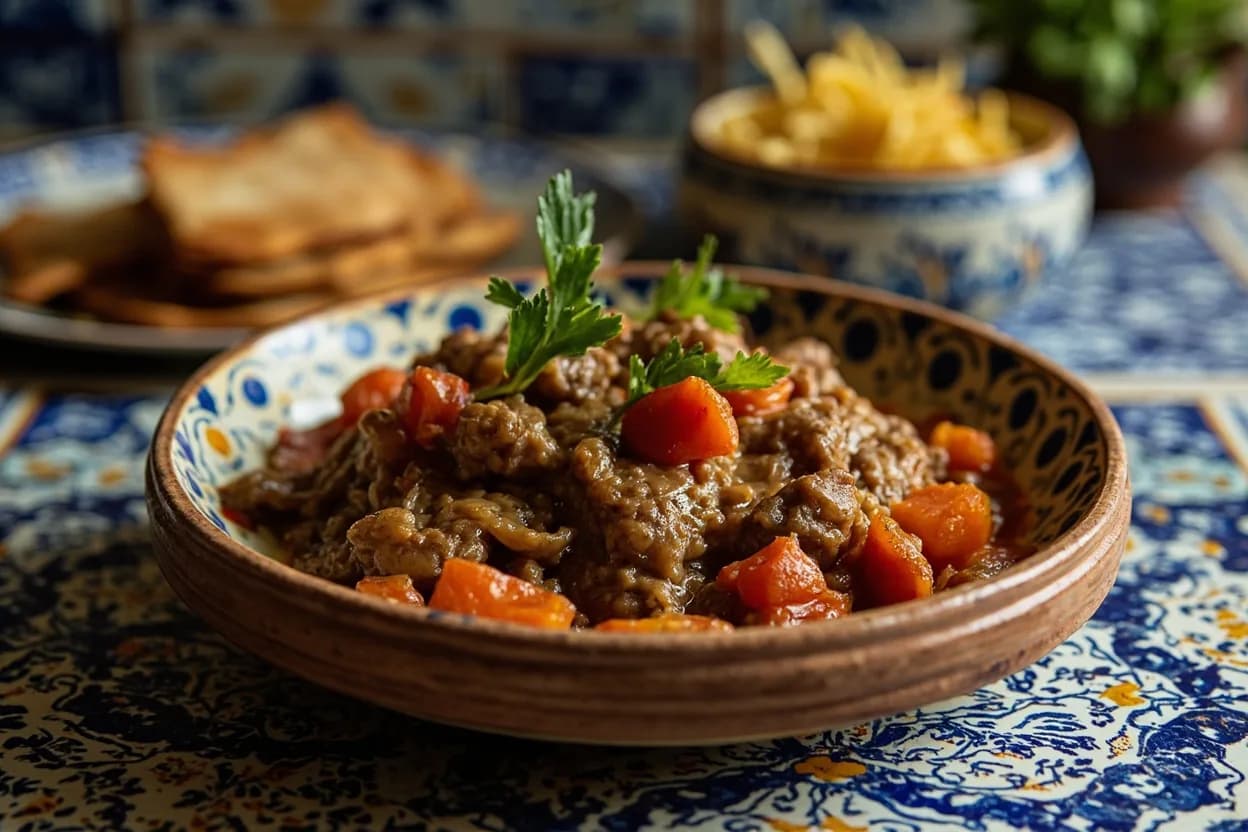
Signature dishes
Libyan on the table
At the table
Communal eating from a shared central platter, typically a single main dish with bread. Formal meals begin with sharba (a spiced soup), followed by the main dish; sweet mint tea and dates close the meal. Friday lunch is the week's most ceremonial meal.
History & context
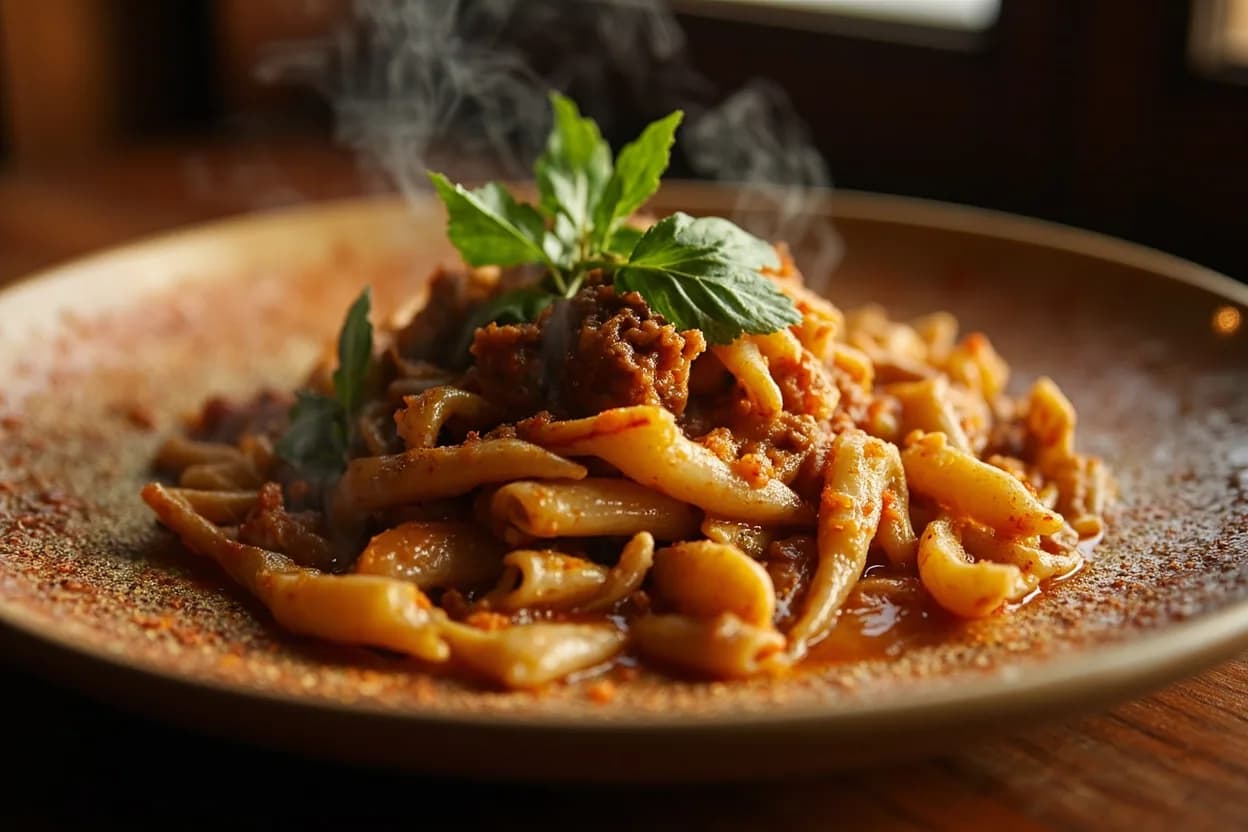
Libya's food geography divides along the coastal-interior axis. Tripolitania in the northwest bore the strongest Ottoman and Italian colonial imprints — Italian pasta adapted as mbakbaka and macaroni, tomato introduced and embraced. Cyrenaica in the northeast has a more Bedouin and Egyptian character. The interior Fezzan region preserves some of North Africa's oldest food practices: bazin appears in Herodotus-era accounts of Libyan Berber diet. The caravan routes through the Sahara brought sub-Saharan spices and preserved meats; Ottoman rule (1551–1911) layered in Istanbul-style spice blends and pastry traditions. Italian colonization (1911–1943) introduced tomato cultivation at scale and pasta forms that Libyans hybridized with indigenous flavor profiles.
Regional variations
- Tripolitania
More Ottoman and Italian-influenced; pasta dishes like mbakbaka and macarona are common; more tomato and olive oil in the base
- Cyrenaica
More Bedouin and Egyptian-influenced; heavier on lamb and flat breads; couscous preparations closer to Tunisian and Tunisian-Egyptian styles
- Fezzan
Deep Saharan interior; dates, barley, and camel products dominate; bazin is most central here; ties to sub-Saharan spice traditions
Related cuisines
- Tunisian
Shared couscous tradition and harissa use, though Tunisian food is significantly spicier
- Egyptian
Eastern influence on Cyrenaican cooking; shared legume culture and bread types
Shared Amazigh/Berber culinary heritage, particularly around couscous and preserved meats
Canonical recipes
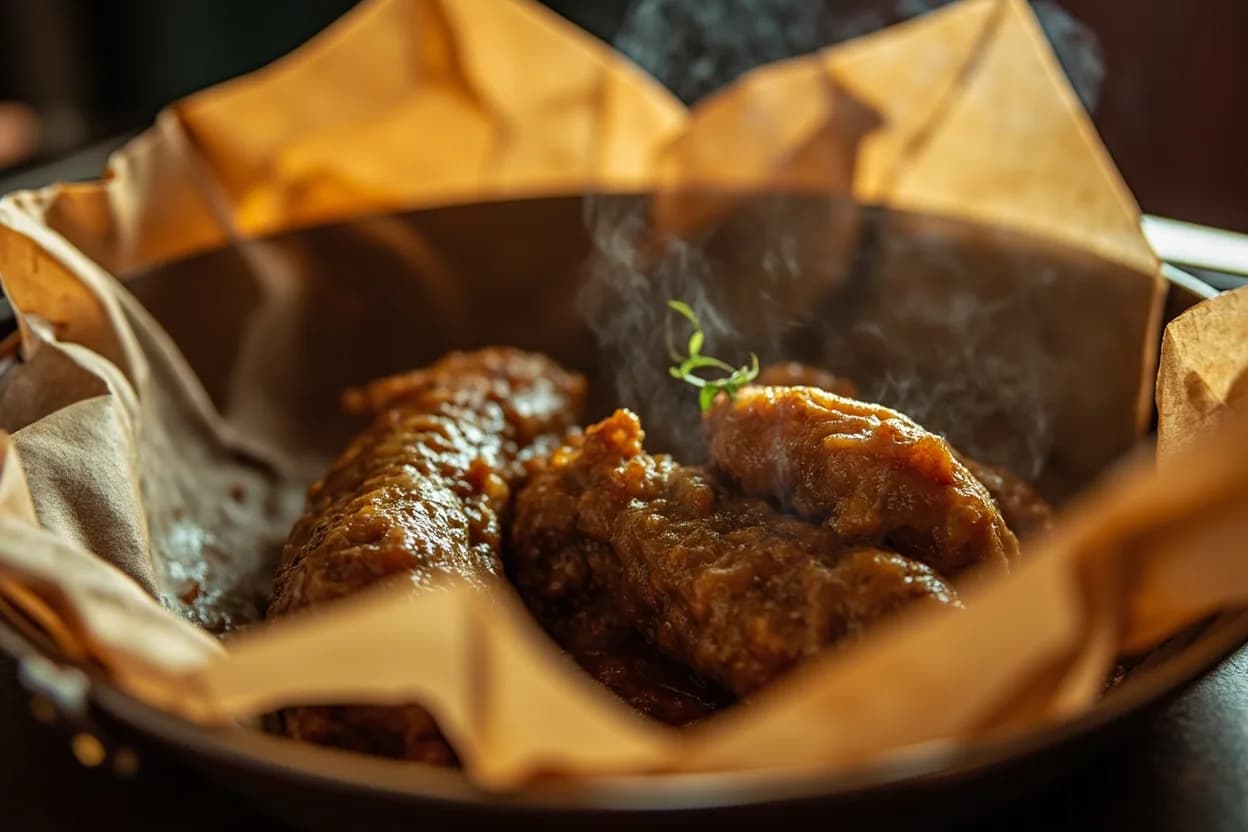
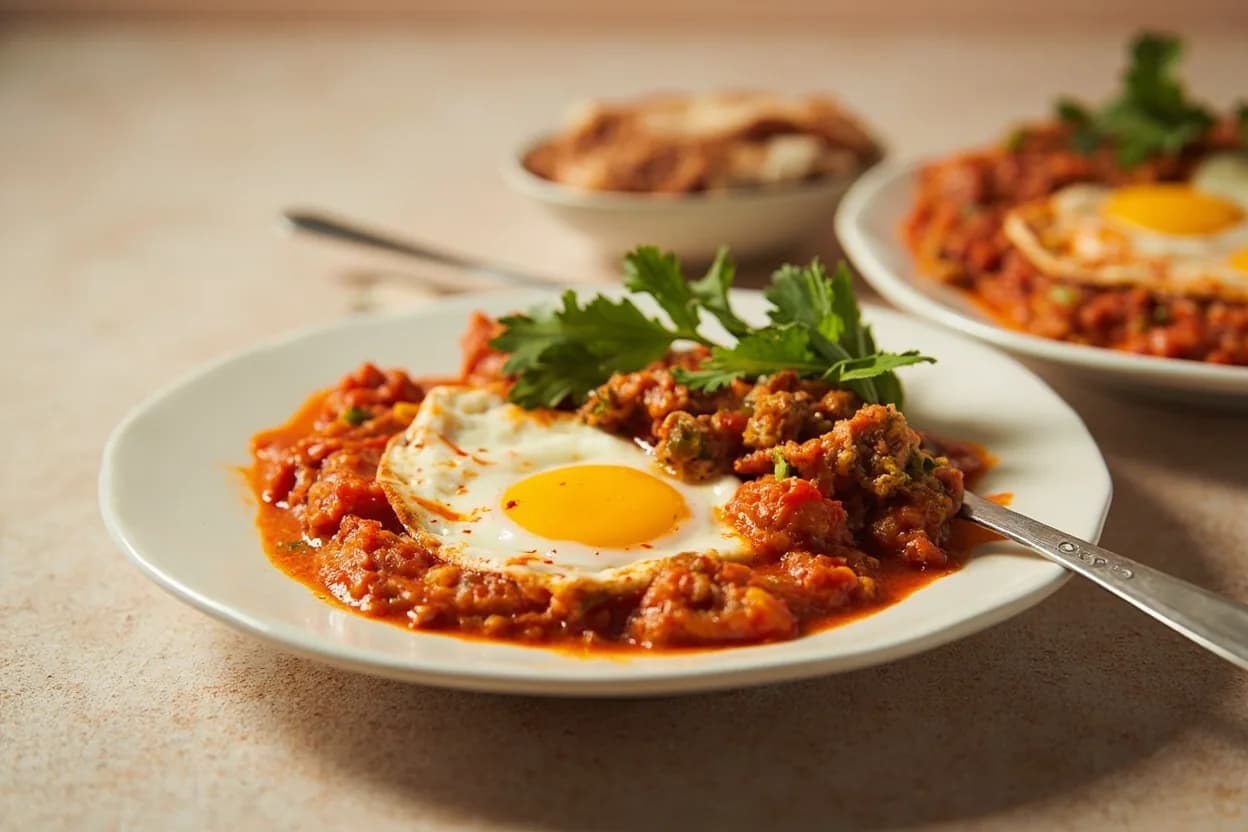
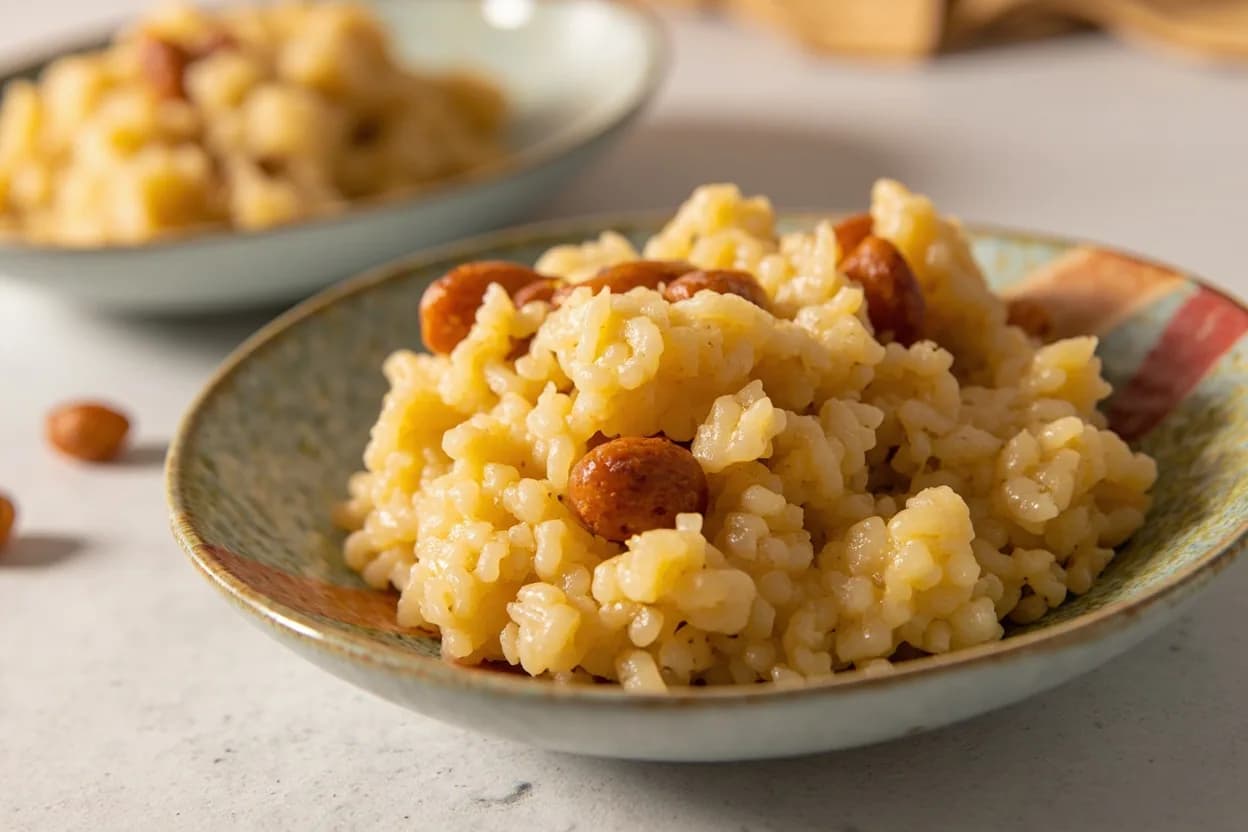
The dishes that define Libyan, documented in the Canon.
References
- 1.Clifford Wright, 'A Mediterranean Feast' (1999)
- 2.Anissa Helou, 'Feast: Food of the Islamic World' (2018)
- 3.Charles Perry, 'Medieval Arab Cookery' (2001)
Confidence: medium
Notes
Bazin
Bazin is unlike any other North African grain dish. Hard barley flour is boiled in salted water and stirred continuously until it forms an extremely stiff, dense dough, then shaped into a smooth dome and placed in the center of a communal platter surrounded by lamb broth, eggs, and vegetables. Diners tear pieces from the dome, form them into a cup, and scoop the surrounding sauce — a technique as functional as it is ancient.
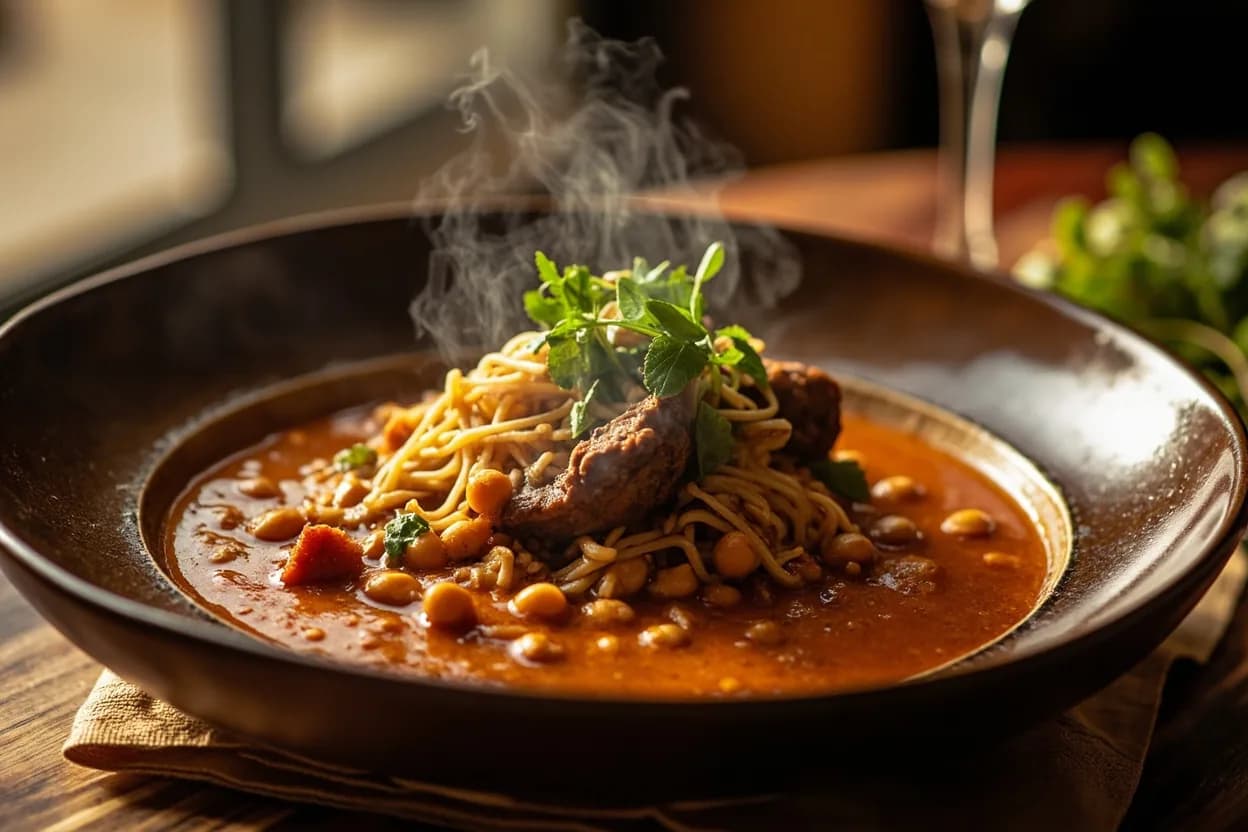
Sharba Libiya
Libya's emblematic soup — a spiced lamb and tomato broth thickened with orzo or vermicelli and scented with mint and oregano — is the dish most associated with Ramadan iftar breaking of the fast across the country.