Middle East
Levantine (Bilad al-Sham)
Also: Shami cuisine, Greater Syrian cuisine, Eastern Mediterranean cuisine
The ancient, herb-abundant cuisine of greater Syria spanning Lebanon, Jordan, Palestine, and Syria — built on mezze, wheat, and the flavors of the fertile crescent.
Levantine cuisine is the shared culinary heritage of Bilad al-Sham — the historical region encompassing present-day Syria, Lebanon, Jordan, and Palestine. It is defined by an extraordinary mezze culture (dozens of small sharing plates), an intense relationship with wheat (flatbreads, bulgur, freekeh), and a pantry of aromatics including za'atar, sumac, allspice, and tahini. Lamb and chicken are the primary proteins; olive oil is the dominant fat; fresh herbs appear at virtually every meal. The cuisine is simultaneously ancient and living, tracing routes through Umayyad, Crusader, Ottoman, and modern national kitchens without losing its essential character.
The flavour base
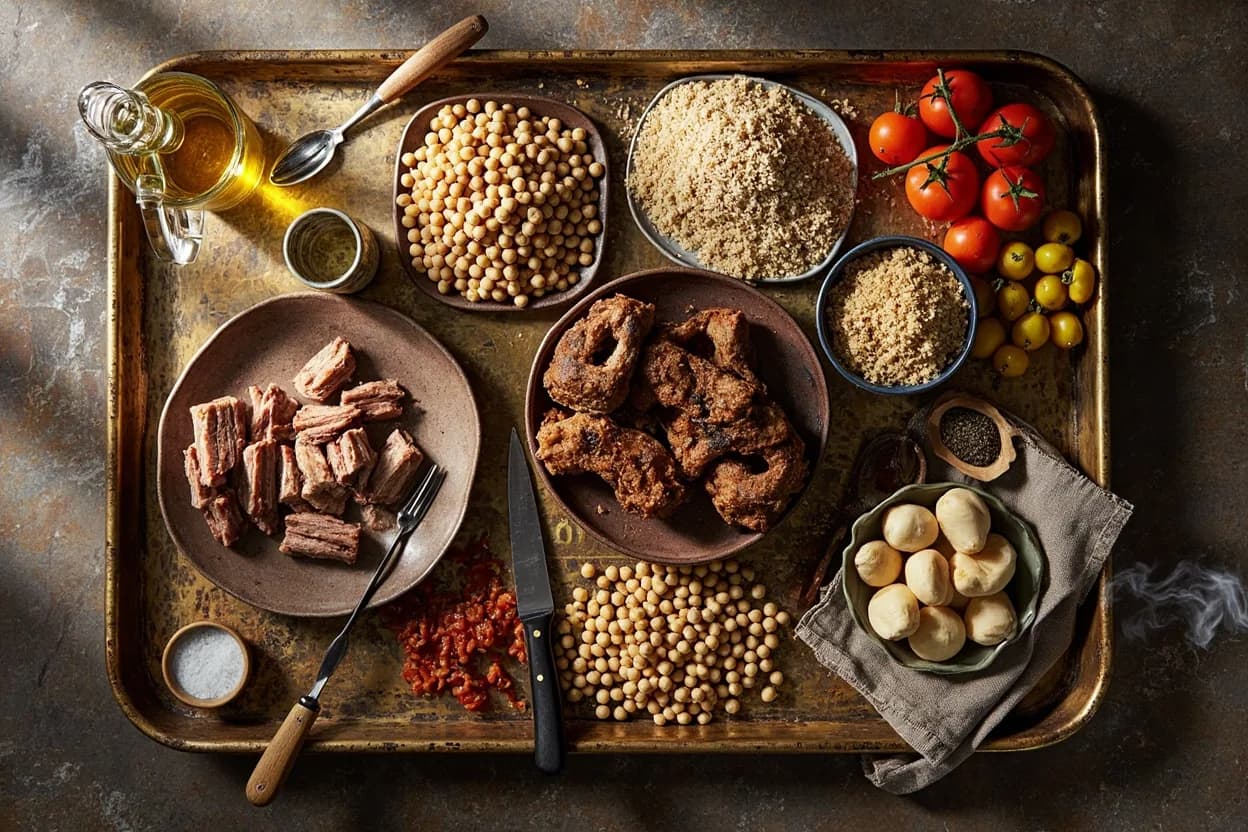
Olive oil, onion, garlic, tomato, and lemon juice form the working base of most cooked dishes. Za'atar (dried herb blend), sumac, and seven-spice (baharat) season everything from salads to braises. Tahini acts as both sauce and binder. Pomegranate molasses adds sweet-sour depth in the northern and Syrian registers.
Pantry staples
Key ingredients
Signature techniques
Signature dishes
Levantine (Bilad al-Sham) on the table
At the table
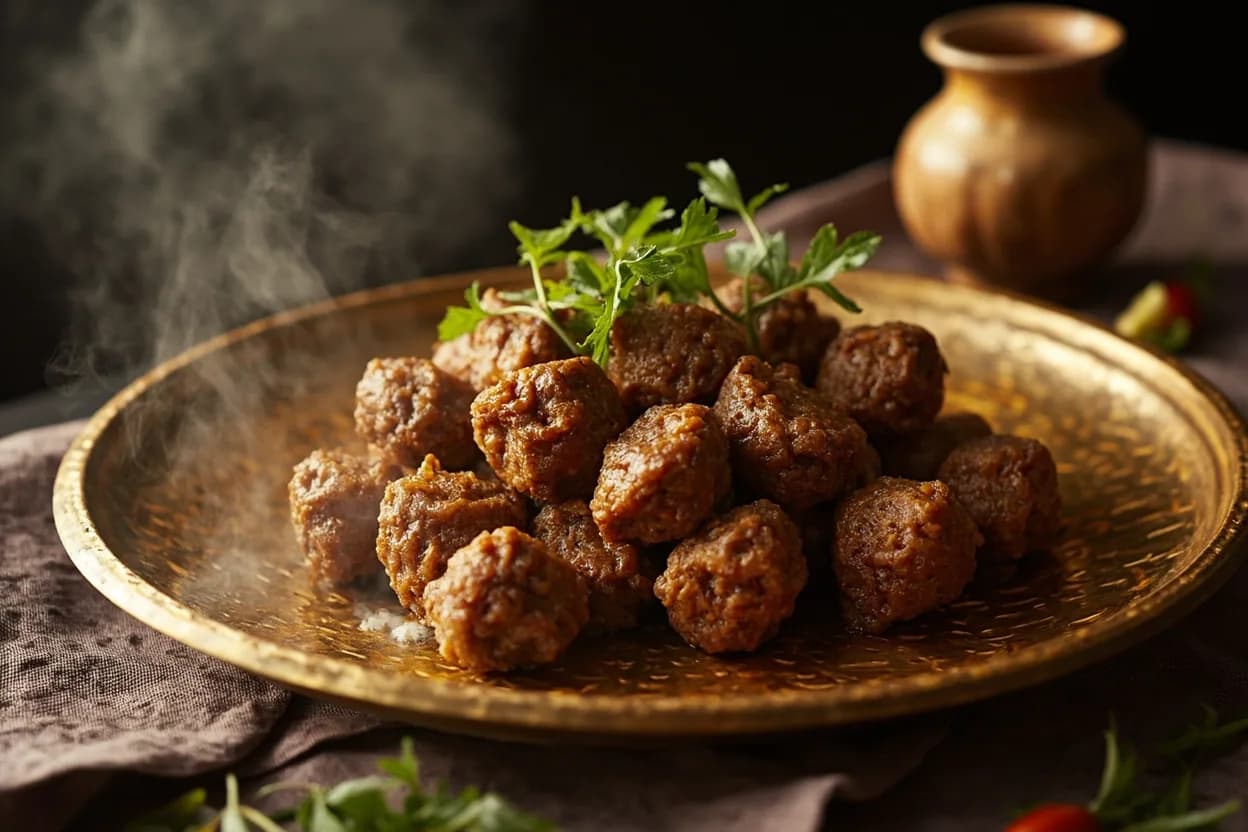
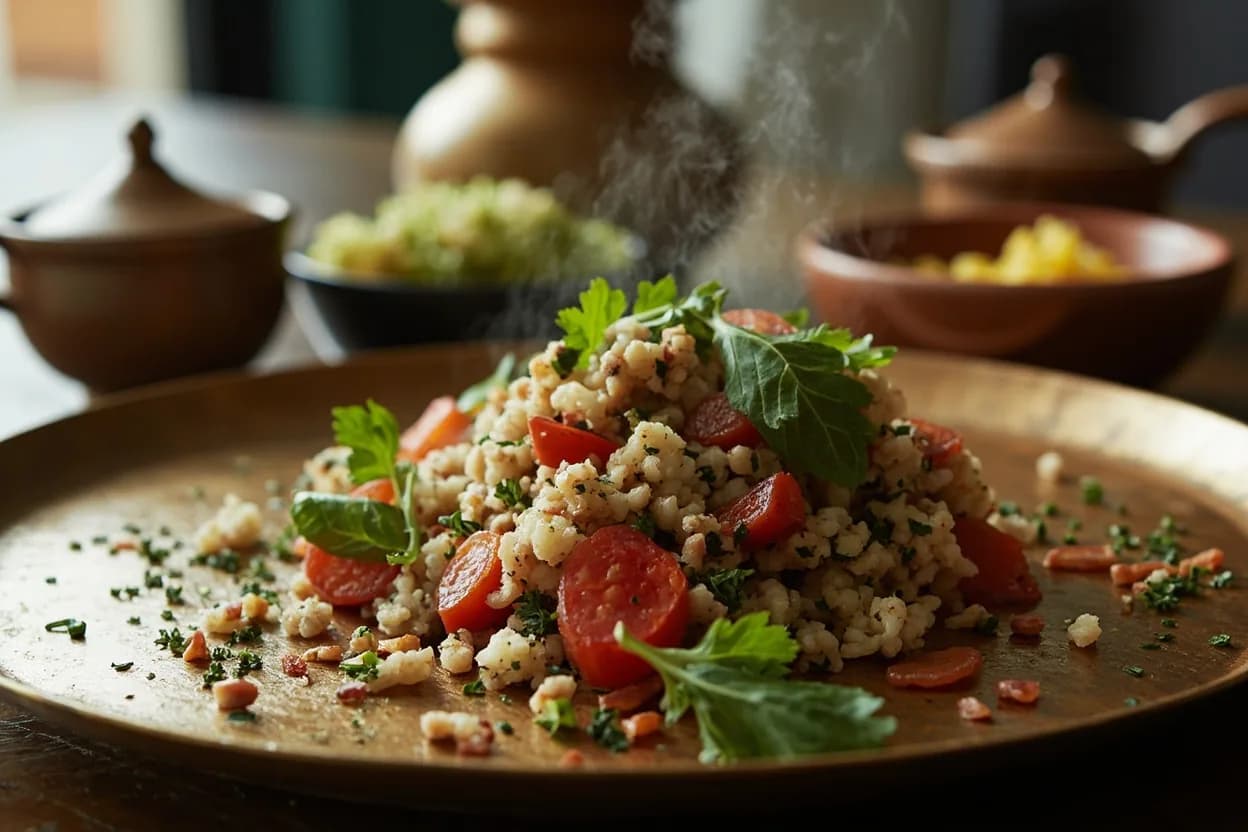
Meals are anchored by a mezze spread — an array of 10 to 30 small dishes placed simultaneously at the center of the table for communal sharing. Hot and cold dishes arrive together. Main courses (lamb on rice, grilled meats, stews) follow. Flatbread is ever-present. Meals close with fresh fruit, baklava-style pastries, or seasonal sweets, accompanied by qahwa (Arabic coffee) or mint tea.
History & context
Bilad al-Sham has been continuously inhabited and intensively farmed for over 10,000 years; the region sits at the crossroads of the ancient Fertile Crescent. Wheat cultivation, olive cultivation, and chickpea cultivation all have roots here. The Umayyad Caliphate (661–750 CE), centered in Damascus, synthesized Arab, Byzantine, and Persian culinary influences into what became classical Levantine cooking. The Ottoman period (1516–1918) further unified and diversified the region's food culture through trade, spice routes, and the integration of Anatolian techniques. French and British mandates after World War I drew the borders that created Lebanon, Syria, Jordan, and Palestine as separate states, but the underlying cuisine remained deeply intertwined. Today, Lebanese, Syrian, Palestinian, and Jordanian cuisines are distinct with genuine regional personalities while sharing the same pantry and philosophical approach.
Regional variations
- Syrian (Aleppo)
Heavier use of Aleppo pepper, pomegranate molasses, and a tradition of complex stuffed pastries (fatayer, sambousek).
The most mezze-elaborate register; greatest French influence; finest kibbeh diversity; mountain herbs and arak culture.
Musakhan (sumac-roasted chicken over flatbread) and maqluba are markers; freekeh use is strong; olive oil of exceptional quality from ancient groves.
Bedouin traditions dominate: mansaf (lamb in dried fermented yogurt), zarb pit-roasting, and desert-adapted rice dishes.
Related cuisines
- Turkish
Ottoman rule left lasting structural similarities in pastry, kebab, and rice-pilaf traditions.
- Egyptian
Shares the broad Arab pantry — fava beans, tahini, dukkah precursors — but diverges in Nile Valley staples.
Shares Mesopotamian roots; both cuisines prize lamb, rice, and date-sweetened preparations.
- Greek
Mediterranean crossover in olive oil use, grape leaves, yogurt, and phyllo-based pastries, likely through shared Byzantine channels.
Canonical recipes
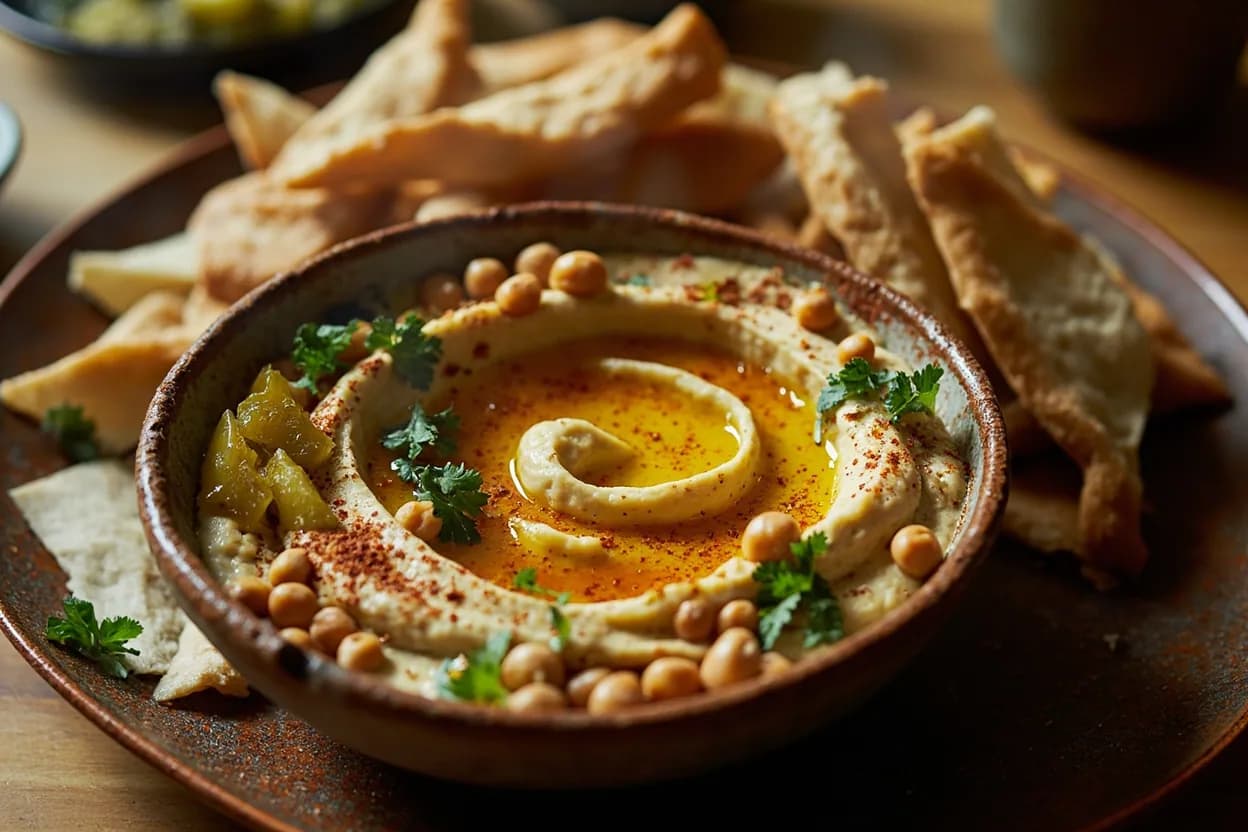
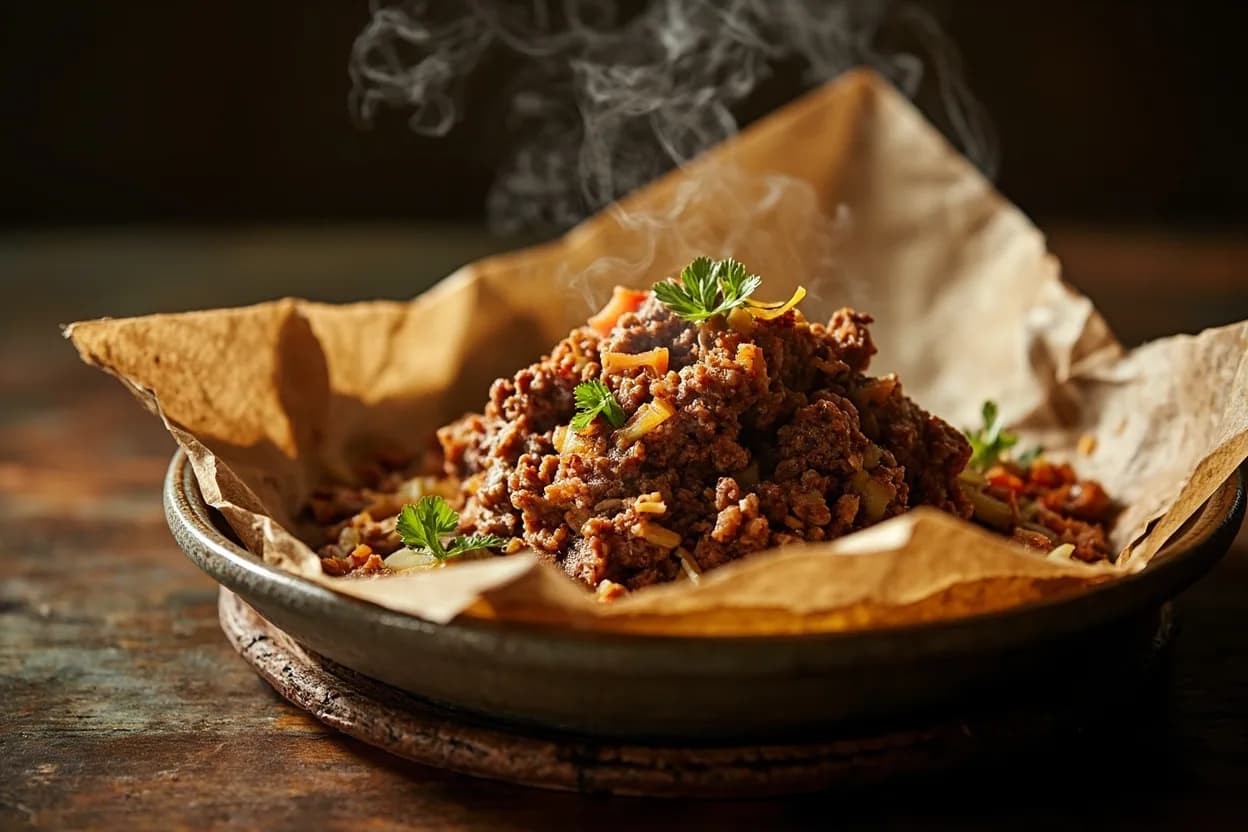
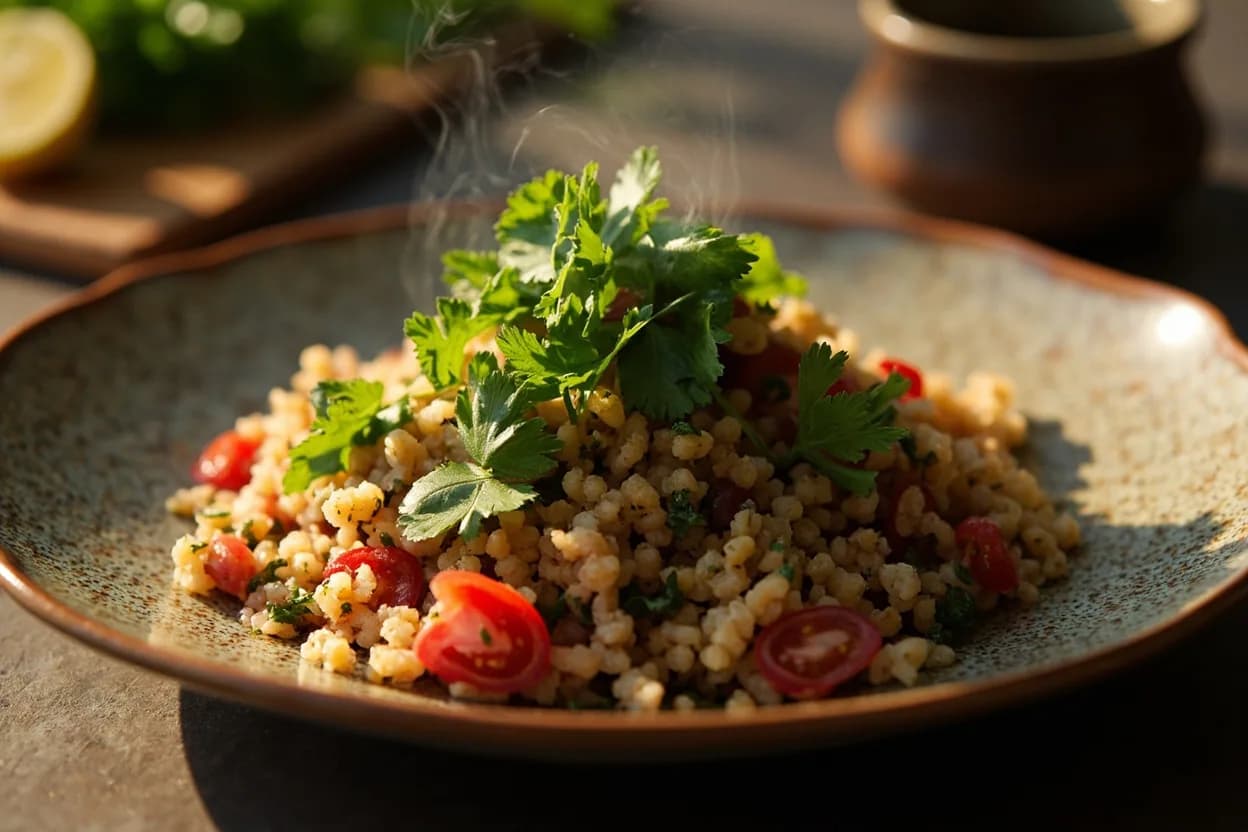
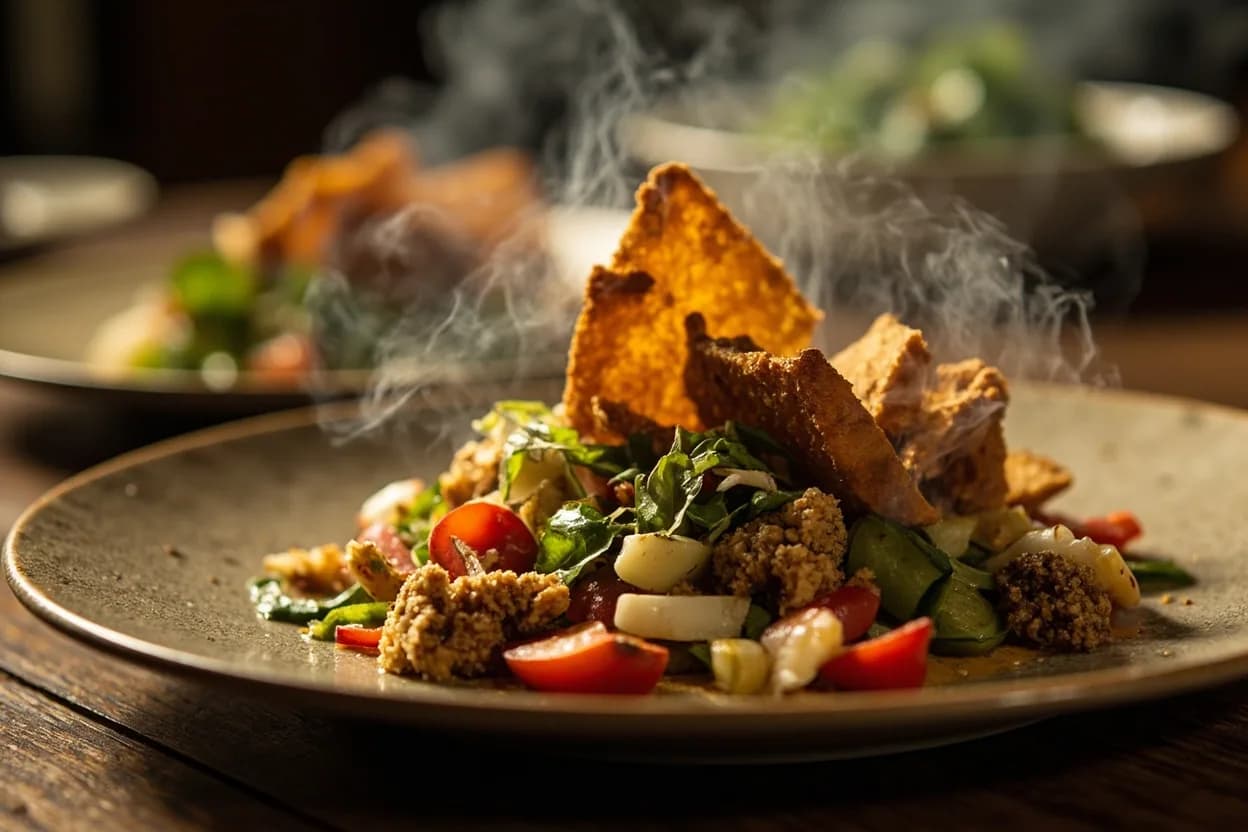
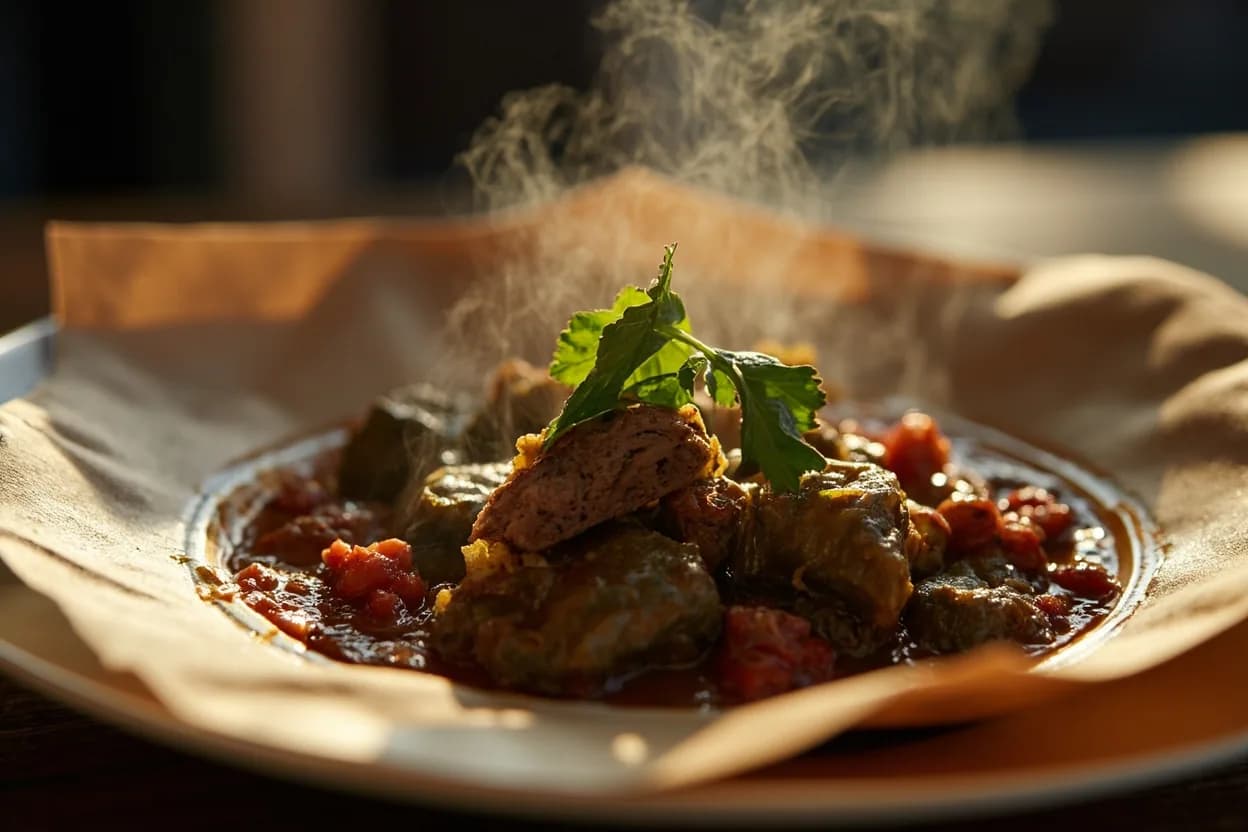
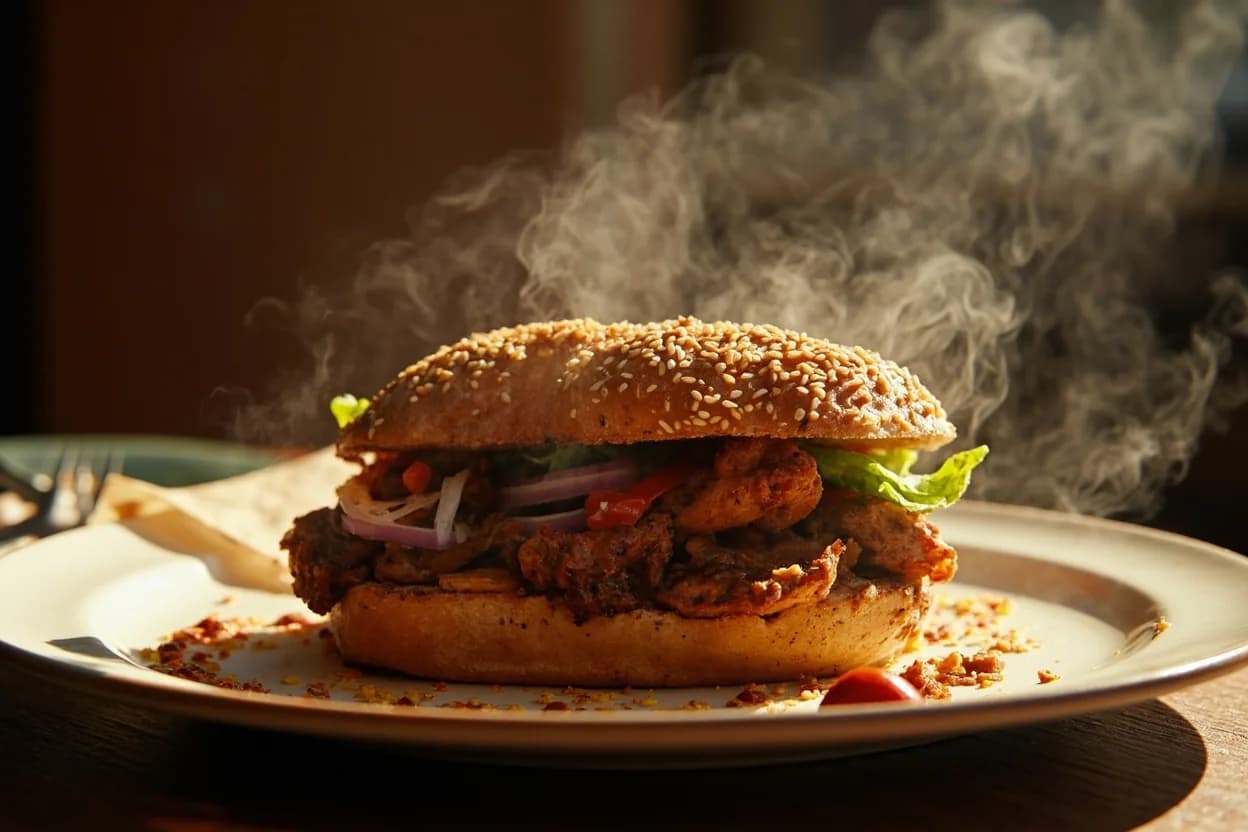
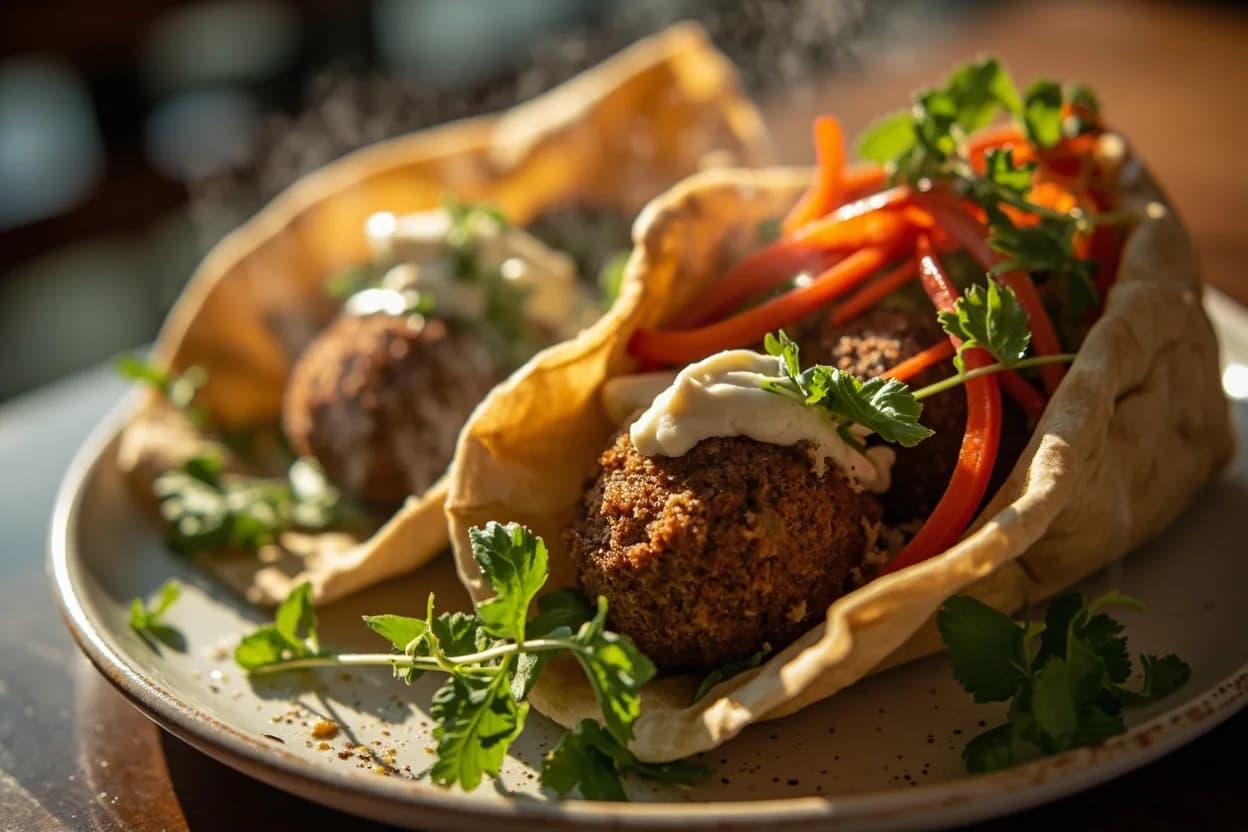
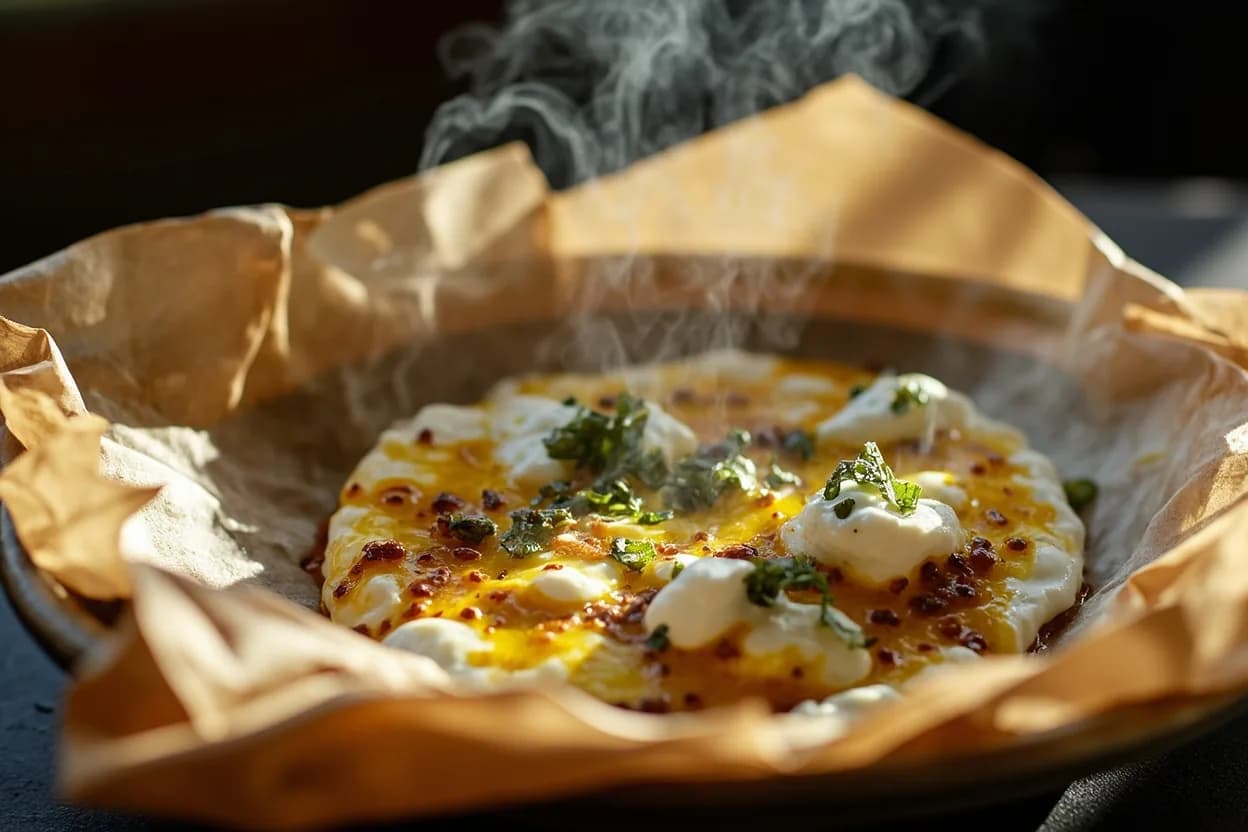
The dishes that define Levantine (Bilad al-Sham), documented in the Canon.
References
- 1.A New Book of Middle Eastern Food — Claudia Roden (1985)
- 2.Zaitoun: Recipes from the Palestinian Kitchen — Yasmin Khan (2018)
- 3.Falastin — Sami Tamimi & Tara Wigley (2020)
- 4.The Food of Syria — Anissa Helou (1994)
- 5.The Arabesque Table — Reem Kassis (2021)
Confidence: high
Notes
Mezze as philosophy
The Levantine mezze is not merely a set of appetizers but an entire culinary philosophy: abundance, generosity, and the idea that a table covered in dishes signals hospitality. A proper mezze can constitute the whole meal.
Za'atar as regional marker
Za'atar blends — dried thyme/oregano/marjoram mixed with sumac, sesame, and salt — vary significantly by village and family. The blend is so culturally significant in Palestine that Israeli restrictions on harvesting wild za'atar have been a point of political contention.