Middle East
Iraqi
Also: Mesopotamian cuisine, Iraqi Arab cuisine, Baghdadi cuisine
The inheritor of ancient Babylon's culinary innovations — rice with saffron and dried fruits, grilled Tigris carp, and slow stews that have barely changed in 4,000 years.
Iraqi cuisine is one of the oldest documented food traditions in the world, tracing directly to Mesopotamian civilization and the medieval Baghdad Caliphate's golden age of cooking (9th–13th centuries CE). It is defined by long-simmered stews, aromatic rice dishes layered with dried fruits and nuts, and an expert use of saffron, dried lime (noomi basra), and pomegranate. Meat (lamb, goat, and Tigris River fish) anchors the repertoire, while bread — particularly the boat-shaped samoon — accompanies almost every meal. Iraqi cooking is richer and more fruit-laced than Levantine Arab cuisine, reflecting the historic Abbasid court aesthetic of combining sweet and savory.
The flavour base
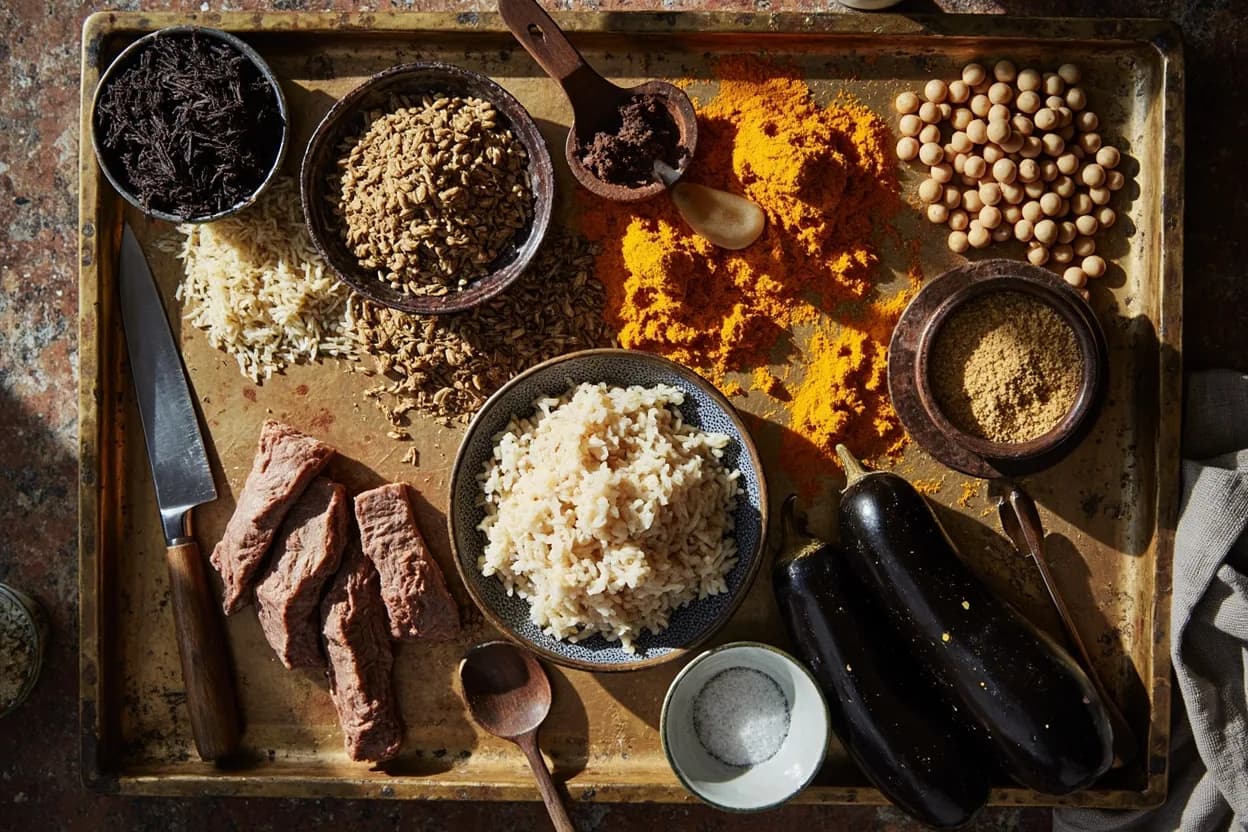
Dried black lime (noomi basra) simmered into stews is Iraq's most distinctive flavor marker — sour, slightly fermented, irreplaceable. Combined with turmeric, cumin, and tomato-based sauces, this creates the tart-savory foundation that underlies most slow-cooked dishes. Saffron-scented rice, fried in clarified butter, provides sweetness.
Pantry staples
Key ingredients
Signature techniques
Signature dishes
Iraqi on the table

At the table
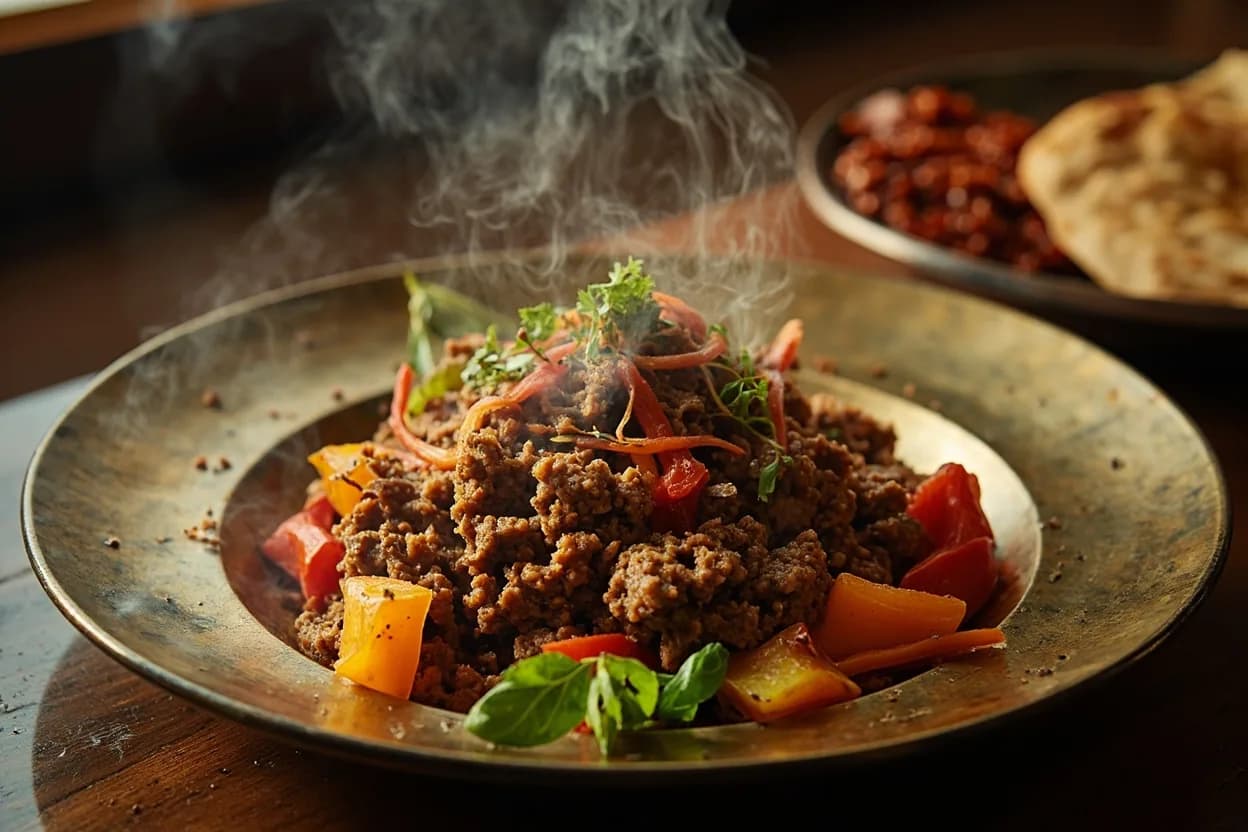
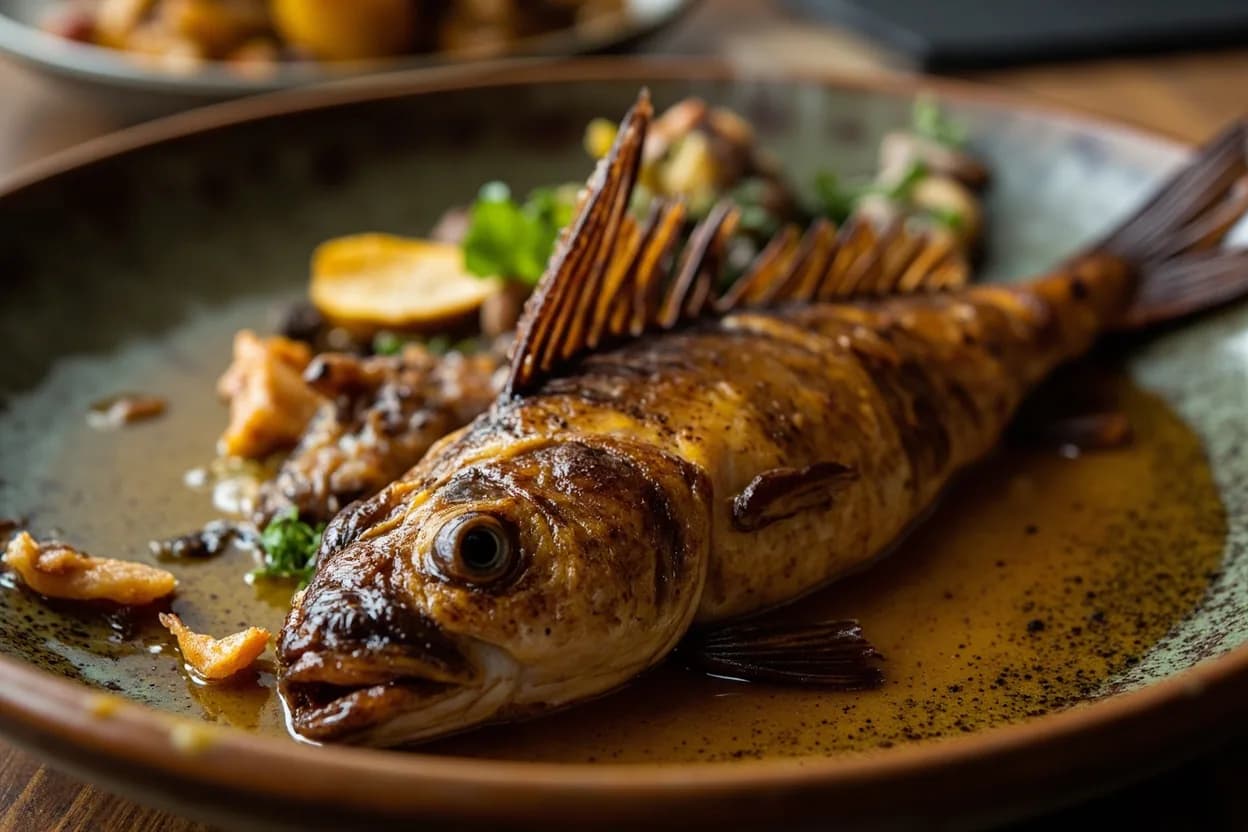
The main meal is served midday: rice or bread at the center, one or two stews, pickled vegetables (turshi), and fresh herbs and radishes alongside. In traditional households, dishes are set on a communal tablecloth on the floor (sofreh) and shared. Evening meals tend to be lighter — samoon sandwiches, eggs, or leftovers. Masgouf, the iconic grilled carp, is almost always an outdoor or restaurant communal occasion, consumed mid-afternoon on the Tigris waterfront.
History & context
The Fertile Crescent between the Tigris and Euphrates rivers gave rise to agriculture itself, and Mesopotamian clay tablets (2,000–1,700 BCE, Yale Culinary Tablets) include the oldest surviving recipes in the world — stews, broths, and spiced porridges that are recognizable ancestors of modern Iraqi cooking. Under the Abbasid Caliphate (750–1258 CE), Baghdad became the world's culinary capital: the cookbook Kitab al-Tabikh (Ibn Sayyar al-Warraq, 10th century CE) catalogued hundreds of preparations. The Mongol destruction of Baghdad in 1258 disrupted but did not erase this tradition. Ottoman rule (16th–20th century) reinforced rice cookery, kebab culture, and stuffed vegetable techniques. Modern Iraq's cuisine reflects all these strata — ancient sourness (dried lime), medieval sweetness (fruit in rice), and Ottoman structure.
Regional variations
- Baghdad
Urban, Abbasid-influenced: most elaborate rice dishes, saffron use, and a famous culture of riverside masgouf restaurants on the Tigris.
- Basra (South)
Gulf-influenced: more fish, shrimp, and rice with Indian spice echoes (cardamom, clove) from centuries of pearl-trade contact.
- Mosul (North)
Distinctly Assyrian-influenced: heavier on lamb, kibbeh traditions, and the use of allspice and cinnamon in savory dishes.
- Kurdistan (Iraqi)
Mountain cuisine: emphasis on lamb, walnut sauces, stuffed vegetables, and dairy; see also Kurdish (Kurmanci Kitchen) entry.
Related cuisines
- Persian
Deep mutual influence in saffron rice, dried fruit in savory dishes, and pomegranate-based stews.
- Levantine
Shared kibbeh and mezze traditions, but Iraq's tart dried-lime flavor and fruit-rice aesthetic diverge strongly.
- Kuwaiti
Gulf neighbor with overlapping rice and fish techniques, especially in southern Iraqi cooking.
- Ottoman
Centuries of Ottoman rule reinforced tepsi baking, stuffed vegetable dolma, and kebab culture.
Canonical recipes
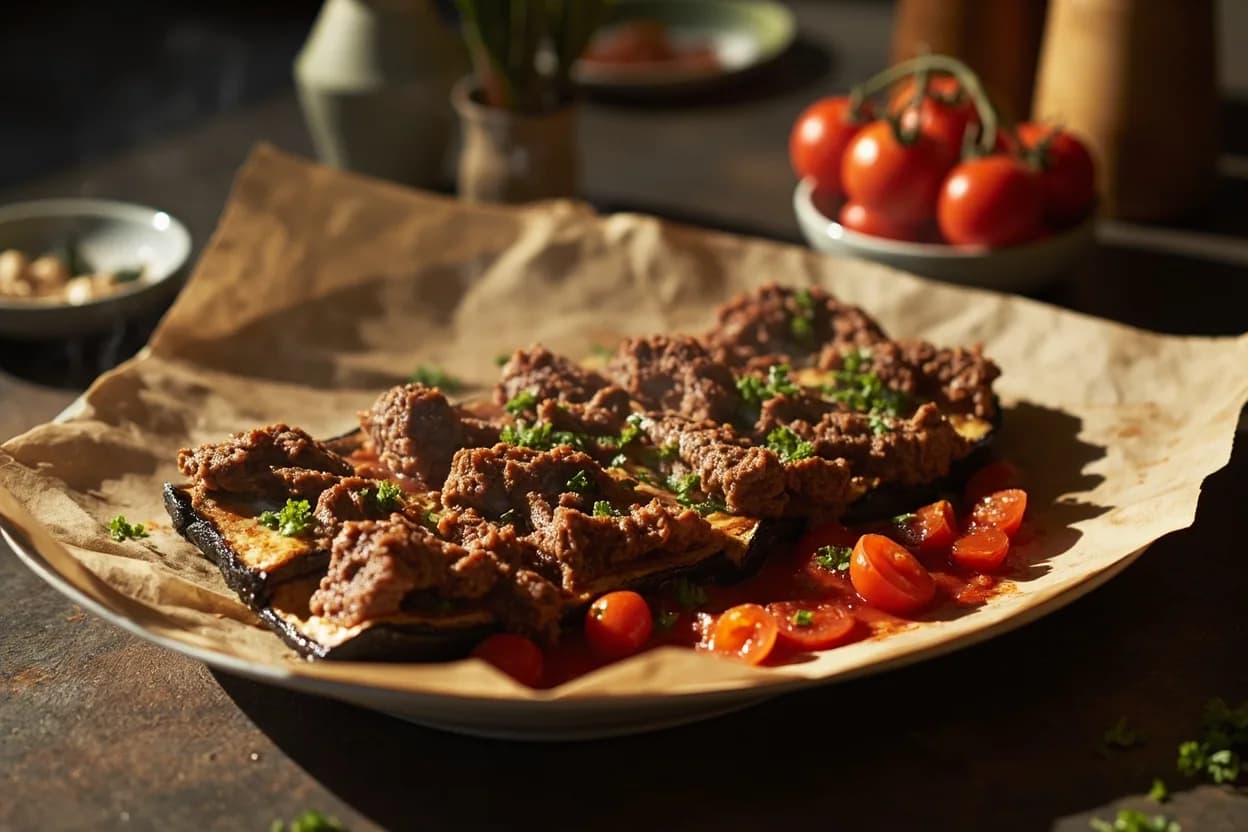
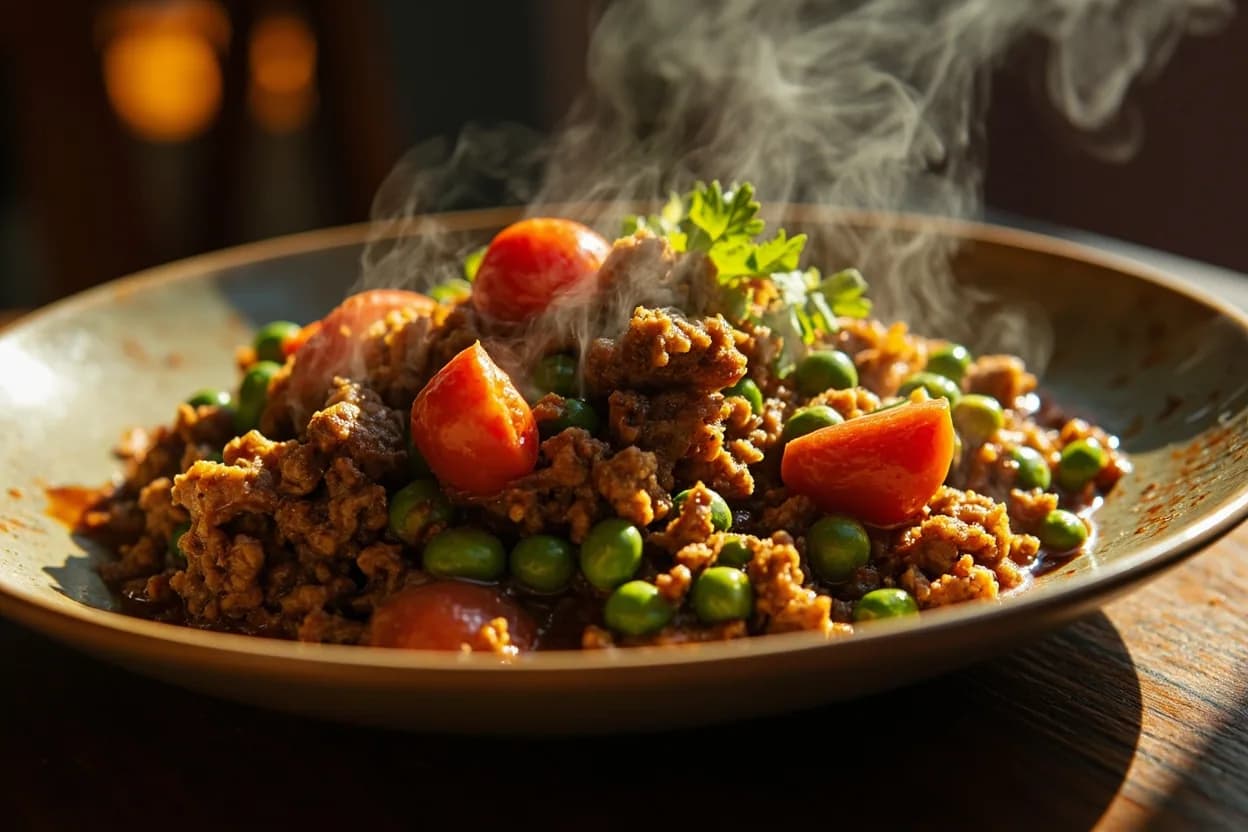
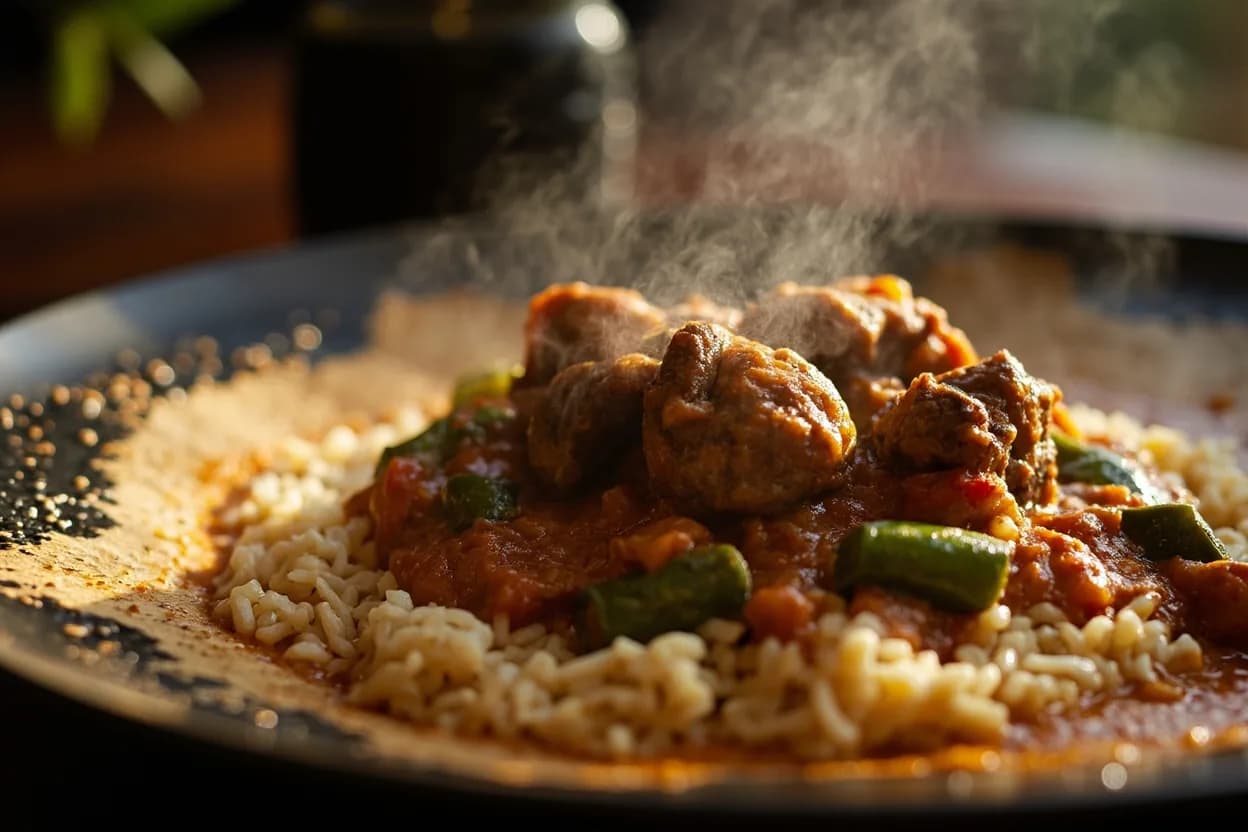
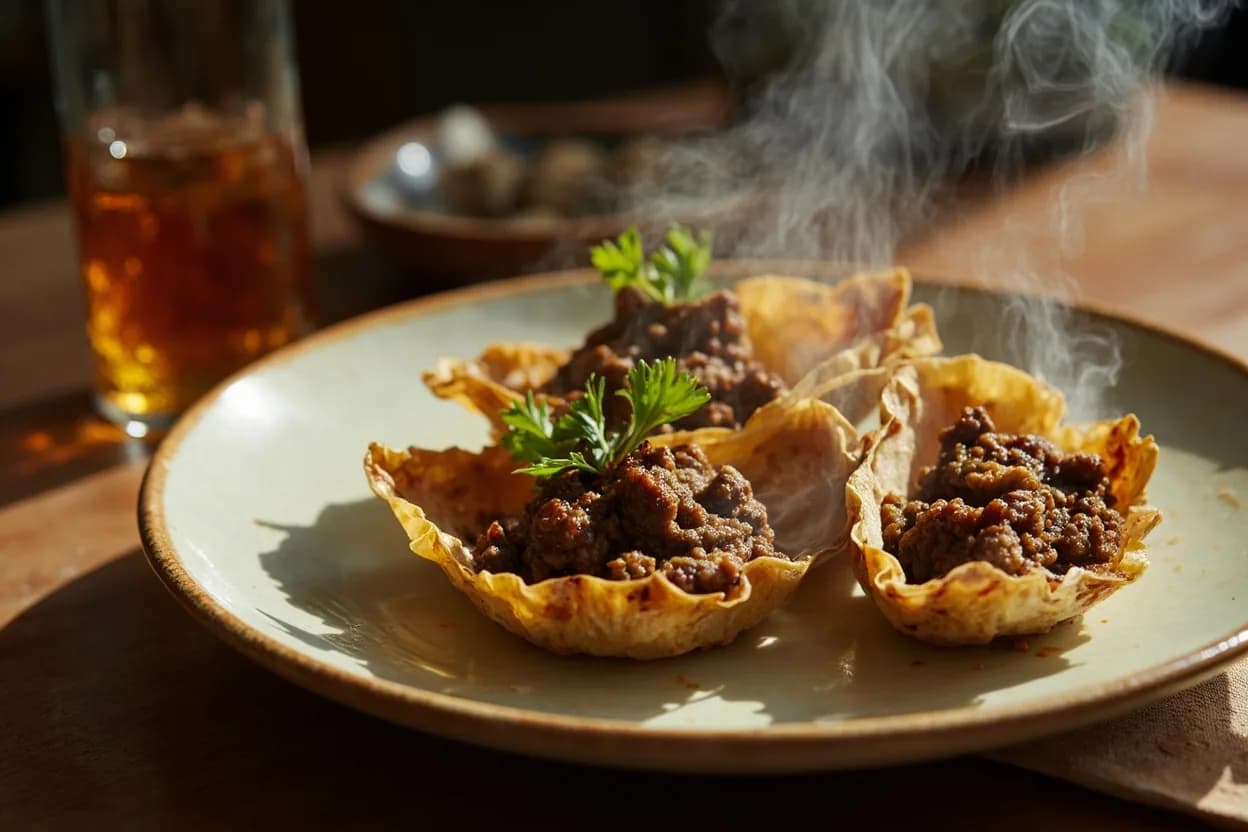
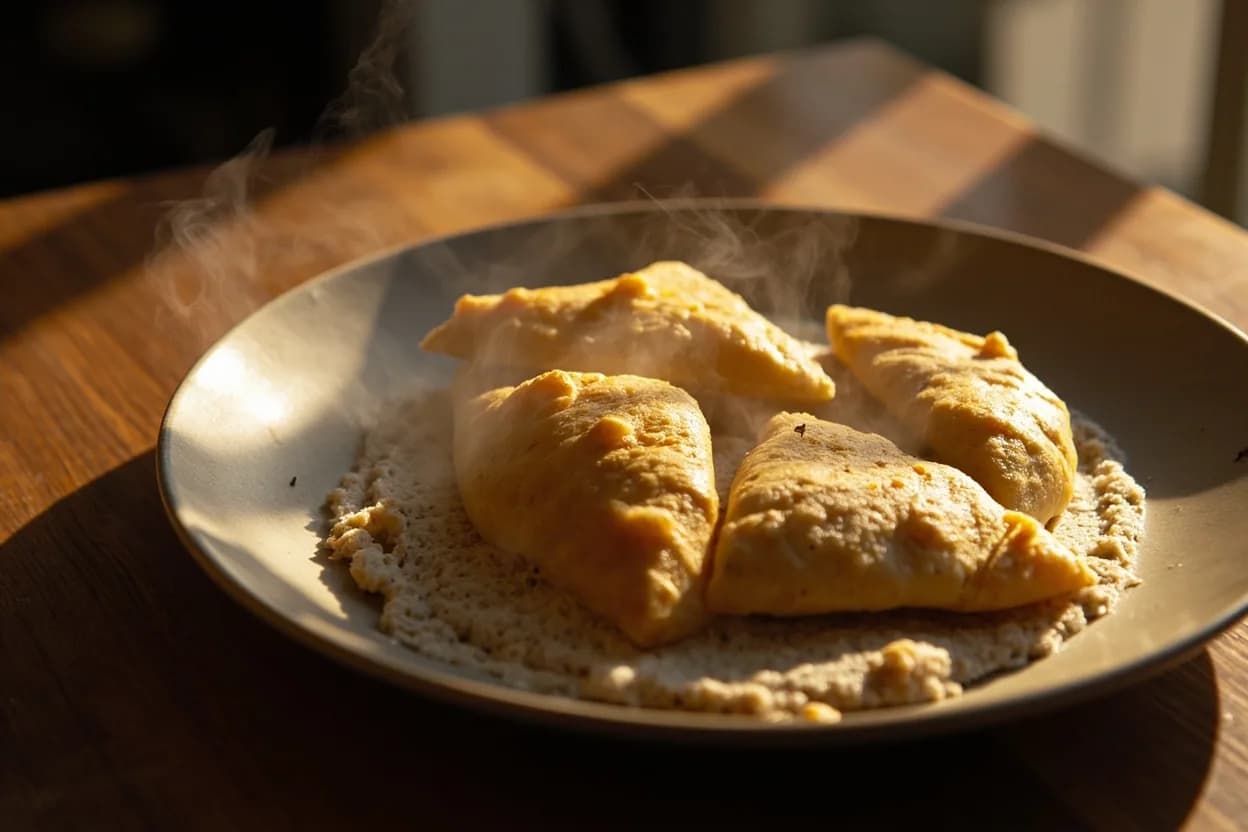
The dishes that define Iraqi, documented in the Canon.
References
- 1.Feast: Food of the Islamic World — Anissa Helou
- 2.Kitab al-Tabikh (The Book of Cookery) — Ibn Sayyar al-Warraq (10th c.), trans. Nawal Nasrallah
- 3.Delights from the Garden of Eden: A Cookbook and History of the Iraqi Cuisine — Nawal Nasrallah
- 4.The Yale Culinary Tablets (c. 1700 BCE), Yale Babylonian Collection
Confidence: high
Notes
World's oldest recipes
The Yale Babylonian Collection holds four cuneiform clay tablets (c. 1700 BCE) bearing what are considered the oldest surviving recipes in the world — including stews with meat, leeks, garlic, and spices that structurally resemble modern Iraqi margat (stew) dishes. Iraqi cuisine is not merely old; it is continuously documented.
Noomi basra: the Iraqi flavor fingerprint
Dried black lime (loomi or noomi basra) — limes sun-dried in brine until they turn black and hollow — is thrown whole into simmering stews, imparting an irreplaceable fermented-sour citrus note. No other Middle Eastern cuisine uses it as pervasively as Iraqi cooking; it is the single ingredient that most clearly flags a dish as Mesopotamian.