Western Europe
Galician (Spain)
Also: Cocina Gallega, Galician cuisine, Galicia gastronomy
Spain's Celtic Atlantic corner: an oceanic kitchen of extraordinary shellfish, simple preparations, Albariño wine, and a melancholic depth that has more in common with Portugal than Castile.
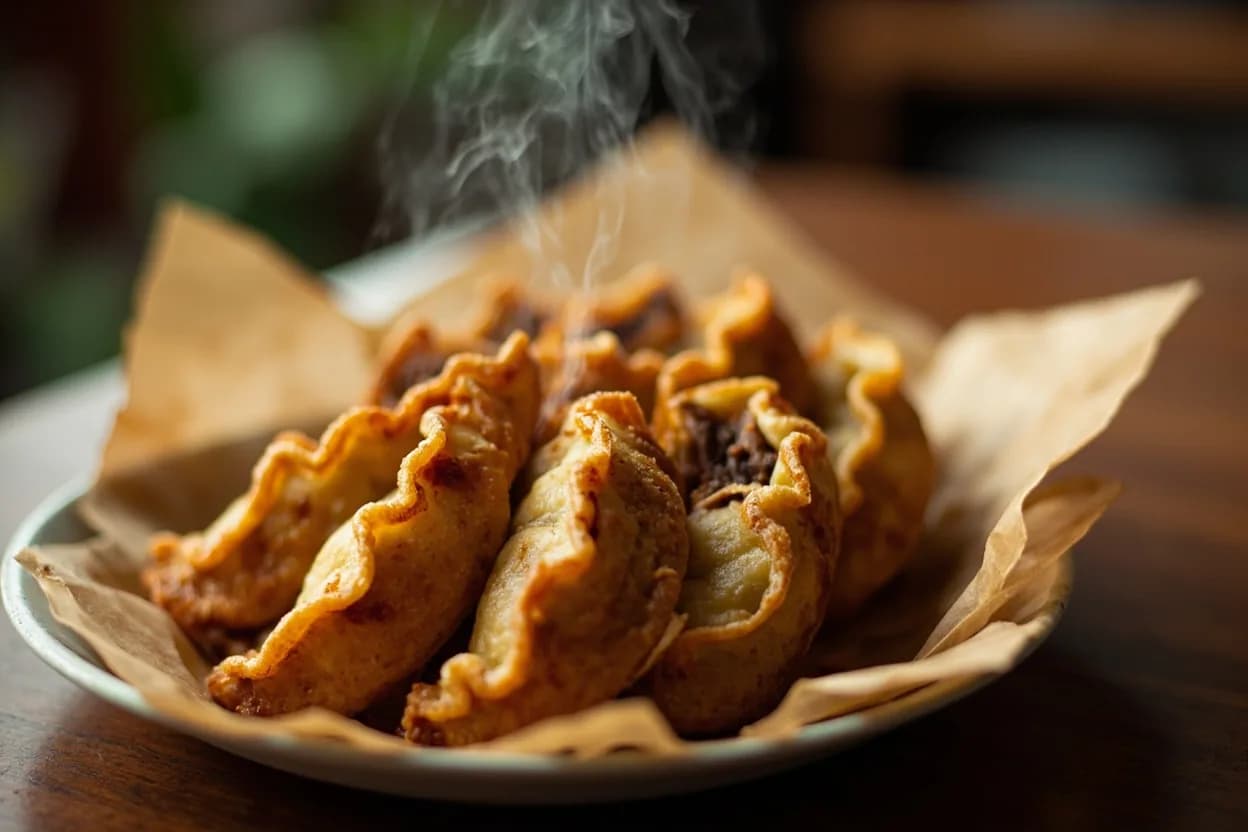
Galician cuisine is the culinary tradition of Galicia (Galiza), the green, rainy autonomous community occupying the northwestern corner of the Iberian Peninsula. More Atlantic than Mediterranean, more Celtic than Moorish in cultural spirit, it is defined by the world's finest shellfish (percebes, navajas, vieiras, mexillóns), by brined and boiled preparations that honor the integrity of the ingredient, and by a melancholic terroir — granite, fog, rías (flooded river valleys) — that pervades both the landscape and the table. The cuisine is closely related to northern Portuguese cooking and shares its directness and its reverence for salt cod, empanada, and pork products.
The flavour base
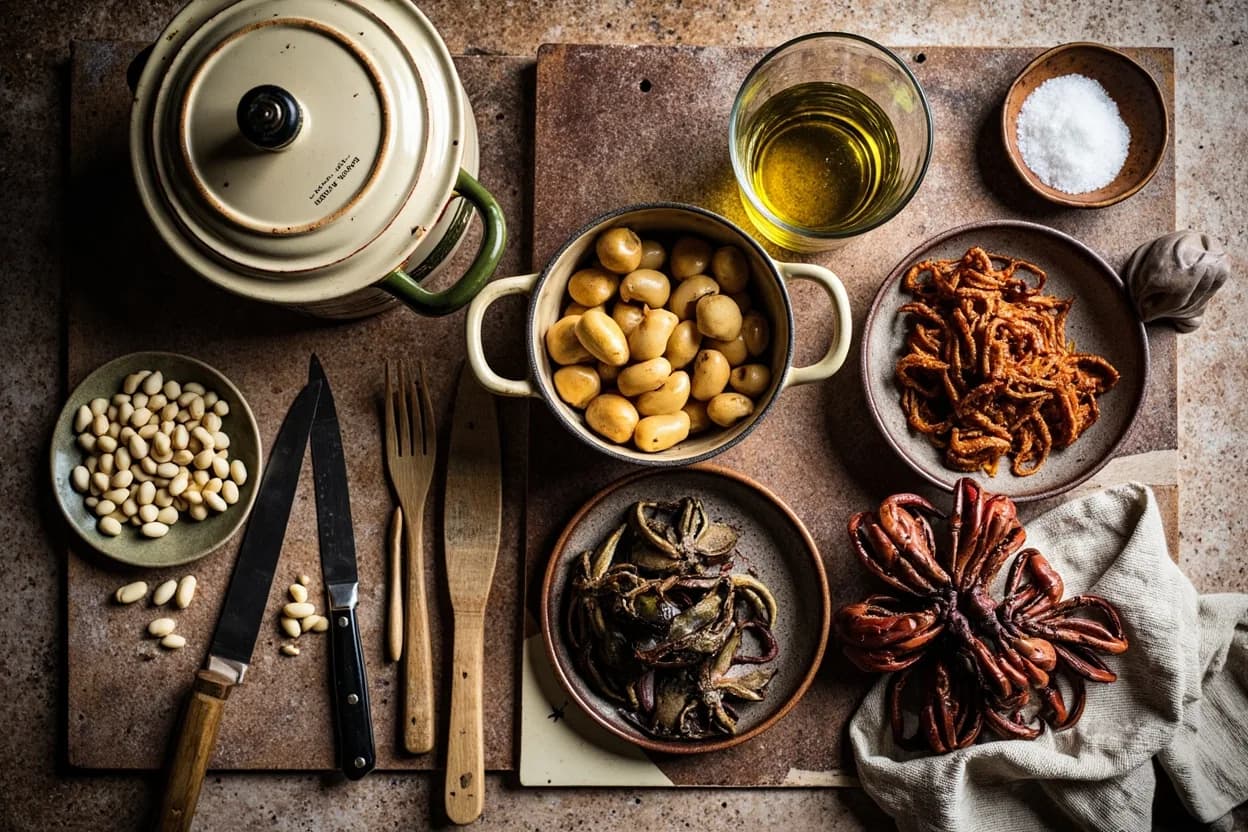
Olive oil and garlic applied with restraint to allow shellfish and seafood to speak; pimentón (sweet and smoked paprika) as the universal seasoning; lard (unto) in traditional bean and pork stews; and the white wine reduction base for caldeirada fish stews
Pantry staples
Key ingredients
Signature techniques
Signature dishes
Galician (Spain) on the table
At the table
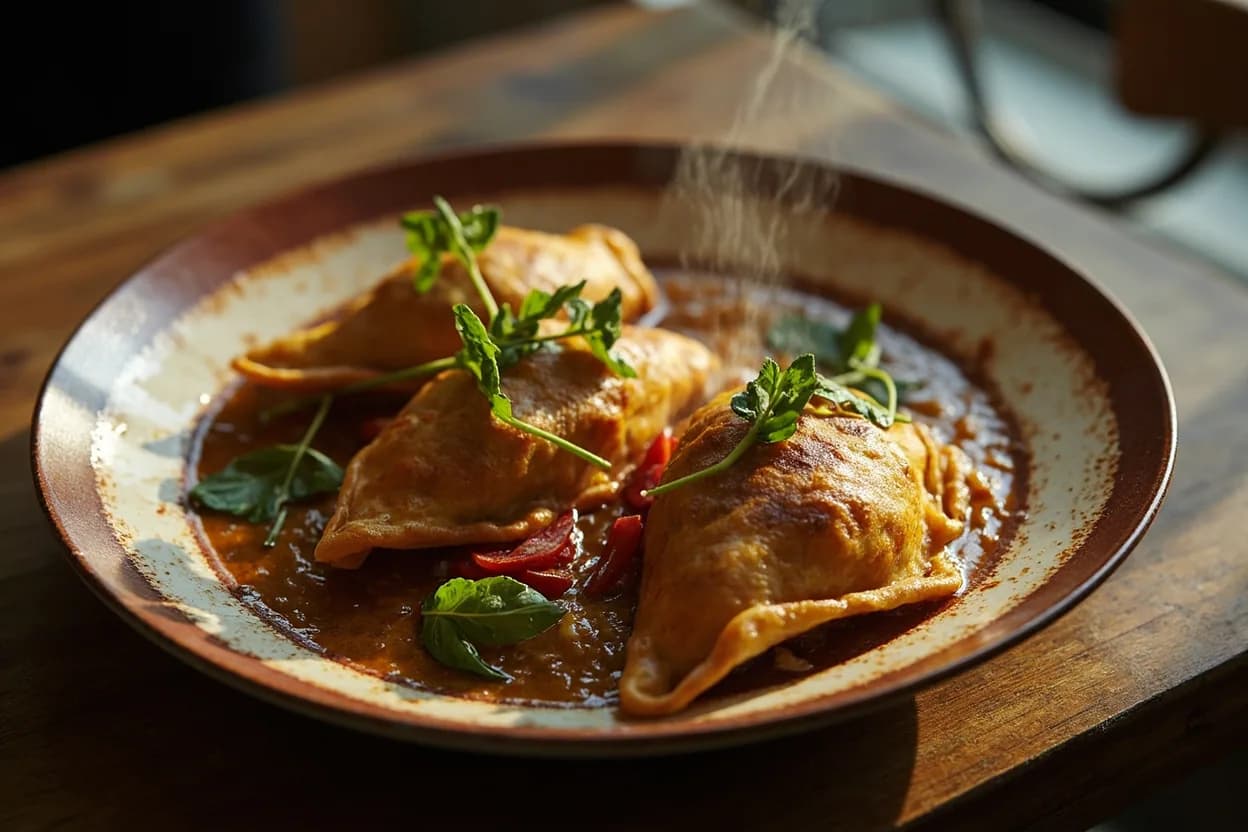
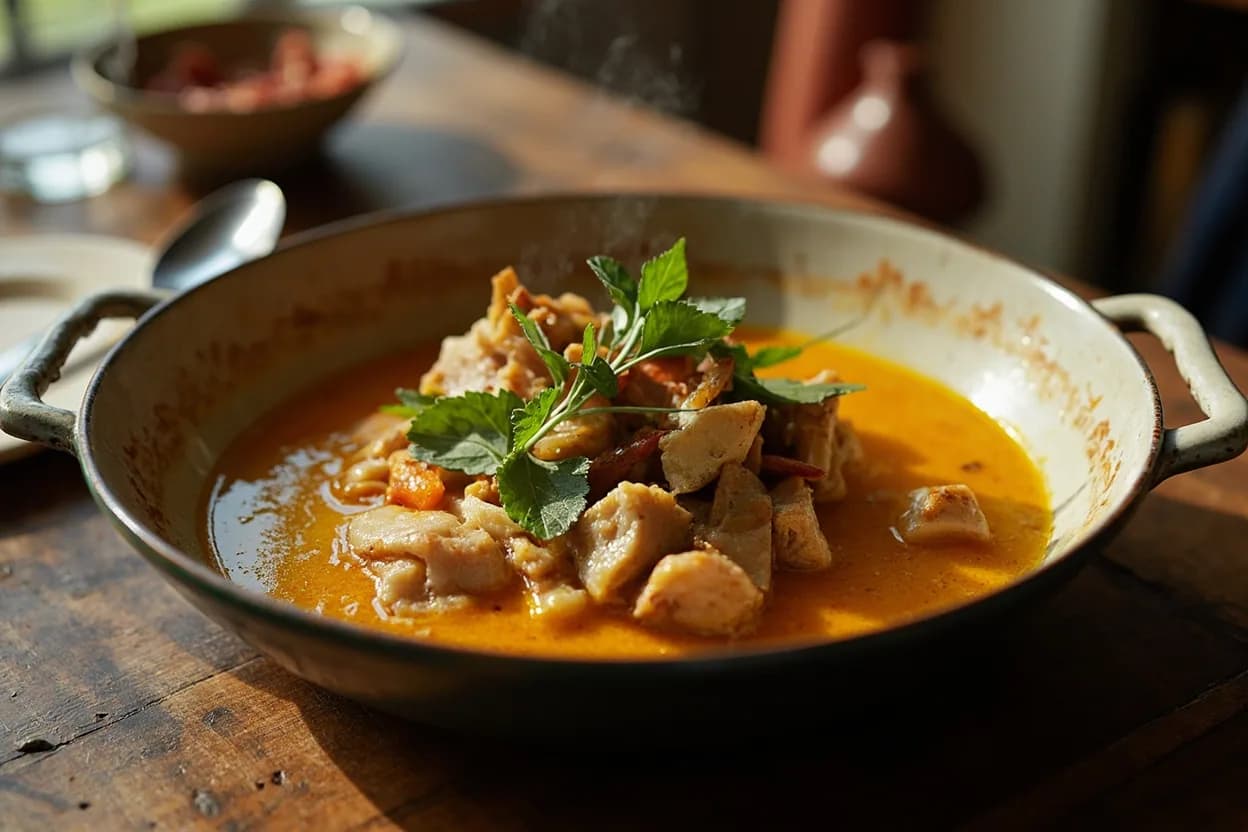
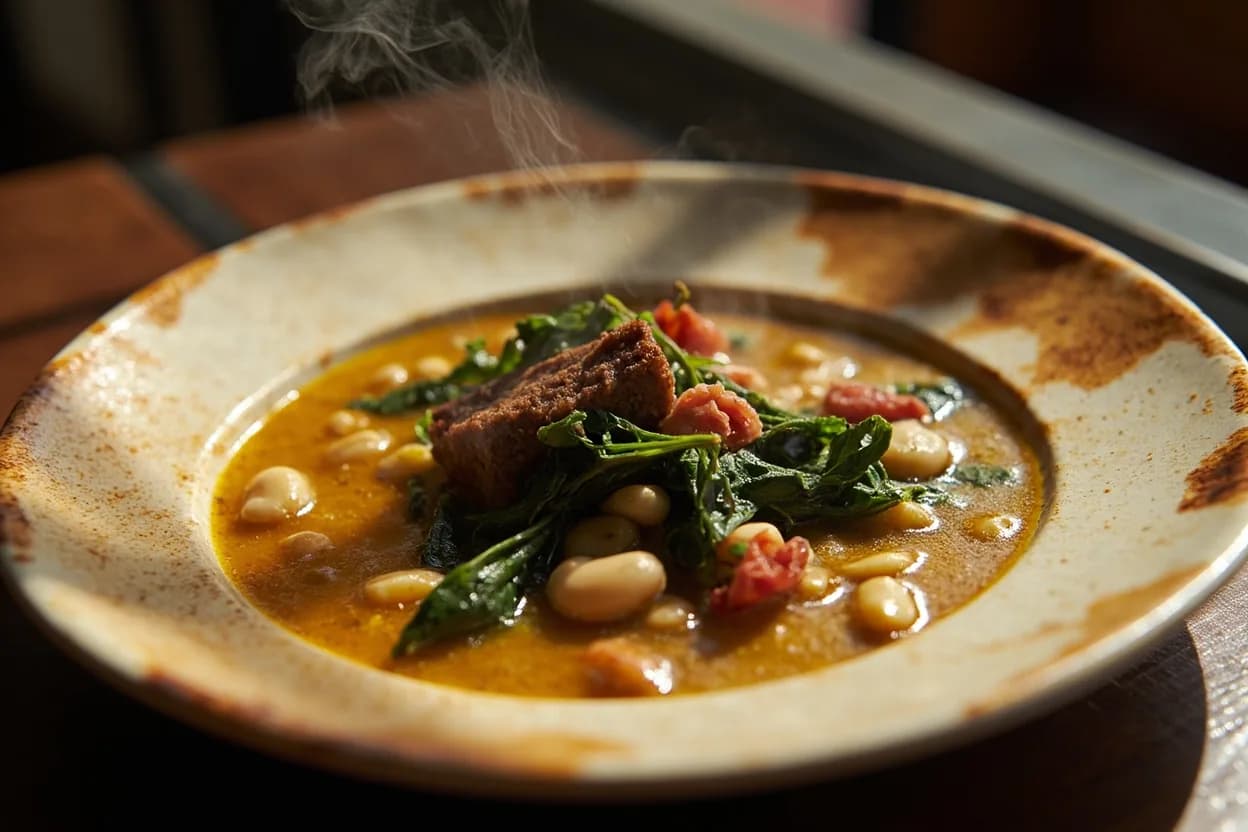
Meals are structured but unhurried. A solid midday comida is the main event: typically a caldo (broth with greens and beans), a fish or meat main, and bread with tetilla cheese. Mariscos (shellfish) are eaten as starters at celebrations and in marisquerías. Evening cenas are lighter. On feast days (especially Santiago de Compostela's pilgrimage season), the cocido gallego — a layered boil of pork, vegetables, and chorizo — is the center of ceremonial eating. Albariño and Ribeiro wines pair throughout.
History & context
Galicia's isolation behind mountain ranges and facing the open Atlantic shaped a cuisine of self-sufficiency and oceanic abundance in equal measure. Celtic and Roman peoples preceded the Visigoths and then the Kingdom of Galicia, which had a distinct medieval political identity before its absorption into Castile. The Camino de Santiago pilgrimage route, active since the 9th century, brought international traffic through Santiago de Compostela and created a demand for hospitality and food that influenced the whole region. The rías (estuaries) — Rías Baixas and Rías Altas — are among Europe's most productive shellfish waters due to upwelling cold Atlantic currents. Galician emigration in the 19th–20th centuries (to Argentina, Cuba, and urban Spain) spread the cuisine far beyond the region; pulperías (octopus restaurants) opened in Buenos Aires before they opened in Madrid.
Regional variations
- Rías Baixas
Prime Albariño wine country; finest vieiras, clams (berberechos), and mussels from the rías; most celebrated marisquería tradition.
- Rías Altas (A Coruña)
Colder northern waters; superior percebes and nécoras; A Coruña is the city of pulperías.
- Interior (Ourense and Lugo)
More continental and pork-heavy; lacón, chorizo, and bean stews dominate; Ribeiro wine rather than Albariño; hot springs cuisine around Ourense.
- Santiago de Compostela
Pilgrimage city; tarta de Santiago (almond tart) is the canonical confection; scallop (vieira) symbolism throughout.
Related cuisines
- Northern Portuguese (Minho)
Immediate southern neighbor sharing caldo verde, salt cod devotion, and cornbread; the border is a political, not culinary, line.
Eastern neighbor with shared cider culture, bean stew tradition, and Atlantic seafood emphasis.
- Cantabrian
Further east along the Atlantic coast; shared anchovies, bonito, and coastal fishing heritage.
Canonical recipes
The dishes that define Galician (Spain), documented in the Canon.
References
- 1.The Food of Spain — Claudia Roden
- 2.Galicia: A Culinary Journey — Xosé Cannas
- 3.Made in Spain — José Andrés
- 4.The New Spanish Table — Anya von Bremzen
Confidence: high
Notes
Pulpo á feira — restraint as technique
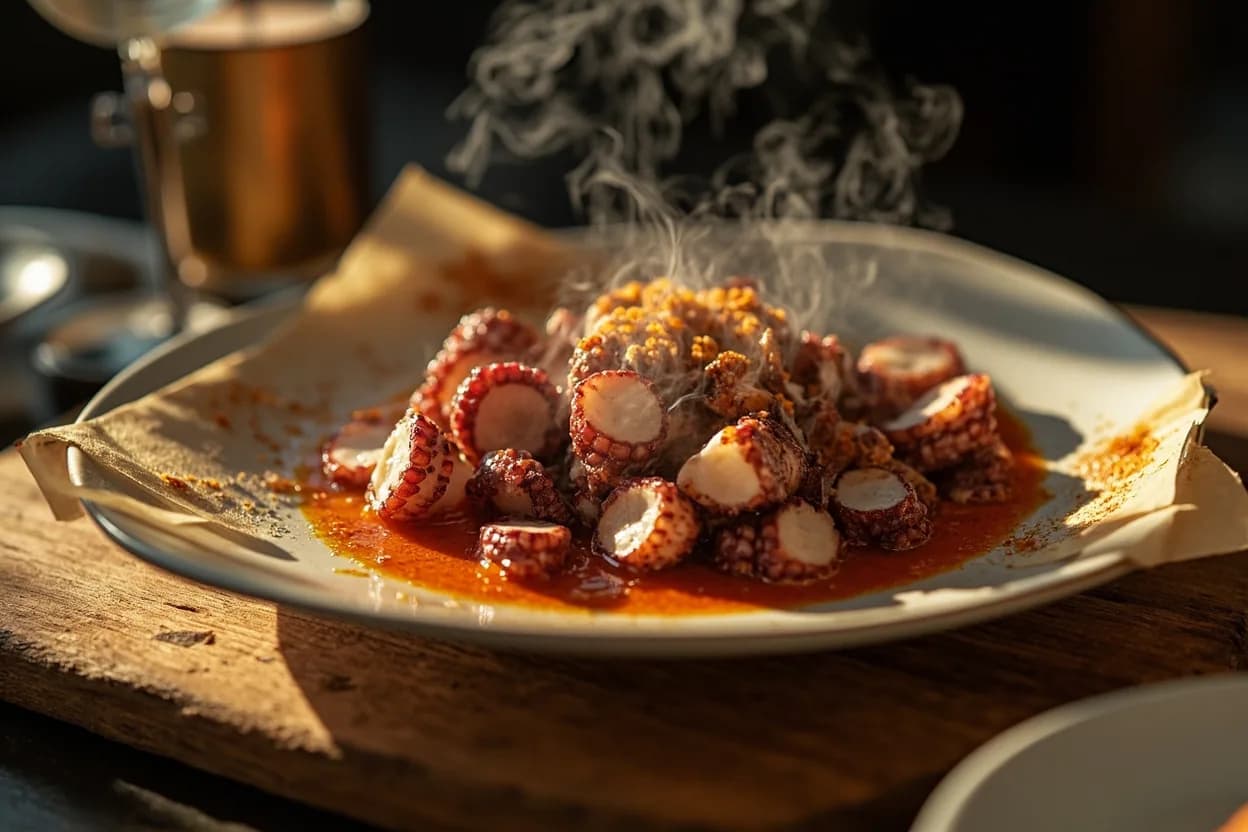
Pulpo á feira (octopus Galician style) demonstrates the Galician culinary philosophy in a single dish: the octopus is boiled in salted water, sliced on a wooden board, dressed with olive oil, coarse salt, and sweet pimentón, and served on the same wooden board. Nothing is added that would obscure the oceanic flavor. The tenderizing trick — the traditional practice of beating the octopus against the rocks of the rías before cooking — is now replaced by freezing, which breaks down the muscle fibers with equal effect.
Percebes: the luxury of difficulty
Gooseneck barnacles (percebes) grow on the wave-battered granite outcrops of the Costa da Morte (Coast of Death), harvested by percebeiros who work in dangerous surf. They are cooked in seawater for 3–4 minutes and eaten immediately. Their flavor is the distilled essence of the North Atlantic — iodine, sweetness, and brine — and their price reflects the mortal difficulty of their harvest.