North America
Tex-Mex / American Southwest
Also: Tex-Mex, Southwest cuisine, New Mexican cuisine, Tejano food, border food, frontera cooking
The bold, chile-fired cooking of the US-Mexico borderlands — neither purely Mexican nor American, but a distinct mestizo cuisine born from centuries of cultural convergence on the Texas and New Mexico frontier.
Tex-Mex and American Southwest cuisine are the culinary products of the borderlands between the United States and Mexico — a zone where Tejano ranching culture, indigenous Pueblo foodways, Spanish colonial cooking, and Anglo-American ranching traditions fused over three centuries. The cuisine is defined by chiles (both fresh and dried), beef, corn and wheat, and the liberal use of cheese and sour cream in ways unknown in interior Mexican cooking. Tex-Mex proper centres on the Rio Grande corridor of Texas; New Mexico green chile cuisine is its own coherent regional tradition; and the broader American Southwest encompasses Arizona Sonoran-style cooking and the Hatch valley chile culture.
The flavour base
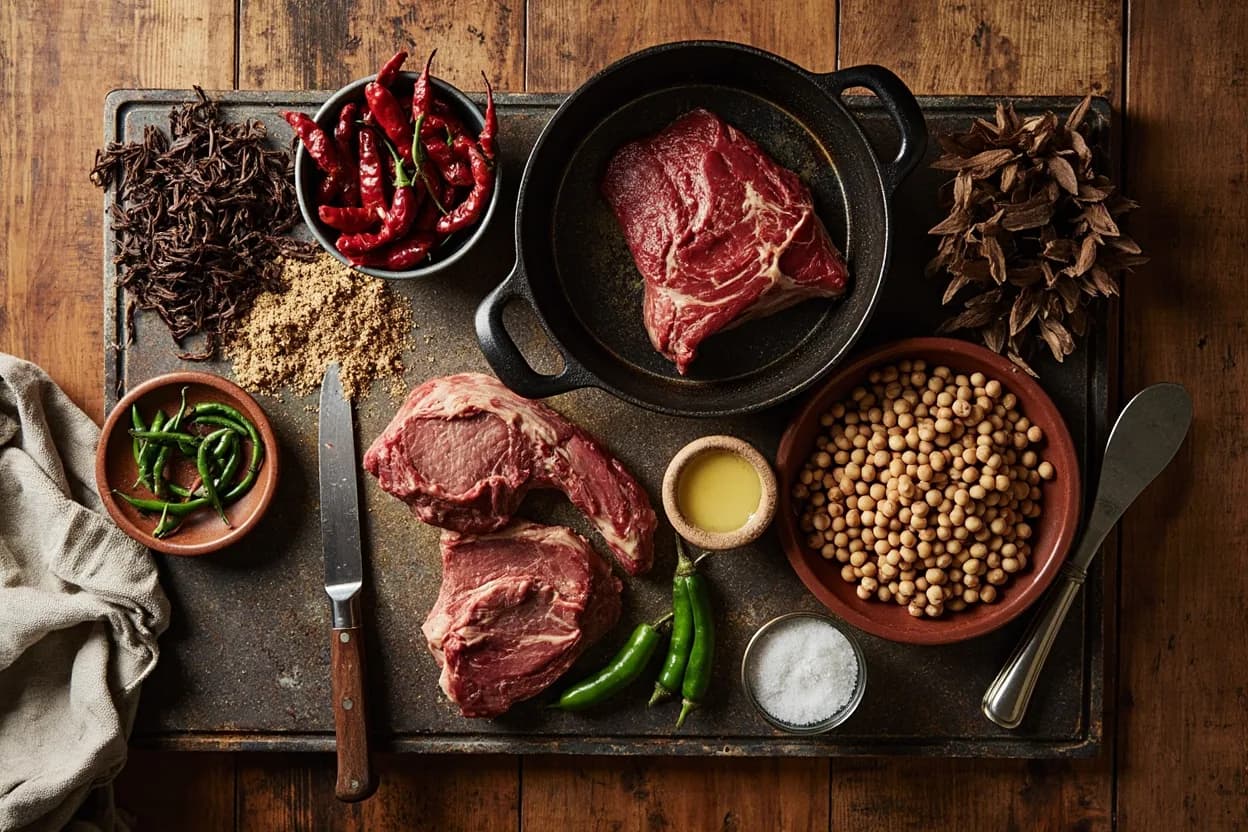
Dried and fresh chiles form the aromatic spine — ancho, guajillo, pasilla, and New Mexico red for sauces; jalapeño and serrano fresh. Cumin is used far more heavily than in central Mexican cooking. Rendered beef fat (manteca de res) was the traditional cooking fat; lard remains important. Onion, garlic, and tomato round the base.
Pantry staples
Key ingredients
Signature techniques
Signature dishes
Tex-Mex / American Southwest on the table

At the table
Meals are informal and hearty. Breakfast is a serious event — breakfast burritos with eggs, potato, chile, and meat are a morning institution from Texas to New Mexico. Lunch and dinner centre on a main protein dish served with rice, beans, tortillas, and salsas. Chips and salsa arrive before any meal at sit-down restaurants. Weekend meals extend into the territory of communal grilling and extended family barbacoa.
History & context
The roots lie in the Spanish colonial cattle ranching economy of the Rio Grande valley (17th–18th centuries), where Tejano vaquero culture developed a distinctive beef-centred cuisine. After US annexation of Texas (1845) and the Mexican-American War (1848), the borderlands food culture became a hybrid: Mexican techniques, Anglo ingredients (processed cheese, canned goods), and ranching-scale portions. The word 'Tex-Mex' was initially pejorative but was rehabilitated by food writer Diana Kennedy and chef Robb Walsh, who argued it deserved recognition as a distinct regional cuisine rather than a corruption of Mexican cooking. New Mexico's green chile culture is older and more indigenous-influenced, rooted in Pueblo and Hispano traditions that predate Anglo arrival by centuries. The Hatch chile was designated New Mexico's official state vegetable in 1965; the question 'red or green?' is the state question.
Regional variations
- Texas (San Antonio / Rio Grande Valley)
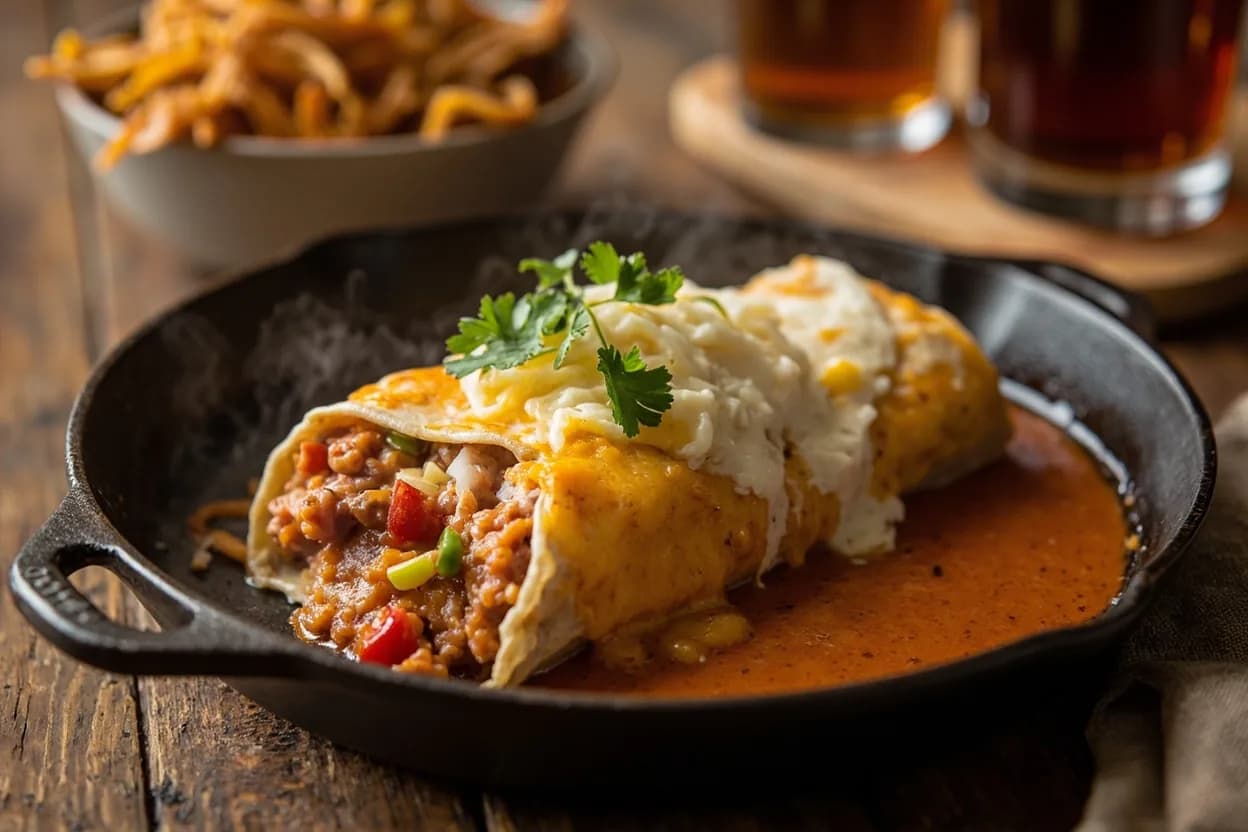
The Tex-Mex heartland: yellow cheese-heavy enchiladas, puffy tacos, crispy tacos, and chili gravy. Beef is dominant. San Antonio is the mother city of the style.
- New Mexico (Albuquerque / Santa Fe / Hatch Valley)
Green chile is the defining ingredient — roasted, peeled, and used in stews, sauces, and stuffings. 'Christmas' means both red and green on the same plate. Sopapillas (fried bread) replace tortillas as the bread-course standard.
- Sonoran (Arizona / northern Mexico)
Flour tortillas made with lard are thicker and softer than Tex-Mex versions. The Sonoran hot dog (bacon-wrapped in a bolillo) and Tucson's Mission-style burrito traditions are distinct from Texas Tex-Mex.
- Southern California border (San Diego / East LA)
Carne asada fries, California burrito (with french fries inside), and fish tacos (Baja-influenced) are specific to this zone and differ markedly from Texas or New Mexico traditions.
Related cuisines
- Mexican (Northern)
The immediate parent: northern Mexican states (Chihuahua, Sonora, Coahuila) share the flour tortilla, beef emphasis, and chile culture that Tex-Mex developed independently.
- Mexican (Central)
Distinguished by corn-first philosophy, mole complexity, and less cheese; Tex-Mex's heavy use of cheddar and sour cream is a departure from central Mexican practice.
- Native American Pueblo
New Mexico cuisine is deeply inflected by Pueblo foodways: blue corn, pinto beans, and the original cultivation of the New Mexico chile.
- American BBQ (Texas)
Texas brisket and barbacoa (beef head wrapped in maguey, smoked) run parallel to Tex-Mex; the same ranching culture produced both.
Canonical recipes
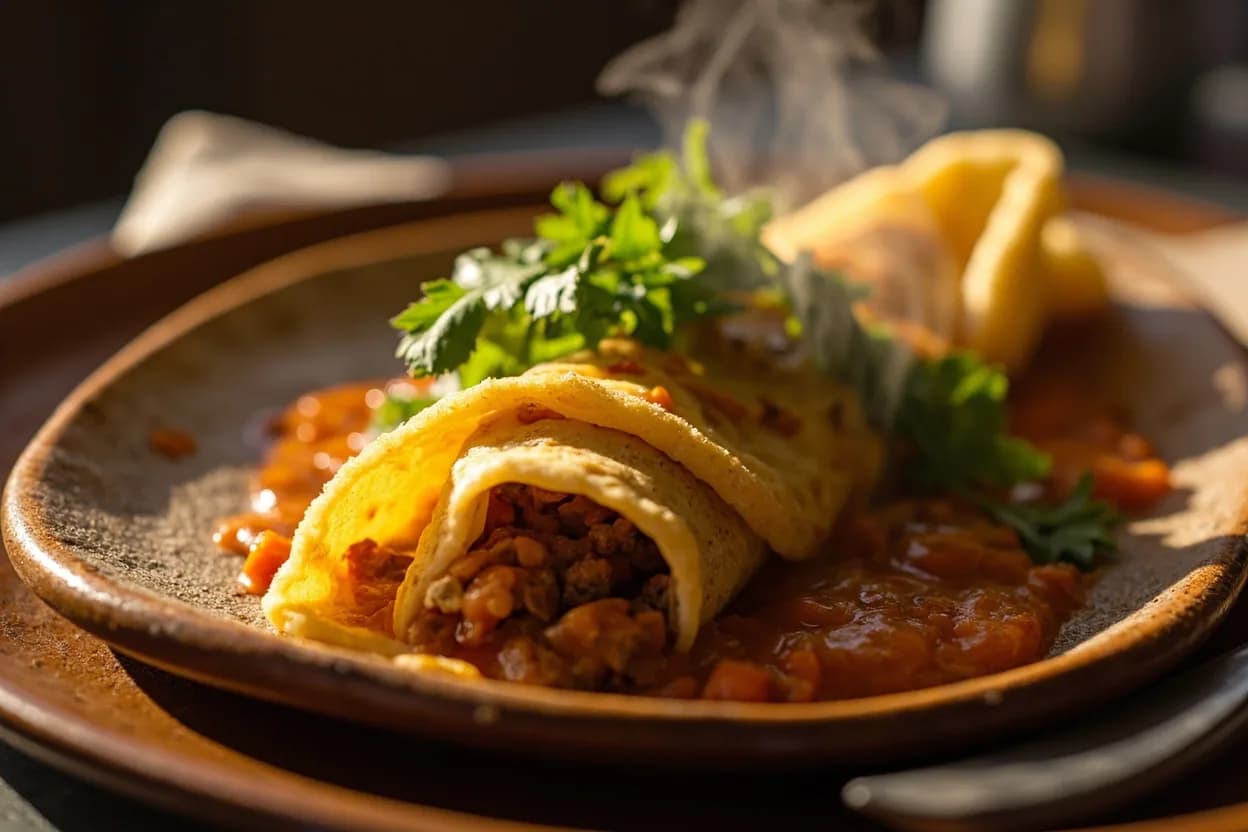
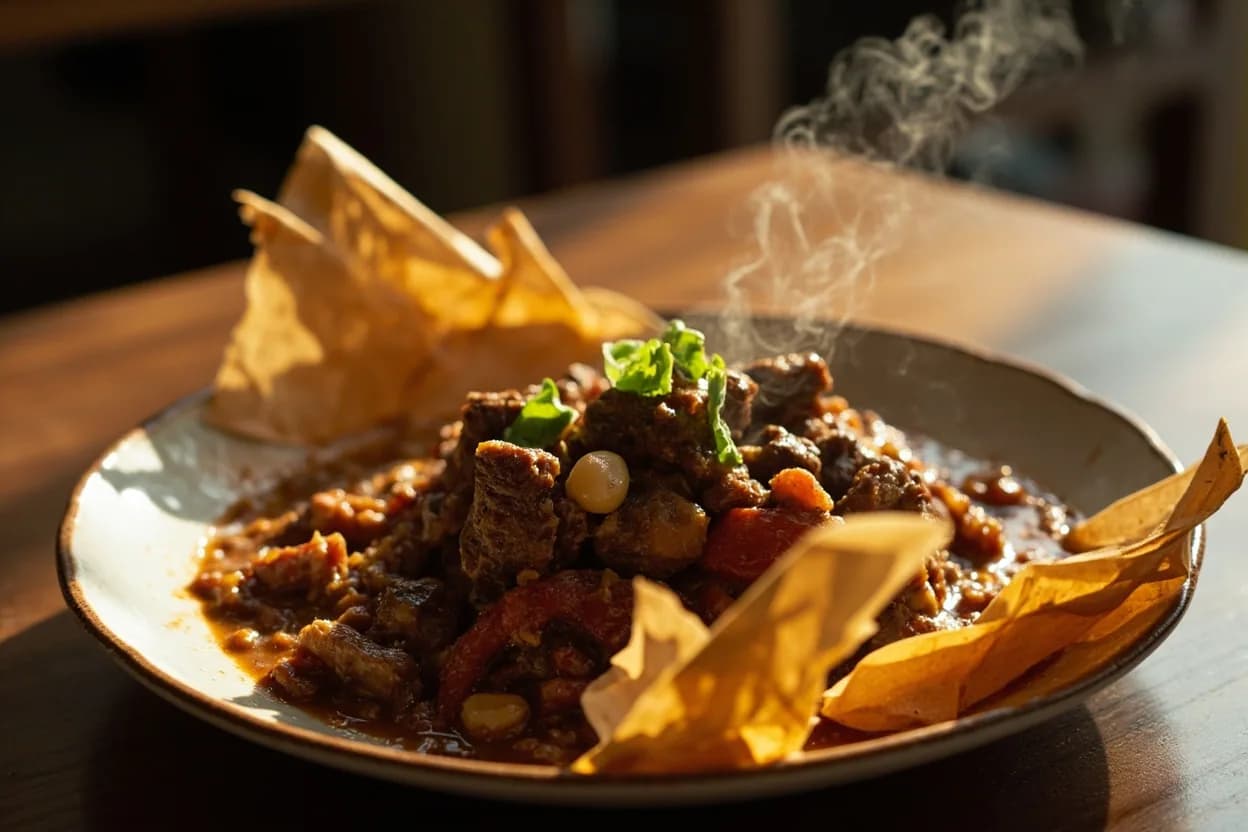
The dishes that define Tex-Mex / American Southwest, documented in the Canon.
References
- 1.The Tex-Mex Cookbook — Robb Walsh
- 2.The Art of Mexican Cooking — Diana Kennedy
- 3.Hatch Chile Express — Shelly Stayer & Lois Ellen Frank
- 4.The Food of a Younger Land — Mark Kurlansky (on regional American foodways)
Confidence: high
Notes
Fajitas: a Tex-Mex invention
Fajitas were born in the ranch camps of South Texas, where Mexican vaqueros were paid partly in the less desirable beef cuts including skirt steak (the diaphragm muscle, faja in Spanish). Grilled over mesquite and served in flour tortillas, the dish became a restaurant phenomenon after Ninfa Rodriguez Laurenzo served them at her Houston restaurant in the 1970s. The sizzling cast-iron platter presentation was an American steakhouse addition.
The cheese question
Diana Kennedy famously criticized Tex-Mex for its use of cheddar and 'yellow cheese,' which she saw as a debasement of authentic Mexican cooking. Robb Walsh countered that Tejano communities historically used Chihuahua cheese and other Mexican varieties, and that cheddar substitution was a Depression-era adaptation. The debate crystallised a broader question about what constitutes 'authentic' borderlands cooking.