Tibet / Himalayan Plateau
Tibetan
Also: Bod cuisine, Tibetan Plateau cuisine, བོད་ཀྱི་ཟས་རིགས།
Food as survival at altitude — barley flour, yak butter, fermented dairy, and warming soups shaped by the world's highest plateau and a Buddhist pastoral way of life.
Tibetan cuisine is the food of the Tibetan people and their neighbors on the Himalayan Plateau, an austere, high-altitude environment where agriculture is minimal and animal husbandry is the primary livelihood. The cuisine is built almost entirely on what the plateau provides: tsampa (roasted barley flour), yak butter, yak milk and its ferments (yogurt, cheese), yak and mutton meat, and wild highland plants. It is a cuisine of profound simplicity and nutritional efficiency — calories and fat are essential survival tools above 4,000 meters. Buddhist ethics modulate but do not eliminate meat consumption; the logic of slaughtering one large animal (yak) to feed many is preferred over killing many small ones. The result is a food culture that is simultaneously ascetic and deeply nourishing.
The flavour base
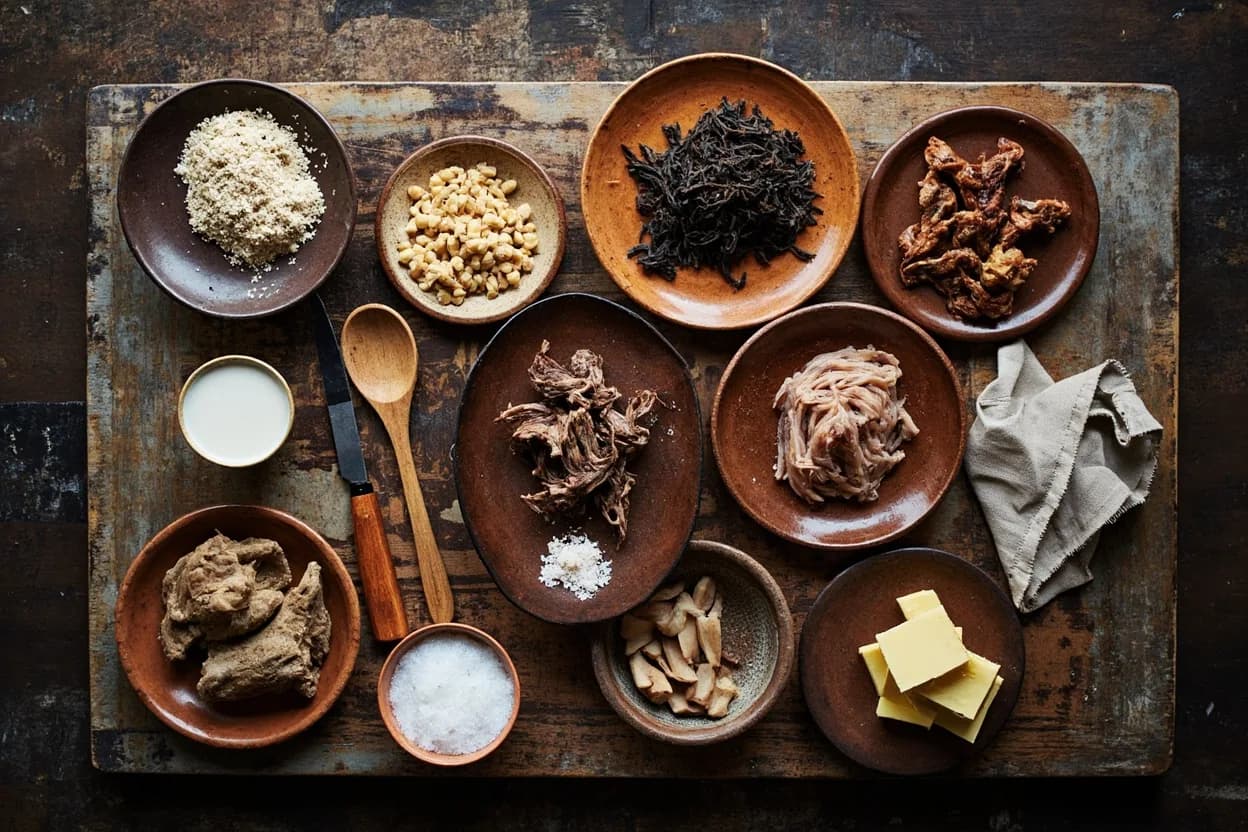
Yak butter is the flavor foundation of Tibetan cooking — used in tea, as a cooking fat, as a condiment, and as a preservative. Tsampa (roasted barley flour) is mixed with butter and salt or tea into dough. Broth from slow-simmered bones forms the base of soups and stews. Dried and fresh chilies have become important since the 20th century, particularly in urban Lhasa cuisine.
Pantry staples
Key ingredients
Signature techniques
Signature dishes
Tibetan on the table
At the table
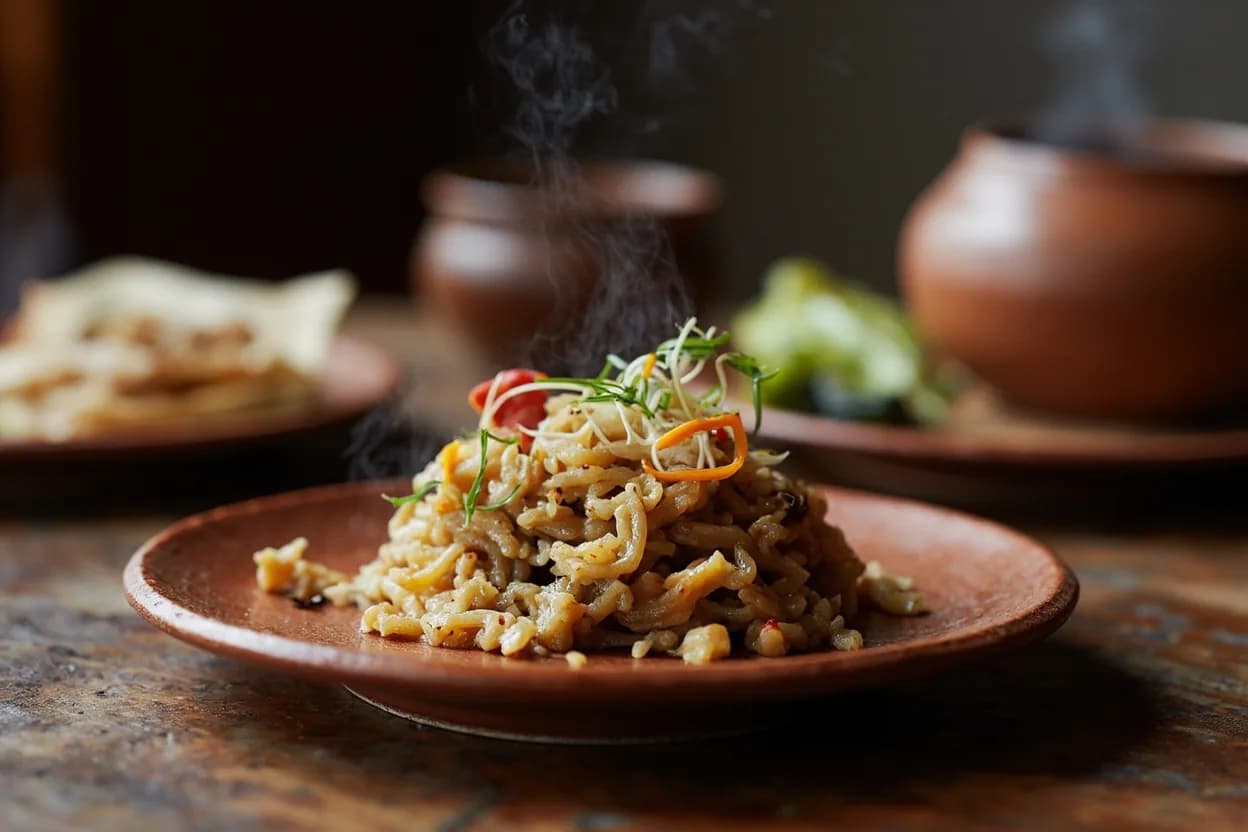
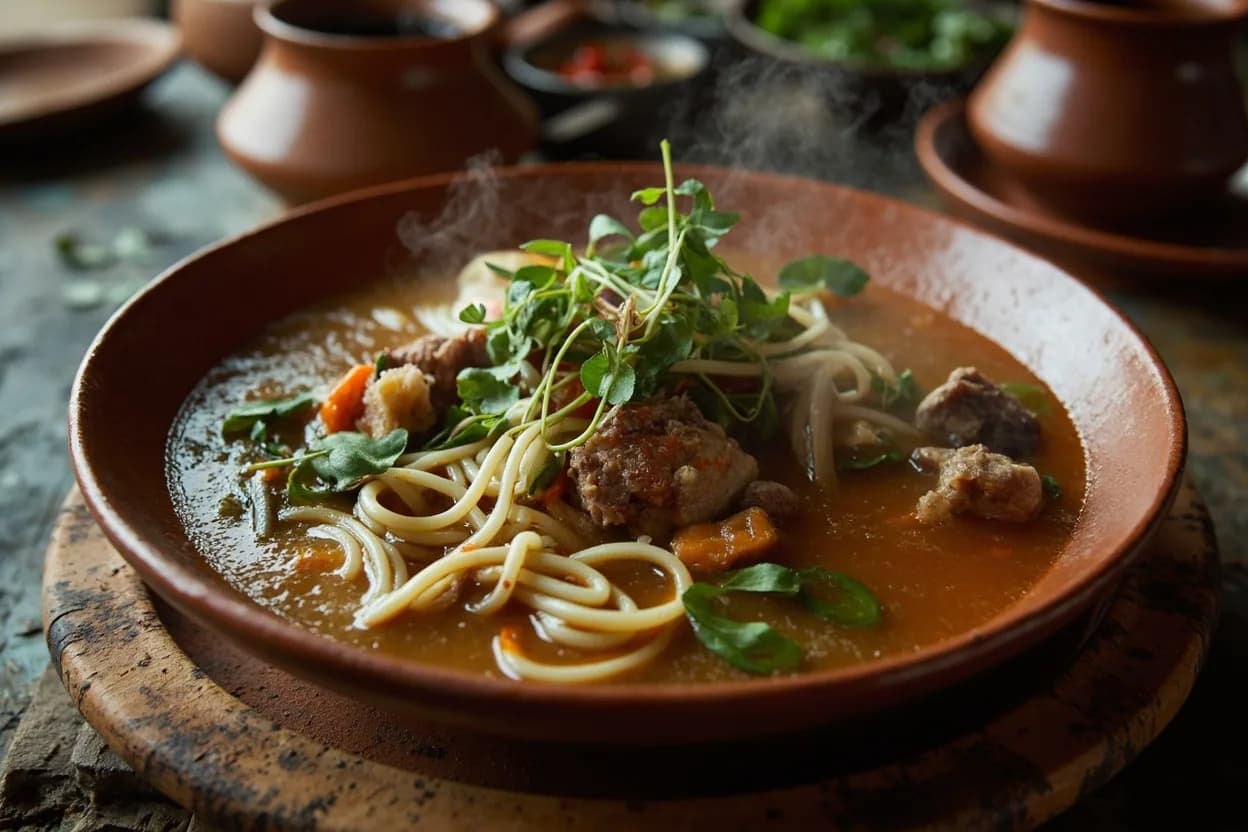
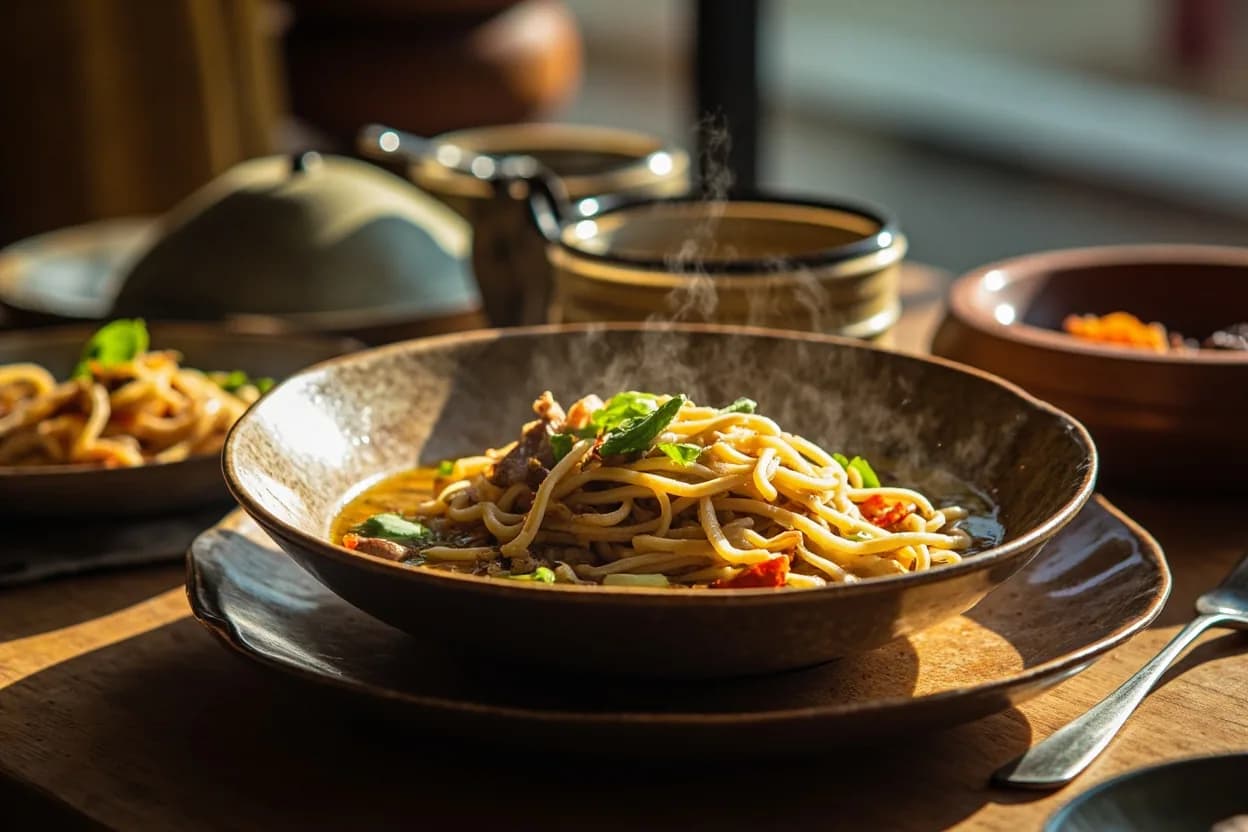
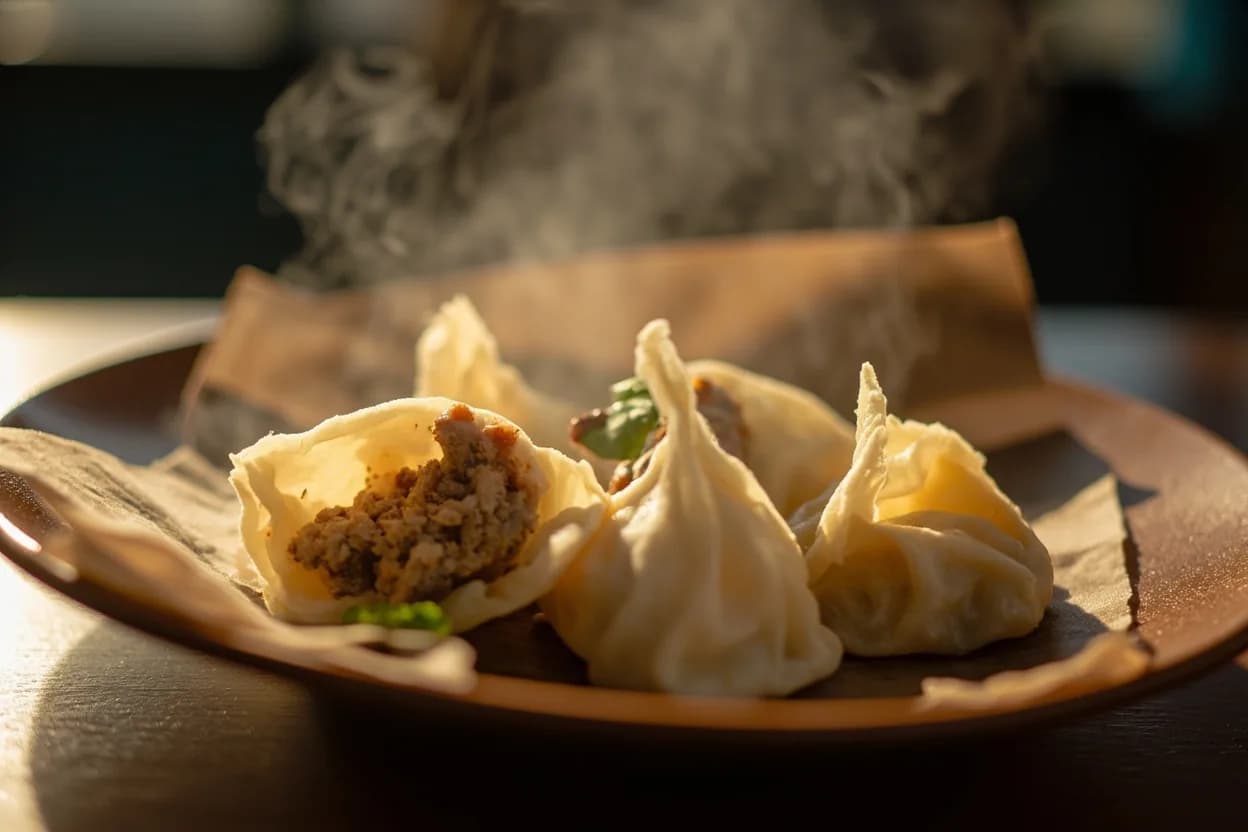
Tibetan meals are simple and repetitive by necessity. Butter tea is drunk throughout the day — dozens of cups — and replaces water as the primary liquid. Tsampa is eaten at any meal, kneaded in a bowl with tea. The main meal typically includes a soup or stew (thukpa or broth) and a meat or vegetable side. Momo are festive and celebratory, served at Losar (Tibetan New Year) and family gatherings. Urban Lhasa now has a restaurant culture that incorporates Chinese, Nepali, and Indian influences, but nomadic pastoral communities still eat almost exactly as described.
History & context
Tibetan food culture stretches back over three thousand years to the earliest settlements on the Himalayan Plateau. The Yarlung Dynasty (7th–9th centuries CE) was Tibet's first unified kingdom; the dietary record from this period already shows tsampa and yak butter as central. Buddhism arrived in the 7th century under King Songtsen Gampo and has shaped the cuisine's ethics ever since — without eliminating meat, but privileging large-animal husbandry over small-game hunting. Trade routes across the Himalayas brought spices, tea, and grains from India and China; the tea-for-horse trade with Tang and Song Dynasty China cemented brick tea as Tibet's essential beverage. Tibetan diaspora communities in Nepal, India, Bhutan, and the West have adapted the cuisine while maintaining tsampa, butter tea, and momo as core identifiers. The Nepali momo tradition — now global street food — derives directly from Tibetan immigrants in Kathmandu.
Regional variations
- Lhasa (central Tibet)
Most urbanized and diverse; Indian, Nepali, Sichuan, and Muslim Chinese restaurants alongside Tibetan staples; restaurant momos have diversified into cheese, potato, and vegetable fillings.
- Kham (eastern Tibet / western Sichuan)
Stronger Sichuan influence; spicier; Khampa nomads maintain more traditional yak-herding food patterns. Yak yogurt (sho) culture is strongest here.
- Amdo (northeastern Tibet / Qinghai and Gansu)
More Hui Muslim and Han Chinese influence; noodle culture stronger; tsampa blended with other flours in some preparations.
- Nepali-Tibetan diaspora (Kathmandu, Dharamsala)
Momo tradition diversified dramatically; Indian spices integrated; the globally familiar restaurant momo originates from this diaspora tradition.
Related cuisines
- Nepali
Momos traveled from Tibet to Nepal via trade and migration; Nepali cuisine absorbed Tibetan dumpling culture and now exports it globally.
- Bhutanese
Highland Himalayan parallels: ema datshi (chili cheese) is Bhutan's equivalent of Tibetan dairy-and-starch comfort food; shared yak culture.
- Qinghai / Amdo Han-Muslim
The Qinghai plateau shares many Tibetan ingredients; Hui Muslim noodle traditions and Tibetan tsampa traditions coexist in the same regional larder.
- Mongolian
Parallel pastoral nomad cuisines: both center on dairy, dried meat, bone broth, and minimal vegetables; tea with milk and fat is common to both.
Canonical recipes
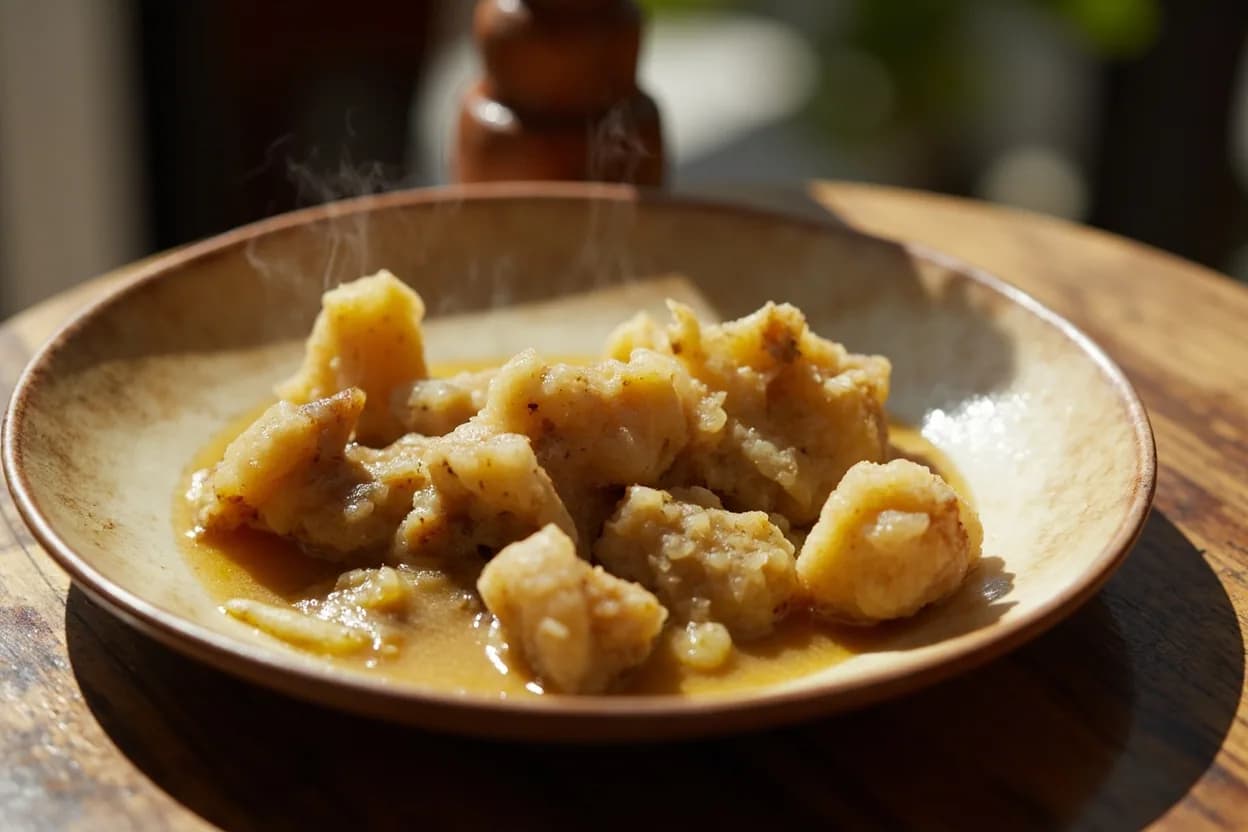
The dishes that define Tibetan, documented in the Canon.
References
- 1.Beyond the Great Wall — Jeffrey Alford & Naomi Duguid (2008, Artisan)
- 2.Feeding Desire — Rebecca L. Cassidy (2002, Routledge)
- 3.Food Culture in China — Jacqueline M. Newman (2004, Greenwood Press)
- 4.The Tibet Cookbook — Julie Kleeman & Yeshi Jampa (2011, Interlink)
Confidence: high
Notes
Butter Tea (Po Cha)
Po cha — made by churning strongly brewed brick tea with yak butter and salt for several minutes — is among the world's most nutritionally pragmatic beverages. At high altitude with little food available, a bowl of butter tea supplies calories, fat, hydration, warmth, and salt simultaneously. Tibetans may drink twenty to forty cups a day. To outsiders it often tastes like a thin, salty soup rather than tea; the acquired taste is inseparable from the cultural context.
Tsampa as Substrate
Tsampa is not a dish but a substrate — roasted barley flour that can be kneaded into dough (pag), stirred into tea, rolled into porridge, or pressed into travel cakes. Its roasted flavor is warm and nutty. Tibetan nomads historically carried nothing else for weeks on the move. It requires no cooking after the initial roasting, making it the ideal high-altitude travel food and one of the world's most efficient traditional calorie sources.