Southeast Asia
Thai Muslim (Deep South)
Also: Patani cuisine, Thai-Malay Muslim cuisine, South Thailand Muslim food, Jawi cuisine
A Malay-Muslim culinary tradition rooted in the historic Patani Sultanate, where halal principles, Jawi heritage, and tropical abundance define a cuisine largely invisible to the outside world.
The cuisine of Thailand's three southernmost provinces — Pattani, Yala, and Narathiwat — is culturally and gastronomically Malay rather than Thai. It follows halal dietary law, uses no pork, and builds flavors through turmeric, galangal, lemongrass, and coconut milk in ways that align far more closely with Kelantanese and Perakian cooking across the Malaysian border than with central Thai cuisine. Rice is often eaten with the fingers, meals center on a spread of dishes rather than a sequence, and the fermented shrimp paste budu underpins much of the flavor scaffolding.
The flavour base
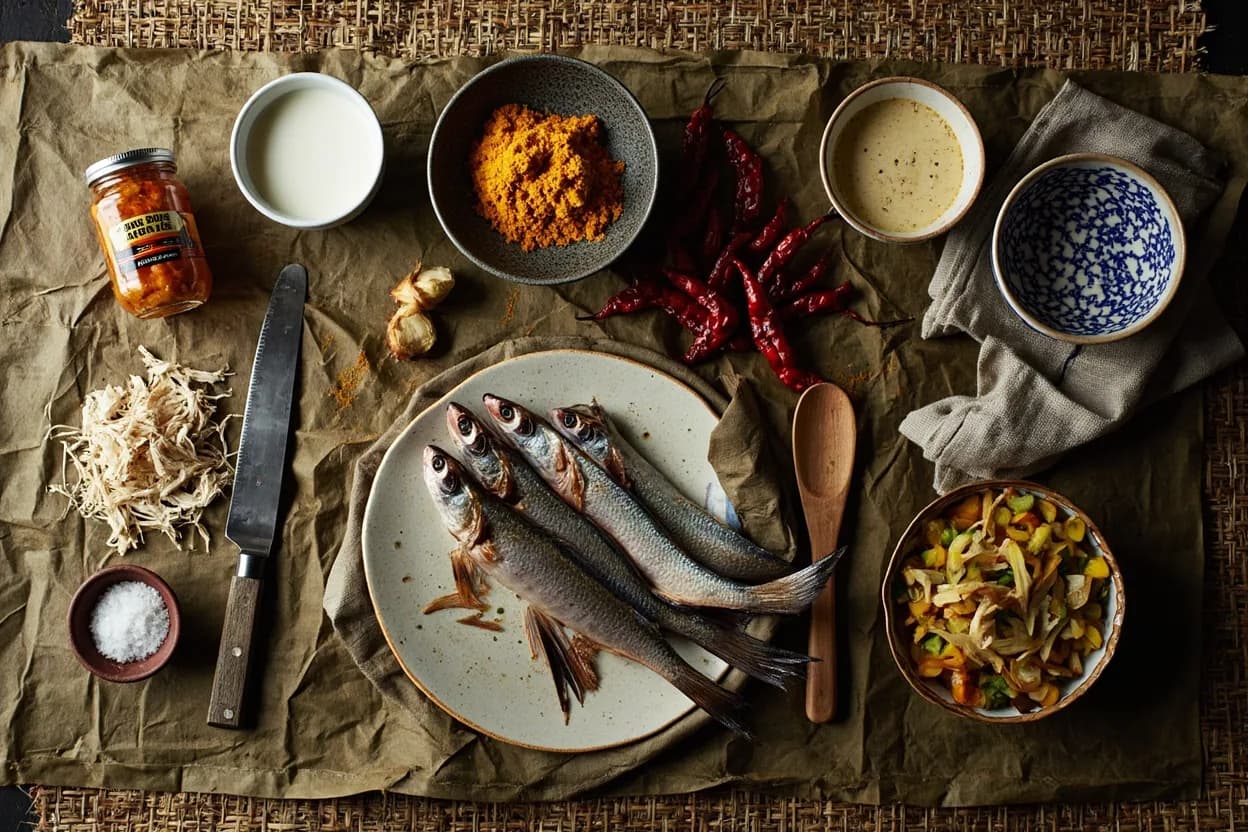
Budu (fermented fish sauce), coconut milk, turmeric, and a fresh herb garnish of toasted coconut, kaffir lime leaf, and toasted sesame — most visible in the signature dish khao yam.
Pantry staples
Key ingredients
Signature techniques
Signature dishes
Thai Muslim (Deep South) on the table
At the table
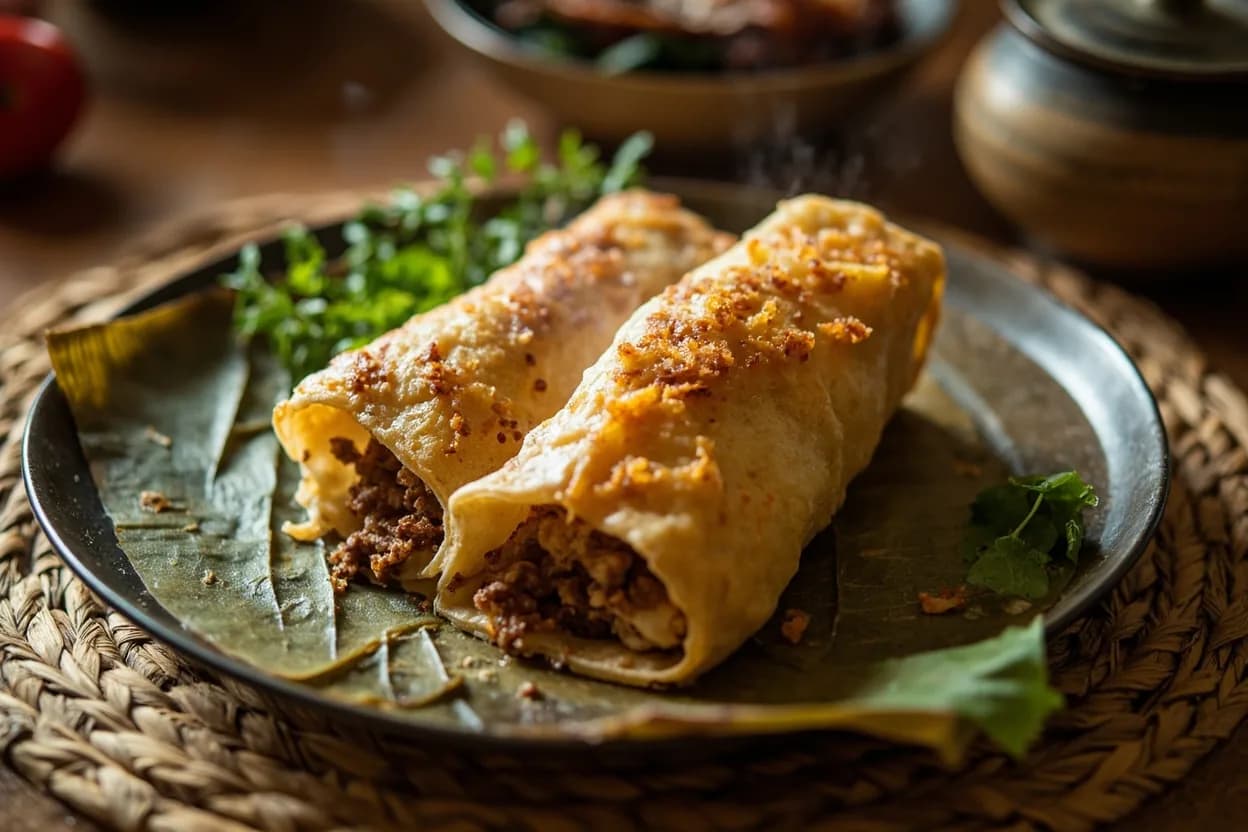
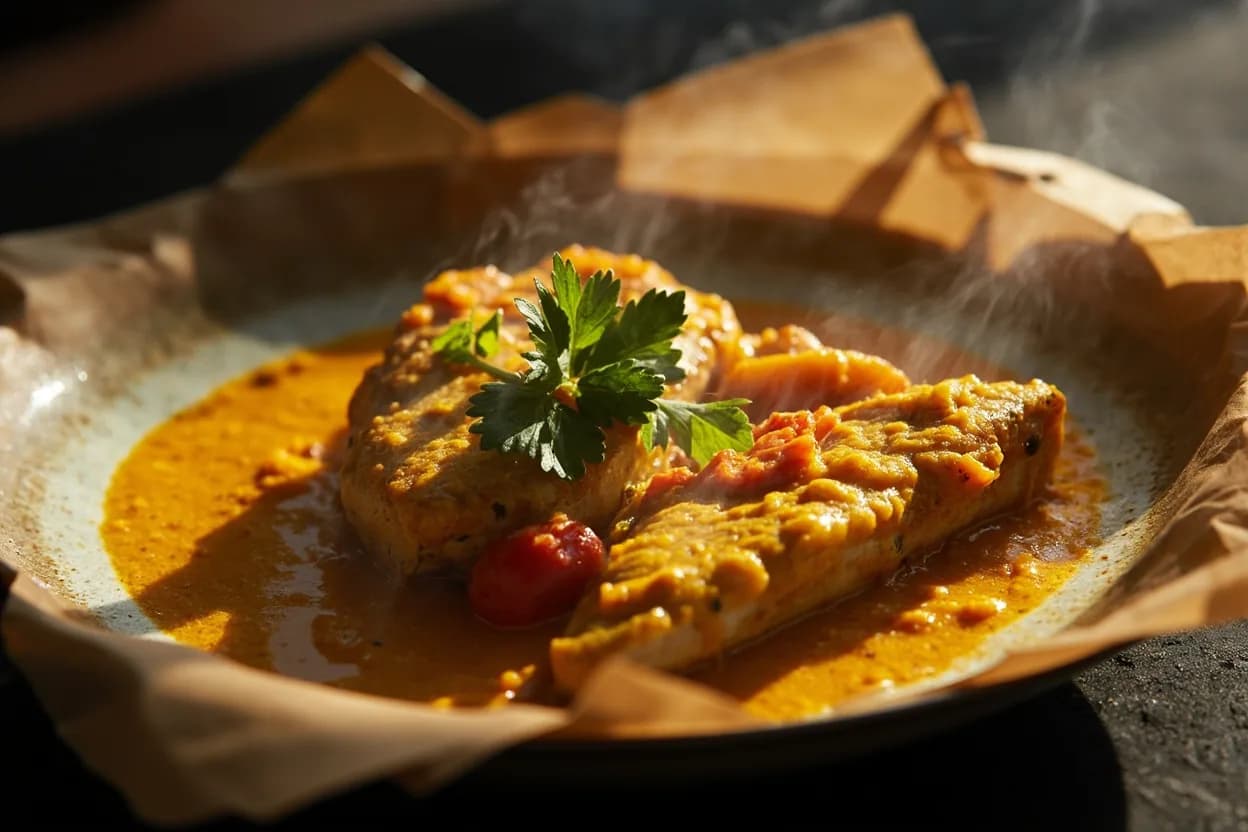
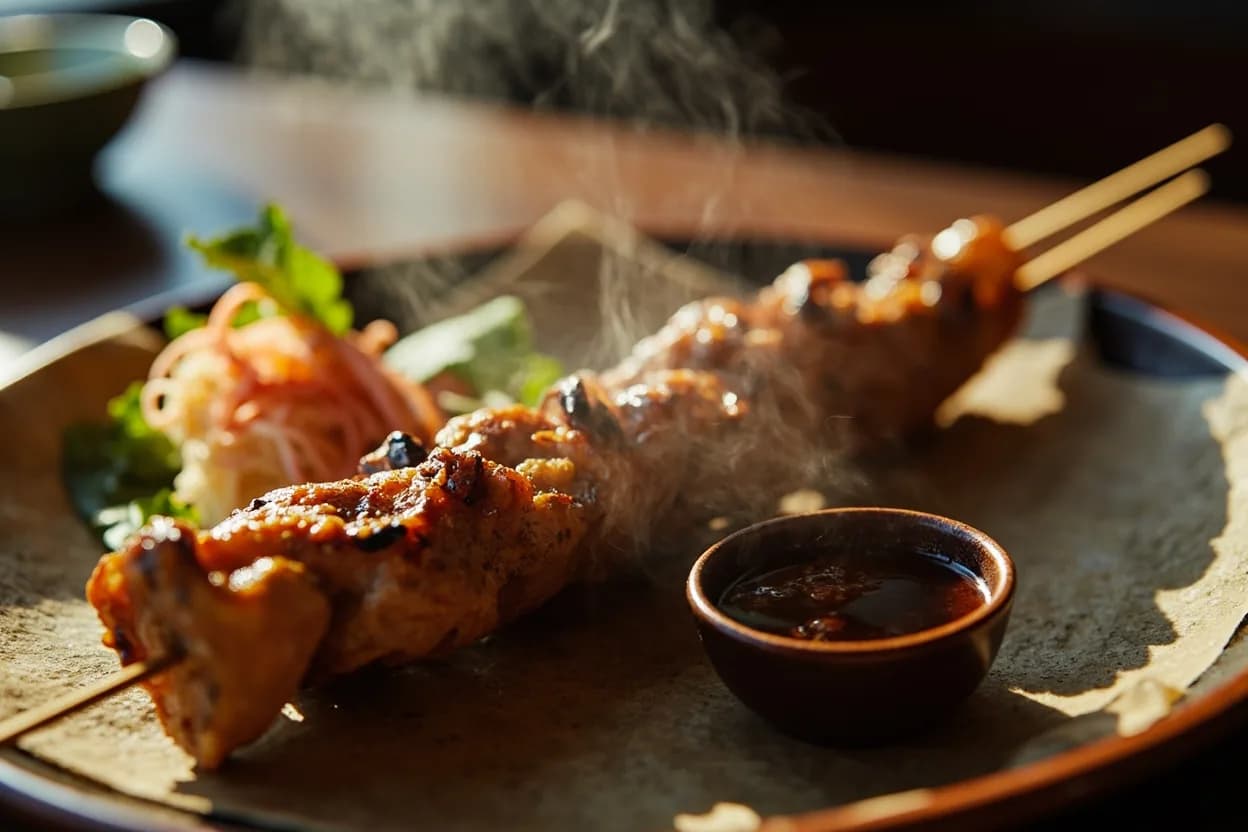
Meals are spread-style: cold rice is surrounded by small dishes of dressed herbs, fermented dips, curries, and fried fish. Fingers are the traditional utensil. Breakfast often features khao yam or roti canai with tea; evening meals may include richer coconut curries. During Ramadan, communal break-fast markets (pasar Ramadan) are central to social life and feature the full breadth of local cooking.
History & context
The Deep South was once the independent Patani Sultanate, a powerful Malay-Muslim polity that controlled maritime trade in the Gulf of Thailand from the 15th to 18th centuries. Its absorption into Siam in the early 19th century did not erase its cultural identity. The Jawi script, the Malay language, and Islamic food law remained defining features. Dishes like massaman curry — with its Persian-inflected spices — reflect the historic Muslim spice trade routes through Patani. Today the region's food exists in a politically fraught context, and its cuisine is rarely documented in mainstream Thai food literature, making it one of Southeast Asia's more underrepresented regional traditions.
Regional variations
- Pattani coastal
Strongest fishing culture, budu is central; fresh seafood dishes dominate over meat
- Yala inland
More influence from forest ingredients and game; drier curries reflect interior geography
- Narathiwat border zone
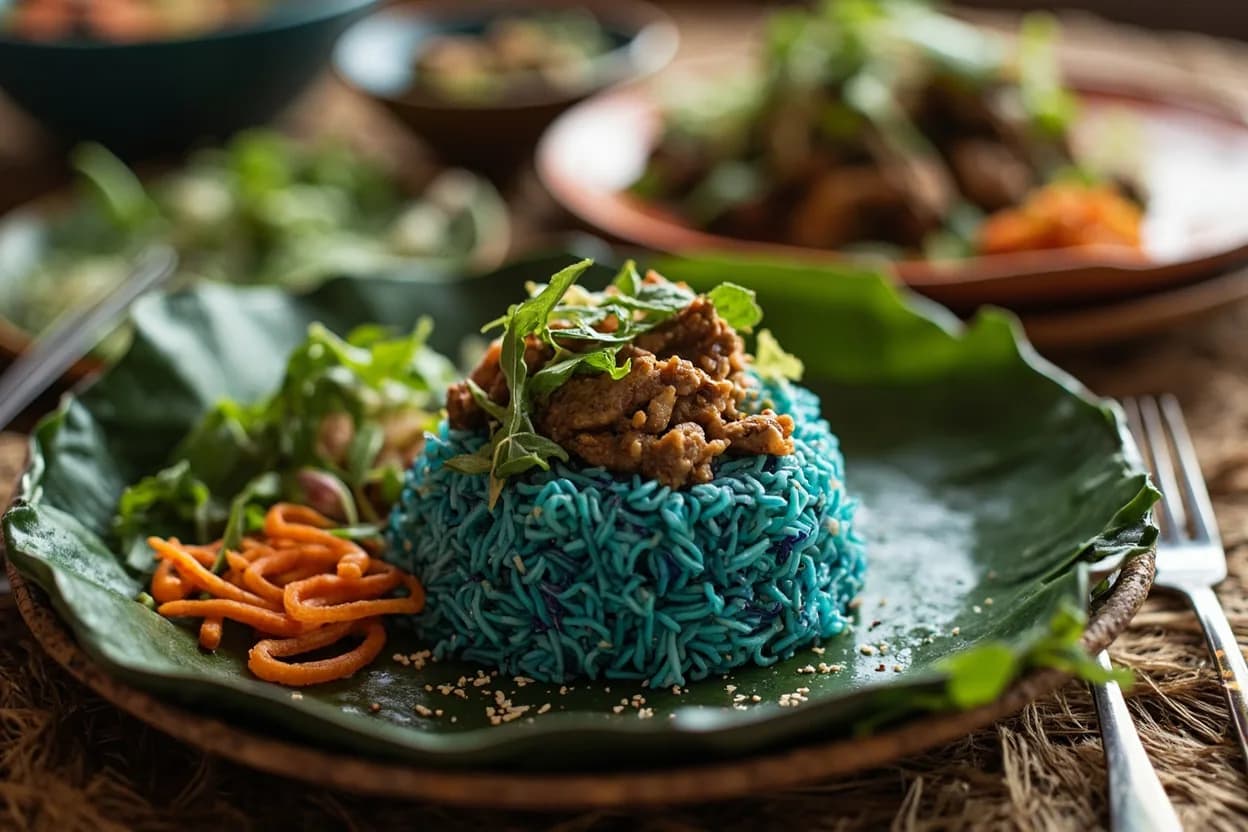
Cooking nearly indistinguishable from Kelantan across the Malaysian border; nasi kerabu variants are particularly prominent
Related cuisines
- Kelantanese (Malaysian)
Immediate cultural and culinary twin across the Thai-Malaysian border; shares blue rice, budu, and herb-scatter techniques
- Thai (Central)
Shares some base ingredients and curry vocabulary but diverges sharply on halal practice, rice tradition, and flavor register
Patani cuisine is a branch of the broader Malay culinary tradition; the political border is not a culinary one
Canonical recipes
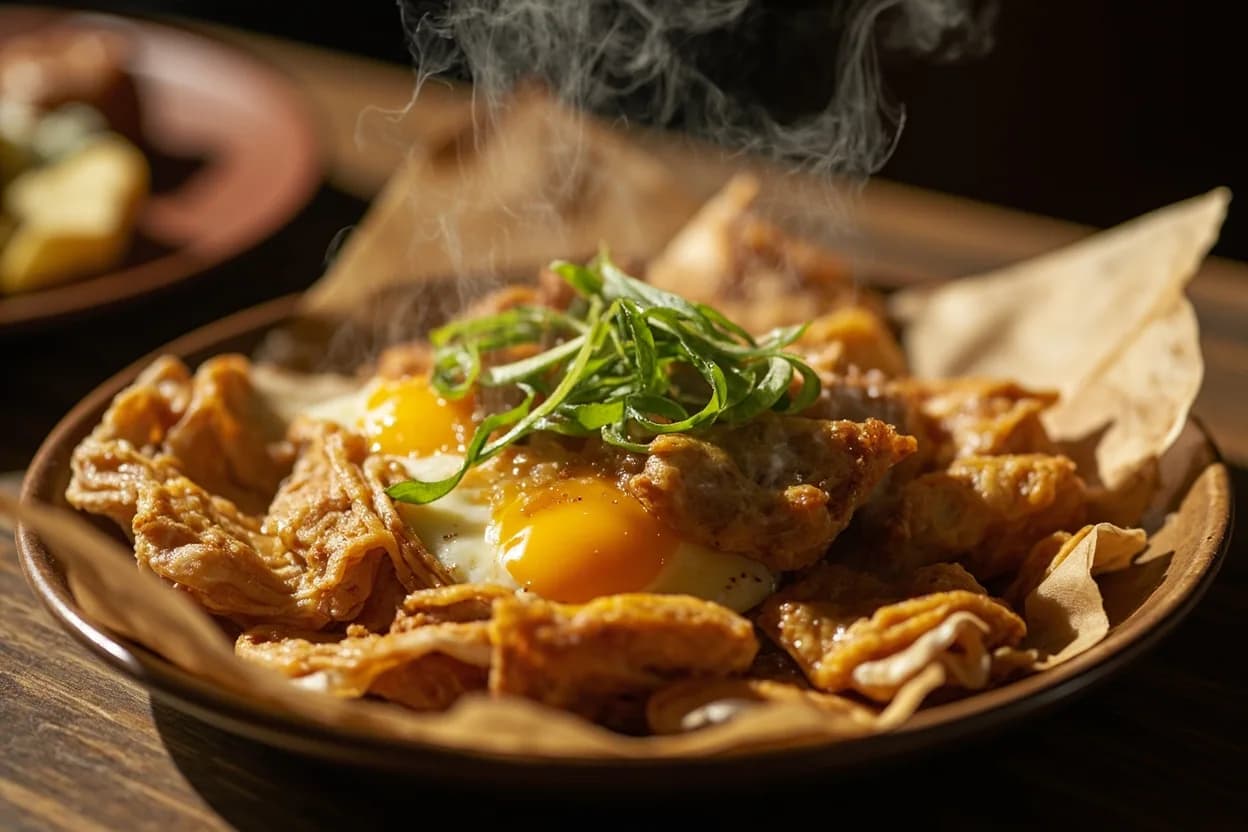
The dishes that define Thai Muslim (Deep South), documented in the Canon.
References
- 1.Cradle of Flavours — Mohd Nazri Osman (Penang Institute Press)
- 2.Thai Food — David Thompson (Pavilion Books, 2002)
- 3.Patani: History and Politics of the Malay Kingdom in South Thailand — Surin Pitsuwan (Institute of Security and International Studies, 1982)
Confidence: medium
Notes
Khao yam — the signature dish
Khao yam is often cited as the most emblematic dish of the Deep South. Cold steamed rice is spread on a plate and topped with a riot of finely shredded herbs — kaffir lime leaf, lemongrass, torch ginger flower, young mango — then dressed with budu sauce sweetened with palm sugar and soured with lime. It is eaten at breakfast and is a complete nutritional and flavor system in one dish.
Political context and documentation gap
The ongoing armed insurgency in the region has reduced culinary tourism and documentation. Most English-language Thai food writing treats this cuisine as a footnote or omits it entirely. The food is best documented in Malay-language sources and in community cookbooks produced within the Jawi-script tradition.