East Africa
Tigrayan
Also: Tigrinya cuisine, Tigray cuisine, northern Ethiopian cuisine
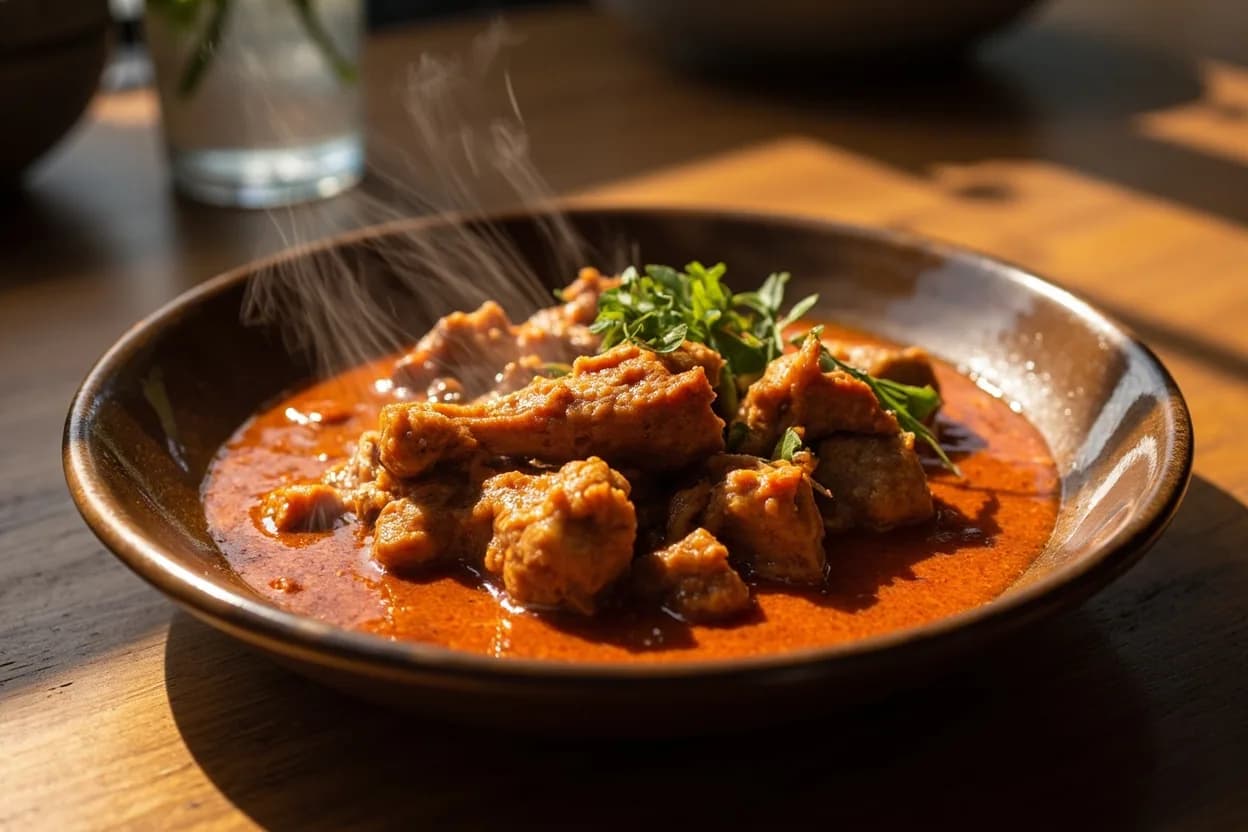
The austere, intensely spiced highland cooking of Tigray — where zigni berbere stew and shiro anchor a cuisine shaped by ancient Christian fasting traditions.
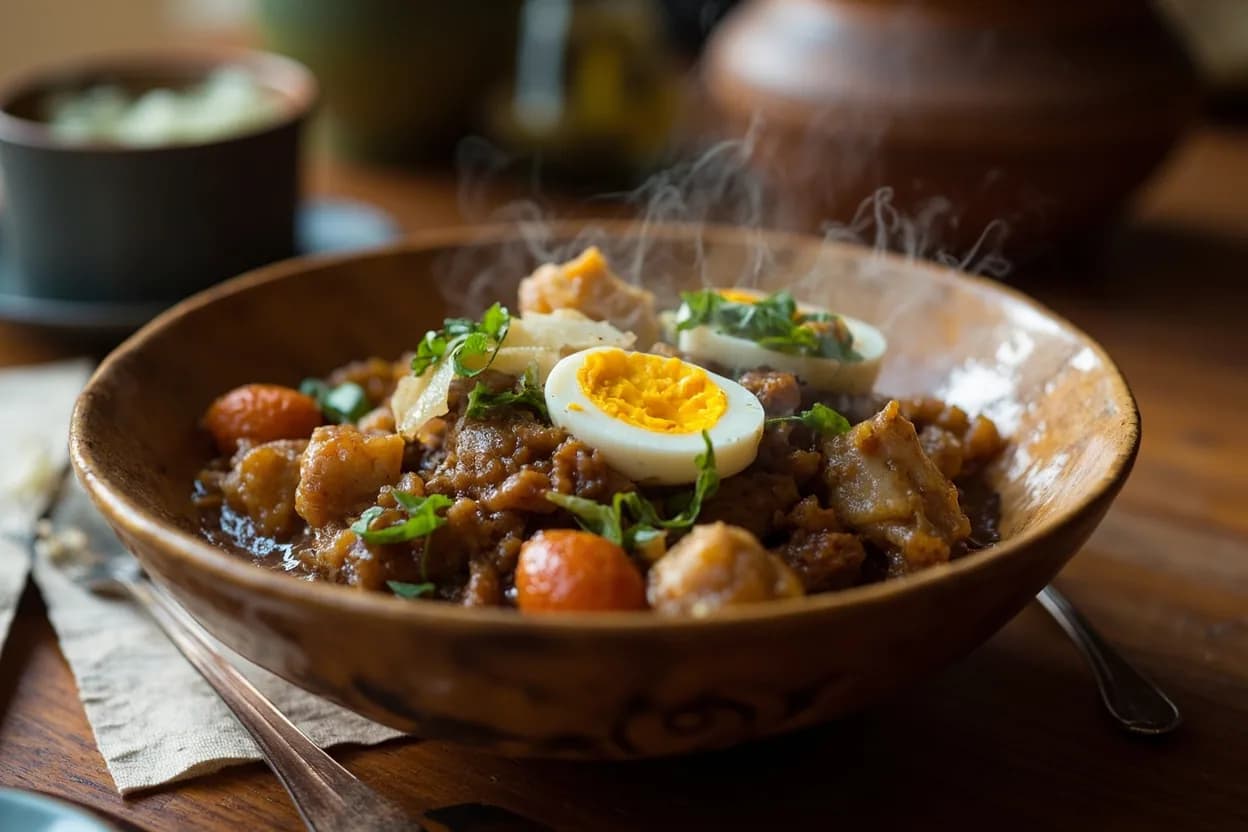
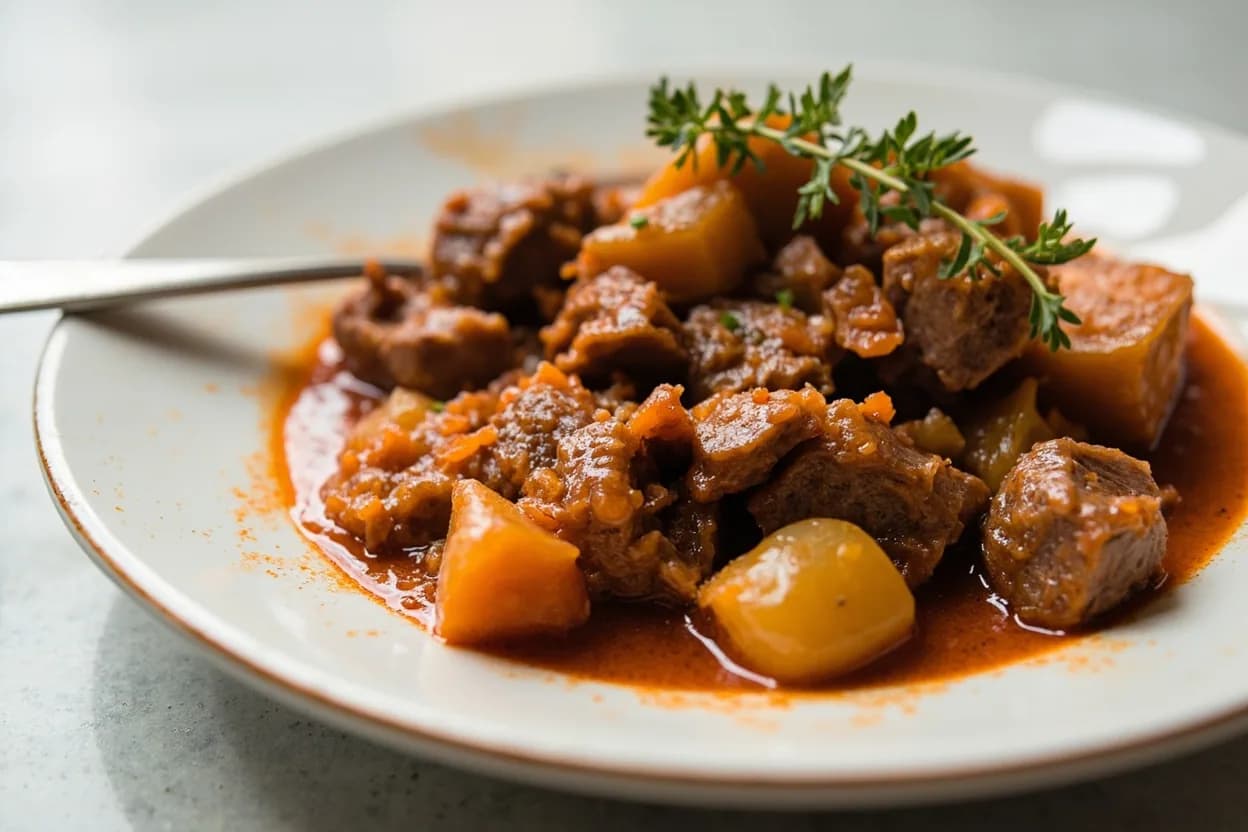
Tigrayan cuisine is the cooking tradition of the Tigrinya-speaking people of the Tigray region of northern Ethiopia and parts of Eritrea. It shares the injera-and-wot framework of broader Ethiopian cooking but carries a distinct identity: a leaner, more austere flavor profile compared to Amhara cooking, a marked emphasis on berbere and shiro, and the specific preparation of zigni (or tsebhi in Tigrinya), a slow-cooked beef or lamb stew that is the regional centerpiece. Tigrayan cooking is shaped by the rugged Tigray plateau — one of the world's oldest continuously farmed landscapes — and by an Ethiopian Orthodox fasting calendar observed with particular strictness.
The flavour base
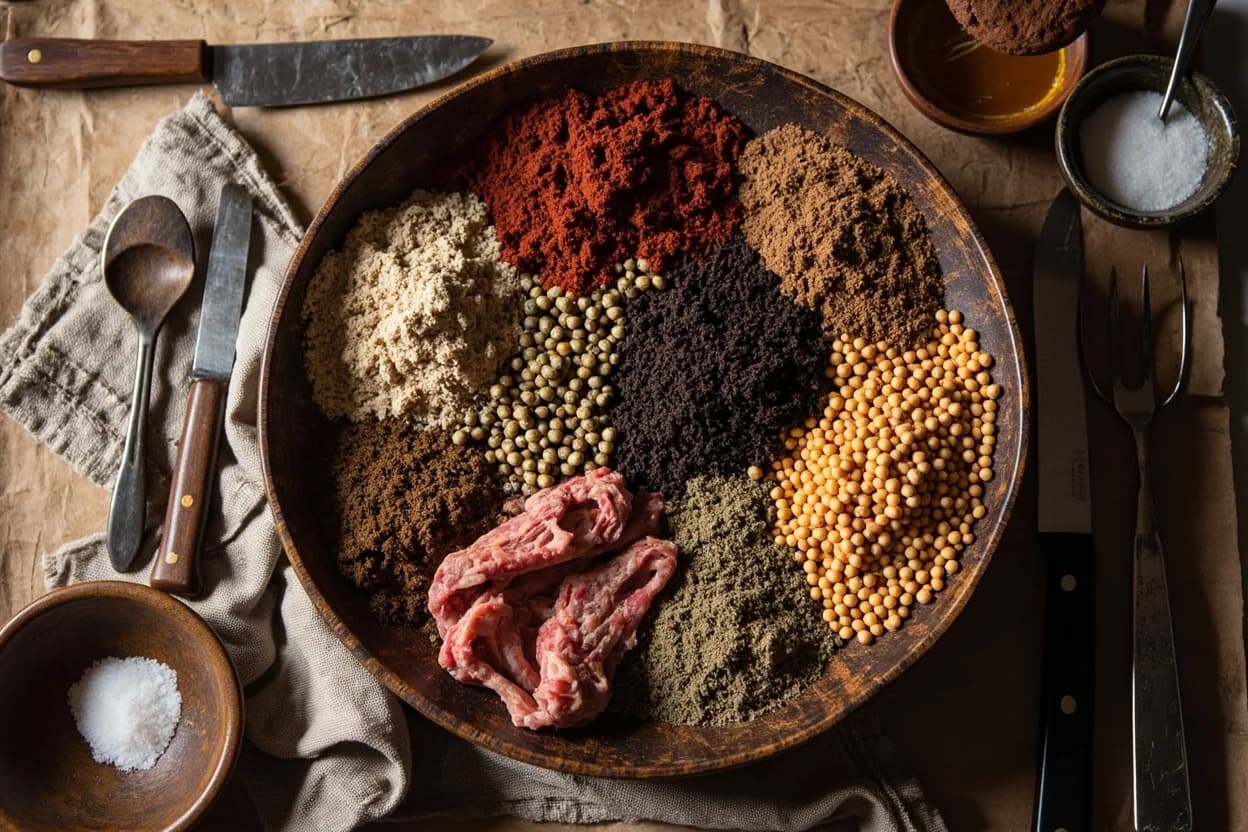
Dry-fried onions reduced to near-paste form the base, into which berbere and niter kibbeh are folded before meat or legumes are added; the technique produces a deeply concentrated, brick-red sauce body with minimal liquid.
Pantry staples
Key ingredients
Signature techniques
Signature dishes
Tigrayan on the table
At the table
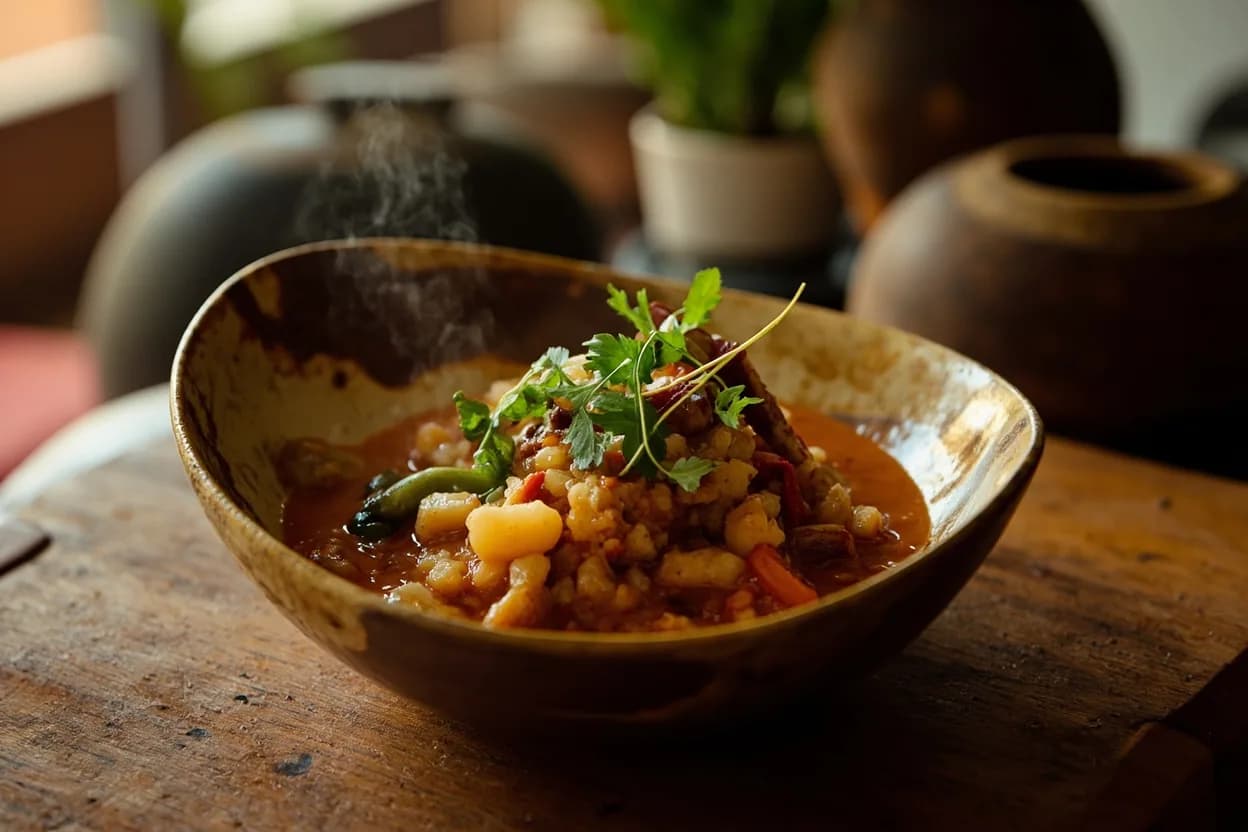
Meals are served communally on a large injera, with multiple tsebhi (stews) arranged around it. The Tigrinya term for the communal spread is 'mogogo'; diners eat together from the shared platter. Coffee (buna) is prepared ceremonially with incense. During fasting periods, a fully vegan spread of lentil, shiro, and vegetable stews replaces the meat dishes.
History & context
Tigray is one of the oldest inhabited regions on earth — Aksum, capital of the ancient Aksumite Empire, lies in Tigray, and archaeological evidence suggests agricultural settlement stretching back thousands of years. The cuisine has been shaped by the Ethiopian Orthodox Tewahedo Church, the world's oldest national Christian church, whose fasting traditions permeate daily cooking. Ancient trade routes connecting the Red Sea coast to the African interior passed through Tigray, introducing aromatic spices that were absorbed into the local berbere blend. The region's mountainous terrain and subsistence farming traditions produced a cuisine built on legumes, grains, and modest quantities of meat.
Regional variations
- Eastern Tigray
Greater proximity to Eritrea; more Italian-influenced café culture in towns; zigni preparations closer to Eritrean variants.
- Western Tigray lowlands
More sorghum and millet in place of teff due to lower elevation; stronger Amhara culinary cross-pollination.
- Urban Mekelle
Restaurant culture has elevated tsebhi derho and himbasha; tej (honey wine) and suwa (sorghum beer) are common accompaniments.
Related cuisines
Parent tradition sharing teff injera, berbere, and the wot/tsebhi stew framework; Tigrinya cooking is leaner and more austere.
Tigrinya-speaking Eritreans share almost identical foundational techniques; zigni and tsebhi are the same dish across the border with slight spice variations.
- Amhara
Southern neighbor with richer niter kibbeh use and more complex doro wat; Tigrayan cooking is generally drier and more austere.
Canonical recipes
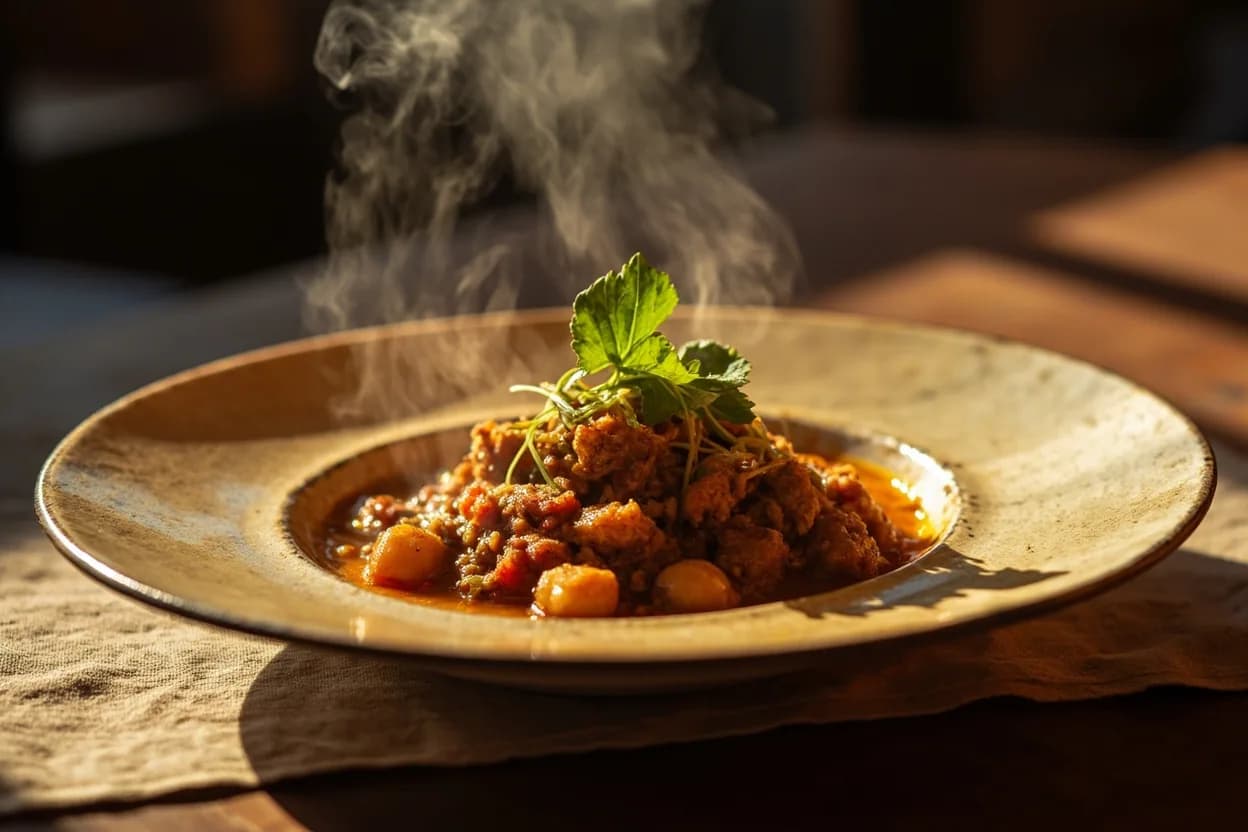
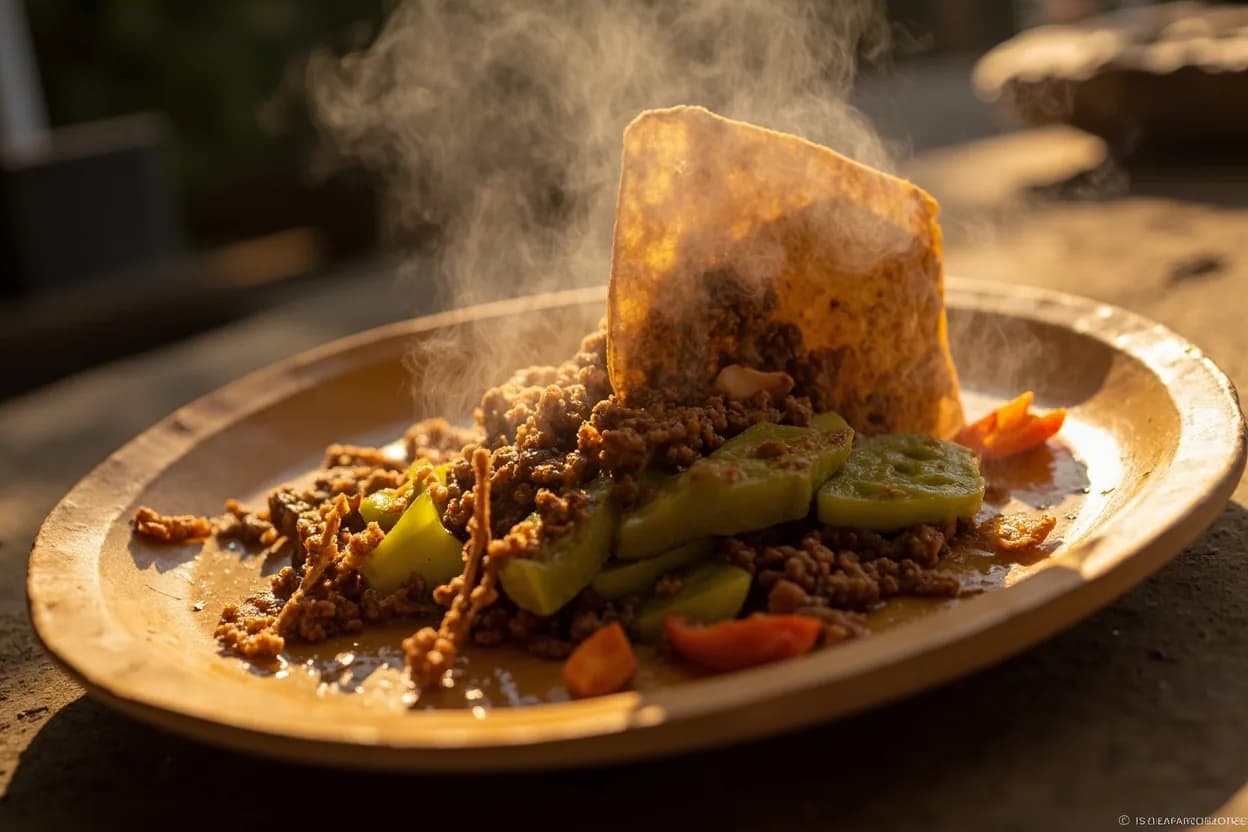
The dishes that define Tigrayan, documented in the Canon.
References
- 1.Exotic Ethiopian Cooking — Daniel J. Mesfin
- 2.A Taste of Africa — Dorinda Hafner
- 3.The Africa Cookbook — Jessica B. Harris
- 4.Flavors of Africa — Evi Aki
Confidence: medium
Notes
Siljo: the fermented condiment
Siljo is a pungent fermented paste made from dried chickpeas, fenugreek, and water left to ferment for several days. It functions like a relish — intensely sour and bitter — spooned alongside stews to add acid contrast. It has no direct equivalent in other East African cuisines and is a reliable marker of specifically Tigrayan cooking.
Himbasha bread
Himbasha is a slightly sweet, scored celebration bread flavored with cardamom and sometimes coriander, baked for weddings, religious festivals, and holidays. Its pinwheel scoring pattern is distinctive. It represents one of the clearest links between Tigrayan culinary tradition and ancient Aksumite grain culture.