East Asia
Tohoku Regional Cuisine
Also: Northeast Japanese cuisine, Michinoku cooking, Northern Honshu food
Northern Honshu's cold-climate larder — salt fish, cedar-skewered rice, root vegetables, and communal hot pots built for Japan's harshest winters.
Tohoku cuisine encompasses the six prefectures of northern Honshu (Aomori, Iwate, Miyagi, Akita, Yamagata, Fukushima), a mountainous and coastal region with long, snow-laden winters. The food is honest and fortifying: preservation through salt, miso, and fermentation is paramount; root vegetables, wild mountain plants (sansai), river fish, and Pacific seafood define the larder. Hot pots (nabe) and one-pot communal meals are a social cornerstone. Tohoku cooking is less internationally recognized than Kyoto or Tokyo styles but represents Japan's most unfiltered cold-climate food tradition.
The flavour base
Dashi from local kombu and dried seafood; salt-preserved fish brine; miso (both red and mixed varieties); soy sauce with regional sweetness in Yamagata and Fukushima
Pantry staples
Key ingredients
Signature techniques
Signature dishes
Tohoku Regional Cuisine on the table
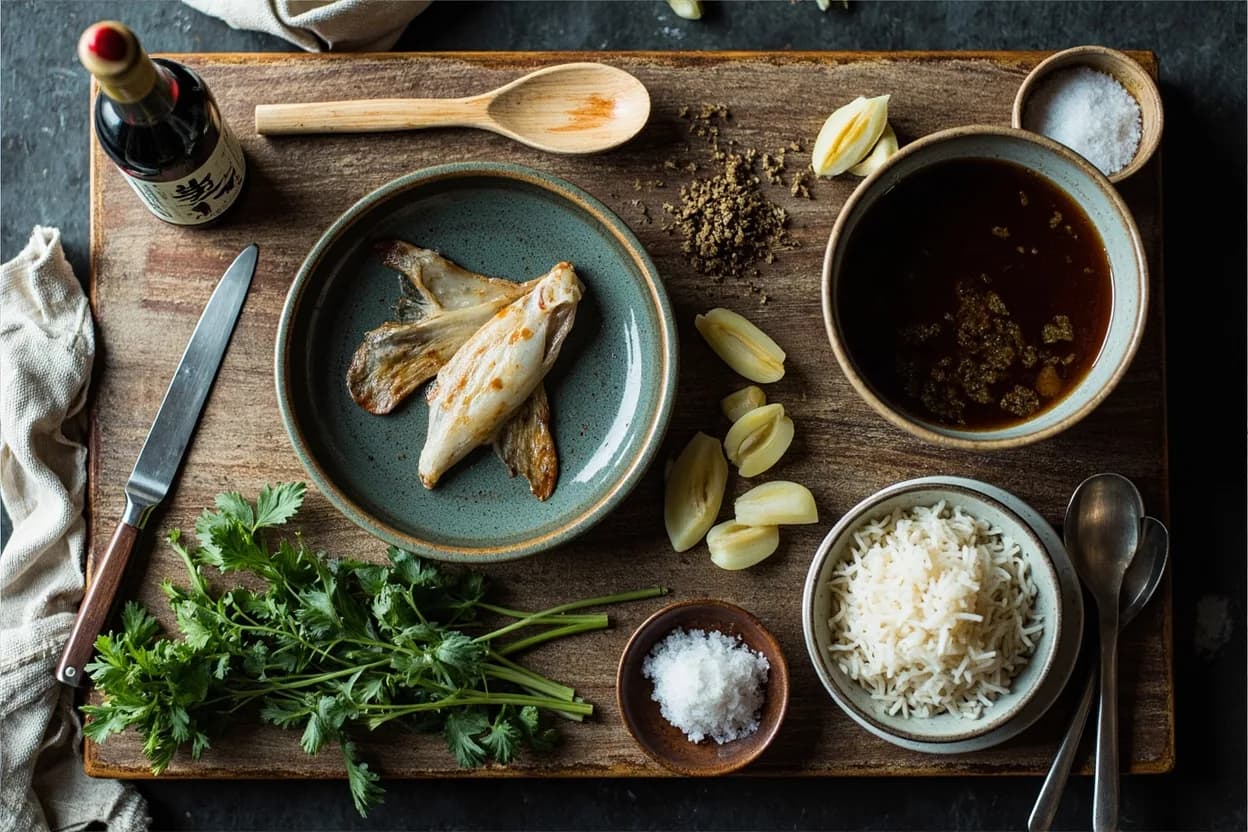
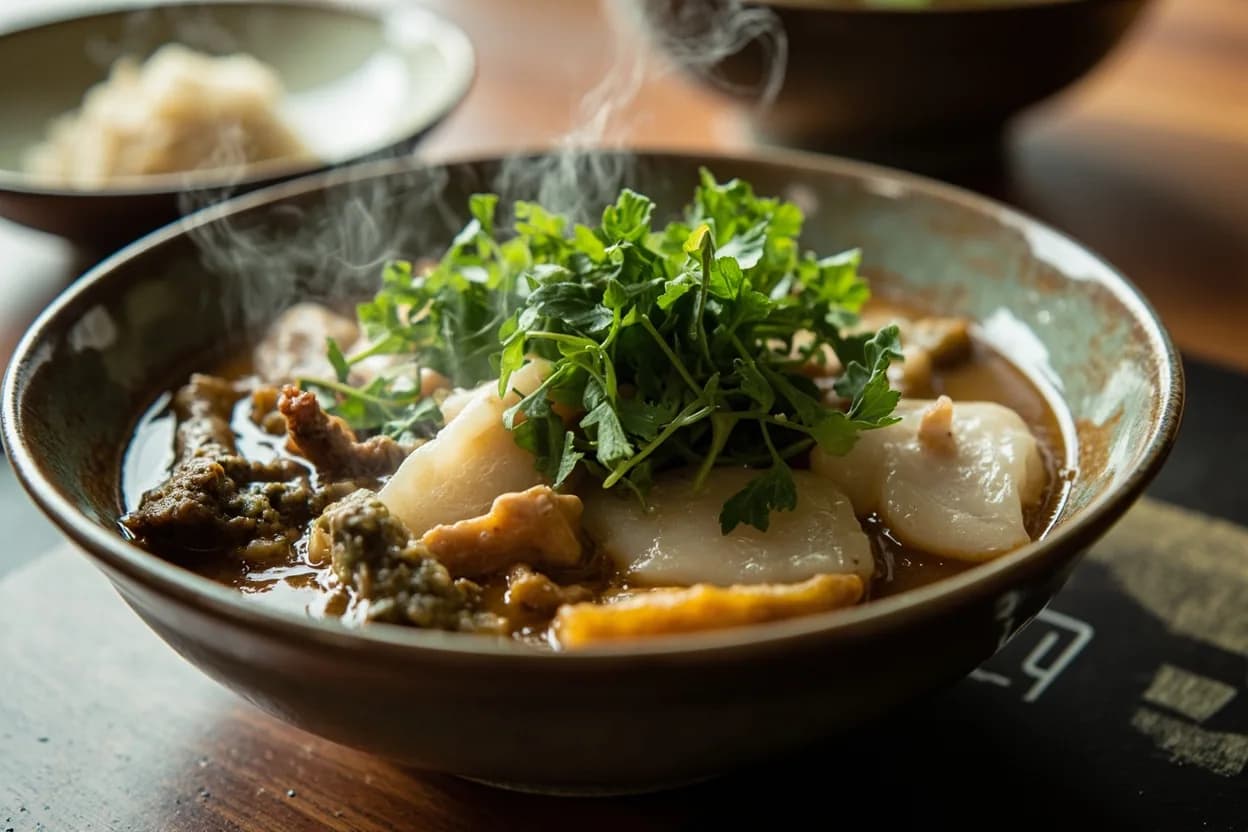
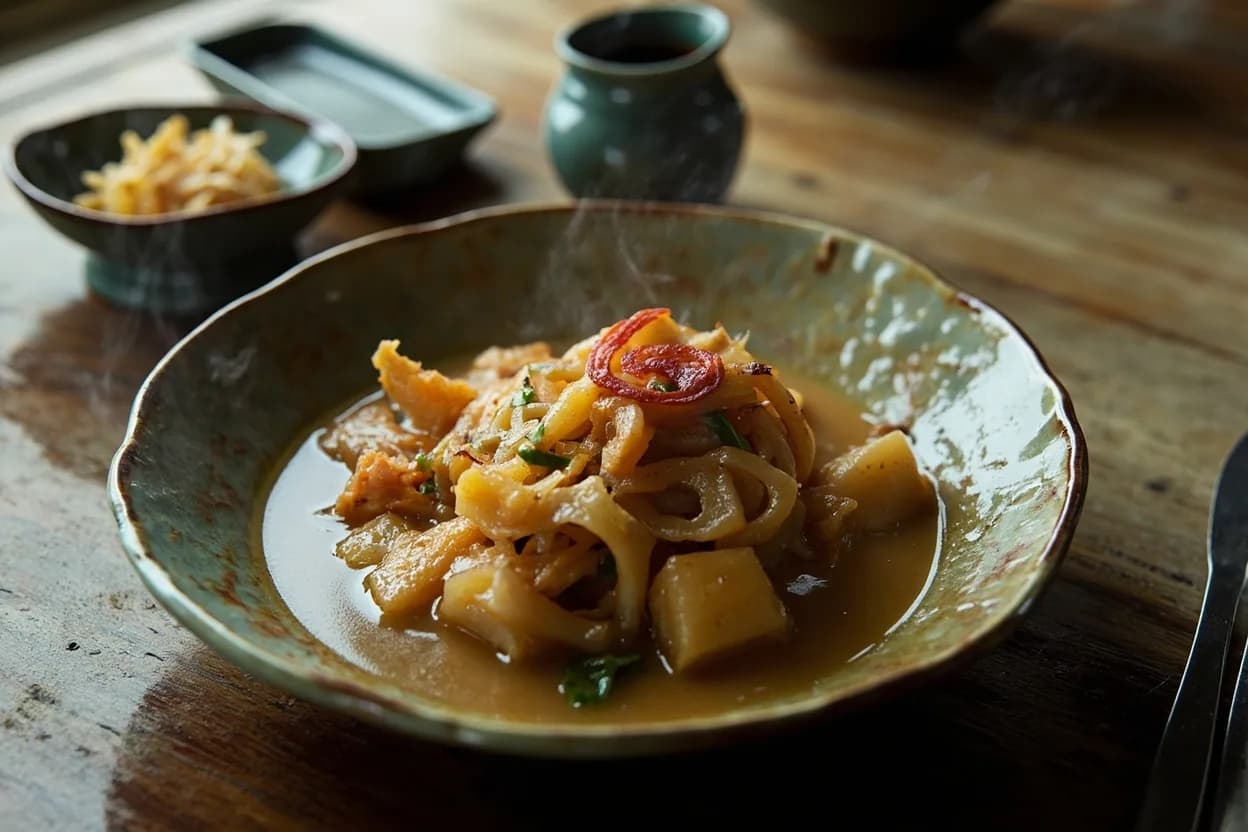
At the table
Winter meals center on communal nabe served family-style with rice and pickles. Sansai (mountain forage) and preserved fish anchor spring and summer tables. Rice is paramount — Tohoku supplies much of Japan's premium rice. Sake accompanies most formal and informal meals; local breweries (Yamagata, Iwate, Miyagi) are among Japan's finest. Outdoor imoni parties (imoni-kai) in autumn are a defining communal ritual.
History & context
Tohoku was historically called Michinoku ('the end of the road') by Kyoto-centered imperial Japan, reflecting its perceived remoteness. The Emishi people inhabited the region before forced Yamato integration in the 8th–9th centuries. The isolation shaped a fiercely self-reliant food culture dependent on rice cultivation, mountain foraging, and Pacific seafood. The 2011 Great East Japan Earthquake and tsunami devastated coastal Tohoku fishing communities, but recovery efforts have revitalized regional food identity. The cuisine was further isolated by poor transport links until the Tohoku Shinkansen opened in 1982. Akita's shottsuru fish sauce is one of Japan's few indigenous fermented fish sauces, predating widespread soy sauce use.
Regional variations
- Akita
Kiritanpo nabe, shottsuru fish sauce, and hatahata fish dominate; Akita sake is nationally revered.
- Yamagata
Imoni (taro stew) is a near-religious autumn ritual; cold Yamagata ramen and premium Yonezawa beef.
- Miyagi / Sendai
Gyutan (grilled beef tongue) is Sendai's famous export; sanriku oysters and sea urchin from the coast.
- Iwate
Wanko soba relay-bowl tradition; senbei jiru (rice cracker soup) in the south; Maesawa beef.
- Aomori
Apples, Tsugaru noodles, and seafood-rich jappa jiru (fish-head soup); strong southern Hokkaido influence.
- Fukushima
Milder flavors; konnyaku and carp dishes; the 'fruit kingdom' with peaches, pears, and cherries enriching local cuisine.
Related cuisines
- Hokkaido Cuisine
Northern neighbor with shared cold-climate preservation logic and Pacific seafood emphasis.
- Japanese Hot Pot Traditions
Tohoku's kiritanpo nabe and seri nabe are among Japan's most distinctive regional nabe.
Both represent strong regional Japanese identities that resist the Tokyo-Kyoto culinary mainstream.
References
- 1.Japanese Farm Food — Nancy Singleton Hachisu
- 2.The Japanese Table — Sarah Marx Feldner
- 3.Preserving the Japanese Way — Nancy Singleton Hachisu
- 4.Food Culture in Japan — Michael Ashkenazi & Jeanne Jacob
Confidence: high
Notes
Imoni as social ritual
Each September and October, Yamagata riverbanks fill with groups hauling industrial cranes to stir massive iron pots of imoni (taro and meat stew) feeding hundreds. It is less a recipe than an annual communal ceremony — the imoni-kai is a defining marker of Yamagata identity.
Rice terroir
Sasanishiki rice was bred in Miyagi in 1963 and remains the benchmark sushi rice in many Tokyo restaurants. Akita Komachi and Tsuyahime (Yamagata) are newer premium varieties from the same cold-climate terroir that produces Japan's best short-grain rice.