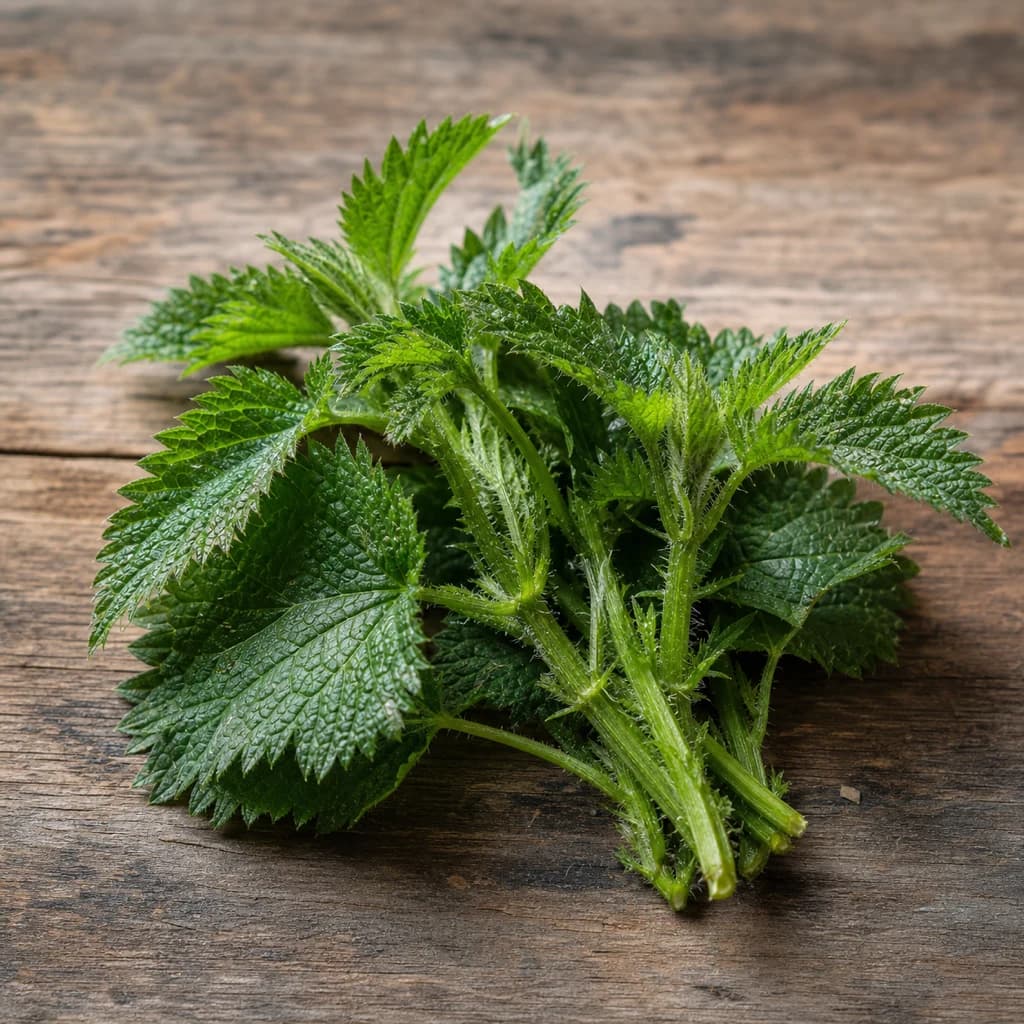
Natural form
Fresh-foraged stinging nettle tops with serrated leaves and fine stinging hairs visible.
Shows the wild plant as it is found — bristly stems, toothed leaves, and the characteristic defensive hairs that identify it in the field.
Produce
Stinging Nettle
Wild green that loses its sting when cooked; used in soups, pestos, and teas.
Stinging nettle is a wild leafy green whose raw leaves sting on contact but become safe and spinach-like once blanched or cooked. It is used in soups, risottos, pestos, and as a steeped herbal tea, with an earthy, mineral flavor. It is foraged in spring when the young, tender tops are best.
Stinging nettle (Urtica dioica) is one of the most nutritionally dense wild greens available to foragers and cooks. The plant earns its name from hollow trichomes—microscopic silica-tipped hairs—covering its leaves and stems that inject a cocktail of formic acid, histamine, acetylcholine, and serotonin upon contact, causing the characteristic burning itch. The sting is entirely mechanical and chemical in nature, not an allergic reaction, which means foragers who handle nettle regularly may gradually develop some tolerance. The crucial fact for cooks: heat neutralizes the sting completely in 30–60 seconds, converting this defensive weed into a versatile, mineral-rich ingredient.
Native to Europe, Western Asia, and North America, nettle has naturalized worldwide and thrives in disturbed, nitrogen-rich soil—a marker of fertile ground in biodynamic and permaculture systems. It spreads vigorously by rhizomes and returns each spring, with young tops (the upper 4–6 inches) offering the best texture and flavor before the plant flowers and becomes tough. The flavor of cooked nettle is distinctly earthy and grassy with a mineral quality, often compared to a more assertive spinach or collard greens. Nettle's exceptional nutrient density—high in iron, calcium, magnesium, and vitamins A, C, and K, with up to 25% protein by dry weight—made it a staple spring tonic across many cultures.
For cooks, nettle's appeal lies in its versatility: it behaves like spinach in soups and sautés, adds body to pestos and sauces, integrates seamlessly into doughs and risottos, and dries beautifully for year-round use. It is a true spring ingredient, available for just a few weeks in most regions, which makes it both precious and worth learning to handle properly. The harvesting discipline required—thick gloves, long sleeves, careful cutting—makes the eventual cooking feel like genuine reward.
- Measured in
- g
- Storage
- Fridge
Types & varieties
Perennial; most widely foraged and cultivated for culinary use. Grows 3–7 feet tall with opposite heart-shaped leaves.
Annual; smaller growth (up to 18 inches). More aggressive sting, but tender when cooked. Common in gardens and disturbed soil.
Used extensively in Nepal and the Himalayas; leaves can be much larger. Staple of foraged cuisine in those regions.
Distinctive for its spherical seed heads; documented use in ancient Roman cooking and medicine.
Not a true Urtica but causes similar sting; used by Indigenous North American cuisines. Avoid confusing with harmless look-alikes like dead nettle (Lamium spp.)
Why Nettle Stings and Why That Matters for Cooking
Understanding the sting is essential for safe handling. The trichomes are hollow, silica-tipped hairs that act like tiny hypodermic needles—mechanical puncture delivers the irritant compounds stored within. The heat of cooking destroys these structures and denatures the irritating proteins in 30–60 seconds. This is why nettle must never be eaten raw, but also why thorough cooking makes it completely safe. The common misconception that some people are simply allergic to nettle is incorrect; the reaction is universal, though repeated contact may reduce skin sensitivity in experienced foragers.
- The sting is mechanical (silica puncture) plus chemical (histamine, serotonin, etc.), not an allergic response
- Heat (steaming, blanching, sautéing) fully neutralizes sting within 60 seconds
- Mature leaves require more cooking time than young spring tops
Foraging Ethics and Safety
Responsible foraging ensures nettle remains available for future harvests. Take no more than one-third of any plant's growth, cutting the top 4–6 inches and leaving the root system intact for regrowth. This discipline applies to every individual plant you encounter, not just to your overall harvest.
- Wear thick rubber gloves, long sleeves, and closed-toe shoes; use scissors or a knife to cut stems into a paper bag
- Harvest young tops before the plant flowers (plants over 18 inches become tough and bitter)
- Forage at least 50 feet from roadsides, golf courses, and agricultural fields to avoid pesticides, herbicides, and heavy metal contamination
- Seek permission on private land; many public parks allow foraging with appropriate permits
- Distinguish from dead nettle (Lamium spp.) and other look-alikes—harmless plants have scalloped leaves and no stinging hairs
Common uses
Tips & pitfalls
- Harvest in morning after dew dries; choose young tops (top 4–6 inches) before plants flower for best texture and flavor
- Always use gloves, long sleeves, and closed-toe shoes; use scissors to cut stems into a paper bag, never bare hands
- Never eat raw: heat is non-negotiable—even brief pan contact is insufficient; blanch or steam fully before any other preparation
- Double-blanching technique: 60 seconds in boiling water, ice bath, then squeeze dry; prevents gray-green discoloration and preserves bright color
- Mature plants past 18 inches become tough, stringy, and develop a strong unpleasant flavor—harvest early in the season
- Dried nettle can be crumbled directly into cooking without stinging; useful for winter stocks, soups, and seasoning
- When substituting frozen for fresh, use 1:1 ratio; thaw and squeeze dry before incorporating into recipes
- Young nettle stems (under 12 inches) can be cooked like asparagus; older stems must be stripped of leaves and discarded
- Forage at least 50 feet from roadsides and agricultural fields due to pesticide and heavy-metal absorption
Nutrition
Energy
176 kJ · per 100 g
Where the calories come from
Protein
2.7g
5% DV
Carbs
7.5g
3% DV
Fat
0.1g
0% DV
Fiber
6.9g
25% DV
Sugars
0.3g
of which
Sodium
4mg
0% DV
Source · USDA FoodData Central · Stinging Nettles, blanched (Northern Plains Indians)
View on FDC →In the shops
Matched grocery products
No matched grocery products for Stinging Nettle yet.
Good to know
- Scientific name
- Urtica dioica
- Origin
- Native to Europe, Western Asia, and North America; naturalized worldwide
- Season
- Early spring, March through May; regrows after cutting
- Flavor
- Earthy, grassy, slightly mineral; compared to spinach and collard greens when cooked
- Sting mechanism
- Trichomes contain formic acid, histamine, acetylcholine, and serotonin; neutralized by heat in 30–60 seconds
- Nutrition highlight
- Exceptionally high in iron, calcium, magnesium, vitamins A, C, and K, and protein (up to 25% dry weight)
- Fresh storage
- Refrigerate unwashed in plastic bag for 1–2 days; use immediately for best quality
- Frozen storage
- Blanched and frozen nettle keeps 6 months; dried nettle stores 1 year in airtight container
- Yield
- 1 pound fresh yields approximately 1 cup cooked purée
- Harvesting tool
- Scissors or sharp knife; always wear thick gloves and long sleeves
- Legal status
- Foraged in most public lands with landowner permission; protected in some nature reserves
Substitutes
- Spinach — Mildest substitute; use in equal amounts; lacks nettle's mineral-earthy complexity but has similar texture and cooking behavior
- Swiss Chard — Better texture match; stems can be treated similarly; slightly sweeter, less grassy
- Collard Greens — Sturdy leaf with similar cooked texture; requires longer cooking time; less delicate flavor than nettle
- Arugula — For raw applications only (teas, dressings); peppery flavor doesn't match but works in fresh preparations
Pairs with
Also called
Wild Nettle · Nettle · Common Nettle
Related
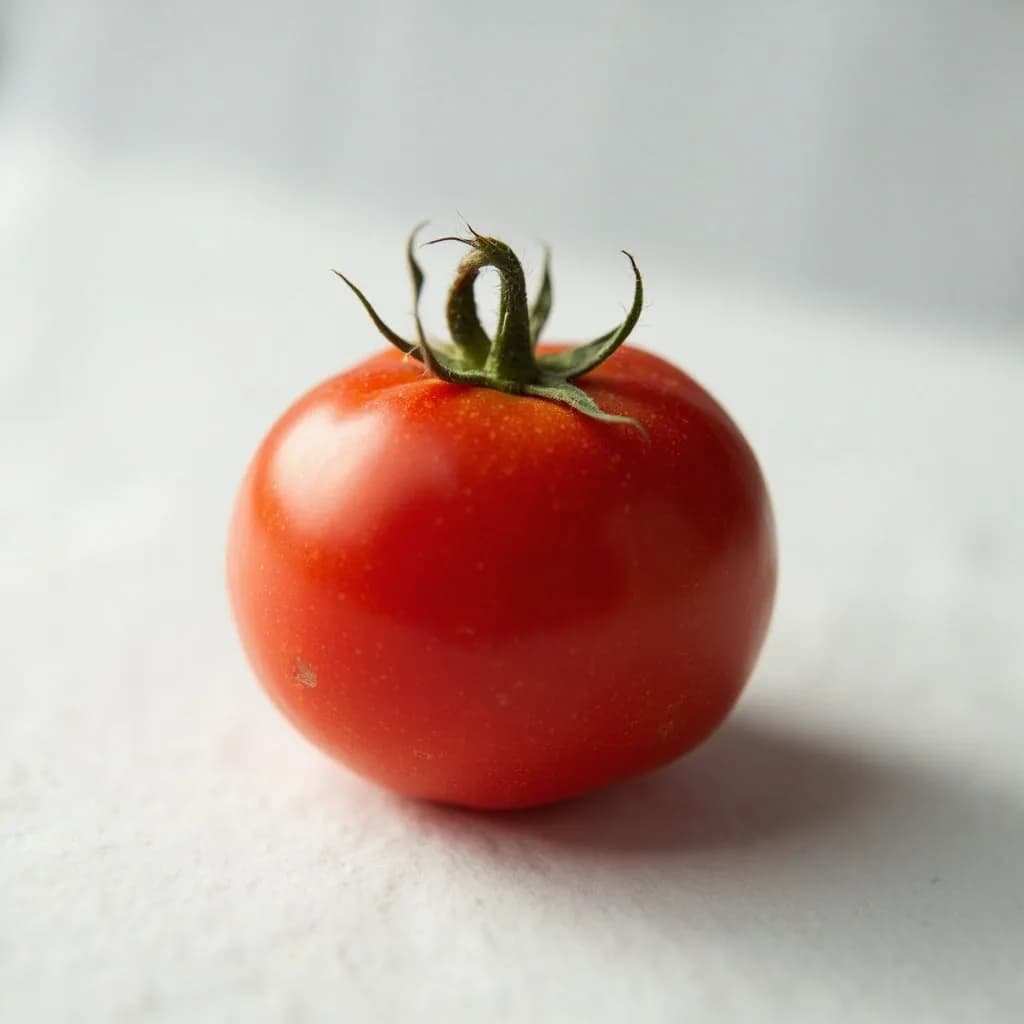
Tomato
Juicy, sun-sweet fruit for sauces, salads, and slow-cooked depth
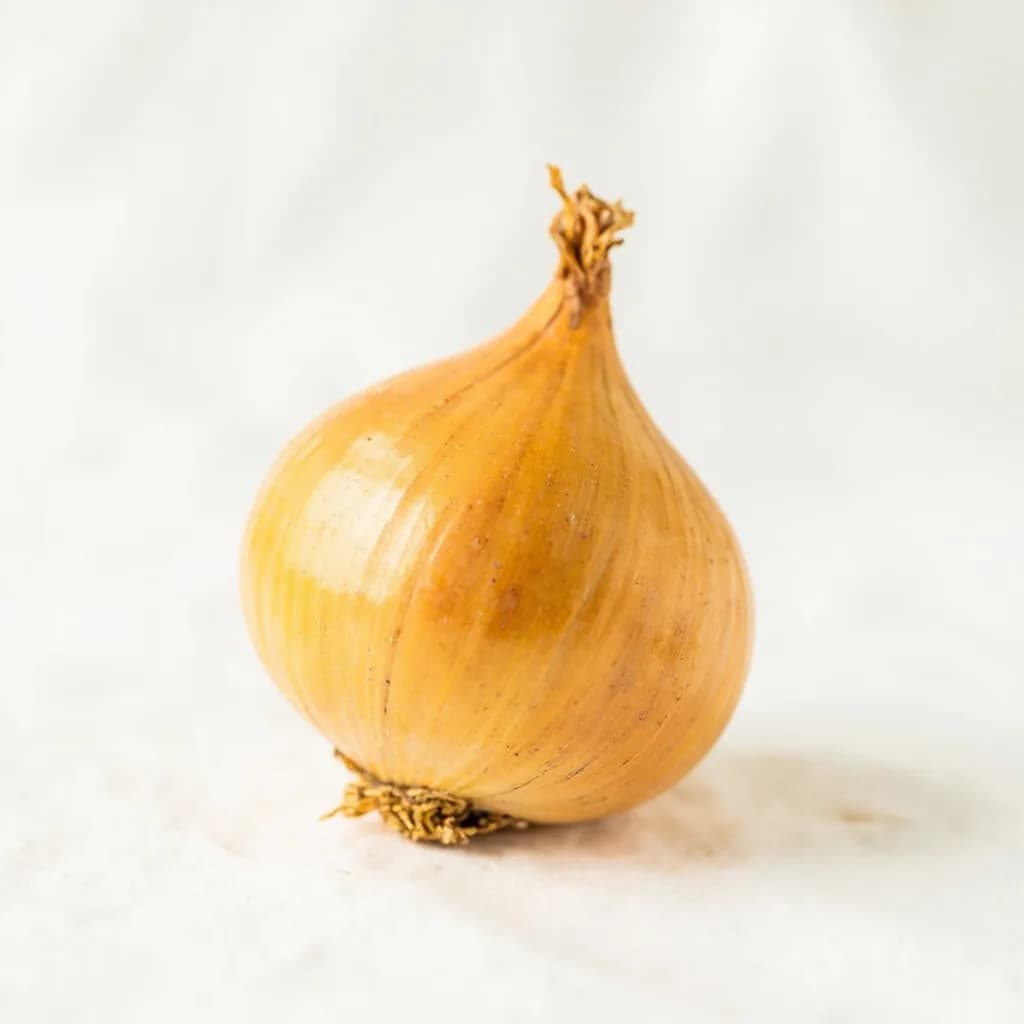
Yellow Onion
The aromatic backbone of soups, sofritos, and braises
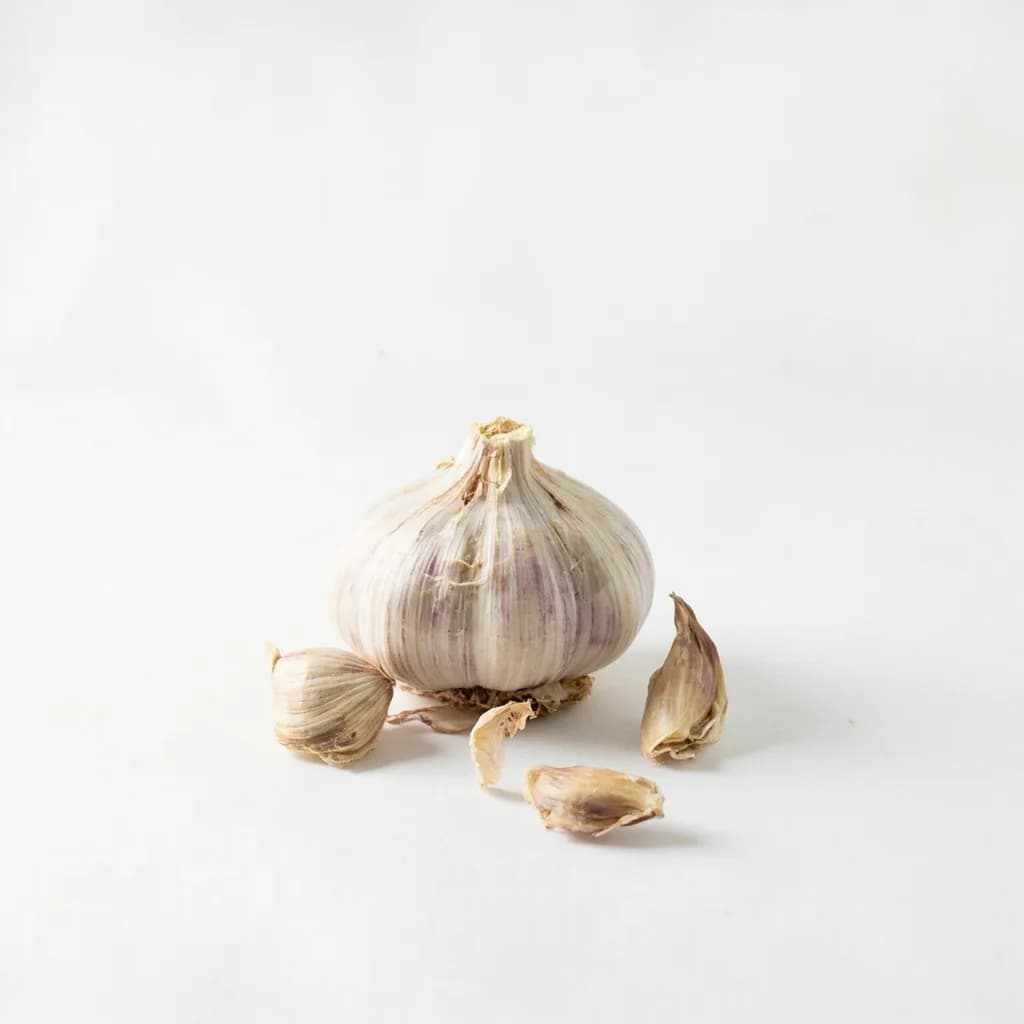
Garlic
Pungent cloves that perfume nearly every savory dish
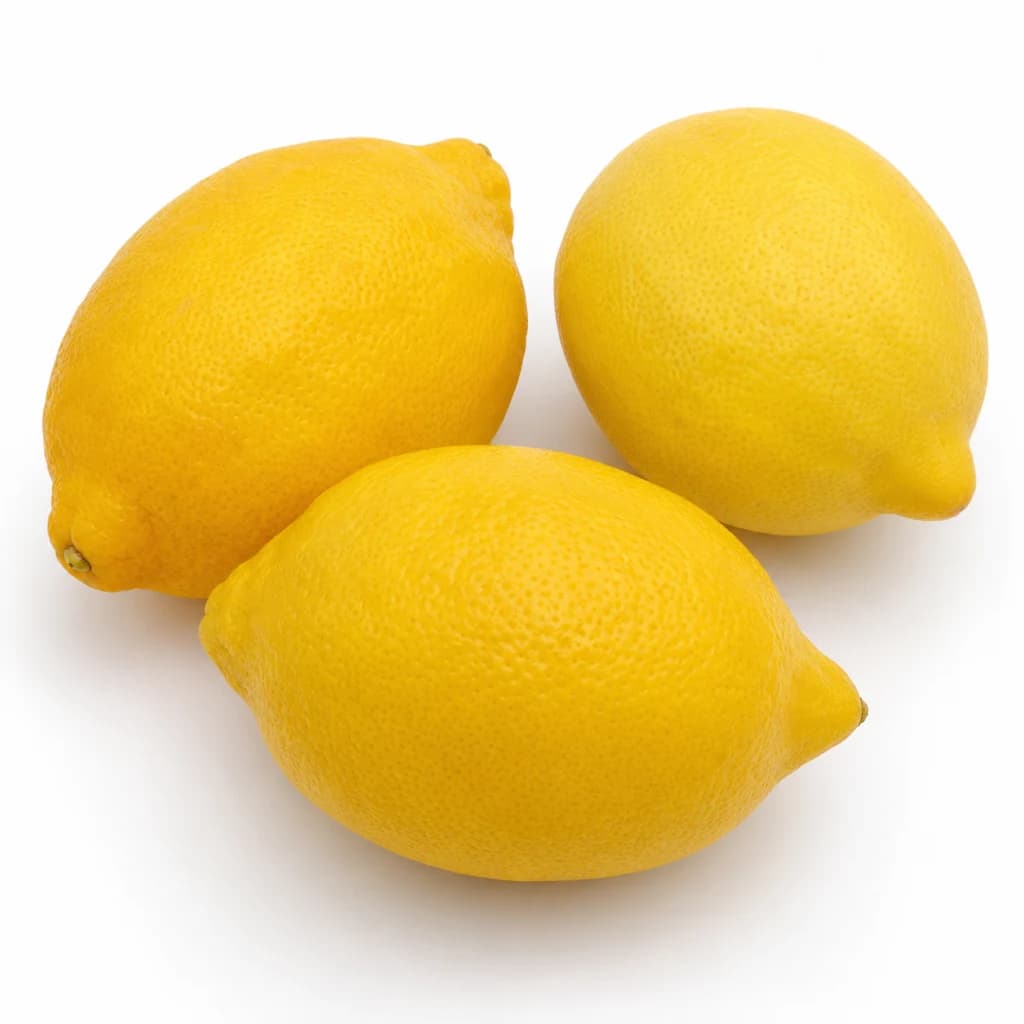
Lemon
Bright, acidic citrus that wakes up almost any dish
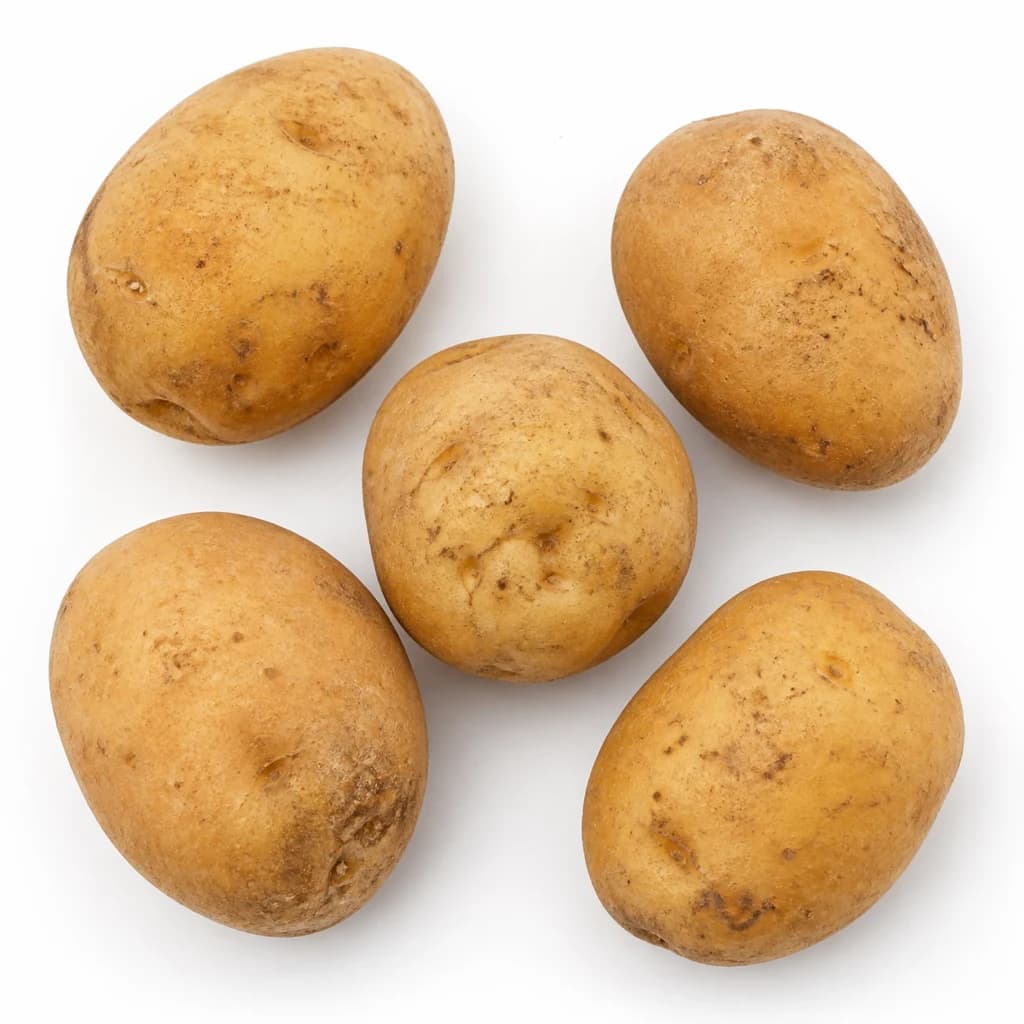
Potato
Humble, hearty staple — roast, mash, fry, or boil
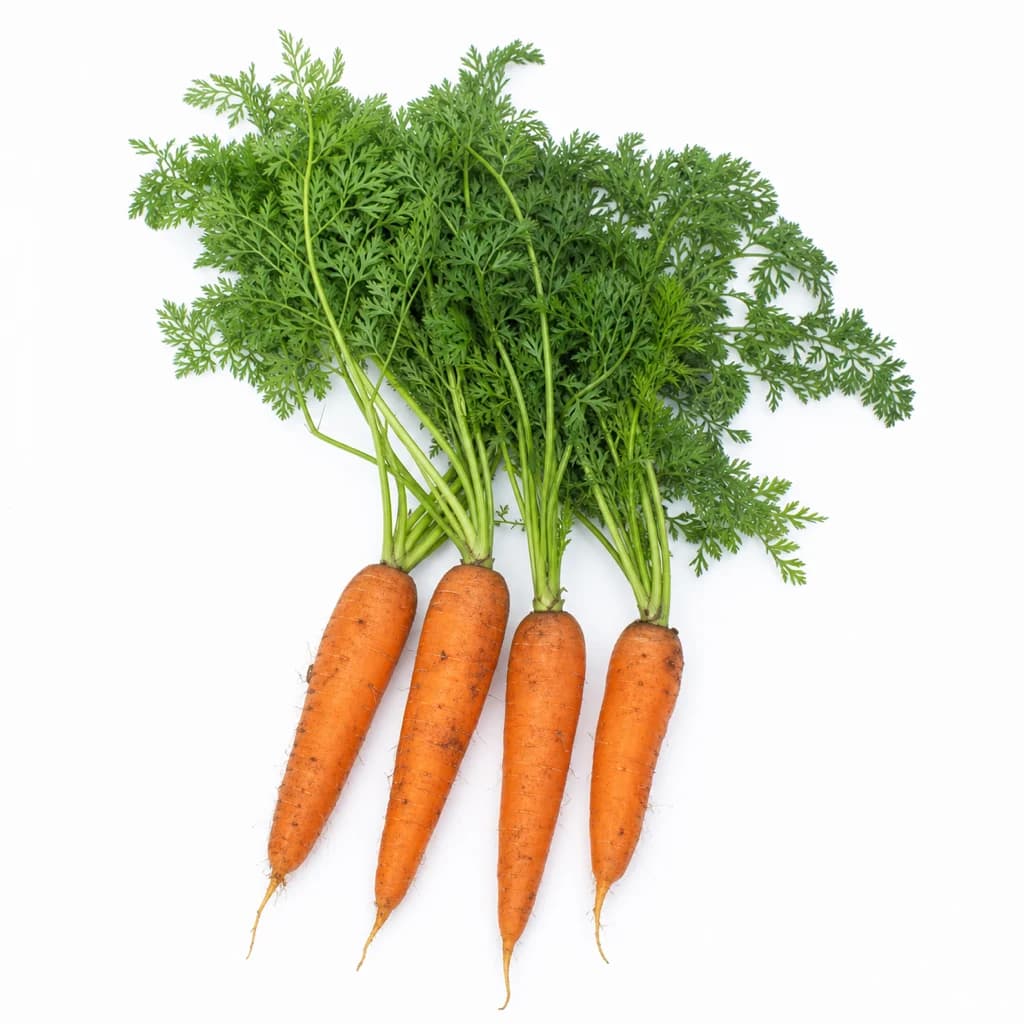
Carrot
Sweet, crunchy root — raw, roasted, or the base of a sofrito
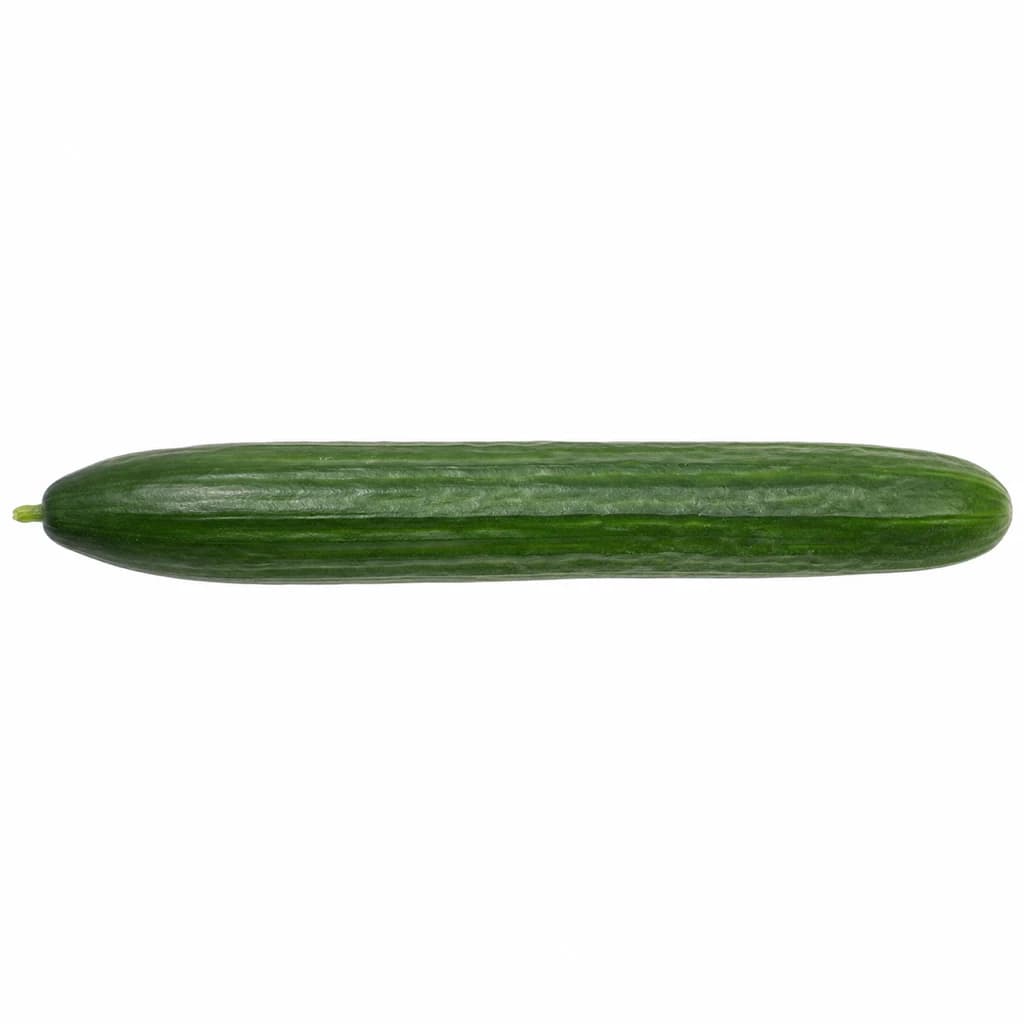
Cucumber
Cool, crisp, and watery — for salads, pickles, and tzatziki

Lettuce
Crisp leaves for salads, wraps, and a fresh crunch