Vegetables & Fruits
Agbalumo (African Star Apple)
Also: udara, agwaluma, Chrysophyllum albidum, white star apple
West Africa's beloved seasonal fruit: tart, citrusy, and addictively tangy with a chewy latex-edged flesh unlike anything else.
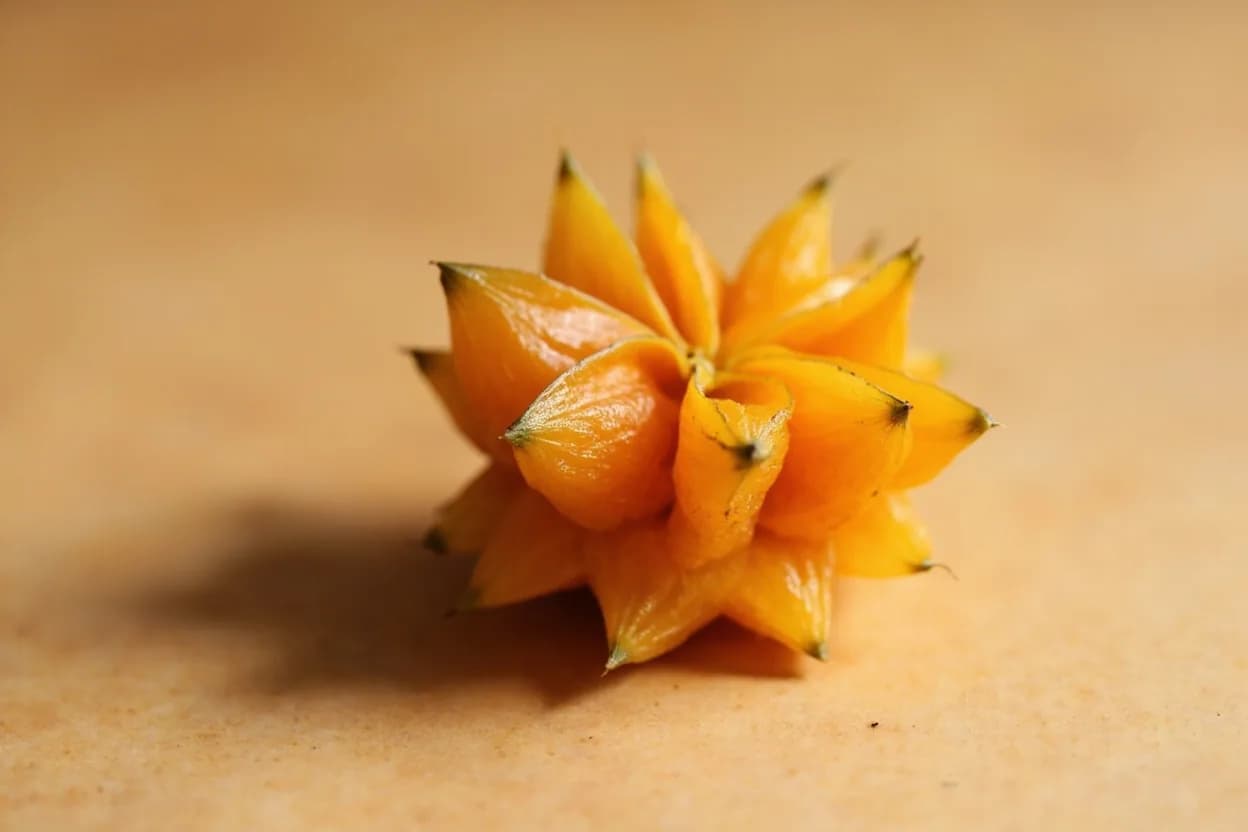
Agbalumo (Chrysophyllum albidum) is a seasonal wild fruit native to West and Central Africa, harvested between December and April — a fact that makes it synonymous with the harmattan season across Nigeria, Ghana, and Côte d'Ivoire. The fruit has an orange-yellow to reddish exterior and a pale, jelly-like flesh surrounding 4–5 flat seeds. Its flavor is a distinctive combination: sharply tart, citrus-forward sourness balanced by a natural sweetness that intensifies as the fruit ripens, with a faintly resinous, floral undertone. The seeds have a firm, nutty quality and are often sucked and spat out. A gummy latex clings to the palate — a textural experience that locals celebrate and newcomers must adjust to.
In photos
Flavour profile
Classic pairings
- Sugar or honeyNigerian / West African
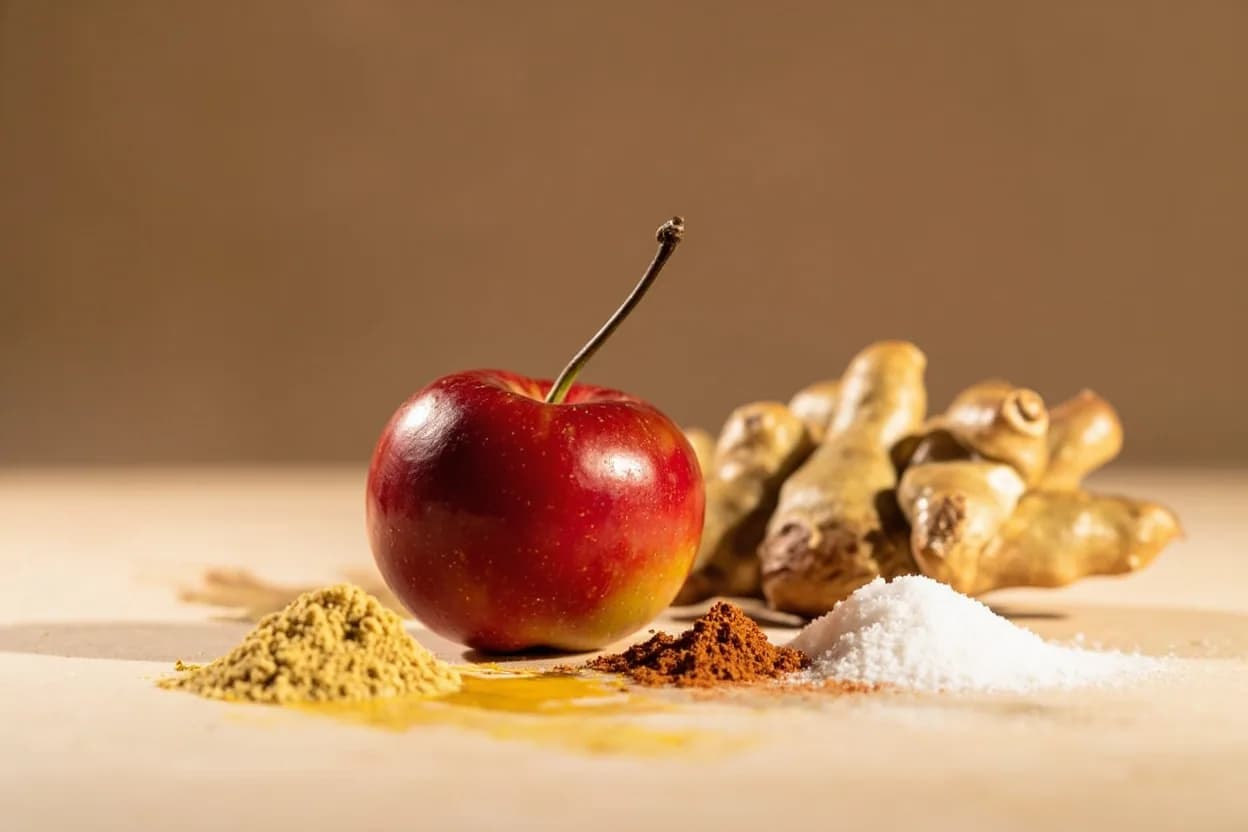
The traditional adjustment for agbalumo that is too tart — a pinch of sugar transforms the fruit into a near-candy experience and is how many street vendors serve it.
- Chili powder and saltNigerian / Ghanaian
The classic West African street snack preparation: salt tames bitterness, chili amplifies the tart-spicy pleasure loop that makes agbalumo addictive.
- GingerWest African
Fresh or powdered ginger bridges the citrus tartness and adds warmth; the combination appears in agbalumo-ginger juices and fermented seasonal drinks.
- PineappleWest African
Shared tropical sourness makes pineapple an intuitive juice partner; together they form a balanced, brightly acidic drink without added acid.
- TamarindWest African
A deepening of the tart register — tamarind and agbalumo together build a layered sourness with caramel depth, used in artisanal jam and condiment blending.
- Coconut milkWest African
Fat and sweetness temper agbalumo's acidity; blended coconut-agbalumo drinks are an emerging Lagos café offering.
Adventurous pairings
- Dark rum
The fruit's tartness and tropical sweetness translate beautifully into a cocktail base; agbalumo-infused rum with ginger syrup appears at contemporary West African spirits bars.
- White chocolate
The aggressive tartness cuts through white chocolate's cloy perfectly — an effective pairing in ganache or mousse where the fruit's flavor reads as a sophisticated citrus counterpoint.
Vanilla's floral, custard-like character softens agbalumo's bite and produces a rounded profile useful in ice creams and possets.
- Fermented locust bean (iru / dawadawa)
A bold experiment: the umami-funky depth of fermented locust bean creates a savory-sour bridge, appearing in experimental West African cuisine as a condiment base.
A small amount of rose water amplifies the fruit's latent floral note; used in upscale Nigerian dessert cafés to produce agbalumo panna cotta with unmistakably West African character.
Tread carefully
- Heavy cream (large quantities, uncooked)avoid
The fruit's high malic acid content can cause curdling in fresh dairy; heat-set preparations or coconut milk are safer dairy analogs.
- Red wineavoid
Tannic red wine and agbalumo's own astringency stack unpleasantly — the result is an overwhelming dryness that strips the palate.
- Strong aged cheesesavoid
The fruit's tartness and the cheese's pungency compete without resolving; neither is enhanced.
How to use it
- Eat fresh out of hand, scoring and pressing the skin to pop out flesh
- Blend with ginger and water for a seasonal fresh juice
- Reduce to a jam with sugar, preserving the tart note as a spread
- Infuse in spirits (rum, ogi-based brews) for seasonal cocktails
- Sun-dry to concentrate sweetness and preserve for the off-season
- Press through a fine sieve to remove seeds and latex for smooth purees
Appears in
Related flavours
A closer flavor relative than any Western fruit — shared extreme tartness and tropical fruit sweetness on the finish.
- Baobab fruit
Both are tartly flavored African fruits used in juices and seasoning; baobab is drier and more citrus-forward but occupies the same culinary slot.
- Sorrel (Hibiscus sabdariffa)
A West African pairing niche neighbor — both sharply tart, both used in seasonal juices and drinks with ginger.
References
- 1.Burkill, H.M., The Useful Plants of West Tropical Africa, 2nd ed., Vol. 1 (1985)
- 2.Oyewole, O.B., 'Fermented foods in West Africa' in African Fermented Foods (2004)
- 3.Adesanya, S.A. et al., 'Chrysophyllum albidum: Nutritional and medicinal uses' in Journal of Ethnopharmacology (1999)
Confidence: medium
Notes
Seasonality and cultural significance
Agbalumo is a strict seasonal fruit in Nigeria, appearing only from December through April — the dry harmattan months. It has near-nostalgic status for Nigerians in the diaspora, who associate it with childhood, Christmas markets, and the particular pleasure of eating something that cannot be imported or replicated out of season. Its seasonal scarcity is part of its cultural value.
The latex question
Fresh agbalumo exudes a mild latex that coats the mouth and can stain teeth yellow if the fruit is consumed in large quantities. This is not a defect — it is part of the textural experience locals enjoy. The latex dissipates when the fruit is cooked, juiced, or allowed to ripen fully to its softest state.