Sweet Aromatics
Carob Molasses
Also: dibs el kharrub, harnup pekmezi, locust bean syrup, carob syrup, خروب
The Levant's ancient sweetener — thick, dark, and chocolate-adjacent with a tart, earthy depth all its own.
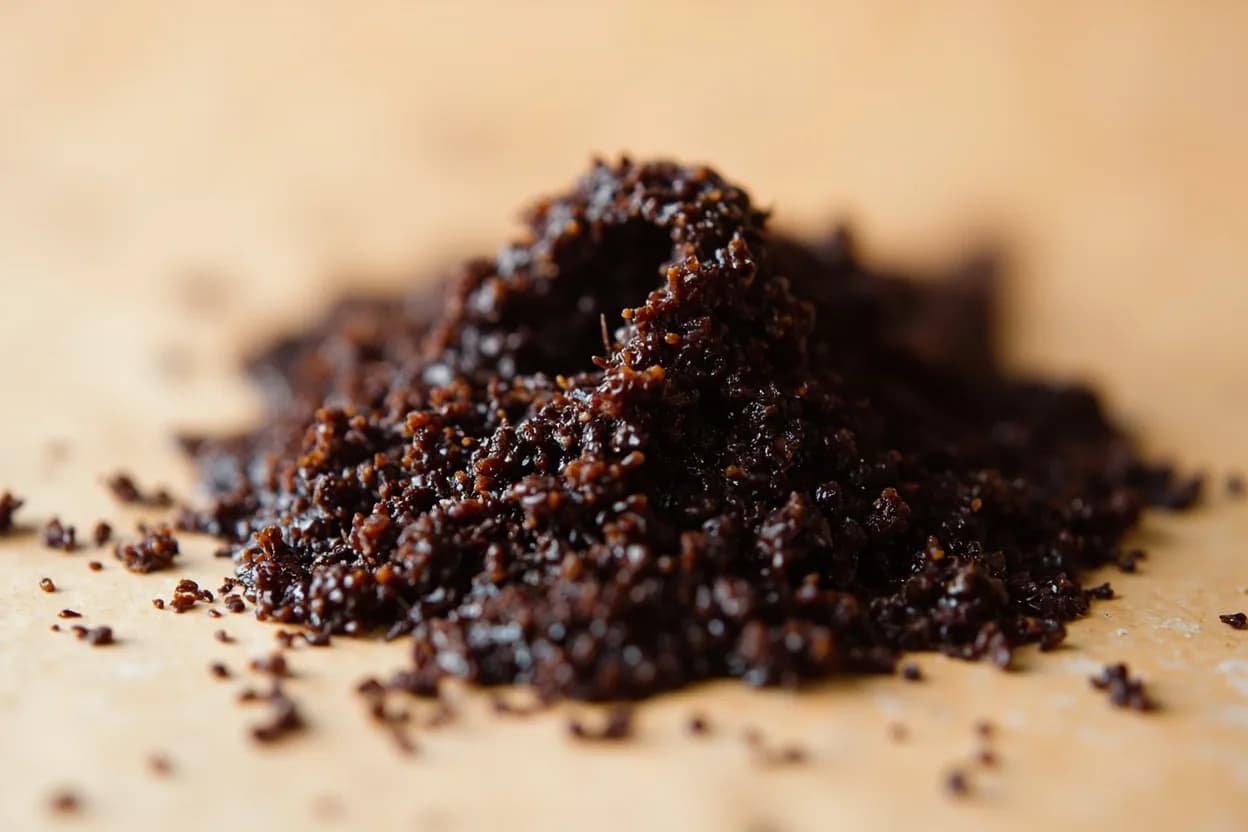
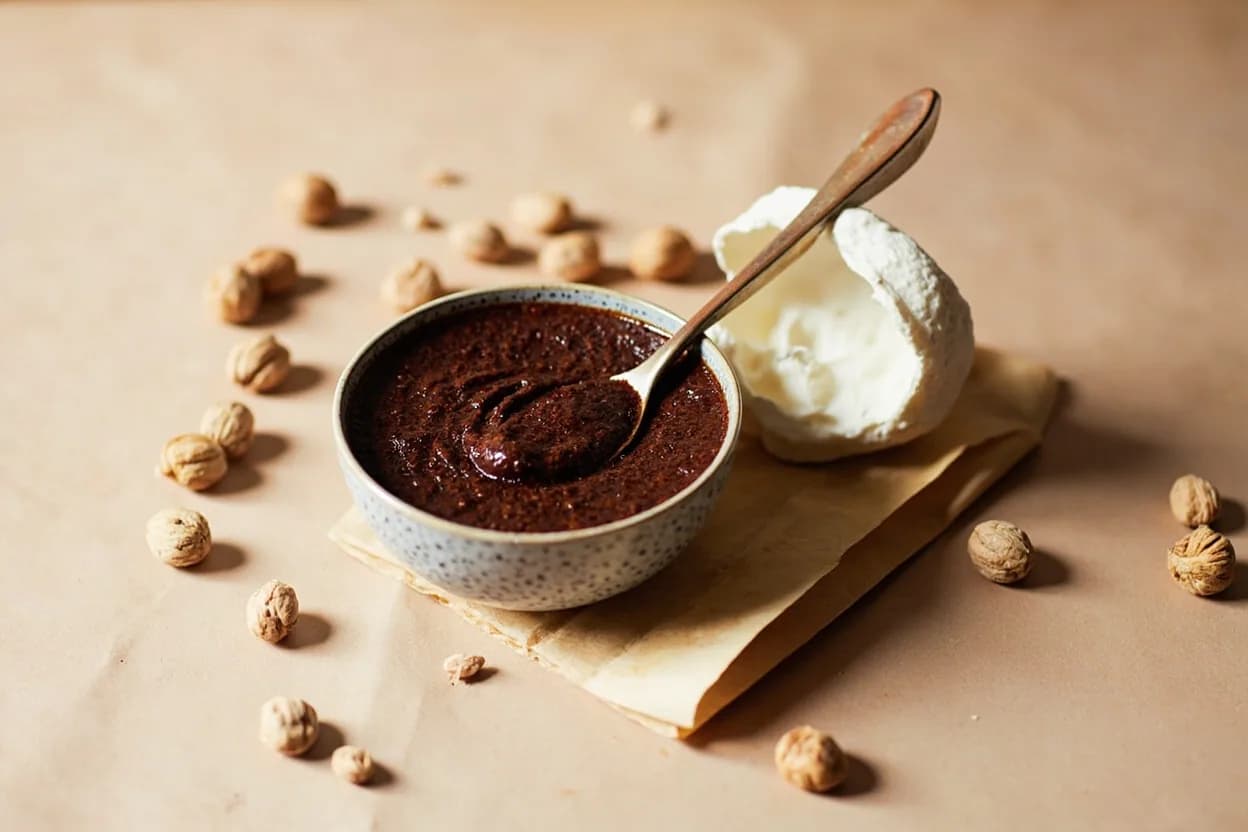
Carob molasses (Arabic: dibs el kharrub; Turkish: harnup pekmezi) is a thick, dark-brown syrup made by boiling dried carob pods (Ceratonia siliqua) in water and reducing the liquid. A staple of Levantine, Turkish, and Eastern Mediterranean kitchens since antiquity, it has a flavor distinct from chocolate despite frequent comparisons: slightly tannic, earthy, mildly sweet with a long fruity finish and a faint woodsy bitterness. Sugar content is naturally high (roughly 48–56% total sugars), and it contains no caffeine. Texture is viscous, similar to blackstrap molasses or thick pomegranate molasses.
In photos
Flavour profile
Classic pairings
- TahiniLevantine / Eastern Mediterranean
The definitive Levantine breakfast duo — sesame's rich nuttiness and slight bitterness perfectly balance carob molasses's dark sweetness; drizzled together on flatbread across Lebanon, Cyprus, and Turkey.
- Labne (strained yogurt)Lebanese / Cypriot
The sharp, tangy dairy cuts through carob's sweetness; the combination is eaten for breakfast throughout the Levant and mimics the role of honey-on-yogurt.
- WalnutsLebanese / Cypriot
Walnuts' astringent tannins and bitter fat find a harmonious counterpart in carob molasses; a classic table snack in Cyprus (dibs bil joze) and Lebanon.
- SemolinaLevantine
Used to sweeten traditional semolina porridges and halva-adjacent preparations; carob molasses contributes sweetness without refined sugar.
- Olive oilCypriot / Lebanese
In Cyprus and Lebanon, carob molasses is drizzled with olive oil over bread — the fruitiness of both ingredients bridges into something that tastes more than the sum of its parts.
- Grape molasses (dibs el inab)Syrian / Lebanese
Blended with grape molasses to produce dibs roman — a region-specific sweet condiment used in muhammara and as a table sweetener.
Adventurous pairings
- Dark miso
Both products share fermented-umami depth and tannin; a carob-miso glaze on eggplant or roasted root vegetables creates an unexpectedly complex, meaty umami-sweet result.
- Aged goat cheese
The sharp, funky minerality of aged chèvre is the counterpoint that carob's tannic sweetness needs — a refined cheese-board pairing in modern Mediterranean restaurants.
Rose water's high-floral perfume floats above carob's earthy baseline and prevents carob from tasting muddy; used in muhallabia variations and contemporary Levantine pastry.
Black sesame amplifies carob's dark, earthy register rather than lightening it — a richer, more intense riff on the classic tahini pairing.
- Espresso or strong Turkish coffee
Shared roasted-dark notes and complementary bitter profiles; carob molasses can sweeten coffee in the way date syrup does, adding body and an earthy dimension.
Tread carefully
- Lemon or bright citrusavoid
High citric acidity amplifies carob's tannins into an unpleasant astringency; the combination tastes sour and bitter rather than complex.
- Cream or butter-based saucesavoid
Carob's tannins cause cream to curdle or separate if added directly to a hot cream reduction; use only as a cold finish or with emulsification help.
- Very spiced preparations (heavy ras el hanout, etc.)avoid
Multiple spice layers compete with carob's subtle distinctions; the syrup gets lost and its unique character is wasted.
How to use it
- Drizzle raw over labne, tahini, or bread — no heat needed, used as a condiment
- Swirl into yogurt or labneh for a quick dessert or breakfast component
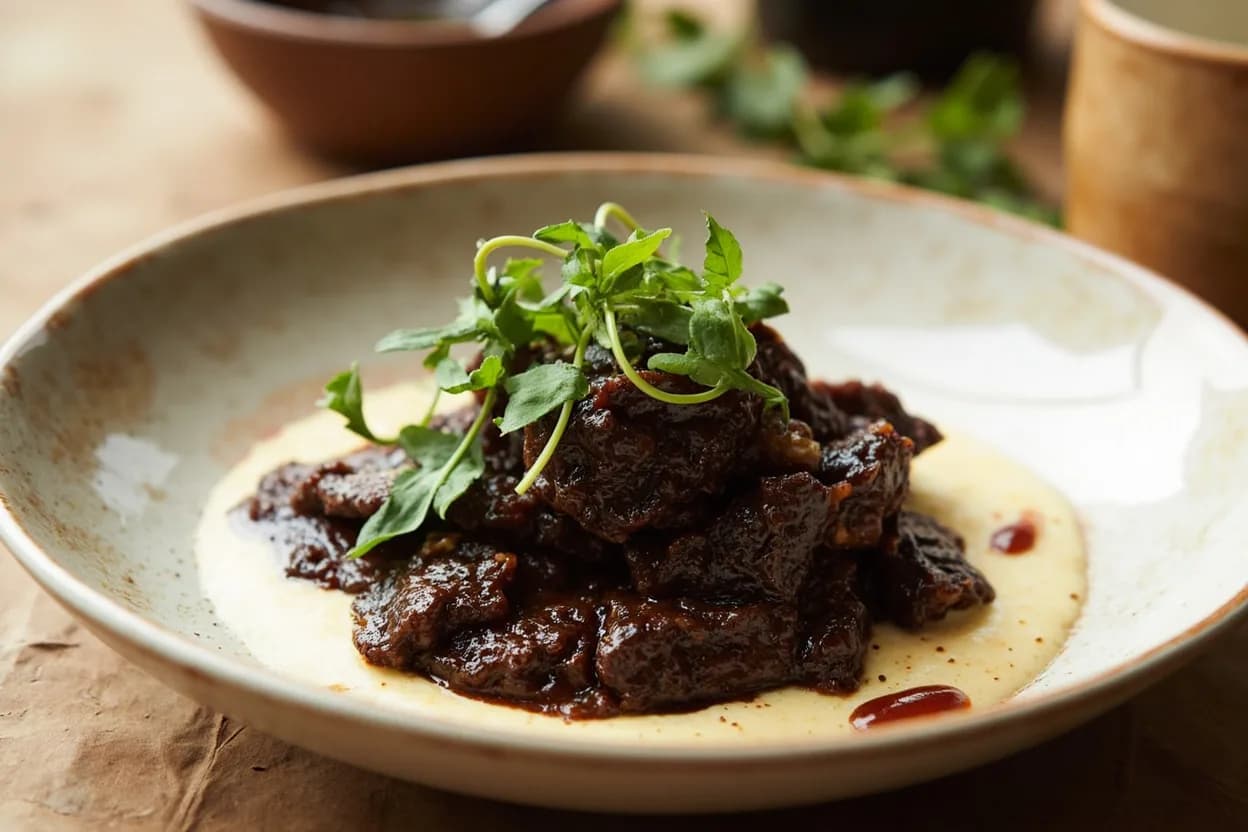
- Use as a glaze in the final minutes of roasting lamb, duck, or root vegetables
- Thin with warm water to create a dipping syrup for ka'ak (sesame biscuits)
- Stir into warm milk or oat porridge as a natural sweetener
- Substitute for molasses in American-style preparations where chocolate-adjacent depth is wanted without cocoa
Appears in
Related flavours
The canonical partner — the two are almost inseparable in Levantine breakfast tradition.
A sibling product in Levantine cooking — pomegranate molasses is sharply tart where carob molasses is earthy-sweet; they sometimes blend.
The closest flavor neighbor: both are dark, thick, naturally sweet syrups from ancient fruit crops in the same geography.
- Grape molasses
Another Levantine reduced-fruit syrup; grape molasses is brighter and more acidic, while carob molasses is darker and more tannic.
References
- 1.Jerusalem: A Cookbook — Yotam Ottolenghi & Sami Tamimi
- 2.Zaitoun: Recipes from the Palestinian Kitchen — Yasmin Khan
- 3.The Lebanese Kitchen — Salma Hage
- 4.Flavor Bible — Karen Page & Andrew Dornenburg
Confidence: high
Notes
Carob vs. chocolate
Carob molasses is frequently compared to chocolate but the comparison misleads more than it helps. Carob has none of chocolate's caffeine, theobromine, or sharp roasted-bean bitterness. Its sweetness is natural (no added sugar), and its complexity comes from tannins and earthy dried-fruit compounds rather than cocoa. Think of it as somewhere between blackstrap molasses and date syrup with a woody twist — not a chocolate substitute.
Sourcing
The best carob molasses comes from Cyprus (where the carob industry dates to the Byzantine era), Lebanon, and Turkey. Look for single-ingredient products — nothing but carob pod extract. Color should be deep mahogany; a lighter, thin product is often diluted or prematurely reduced.