Souring Agents
Dried Lime (Loomi)
Also: loomi, limoo omani, black lime, noomi basra, dried Persian lime
A sun-dried whole lime that collapses into a complex, fermented-sour note unlike any fresh citrus.
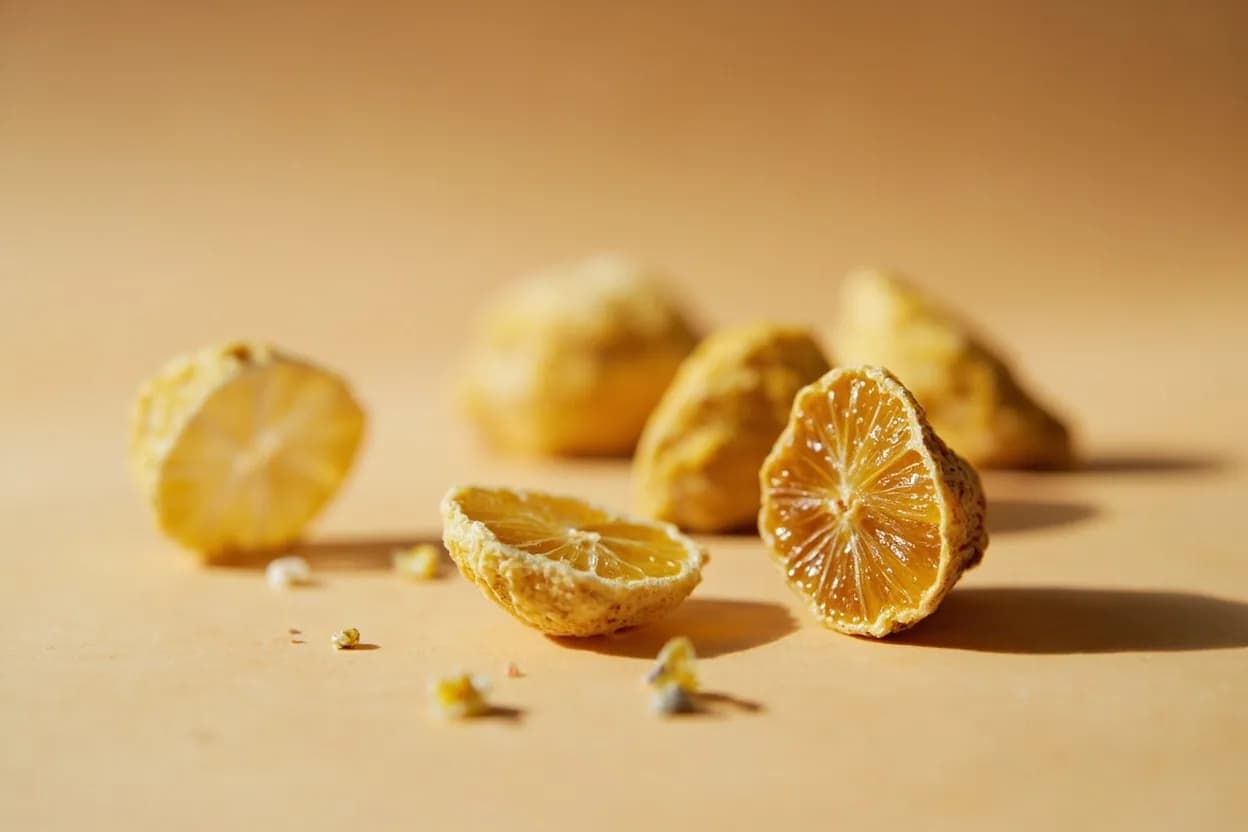
Loomi (also romanized as limoo omani or noomi basra) is a whole unripe lime boiled in salt water and then sun-dried until the skin turns pale tan to jet black and the interior collapses into a concentrated, acidic, slightly fermented mass. The flavour is intensely sour yet simultaneously earthy, musky, and faintly bitter — bridging the gap between bright citrus and the funky depth of tamarind. Used throughout the Persian Gulf, Iraq, Iran, and the broader Levant, it can be added whole to braises and soups, cracked to release its powder into spice blends, or ground fine and used as a rub.
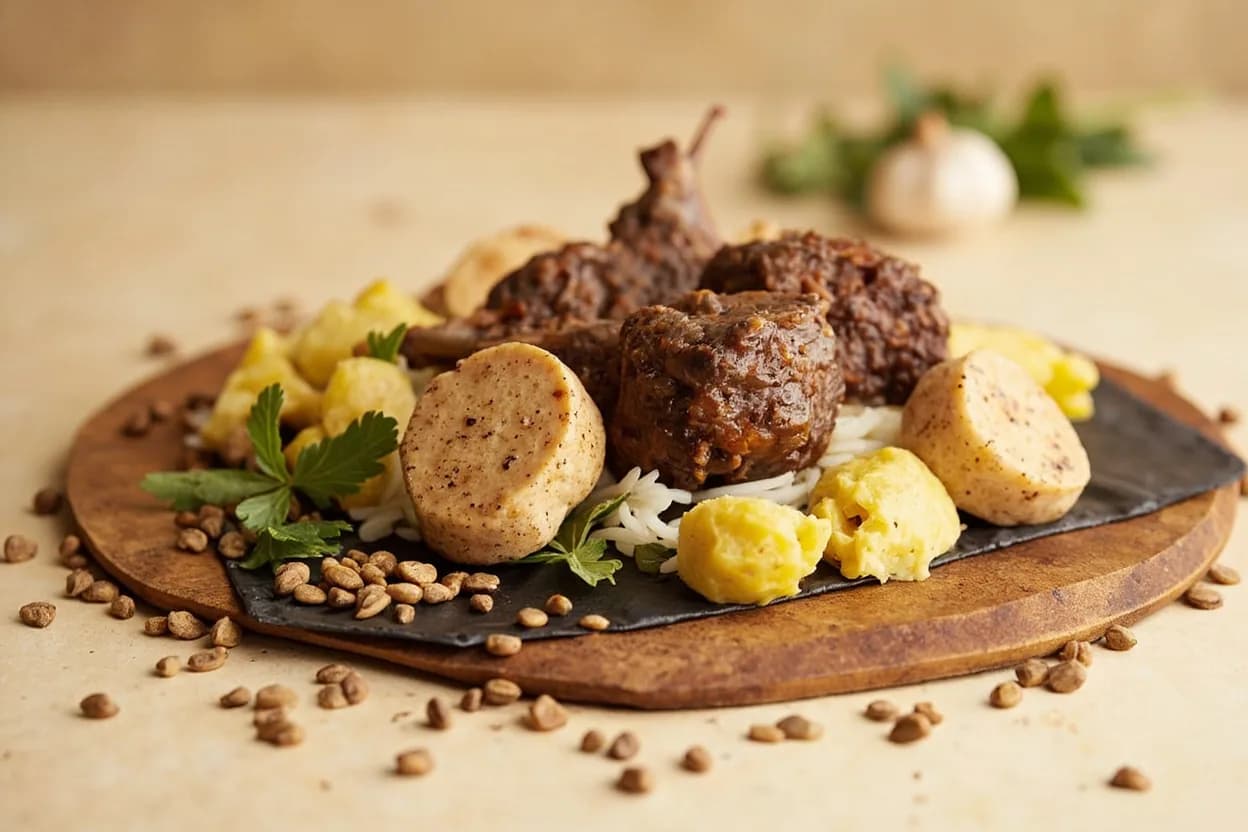
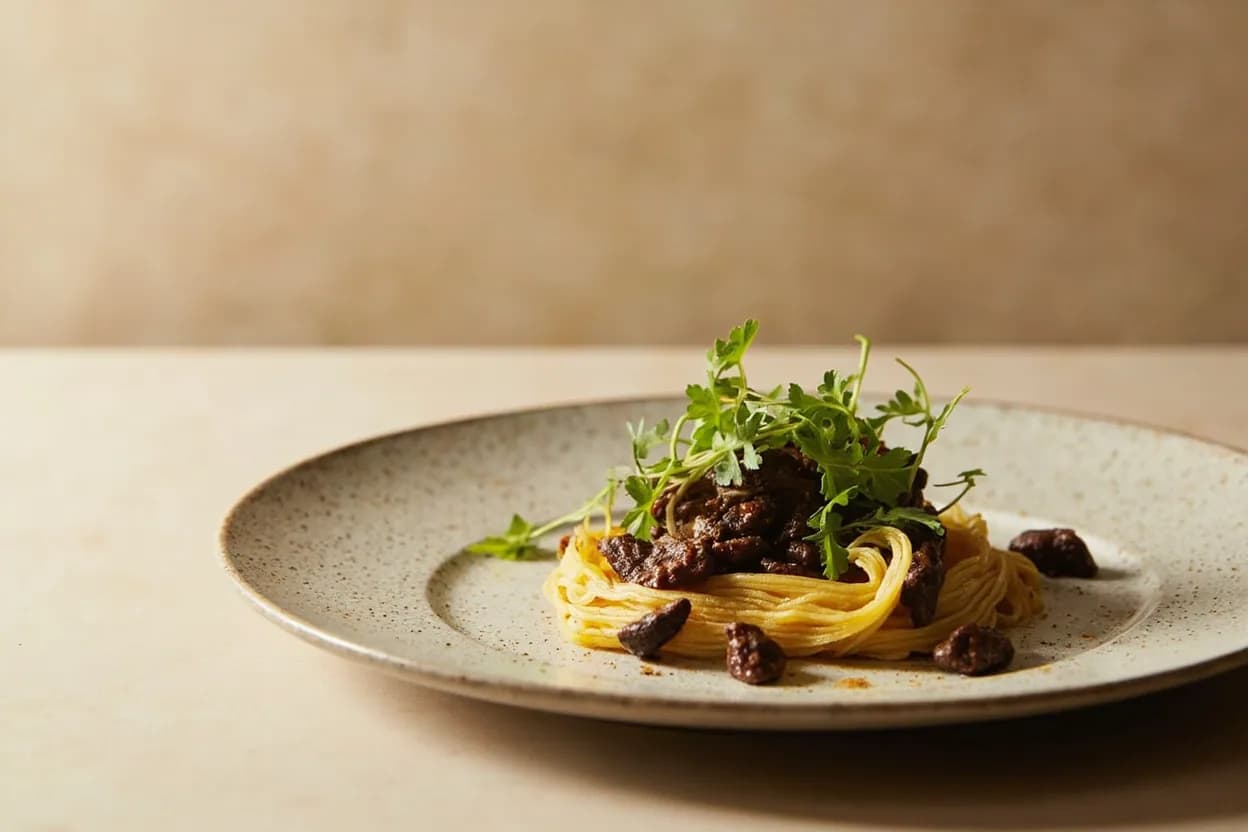
In photos
Flavour profile
Classic pairings
- LambPersian
The musky acid cuts the fat and gaminess of slow-braised lamb shoulder; foundational to Persian khoresh
- Basmati riceGulf Arab
Whole loomi dropped into Gulf-style machboos or kabsa perfumes the rice as it cooks, leaving pockets of tangy aroma in every scoop
- LentilsIraqi
Loomi's tartness lifts the earthiness of red or brown lentils in Iraqi shorba — standard pairing across Mesopotamian cooking
- ChickpeasLevantine
Adds a souring counterpoint to the nuttiness of chickpeas in stewed dishes and fatteh variants
- Fish (particularly white-fleshed)Emirati / Bahraini
Persian Gulf fish stews rely on loomi to brighten without adding liquid volume; citric acidity firms delicate protein
- TurmericGulf Arab
The earthy warmth of turmeric and the tangy fermentation of loomi are inseparable in Gulf baharat-style rice
- Dried fruit (barberries, apricots)Persian
Loomi amplifies the sweet-sour interplay in Persian pilaf, knitting together fruit and meat
- CilantroPan-Middle Eastern
Fresh cilantro's vegetal brightness contrasts and resolves the deep mustiness of loomi in hot soups
Adventurous pairings
Ground loomi powder stirred into a dark ganache introduces a fermented citrus edge that reads as complexity, not sourness — resonant with single-origin cacao from the Gulf Coast
- Smoked fish (mackerel, bluefish)
Loomi's musky-tart character echoes the iodic funk of oily smoked fish; a marinade of ground loomi, olive oil, and cumin bridges the two
- Aged hard cheese
Cracked loomi in a cheese board context plays like a sommelier's acid foil — particularly effective with aged Manchego or a firm pecorino where the fermentation notes align
- Molasses (pomegranate or date)
Compounding sour with sweet-bitter creates a layered gastrique; reduces beautifully as a glaze for duck or pork ribs
- Coffee (cardamom Arabic coffee)
A pinch of ground loomi in qahwa deepens the citrus-spice arc, rounding cardamom's sharp edge with tangy earth
Loomi's acidity cuts coconut's cloying richness in cross-cultural Gulf-meets-South-Asian curries, providing a souring note without tamarind's sweetness
Tread carefully
- Delicate raw herbs (basil, tarragon)avoid
The fermented mustiness overwhelms any dish designed to showcase floral, light herbal notes — use fresh citrus zest instead
- Very light brothsavoid
Whole loomi boiled in a delicate chicken consommé turns the liquid murky and bitter; reserve for rustic long-cooked soups
- Dairy-rich cream saucesavoid
Loomi's acidity risks curdling and its earthy funk sits awkwardly against neutral cream — lemon or verjuice are better choices there
How to use it
- Pierce whole loomi several times with a skewer before adding to braises so liquid can penetrate and leach out the sour compounds over the full cook time
- Crack (not grind) loomi with the flat of a knife to release interior and add to rice during the dam (steaming) phase
- Grind dried loomi to a fine powder and use as a rub or seasoning blend component — remove seeds first as they add harsh bitterness
- Toast cracked loomi briefly in dry oil before adding to a spice blend to mellow the fermented edge and develop nuttiness
- Remove whole loomi before serving — it becomes pithy and unpleasant to bite into, but its job is done
Appears in
Related flavours
Shares the sour-earthy axis but tamarind skews sweeter and more tropical; both are foundational Gulf and South Asian souring agents
Another dried-fruit souring agent from the Middle East — sumac is brighter and more purely sour where loomi brings fermented depth
Both are dried-fruit acids used in similar roles; amchur is fruitier and works in drier applications (chutneys, rubs) where loomi shines in liquid-based dishes
References
- 1.Claudia Roden — The New Book of Middle Eastern Food
- 2.Najmieh Batmanglij — Food of Life: Ancient Persian and Modern Iranian Cooking and Ceremonies
- 3.Anissa Helou — Feast: Food of the Islamic World
- 4.Ghillie Basan — The Complete Book of Persian Cooking
Confidence: high
Notes
Black vs. tan loomi
Tan (pale yellow-brown) loomi is dried at lower temperature and retains more volatile citrus aromatics; black loomi has undergone further fermentation and is more pungent and bitter. Most Gulf recipes can use either interchangeably, but the black variety needs slightly less quantity and benefits more from removal before serving.
Powdered loomi availability
Pre-ground loomi powder is sold in Middle Eastern grocery stores labelled 'black lime powder' or 'noomi basra powder'. Shelf life after grinding is short — buy small quantities and store airtight. Grinding whole dried limes at home in a spice grinder yields noticeably fresher results.