Souring Agents
Dried Lime (Persian / Loomi)
Also: loomi, limu omani, black lime, noomi basra, dried lime, لیمو عمانی
The dried soul of a lime — concentrated citric tartness wrapped in earthy fermented depth, essential to Persian and Gulf cooking.
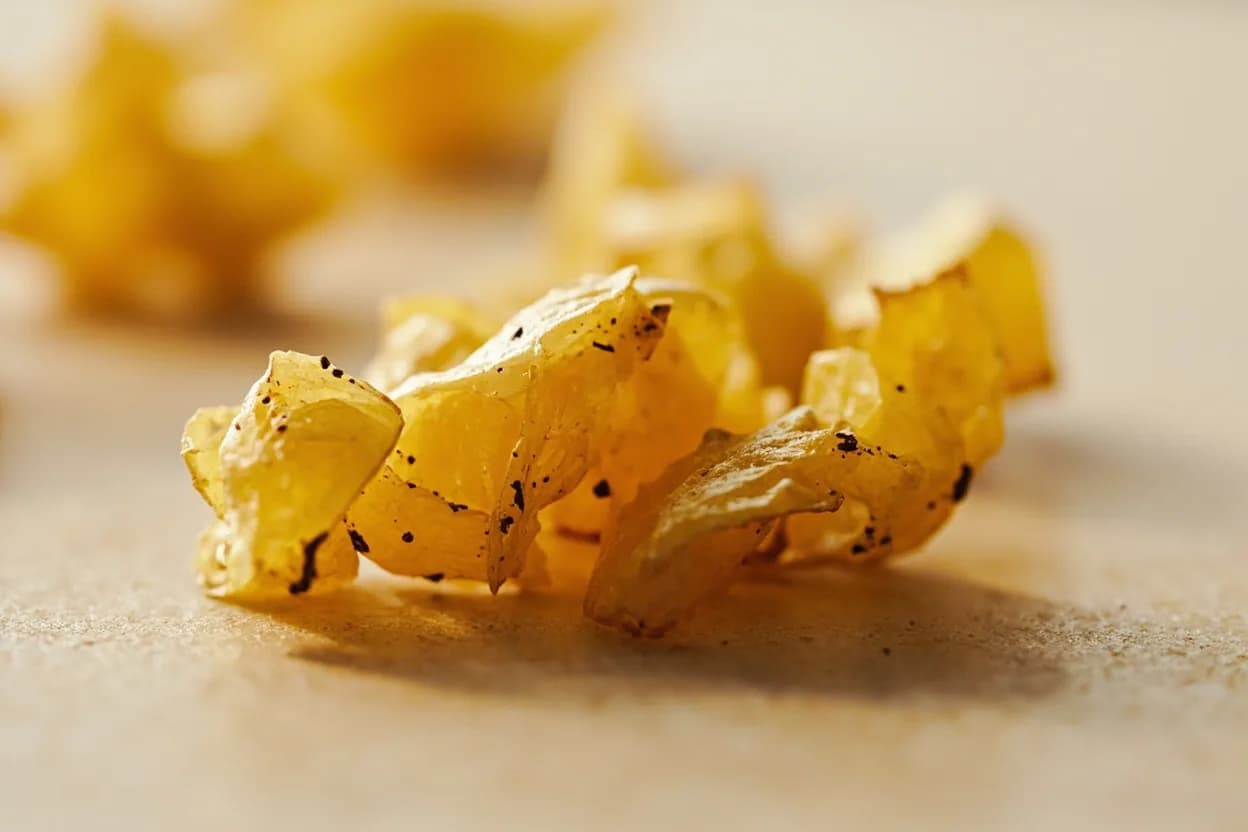
Dried lime (loomi, limu omani, or noomi basra) is whole lime boiled briefly in salted water, then sun-dried until hard and hollow, the interior oxidizing from pale yellow to dark amber or near-black. The result is a complex souring agent unlike fresh citrus: the drying process concentrates citric acid, eliminates volatile freshness, and introduces earthy, fermented, slightly bitter top notes with a faint smokiness. Used whole (pierced or bruised), cracked, or ground to powder, dried limes are foundational in Persian (Iranian) ghormeh sabzi and Persian rice, and across Gulf (Khaleeji) stews, fish dishes, and spice blends like baharat and bezar.
In photos
Flavour profile
Classic pairings
- LambPersian / Iranian
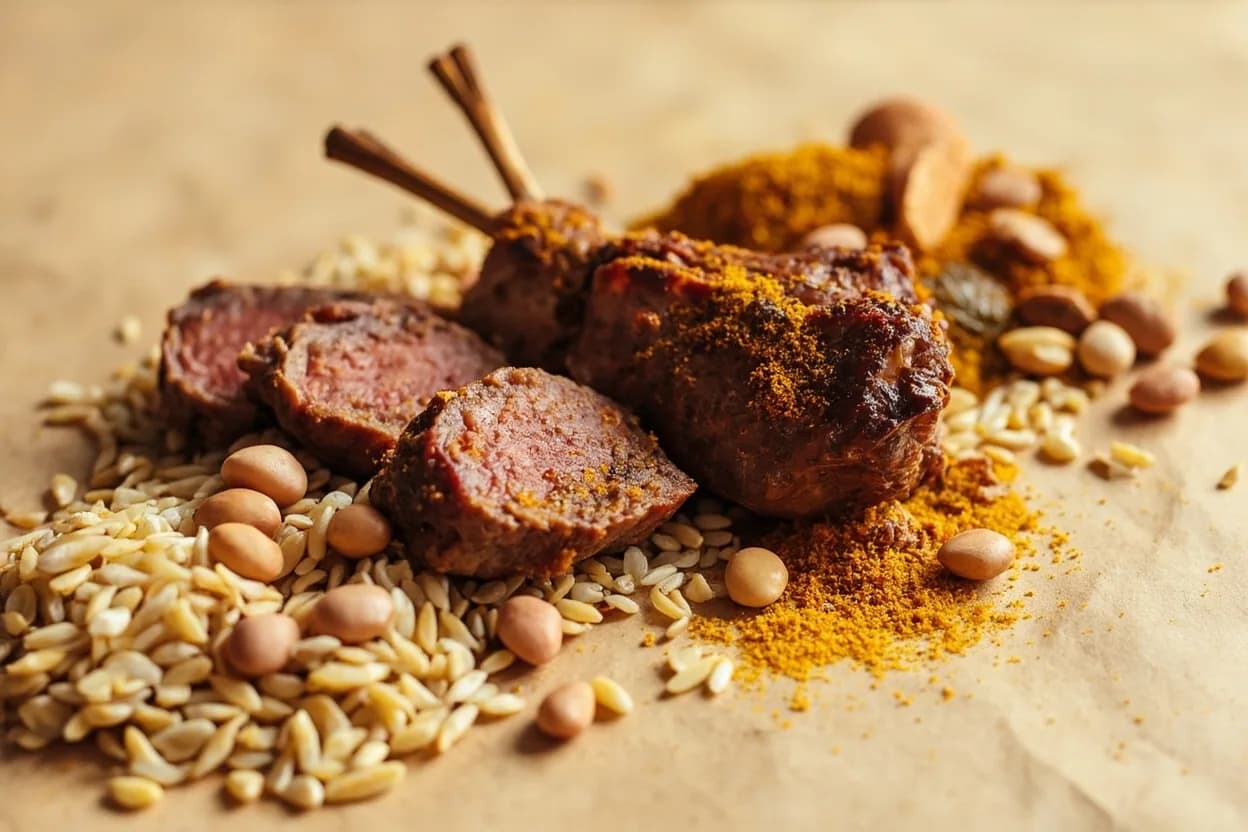
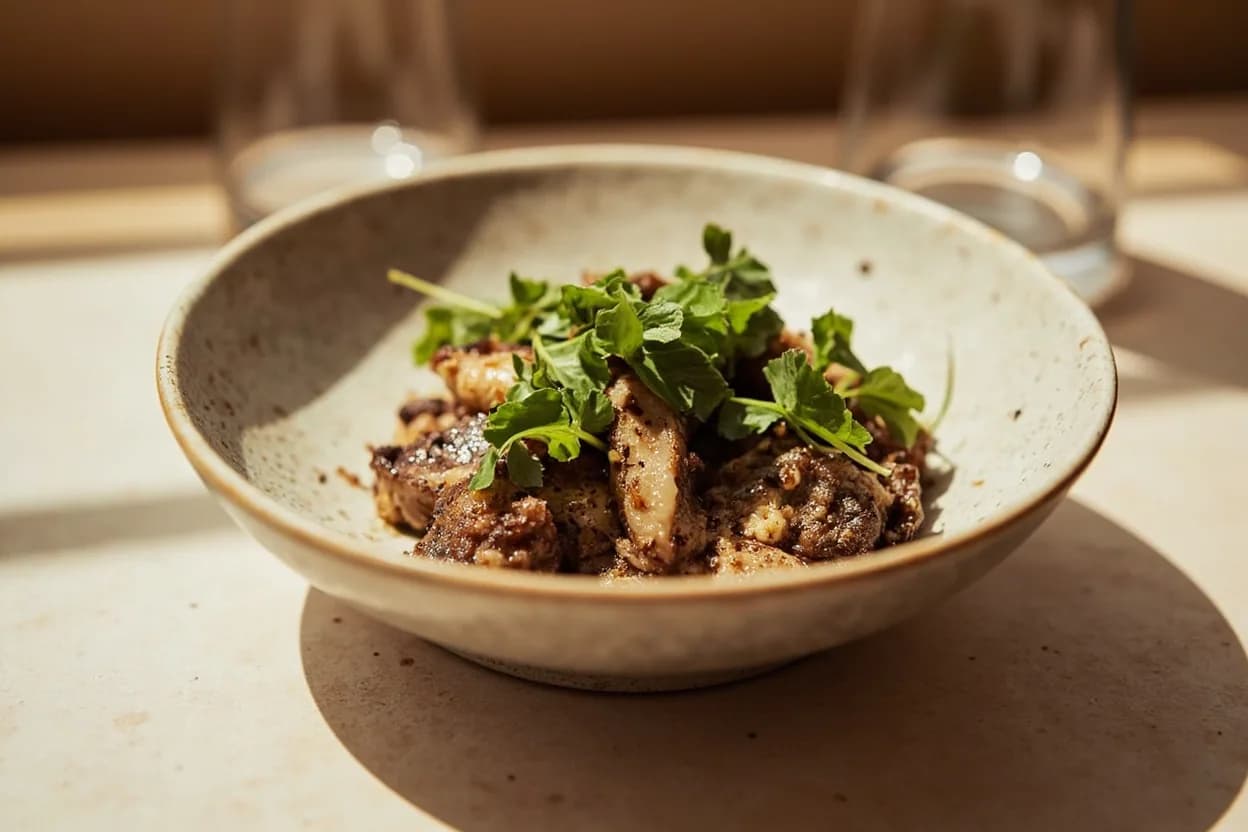
Ghormeh sabzi and Persian lamb stews depend on dried lime's tart earthiness to cut through the richness of fatty lamb; whole limes braise alongside the meat for hours.
- Kidney beans and legumesPersian / Iranian
In ghormeh sabzi, dried lime and kidney beans are inseparable — the acid brightens and lifts the earthy bean, and the slow braise softens the lime's bitterness.
- Basmati rice (with saffron)Persian / Iranian
Loomi ground into a powder seasons the rice water or is layered into tahdig preparations; earthy citric notes perfume the entire pot.
- Fish and shrimpKhaleeji / Gulf
Gulf fish stews (machboos samak) and Iraqi masgouf use dried lime's mellow acid to brighten seafood without the sharpness of fresh lime; the earthy note complements the ocean flavor.
- TurmericPersian / Gulf
The yellow spice and dried lime are a canonical Persian-Gulf duo; turmeric's warm bitterness and loomi's tart earthiness create a complex savory profile in stews.
- Chicken (in Persian khoresh)Persian / Iranian
Dried lime paired with chicken, onion, and saffron in khoresh (Persian stew) delivers a restrained tartness that doesn't overwhelm lean white meat.
- Pomegranate molassesPersian / Iranian
Both are souring agents used in Persian cuisine; combined they create a layered tart-sweet profile in marinades, stews, and dips that neither achieves alone.
Adventurous pairings
- Beef short rib or oxtail
Dried lime's concentrated tartness pierces collagen-rich braising cuts; use cracked whole limes in the braise for a Persian-Mexican crossover in birria-style preparations.
In a Gulf-meets-South-Asian curry, loomi powder stirred into coconut milk stew provides a mellow acid that keeps the coconut bright and prevents sweetness from cloying.
- Yogurt-based cold dips (tzatziki/mast-o-khiar)
Ground loomi stirred into yogurt dips adds a distinct earthy citrus note that differentiates them from lemon-brightened versions — more complex and less sharp.
- Dark leafy greens (chard, spinach)
Loomi powder in a wilted greens preparation substitutes for lemon but adds depth; particularly good with iron-rich greens that need the acid lift but benefit from the earthiness.
- Cocktails and shrubs (drinking vinegar)
Dried lime cracked and steeped in simple syrup or spirit produces a complex, earthy citrus liqueur or cocktail base with a 'desert lime' character unavailable from fresh citrus.
Tread carefully
- Delicate white wine saucesavoid
Loomi's earthy, fermented quality clashes with the clean minerality expected in classic French wine-based sauces; use fresh lemon or verjuice instead.
- Raw preparations without soaking or cookingavoid
Uncooked dried lime is fibrous, excessively bitter, and nearly inedible; it requires heat and time to release its flavor and soften its harsh edges.
- Very sweet dessertsavoid
Dried lime's earthy bitterness does not harmonize with sugary pastry or sweet desserts; its tartness is calibrated for savory cooking.
How to use it
- Pierce whole dried lime with a skewer 2–3 times, then add to simmering stews — squeeze out and discard before serving
- Crack open with a meat mallet and add cracked pieces to braises for more surface area and flavor release
- Grind dried limes in a spice grinder to a powder; use as a rub, in spice blends (bezar, baharat), or stirred into rice water
- Toast lightly in a dry pan before grinding to intensify the smoky, earthy notes
- Steep cracked pieces in hot water for 10 minutes to make a souring liquid for soups and stews
Appears in
Related flavours
The canonical luxury-Persian pairing — saffron's floral sweetness and dried lime's tart earthiness together define khoresh
Complementary souring agent used alongside or instead of loomi in Persian cooking
Another Middle Eastern souring agent; sumac is fruitier and brighter — the two are regional alternatives, not direct substitutes
References
- 1.Persiana — Sabrina Ghayour
- 2.Plenty More — Yotam Ottolenghi
- 3.The Complete Middle East Cookbook — Tess Mallos
- 4.Claudia Roden: A New Book of Middle Eastern Food
Confidence: high
Notes
Black vs. white dried limes
Dried limes range from pale tan to jet-black depending on variety and oxidation time. Black (heavily oxidized) limes are more bitter and intensely earthy; tan/beige limes are milder and fruitier. Persian recipes typically call for the medium amber; Iraqi and Gulf recipes often prefer the darkest. Sourcing from a Middle Eastern grocer is essential — the specialty item rarely appears in standard supermarkets.
Using the powder
Loomi powder is the most versatile form. Ground at home from whole dried limes, it can be sprinkled into dishes at any stage. Start with ¼ teaspoon per serving and adjust — the powder is concentrated and can make a dish harshly bitter if overused. Strain the powder out of liquid dishes or accept a slightly murky appearance.