Luxury Ingredients
Foie Gras
Also: fattened duck liver, fattened goose liver, foie gras de canard, foie gras d'oie
The ultimate expression of silky richness, foie gras demands a partner with either sweetness, acidity, or crunch to keep it aloft.
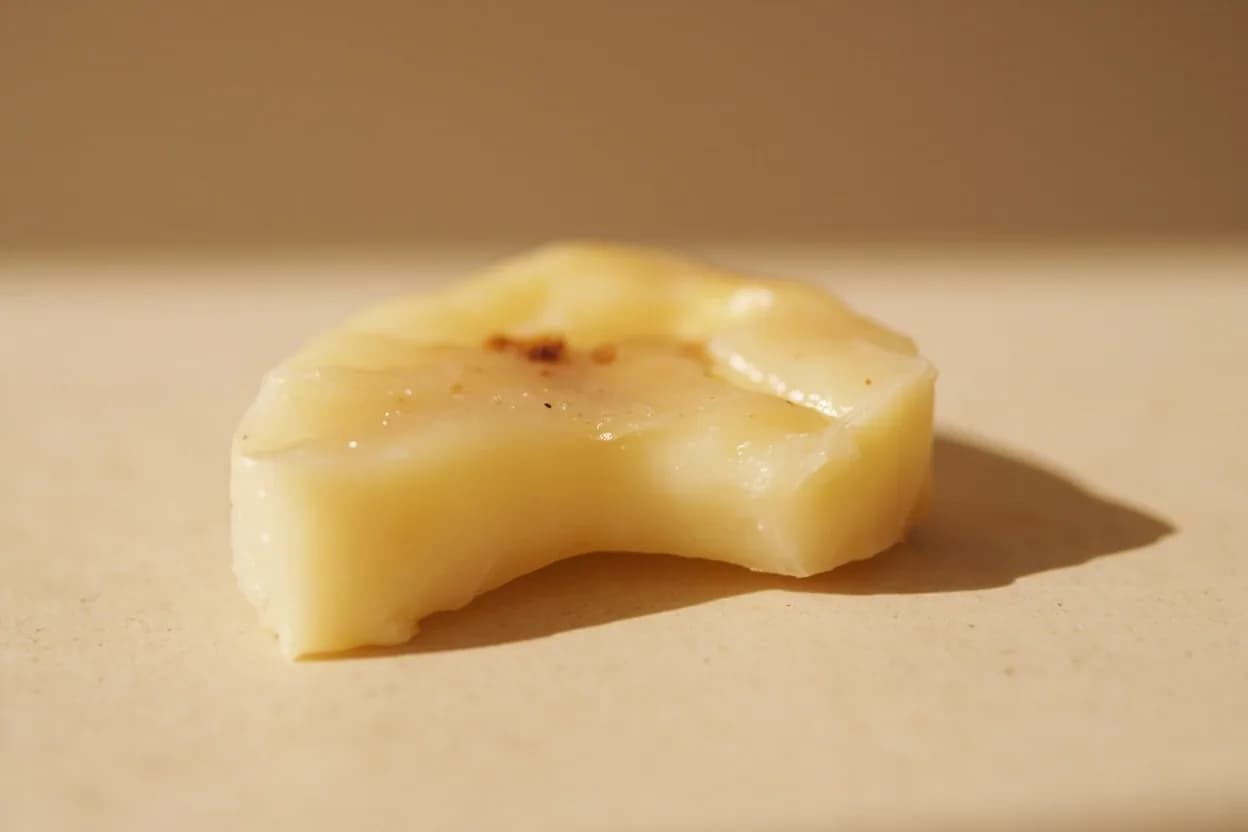
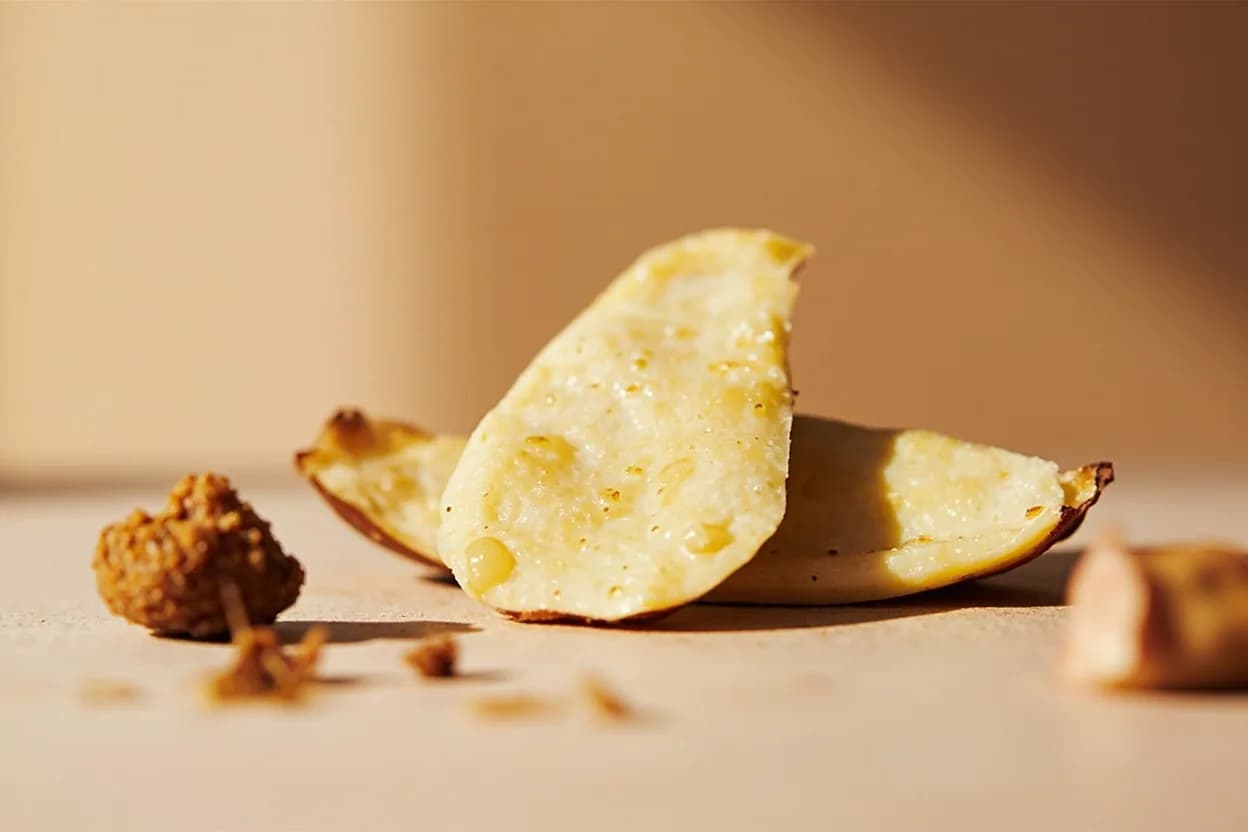
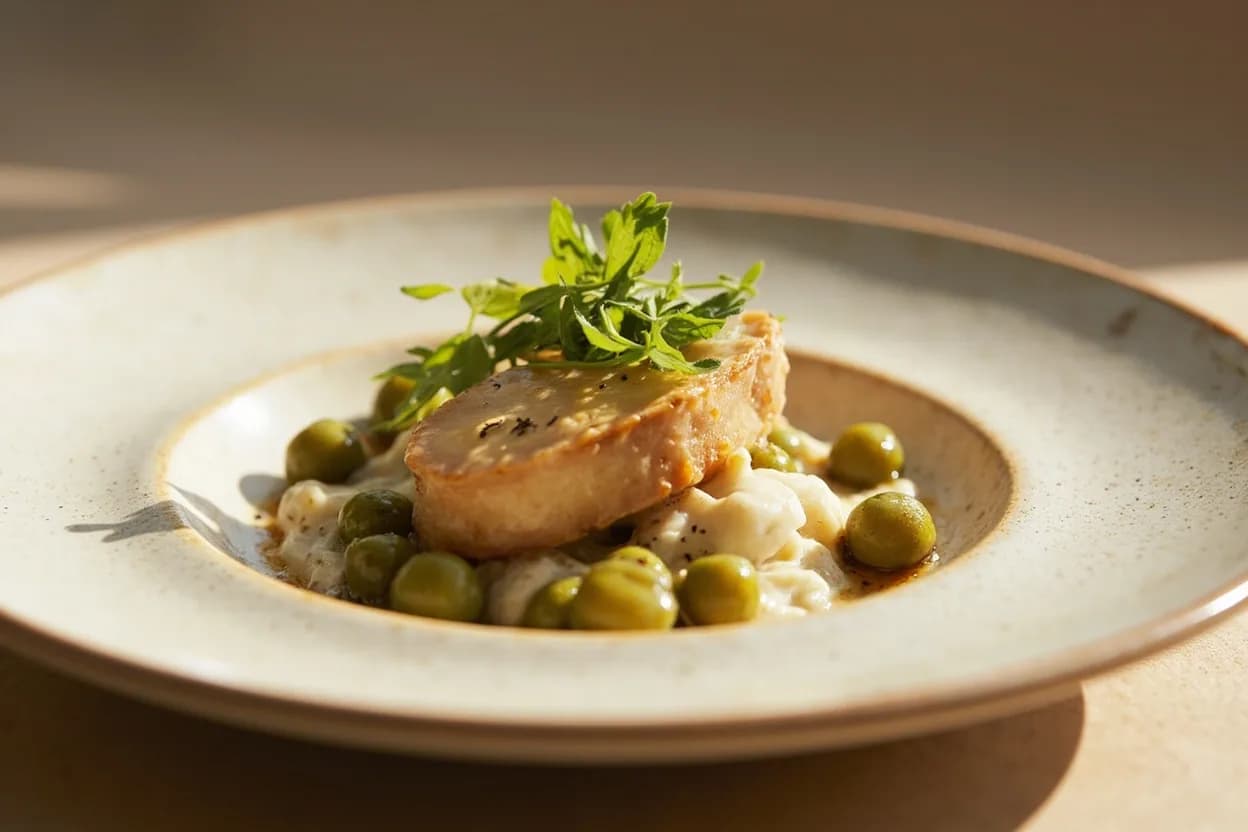
Foie gras is the fattened liver of a duck or goose, produced through a traditional feeding process that causes the liver to enlarge and become suffused with fat. Its flavor is deeply savory, buttery, and almost custard-like, with a fleeting sweetness that lingers on the palate. The fat content — upward of 50% — gives it an unrivaled melt-in-the-mouth quality unlike any other liver. Goose foie gras tends to be milder and more delicate; duck foie gras (now more common) carries a slightly more pronounced iron-mineral note beneath the fat.
In photos
Flavour profile
Classic pairings
- SauternesFrench
The iconic French pairing: Sauternes' botrytized honeyed sweetness and bright acidity cut through the fat while echoing its richness. The interplay is nearly alchemical — neither ingredient makes sense without the other on the plate.
- BriocheFrench
Toasted brioche provides the necessary buttery crunch and mild sweetness that anchors a foie gras torchon or pan-seared escalope. Its airy, egg-enriched crumb absorbs just enough fat without competing.
- FigFrench
Fresh or dried figs supply jammy, honey-like sweetness and gentle tannins that balance foie gras's fat. Fig compote is a canonical accompaniment in classic French brasserie service.
- ArmagnacFrench
Used both as a curing agent in terrines and as a serving condiment, Armagnac's dried-fruit warmth and subtle oak marry with the liver's fat, creating the backbone of a classic Gascon terrine.
- Fleur de selFrench
A pinch of fleur de sel on a pan-seared escalope is not seasoning — it is a textural and flavor counterpoint. The mineral crunch shatters the monotony of pure fat and makes each bite electric.
- TruffleFrench
The 'Rossini' tradition — foie gras with black truffle — combines two of France's grandest luxury ingredients. Truffle's sulfurous, musky earthiness amplifies the umami dimension of the liver without overpowering it.
- Caramelized onionFrench
Deeply caramelized onions contribute sweetness, depth, and a slight bitterness that grounds foie gras and provides a textural contrast, particularly in tarts and charcuterie presentations.
- GewürztraminerFrench
Alsatian Gewürztraminer — aromatic, off-dry, and lychee-scented — mirrors Sauternes in purpose but adds a floral spice character that complements duck foie gras particularly well.
Adventurous pairings
White shiro miso's fermented umami and salt amplify foie gras's savory undertone; chefs have used miso marinades before searing for a Japanese-French fusion that deepens the liver's complexity without sweetening it.
The tropical acid and perfumed brightness of passion fruit cuts fat more aggressively than Sauternes, producing a cleaner, more contemporary plate — a favorite in modern tasting menus.
Espresso reduction or coffee-crusted foie gras draws on the bitter roast notes to counter richness; the shared fat-soluble aromatic compounds create an unexpected harmony.
- Rhubarb
Tart, fibrous rhubarb compote provides acidity and a slightly astringent finish that cleanses the palate and offers a vivid visual contrast against pale-gold seared foie.
High-cacao chocolate shares complex bitter, earthy notes with liver; a thin sheet of bitter chocolate beneath a foie gras torchon slice reads as elegant rather than indulgent when done with restraint.
Tread carefully
- Strong blue cheeseavoid
The sharpness and assertive mold flavor of Roquefort or Gorgonzola overwhelm foie gras's subtle sweetness; both compete for dominance and neither wins.
- Raw garlicavoid
Raw allium's sulfurous pungency obliterates the delicate fat-soluble aromatics that make foie gras special; cooked or confit garlic is acceptable in small amounts.
- Vinegar-heavy dressingsavoid
Aggressive raw vinegar — as opposed to well-integrated reductions — curdles the experience, stripping the palate too harshly and leaving a flat, metallic note.
How to use it
- Pan-searing on dry cast iron for the 'croûte dorée' crust — no added fat, 45 seconds per side maximum
- Torchon preparation: curing raw lobes in salt, pepper, and Armagnac, then rolling in muslin and poaching gently
- Terrine en croûte: layering cured foie with truffle and encasing in pastry for classic service
- Soaking in milk overnight before preparation to draw out residual blood and temper strong iron notes
- Serving slightly chilled (12–14°C) when plating cold preparations to preserve the silky, sliceable texture
Appears in
Related flavours
- Duck Confit
Shares the same bird and fat-forward richness; pairings built for confit (lentils, cherry) often translate well to foie gras
- Chicken Liver Pâté
A more accessible liver product where many of the same sweet and acidic counterpoints apply
The grand luxury pairing partner; sulfurous earthiness amplifies foie gras's umami depth
References
- 1.The French Laundry Cookbook — Thomas Keller
- 2.Charcuterie: The Craft of Salting, Smoking, and Curing — Michael Ruhlman & Brian Polcyn
- 3.Larousse Gastronomique — Prosper Montagné (1938, multiple revised editions)
- 4.The Flavor Bible — Karen Page & Andrew Dornenburg
Confidence: high
Notes
Sear vs. Torchon
Seared foie gras demands brightness — the caramelized exterior calls for fruit-forward sweetness and acid. Torchon and terrines, served cold, want more textural contrast (crunchy toast, pickled accompaniments) and less acid, since the fat is already set and the flavor needs amplification rather than cutting.
Temperature is a pairing variable
Foie gras served warm reads richer and more intensely fatty than when served cold. Cold service can bear bolder, more assertive partners; warm seared escalopes need lighter, more delicate counterpoints or the dish becomes oppressive.