Sweet Aromatics
Grape Molasses (Dibs Enab)
Also: dibs enab, grape syrup, pekmez (grape), mosto cotto, saba, vino cotto, agrodolce di uva
The ancient Levantine grape reduction that delivers tangy, wine-dark sweetness without a drop of refined sugar.
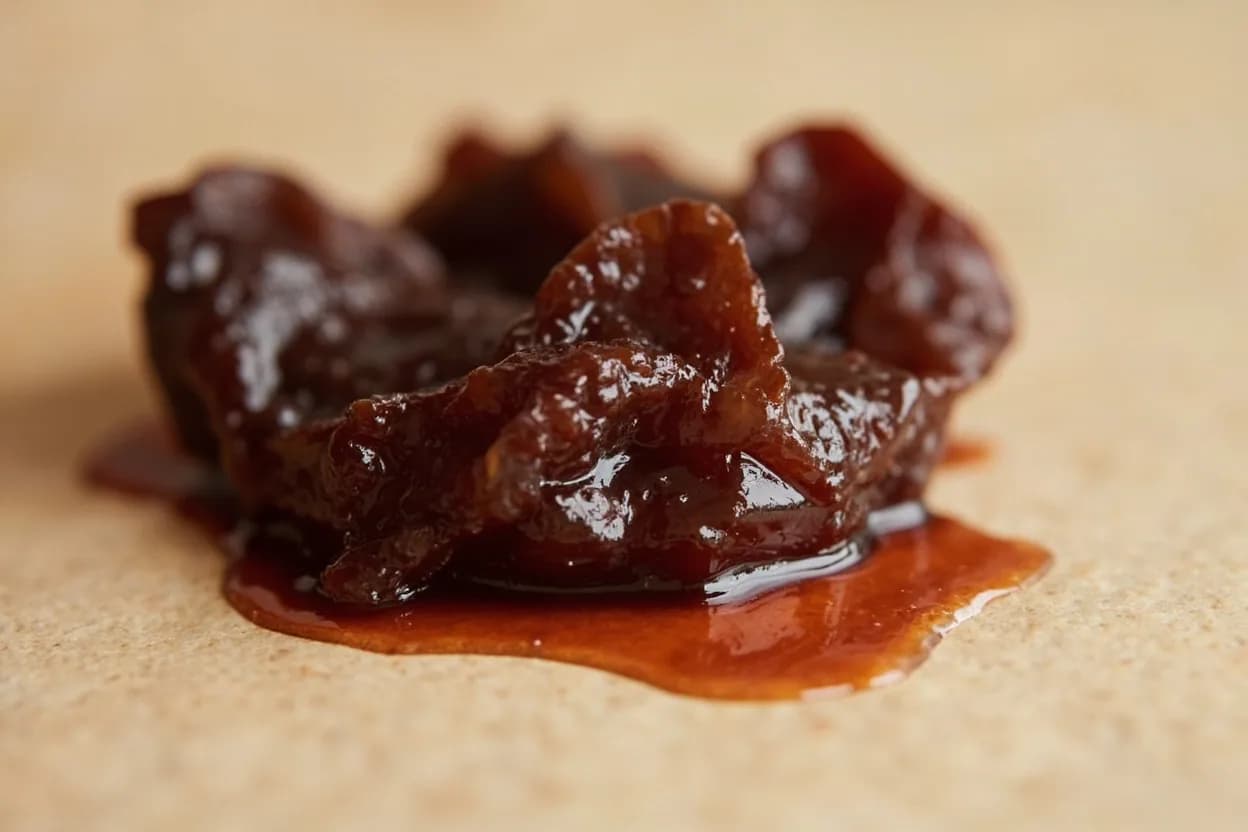
Dibs enab is a thick, dark syrup made by slow-reducing fresh grape juice until it reaches a deep, concentrated molasses-like consistency, typically around 70–75° Brix. Unlike pomegranate molasses, it retains the fruity sweetness of the grape alongside its tannins and a gentle tartness from tartaric and malic acids that survive concentration. The color ranges from deep amber to near-black depending on grape variety and reduction depth; flavor notes include raisin, dried fig, plum, leather, and a subtle wine-like fermentation echo. It is used throughout the Levant (Lebanon, Syria, Palestine, Jordan) as a sweetener, dip, dressing component, and marinade base — one of the oldest concentrated sweeteners in the Mediterranean world, predating cane sugar by millennia.
In photos
Flavour profile
Classic pairings
- TahiniLebanese / Palestinian / Syrian
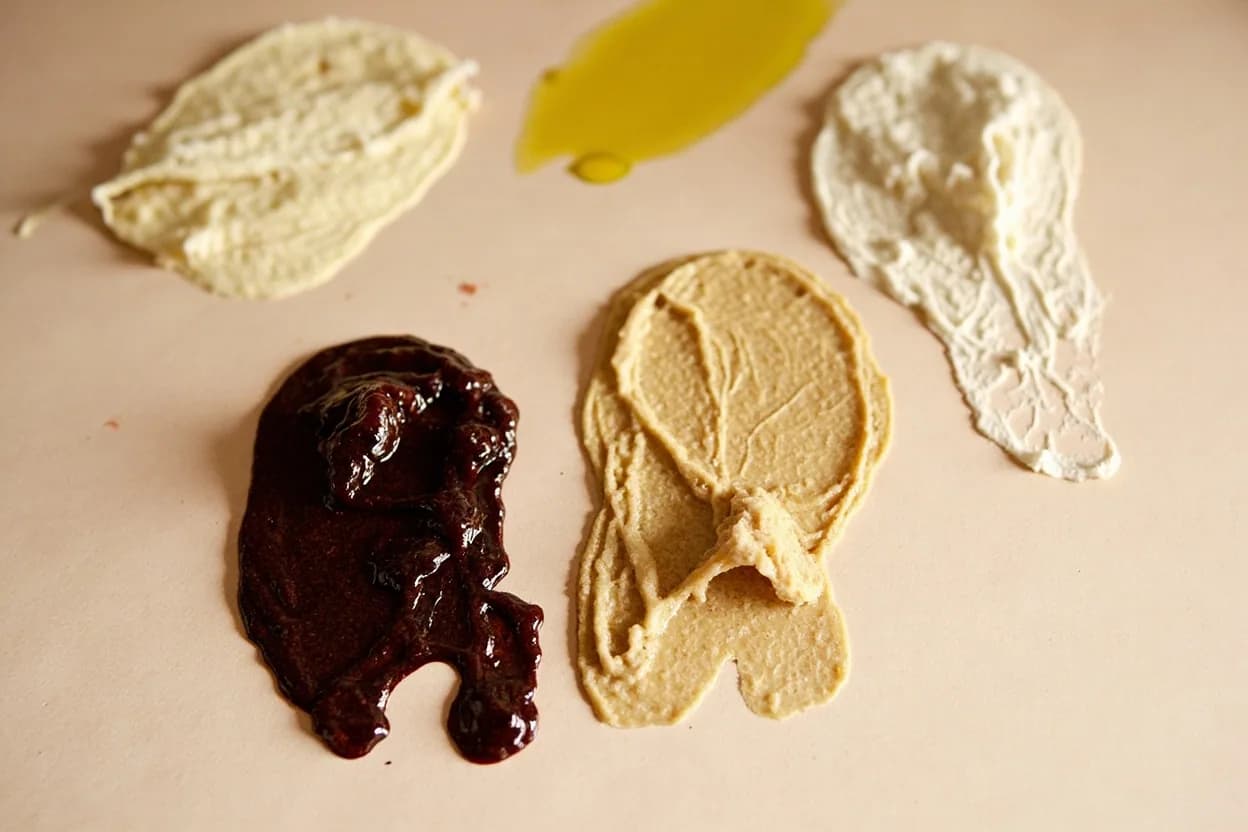
Dibs wa tahini — grape molasses drizzled over tahini — is one of the oldest Levantine breakfast combinations; the sesame paste's bitter, nutty fat absorbs the grape sweetness into a caramel-like spread.
- Labneh (strained yogurt)Levantine
The tartness of labneh and the sweet-acid of grape molasses are complementary rather than duplicative; drizzled over labneh with olive oil, this is a canonical Levantine breakfast and mezze table staple.
- Olive oilLebanese / Syrian
The triad of grape molasses + olive oil + za'atar appears across Levantine tables as a bread dipper — the fat rounds the sweetness and carries its flavor across the palate.
- WalnutsLevantine / Turkish (pekmez tradition)
Walnuts soaked or poated in grape molasses (dibs wa jawz) is a traditional sweet-savory preparation; the tannins in both align and the bitter nut fat offsets the syrup's sweetness.
- LambLevantine / Jordanian
Used as a glaze or marinade component on slow-roasted lamb, grape molasses caramelizes into a lacquer that echoes the meat's natural sweetness while the residual acidity cuts fat.
- Flat white cheeses (akkawi, nabulsi)Palestinian / Lebanese
Salty, mild fresh cheeses that need a sweet foil are the natural canvas for grape molasses — the salt-sweet contrast is stark and satisfying.
Adventurous pairings
- Dark chocolate (70%+)
Grape molasses's raisin-wine depth resonates with chocolate's own fermentation aromatics; blended into a truffle ganache or used as a glaze, the two create a dried-fruit, wine-adjacent confection.
- Duck breast
The acid-sweetness of grape molasses mimics a classic gastrique reduction; brushed over seared duck, it caramelizes beautifully and the tartaric acid cuts through subcutaneous fat.
Pan-fried halloumi glazed with grape molasses develops a caramelized crust with a sweet-salty contrast that bridges Levantine cheese tradition and modern mezze creativity.
- Cardamom
Green cardamom's floral, camphor-forward warmth lifts grape molasses out of its raisin register into something more aromatic and perfumed — used together in Levantine sweets and drinks.
Both provide tartness (malic/citric from sumac, tartaric from grapes) but with different aromatic profiles; combining them in a salad dressing or meat glaze creates a layered, distinctly Levantine acidity.
Tread carefully
- Delicate raw fish (sashimi, ceviche-style preparations)avoid
Grape molasses's concentrated sweetness and dark, fermented notes are too dominant for subtle raw seafood — the molasses erases rather than elevates.
- Very light floral desserts (elderflower panna cotta, jasmine jelly)avoid
Grape molasses's tannin and dark-fruit intensity overwhelms delicate floral preparations; use orange blossom water or a light fruit syrup instead.
How to use it
- Drizzle over tahini and labneh for the canonical Levantine breakfast dip without further preparation
- Whisk 1 part grape molasses with 3 parts olive oil and a pinch of sumac for a Levantine vinaigrette — no additional acid needed
- Glaze grilled meats in the final 5 minutes: brush on and let the sugars caramelize without burning
- Reduce further with whole spices (cinnamon, cardamom, clove) to make a concentrated dessert sauce for ice cream or rice pudding
- Use as a 1:1 replacement for pomegranate molasses where a sweeter, less tart result is desired
Appears in
Related flavours
The closest Levantine analog — similarly thick and tart but with pomegranate's brighter, more acidic fruit character rather than grape's winey depth
Another ancient Levantine tree-fruit reduction with similar sweetness and dark color; often used interchangeably in traditional recipes
The canonical pairing partner — grape molasses and tahini are served together so frequently in the Levant they function as a single condiment
A richer, more caramel-forward alternative; the two can often substitute for one another in dips, marinades, and pastry
References
- 1.Zaitoun: Recipes from the Palestinian Kitchen — Yasmin Khan
- 2.Jerusalem — Yotam Ottolenghi & Sami Tamimi
- 3.The Lebanese Kitchen — Anissa Helou
- 4.Arabesque — Claudia Roden
- 5.Feast: Food of the Islamic World — Anissa Helou
Confidence: high
Notes
Distinction from carob and pomegranate molasses
Dibs enab (grape) is often confused with dibs kharroub (carob molasses) and pomegranate molasses in translation. All three are thick, dark, sweet-tart syrups used similarly in the Levant, but their flavor profiles differ substantially. Grape molasses is winey, raisin-deep, and mildly tart. Carob molasses is earthier, slightly bitter, and chocolate-adjacent. Pomegranate molasses is the most aggressively tart and fruity of the three. They are not freely interchangeable without affecting the dish's character.
Historical depth
Grape reductions have been produced in the Levant and Mediterranean for at least 3,000 years. The Roman defrutum and sapa (grape must reduced to half and one-third volume respectively) were used as sweeteners across the Roman world before cane sugar became widely available. Modern dibs enab is a direct descendant of this tradition, still produced domestically by many Levantine families in autumn from surplus harvest.