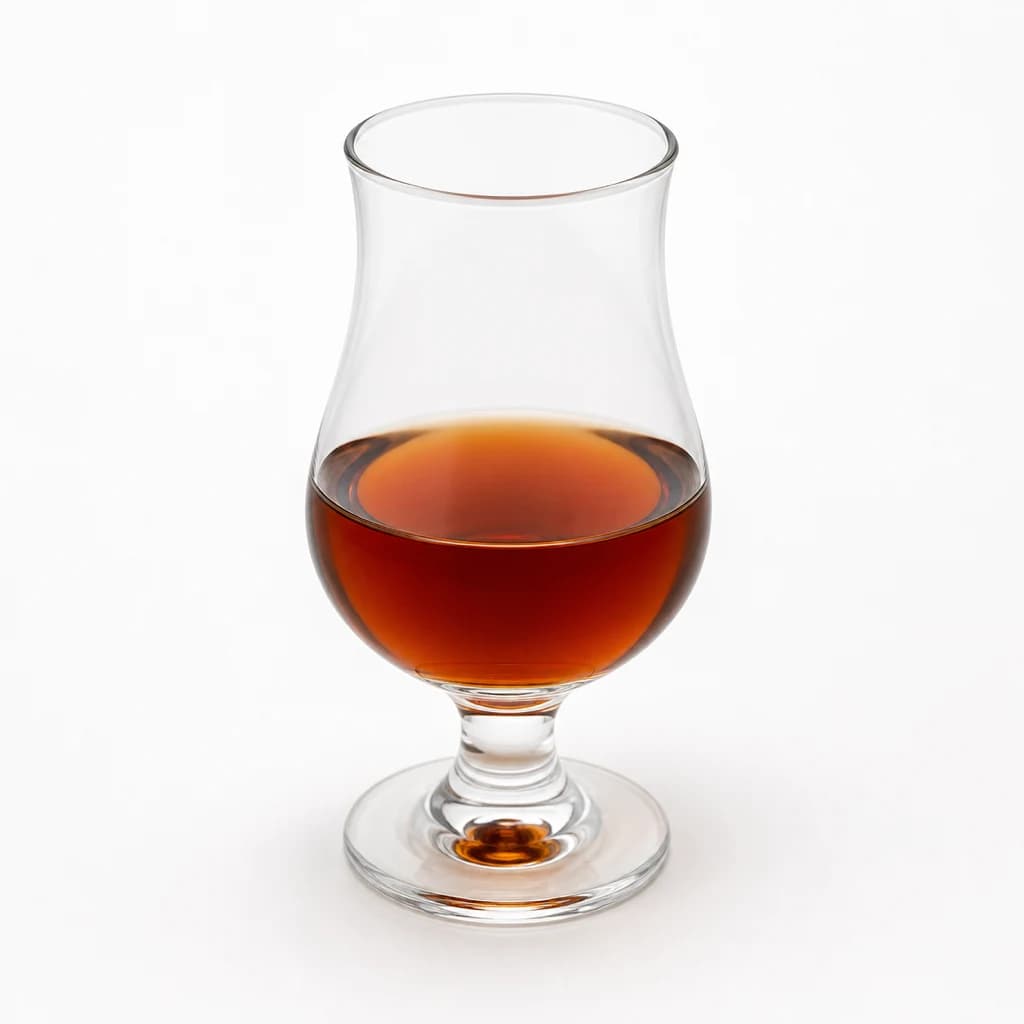
Natural form
Amaro served neat in a small stemmed glass, showing its deep amber color.
Shows the beverage in its most common presentation, teaching color, clarity, and serving format.
Beverages
Amaro
Herbal, bittersweet digestif for sipping after dinner
A complex, herbal Italian digestif, amaro sips neat after a meal to settle the stomach and adds depth to a stirred cocktail. Each brand is its own botanical recipe. Keep it at room temperature.
Amaro (Italian for 'bitter') is a family of herbal liqueurs made by infusing spirit with a secret blend of herbs, roots, barks, and citrus, then sweetening to balance the bitterness. Styles range from gently sweet and orange-y (Averna, Montenegro) to fiercely medicinal (Fernet-Branca), all sharing a complex bittersweet, aromatic backbone of gentian, rhubarb, cinchona, and warm spice. Traditionally a digestivo after the meal, amaro in the kitchen lends remarkable depth — its layered bitterness deepens braises, glazes, chocolate desserts, and reductions in a way little else can.
- Measured in
- ml
- Storage
- Room Temperature
Find it in
Types & varieties
Gentle, sweet, orange-caramel — easy cooking
Grappa-based, refined
Intensely bitter, mentholated — use sparingly
How to use in cooking
Amaro's herbal bitterness adds savory depth. A splash in a beef or short-rib braise reads like extra complexity from herbs and spice; reduced into a glaze it balances rich meats; folded into chocolate desserts it cuts sweetness with sophistication. Use the gentler amari (Averna, Montenegro) freely; deploy intense ones like Fernet by the teaspoon.
How to choose
Lighter amari (Averna, Nonino, Montenegro) are orange-caramel and approachable — good all-rounders. Fernet and other 'amaro alpino' styles are mentholated and medicinal — powerful seasonings. Match the amaro's spice profile to the dish.
Common uses
Tips & pitfalls
- Start small — bitterness concentrates as it reduces.
- Gentle amari (Averna) are the easiest to cook with.
- Fernet is intense — use teaspoons, not glugs.
- Pairs beautifully with dark chocolate and orange.
Nutrition
Nutrition
No USDA FoodData Central match for Amaro yet. We surface a per-100 g profile once a generic whole-food entry is matched and verified.
In the shops
Matched grocery products
No matched grocery products for Amaro yet.
Good to know
- Flavor
- Bittersweet, herbal, root-and-spice, complex
- Use in cooking
- Braises, glazes, chocolate desserts, reductions
- Alcohol?
- Yes — ~16–40% ABV (style-dependent)
- Substitute base
- Aperitivo bitter, or bitters + a touch of sweet vermouth
- How to store
- Room temperature, sealed; very stable
Substitutes
- Aperitivo bitter (Campari) — Shares the bittersweet, herbal backbone
- Sweet vermouth + aromatic bitters — Approximates the herbal sweetness
- Strong herbal tea + bitters — Non-alcoholic: herbal bitterness without spirit
Also called
amaro · digestif · licor amargo
Related

White Rum
Light, clean rum for mojitos, daiquiris, and piña coladas

Dark Rum
Rich, molasses-deep rum for tiki drinks and sipping
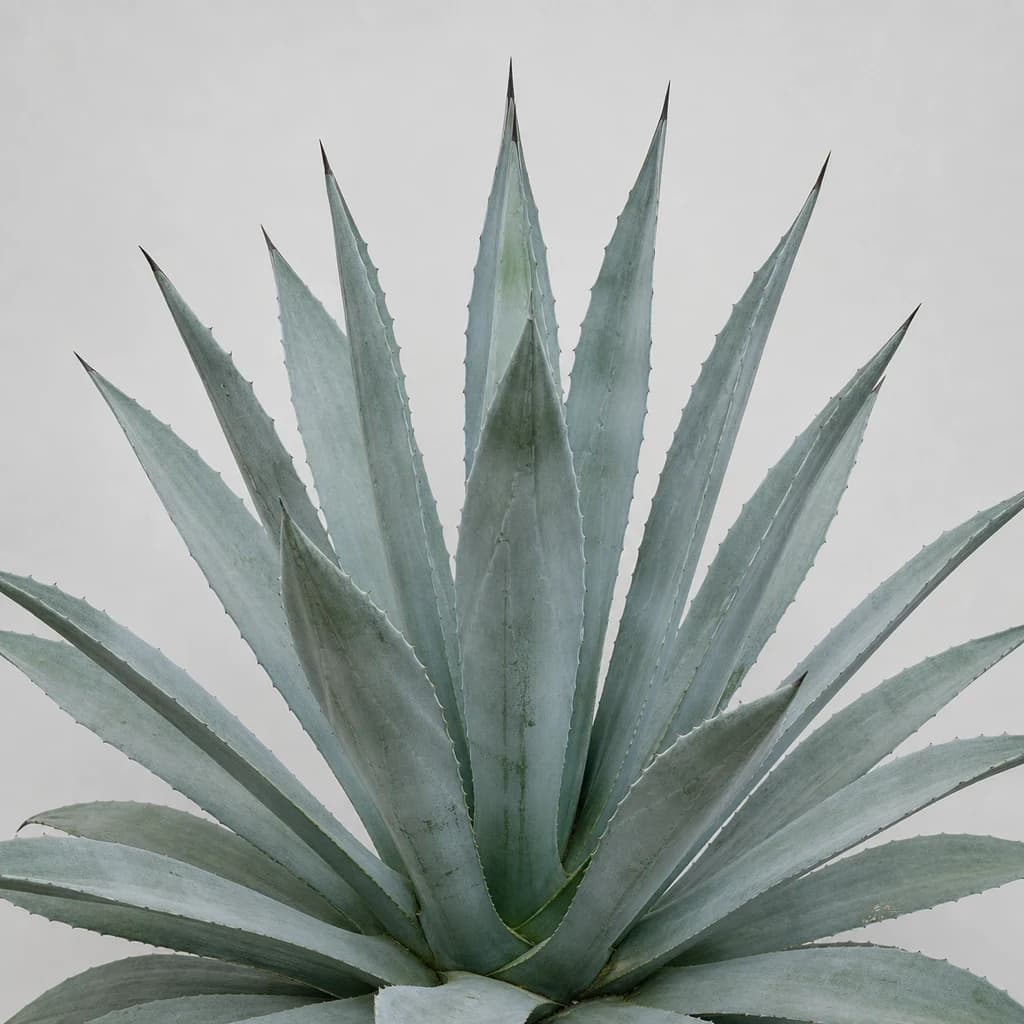
Tequila
Bright agave spirit for margaritas, palomas, and shots
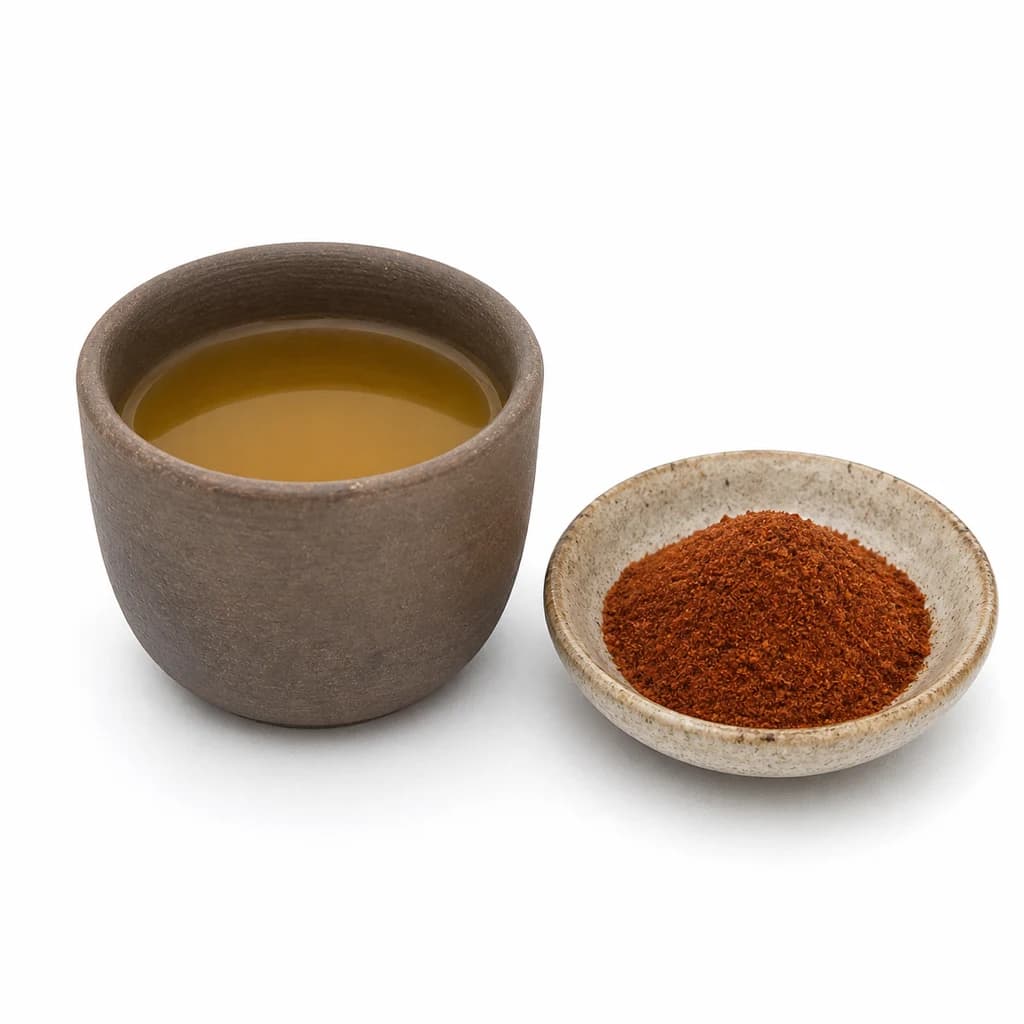
Mezcal
Smoky agave spirit for sipping and smoldering cocktails
Vodka
Clean, neutral spirit for mixing into almost any cocktail
Gin
Botanical, juniper-forward spirit for G&Ts and martinis
Whisky
Warm, oak-aged spirit for sipping and classic cocktails

Brandy
Rich, fruity grape spirit for sipping, sauces, and flambé