Baking
Baursak Dough
Enriched yeasted Central Asian dough cut and deep-fried into puffy baursak fritters.
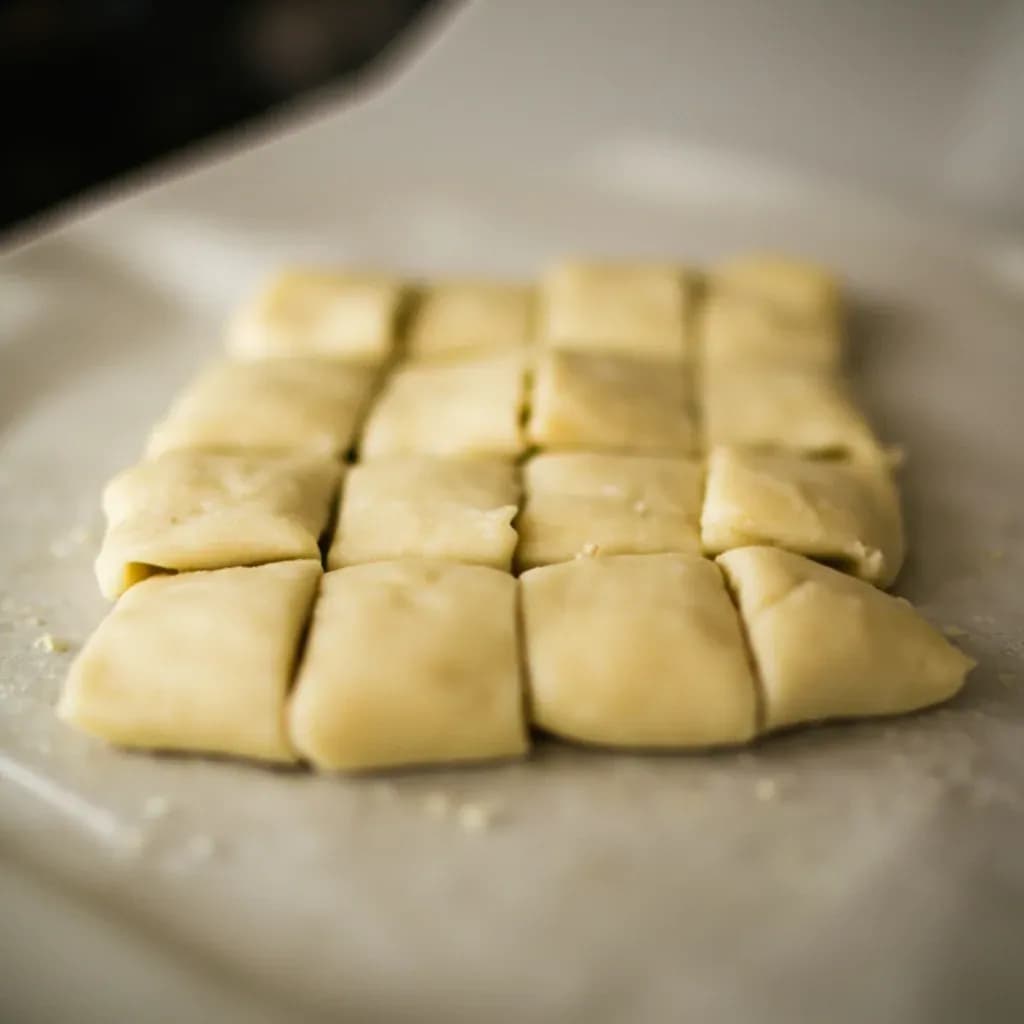
Baursak dough is a soft, lightly enriched yeasted wheat dough used across Kazakhstan and Central Asia. It is cut into squares or diamonds and deep-fried into puffy golden baursak, served with tea, honey or alongside meals at celebrations. The dough often includes milk, egg and a little sugar for a tender, airy fry.
Baursak dough is a richly enriched yeasted dough that, when cut and deep-fried, produces the beloved Central Asian fritters known as baursak. What distinguishes it from simple unleavened fried doughs—such as funnel cake or churros—is the yeast, which creates a light interior crumb with characteristic hollow pockets, giving baursak its airy, pillowy texture rather than a dense or bready character. The enrichment with eggs, dairy (milk or yogurt), and fat (butter or oil) adds richness, promotes golden browning, and contributes to the tender, almost cake-like interior. The dough behaves predictably under heat: as the yeast gases expand during frying and moisture turns to steam, the dough puffs dramatically, especially when cut into small, uniform pieces that allow even heat penetration. Traditionally, baursak holds deep cultural significance across Kazakhstan, Kyrgyzstan, Uzbekistan, and Turkmenistan—it appears at tea ceremonies, celebrates weddings, marks the Nauryz New Year, and honors guests as a symbol of hospitality. Its preparation is a communal act, often made in large batches, and eating it connects one to centuries of Central Asian culinary tradition.
- Measured in
- g
- Storage
- Fridge
Allergens
Types & varieties
Typically larger diamond or irregular pieces; richer, often with more eggs and yogurt in the dough
Similar to Kazakh; traditionally served in larger pieces during feasts
Ranges from small bite-sized cubes to larger pieces; sometimes slightly sweeter
Often made with yogurt in the dough; yields a slightly tangy flavor
Common uses
Tips & pitfalls
- Ensure milk or yogurt is lukewarm—not hot—when mixing with yeast to avoid killing the culture; ideal temperature is 38–43°C (100–110°F)
- Let the dough rise until doubled, typically 1–2 hours at room temperature; a slow, cool rise develops flavor better than a rushed one
- Roll dough to an even thickness of about 1–1.5 cm for uniform frying; uneven thickness causes some pieces to burn before others cook through
- Cut dough with a sharp knife or pizza wheel into consistent diamond or square pieces; ragged edges prevent even browning
- Heat frying oil to 175–185°C (350–365°F) and use a thermometer for accuracy—too cool yields greasy, pale fritters; too hot burns the outside before the interior cooks
- Fry in small batches to maintain oil temperature; crowding drops the temperature and results in uneven, soggy baursak
- Drain fried baursak on a wire rack or paper towels—never pile them in a bowl while hot, or they become soggy from trapped steam
- For extra-light baursak, add a tablespoon of vodka or extra oil to the dough; the alcohol creates steam and can promote greater puffiness
- Let cut pieces rest 10–15 minutes before frying; skipping this resting period produces denser, less airy fritters
- Avoid using too much flour on the work surface—excess flour seals the dough surface and prevents proper expansion during frying, resulting in tough rather than light fritters
Nutrition
Nutrition
No USDA FoodData Central match for Baursak Dough yet. We surface a per-100 g profile once a generic whole-food entry is matched and verified.
In the shops
Matched grocery products
No matched grocery products for Baursak Dough yet.
Good to know
- Origin
- Kazakhstan, Kyrgyzstan, Uzbekistan, and Turkmenistan
- Type
- Enriched yeasted fried dough
- Leavening
- Instant or active dry yeast
- Enrichment
- Eggs, milk or yogurt, butter or oil
- Frying Temperature
- 175–185°C (350–365°F)
- Typical Yield
- 40–60 small pieces per standard batch
- Shelf Life
- Best eaten same day; up to 2 days stored airtight at room temperature
Substitutes
- Pillowy Fried Dough (Boortsagi) — Mongolian variant made with a similar enriched dough; behaves comparably in frying though may be slightly richer
- Zeppole or Funnel Cake Batter — Neither uses yeast, so they lack the characteristic hollow interior and light crumb of true baursak; only use in emergencies
Pairs with
Also called
Boortsog Dough
Related

All-Purpose Flour
The do-anything flour for bread, cakes, sauces, and dredging

Bread Flour
High-protein flour for chewy, well-risen breads
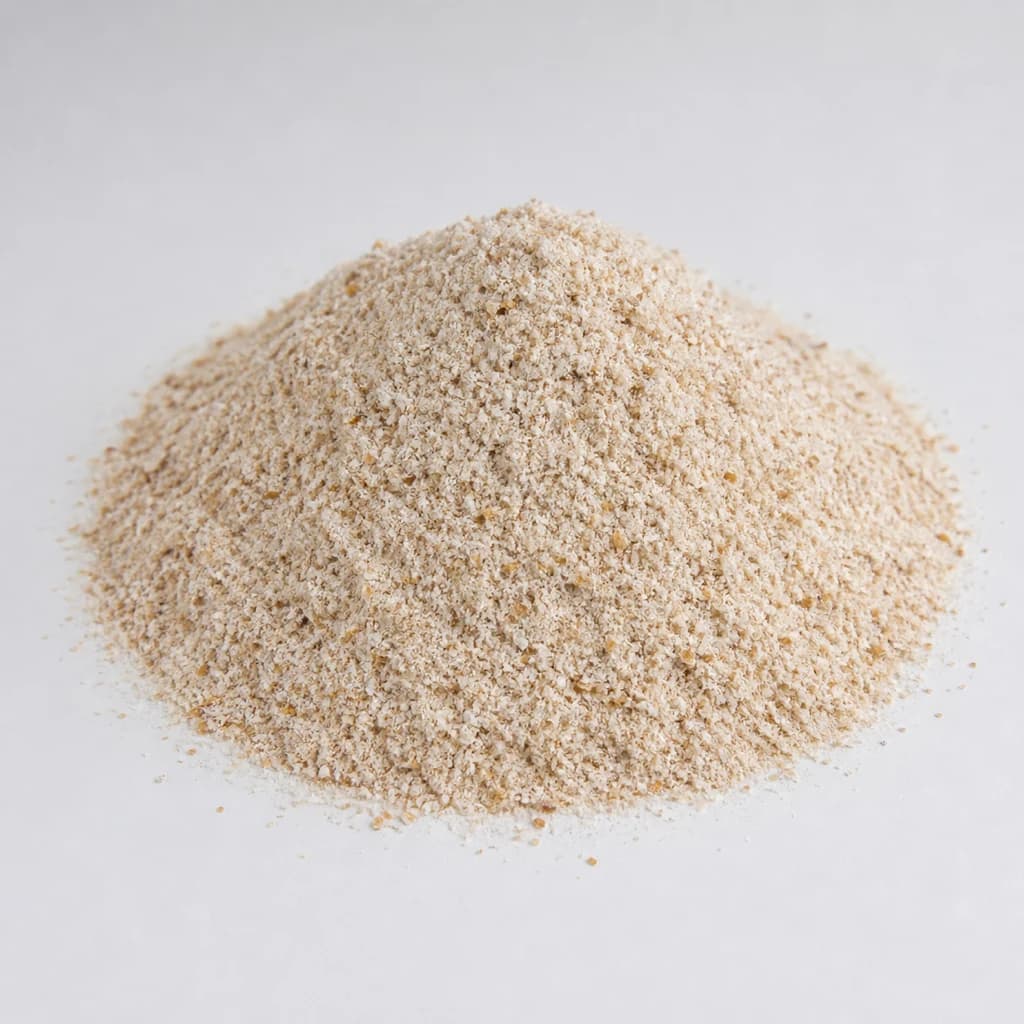
Whole Wheat Flour
Nutty, whole-grain flour for hearty breads and bakes
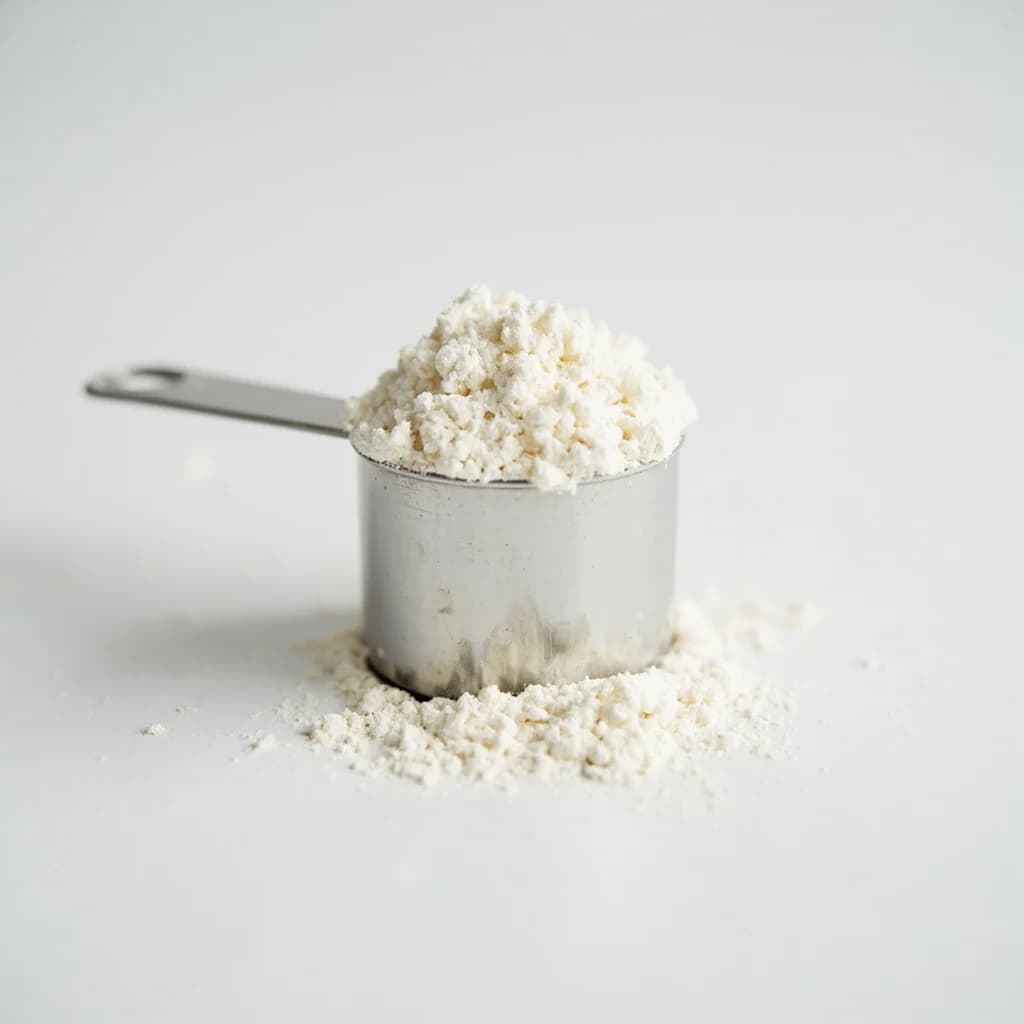
Cake Flour
Fine, low-protein flour for tender, delicate cakes
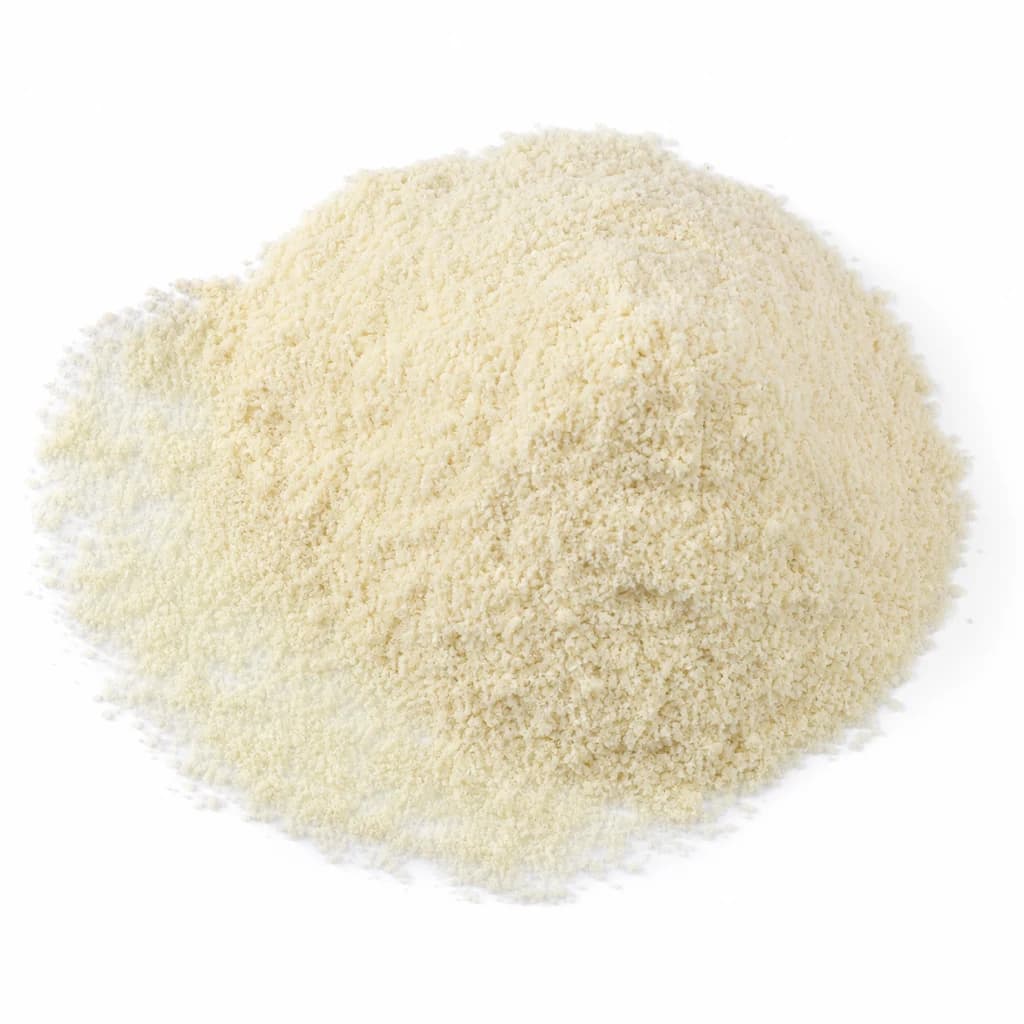
Almond Flour
Nutty, gluten-free flour for macarons and tender bakes

Baking Powder
All-in-one leavener for fluffy cakes, pancakes, and biscuits

Baking Soda
Pure leavener that needs acid to lift — and tenderize
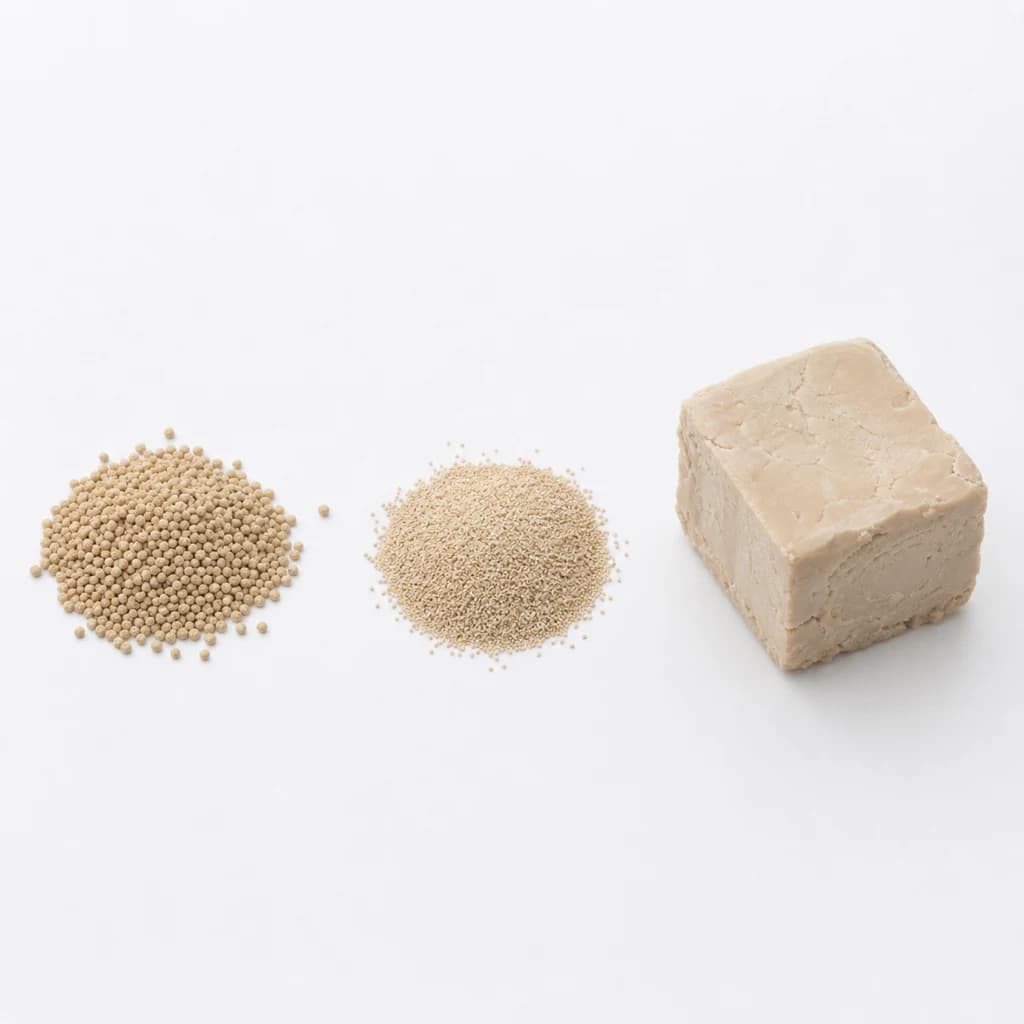
Yeast
Living leaven that makes bread rise and dough come alive