Natural form
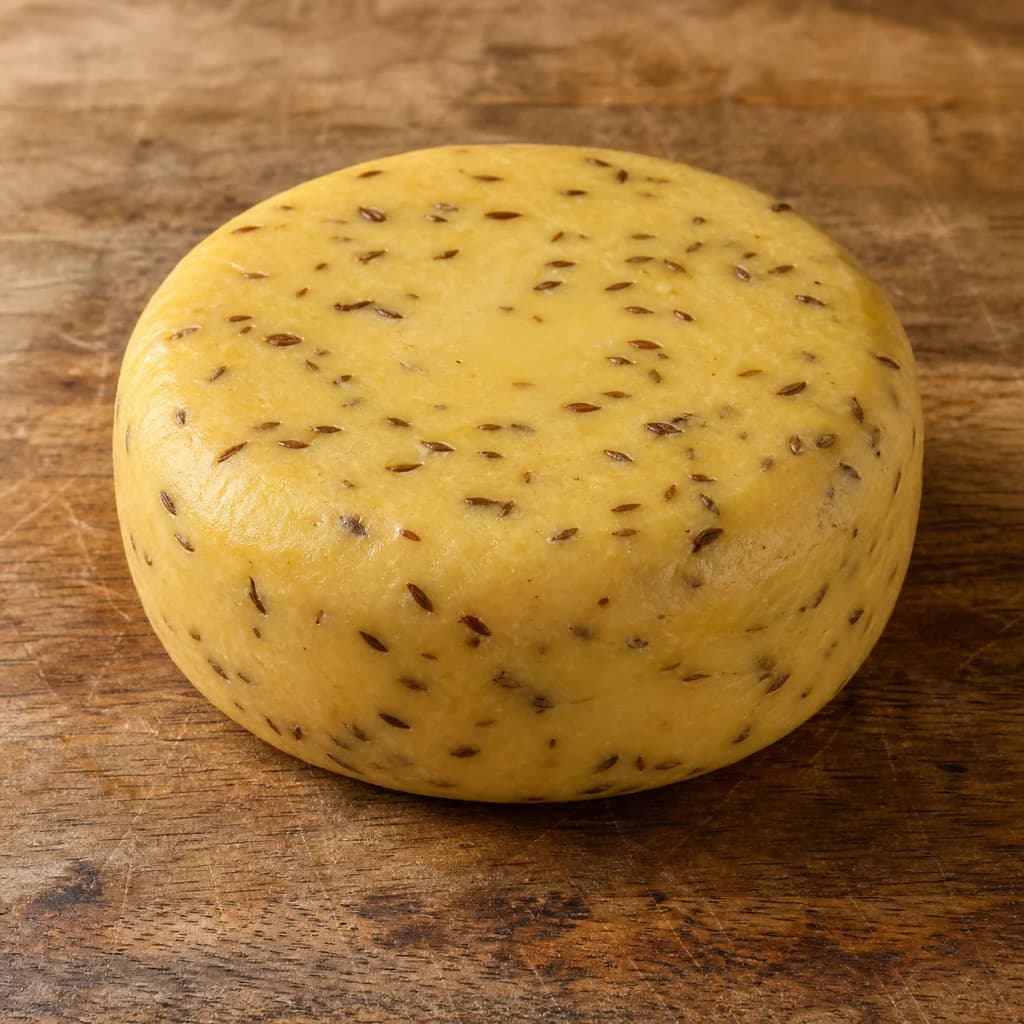
A whole wheel of Jāņu siers showing its golden-yellow rind and characteristic caraway seeds.
Shows the cheese in its complete, unmistakable form — the pale golden wheel with visible caraway seeds embedded throughout is the defining visual identity of this cheese.
Dairy & Eggs
Caraway Cheese (Jāņu Siers)
Latvian fresh caraway-studded cheese traditionally made for midsummer.
Jāņu siers is a Latvian fresh cheese made from curds and cottage cheese bound with eggs and butter and flecked with caraway seeds. It is firm, mild, and aromatic, traditionally prepared and eaten during the Jāņi midsummer celebration. It is sliced and served with bread and beer.
Jāņu siers is a fresh, unaged Latvian cheese distinguished by its liberal addition of caraway seeds — the defining and non-negotiable element that separates it from any ordinary fresh cheese. Made from cow's milk, traditionally unpasteurized when available, it ranges from soft to semi-firm in texture with a white-to-cream interior and natural or waxed rind. The flavor is milky and clean, with caraway providing aromatic, slightly nutty, cumin-like notes that become more pronounced as the cheese comes to room temperature. It is not aged, which means it lacks the complex development of hard cheeses; its charm lies in its freshness and the clean, bright contrast between dairy and spice.
This cheese is inseparable from Jāņi, the Latvian Midsummer celebration centered on the solstice (June 21–24). Production surges dramatically in the weeks leading up to the holiday, with small dairy farms and home producers making batches for local markets and family exchange. It functions as both centerpiece of the festive table and as a gift passed between households — a symbol of summer abundance, dairy fertility at peak grazing season, and community connection. The cheese represents abundance of the brief northern summer in a way that purely commercial, year-round production cannot fully capture. Commercial versions exist, but the most authentic expressions appear only in late June.
In use, Jāņu siers behaves like other fresh cheeses: it spreads more easily at room temperature, melts gently when heated, and dries out quickly once cut and exposed to air. Its moisture content varies by producer, which affects whether it is better suited for spreading or slicing. The caraway seeds can be distributed unevenly in handmade versions — a characteristic to embrace rather than avoid, as it indicates authenticity over industrial uniformity.
- Measured in
- g
- Storage
- Fridge
Allergens
Types & varieties
Plain caraway-studded fresh cheese, unsalted or lightly salted; the standard by which all others are judged
Cold-smoked over juniper branches; adds mild smoky depth that complements rather than overpowers the caraway
Some producers fold in dill, parsley, or black pepper; less traditional but increasingly common in modern production
Sourcing and Seasonality
The window for peak authenticity is narrow. Production surges in the two weeks before Jāņi, and the freshest, most characterful batches come from producers making cheese specifically for the holiday. Seek out farmers' markets, specialty Baltic food shops, or direct-from-farm sources in late June. Year-round commercial versions are serviceable but typically lack the vibrancy of seasonal batches. If purchasing from a grocery store, check the production date and avoid anything past five days old. Vacuum-sealed packages extend shelf life but often sacrifice the moist, giving texture of truly fresh cheese.
- Look for visible, whole caraway seeds — not just flecks or dust
- Avoid dry, crumbly, or overly firm cheese; it should give gently under light pressure
- Ask vendors about sourcing if possible; small-batch production is a reliable quality indicator
Common uses
Tips & pitfalls
- Authentic Jāņu siers has visible caraway seeds throughout — avoid versions with only flecks or caraway dust, which suggests industrial shortcuts
- The cheese should feel slightly moist and give gently under pressure; dry or crumbly texture indicates age or poor quality
- For the freshest, most authentic flavor, buy from producers making cheese specifically around the Jāņi week (June 20–25)
- If smoked, the juniper notes should be subtle and integrated — an overpowering smoky flavor means the caraway has been lost
- Bring to room temperature before serving; cold fresh cheese mutes the caraway aromatics and tightens the texture
- Use immediately after cutting — like most fresh cheeses, it dries out and oxidizes quickly once exposed to air
- When spreading on bread, apply a thin layer under butter rather than mixing them together; this lets the caraway flavor come through more clearly
- Do not simply crumble ordinary cheese and add seeds as a shortcut — true Jāņu siers is made by incorporating caraway into the curd before molding, allowing proper distribution and flavor integration
Nutrition
Energy
1573 kJ · per 100 g
Where the calories come from
Protein
25.2g
50% DV
Carbs
3.1g
1% DV
Fat
29.2g
37% DV
Fiber
0g
0% DV
Sodium
690mg
30% DV
Source · USDA FoodData Central · Cheese, caraway
View on FDC →In the shops
Matched grocery products
No matched grocery products for Caraway Cheese (Jāņu Siers) yet.
Good to know
- Origin
- Latvia — traditional to Jāņi (Midsummer) celebrations, June 21–24
- Milk
- Cow's milk, traditionally unpasteurized when available
- Type
- Fresh, unaged cheese; soft to semi-firm texture
- Key Flavoring
- Caraway seeds (ķimenes) — essential and non-negotiable
- Other Additions
- Salt; sometimes lightly cold-smoked over juniper branches
- Shape
- Traditional round loaves of various sizes
- Color
- White to cream interior, natural rind or waxed
- Shelf Life
- Refrigerate; best within 5–7 days for fresh versions
Substitutes
- Estonian köömnejuust — Similar caraway-studded fresh cheese from neighboring Estonia; nearly identical in flavor and texture — the closest equivalent and often interchangeable
- German Kümmelkäse — German fresh cheese with caraway; typically firmer in texture but acceptable substitute for spreading or slicing
- Sautéed fresh farmer's cheese + caraway seeds — Crumble fresh farmer's or pot cheese, mix in 1–2 tsp caraway seeds per cup, and let rest refrigerated overnight; not an exact match but the closest achievable homemade option
Pairs with
Also called
Jāņu Siers · Latvian Caraway Cheese
Related

Whole Milk
Rich, full-fat milk for drinking, coffee, sauces, and baking
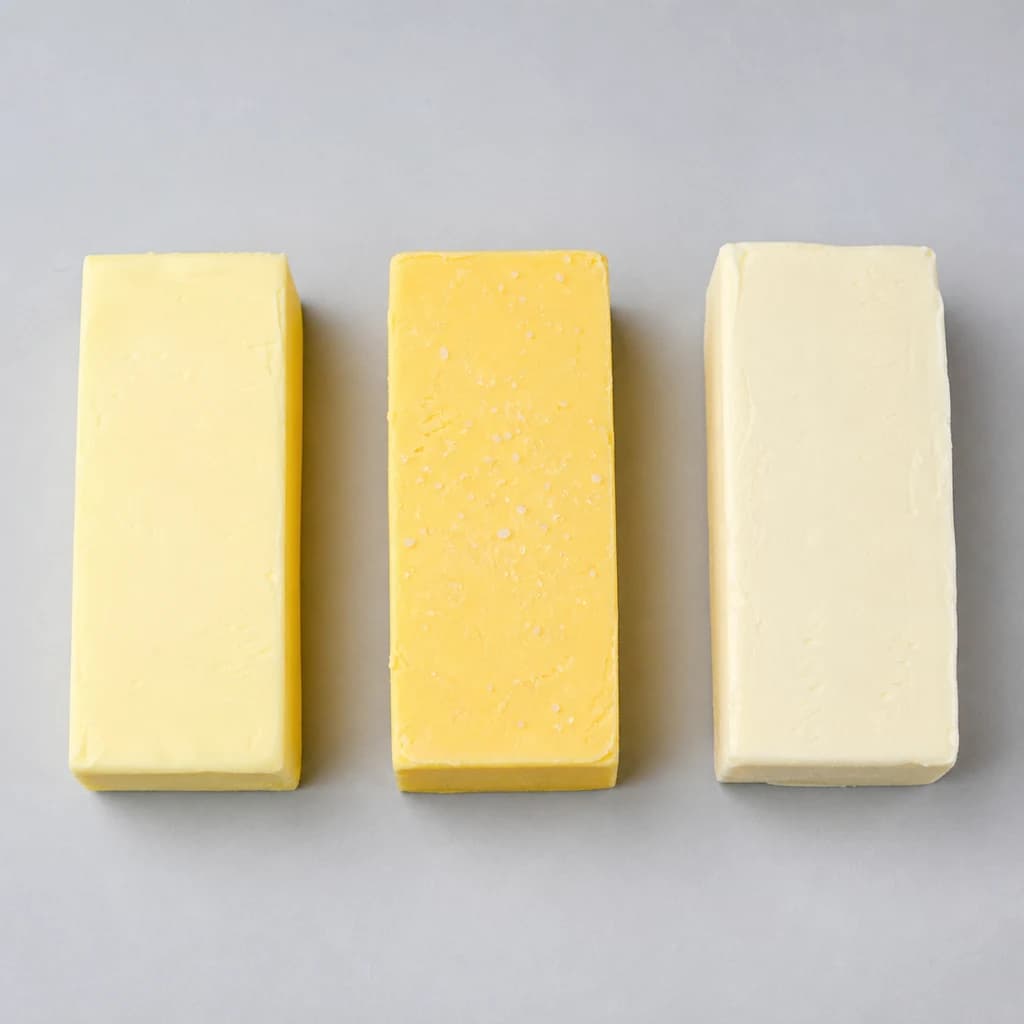
Butter
Golden fat for searing, baking, and finishing a sauce
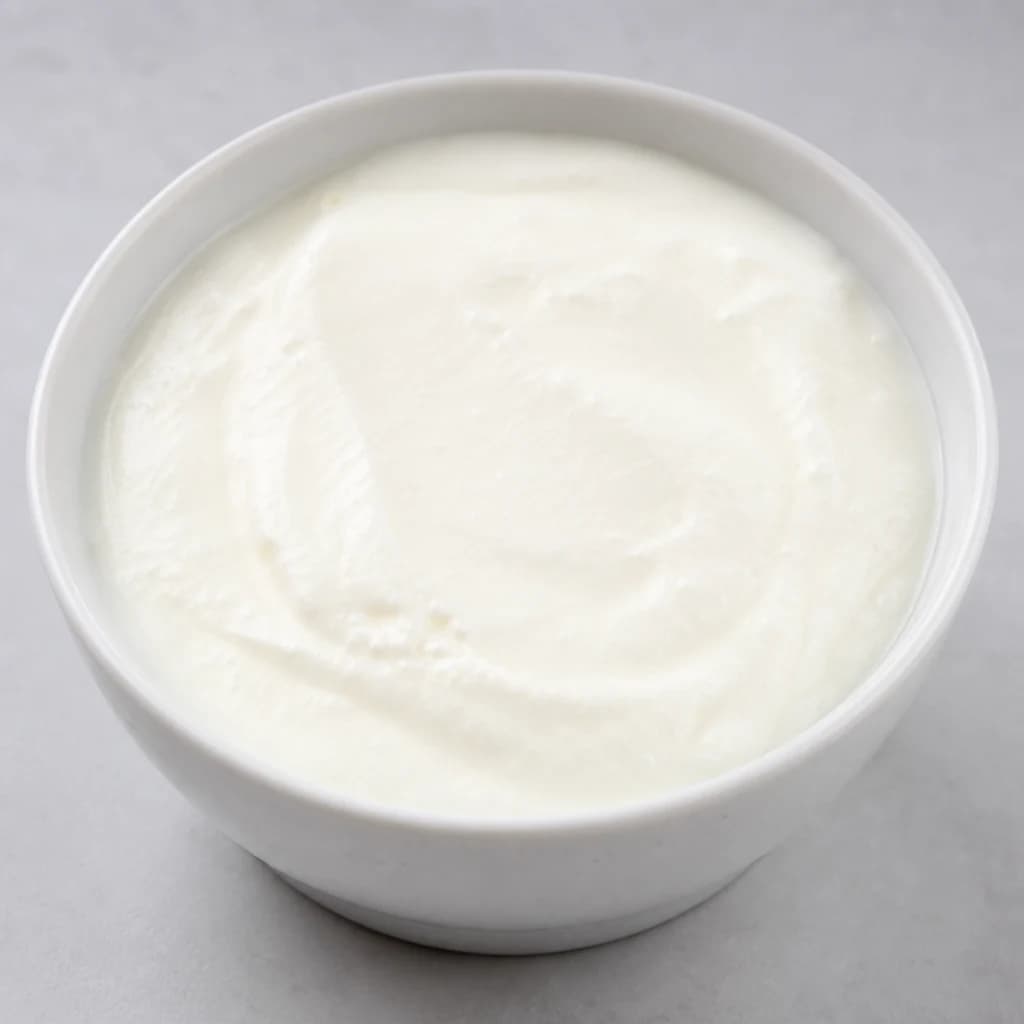
Yogurt
Tangy, creamy culture for breakfast, sauces, and marinades
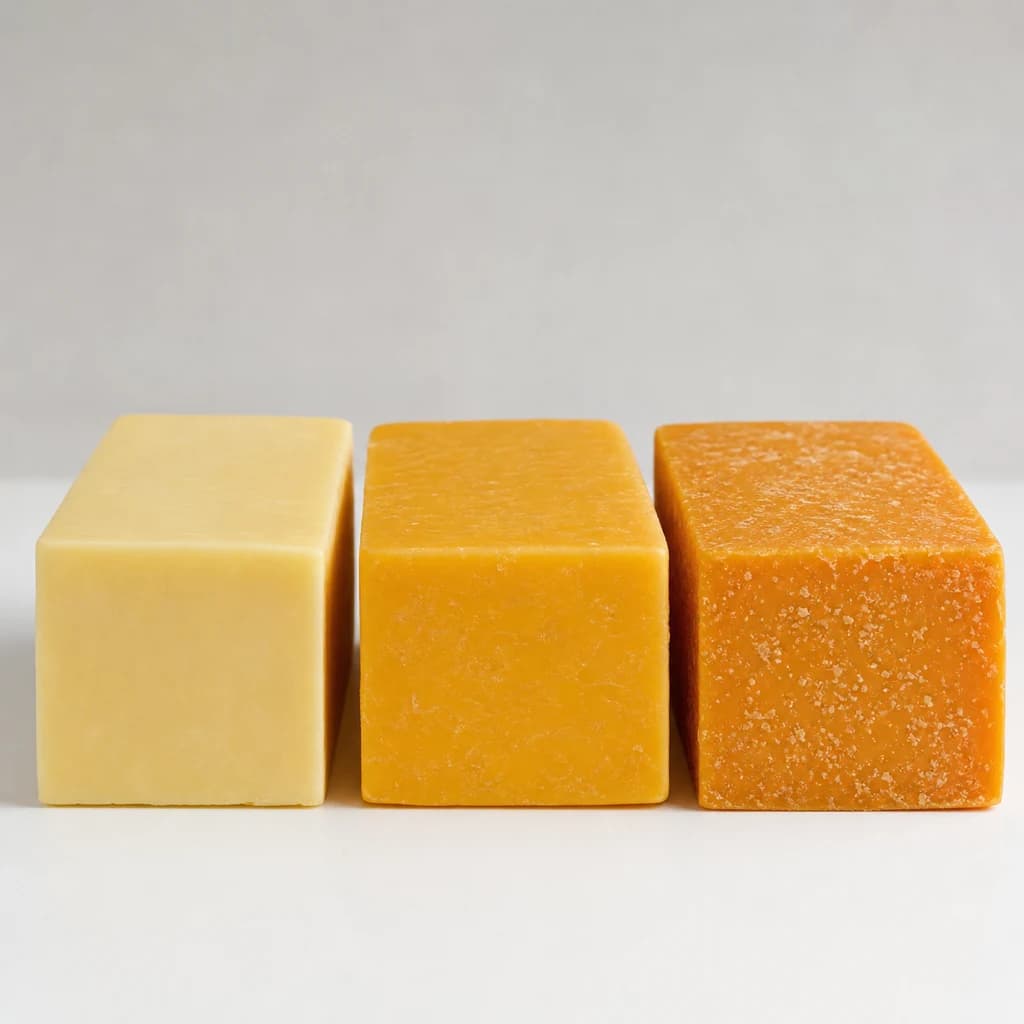
Cheddar Cheese
Sharp, melty cheese for sandwiches, gratins, and grating

Skim Milk
Fat-free milk for lighter drinking, coffee, and cooking
Heavy Cream
Rich cream that whips, enriches sauces, and sets ganache

Sour Cream
Tangy, thick cream for dolloping, baking, and dips
Mozzarella
Soft, milky cheese that melts into stretchy pizza pulls