Sweeteners
Corn Syrup
A glucose syrup that resists crystallizing, so it keeps caramels, pecan pie, and candy smooth and glossy and adds chew without graininess.
Corn syrup is a thick, viscous sweetener made by hydrolyzing corn starch into its component sugars — mostly glucose, with smaller amounts of maltose and longer-chain oligosaccharides dissolved in about 20 to 24 percent water. That mixture of molecule sizes is the whole point of the ingredient: when corn syrup is boiled with sucrose (table sugar), the different chain lengths physically interrupt the formation of sugar crystals, keeping the syrup smooth, glossy, and pourable. Cooks call this the 'doctoring' effect, and it is the reason corn syrup appears in recipes where graininess is the enemy — caramels, fudge, fondant, and glossy pie fillings.
In American kitchens, the workhorse is light corn syrup: clear, colorless, and mildly sweet, with no off-flavors. Dark corn syrup is light corn syrup blended with refiner's syrup, a cane-sugar byproduct that contributes color and a faint, butterscotch-like depth; it is the right choice when you want the syrup to read as a flavor, not just a texture helper. In Europe and in professional pastry kitchens, the same ingredient shows up as 'glucose syrup,' often graded by DE (Dextrose Equivalent); a DE of 30 to 40 corresponds closely to American light corn syrup, while higher-DE glucose behaves more like invert sugar and is used in sorbets and ice cream.
Corn syrup is not the same product as high-fructose corn syrup (HFCS). HFCS has been enzymatically treated to convert a portion of its glucose into fructose, making it noticeably sweeter and more prone to browning; it is the syrup of commercial beverages and processed foods. In home recipes, regular corn syrup can usually be replaced one-for-one with HFCS, but the reverse is a bad idea, because HFCS will oversweeten and over-brown whatever you are making.
- Measured in
- ml
- Storage
- Sealed At Room Temperature In The Pantry
Find it in
Suits
Types & varieties
Clear, colorless, and mildly sweet. The workhorse for caramel, fudge, pecan pie, frostings, and glazes where you want the texture benefits without color or added flavor.
Light corn syrup blended with refiner's syrup, a cane-sugar byproduct. Deeper amber color and a rounder, slightly butterscotch-like flavor. Use in gingerbread, baked beans, barbecue glazes, and sweet potato dishes.
The European and professional pastry term, sold in DE grades (30, 40, 60, and up). DE 30–40 is the equivalent of American light corn syrup; DE 60+ is closer to invert sugar and is used in sorbets and ice cream.
Corn syrup enzymatically treated to convert some glucose into fructose. Sweeter and more prone to browning; common in commercial beverages and processed foods. Not a one-for-one substitute for regular corn syrup in home recipes.
Dehydrated corn syrup used in powdered drink mixes, dry seasoning blends, and confectionery coatings where liquid sweetness is impractical.
The Doctoring Effect: Why It Works
When you cook sugar and water, the sucrose molecules want to lock into crystals as the syrup concentrates. Corn syrup gets in the way. Its mix of glucose, maltose, and longer oligosaccharides has a different shape and size than pure sucrose, and those foreign molecules lodge at the edges of growing crystals, slowing or stopping their growth entirely. The result is a syrup that stays liquid and glossy at concentrations where pure sugar would seize up.
This matters in three specific places. First, candy: a small amount of corn syrup in caramel, fudge, or fondant gives you a smooth, sliceable, professional texture instead of a sandy one. Second, frozen desserts: corn syrup lowers the freezing point of the mix, so ice cream stays scoopable and sorbets stay soft. Third, baked goods: a little corn syrup in cookie or cake batter holds onto moisture and slows staling, keeping the crumb tender for days.
Two practical consequences follow. Because corn syrup is already about 20 percent water, you do not need to add as much liquid to a recipe as you would for straight sugar. And because it interferes with crystallization, you can simmer sugar syrups with less risk of graininess creeping in from the pan walls — though brushing the pan walls with water during cooking is still a good habit.
Light vs Dark Corn Syrup
- Light: clear, neutral, mildly sweet. Use when you want the syrup's textural benefits without color or flavor — caramel, fudge, pecan pie, frostings, glazes for ham or vegetables.
- Dark: light corn syrup plus refiner's syrup (a cane-molasses byproduct). Deeper amber color and a rounder, slightly butterscotch note. Use in gingerbread, baked beans, barbecue glazes, and spiced sweet potato dishes.
- They are interchangeable in a pinch. To approximate dark from light, stir 1 to 2 tablespoons of molasses into 1 cup of light corn syrup before using.
- Don't overdo the molasses when faking dark — start with 1 tablespoon per cup of light syrup, taste, and add more only if needed. Molasses is potent and the flavor climbs quickly in baked goods.
Common uses
Tips & pitfalls
- If a caramel or candy turns grainy, the syrup crystallized on the side of the pan during cooking. Brush the pan walls with a wet pastry brush, or cover briefly to let steam wash crystals back down. Wiping the pan walls with a damp cloth before you begin prevents most of this trouble.
- Do not boil corn syrup in a reactive pan such as unlined copper or unlined aluminum; it can scorch and discolor. Stainless steel, enameled cast iron, or anodized aluminum is the right choice.
- When substituting corn syrup for sugar in a candy recipe, replace only about one-quarter of the sugar by weight; do not exceed one-third, or the candy will end up too soft and sticky to slice cleanly.
- Use a candy thermometer and trust the recipe's target temperature. Corn syrup does not change the final stages of sugar cooking — it changes the texture between them — so the temperature readings remain the most reliable cue for doneness.
- Measure sticky corn syrup cleanly by greasing or oiling the measuring cup, or, better, weigh it — about 21 grams per tablespoon. Candy and pie recipes are forgiving on sugar, but precision pays off in caramel and fudge.
- Store opened bottles upside down so the cap stays coated in syrup; otherwise the cap dries, seals shut, and the bottle becomes nearly impossible to open. Keep it in a cool, dark pantry — refrigeration is unnecessary and can cause the syrup to darken or crystallize.
- For vegan baking, check the label: most corn syrup is vegan, but a small number of brands use animal-derived processing aids during filtration.
Nutrition
Energy
1184 kJ · per 100 g
Where the calories come from
Protein
0g
0% DV
Carbs
76.8g
28% DV
Fat
0.2g
0% DV
Fiber
0g
0% DV
Sugars
76.8g
of which
Sodium
62mg
3% DV
Source · USDA FoodData Central · Syrups, corn, light
View on FDC →In the shops
Matched grocery products
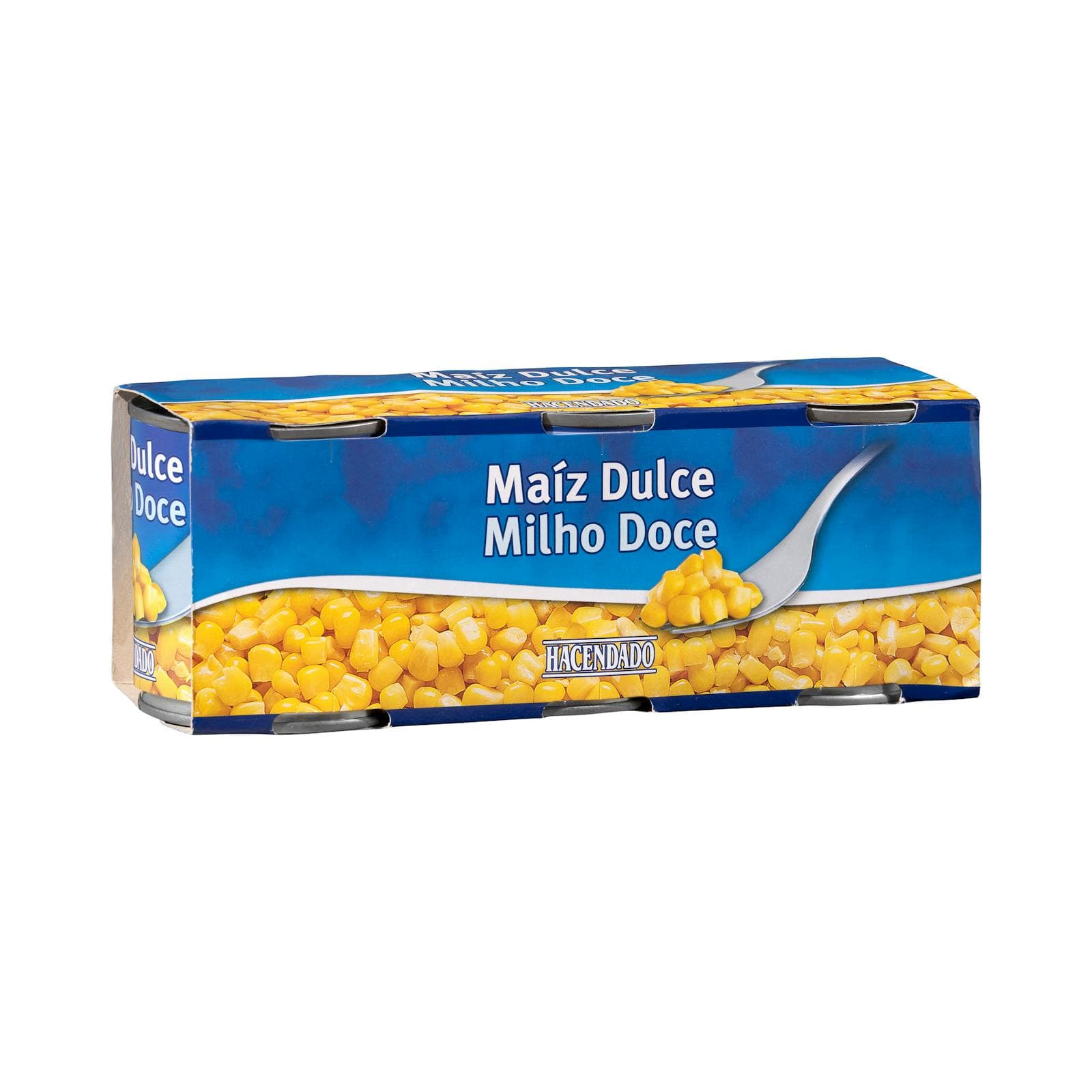 €1.55
€1.55Sweet Corn
Hacendado · 450 g · Mercadona
 €1.59
€1.59Sweet Corn Bonpreu
BONPREU · kg · Bonpreu
 €2.49
€2.49Sweet Corn Bonpreu
BONPREU · kg · Bonpreu
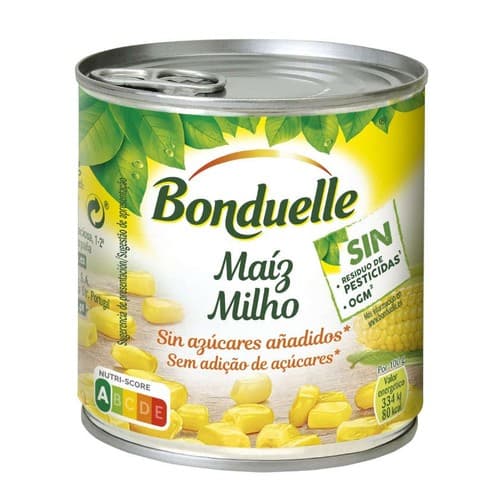 €1.99
€1.99Bonduelle Sweet Corn
BONDUELLE · kg · Bonpreu
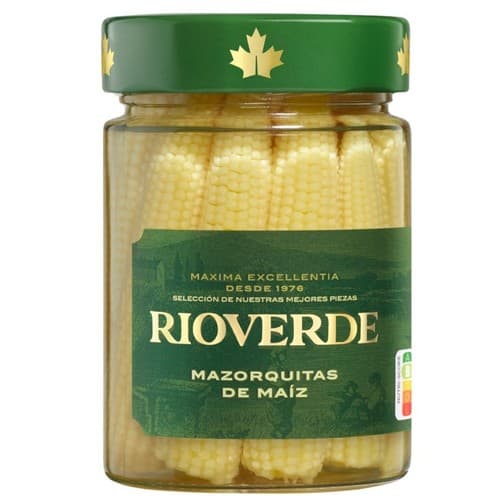 €2.99
€2.99Pickled Corn Kernels
RIOVERDE · kg · Bonpreu
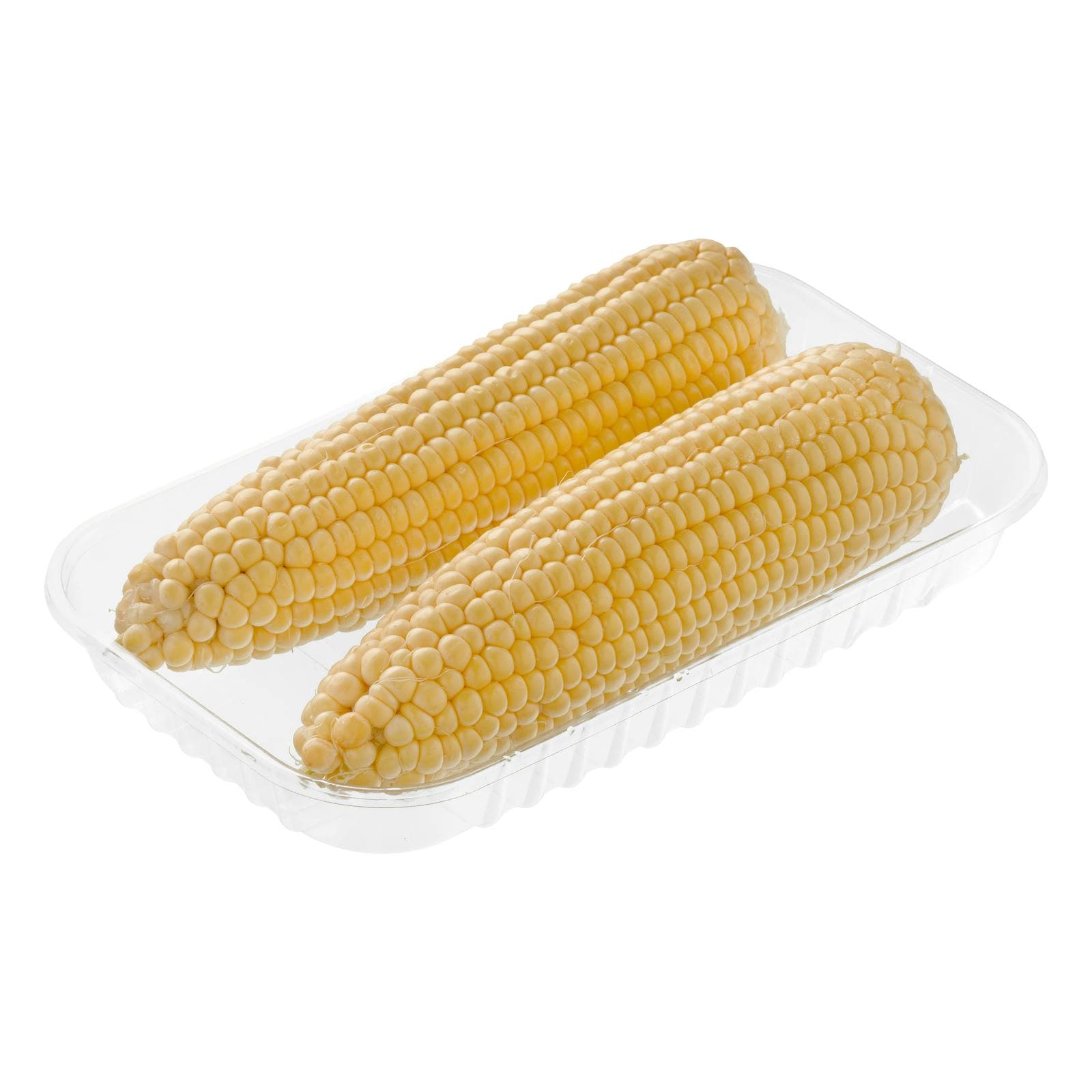 €3.15
€3.15Sweet Corn on the Cob
2 ud · Mercadona
Good to know
- Also known as
- Glucose syrup (UK/Europe); refiner's syrup (a related cane-sugar byproduct used in dark corn syrup)
- Source
- Corn (maize) starch, hydrolyzed by acid, enzymes, or a combination
- Composition
- Primarily glucose, maltose, and longer-chain oligosaccharides; not the same as high-fructose corn syrup
- DE (Dextrose Equivalent)
- Light corn syrup typically 28–38 DE; this value reflects reducing-sugar content and how much it interferes with sugar crystallization
- Solids content
- Approximately 76–80% (about 20–24% water)
- Calories
- About 62 kcal per tablespoon, similar to table sugar on a per-gram basis but denser by volume
- First commercial production
- United States, early 1900s; the Karo brand was introduced by Corn Products Refining Company around 1902
- Shelf life
- Unopened: essentially indefinite when sealed; opened: 6–12 months in a cool, dark pantry (it can mold if contaminated)
- Freezing point depression
- Lowers the freezing point of mixtures, which is why it is used in ice cream and sorbets to keep them scoopable
Substitutes
- Golden syrup (Lyle's) — The closest match in texture and neutral sweetness. A 1:1 swap works well in caramel, pecan pie, and brittles.
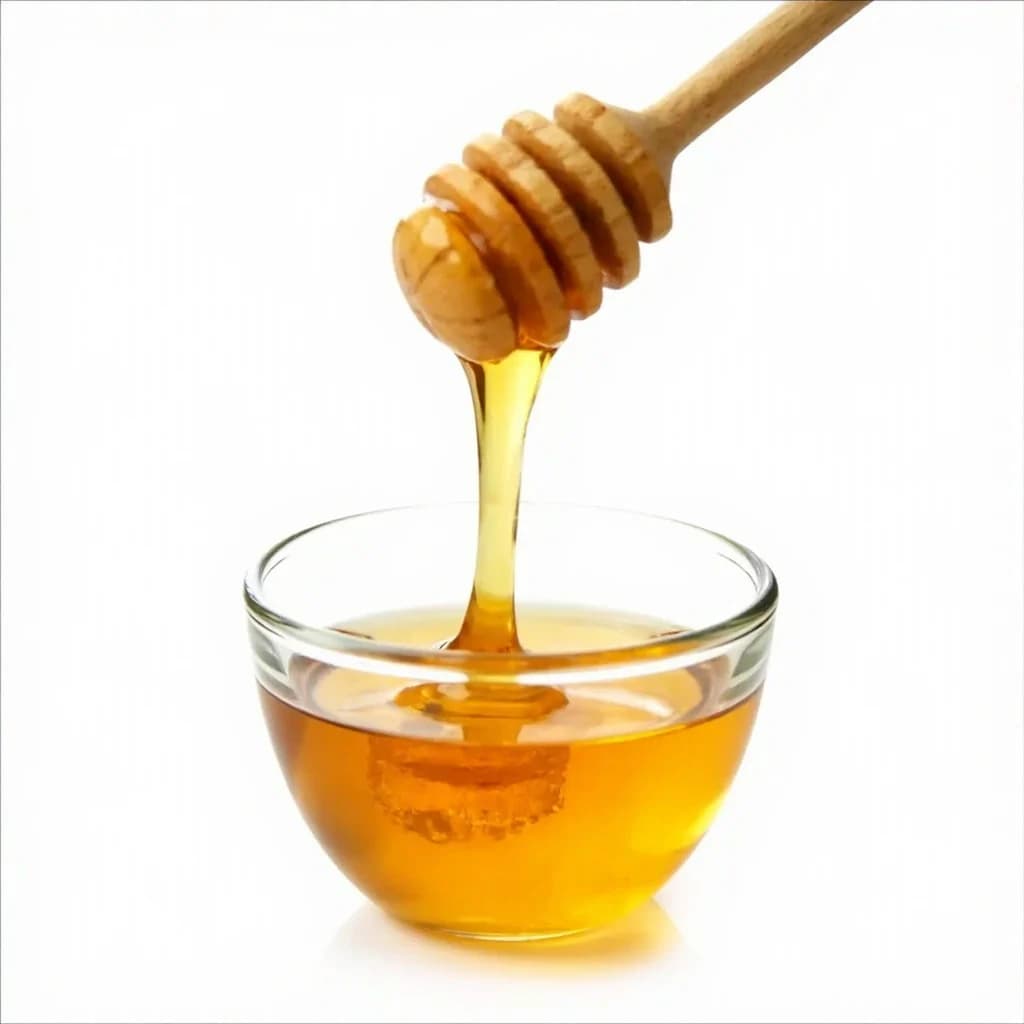
- Honey — Use 1:1 by volume, but reduce other liquid in the recipe by about 1/4 cup per cup of honey. Adds a distinct floral flavor and increases browning.
- Maple syrup — 1:1 by volume, though the strong maple flavor will dominate. Best in glazes, baked beans, and sweet potato dishes where that flavor is welcome.
- Brown rice syrup — 1:1 substitute; more pronounced malty flavor and a slightly chewier result. Good in granola bars and rustic candy.
- Agave nectar — 1:1 by volume. Sweeter and thinner than corn syrup, with a neutral flavor; reduces crystallization but produces a softer set.
- Inverted sugar syrup — Sugar syrup simmered with an acid (cream of tartar or lemon juice), which breaks sucrose into glucose and fructose and mimics the interference effect. Good for home candy makers without corn syrup on hand.
- Sugar + water (1 part water to 4 parts sugar, simmered) — Cheap and neutral, but provides no crystallization interference; the result will be grainier and harder. Acceptable in pies, not recommended in candy.
Pairs with
Also called
glucose syrup · light corn syrup
Appears in these dishes
Related

White Sugar
Clean, granulated sweetness for baking, drinks, and beyond
Honey
Floral, golden sweetener for drizzling, glazing, and baking
Brown Sugar
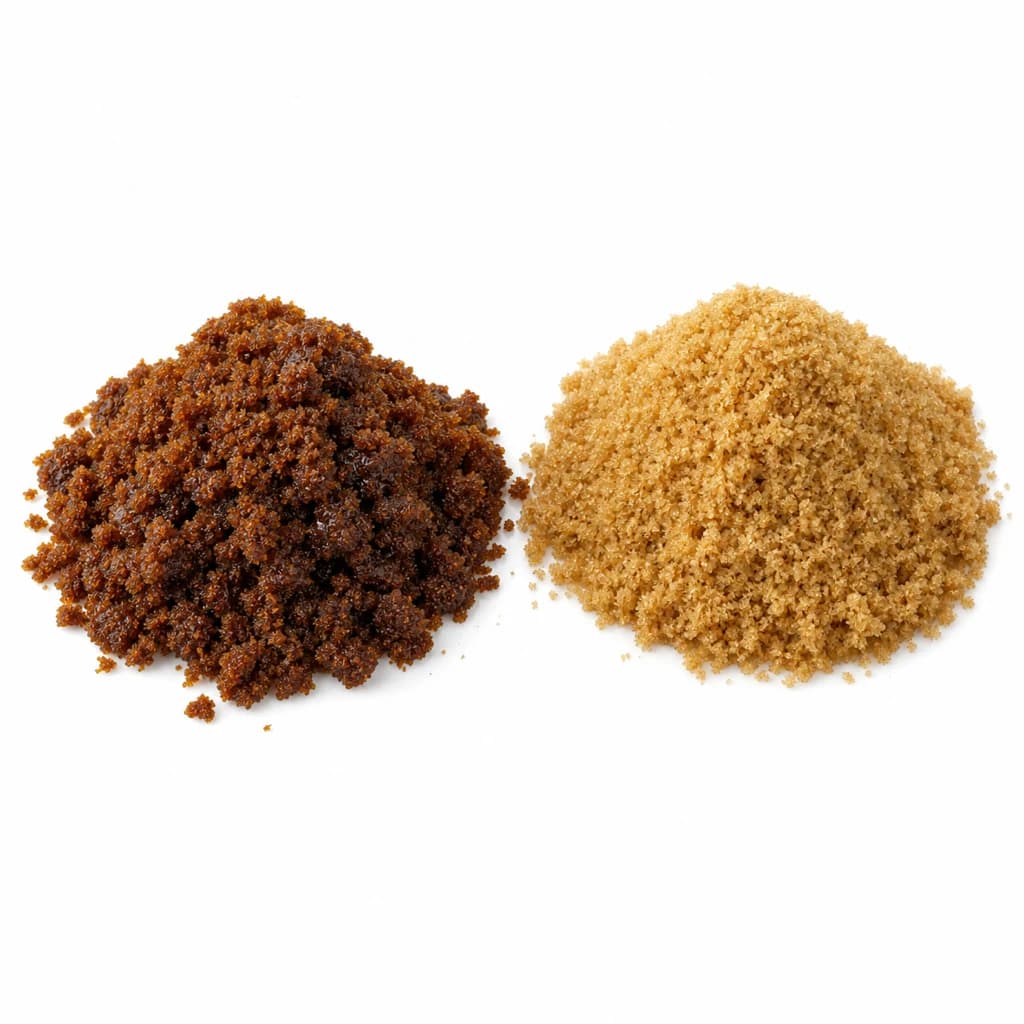
Moist, molasses-rich sugar for chewy cookies and glazes

Maple Syrup
Rich, woodsy syrup for pancakes, glazes, and baking
Powdered Sugar
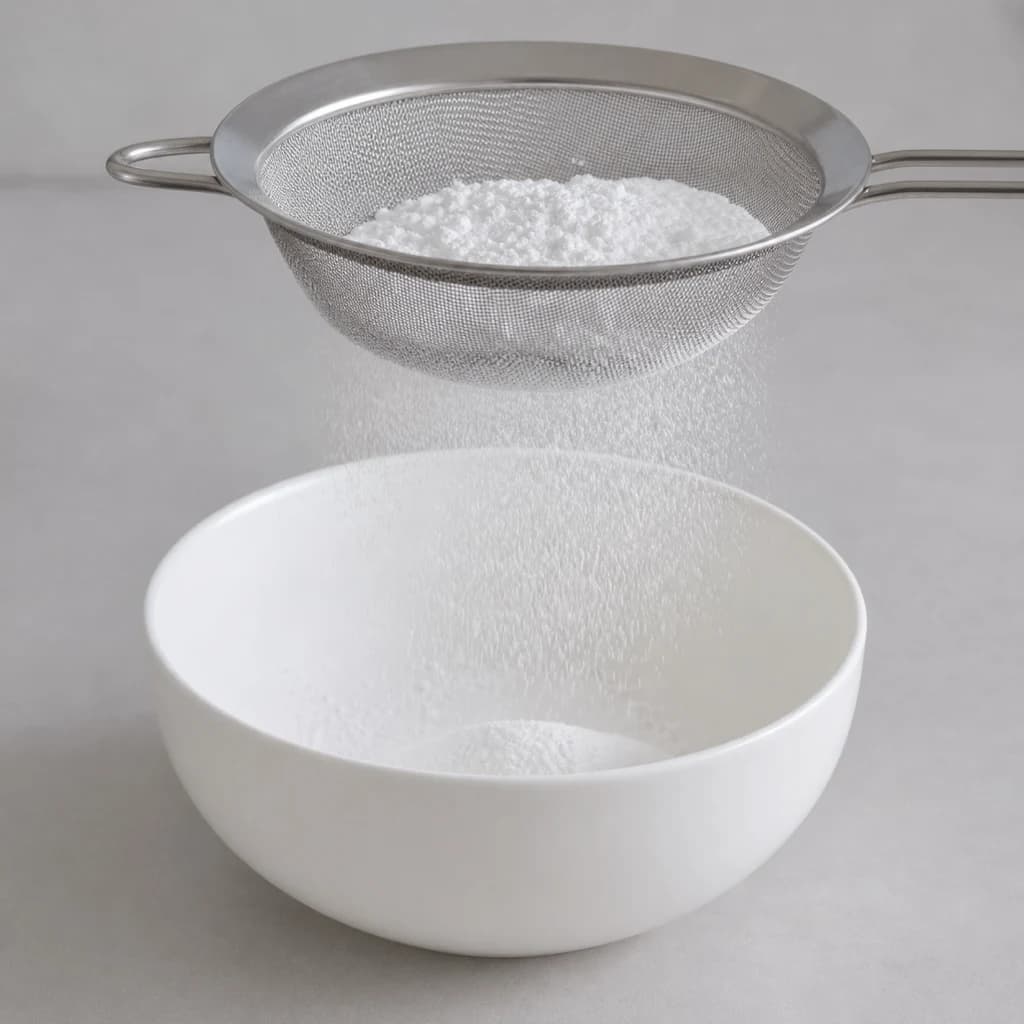
Fine, dissolvable sugar for icing, dusting, and frosting
Agave Syrup
Mild, pourable sweetener that dissolves easily into drinks
Molasses
Dark, bittersweet syrup for gingerbread, beans, and rubs
Simple Syrup
Dissolved sugar syrup for sweetening drinks and cocktails