Produce
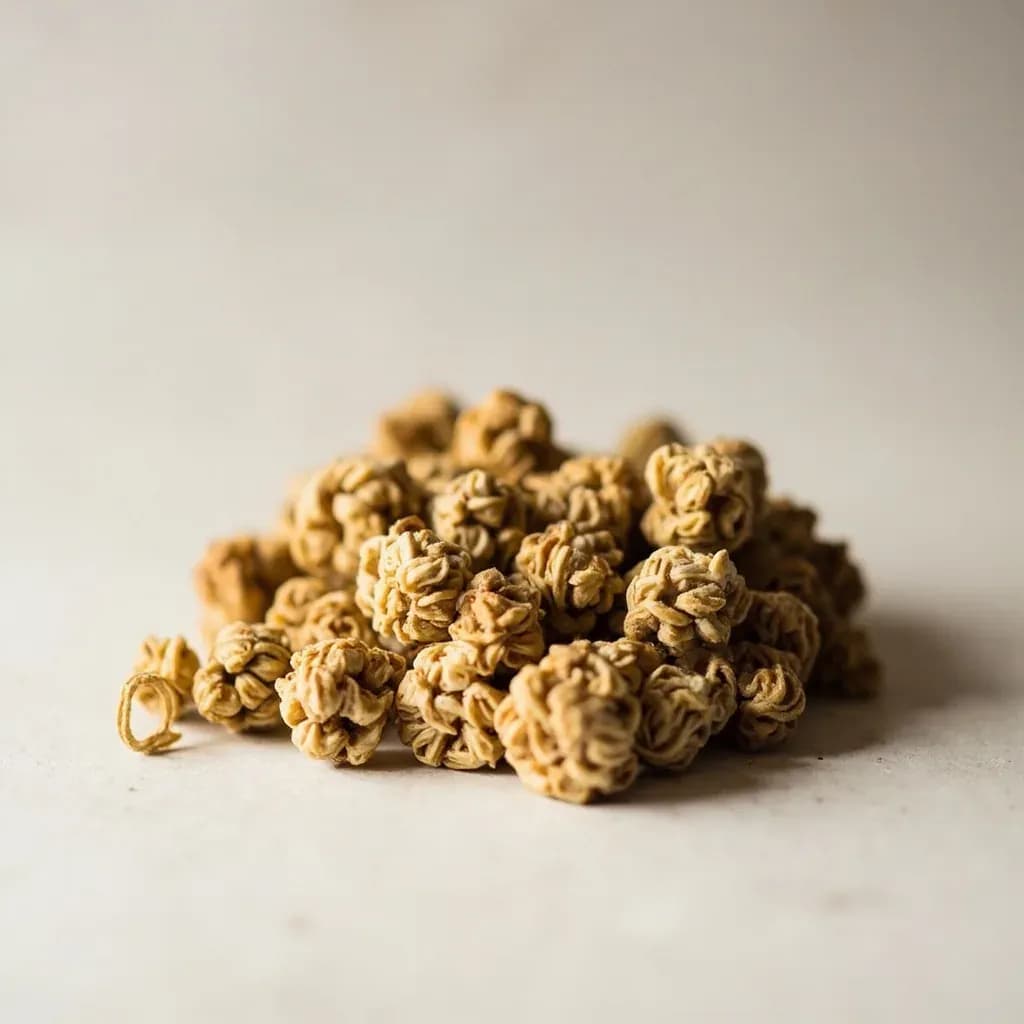
Dried Mulberry
Naturally sweet dried berries with a chewy texture, eaten as a snack or in trail mixes.
Dried mulberries are sun-dried mulberry fruit, pale to dark with an intensely honey-sweet, mildly tangy flavor and chewy texture. Popular across Turkey, Iran, and Central Asia, they are eaten out of hand, stirred into granola and baked goods, or steeped into syrups. Their high natural sugar makes them taste almost candied without any added sweetener.
Dried mulberries are whole Morus fruit dehydrated to concentrate their natural sugars and nutrients while preserving a pleasantly chewy, slightly fibrous texture. Unlike raisins or dried cranberries, they carry only a gentle, mild sweetness without the intense tartness or sugar rush of more common dried fruits, making them uniquely versatile in both sweet and savory applications. Their ability to absorb surrounding flavors while contributing subtle berry notes makes them a pantry workhorse that novice and experienced cooks alike tend to underutilize.
The three primary species—white (Morus alba), red (Morus rubra), and black (Morus nigra)—each bring distinct flavor personalities. White mulberries offer the mildest, most neutral sweetness; red varieties deepen into a richer, more complex taste when dried; and black mulberries deliver the most robust, berry-forward intensity with notably higher antioxidant content, particularly resveratrol. Cultivated for over three thousand years across China, North America, and Western Asia, dried mulberries have long been valued as a functional ingredient in grain bowls, baked goods, and traditional medicine supporting circulation and digestive health.
The fruit's natural fiber content and iron levels give it genuine nutritional standing beyond mere sweetness, while its low intensity allows it to function as a background sweetener in blends where stronger dried fruits would dominate.
- Measured in
- g
- Storage
- Pantry
Types & varieties
Mildest, most neutral sweetness of the three; cream to pale pink when dried; originally from China and the most common variety in commercial dried mulberry products. Best for applications where the fruit should not overpower other ingredients.
Rich, slightly tart when fresh; deepens significantly in sweetness and complexity during drying; native to eastern North America. Offers a good middle ground between white and black in both flavor and antioxidant content.
Most robust, berry-forward flavor with the deepest color; dark purple to black when dried. Contains the highest levels of antioxidants and resveratrol among the three species. Ideal for applications where color and intensity are desirable.
How Dried Mulberries Differ From Other Dried Fruits
Dried mulberries occupy a unique niche in the dried fruit landscape. Raisins and dried cranberries bring concentrated, assertively sweet or tart flavors that tend to dominate dishes. Dried mulberries, by contrast, function more as a textural element and gentle sweetener—they integrate rather than announce themselves. Their fiber-forward, slightly fibrous structure also differs from the sticky, dense texture of raisins or the leathery chew of dried cranberries. In baking, this means mulberries distribute more evenly through batters and doughs without sinking or clumping. In trail mixes, their mildness lets them complement rather than compete with nuts and seeds. This subtlety also means they are easily overpowered: pair them thoughtfully rather than assuming they will hold their own against very strong flavors.
- Less concentrated fructose than raisins, resulting in a more restrained sweetness
- Absorb surrounding flavors more readily than intensely sweet dried fruits
- Texturally distinct: slightly fibrous rather than sticky or leathery
- Naturally free of the tartness that makes some dried fruits polarizing
Selecting and Storing Quality Dried Mulberries
Quality matters more here than with many dried fruits because the flavor profile is so restrained—additives will overwhelm it. A good product lists only mulberries as the ingredient. Avoid anything with added sugar, cane juice, oil, or sulfites, which are unnecessary for properly dried mulberries and can mask or alter the natural flavor. The dried fruit should feel slightly tacky but not wet, with a gently wrinkled surface. Avoid any package showing condensation inside or fruit that feels hard and rock-dry, indicating over-processing. For storage, transfer to airtight glass jars rather than leaving them in original plastic packaging, which allows more air and moisture exchange over time. Before long-term storage—particularly before placing in pantry shelves—freeze the container for 24 to 48 hours to eliminate any potential insect eggs, a precaution worth taking with any truly raw, unsweetened dried fruit.
- Read ingredient labels: if it says anything other than 'mulberries,' reconsider
- Airtight glass containers outperform plastic for moisture control
- Freeze 24–48 hours before long-term storage as a pest prevention step
- Refrigeration or freezing extends usable shelf life significantly beyond 12 months
Common uses
Tips & pitfalls
- Read ingredient labels carefully—quality dried mulberries contain only mulberries; added sugar, oil, or preservatives are unnecessary and signal a lesser product
- Transfer to airtight glass containers rather than leaving them in original plastic packaging to prevent moisture absorption and flavor transfer from surrounding foods
- Freeze for 24–48 hours before long-term storage to kill any potential insect eggs, a standard precaution for raw, unsweetened dried fruits
- Rehydrate briefly in warm water or fruit juice for 10–15 minutes when folding into batters or doughs for more even distribution and better texture in the finished bake
- Grind dried mulberries into a fine powder using a spice grinder for natural food coloring (especially from black mulberries) or to mix invisibly into smoothies, batters, and doughs
- Combine with nuts and seeds in roughly equal ratios when building trail mix for a balanced sweet-savory-textural combination
- Avoid soaking rehydrated mulberries beyond 15 minutes—they soften quickly and become mushy rather than pleasantly chewy
- When substituting in baking, account for their mildness: if a recipe calls for raisins, you may want to add a touch more mulberry to achieve the same sweetness contribution
- Distinguish dried mulberries from similarly sized dark dried fruits like dried blackberries—true mulberries are naturally unsweetened and contain no sulfites
- The unripe fruit and white sap of fresh mulberries are mildly toxic in quantity, but this concern does not apply to properly dried ripe mulberry fruit
Nutrition
Energy
180 kJ · per 100 g
Where the calories come from
Protein
1.4g
3% DV
Carbs
9.8g
4% DV
Fat
0.4g
1% DV
Fiber
1.7g
6% DV
Sugars
8.1g
of which
Sodium
10mg
0% DV
Source · USDA FoodData Central · Mulberries, raw
View on FDC →In the shops
Matched grocery products
No matched grocery products for Dried Mulberry yet.
Good to know
- Scientific Names
- Morus alba (white), Morus rubra (red), Morus nigra (black)
- Origin
- China (white), eastern North America (red), Western Asia (black); cultivated for 3,000+ years
- Form
- Dehydrated whole fruit; naturally chewy texture; typically unsweetened
- Dried Color
- White: cream to pink. Red: reddish-brown. Black: dark purple to black
- Flavor Profile
- Mildly sweet with subtle berry notes; less intense than raisins or dried cranberries
- Key Nutrients
- Iron, vitamin C, vitamin K, dietary fiber, resveratrol (highest in black varieties)
- Typical Use
- 1/4–1/2 cup per batch in baking; 1–2 tablespoons as a standalone snack
- Dried Yield
- Approximately 1/3 to 1/4 of fresh fruit weight
- Shelf Life
- 6–12 months in an airtight container in a cool, dark place; longer in refrigeration or freezer
Substitutes
- Zante Currants — Small size and mild sweetness make them the closest match; use at a 1:1 ratio
- Dried Blueberries — Comparable chewy texture but distinctly different flavor; use at a 1:1 ratio and expect a more intense berry taste
- Golden Raisins — Sweeter and more intensely flavored; substitute at 1:1 ratio or use slightly less to avoid overpowering mild dishes
- Dried Tart Cherries (unsweetened) — Much more acidic and intense; reduce quantity by about 25% when substituting for balance
- Dried Cranberries (unsweetened) — Significantly more tart and chewy; use roughly half the amount the recipe calls for when substituting for mulberries
Pairs with
Also called
Toot · Dried White Mulberry
Related
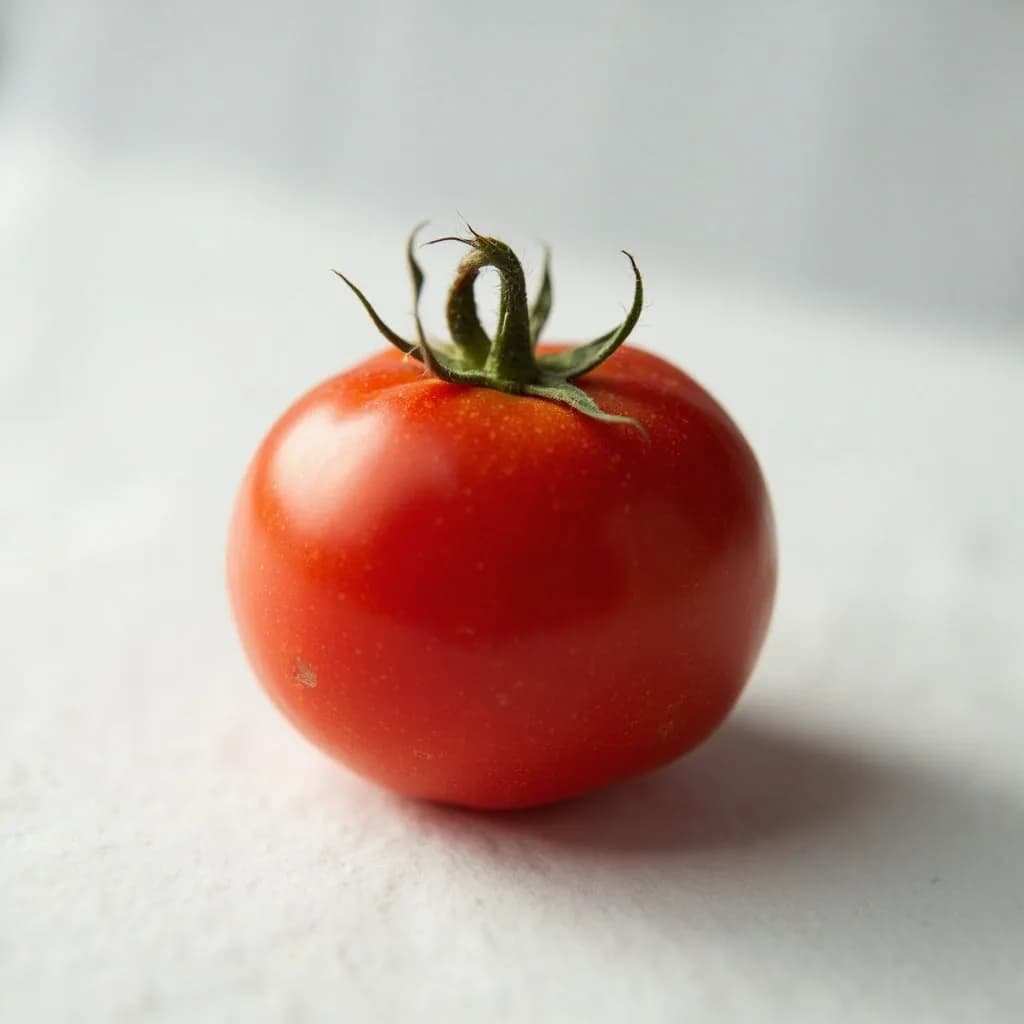
Tomato
Juicy, sun-sweet fruit for sauces, salads, and slow-cooked depth
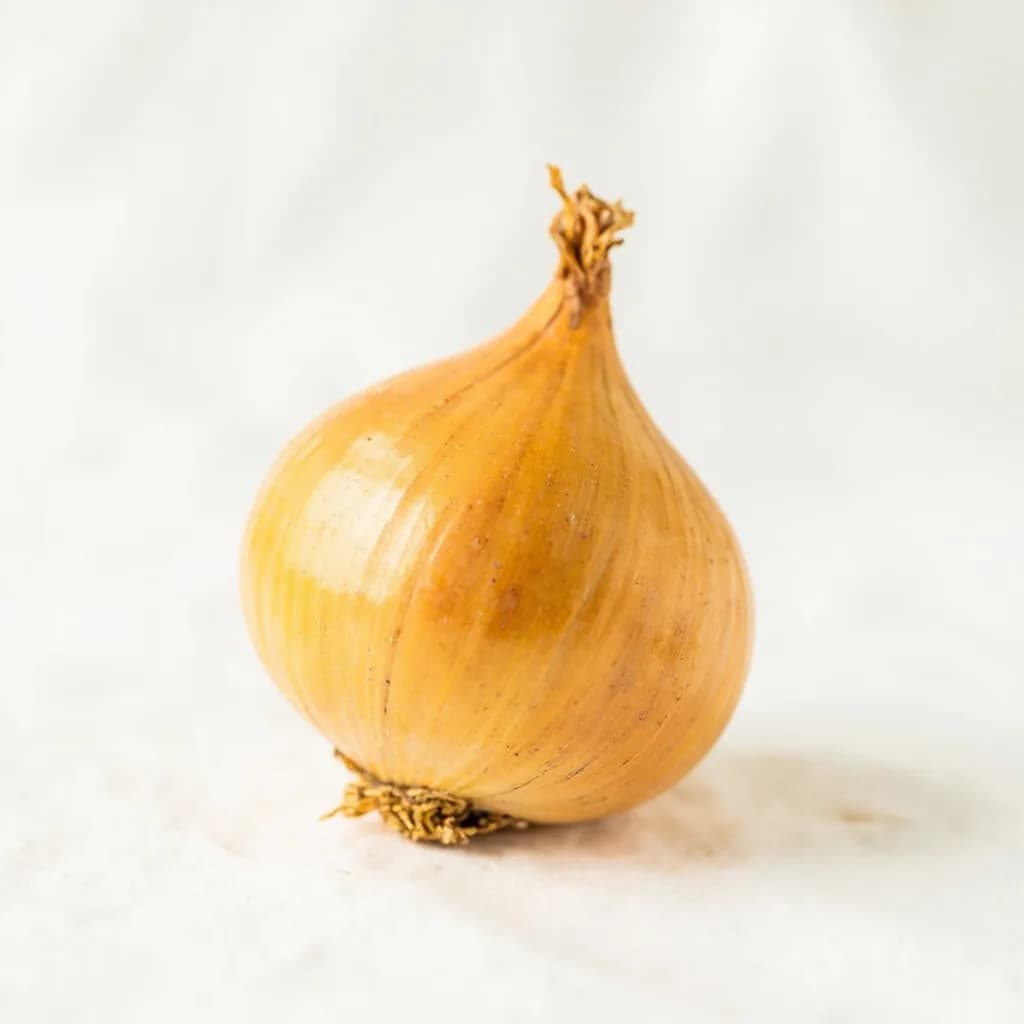
Yellow Onion
The aromatic backbone of soups, sofritos, and braises
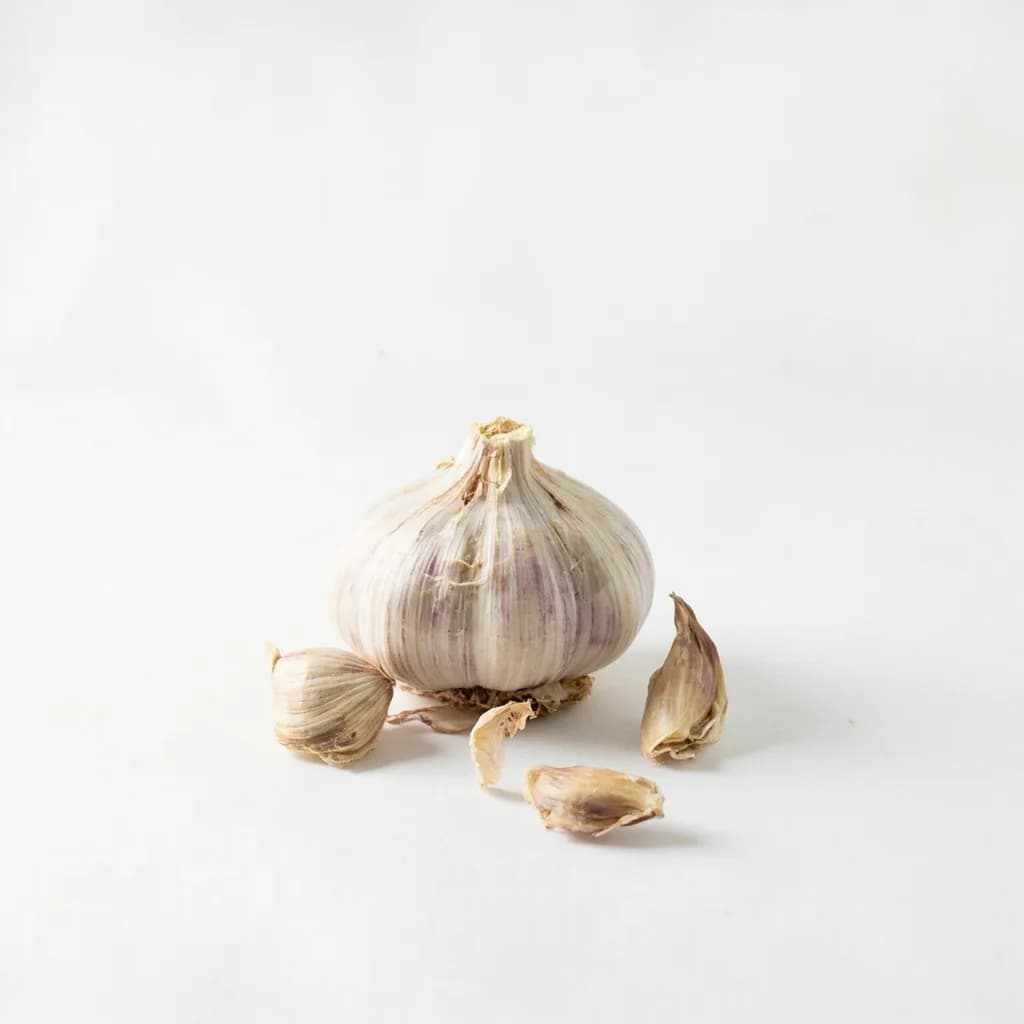
Garlic
Pungent cloves that perfume nearly every savory dish
Lemon
Bright, acidic citrus that wakes up almost any dish
Potato
Humble, hearty staple — roast, mash, fry, or boil
Carrot
Sweet, crunchy root — raw, roasted, or the base of a sofrito
Cucumber
Cool, crisp, and watery — for salads, pickles, and tzatziki

Lettuce
Crisp leaves for salads, wraps, and a fresh crunch