Grains & Rice
Einkorn Wheat
An ancient single-grained wheat with nutty whole berries for pilafs and porridge.
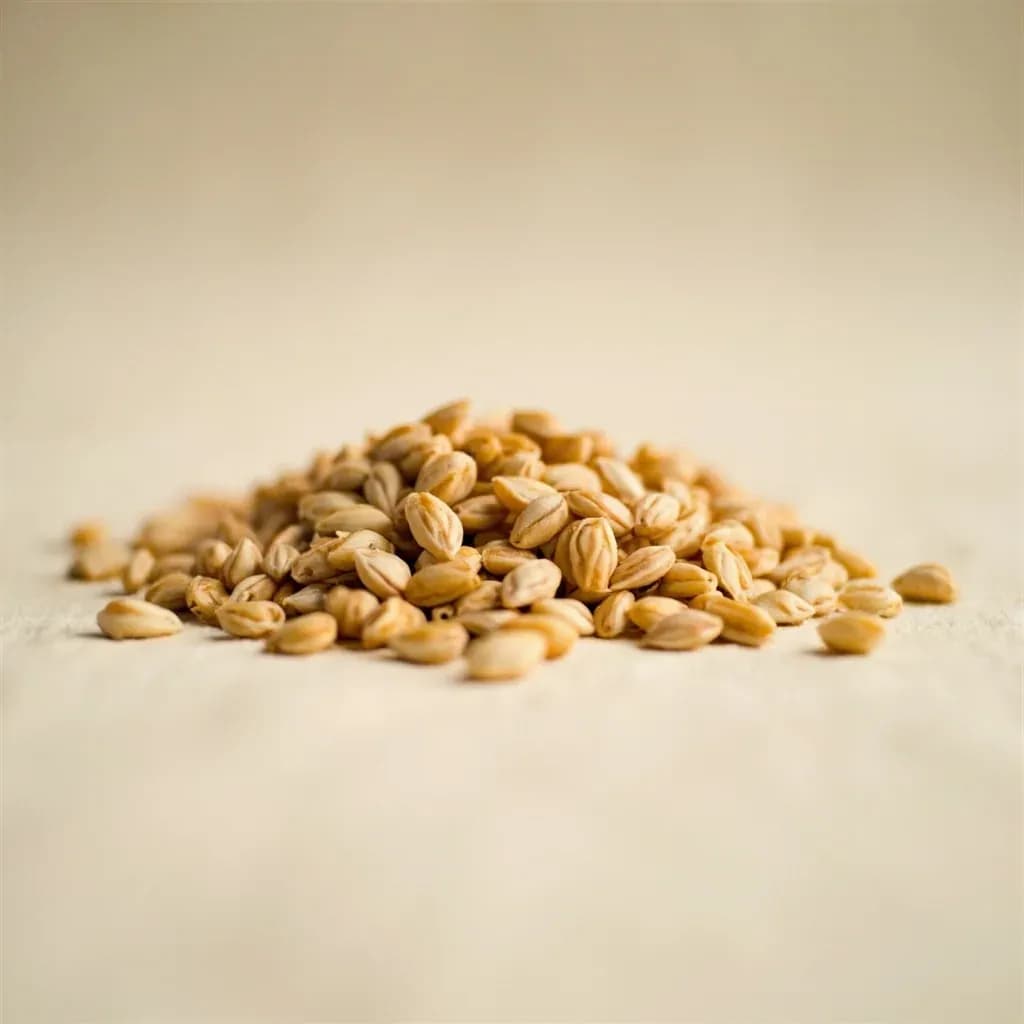
Einkorn is the most ancient form of cultivated wheat, with one grain per spikelet and a tough hull. Its whole berries are nutty and chewy, used like farro in salads, pilafs, and porridges. It is higher in protein and certain nutrients than modern wheat but has fragile gluten.
Einkorn (Triticum monococcum) is the most ancient of cultivated wheat varieties, domesticated in the Fertile Crescent around 10,000 BCE. Unlike modern wheat, it is a diploid species with a simple AA genome—genetically the simplest cultivated wheat—which contributes to its distinct behavior in the kitchen. Einkorn is a hulled wheat, meaning the outer husk adheres tightly to the grain and requires specialized equipment to remove. This hulled characteristic is what sets einkorn apart from spelt (which has a looser hull that can be rubbed off by hand) and is a primary reason it remains a niche grain. When cooked, einkorn berries develop a pleasantly chewy texture with a sweet, nutty flavor and a faintly vanilla-like note that distinguishes it from other ancient wheats like emmer or spelt. The grain is prized by artisan bakers and chefs who value its flavor and higher protein content (15–19% versus 10–12% for common bread wheat), but its different gluten structure requires adjusted expectations and techniques.
- Measured in
- g
- Storage
- Pantry
Allergens
Types & varieties
Smaller berries, intense nutty flavor; favored by artisan bakers in France
Bred for larger yields while retaining hulled character; common in Central European markets
Often sold as 'piccolo farro'; used in Tuscan soups and porridge dishes
Understanding the Hull
The hull is einkorn's defining characteristic and its primary distinction from other ancient wheats. Unlike spelt's loose, easily removed hull, einkorn's husk adheres tightly and cannot be rubbed off by hand. Commercial de-hulling requires specialized equipment, which is why whole einkorn berries are more expensive and less common than other ancient wheats. When purchasing einkorn flour, verify it is milled from pre-hulled berries—some commercial products contain the hulled grain with the husk still attached, which imparts a bitter flavor and an unpleasant texture. The hull does not soften during cooking, so even prolonged simmering will not render it edible; this is a milling concern, not a cooking one.
- Verify flour is milled from pre-hulled berries before purchasing
- The hull requires specialized equipment and cannot be removed by hand-rubbing
- Hull fragments in finished dishes indicate improper de-hulling at the source
Common uses
Tips & pitfalls
- Always rinse whole einkorn berries thoroughly in a fine-mesh strainer before cooking; debris and hull fragments are common
- Soak whole berries a minimum of 8 hours (overnight) before cooking — this reduces cook time by roughly half and improves texture
- Simmer at a gentle bubble, not a rolling boil, to prevent bursting the berries; the water-to-grain ratio is approximately 3:1 unsoaked, 2:1 pre-soaked
- If milling at home, verify that your mill can process hulled grain or use pre-hulled berries — the hull does not soften during cooking
- Do not substitute einkorn flour 1:1 in standard leavened bread recipes — its low glutenin content yields poor gas retention; replace no more than 30–50% of the flour weight with einkorn
- For pilafs, toast the dry berries in oil for 2–3 minutes before adding liquid to deepen the nutty flavor
- Common mistake: undercooking — einkorn berries remain pleasantly chewy but should not be hard or gritty at the center; taste testing is essential
- Einkorn is unsuitable for pizza dough, tensile flatbreads, or any recipe requiring strong gluten development for structure and rise
Nutrition
Energy
1418 kJ · per 100 g
Where the calories come from
Protein
13.7g
27% DV
Carbs
71.1g
26% DV
Fat
2.5g
3% DV
Sodium
2mg
0% DV
Source · USDA FoodData Central · approx. Wheat, durum
View on FDC →In the shops
Matched grocery products
No matched grocery products for Einkorn Wheat yet.
Good to know
- Species
- Triticum monococcum
- Genome
- Diploid (AA) — genetically the simplest cultivated wheat
- Gluten type
- Contains gluten but lower glutenin content; different protein structure from modern wheat
- Grain type
- Hulled wheat — the outer husk must be removed during milling
- Protein content
- 15–19% (higher than common bread wheat)
- Origin
- Fertile Crescent; one of the first grains domesticated, circa 10,000 BCE
- Peak growing regions
- France (Auvergne), Italy (Tuscany, Campania), Germany, Austria
- Whole berry cook time
- 45–90 minutes depending on soaking; significantly longer than modern wheat berries
- Shelf life (whole berries)
- 6–12 months pantry; up to 2 years refrigerated
- Flour shelf life
- 2–3 months room temperature; 6 months refrigerated or frozen
Substitutes
- Emmer (farro medio) — Closely related ancient wheat; similar chewy texture and nutty flavor; more widely available in the US; cook time is comparable
- Spelt — Ancient wheat with a sweeter, milder flavor; easier to find; spelt flour works better as a direct bread-flour substitute due to higher glutenin content
- Farro (Triticum turgidum cultivars) — Often a blend of emmer and spelt sold as 'farro'; accessible in most US supermarkets; comparable culinary uses
- Kamut (Triticum turgidum subsp. turanicum) — Larger, plumper ancient wheat berry with a buttery flavor; cook time similar; good in salads and porridge
- Pearled barley — Not a wheat substitute but yields similar chew in soups and stews; significantly less fiber and protein
Pairs with
Also called
Ancient Wheat
Related

White Rice
Fluffy long-grain rice — the neutral base for almost any meal

White Bread
Soft sandwich loaf for toast, sandwiches, and crumbs
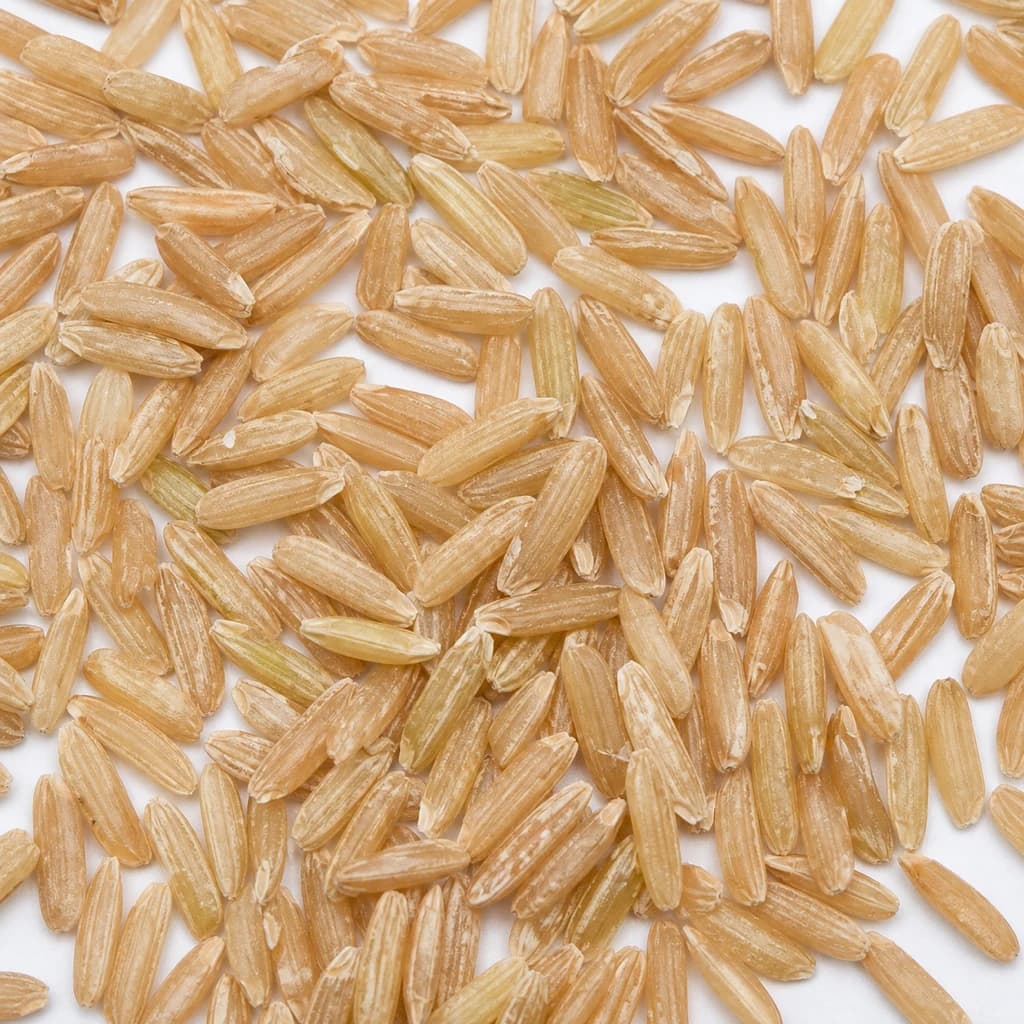
Brown Rice
Nutty, whole-grain rice with chew and extra fiber

Basmati Rice
Fragrant, long-grain rice that cooks up light and separate
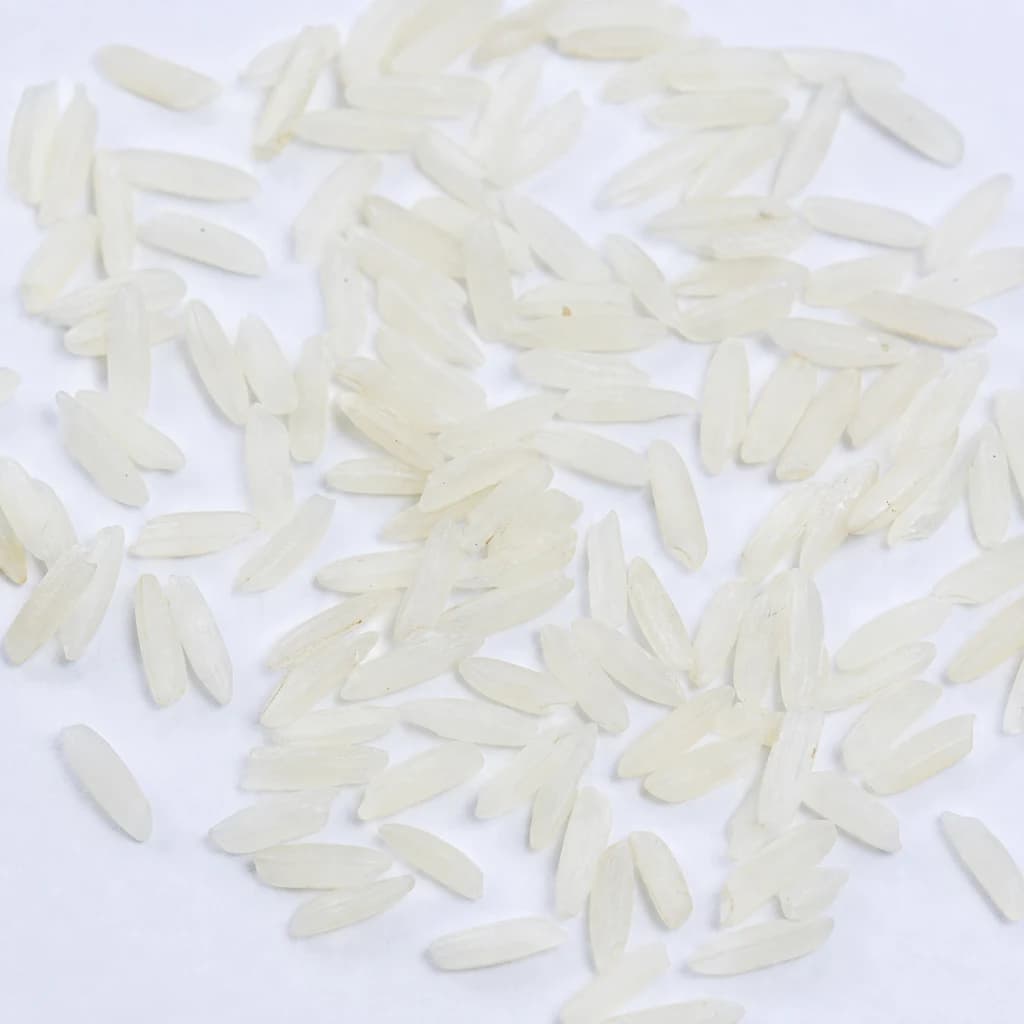
Jasmine Rice
Soft, floral-scented rice that's the pillar of Thai meals
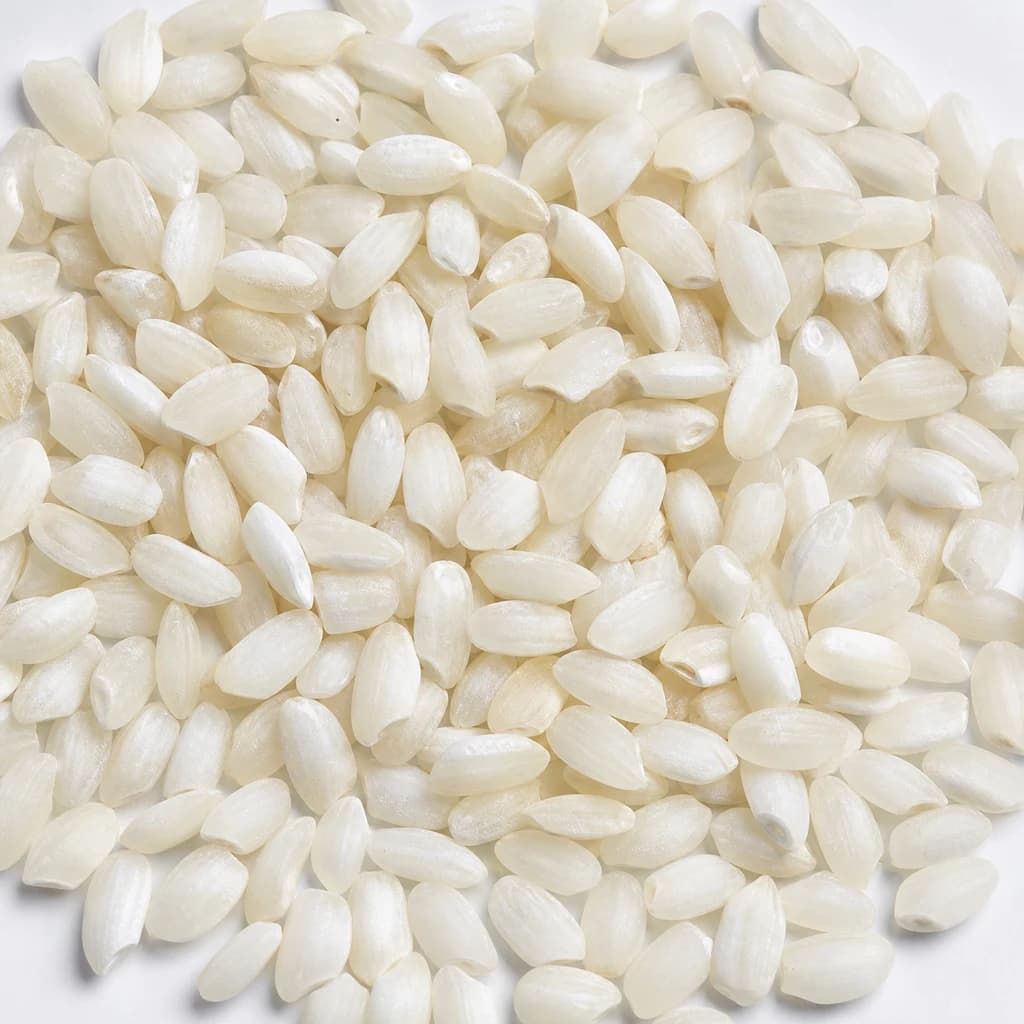
Arborio Rice
Plump, starchy rice that makes risotto creamy
Fusilli
Spiraled pasta that twirls up sauce and dresses cold salads
Rolled Oats
Hearty flakes for porridge, granola, and chewy cookies