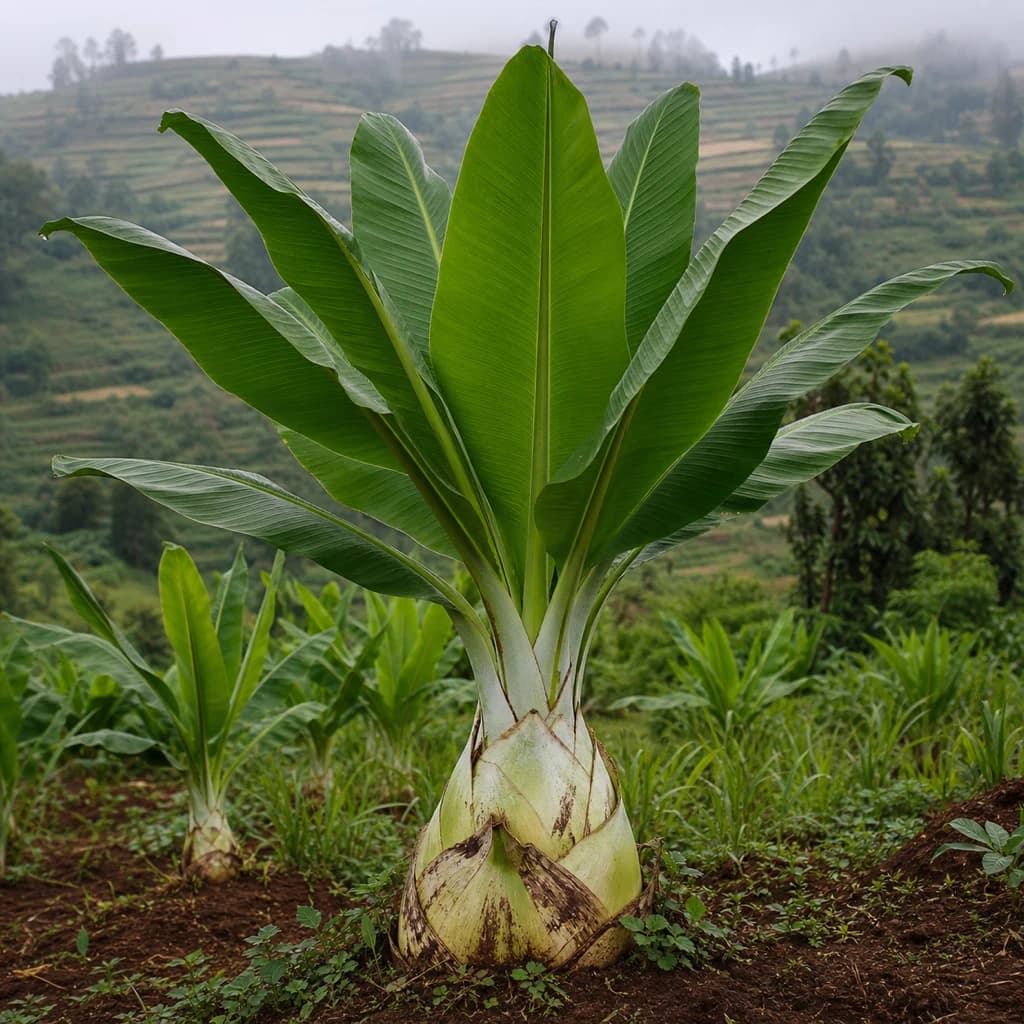
Natural form
A mature enset plant stands tall in an Ethiopian highland farm, its broad paddle-shaped leaves fanning outward.
Shows the reader exactly what the living plant looks like in its native growing context so it is unmistakable in the field.
Produce
Enset (False Banana)
Banana-like Ethiopian staple whose starchy stem is fermented into kocho flatbread.
Enset, the false banana, is an Ethiopian crop grown not for its inedible fruit but for the starchy pulp of its pseudostem and corm. The pulp is scraped, fermented for weeks or months, and made into kocho, a dense fermented flatbread, as well as bulla porridge. It is a critical food-security staple for millions in the Ethiopian highlands.
Enset (Ensete ventricosum) is a massive herbaceous plant in the banana family that has anchored Ethiopian highland agriculture for several thousand years. Unlike true bananas, enset's food value lies entirely in its starchy pseudostem—the fibrous trunk—and the underground corm. The fruit, when it appears, is vestigial: hard, bitter, and seedy. A single plant functions as a living food warehouse, its reserves intact and harvestable whenever needed, drought-resilient and productive across multiple harvests. This capacity to remain standing for extended periods has made enset the primary staple for an estimated 15–20 million people in southern and southwestern Ethiopia. Processing is physically demanding and traditionally communal: men fell and transport the massive stalks, women shred the material and manage fermentation. Western kitchens should approach kocho as a fermented flatbread with its own earthy, mildly sour character—not a banana-flavored curiosity. Virtually every part of the plant is utilized: pseudostem becomes fermented kocho or starch-rich bulla, corm is boiled as amicho, and leaves serve as wrappings, fodder, and thatch.
- Measured in
- g
- Storage
- Pantry
Types & varieties
Grown in the Wolayta zone; noted for large pseudostems and high kocho yield
Cultivated in the Konta area; preferred for bulla (starch) production
Found in Ari zone; often selected for corm size and eating quality of amicho
Traditional named varieties documented by early agricultural surveys, many known locally by Ge'ez-derived terms
From Plant to Plate: The Three Enset Foods
Enset yields three distinct foods, each requiring different processing. Kocho is the fermented paste made from scraped and shredded pseudostem, layered in pits and left to ferment for weeks or months—the bacterial fermentation develops its characteristic sour, nutty flavor and extends shelf life. Bulla is the starch extracted by repeatedly washing shredded pseudostem and corm through successive batches of water, settling out fine white starch for porridges or pancakes. Amicho is the corm boiled like a root vegetable until tender, served as a starchy side dish. Processing sequence matters: kocho fermentation is anaerobic, so pits must be sealed with leaves to exclude air; bulla extraction proceeds from coarse to fine starch as wash water is reused; amicho requires thorough cooking to reduce residual cyanogenic compounds.
- Never attempt kocho fermentation in open containers—air exposure causes spoilage and sharp off-flavors
- Bulla starch quality degrades with each successive washing; use coarse and fine fractions separately
- Amicho corms should be boiled until a fork passes through easily
Why Enset Matters Beyond Ethiopia
Enset's capacity to remain harvestable in the ground for extended periods—effectively acting as a living food warehouse—has made it invaluable in drought-prone regions. Unlike cereals that must be harvested and stored quickly, an enset stand can be drawn upon selectively over months or years, smoothing out food security gaps. This stay-harvestable characteristic has no parallel among the world's major starch staples. Agricultural researchers have studied enset's potential in other tropical highland regions, but cultivation has remained concentrated in Ethiopia. For cooks outside Ethiopia, enset products remain obscure import items; understanding their cultural context helps approach them with appropriate respect and realistic expectations.
- Enset's food security value lies in harvest timing flexibility, not indefinite storage
- Commercial trade outside Ethiopia is negligible—most enset products are locally consumed within days of processing
- The plant's entire utilization (food, fiber, fodder, wrappings) makes it exceptionally efficient in subsistence farming systems
Common uses
Tips & pitfalls
- Harvest timing is critical: take the plant when the inflorescence emerges but before the pseudostem begins to collapse, usually when the flower stalk is still developing
- Processing is labor-intensive and traditionally communal; the entire pseudostem must be sliced and starchy material hand-separated from fiber
- Fermentation pits must be lined with enset leaves to create anaerobic conditions—failure to exclude air results in spoilage and off-flavors
- Kocho is ready after 2–4 weeks but flavor deepens over several months; over-fermented kocho becomes excessively sour and sticky
- Bulla starch extraction proceeds through successive water washings, with each batch yielding progressively finer starch—use coarse fractions for pancakes, fine for porridges
- Corm must be cooked thoroughly—undercooked corm retains cyanogenic compounds that fermentation reduces but does not eliminate
- Unlike true bananas, the fruit is never eaten; it contains hard, bitter seeds and minimal pulp
- In Ethiopian cuisine, kocho is eaten with kitfo or Shiro stew, not as a sandwich substitute—plan accompaniments accordingly
Nutrition
Energy
372 kJ · per 100 g
Where the calories come from
Protein
1.1g
2% DV
Carbs
22.8g
8% DV
Fat
0.3g
0% DV
Fiber
2.6g
9% DV
Sugars
12.2g
of which
Sodium
1mg
0% DV
Source · USDA FoodData Central · Bananas, raw
View on FDC →In the shops
Matched grocery products
No matched grocery products for Enset (False Banana) yet.
Good to know
- Scientific name
- Ensete ventricosum (formerly Musa ensete)
- Family
- Musaceae (banana family)
- Primary origin
- Ethiopian highlands, domesticated several thousand years ago
- Parts used
- Pseudostem (fibrous trunk), corm (underground tuber), leaf bases, leaves
- Primary processed forms
- Kocho (fermented pulp), bulla (extracted starch), amicho (boiled corm)
- Typical harvest
- Just before or at flowering, typically 3–5 years after planting
- Flavor
- Kocho is mildly sour, earthy, and nutty from fermentation; bulla is neutral and starchy
- Subsistence importance
- Primary staple for an estimated 15–20 million people in Ethiopia's highlands
Substitutes
- Cassava (yuca) — Provides a similar neutral, starchy base; must be cooked and detoxified if raw; does not require fermentation
- Taro or malanga — Comparable starchy corm with dense texture; can be boiled or mashed; lacks the fermented tang
- Plantain flour — Closest flavor bridge to the mild sourness of fermented kocho when fermented intentionally; best in flatbread applications
- Sorghum or teff flour — Common Ethiopian starch staples that serve similar dietary roles; flatbread preparation methods overlap
Pairs with
Also called
Kocho · False Banana · Ethiopian Banana
Appears in these dishes
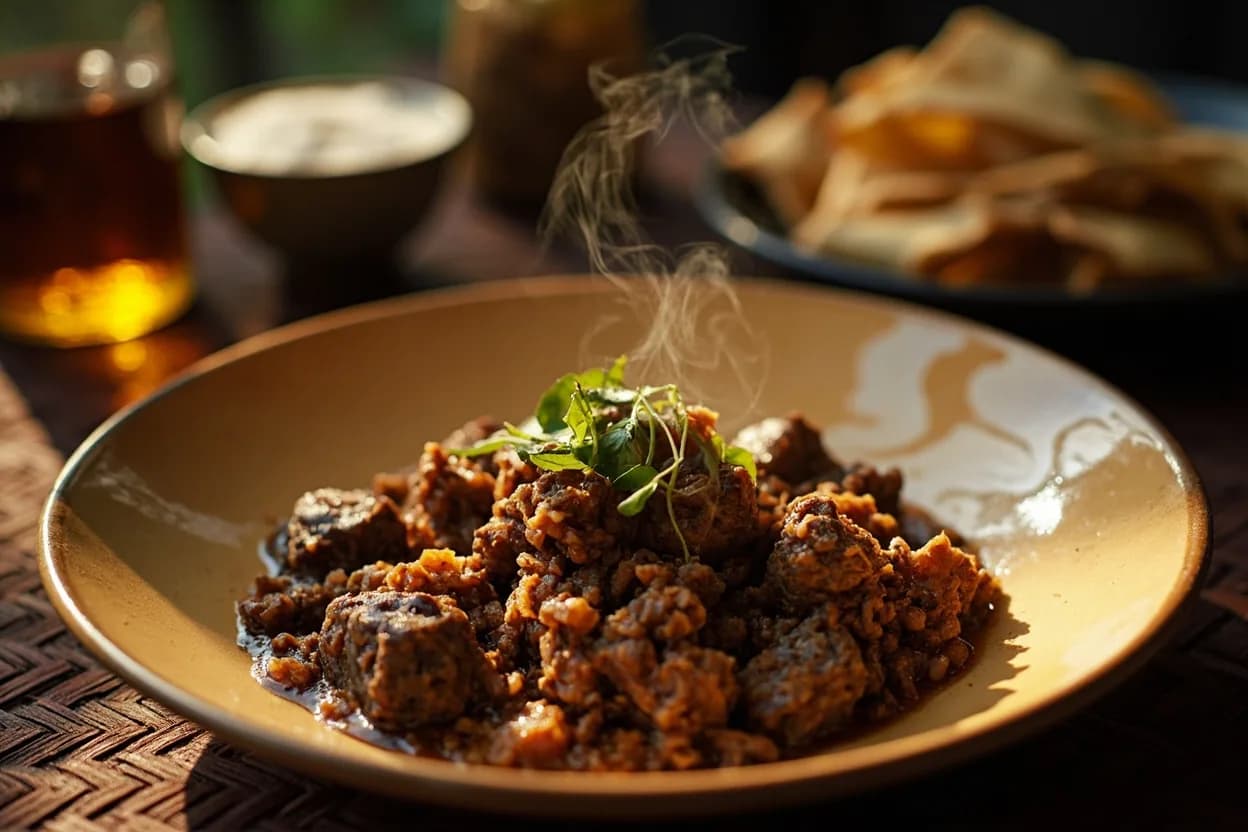
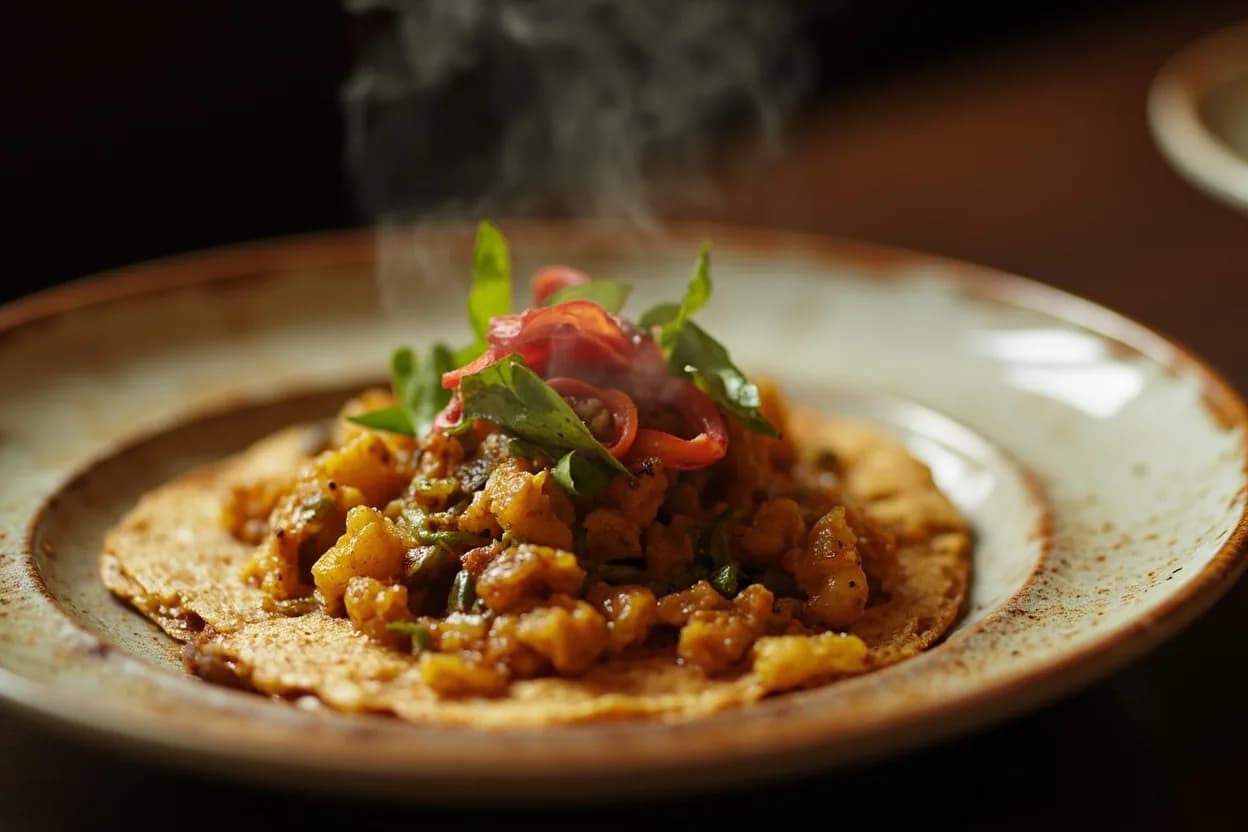
Related

Tomato
Juicy, sun-sweet fruit for sauces, salads, and slow-cooked depth
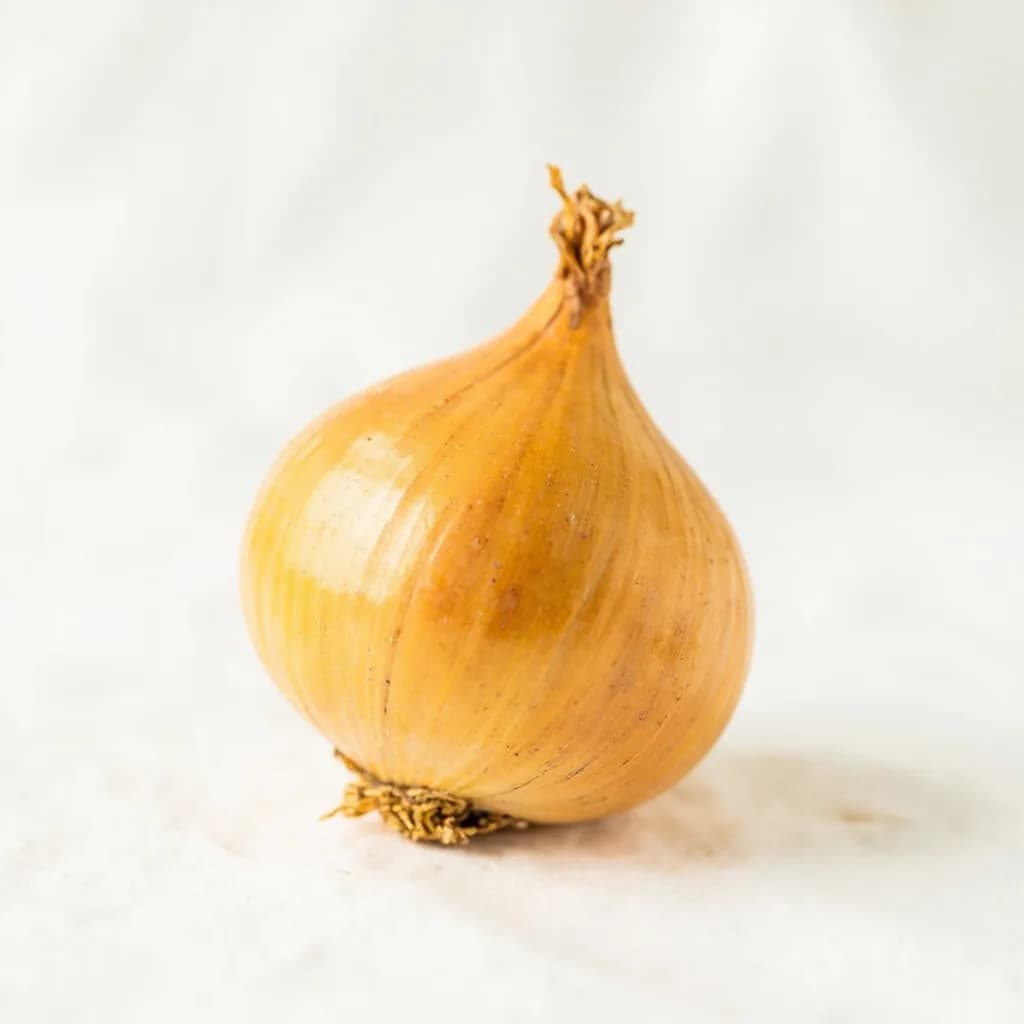
Yellow Onion
The aromatic backbone of soups, sofritos, and braises
Garlic
Pungent cloves that perfume nearly every savory dish
Lemon
Bright, acidic citrus that wakes up almost any dish
Potato
Humble, hearty staple — roast, mash, fry, or boil
Carrot
Sweet, crunchy root — raw, roasted, or the base of a sofrito

Cucumber
Cool, crisp, and watery — for salads, pickles, and tzatziki

Lettuce
Crisp leaves for salads, wraps, and a fresh crunch