Beverages
Filter / Drip Coffee
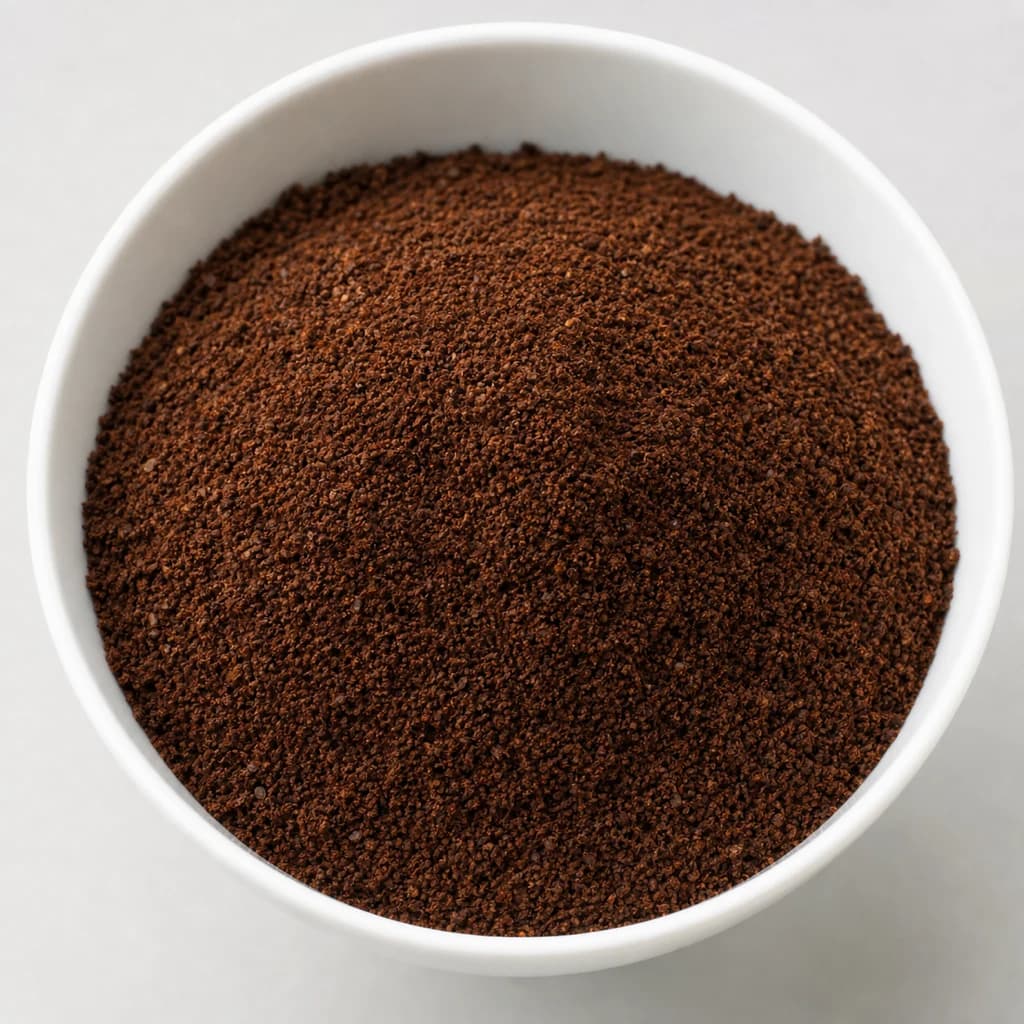
Medium-ground coffee brewed by gravity through a paper or mesh filter, yielding a clean, bright, low-body cup. The everyday morning brew and a base for coffee-flavored bakes and braises.
Filter or drip coffee is the umbrella term for any brew made by gravity-pulling hot water through a bed of ground coffee held in a permeable barrier — paper, cloth, or metal mesh. It is distinguished from immersion methods such as French press and AeroPress, and from pressure methods like espresso and moka, by its cleaner cup: oils and fine sediment are held back by the filter, leaving a brighter, lighter-bodied liquid that lets the bean's origin and roast character read clearly. As a cooking ingredient it is the everyday workhorse — equally at home on the breakfast table and in the pan, where its bitterness, deep brown color, and Maillard-friendly compounds do serious work in bakes, braises, sauces, and rubs.
The mechanics are simple but unforgiving. Hot water extracts soluble compounds in sequence — acids and salts first, sugars next, bitter phenols last — and the brewer's job is to land in the middle of that window. The controlling variables are dose, grind size, water temperature, contact time, and water mineral content, and they apply whether you are using a $20 auto-drip machine or a hand-pour Hario cone. Get them right and a balanced cup emerges from almost any setup; get them wrong and even good beans taste sour and thin, or harsh and ashy.
For recipes, treat filter coffee as a tool with three useful dials: strength (how concentrated the brew is), roast level (light, medium, or dark — which changes bitterness and color in bakes), and filter type (paper yields the cleanest liquid; mesh lets through more oils and body). When a recipe calls for 'strong brewed coffee,' it almost always means a more concentrated ratio than you would drink — typically around 1:10 to 1:12 coffee to water, brewed fresh rather than poured from a tepid pot that has been sitting on the burner.
- Measured in
- g
- Storage
- Pantry
Find it in
Suits
Types & varieties
Electric machine with a showerhead that sprays heated water over grounds in a paper or reusable basket filter. The everyday home and office brew — consistent, hands-off, and the default most recipes assume when they say 'brewed coffee.'
Manual method using a cone or flat-bottom dripper — Hario V60 (60° cone, fast drainage), Kalita Wave (flat bottom with wave ridges, more forgiving), or Melitta (the original). Gives direct control over flow rate and extraction, and is the easiest way to brew a single serving at recipe strength.
Hourglass glass brewer with a thick bonded paper filter, designed by Dr. Peter Schlumbohm in 1941. Produces an exceptionally clean, light-bodied cup; the heavy paper filter is the most aggressive at removing oils.
Reusable gold-tone or stainless mesh filter (SwissGold, Kone, Able Disk). Allows more oils and a small amount of fine sediment through than paper, giving a fuller, slightly heavier body while still cleaner than French press. Good when you want coffee flavor to read in a dessert without dilution.
Pre-portioned pods (e.g., Keurig K-Cups) brewed by low-pressure pumped water through a small filter. Convenient and portion-controlled, but freshness and brew parameters are fixed by the machine; not ideal for cooking where you control strength and roast. (High-pressure capsule systems like Nespresso are closer to espresso and are not true drip coffee.)
Brewing strong coffee specifically for recipes
Most cooking applications need a more concentrated cup than you would drink. The reliable move is to brew a small batch at roughly 1:10 to 1:12 (about 85–100 g coffee per liter of water) and use it while still hot. Reserve any leftover in the fridge in a sealed jar for up to three days; reboiled or reheated coffee turns bitter and stains pale sauces gray.
- For desserts that need clear coffee flavor (tiramisu, panna cotta, granita), use paper-filtered brew at drinking strength or slightly stronger — the cleanest cup reads through dairy and sugar without muddying them.
- For bakes where coffee is a background note (brownies, chocolate cakes), a 1:12 brew of a dark roast is the standard; the roast's bitterness survives baking and the Maillard reaction deepens the chocolate.
- For savory braises and chili, brew at 1:10 with a dark or espresso roast; the intensity stands up to long simmer and to the other bold flavors in the pot.
- For pan sauces and reductions, brew double-strength (around 1:8 to 1:10) so the coffee reduces down to a glaze rather than watering out the pan.
- For marinades and rubs, the exact brew doesn't matter as much as the solids; even day-old filter coffee works, since you are adding acidity, color, and Maillard potential, not drinking it.
Filter type and what it changes in cooking
The filter does more than strain grounds — it decides what stays in the cup. Paper absorbs a meaningful amount of the coffee's own oils (the diterpenes cafestol and kahweol, plus aromatic lipids), which is why a paper-filtered cup tastes lighter and cleaner than one from a metal mesh. In cooking, that translates directly: a paper-filtered brew is the right choice whenever you want a transparent coffee note, while a mesh-filtered brew carries more body and a rounder mouthfeel — useful in milk-forward drinks and frostings where you want the coffee to feel present rather than whispered.
- Paper filter: cleanest, brightest, lightest body. Best for clear desserts, light-colored sauces, and any application where coffee should be a flavor note rather than a structural ingredient.
- Metal mesh: fuller body, more oils, slight sediment. Better for milk drinks, custards where richness is welcome, and savory applications where you want the brew to behave more like a stock.
- Cloth (sock-style filter, traditional in South India and parts of South Asia): thick body and significant sediment — closer to a metal mesh in cooking terms. Strain through a fine sieve before adding to batters or custards.
Common uses
Tips & pitfalls
- Weigh the coffee and water. Scoops vary wildly; 10 g of coffee to 170 g of water is a reliable drinking-strength starting point, and roughly 100 g coffee per liter is reliable recipe strength.
- Bloom the grounds: pour just enough water to saturate them (about twice the coffee weight), wait 30 seconds, then continue pouring. The bloom releases trapped CO2 from the roast; skipping it causes channeling and a sour, uneven cup.
- Use water just off the boil, not a hard rolling boil — boiling drives off dissolved oxygen and produces a flat-tasting cup.
- Rinse paper filters with hot water before brewing to remove papery taste and to preheat the brewer or carafe; skip this step and the first half of the pot loses heat to the cold filter.
- Grind fresh, immediately before brewing. Pre-ground coffee loses its aromatic volatiles within minutes of exposure to air; a burr grinder set to medium is the single biggest upgrade most home setups can make.
- Match grind to the brewer: slightly finer for flat-bottom drippers (Kalita, batch machines) that drain slowly, slightly coarser for cone drippers and Chemex that drain fast. If the cup is sour and thin, grind finer; if it is bitter and ashy, grind coarser or shorten contact time.
- Empty and rinse the carafe and basket every day. Coffee oils oxidize and turn rancid quickly, and the residue from yesterday's pot will taint today's. Run a plain hot-water cycle through auto machines weekly to clear the showerhead and basket.
- Never leave brewed coffee on a hot plate. Heat oxidizes the brew and amplifies bitterness within 20–30 minutes; transfer to a thermal carafe or, better, brew fresh. If a recipe needs reheated coffee, bring it just to a simmer rather than holding it warm.
- Use filtered or low-mineral water. Hard water (above about 150 ppm) flattens acidity, leaves scale in the machine, and can give the cup a chalky finish.
Nutrition
Nutrition
No USDA FoodData Central match for Filter / Drip Coffee yet. We surface a per-100 g profile once a generic whole-food entry is matched and verified.
In the shops
Matched grocery products
No matched grocery products for Filter / Drip Coffee yet.
Good to know
- Brew ratio (coffee:water)
- 1:15 to 1:18 by weight for drinking; the SCA Golden Cup reference is about 55 g coffee per liter. Use roughly 1:10 to 1:12 when a recipe calls for 'strong brewed coffee.'
- Grind size
- Medium — the texture of coarse sand or table salt. Too fine clogs the filter and over-extracts; too coarse under-extracts and runs thin and sour.
- Water temperature
- 195–205 °F (90–96 °C). Just off the boil; a full rolling boil drives off dissolved oxygen and tastes flat.
- Total contact time
- 2.5–4 minutes, including a 30-second bloom.
- Yield
- Roughly 150–180 ml (about 5–6 fl oz) finished brew per 10 g of coffee at the standard ratio.
- Caffeine
- About 80–120 mg per 8 fl oz cup, depending on bean, roast, and brew strength.
- Origin of the paper filter
- Melitta Bentz, Dresden, 1908 — she patented the first paper coffee filter and founded the company that still bears her name.
- First electric drip machine
- The Wigomat, invented by Gottlob Widmann in Stuttgart and patented in 1954; the template for every home drip machine since.
- Water quality
- Filtered or low-mineral water in the 50–150 ppm hardness range is widely recommended; hard water flattens acidity and leaves scale in the machine.
Substitutes
- Espresso — Stronger and more concentrated than drip coffee. Use roughly one-third the volume called for in brewed coffee, diluted with hot water if a longer cup is needed. Best swap for affogato and desserts where intensity matters more than volume.
- Instant coffee dissolved in hot water — About 1 teaspoon instant per 4 fl oz hot water for a drinking-strength cup, more for recipe strength. Works well in baking batters and buttercreams where clarity and origin flavor are not the point.
- Cold brew concentrate — Cut 1:1 with water or to taste. Smoother, less acidic, and naturally sweeter; good for iced drinks, chilled desserts, and any application where hot-coffee sharpness would clash.
- Strong French press coffee — Heavier-bodied and containing more sediment and oils. Fine for savory braises, chili, and marinades; strain through a fine sieve before adding to clear desserts or pale sauces.
- Coffee-flavored syrup — Not a true substitute — it is pre-sweetened and often artificially flavored — but a workable shortcut in bakes, frostings, and milk drinks where you want coffee flavor and sweetness already balanced.
Pairs with
Also called
drip coffee · pour-over coffee · filter ground coffee