Grains & Rice
Flaked Wheat
Steamed, rolled wheat flakes for porridge, baking, and brewing body.
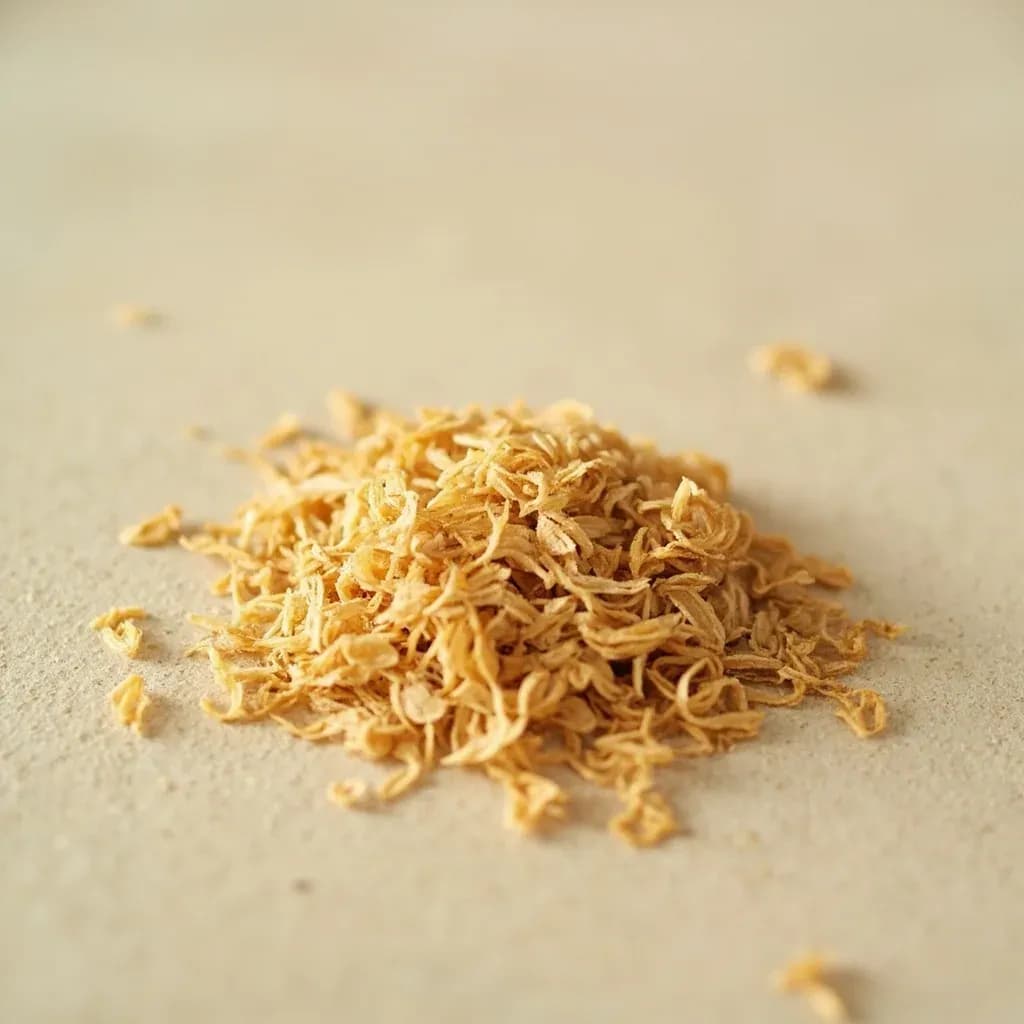
Flaked wheat is wheat that has been steamed and rolled into flat flakes. It cooks faster than whole berries and is used in porridge, muesli, and multigrain breads. In brewing it adds protein for foam stability and a fuller mouthfeel.
Flaked wheat is produced by steaming wheat berries until the kernels become pliable, then passing them through rollers that flatten them into thin flakes before drying. This process partially gelatinizes the starches, making the flakes more readily digestible and faster to cook than whole wheat berries. The result is a versatile, mild-flavored ingredient that adds texture and nutritional value to both food and beer.
In the kitchen, flaked wheat provides a wholesome, slightly nutty flavor and chewy texture that works equally well in breakfast porridges, granolas, and baked goods. Unlike wheat flour, the flakes retain their structural integrity, giving breads and crackers a satisfying crunch and some textural variety. However, using more than a small proportion in bread can result in a denser crumb and a gummier texture due to the bran fragments interfering with gluten development.
For brewers, flaked wheat is a workhorse adjunct that contributes body, mouthfeel, and foam retention without adding significant color or strong flavor. It is a staple in wheat beers, session pale ales, and any recipe where a light body is desired. Unlike torrified wheat, flaked wheat requires mashing with enzyme-rich malts to convert its starches into fermentable sugars. Brewers typically source this product in 50-pound bags from agricultural suppliers; the product must be milled with the grain bill and mashed — never added directly to the boil or fermenter.
- Measured in
- g
- Storage
- Pantry
Allergens
Types & varieties
Most common; mildly sweet, slightly nutty; bolder, more assertive flavor than white
Made from white wheat; milder, less assertive flavor and color
Steam-puffed under pressure; pre-gelatinized; no mashing required; used in baking and as a brewing adjunct for body
Unprocessed wheat berries or berries milled without malting; must be cooked or mashed; less common as flakes in brewing
Brewing with Flaked Wheat
Flaked wheat behaves differently from base malts in the mash. Because the starches are only partially gelatinized during processing, they require the sustained temperatures and enzymatic activity of a proper mash to fully convert. This makes flaked wheat an adjunct rather than a base malt — it contributes body and fermentables but cannot stand alone as the basis of a grain bill.
- Always include flaked wheat in the mash tun, never the boil or fermenter
- Pair with base malts containing active enzymes: 2-row, Pilsner, or Munich work well
- Mash at 148–154°F (64–68°C) for 60 minutes to ensure complete starch conversion
- Typical usage ranges from 5–30% of the total grain bill
- Styles that commonly use flaked wheat include American Wheat Beer, German Weizen, Belgian Witbier, and sessionable pale ales where adjunct body is desired without heavy color or flavor
Common uses
Tips & pitfalls
- In baking, soak flakes in hot liquid for 10–15 minutes before adding to dough to soften and prevent dryness
- For brewing, always include flaked wheat in the mash, not the boil — starch must gelatinize and convert during mashing
- Do not substitute torrified wheat directly for rolled or flaked wheat in brewing; torrified is pre-gelatinized and behaves differently
- Combine with 10–20% malted wheat to ensure adequate enzymatic activity for starch conversion in the mash
- Toast lightly in a dry pan before adding to porridge or granola for deeper nutty flavor
- When using in bread, limit to 15–20% of flour weight to avoid a dense, gummy crumb
- Flaked wheat does not self-convert; always pair with base malts that contain active enzymes (2-row, Pilsner, Munich)
- Crack or mill flaked wheat before mashing to improve water absorption and enzyme access
Nutrition
Energy
1418 kJ · per 100 g
Where the calories come from
Protein
13.7g
27% DV
Carbs
71.1g
26% DV
Fat
2.5g
3% DV
Sodium
2mg
0% DV
Source · USDA FoodData Central · approx. Wheat, durum
View on FDC →In the shops
Matched grocery products
No matched grocery products for Flaked Wheat yet.
Good to know
- Processing
- Wheat berries are steamed, then rolled flat and dried into flakes
- Source grain
- Common wheat (Triticum aestivum), sometimes spelt or durum
- Gelatinization temperature
- 195–210°F (90–99°C); requires a full mash to convert starches
- Brewing yield
- Approximately 77–80% extract by weight (fine grind)
- Color contribution
- 2–3 Lovibond; adds very little grain color to beer
- Typical brewing usage
- 5–30% of grain bill depending on style and desired body
- Storage
- Cool, dry place; shelf life 6–12 months; protect from pests and moisture
Substitutes
- Rolled oats — Similar texture and function in porridge or baking; not suitable as a brewing substitute due to different starch profile and husk character
- Rolled barley — Adds body in brewing but contributes more huskiness and differs in flavor; not a direct substitute in food applications
- Torrified wheat — Pre-gelatinized; works in baking without cooking; in brewing, behaves differently from flaked wheat and is not a direct substitute
- Steel-cut wheat berries — Must be cooked longer; not a direct substitute for flakes in most applications
Pairs with
Also called
Rolled Wheat
Appears in these dishes

Related

White Rice
Fluffy long-grain rice — the neutral base for almost any meal

White Bread
Soft sandwich loaf for toast, sandwiches, and crumbs
Brown Rice
Nutty, whole-grain rice with chew and extra fiber

Basmati Rice
Fragrant, long-grain rice that cooks up light and separate
Jasmine Rice
Soft, floral-scented rice that's the pillar of Thai meals
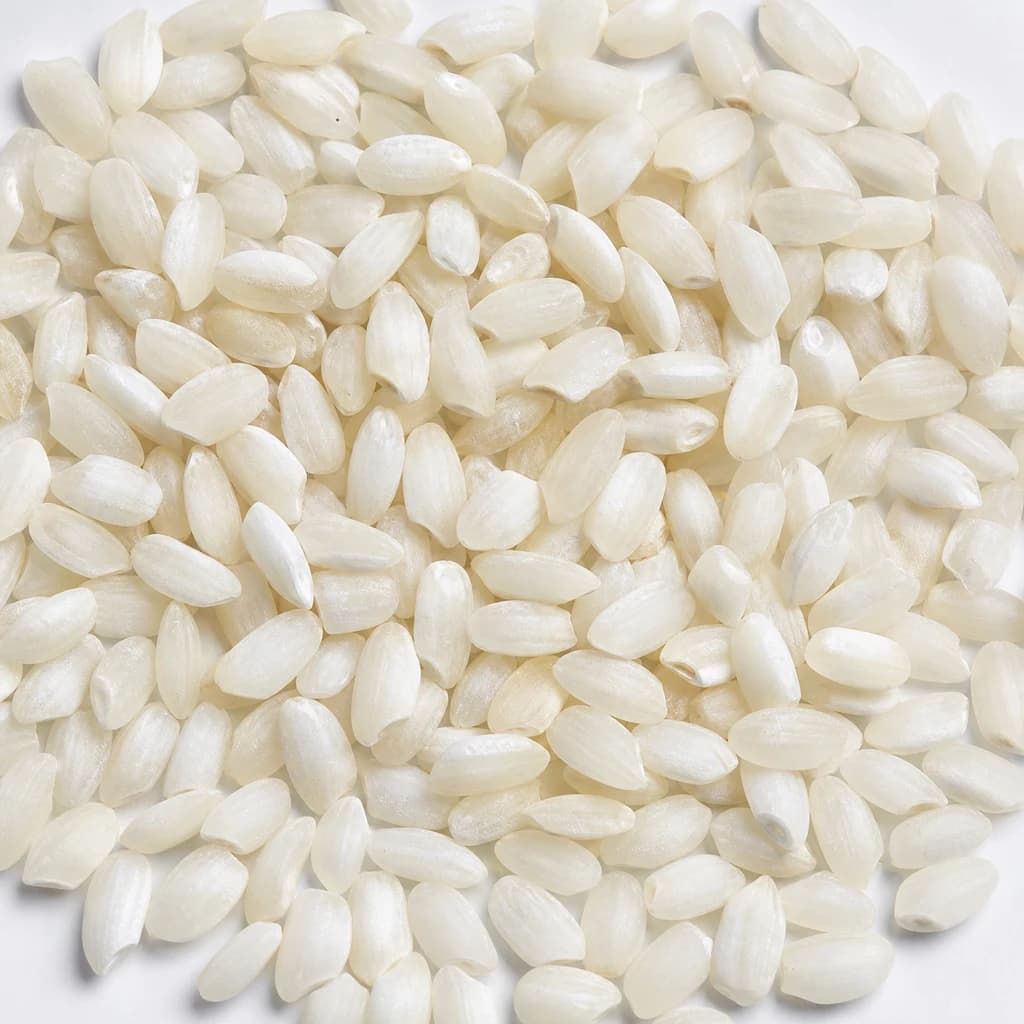
Arborio Rice
Plump, starchy rice that makes risotto creamy
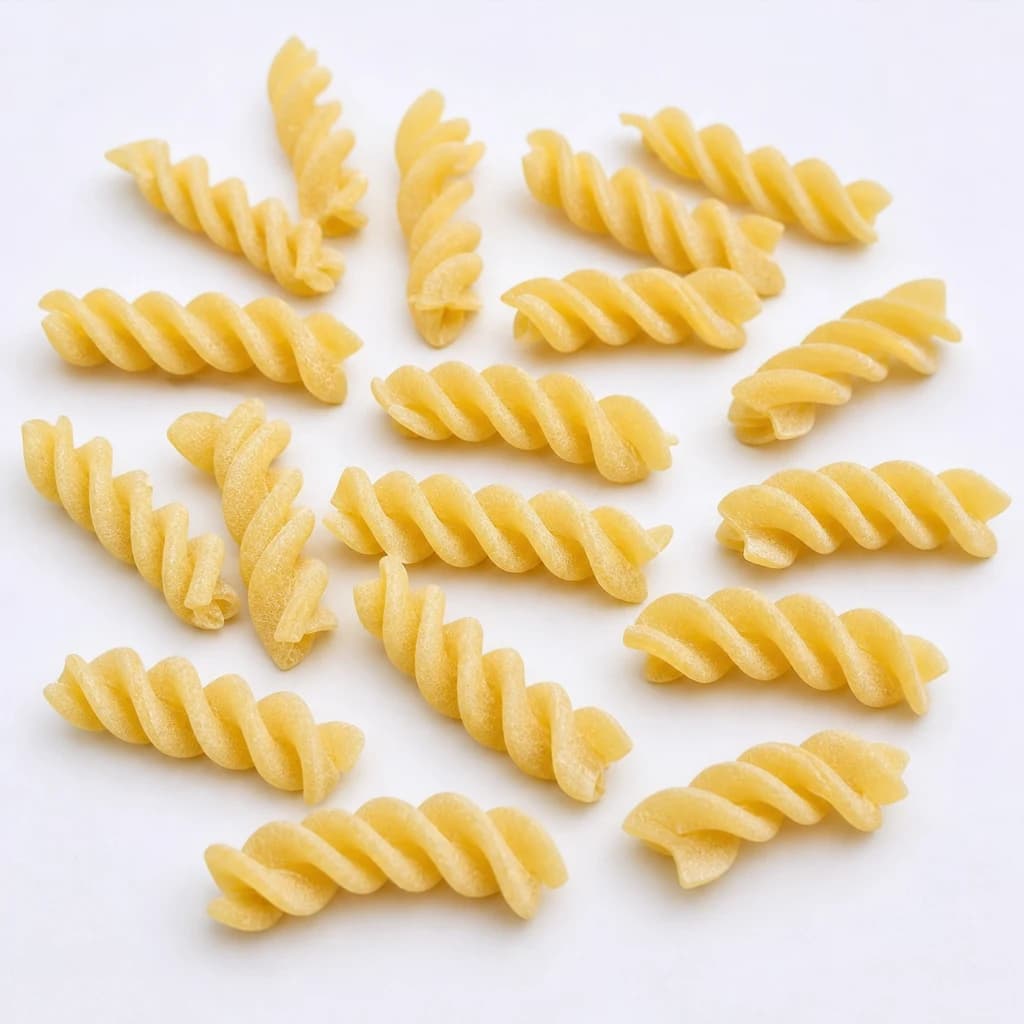
Fusilli
Spiraled pasta that twirls up sauce and dresses cold salads
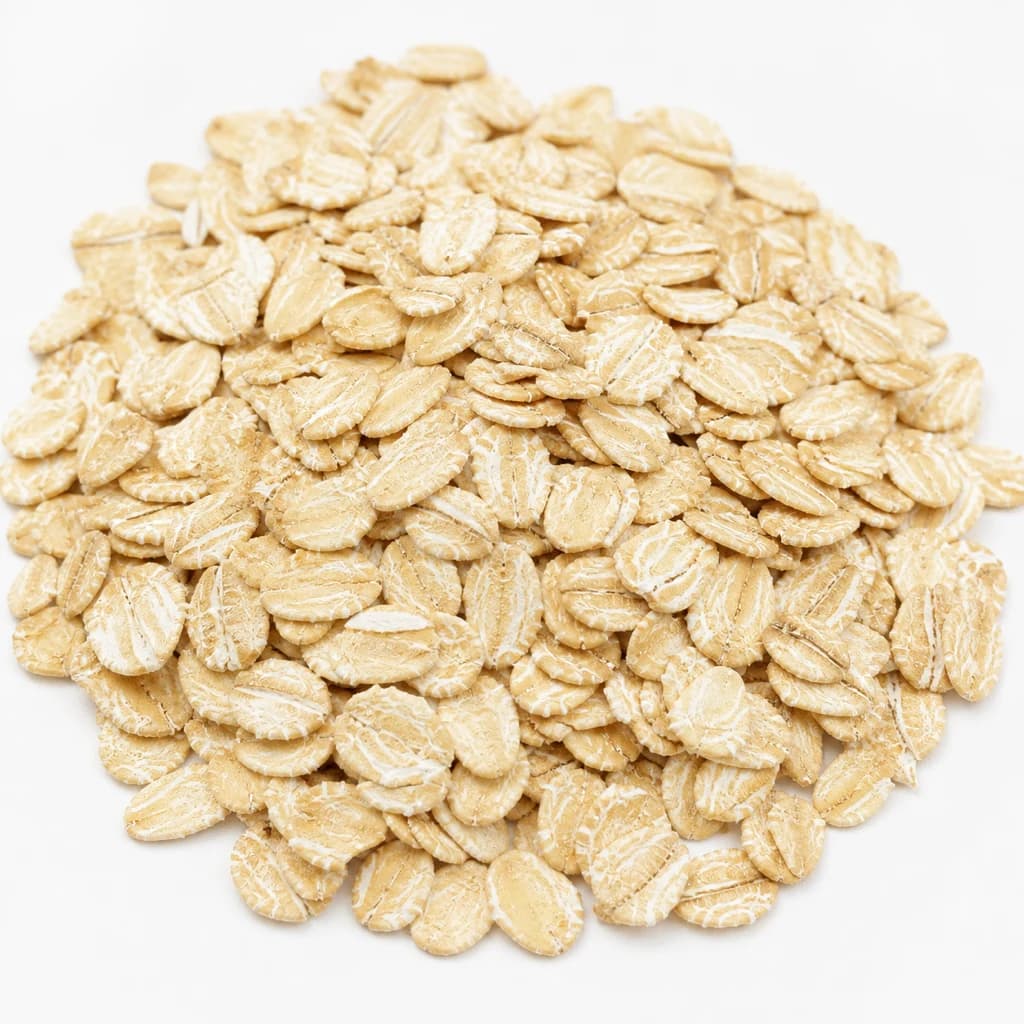
Rolled Oats
Hearty flakes for porridge, granola, and chewy cookies