
Natural form
Frantoio olives on the branch: small, oval green fruits approaching harvest ripeness.
Shows the olive in its natural growing state so readers recognize the cultivar before picking.
Produce
Frantoio Olive
Tuscan olive variety prized for pressing into peppery, fruity extra-virgin olive oil.
Frantoio is a classic Italian olive cultivar from Tuscany, grown chiefly for oil rather than table eating. It yields a green, fruity extra-virgin olive oil with notes of artichoke and almond and a peppery finish. As a table olive it is firm and slightly bitter, but its main role is as a backbone of high-quality Tuscan blends.
Frantoio is Tuscany's defining olive cultivar, the variety most responsible for the region's reputation as Italy's premier olive oil producer. Grown extensively across central Italy and internationally wherever serious olive oil is made, Frantoio produces fruit with exceptionally high oil content (16–20% by weight) that yields a characteristic extra-virgin oil prized for its balance of fruity sweetness, gentle bitterness, and distinctive peppery finish. The cultivar's name derives from frantoio, the Italian word for olive press—a nod to its historical centrality in Tuscan oil production. Vigorous, semi-upright trees with consistent productivity and good cold tolerance (to approximately -10°C / 14°F) have made Frantoio a reliable commercial cultivar, now widely planted beyond Tuscany in California, Argentina, and Australia.
The oil's golden-to-deep green color and complex sensory profile reflect the variety's high polyphenol content. These natural antioxidants contribute not only to the oil's characteristic peppery bite—which registers at the back of the throat as a pleasant tingle—but also to the oil's stability and potential health benefits, including anti-inflammatory properties similar to ibuprofen. Frantoio's balance of fruitiness, moderate bitterness, and robust pungency makes it remarkably versatile in the kitchen, equally at home drizzled over rustic bread, tossed with bitter greens, or finishing a bowl of ribollita.
Harvested mid-season from October through December, Frantoio olives are typically pressed within 24–48 hours of picking to preserve aromatic freshness. The oil peaks in quality within 12–18 months of pressing and is best used within 6 months of opening. Properly stored in sealed containers away from light and heat at 14–18°C (57–64°F), the oil maintains its character; once opened, refrigeration is recommended to slow oxidation, though the oil will cloud and solidify in the cold and return to liquid at room temperature without loss of quality.
- Measured in
- g
- Storage
- Fridge
Types & varieties
The principal Tuscan cultivar; name derives from the Italian word for olive mill
A recognized Tuscan sub-type with slightly larger fruit and similar oil characteristics
A Frantoio-related cultivar grown in southern Tuscany, producing oil with comparable peppery intensity
A related variety found in parts of Lazio, frequently blended with Frantoio in regional production
Common uses
Tips & pitfalls
- The peppery bite in Frantoio oil comes from polyphenols—higher levels indicate fresher, more robust oil with better stability
- Buy early-harvest Frantoio oil (October) for intense, grassy, peppery flavors; later harvest yields milder, fruitier oil
- Look for DOP Chianti or DOP Valdibella certifications to confirm Tuscan origin and strict production standards
- Frantoio oil contains oleocanthal, a natural anti-inflammatory compound similar to ibuprofen in its effects
- High-heat cooking will diminish Frantoio oil's aromatic complexity—use it for finishing or moderate-temperature cooking where its character can shine through
- Store opened bottles in the refrigerator; the oil will cloud and solidify but returns to liquid at room temperature without loss of quality
- When substituting other oils for Frantoio in finishing applications, choose another Tuscan cultivar (Moraiolo, Leccino) rather than a mild Greek or Californian oil
- Genuine Frantoio oil commands higher prices because the variety has lower yields than some cultivars—suspiciously cheap 'Tuscan' oil is often a blend
Nutrition
Energy
983 kJ · per 100 g
Where the calories come from
Protein
11.8g
24% DV
Carbs
9.2g
3% DV
Fat
16.5g
21% DV
Fiber
0g
0% DV
Sugars
0g
of which
Sodium
964mg
42% DV
Source · USDA FoodData Central · approx. Olive loaf, pork
View on FDC →In the shops
Matched grocery products
No matched grocery products for Frantoio Olive yet.
Good to know
- Type
- Olive cultivar (Olea europaea)
- Origin
- Tuscany, Italy; among the most widely planted Italian cultivars worldwide
- Primary Use
- Extra-virgin olive oil production
- Growing Regions
- Tuscany, Umbria, Lazio; also cultivated in California, Argentina, and Australia
- Oil Content
- High (16–20% by weight)
- Oil Color
- Golden to deep green-tinged yellow
- Harvest Season
- October to December (mid-season)
- Shelf Life
- Peaks within 12–18 months of pressing; best within 6 months of opening
- Storage
- Sealed, away from light and heat; ideal temperature 14–18°C (57–64°F)
- Cold Tolerance
- To approximately -10°C (14°F)
Substitutes
- Leccino — Milder Tuscan cultivar; use 1:1 but expect less peppery finish and a softer character
- Moraiolo — More pungent, smaller-fruited Tuscan variety; excellent match for Frantoio's peppery intensity
- Coratina — Apulian cultivar with high polyphenols and robust flavor; use 1:1 in salad dressings and finishing applications
- Pendolino — Primarily a pollinator variety, but pressed alone yields mild, buttery oil; not ideal for matching Frantoio's intensity
Pairs with
Related
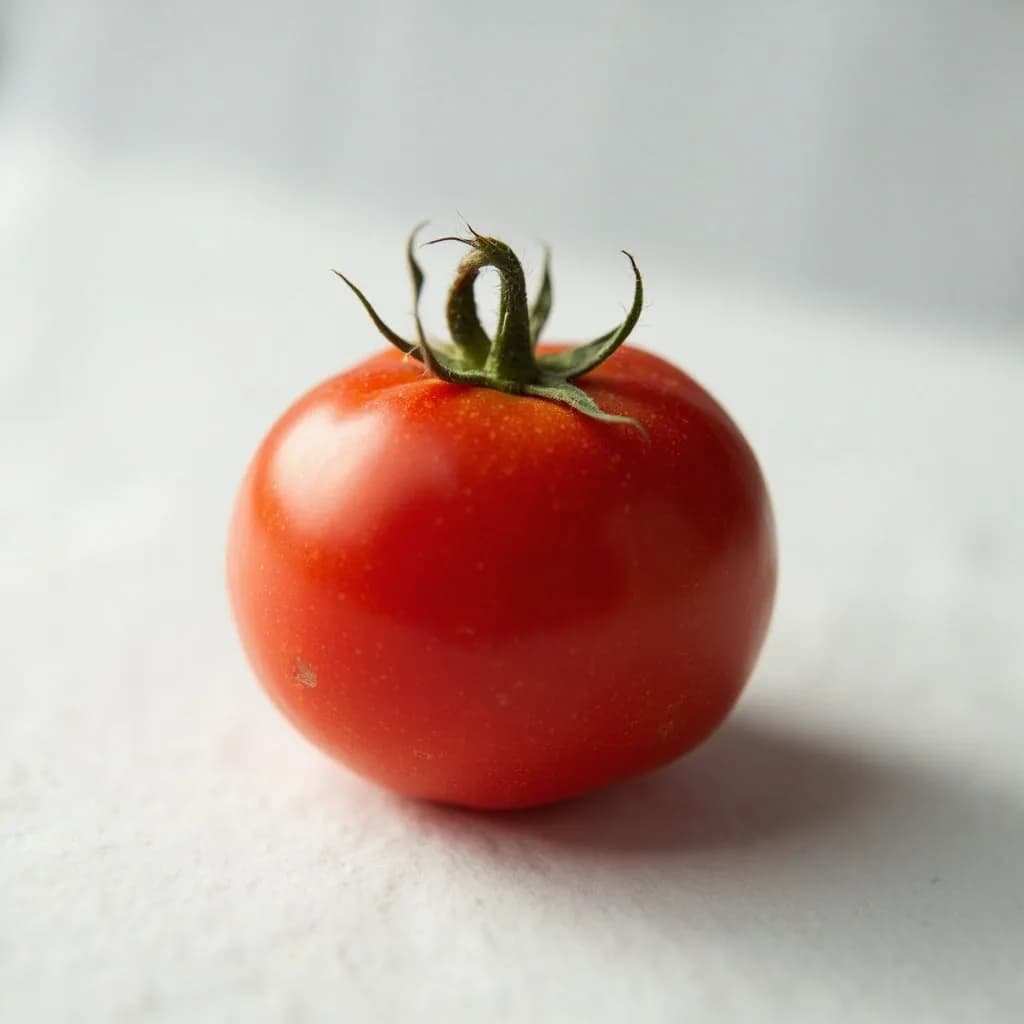
Tomato
Juicy, sun-sweet fruit for sauces, salads, and slow-cooked depth
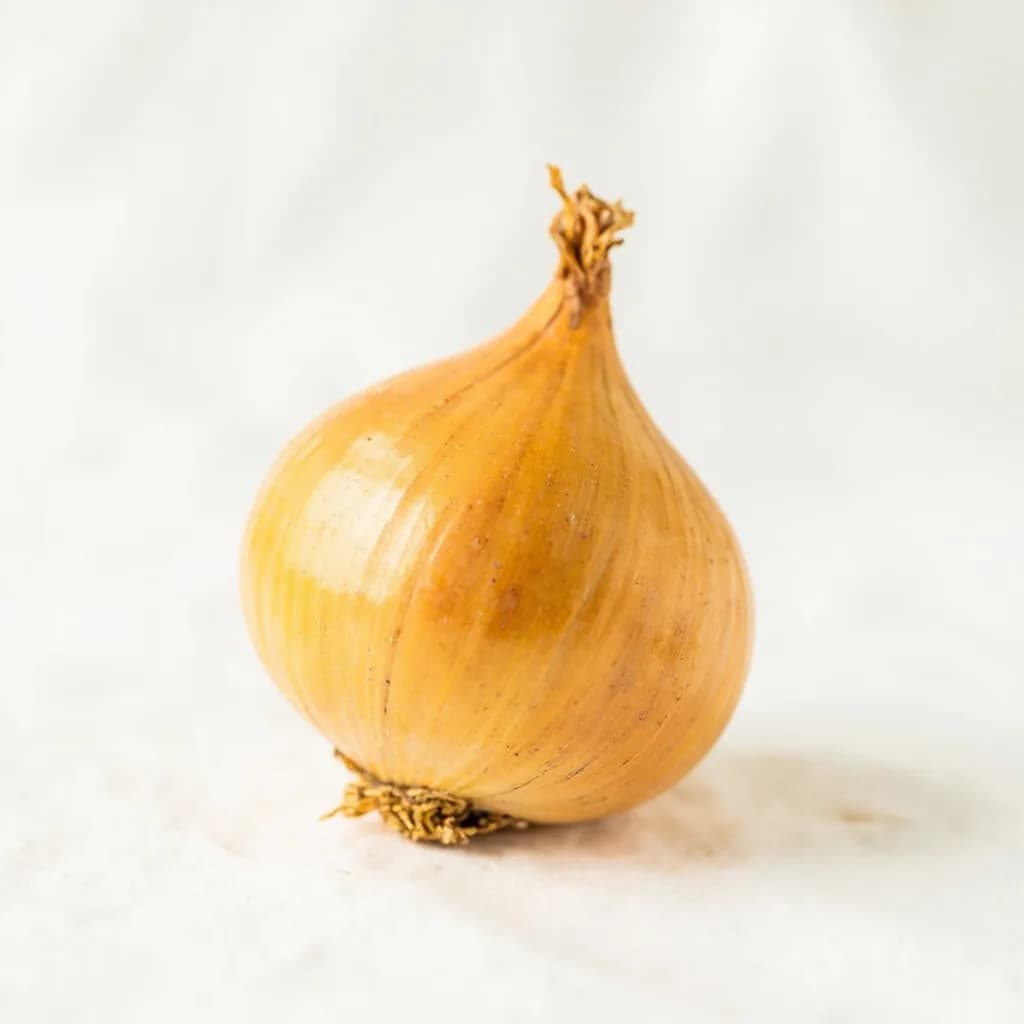
Yellow Onion
The aromatic backbone of soups, sofritos, and braises
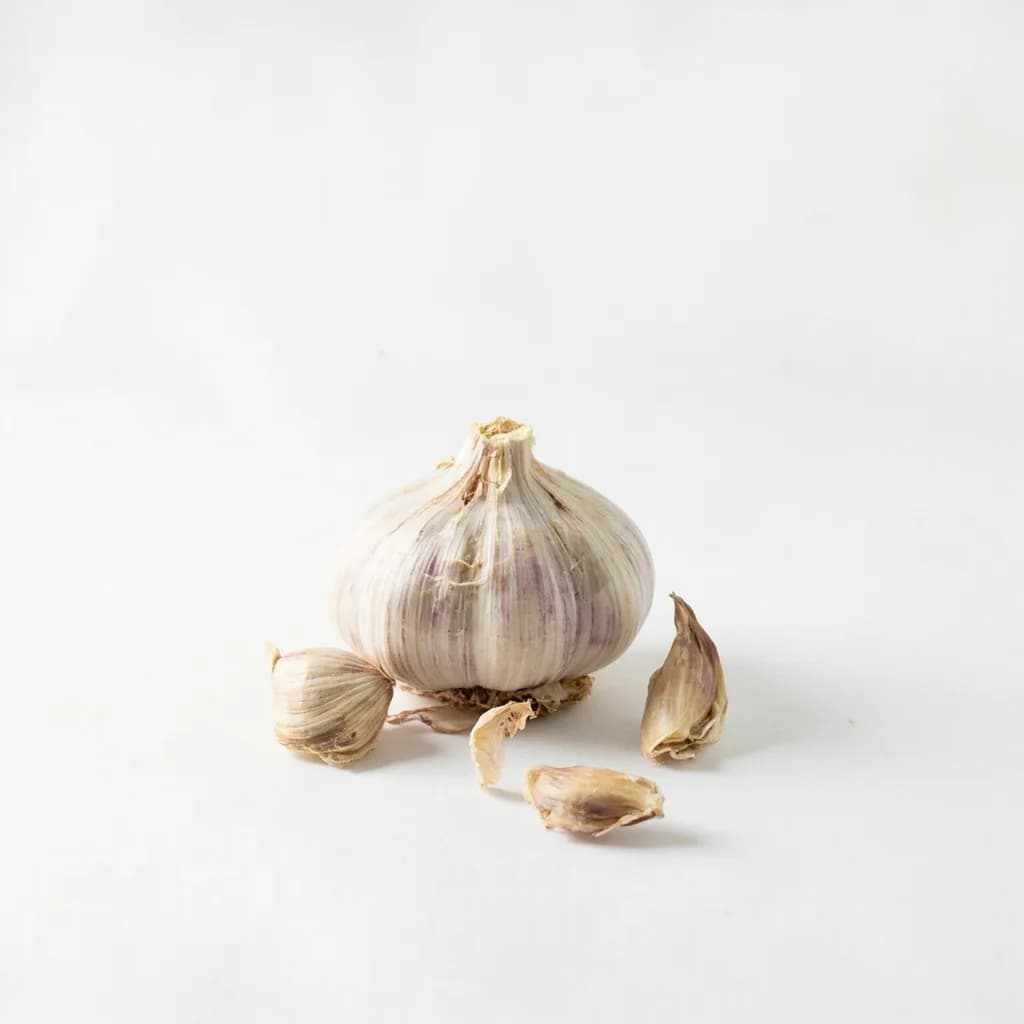
Garlic
Pungent cloves that perfume nearly every savory dish
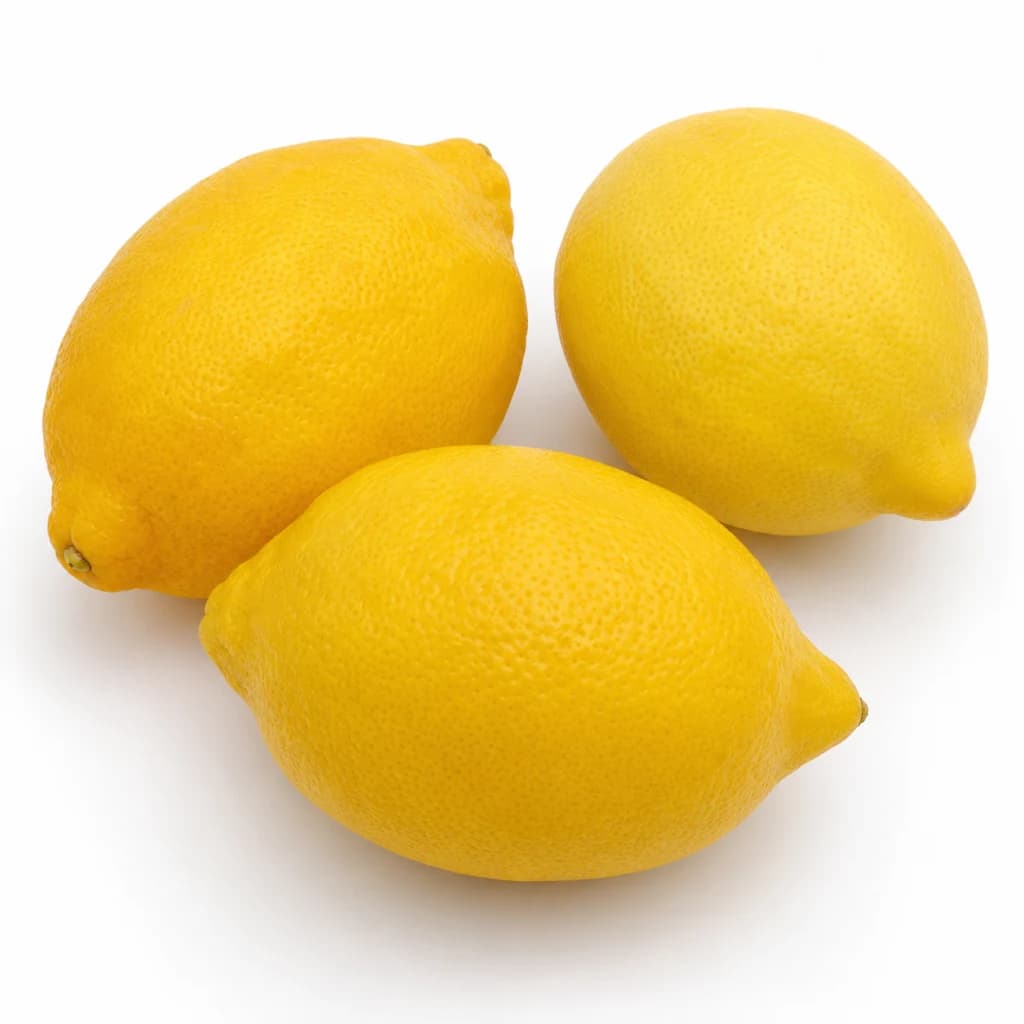
Lemon
Bright, acidic citrus that wakes up almost any dish
Potato
Humble, hearty staple — roast, mash, fry, or boil
Carrot
Sweet, crunchy root — raw, roasted, or the base of a sofrito
Cucumber
Cool, crisp, and watery — for salads, pickles, and tzatziki

Lettuce
Crisp leaves for salads, wraps, and a fresh crunch