Proteins
Frozen Beef
Beef preserved by freezing, thawed for everyday cooking.
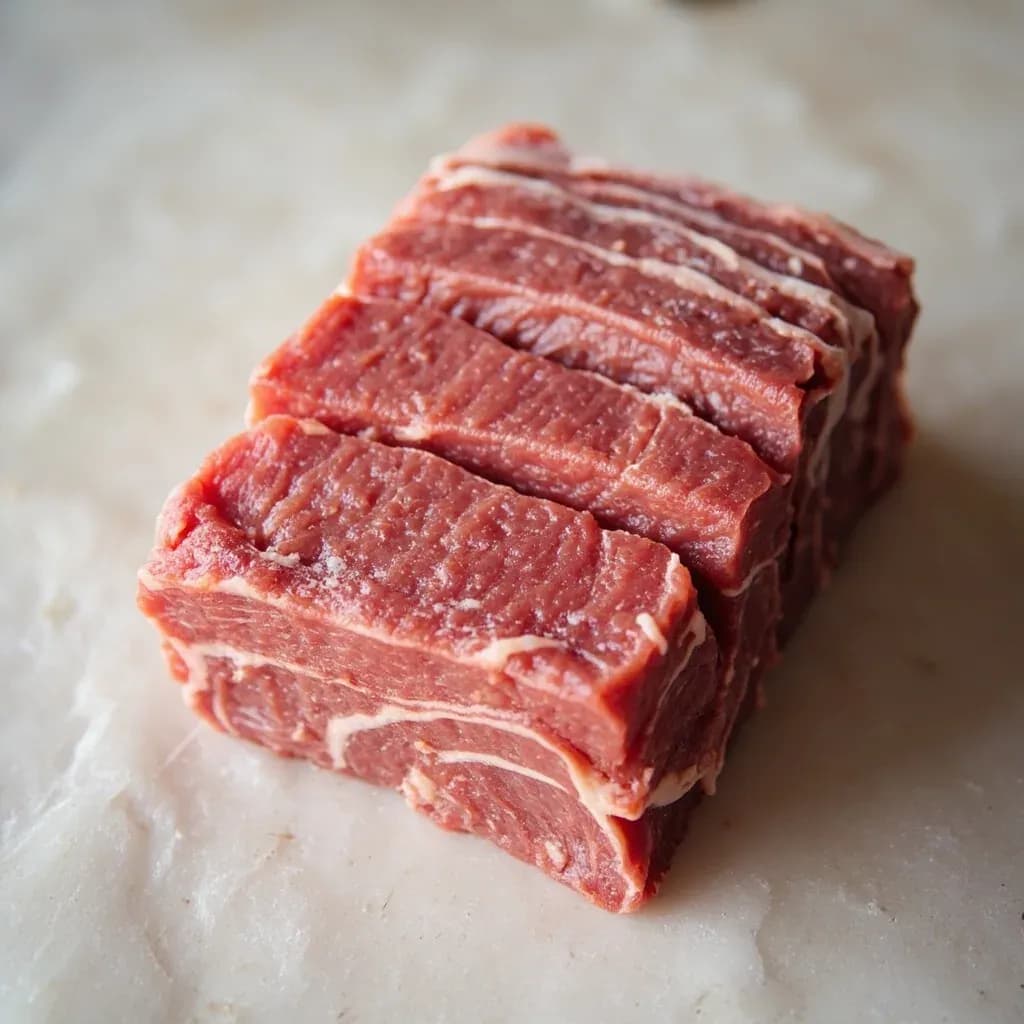
Frozen beef is beef preserved at sub-zero temperatures to extend its shelf life, available as cuts, mince, or thin shabu-style slices. It is thawed before cooking or, when sliced thin, dropped straight into hot pot and stir-fries. Freezing keeps the meat usable for months.
Frozen beef is fresh beef rapidly frozen to preserve quality, then held at sustained subzero temperatures until needed. Freezing arrests bacterial activity and enzymatic degradation, effectively pausing the clock on freshness. The key distinction lies in how the beef is frozen: conventionally frozen beef develops larger ice crystals that can rupture muscle fibers, leading to some textural compromise upon thawing. Flash-frozen beef, by contrast, is rapidly frozen at -40°F, creating smaller ice crystals that cause minimal cellular damage—many cooks find flash-frozen beef nearly indistinguishable from fresh when properly prepared. Freezing is not a salvage technique for poor-quality beef; it preserves the quality that exists at the moment of freezing. For home cooks, frozen beef represents both an economic choice—bulk purchasing, sales, wholesale buying—and a practical one: emergency protein, meal prep, reduced food waste. The science of thawing and cooking frozen beef is well-established, and when handled correctly, it performs identically to fresh in most applications.
- Measured in
- g
- Storage
- Freezer
Types & varieties
Most common form; available in 80/20, 85/15, 90/10 lean-to-fat ratios; IQF patties for convenience
Steaks, roasts, stew meat; sold as "frozen at peak freshness" or previously frozen for retail
Individually sealed, rapidly frozen at processing; often marketed as comparable to fresh in quality
Frozen beef stock for sauces and soups; not technically whole beef but essential in the same category
Liver, heart, kidney; less commonly available but stable for several months
The "Previously Frozen" Question
Major supermarket chains sell "previously frozen" beef—beef frozen at the processing facility then thawed for retail display. This is not inferior beef; it was frozen closer to the time of slaughter than much of the "fresh" beef sitting in the case, which may have spent days in transit. The USDA does not require retailers to label beef as frozen or previously frozen, so ask the butcher if unsure. Previously frozen beef often appears at reduced prices and is ideal for cooking—the slight moisture loss actually benefits browning—though it may not be ideal for raw presentations like tartare.
- Previously frozen beef often browns faster during cooking due to reduced moisture
- The texture difference is negligible in braises, stews, and ground applications
- Avoid using previously frozen beef for carpaccio or other raw preparations where texture matters most
Freezing Freshness Into Beef
The single most important factor in frozen beef quality is the quality at the moment of freezing. Freeze beef as close to purchase as possible—ideally within 24 hours for whole cuts, immediately for ground beef. When buying frozen beef at the store, look for packages that are solid and uniformly frozen with no visible ice crystals, which indicate temperature fluctuations in the supply chain. Vacuum-sealed beef maintains quality significantly longer than butcher-wrapped beef because eliminating air prevents both freezer burn and oxidative flavor degradation.
- Never refreeze beef that has been thawed at room temperature or in warm water
- Invest in a vacuum sealer if you buy beef in bulk—the cost pays for itself in reduced food waste
- Label every package with the cut, weight, and freeze date using masking tape and marker
Common uses
Tips & pitfalls
- Date all frozen beef with masking tape and marker; rotate stock using first-in, first-out method
- Squeeze out excess air before wrapping ground beef to prevent freezer burn
- For steaks: thaw partially (overnight in fridge), then sear hot and finish in oven for a better crust than fully thawed
- Never leave beef on the counter to thaw—bacterial surface growth occurs rapidly in the danger zone (40–140°F)
- If beef smells sour, has gray-brown discoloration beyond surface, or feels slimy after cooking, discard it
- Vacuum-sealed beef lasts significantly longer than butcher-wrapped beef in the freezer
- Slight ice crystals on frozen beef indicate freezer burn; trim affected areas before cooking
- For stew meat, freeze portions flat in zip bags for faster thawing and easier stacking
- Ground beef can be cooked directly from frozen in casseroles, soups, and chili—increase cooking time by 50%
- Flash-frozen beef from reputable suppliers often surpasses conventionally frozen beef in texture retention
Nutrition
Energy
828 kJ · per 100 g
Where the calories come from
Protein
19.4g
39% DV
Carbs
0g
0% DV
Fat
12.7g
16% DV
Fiber
0g
0% DV
Sugars
0g
of which
Sodium
68mg
3% DV
Source · USDA FoodData Central · approx. Beef, grass-fed, ground, raw
View on FDC →In the shops
Matched grocery products
No matched grocery products for Frozen Beef yet.
Good to know
- Storage Life (Freezer)
- 3–4 months for ground beef; 4–12 months for cuts at 0°F (-18°C) or below
- Thawing Method
- Refrigerator preferred (24h per 5 lbs); cold water changes every 30 min; or microwave defrost setting
- USDA Guideline
- Safe to refreeze if thawed in refrigerator; quality declines with each freeze-thaw cycle
- Freezer Burn
- White or grayish-brown leathery patches; affects texture and flavor but not safety if trimmed away
- Temperature
- Freezer at 0°F (-18°C) or below; refrigerator at 40°F (4°C) or below
- Quality Indicator
- Color change (bright red to brown) does not indicate spoilage; odor, slime, or stickiness does
- Packaging
- Airtight or vacuum-sealed wrapping prevents freezer burn and flavor transfer between foods
Substitutes
- Fresh Beef — Preferred for quality in high-heat searing; not always available or cost-effective
- Frozen Ground Turkey or Chicken — Lower fat, similar texture for tacos and sauces; flavor is milder
- Frozen Plant-Based Ground — Impossible Burger, Beyond Beef; works in most applications but higher cost, different behavior
Pairs with
Also called
Frozen Beef Slices
Related
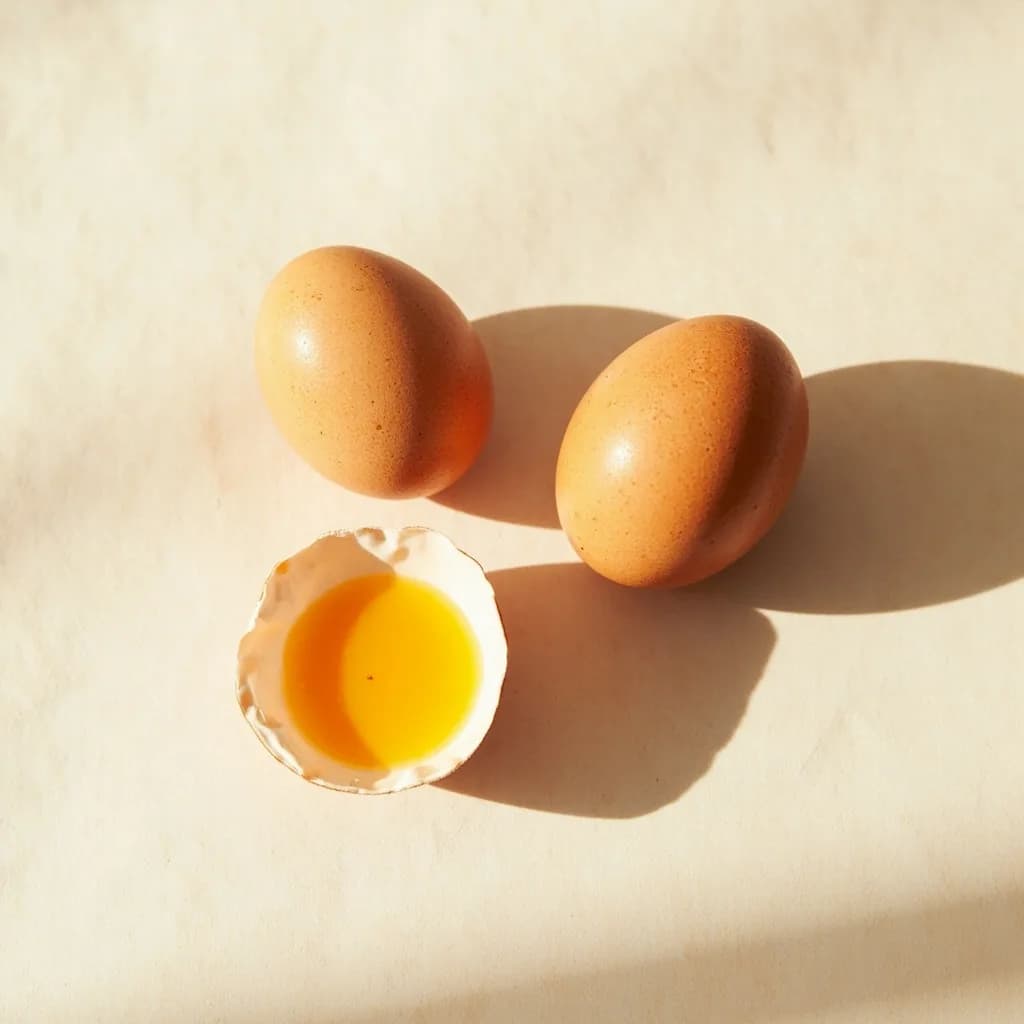
Egg
The kitchen's everything ingredient — bind, leaven, enrich, or fry
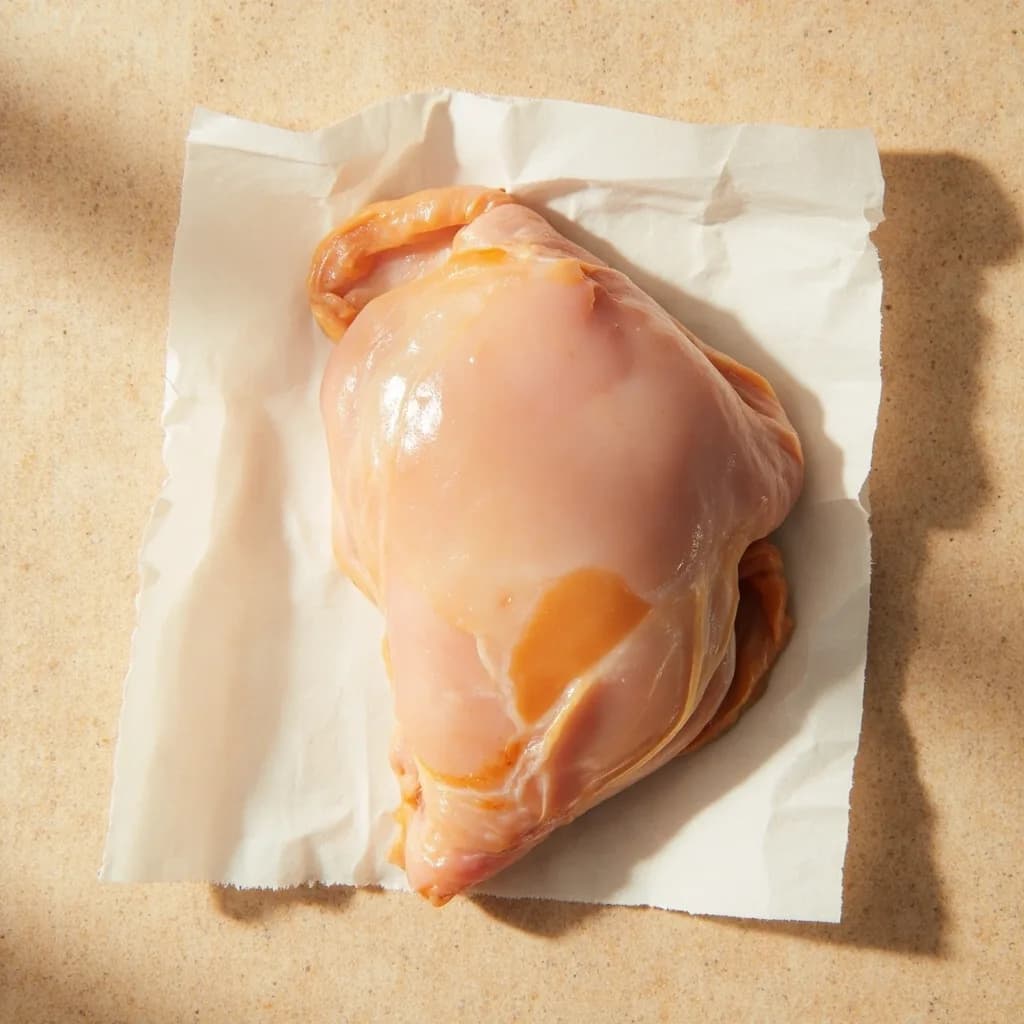
Chicken Breast
Lean, quick-cooking white meat for everyday dinners

Ground Beef
Versatile minced beef for burgers, ragù, tacos, and meatballs
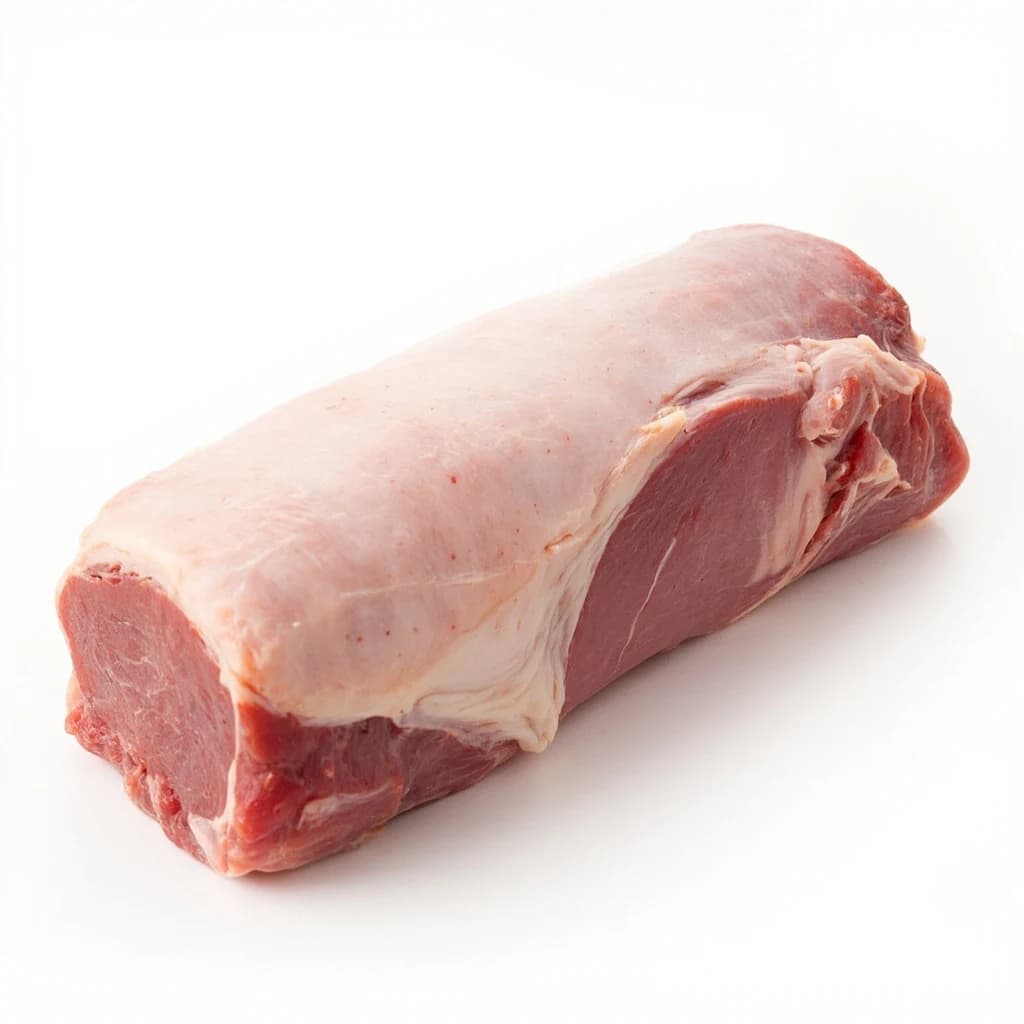
Pork Loin
Lean, tender roasting cut that stays juicy with care
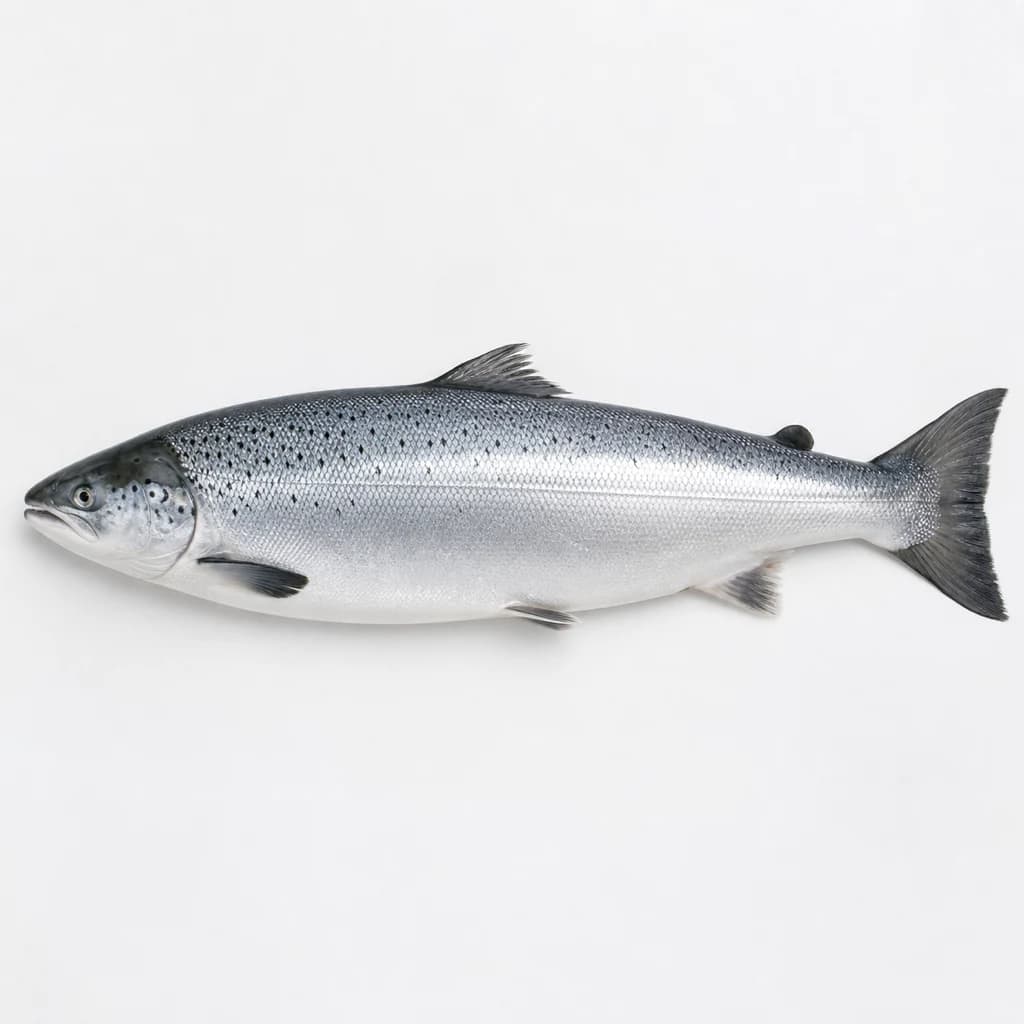
Salmon
Rich, rosy fish that roasts, grills, or cures beautifully

Egg White
Pure protein that whips to airy peaks for meringue and more
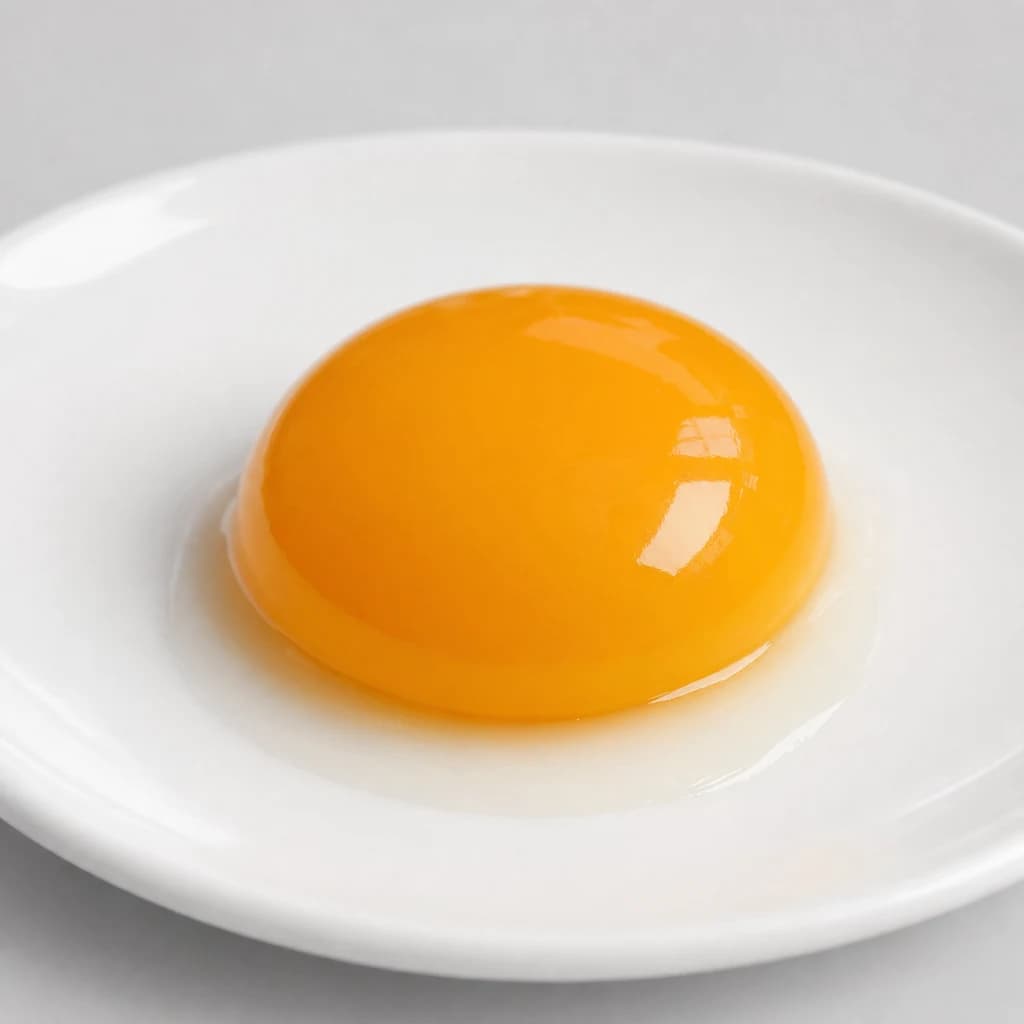
Egg Yolk
Rich, golden yolk for custards, mayonnaise, and pasta

Quail Egg
Tiny, speckled eggs for garnishing and elegant bites