
Natural form
A sprouting coconut on the outside: green shoot emerging from the husk, roots just visible at the base.
Shows the unmistakable exterior sign of germination — the green shoot — so readers recognize this stage at a market or beach.
Produce
Germinated Coconut (Utu)
Sprouted coconut whose interior forms a sweet, spongy edible ball known across the Pacific.
A germinated coconut is one that has begun to sprout, its cavity filling with a soft, spongy, sweet ball of tissue called the coconut apple. Known as utu in the Pacific and as a delicacy in Southeast Asia and India, the airy ball is eaten fresh as a snack, mildly sweet and reminiscent of cotton candy or marshmallow. It is harvested by splitting open a sprouting nut.
Germinated coconut represents a remarkable botanical transformation that Pacific Island cultures have prized for centuries. When a mature coconut falls from the tree and begins to sprout, the dormant plant embryo—called the "apple" or uto—starts growing by digesting the stored endosperm. This process converts the hard white meat into a sweet, spongy mass while the coconut water grows noticeably sweeter and more floral. The sprouted embryo itself emerges from one of the three "eyes" at the base of the coconut, developing into a soft, jelly-like core that can be eaten directly or incorporated into both sweet and savory preparations.
Unlike young green coconuts harvested for drinking, germinated coconuts are allowed to fully ripen before germination begins—a process that takes 4–8 months after the fruit falls. This extended maturation creates a fundamentally different product with its own distinct character. Across Hawaii, Fiji, Samoa, Tahiti, and Sri Lanka, the germinated coconut holds ceremonial and culinary significance. In Fiji, the uto is traditionally presented at yaqona (kava) ceremonies, while in Sri Lanka the fibrous apple adds textural complexity to coconut milk-based curries under the regional name "polic coconut." The cultivation requires patience: germination occurs only after full ripening and natural fall, making these a seasonal and site-specific delicacy dependent on access to mature coconut palms.
- Measured in
- piece
- Storage
- Fridge
Allergens
Types & varieties
Softest, sweetest apple; interior is mostly liquid with a small solid core. Ideal for eating raw or drinking the sweet liquid.
Firm texture with a solid, fibrous apple. Stronger coconut flavor makes this better suited for cooking applications.
Regional term for germinated coconut used specifically in Sri Lankan cuisine, particularly in coconut milk-based curry dishes for added texture.
Understanding the Germination Process
When a coconut reaches full maturity on the tree, it contains everything needed to grow a new palm: the hard white meat stores energy, and the cavity holds liquid endosperm. Once the fruit falls and conditions are favorable, the embryo—located near the "eyes" at the base—begins to sprout. The growing plant digests the surrounding meat, converting it into a sweet, spongy mass that supplies energy to the emerging shoot. This is the "apple" or uto prized across the Pacific. Simultaneously, the coconut water becomes sweeter as the plant metabolizes sugars. The sprout itself grows downward from the eye and upward, eventually forming roots and leaves if planted. For culinary purposes, the coconut is harvested while the sprout is still edible—before it becomes woody and inedible.
Pacific Island Cultural Significance
Germinated coconut is not merely a curiosity in Pacific Island cultures—it carries ceremonial weight. In Fiji, the uto is traditionally presented at yaqona (kava) ceremonies, offered to guests as a sign of hospitality and respect. In Hawaii, utu was historically reserved for chiefs and sacred occasions, reflecting the high regard in which this transformed coconut was held. The deliberate cultivation of germinated coconuts for eating demonstrates a sophisticated understanding of the coconut's lifecycle: rather than planting immediately or consuming at the drinking stage, Pacific cultures recognized the unique value of this intermediate developmental moment.
Common uses
Tips & pitfalls
- Look for a coconut with three dark "eyes"—germination begins through the softest eye, which may show slight cracking or give slightly when pressed
- Shake the coconut: a germinated specimen often has more liquid than expected and sounds fuller than a standard mature coconut
- Crack carefully—the sprout inside is delicate and attached to the interior wall; use a screwdriver and hammer to create controlled cracks around the equator
- The apple grows from the point where the sprout emerges; cut around it cleanly to extract intact for presentation or cooking
- If the sprout exceeds 20 cm, the interior becomes woody and inedible—look for specimens with sprouts between 5–15 cm for best texture
- Common mistake: confusing germinated coconut with young green coconut; they represent opposite ends of the developmental spectrum
- Once opened, consume the sprouted portion within 1–2 days; the sweet apple begins to ferment and lose its delicate floral character quickly
- In traditional preparations, the fibrous apple is often sliced thin and added at the end of cooking to retain texture rather than cooked until soft
Nutrition
Energy
218 kJ · per 100 g
Where the calories come from
Protein
0.3g
1% DV
Carbs
13.8g
5% DV
Fat
0.2g
0% DV
Fiber
2.4g
9% DV
Sugars
10.4g
of which
Sodium
1mg
0% DV
Source · USDA FoodData Central · approx. Apples, raw, with skin (Includes foods for USDA's Food Distribution Program)
View on FDC →In the shops
Matched grocery products
No matched grocery products for Germinated Coconut (Utu) yet.
Good to know
- Also Known As
- Utu (Hawaiian), Uto (Fijian), Fu coconut (Samoan), Polic coconut (Sri Lankan), Sprouting coconut
- Origin
- Pacific Islands (Hawaii, Fiji, Samoa, Tahiti) and South Asia (Sri Lanka)
- What It Is
- Mature coconut beginning germination, with a sweet spongy "apple" (the sprouted embryo) developing inside the cavity
- Flavor
- Sweet, floral, and slightly nutty; milder and more delicate than fresh coconut meat
- Texture
- Spongy, jelly-like when young; becomes firmer and fibrous as the sprout matures
- How to Identify
- Slight cracking at the three "eyes"; coconut water tastes noticeably sweeter than ungerminated
- Peak Harvest
- Year-round in tropical climates; sweetest when sprout measures 5–15 cm
- Shelf Life
- Whole: refrigerate up to 2 weeks; eat sprouted portion within 1–2 days of opening
Substitutes
- Young coconut meat (sapo) — Offers soft texture and sweet flavor, but lacks the characteristic spongy apple structure and subtle floral notes of germinated coconut
- Water chestnuts — Provides similar crunchy, spongy texture in cooked applications but imparts no coconut flavor
- Nata de coco — Delivers a comparable jelly-like texture in desserts but is gelatin-based rather than coconut-derived; best as a textural substitute only
Pairs with
Also called
Utu · Coconut Apple · Coconut Sprout
Related
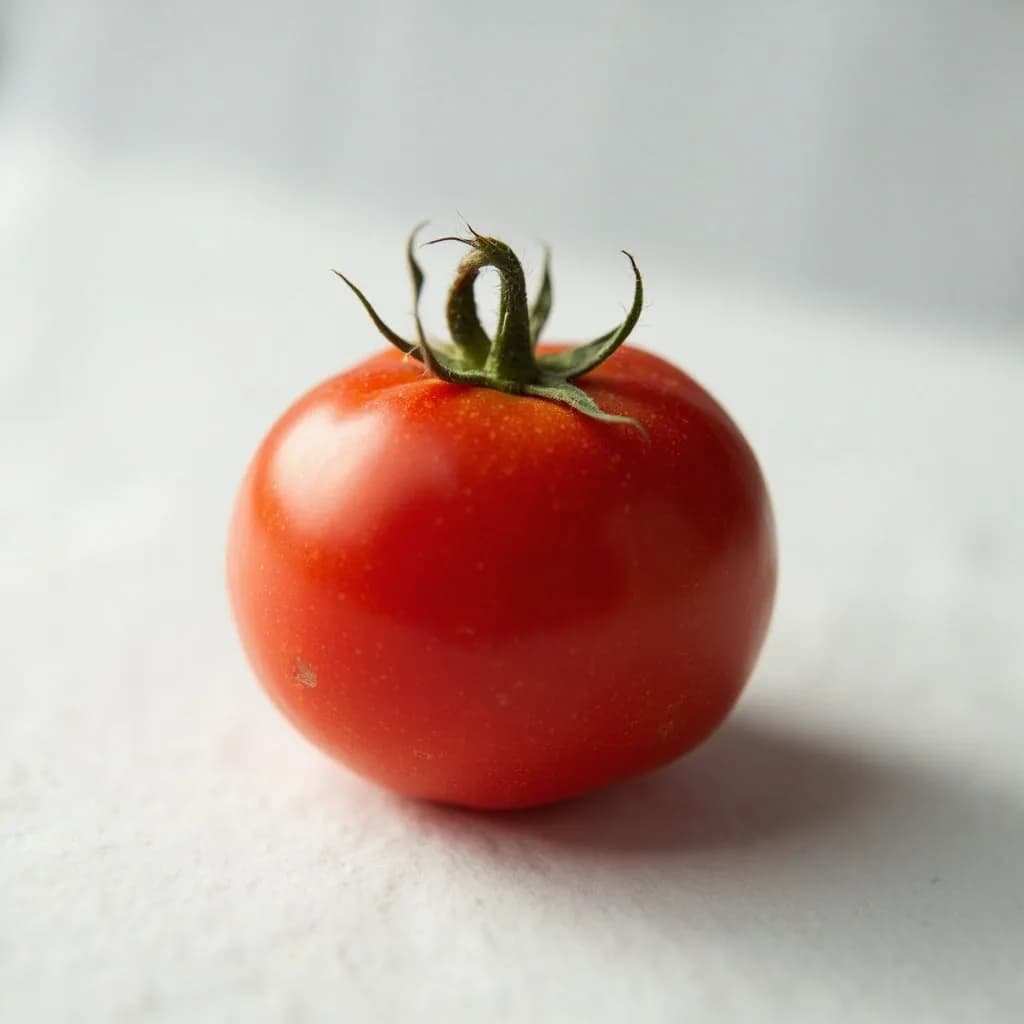
Tomato
Juicy, sun-sweet fruit for sauces, salads, and slow-cooked depth
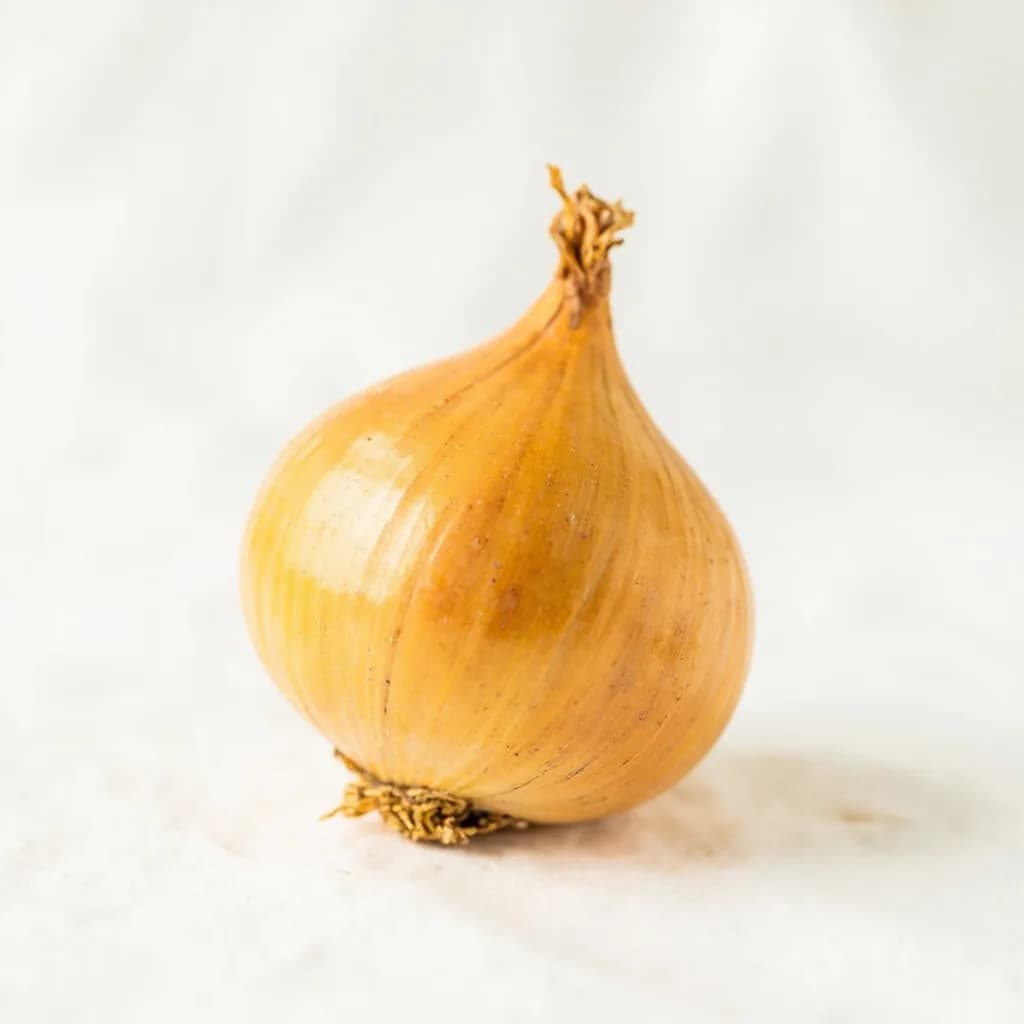
Yellow Onion
The aromatic backbone of soups, sofritos, and braises
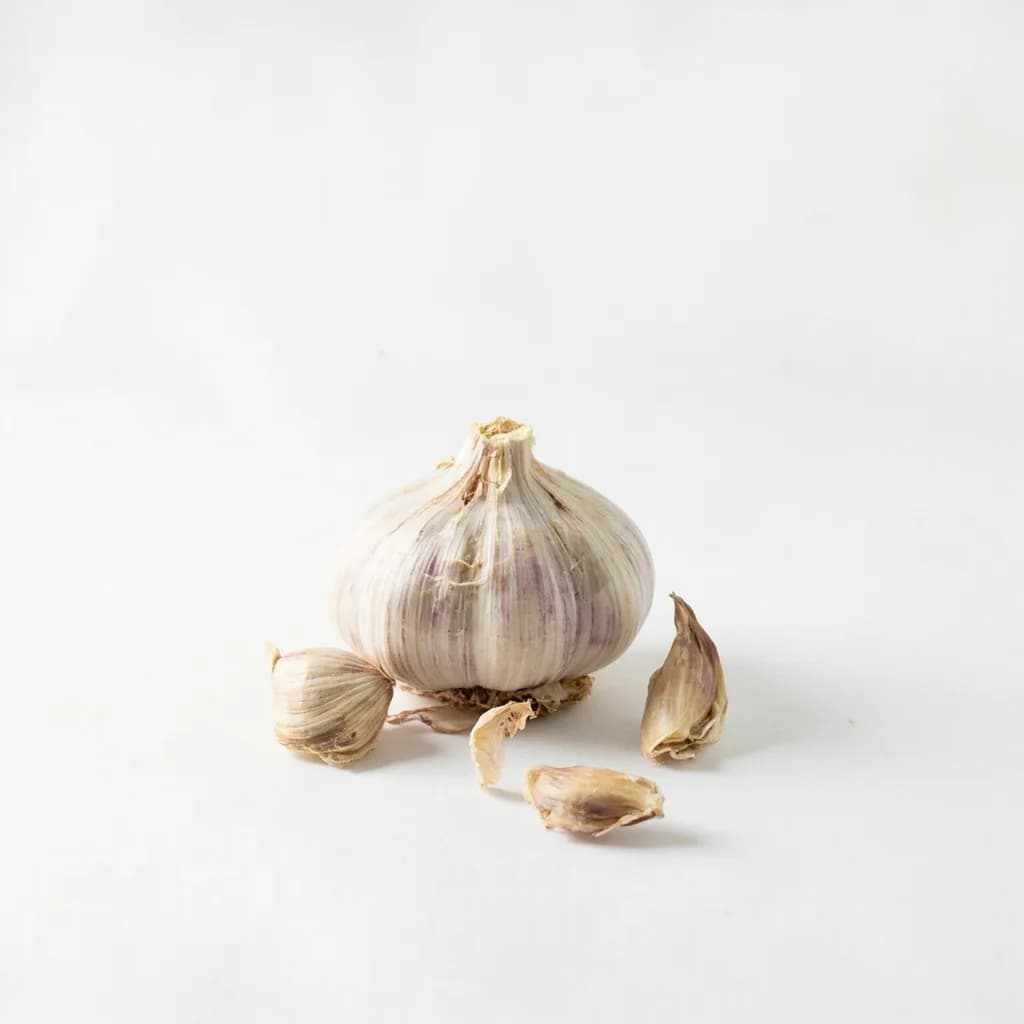
Garlic
Pungent cloves that perfume nearly every savory dish
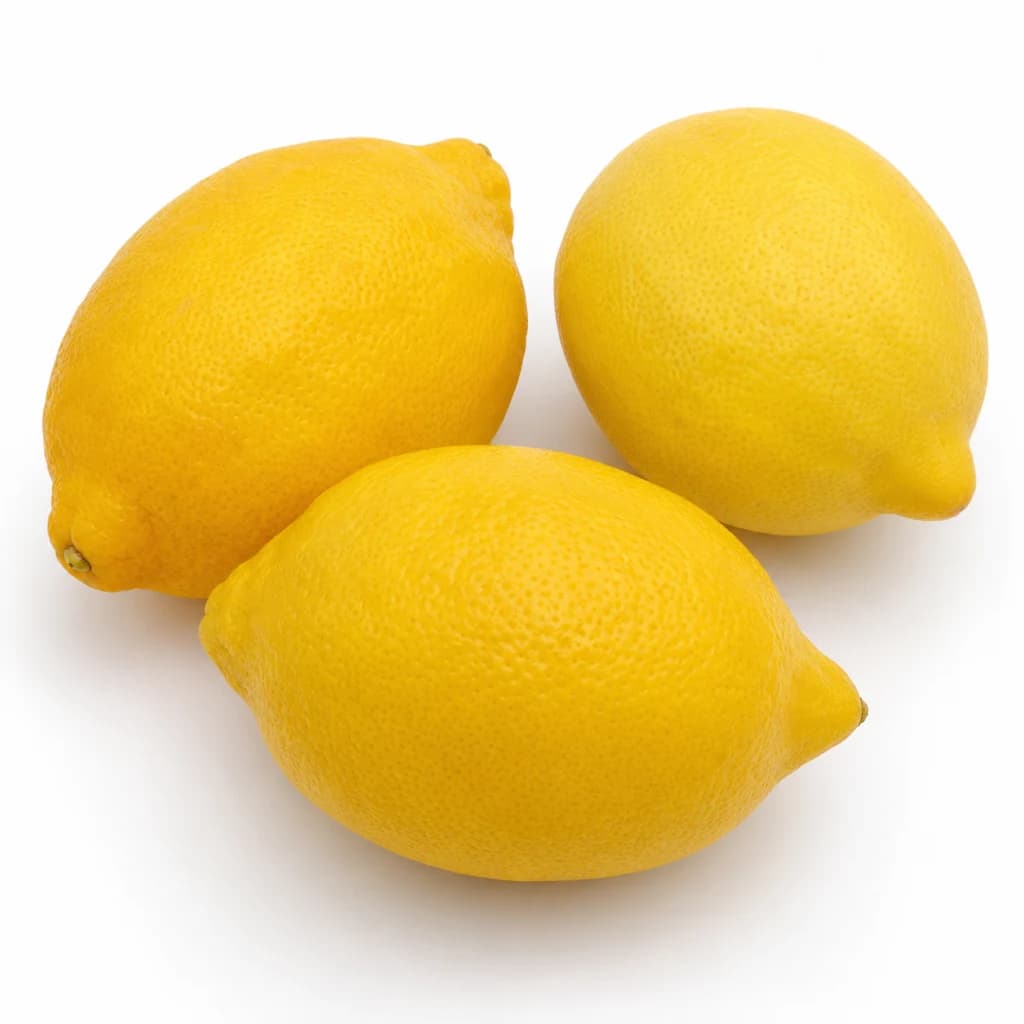
Lemon
Bright, acidic citrus that wakes up almost any dish
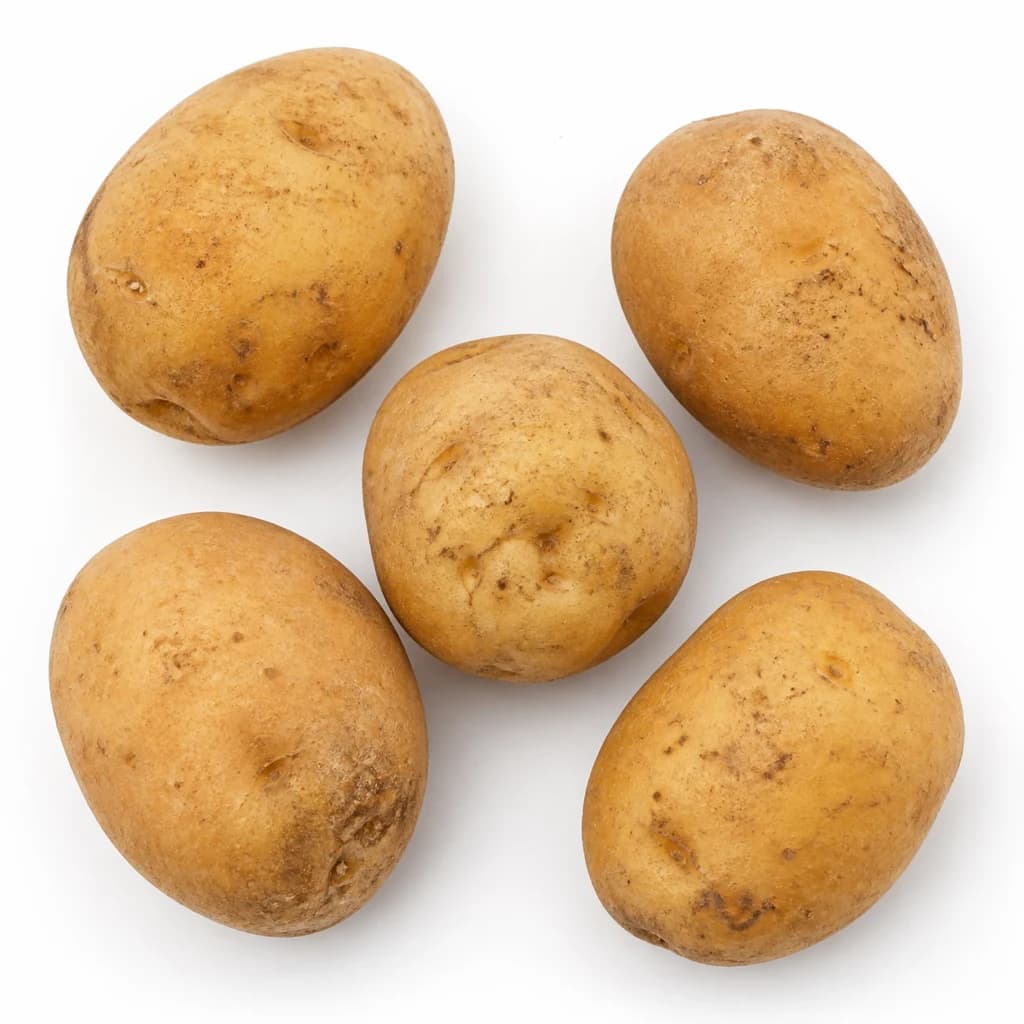
Potato
Humble, hearty staple — roast, mash, fry, or boil
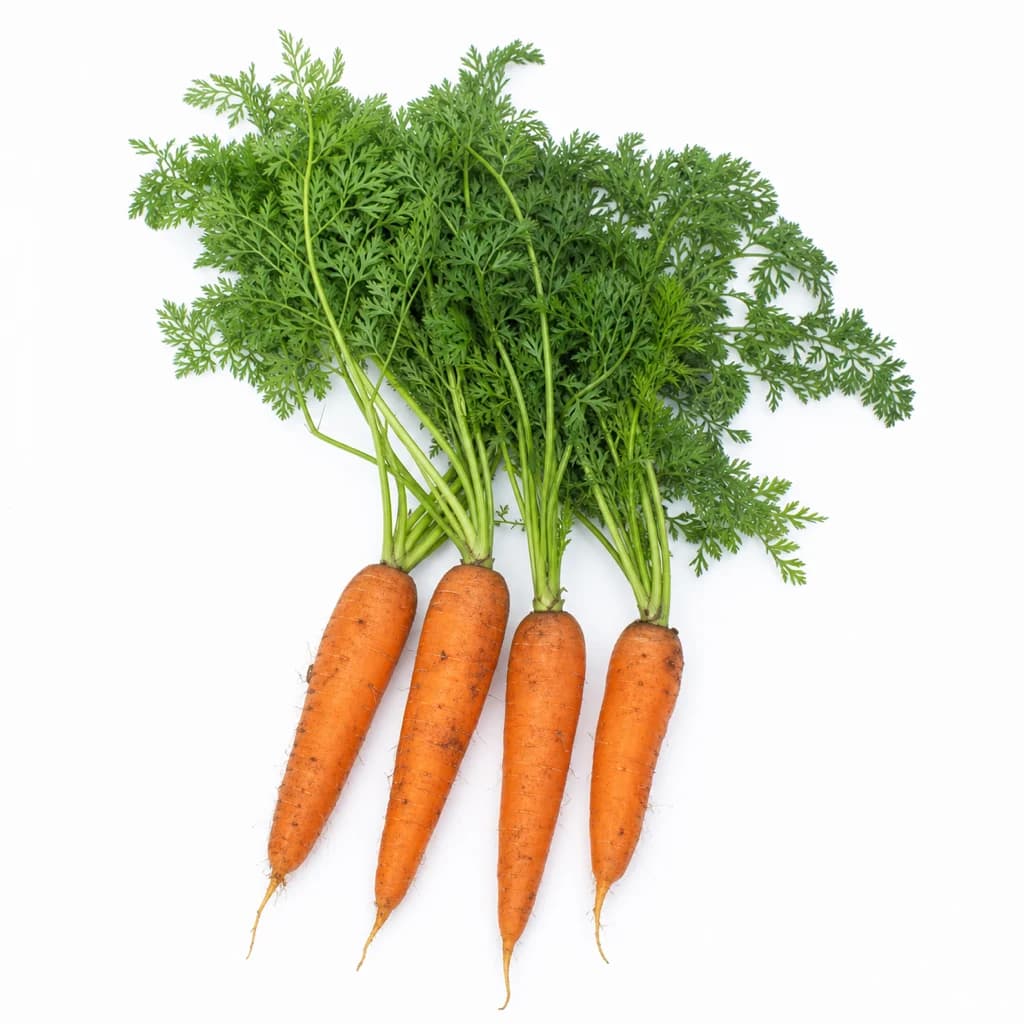
Carrot
Sweet, crunchy root — raw, roasted, or the base of a sofrito
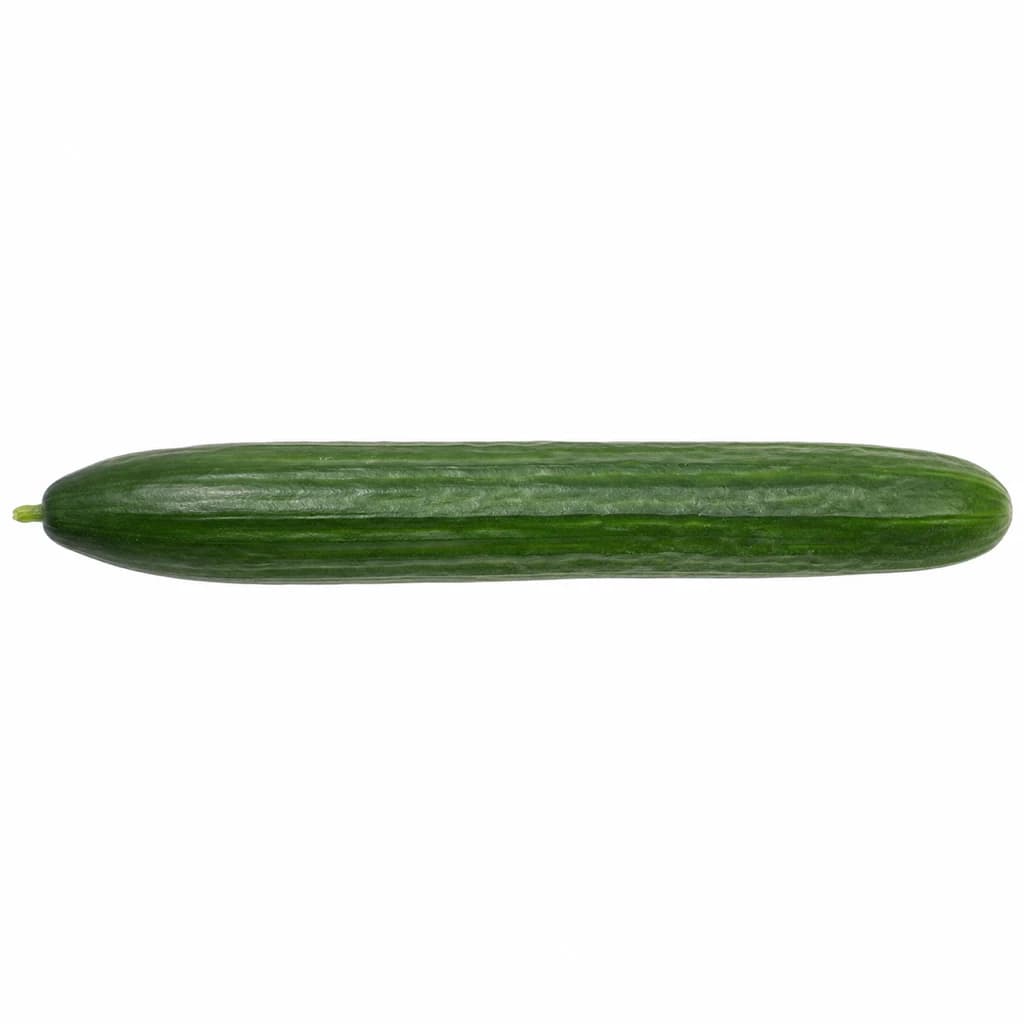
Cucumber
Cool, crisp, and watery — for salads, pickles, and tzatziki

Lettuce
Crisp leaves for salads, wraps, and a fresh crunch