
Natural form
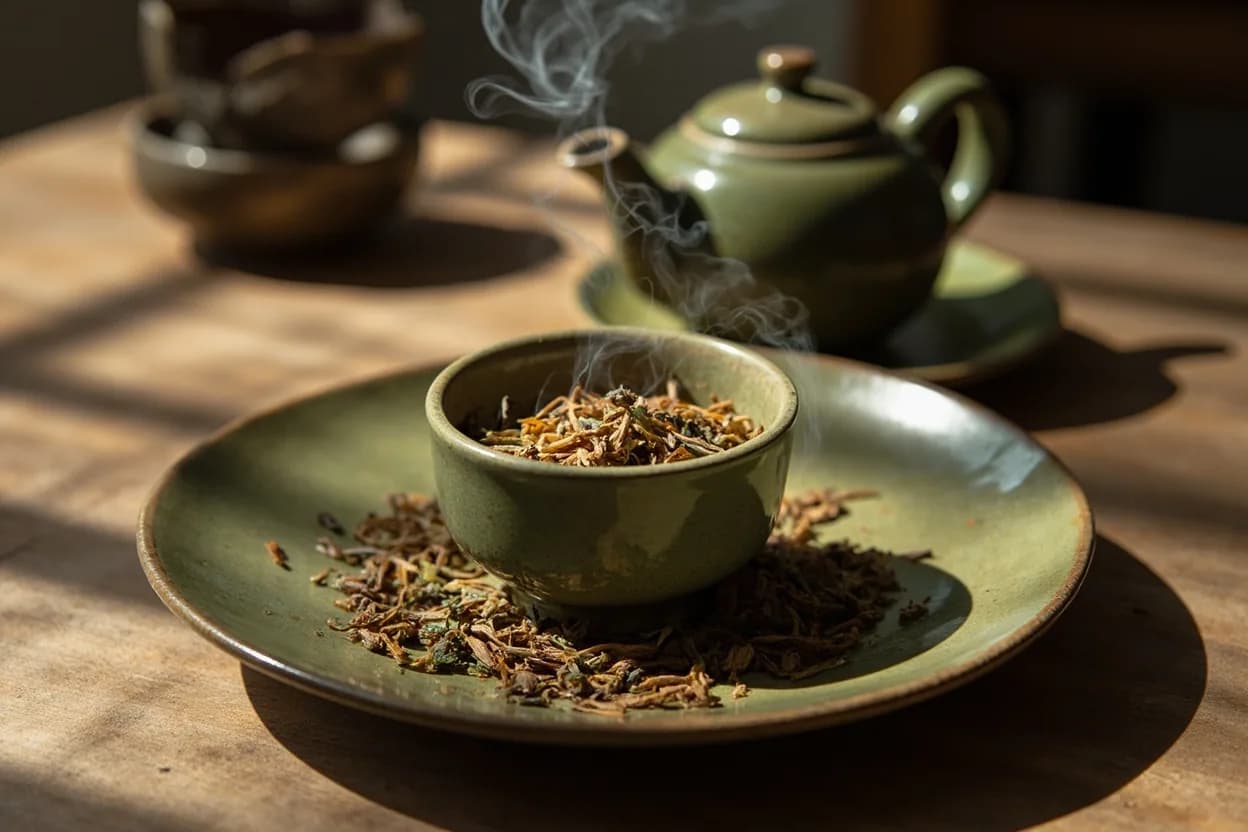
Whole dried green tea leaves showing their characteristic flat, needle-like or twisted shape and color.
Shows the reader exactly what to look for when buying or identifying green tea leaves.
Beverages
Green Tea
Fresh, grassy tea for a lighter, delicate cup
Light and grassy, green tea brews a gentle, refreshing cup best steeped below boiling so it doesn't turn bitter. Keep the leaves airtight, away from light and odors.
Green tea is unoxidized tea leaf, quickly heated after picking to lock in its fresh, grassy, vegetal character — gentler and more delicate than black tea, with notes of grass, seaweed, toasted rice, or sweet hay depending on the variety and origin (Japanese sencha and genmaicha, Chinese gunpowder and dragon well). Its subtle astringency and clean herbal flavor make it a graceful cooking liquid: it poaches fish and fruit delicately, infuses rice and broths, scents custards and ice cream, and brings a clean, slightly bitter freshness to dressings and marinades. It demands a gentle hand — over-steeping turns it harshly bitter.
- Measured in
- g
- Storage
- Airtight
Find it in
Types & varieties
Grassy, fresh — everyday Japanese green
With toasted rice — nutty, savory
Chinese styles, mellow to bold
Shaded, sweet, intense
The least processed tea, made from young buds and leaves, brewing pale and delicately sweet with low astringency. Steeped gently below boiling; used for light infusions and poaching liquids.
How to use in cooking
Brew green tea gently (cooler water, short steep) so it stays sweet, not bitter, then use it to poach white fish or fruit, cook rice (Japanese chazuke pours tea over rice), or scent a light broth. Infuse it into cream for green-tea ice cream and custards, or whisk it into salad dressings for a clean herbal edge. Genmaicha (with toasted rice) adds a popcorn-like nuttiness that's lovely in savory dishes.
How to choose
Use fresh, good-quality leaf — green tea fades quickly. Japanese sencha is grassy and fresh; gyokuro is sweet and intense; genmaicha is toasty and nutty; Chinese dragon well is mellow. Brew below boiling (70–80°C) and steep briefly to avoid bitterness. Match the tea's character to the dish.
Common uses
Tips & pitfalls
- Brew with cooler water and a short steep to avoid bitterness.
- Genmaicha's toasted-rice note shines in savory dishes.
- Use it fresh — green tea loses its character quickly.
- Lovely infused into cream for delicate ice cream.
Nutrition
Energy
0 kJ · per 100 g
Protein
0g
0% DV
Carbs
0g
0% DV
Fat
0g
0% DV
Fiber
0g
0% DV
Sugars
0g
of which
Sodium
0mg
0% DV
Source · USDA FoodData Central · approx. Beverages, tea, green, brewed, decaffeinated
View on FDC →In the shops
Matched grocery products
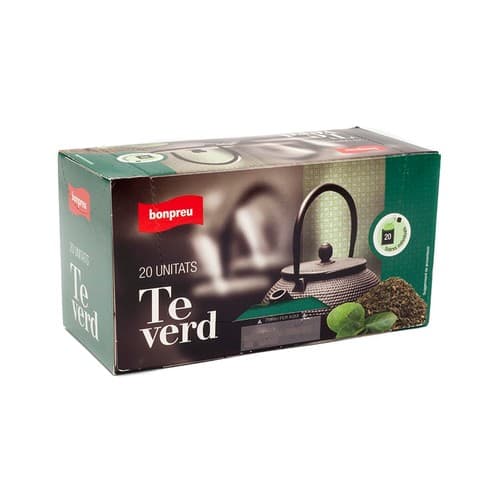 €0.75
€0.75Green Tea
BONPREU · ud · Bonpreu
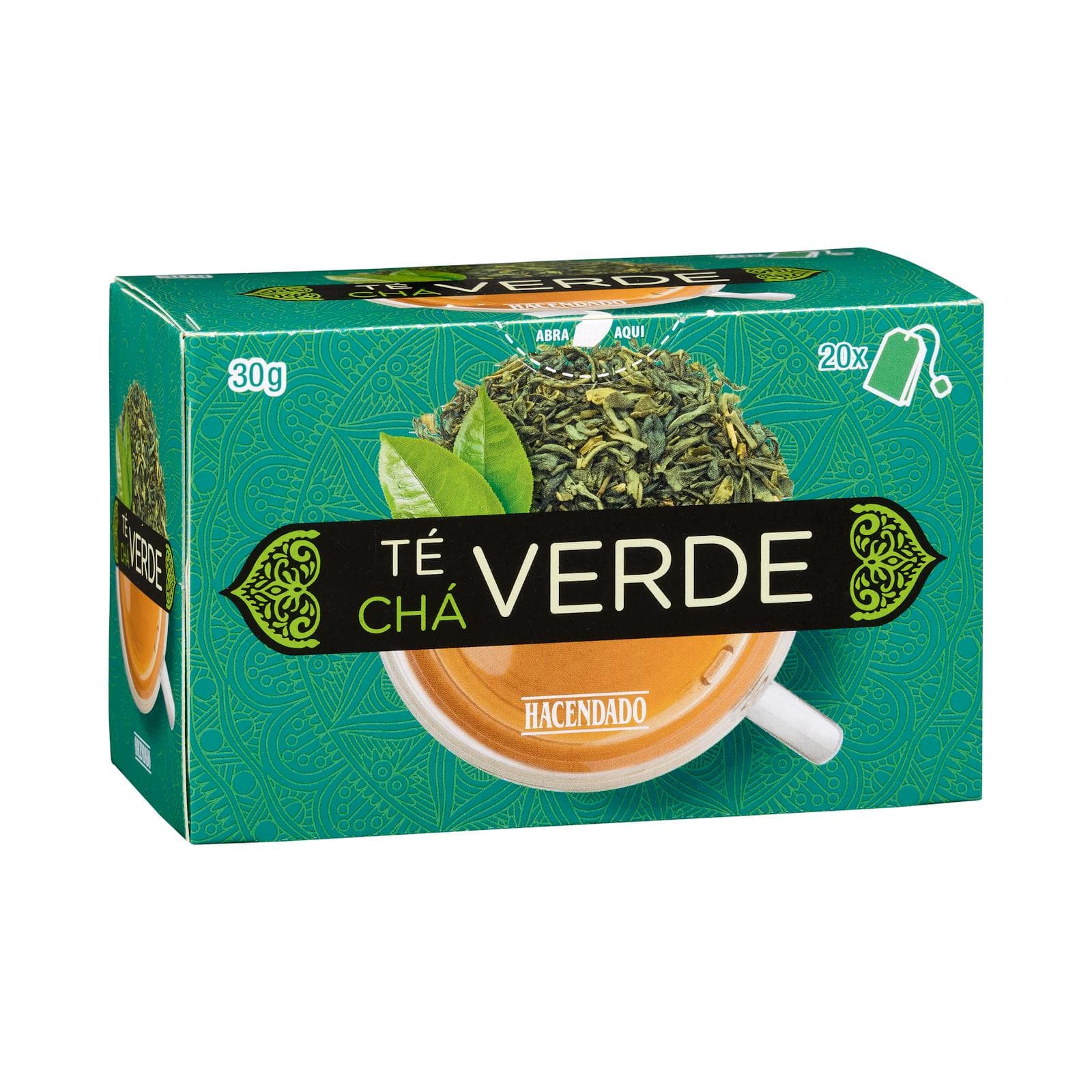 €0.75
€0.75Green Tea
Hacendado · 0.03 100 g · Mercadona
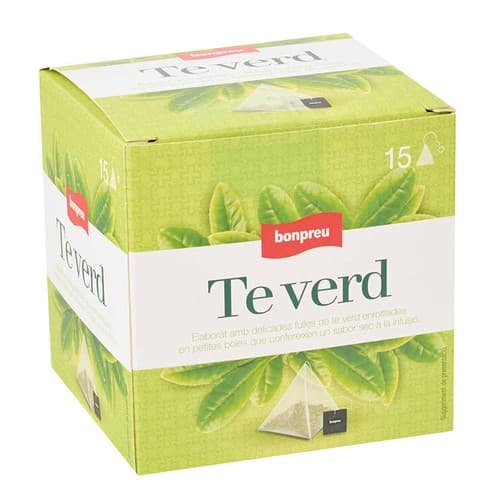 €1.95
€1.95Green Tea
BONPREU · ud · Bonpreu
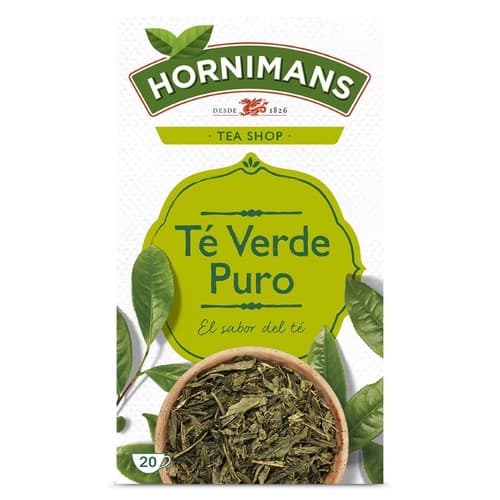 €2.99
€2.99Pure Green Tea
HORNIMANS · ud · Bonpreu
 €2.99
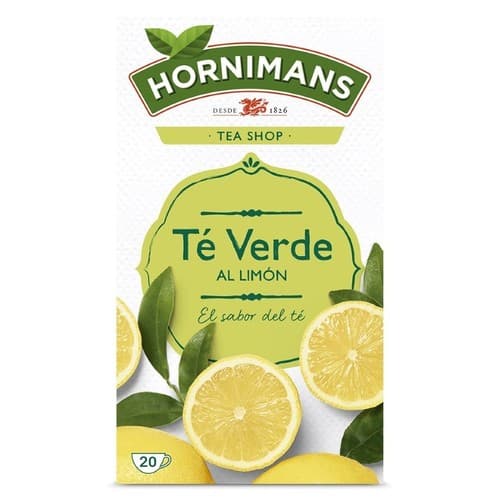
€2.99Green Tea Lemon
HORNIMANS · ud · Bonpreu
 €3.49
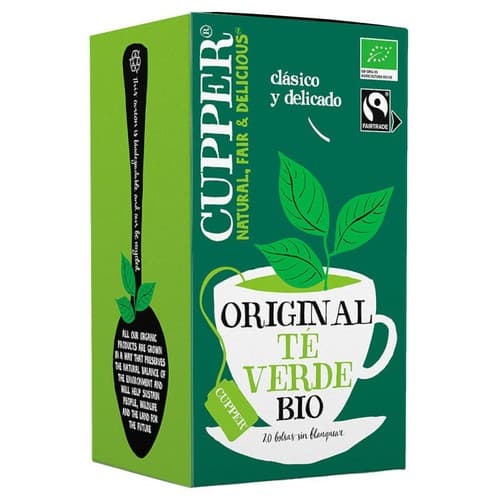
€3.49Organic Green Tea
CUPPER · ud · Bonpreu
Good to know
- Flavor
- Grassy, vegetal, delicate; toasty or marine notes
- Use in cooking
- Poaching, infusions, rice, broths, dressings, desserts
- Alcohol?
- No
- Substitute base
- White tea, or mild herbal infusion
- How to store
- Airtight, cool, dark, away from light; loses freshness fast
Substitutes
- White tea — Even more delicate, similar freshness
- Matcha (whisked, small amount) — Stronger, fuller green-tea flavor
- Mild herbal infusion — Non-tea: gentle, grassy substitute
Pairs with
Also called
green tea · té verde
Appears in these dishes
Related

White Rum
Light, clean rum for mojitos, daiquiris, and piña coladas

Dark Rum
Rich, molasses-deep rum for tiki drinks and sipping

Tequila
Bright agave spirit for margaritas, palomas, and shots
Mezcal
Smoky agave spirit for sipping and smoldering cocktails
Vodka
Clean, neutral spirit for mixing into almost any cocktail
Gin
Botanical, juniper-forward spirit for G&Ts and martinis

Whisky
Warm, oak-aged spirit for sipping and classic cocktails

Brandy
Rich, fruity grape spirit for sipping, sauces, and flambé