
Natural form
Ripe ground cherries spill from their papery husks on a wooden surface.
Shows the defining feature: the papery husk encasing the small golden-orange fruit, making the ingredient unmistakable.
Produce
Ground Cherry
Small golden husk fruit with sweet-tart tropical flavor; eaten raw or in jams.
Ground cherries are tiny golden-orange fruits encased in a papery husk, related to the tomatillo. They taste sweet and tart with hints of pineapple and tomato, and are eaten raw, baked into pies, or simmered into jams and salsas. The fruit drops to the ground when ripe, which gives it its name.
Ground cherries are small, golden fruits from the Physalis genus, enclosed throughout their development in a papery bladder-like husk (calyx) that is not edible but serves as a natural protective wrapper. This husk is their defining characteristic and the origin of the common name—the fruit drops to the ground when ripe, often still encased in its papery casing. Unlike true cherries (Prunus species), ground cherries belong to the Solanaceae family, placing them botanically alongside tomatoes and peppers, which explains their subtle savory edge. The flavor is distinctive: sweet-tart with tropical notes that evoke pineapple, strawberry, and a faint tomato-like depth, finished with gentle citrus brightness. At peak ripeness, sugar content reaches 10–15° Brix, making them noticeably sweeter than many comparable fruits. Their durability is remarkable—thanks to the protective husk, fresh ground cherries keep for weeks in cool, dry conditions, a trait that made them valuable for storage and transport long before refrigeration existed. The edible fruit itself is tiny (1–2.5 cm diameter), round, and smooth, popping easily from its husk when you're ready to use it.
- Measured in
- g
- Storage
- Fridge
Types & varieties
The most widely available heirloom variety in North America; exceptionally sweet, complex flavor; compact growth habit; originated in Poland
Large-fruited commercial variety; bright golden color; reliable, heavy producer
Reportedly stronger pineapple aromatics; slightly more acidic than standard varieties
Heirloom variety; vigorous vines; pronounced tropical sweetness in the fruit
Unusual variety turning reddish-bronze at maturity; flavor comparable to golden types
Common name for P. peruviana; slightly larger fruit; native to South America; commercially branded as Goldenberry in South Africa
Physalis Relatives and Naming
Ground cherries belong to the Physalis genus, which includes several edible species and some ornamental ones. The tomatillo (P. philadelphica) is a close relative but is used savory rather than sweet, with a much more vegetal, acidic character. Cape Gooseberry or Goldenberry refers specifically to P. peruviana, which produces slightly larger fruit and is the commercial standard in South Africa and parts of Europe—sometimes sold under these names even in North American specialty markets. All Physalis species produce fruits enclosed in husks, but only certain species are palatable; the foliage and unripe fruits of all contain glycoalkaloids (solanine and chaconine) that can cause digestive discomfort if consumed.
- Tomatillo (P. philadelphica) is savory; ground cherry is sweet—do not substitute one for the other
- Cape Gooseberry and Goldenberry are P. peruviana; common groundcherry is P. pruinosa
- Ripe fruits of any edible Physalis are safe; green unripe fruits should be avoided
Common uses
Tips & pitfalls
- Select fruits with intact, papery-brown husks—reject any with darkened, damp, or moldy husks
- Fruit should feel firm and display golden-yellow color—avoid green (underripe) or shriveled specimens
- Remove the husk only just before eating or using to prevent drying and preserve texture
- Fully ripe ground cherries taste markedly sweeter; underripe ones taste flat and starchy—patience pays off here
- Common mistake: discarding fruit before peak ripeness. The husk turns brown and the fruit drops from the plant when truly ready
- For jam-making, use the ripest fruit possible; no added pectin required if fruit is at maximum ripeness and cooked properly
- Do not overcook ground cherries—excessive heat destroys the delicate tropical aromatics
- If harvesting from your garden, check plants daily during peak season; dropped fruits attract insects and degrade quickly on moist soil
- Always taste before using in savory dishes—sweetness varies significantly by variety and ripeness level
- Can substitute 1:1 by weight in most recipes calling for gooseberries, though cooking times may need slight adjustment
Nutrition
Energy
184 kJ · per 100 g
Where the calories come from
Protein
0.9g
2% DV
Carbs
10.2g
4% DV
Fat
0.6g
1% DV
Fiber
4.3g
15% DV
Sodium
1mg
0% DV
Source · USDA FoodData Central · Gooseberries, raw
View on FDC →In the shops
Matched grocery products
No matched grocery products for Ground Cherry yet.
Good to know
- Scientific Name
- Physalis pruinosa (common groundcherry); P. peruviana (Cape Gooseberry)
- Family
- Solanaceae (nightshade family—related to tomatoes, peppers, and eggplant)
- Origin
- Native to the Americas; cultivated since pre-Columbian times; major production in Colombia, Peru, South Africa, and Canada (Ontario)
- Peak Season
- Late summer through fall (August–October in Northern Hemisphere)
- Size
- 1–2.5 cm in diameter; 4–10 grams per fruit
- Color When Ripe
- Golden yellow to pale orange; husk turns from green to papery tan
- Flavor Profile
- Sweet-tart; tropical notes of pineapple and strawberry with a hint of tomato-like depth; 10–15° Brix at full ripeness
- Shelf Life
- 2–4 weeks in husk in cool, dry conditions; up to 6 weeks refrigerated
Substitutes
- Gooseberries — Closest texture and tartness; may require additional sugar; 1:1 substitution works in preserves, pies, and sauces
- Fresh Cranberries — Similar tartness level but very different texture; best for cooked applications like chutneys and sauces rather than fresh eating
- Golden Raisins (rehydrated) — For dried fruit applications; adds sweetness and chew but lacks acidity and fresh tropical flavor
- Small Strawberries (quartered) — For salads and garnishes; different flavor entirely but comparable sweetness and visual effect
- Tamarind Paste — For savory dishes needing sweet-tart balance; intensely sour with no sweetness; use sparingly and add sweetener to taste
Pairs with
Also called
Cerise de Terre · Cape Gooseberry · Husk Cherry
Related
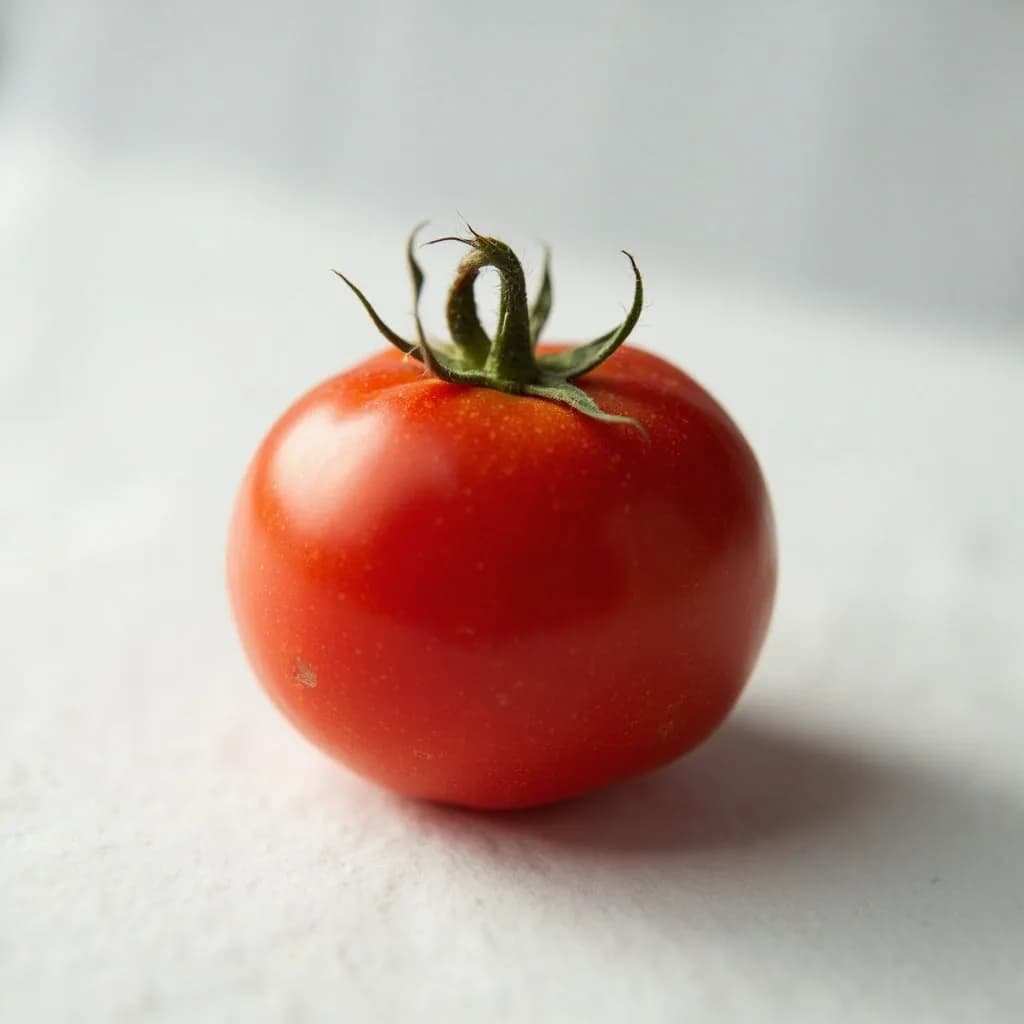
Tomato
Juicy, sun-sweet fruit for sauces, salads, and slow-cooked depth
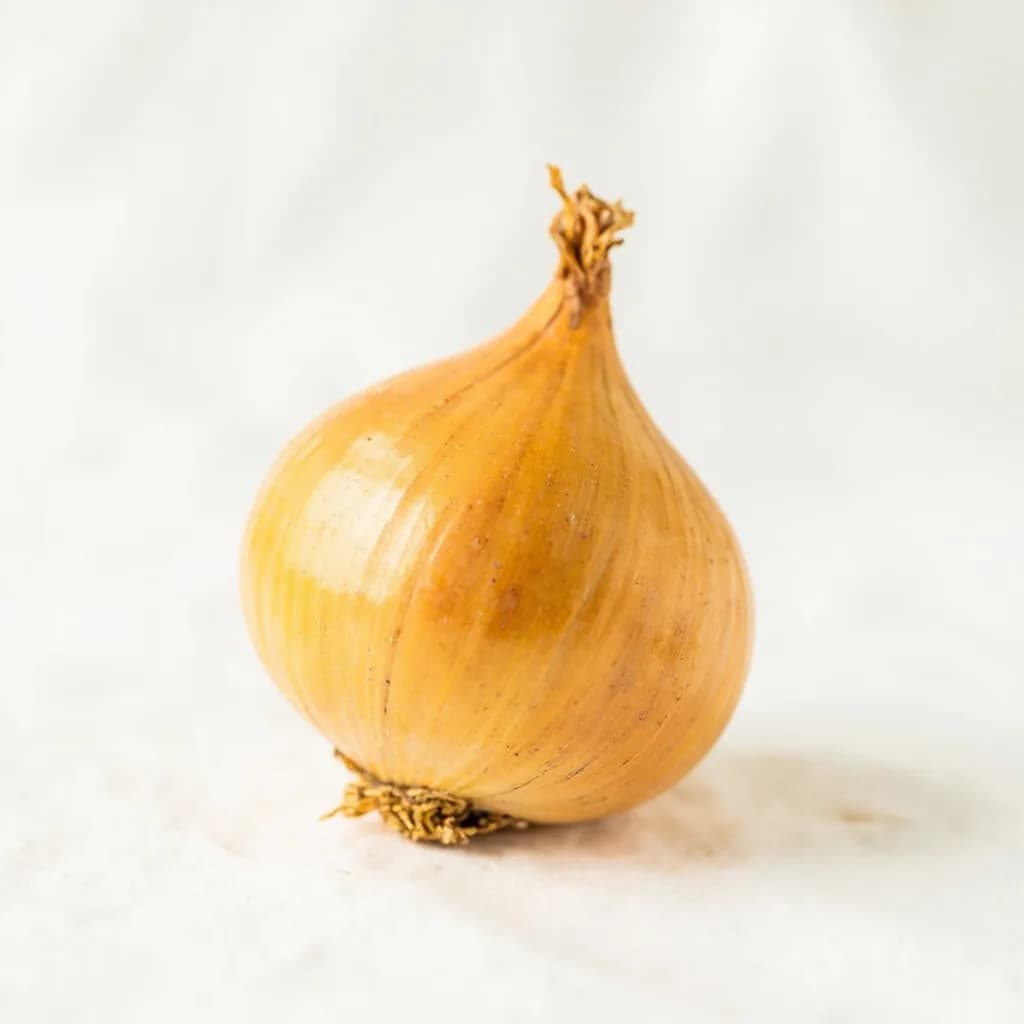
Yellow Onion
The aromatic backbone of soups, sofritos, and braises
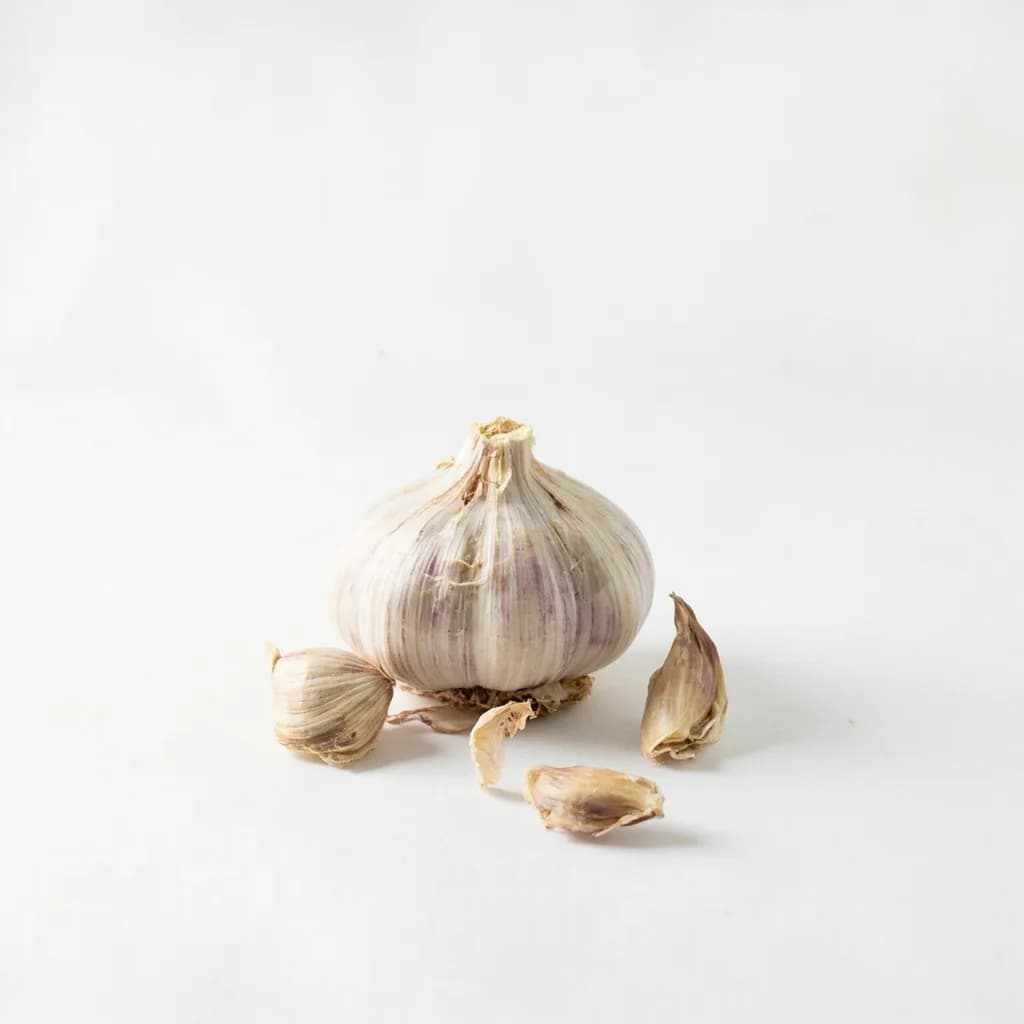
Garlic
Pungent cloves that perfume nearly every savory dish
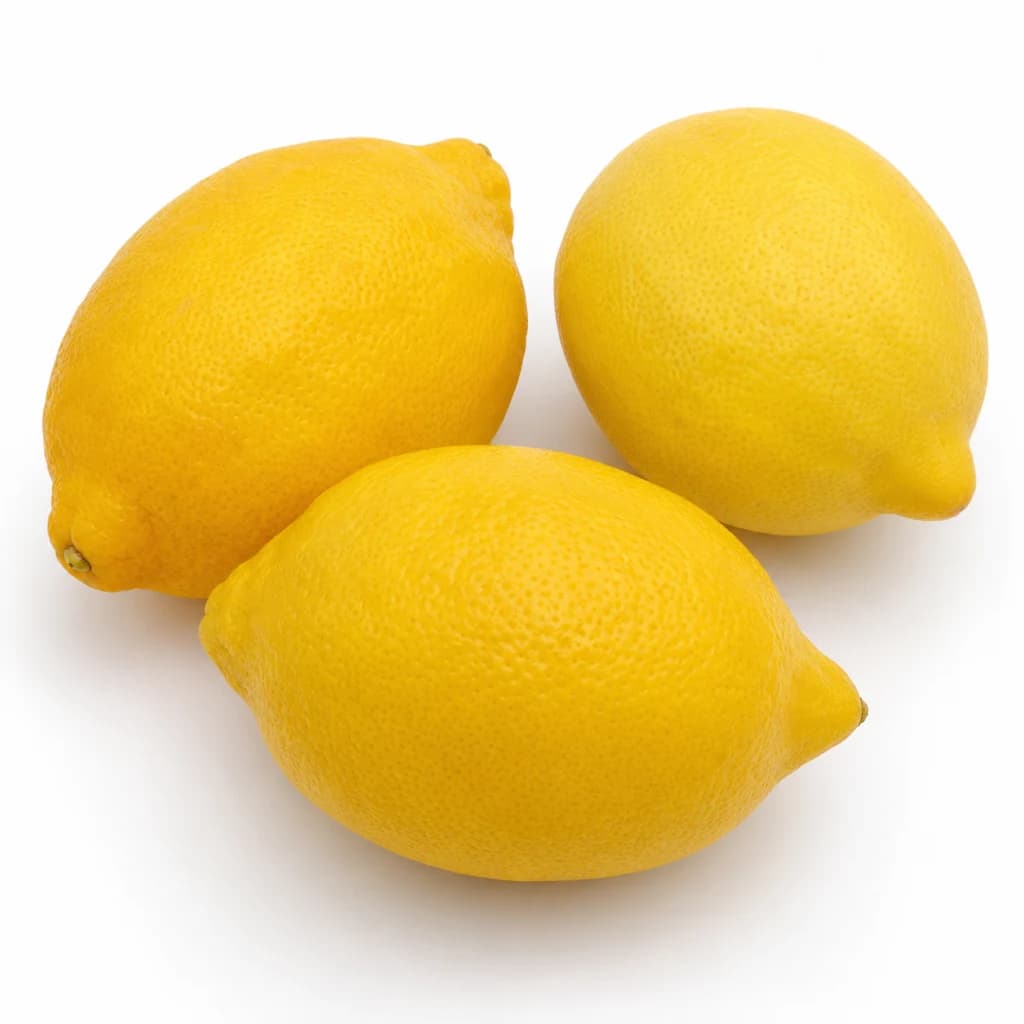
Lemon
Bright, acidic citrus that wakes up almost any dish
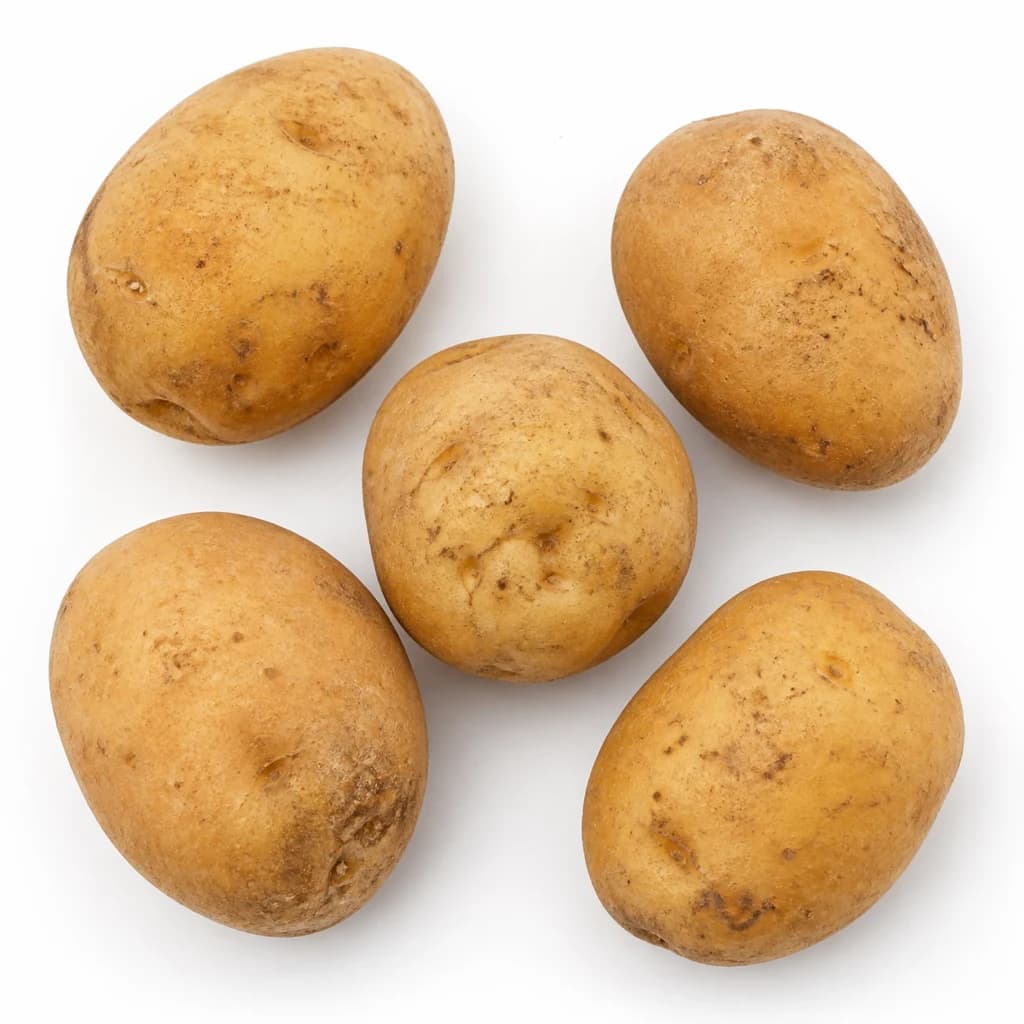
Potato
Humble, hearty staple — roast, mash, fry, or boil
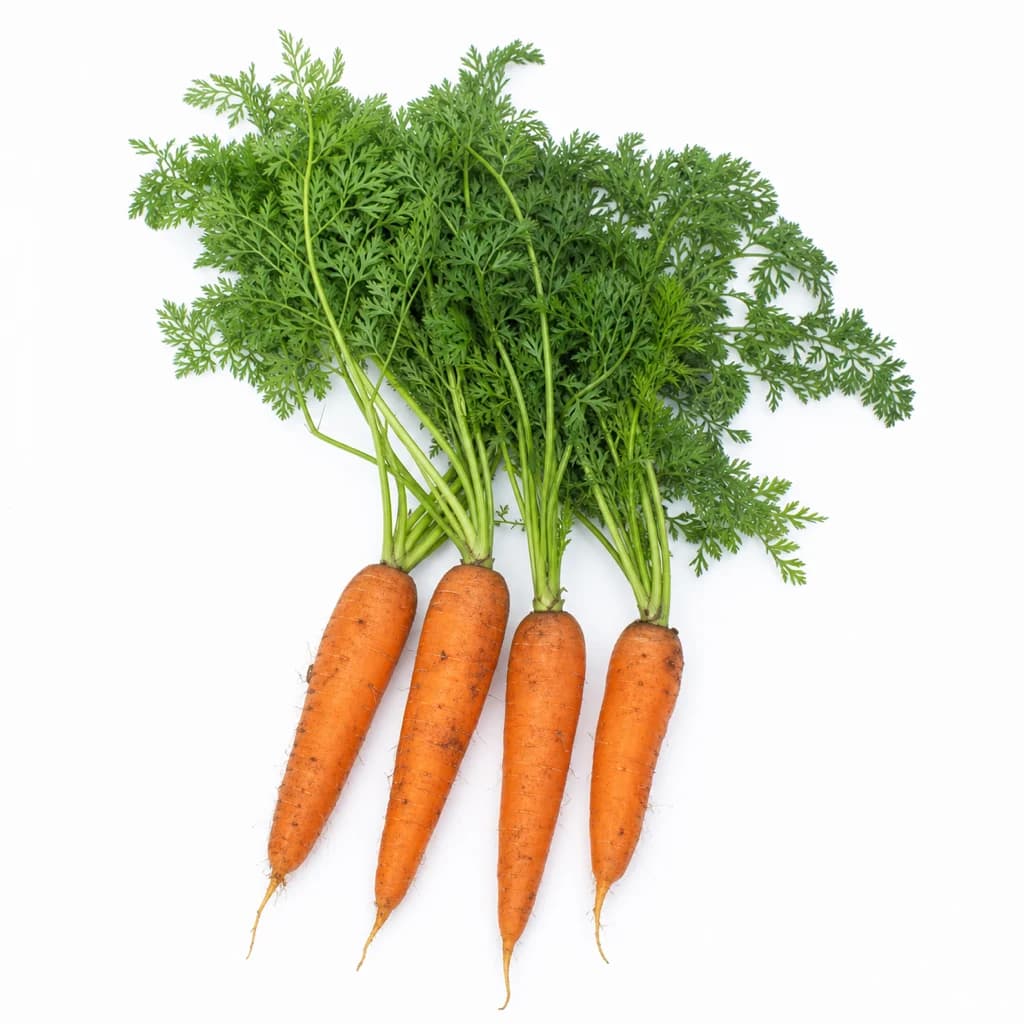
Carrot
Sweet, crunchy root — raw, roasted, or the base of a sofrito
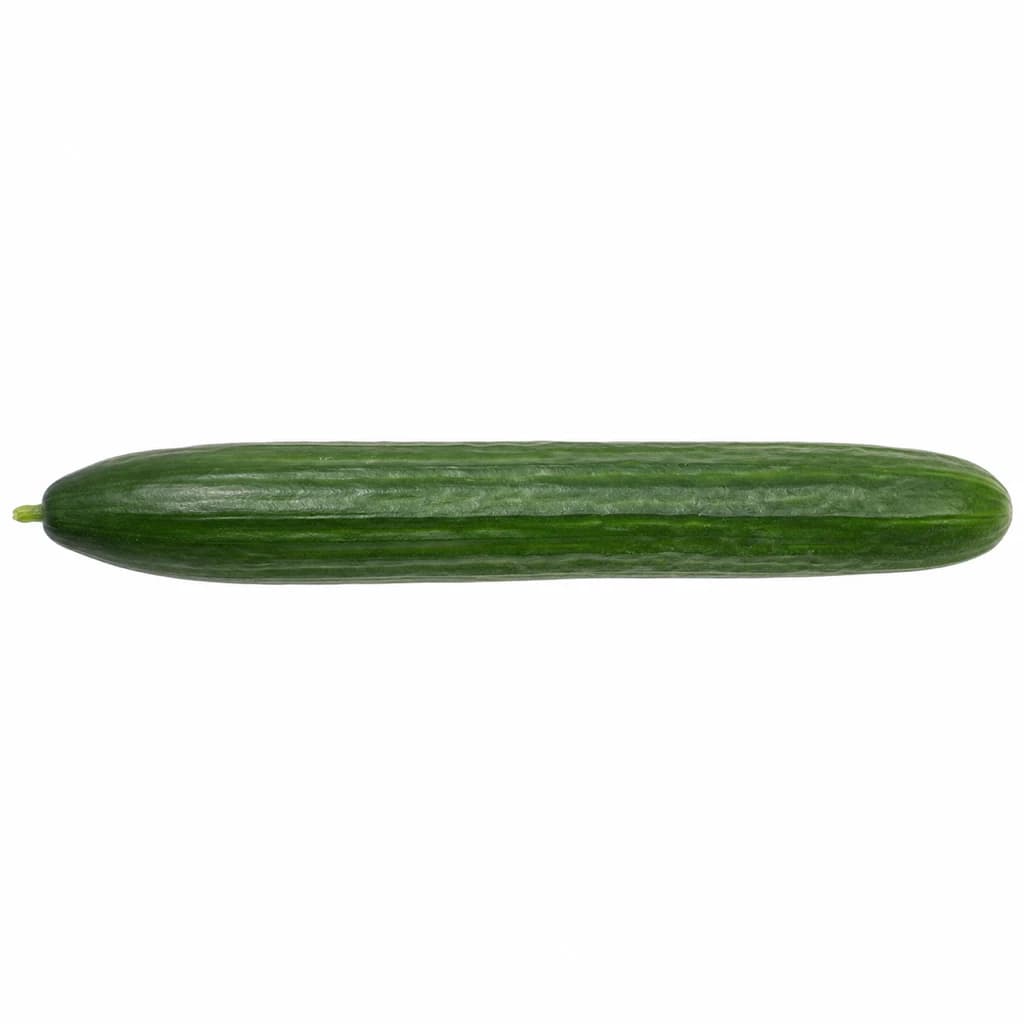
Cucumber
Cool, crisp, and watery — for salads, pickles, and tzatziki

Lettuce
Crisp leaves for salads, wraps, and a fresh crunch