
Natural form
Raw mixed ground meat showing the loose, freshly minced texture and pinkish-red color.
Shows the ingredient exactly as purchased — its color, fat marbling, and loose crumbled texture that distinguish it from other raw proteins.
Proteins
Ground Meat (Mixed)
Minced beef-and-pork or beef-and-lamb blend — the base for meatballs, koftas, sauces, and stuffed dishes.
Ground meat is minced meat, often a mixed blend of beef with pork or lamb that balances flavor and fat. It is the workhorse base for meatballs, koftas, burger patties, bolognese and other sauces, and stuffed vegetables and pastries. The mixed blend keeps dishes moist while adding richness from the combined fats.
Mixed ground meat combines two or more protein sources—typically beef with pork, lamb, or veal—to create a ground product with superior texture, moisture, and flavor to what any single protein can achieve alone. Beef provides structural integrity and bold flavor but cooks dry without added fat. Pork contributes moisture and tenderness but can dominate a blend's taste. Lamb adds distinctive gamey, earthy notes prized in Mediterranean and Middle Eastern preparations. When ground together, the different protein matrices interlock more effectively, creating a cohesive bind that resists crumbling in applications like meatballs and koftas. The fat distributed throughout the blend acts as internal lubrication, melting slowly during cooking to keep the finished dish juicy rather than tight and dry. This practical blending of proteins appears across nearly every culinary tradition, from Italian ragù Bolognese to American meatloaf, because it solves the fundamental problem of making ground meat that is both flavorful and tender.
- Measured in
- g
- Storage
- Fridge
Types & varieties
Most common Western combination; beef provides structure, pork adds fat and moisture
Traditional in Middle Eastern and Mediterranean cuisines; lamb contributes distinct gamey flavor
Classic Italian combination; base for mortadella-influenced preparations and Bolognese
Traditional meat sauce ratio in Emilia-Romagna, Italy; balances leanness, fat, and fine texture
Baltic and Eastern European cuisines often blend beef, pork, and bacon fat; Greek koftas may include ground onion and bread
Why Mix Proteins?
Blending different meats achieves what single-protein grounds cannot. Beef provides robust protein structure and flavor but lacks intramuscular fat, making it dry when cooked. Pork contributes liberal fat content and tenderness but can overwhelm with its richness. Lamb adds distinctive gamey, earthy notes prized in certain cuisines. The fat in pork and lamb acts as an internal lubricant during cooking, keeping the ground meat moist and preventing the dense, tight texture that single-protein grounds develop. Additionally, the different protein structures in each meat create a more stable bind for applications like meatballs, where crumbling is the primary failure mode.
- Fat distribution: blended fat melts more evenly throughout the mixture
- Protein matrix: multiple protein types create stronger, more resilient binding
- Flavor balance: dominant protein carries base flavor while others add complexity
- Moisture retention: fat prevents moisture loss during cooking
Shopping and Quality
- Ask the butcher to grind fresh from primal cuts rather than purchasing pre-packaged ground
- Look for meat with visible fat marbling rather than a single block of white fat
- For beef-pork blends, request chuck or shoulder for beef and shoulder or butt for pork
- Avoid ground meat with any grayish discoloration or sour smell
- Check sell-by dates and choose the freshest option available
- Organic and heritage breed options offer deeper flavor but at higher cost
Common uses
Tips & pitfalls
- Keep meat cold (40°F/4°C or below) until ready to use; cold fat binds better and prevents smearing
- Do not overwork the meat when mixing in seasonings or binders—overmixing creates dense, tough texture
- Season with salt just before cooking or shaping; salting too early draws moisture and creates a dry result
- Brown in a single layer with adequate space between pieces—overcrowding steams rather than sears
- Use a light touch when forming meatballs or patties; pack gently to avoid compaction
- Add a tablespoon of cold water or ice to meatball mixtures for extra tenderness
- For burgers, allow formed patties to rest refrigerated for 15–20 minutes before cooking to set structure
- When using in sauces, brown the meat in batches, then drain excess fat before adding liquid—this prevents greasiness
Nutrition
Energy
657 kJ · per 100 g
Where the calories come from
Protein
21.8g
44% DV
Carbs
0g
0% DV
Fat
7.1g
9% DV
Fiber
0g
0% DV
Sugars
0g
of which
Sodium
75mg
3% DV
Source · USDA FoodData Central · approx. Game meat, deer, ground, raw
View on FDC →In the shops
Matched grocery products
No matched grocery products for Ground Meat (Mixed) yet.
Good to know
- Typical fat content
- 15–20% for general purpose; 20–25% for sausage and burgers; 10–15% for lean applications
- Common ratios
- Beef-pork: 70/30 to 80/20; beef-lamb: 70/30; triple blend: 1/3 each
- Refrigerator storage
- 1–2 days in original packaging; up to 5 days when repackaged
- Freezer storage
- 3–4 months in airtight wrapping; quality declines after 4 months
- Yield when cooked
- Approximately 70% of raw weight (varies by fat content and cooking method)
- Texture
- Finer and more cohesive than single-protein grounds due to multiple protein binding
- pH considerations
- Slightly acidic ingredients (tomatoes, lemon) improve bind in meatballs; baking soda tenderizes
Substitutes
- All ground beef (85–90% lean) — Will be leaner and less moist; add 1 tbsp fat per pound to approximate pork contribution
- All ground pork — Fattier, softer texture; works for sausage applications but may be too rich for meatballs
- Ground turkey or chicken breast — Significantly leaner (5–8% fat); add pork fatback or olive oil for moisture; texture is softer
- Plant-based ground meat alternatives — Different binding properties and fat behavior; may require recipe adjustments for moisture
Pairs with
Also called
Ground Meat (Qima) · Mixed Minced Meat · Minced Meat (Jauheliha) · Minced Meat (Keema) · Mixed Ground Meat (Mesano Meleno Meso) · Mixed Mince (Hackfleisch gemischt) · Keema · Qima
Appears in these dishes
Related

Egg
The kitchen's everything ingredient — bind, leaven, enrich, or fry
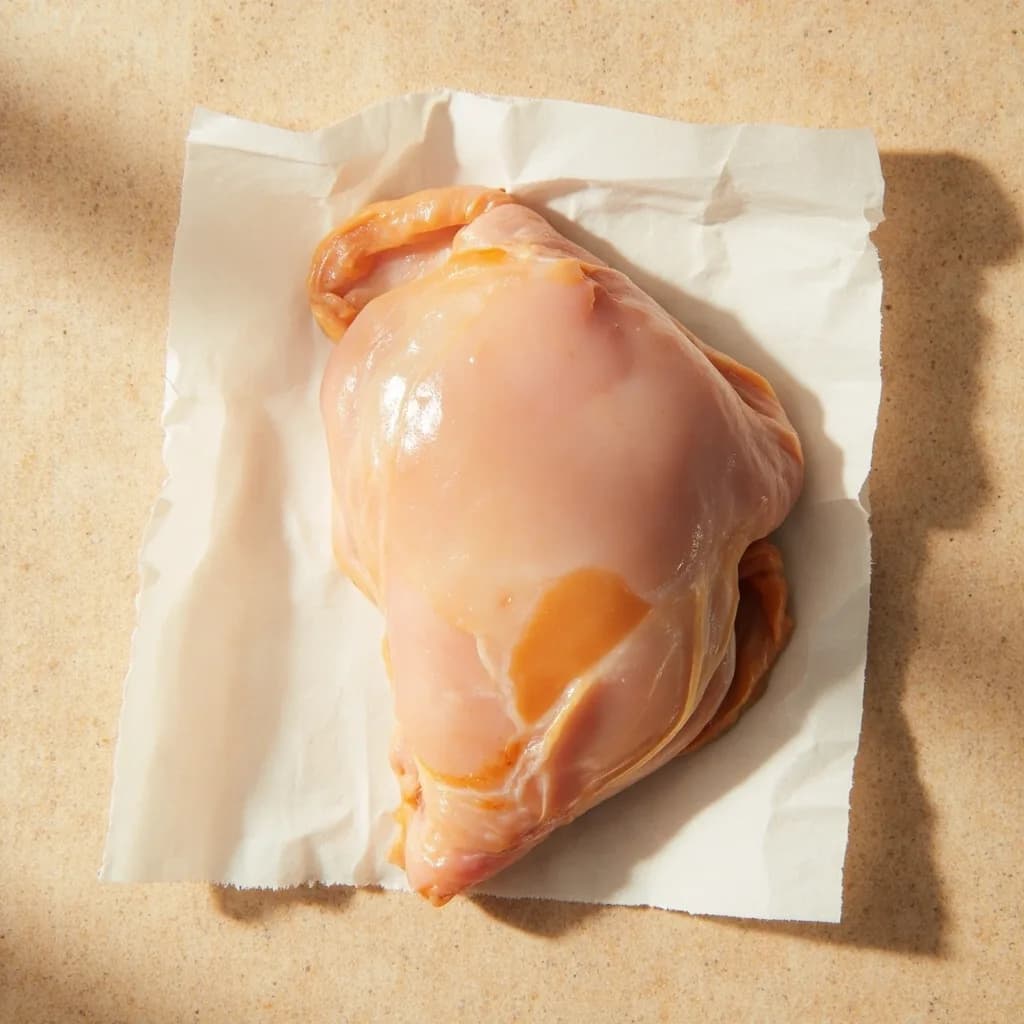
Chicken Breast
Lean, quick-cooking white meat for everyday dinners

Ground Beef
Versatile minced beef for burgers, ragù, tacos, and meatballs
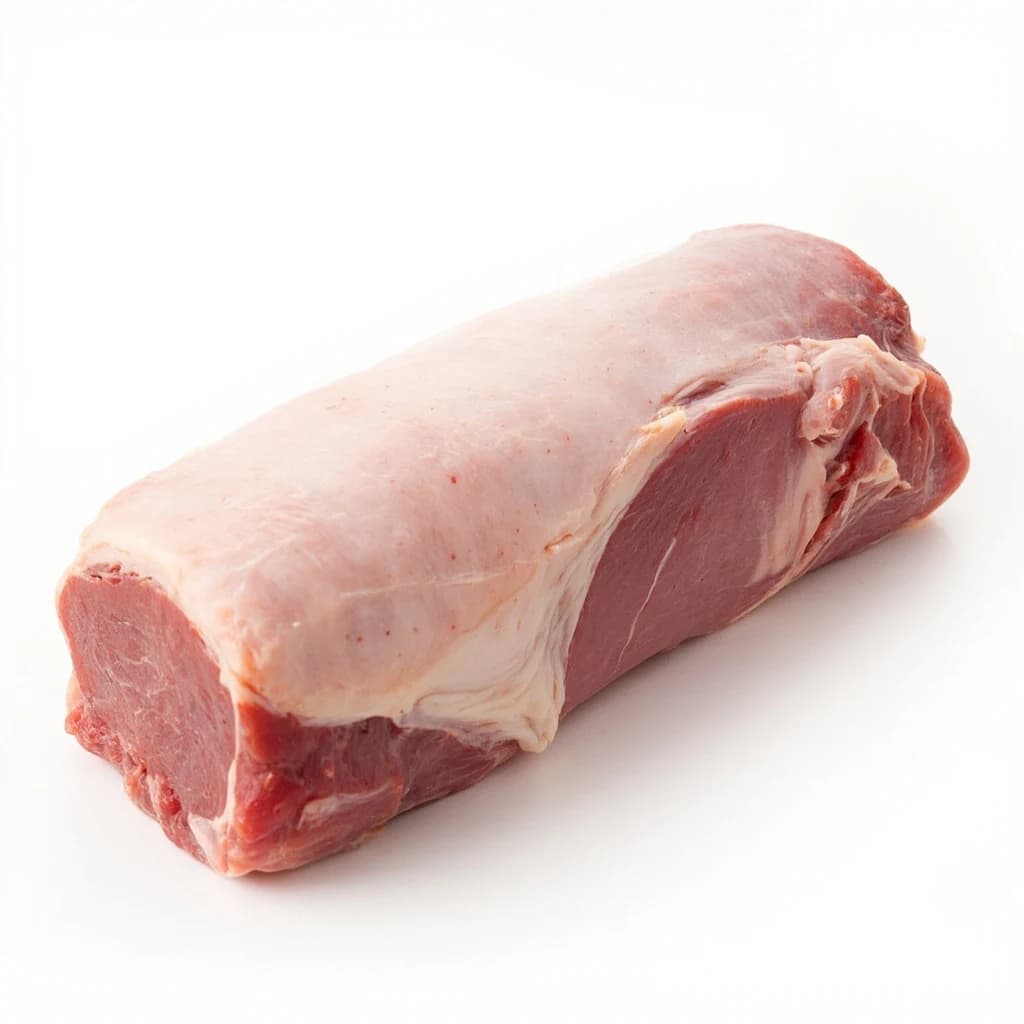
Pork Loin
Lean, tender roasting cut that stays juicy with care
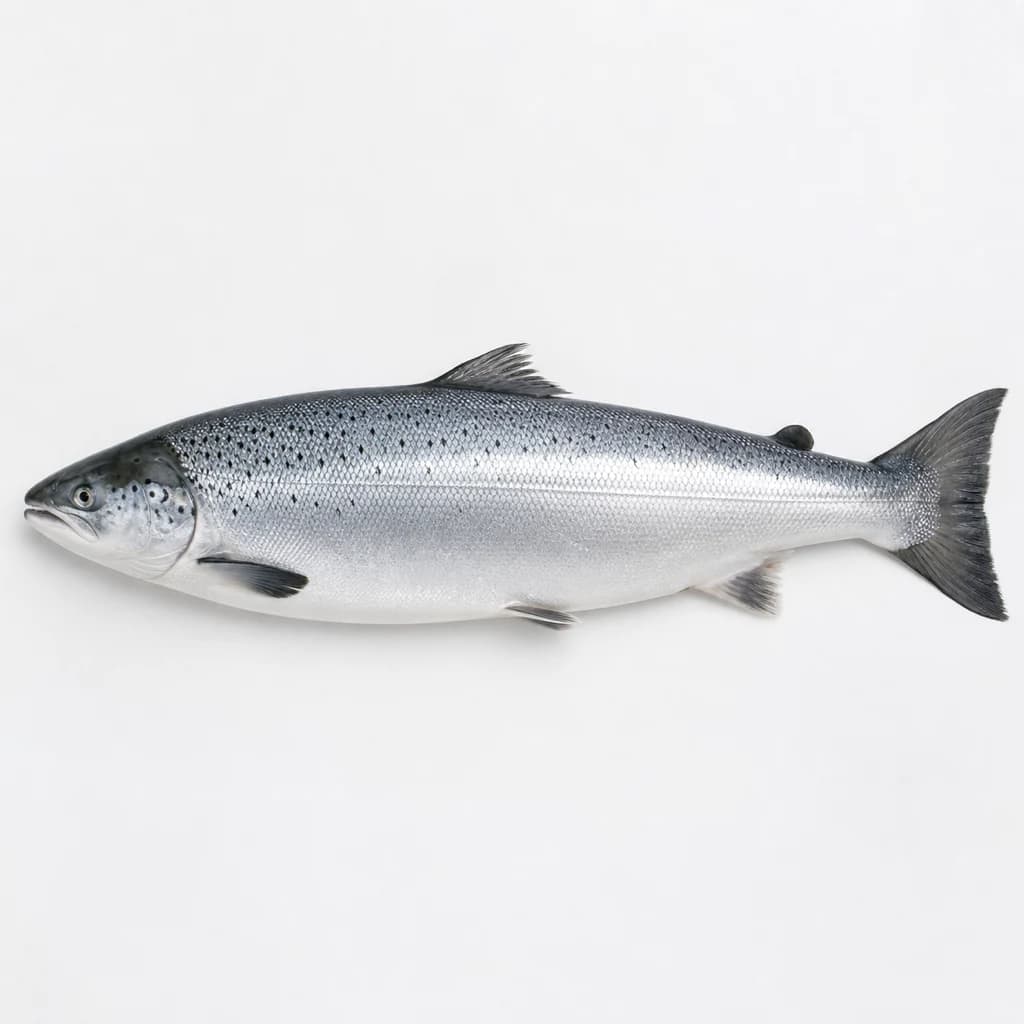
Salmon
Rich, rosy fish that roasts, grills, or cures beautifully

Egg White
Pure protein that whips to airy peaks for meringue and more

Egg Yolk
Rich, golden yolk for custards, mayonnaise, and pasta

Quail Egg
Tiny, speckled eggs for garnishing and elegant bites