
Natural form
A whole Hami melon showing its distinctive tan netted rind and elongated oval shape.
Establishes the melon's unmistakable exterior — netted tan skin and elongated form — so readers can identify it at a market.
Produce
Hami Melon
Sweet, crisp Chinese muskmelon with netted rind and pale orange flesh.
The Hami melon is a variety of muskmelon from Xinjiang, China, with a firm netted rind and crisp, very sweet pale-orange flesh. It is eaten fresh as a snack or dessert and used in fruit salads and chilled drinks. It keeps and ships well, and is noted for being sweeter and crunchier than most cantaloupes.
Hami melon (Cucumis melo var. saccharinus) is one of China's most treasured fruits, cultivated in the arid Hami Basin of Xinjiang where extreme temperature swings between scorching days and cool nights drive extraordinary sugar concentration into the flesh. The result is a muskmelon with a netted, yellow-to-greenish rind and pale orange to salmon flesh that delivers 15–18% Brix—sometimes reaching 19–20% in exceptional specimens. What distinguishes Hami from common cantaloupe is its texture: the flesh is notably firm and crisp, snapping cleanly rather than yielding softly, with a structural integrity more reminiscent of a good Asian pear than a Western muskmelon. This firmness matters in the kitchen—it holds its shape in fruit platters, resists turning mushy in cold soups, and even tolerates brief poaching or candying without disintegrating. Historically reserved for imperial tribute and carried along the Silk Road, Hami melon is still regarded as a premium fruit in China, often gift-packaged in its Queen Melon cultivar. Its high sugars and delicate floral-honeyed aromatics mean it is best enjoyed raw; significant heat diminishes those subtle qualities. When ripe, the melon emits a distinct fragrance from the blossom end that is your best indicator of readiness—a skill worth developing, since the visual net pattern can be misleading.
- Measured in
- piece
- Storage
- Fridge
Types & varieties
Golden-yellow rind, deep orange flesh; most common variety with the strongest floral aroma
Greenish-tinted rind, paler orange flesh; slightly milder, more subtle sweetness
Deeper salmon to reddish-orange flesh; higher moisture content, softer texture than other types
Premium cultivar; smaller, denser flesh, intensely sweet; traditionally gift-packaged
Selecting a Ripe Hami Melon
The net pattern on the rind is a reliable guide. A ripe Hami displays a raised, uniform netting that feels distinct under fingertips—the net should be clearly defined, not blurry or sparse. Press gently at the stem end: it should yield slightly to pressure, indicating the flesh has loosened from the rind. Pick up the melon and heft it; a ripe specimen feels heavy for its size, confirming high juice content. Most critically, bring your nose to the blossom end (the end opposite the stem scar)—a ripe Hami exudes a honeyed, floral fragrance that is unmistakable. If you detect any fermented, alcohol-like aroma, the sugars have begun fermenting internally and the fruit is past its peak. Avoid melons with soft spots, visible cracks, or any sunken areas on the rind.
- Raised, uniform net pattern indicates proper ripeness
- Stem end yields slightly when pressed
- Heavy for its size signals high juice content
- Blossom end emits honeyed, floral scent when ripe
- Fermented aroma means the fruit has begun fermenting—avoid
Working with Cut Melon
Once cut, Hami melon oxidizes rapidly and loses its visual appeal within minutes. For immediate service, simply slice and serve at room temperature, letting it sit 10–15 minutes to reach full flavor. If holding longer than 30 minutes, drizzle cut surfaces with citrus juice or submerge pieces in cold water to slow oxidation. Store cut melon in an airtight container in the refrigerator and use within 3–5 days—after this window, texture deteriorates noticeably and spoilage risk increases. Never refrigerate a whole, uncut melon: the cold damages the cell structure, dulling both flavor and fragrance before you ever make the first cut. Bring whole melons to room temperature before cutting for the most pronounced aroma and sweetness.
- Cut melon oxidizes quickly; use citrus juice or cold water to hold
Common uses
Tips & pitfalls
- Never refrigerate an uncut melon—it loses aroma and develops off-textures before you cut it
- Avoid melons with a fermented or alcohol-like smell at the blossom end; the sugars have begun fermenting
- Select melons with a raised, uniform net pattern—blurry or sparse netting indicates under-ripeness
- Heft the melon; it should feel heavy for its size, signaling high juice content
- Press the stem end gently to test give—avoid any with soft spots or visible cracks
- Drizzle cut melon with citrus juice or submerge in cold water if holding more than 30 minutes
- For peak flavor, let cut melon rest at room temperature 10–15 minutes before serving
- Do not press on the netted surface to test ripeness—your thumb compresses the underlying flesh, causing bruising
Nutrition
Energy
142 kJ · per 100 g
Where the calories come from
Protein
0.8g
2% DV
Carbs
8.2g
3% DV
Fat
0.2g
0% DV
Fiber
0.9g
3% DV
Sugars
7.9g
of which
Sodium
16mg
1% DV
Source · USDA FoodData Central · approx. Melons, cantaloupe, raw
View on FDC →In the shops
Matched grocery products
No matched grocery products for Hami Melon yet.
Good to know
- Scientific Name
- Cucumis melo var. saccharinus
- Origin
- Hami Basin, Xinjiang Uygur Autonomous Region, China
- Season
- June through October, peak July to September
- Average Weight
- 2–5 kg
- Sugar Content
- 15–18% Brix when ripe (exceptional fruit: 19–20%)
- Edible Yield
- Approximately 55–60% flesh by weight
- Texture
- Firm and crisp; snaps cleanly, unlike softer cantaloupe
- Storage (Whole)
- Room temperature up to 1 week; refrigerate only once cut
Substitutes
- Cantaloupe — Closest match in texture and flavor; flesh is slightly softer and sugars run lower; use interchangeably in most applications
- Persian Melon — Similar netted rind and comparable sweetness; flesh is more delicate and breaks down faster in liquid preparations
- Crenshaw Melon — Good flavor alignment; flesh is softer and more fluid; best for purees, juices, and chilled soups rather than slicing
- Canary Melon — Similar sweetness with bright yellow rind and white flesh; works as a fresh-eating substitute only; loses character in cooked applications
Pairs with
Also called
Qogun · Chinese Hami Melon
Related
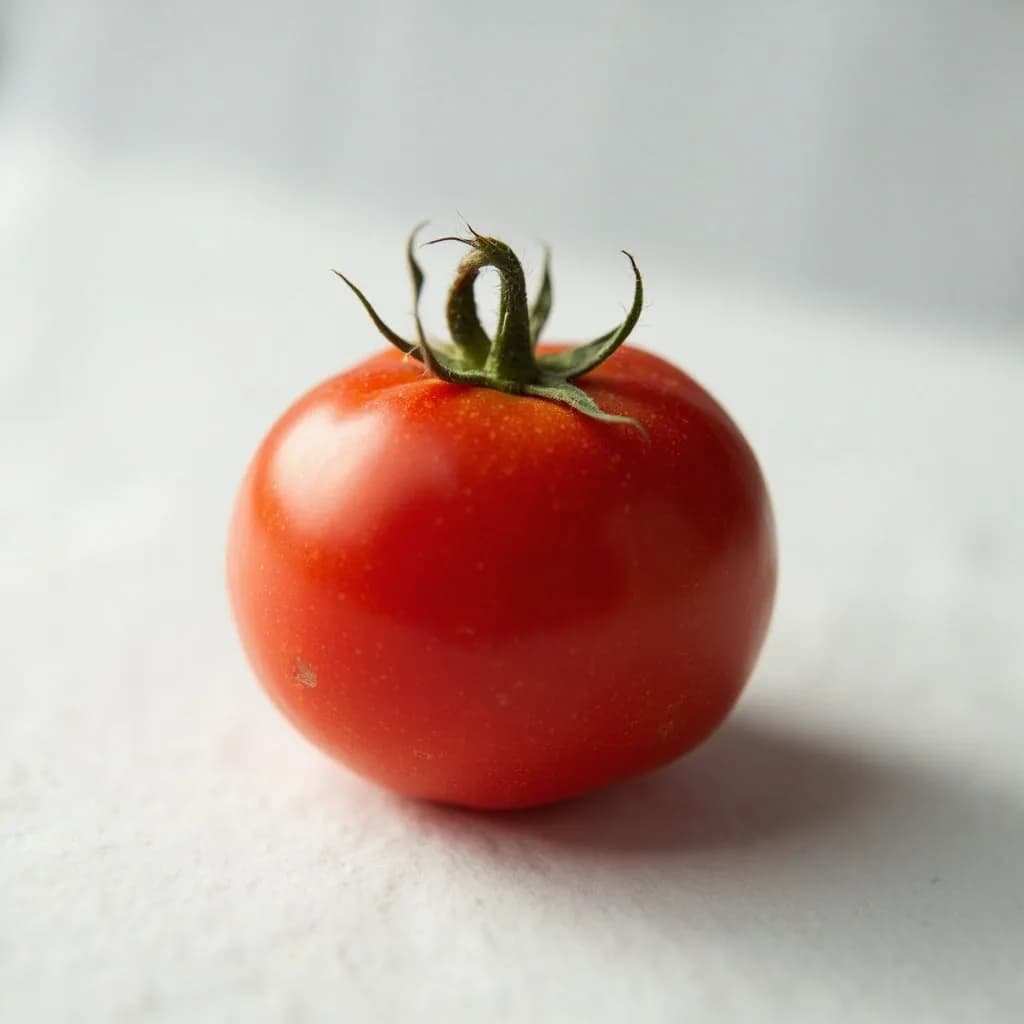
Tomato
Juicy, sun-sweet fruit for sauces, salads, and slow-cooked depth
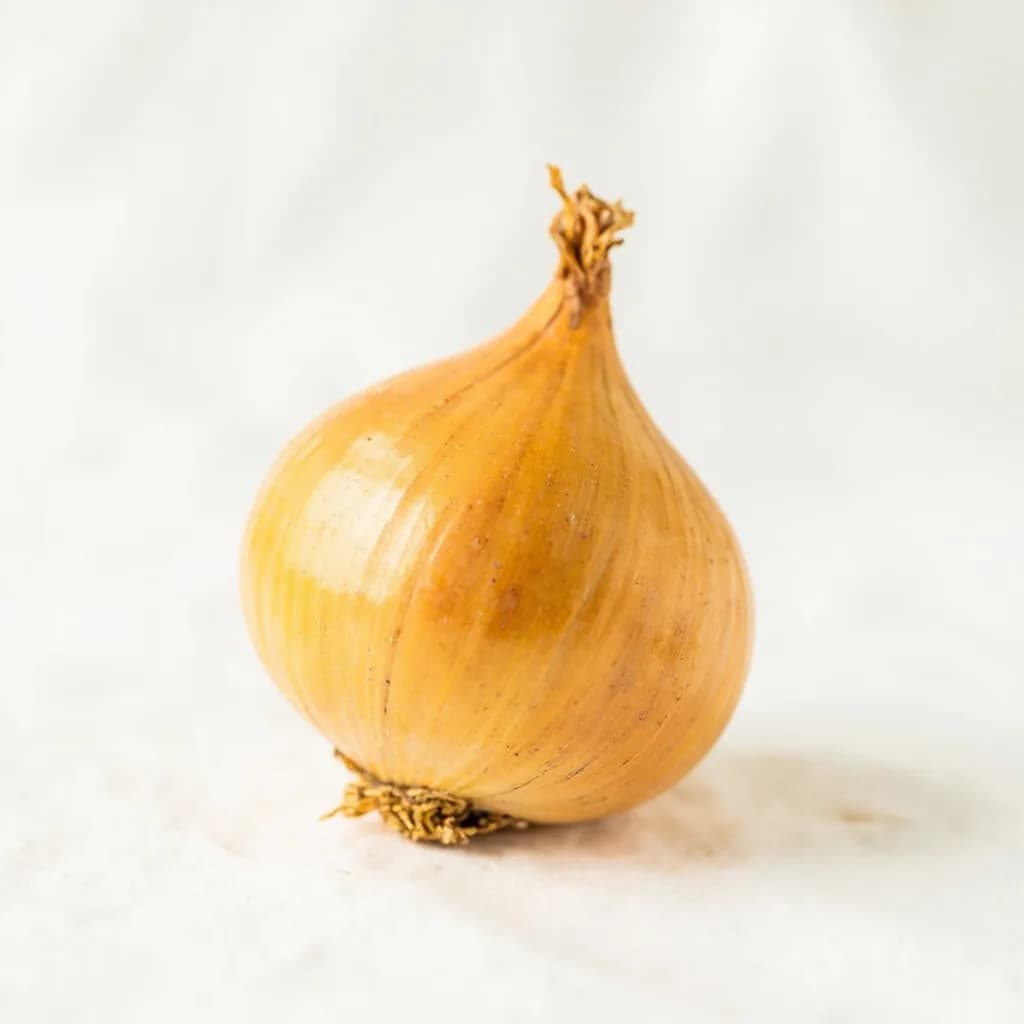
Yellow Onion
The aromatic backbone of soups, sofritos, and braises
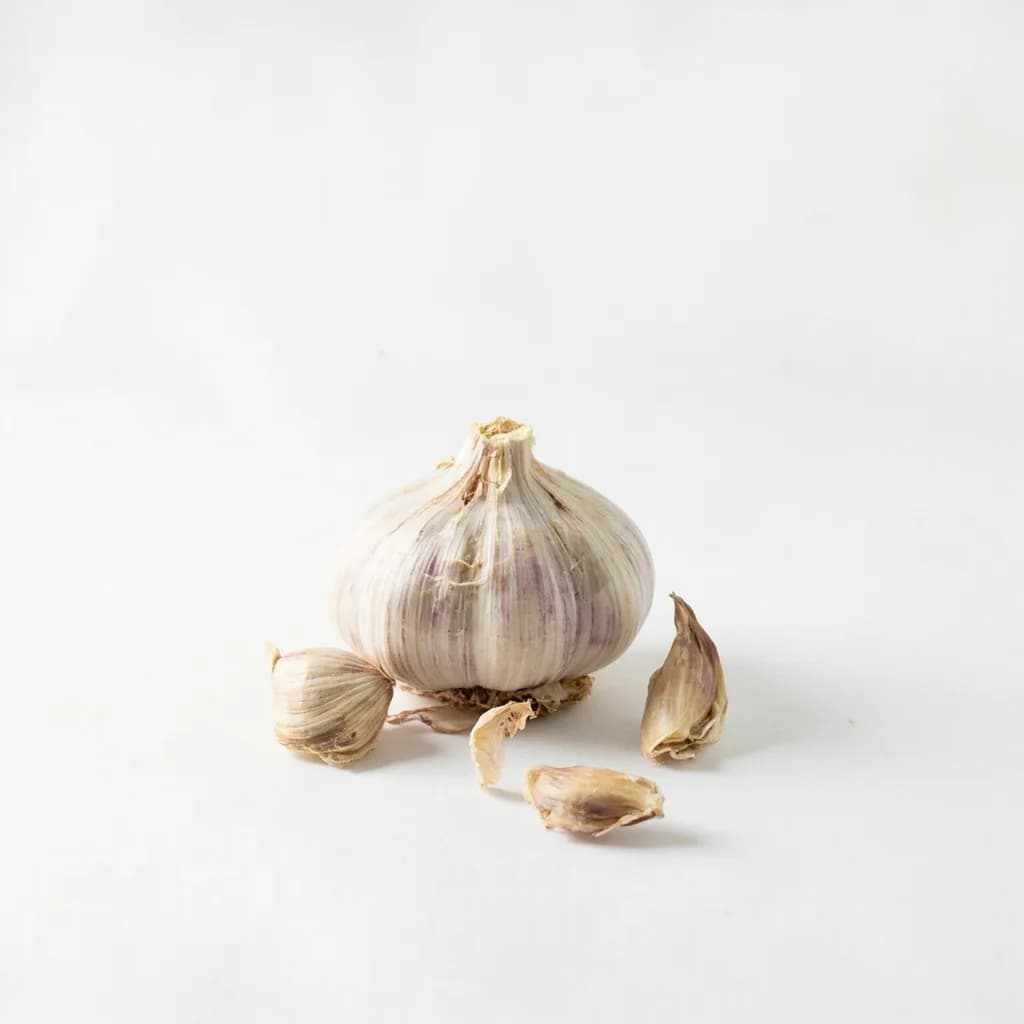
Garlic
Pungent cloves that perfume nearly every savory dish
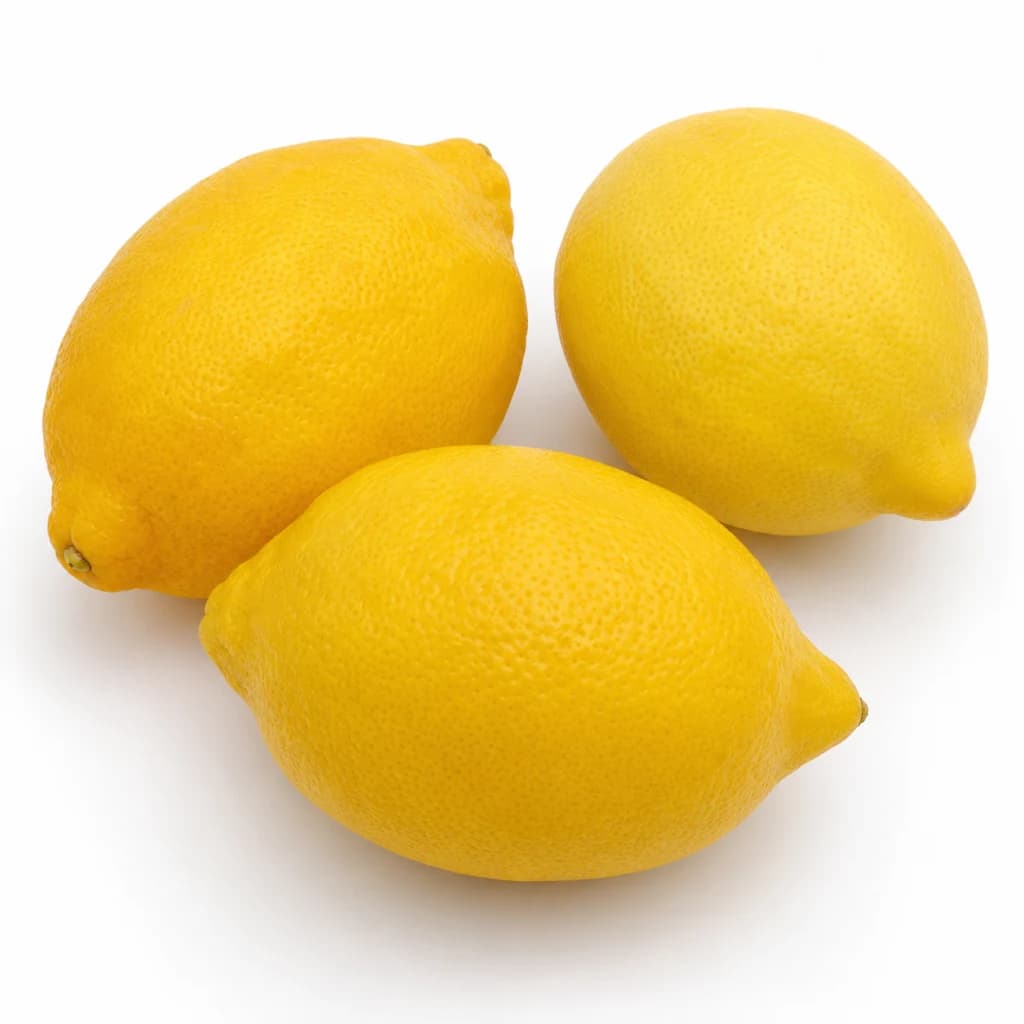
Lemon
Bright, acidic citrus that wakes up almost any dish
Potato
Humble, hearty staple — roast, mash, fry, or boil
Carrot
Sweet, crunchy root — raw, roasted, or the base of a sofrito
Cucumber
Cool, crisp, and watery — for salads, pickles, and tzatziki

Lettuce
Crisp leaves for salads, wraps, and a fresh crunch