Varieties
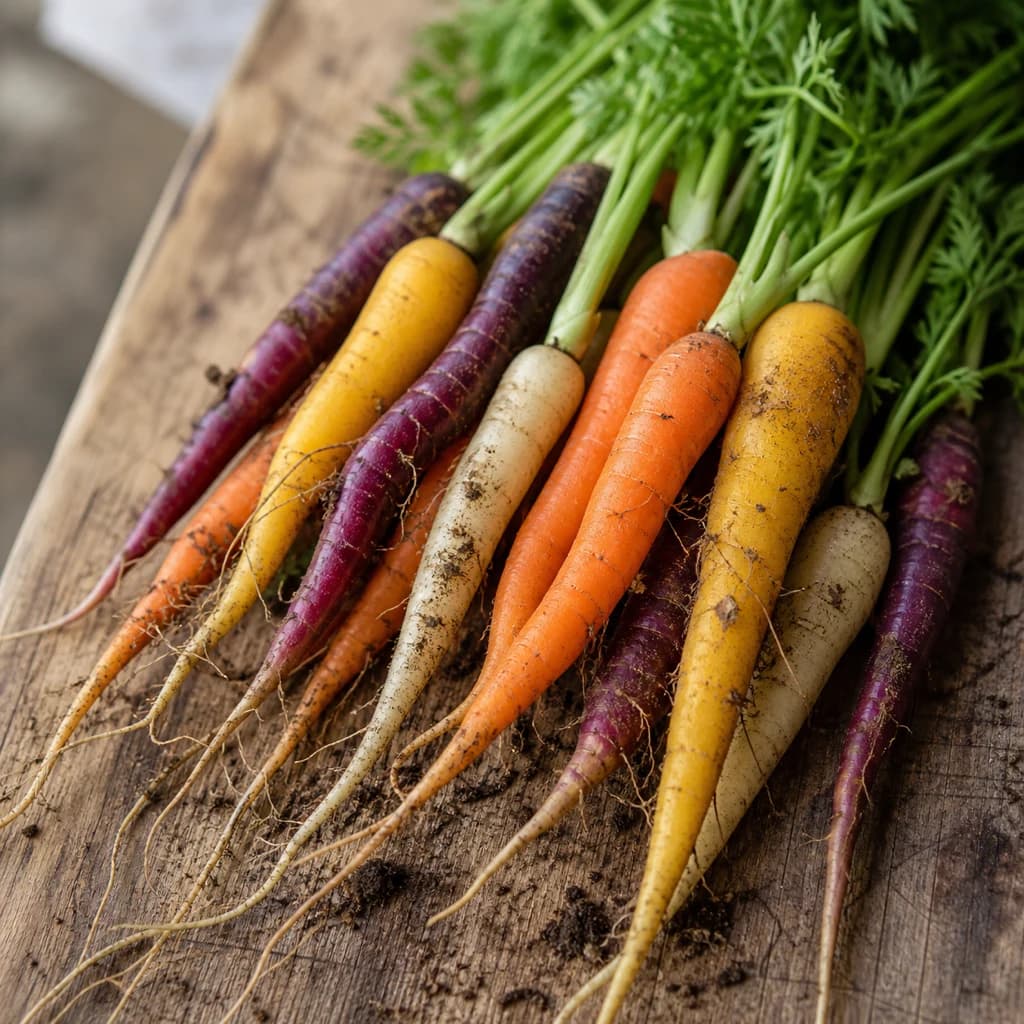
Purple, yellow, white, and orange heirloom baby carrots show the full spectrum of heritage colors.
Showing all four color varieties together in one scene is the clearest way to teach that these carrots are genuinely multicolored, not just orange.
Produce
Heirloom Baby Carrot
Small multicolored young carrots roasted or glazed whole for a sweet, tender side.
Heirloom baby carrots are small, young carrots in heritage colors such as purple, yellow, white, and orange, harvested early for tenderness and sweetness. They are often roasted, glazed, or served whole with their tops for a striking presentation. Their thin skins need little more than a scrub, and roasting concentrates their natural sugars.
True heirloom baby carrots are specific carrot varieties grown to maturity at small size, or standard heirloom varieties harvested young. At 2–4 inches long, they are not cut down from large carrots like the bagged 'baby carrots' found in grocery stores. The distinction matters: true heirlooms have thinner skins, more delicate texture, and a sweetness and aromatic complexity that processed baby carrots simply cannot match. They represent a return to vegetables bred for flavor rather than shelf stability and uniform appearance.
The flavor profile varies meaningfully by variety, but all heirloom baby carrots share a sweetness that outperforms standard carrots. Scarlet Nantes and Parisienne tend toward the sweet and tender; Purple Haze brings earthy depth; Yellowstone and White Satin offer floral and subtle notes respectively. This diversity makes them rewarding for cooks who want to build flavor contrast on a plate. Their small size means they cook quickly and evenly, making them forgiving for weeknight cooking while still rewarding careful technique.
Their natural small size makes them ideal for whole cooking, which preserves interior moisture and allows the sugars to caramelize at the edges. They hold their shape better than cut carrots when roasted at high heat, and their tender skins rarely need peeling. When purchasing, look for firm carrots with intact shoulders and no soft spots. If tops are attached, they should look fresh and green rather than wilted.
- Measured in
- g
- Storage
- Fridge
Types & varieties
Bright orange, cylindrical, very sweet and tender
Round, nearly spherical, creamy interior; classic French heirloom
Slender, blunt-tipped, early maturing; Dutch variety
Round carrot bred to stay small; excellent raw
Deep purple exterior, orange core; sweet with earthy flavor
Bright yellow, uniform shape; mild, slightly floral
All-white carrot; mild, subtle sweetness; very tender
Broad shoulders, tapered; adapted to heavier soils
The Baby Carrot Distinction
Most consumers have never tasted a true heirloom baby carrot. The bagged 'baby carrots' sold in grocery stores are an industrial product: larger carrots are peeled, cut, and tumbled into rounded shapes in processing facilities. They are watery, mild, and designed for convenience, not flavor. True heirloom baby carrots are grown to small size from the start. They have thinner skins, more concentrated sugars, and a tender-crisp texture that processed carrots lack. When a recipe calls for heirloom baby carrots, substituting bagged baby carrots will yield noticeably inferior results.
Color and Plate Appeal
Heirloom baby carrots offer colors unavailable in standard orange carrots. Purple Haze's deep purple exterior with orange core creates striking contrast when sliced. White Satin provides neutral visual weight without the chalkiness of parsnips. Yellowstone adds bright yellow to a plate without the sweetness of sweet corn. These colors are not cosmetic; they signal different flavonoid and pigment profiles that translate to flavor variation on the plate.
Common uses
Tips & pitfalls
- Roast cut-side down on a hot pan first to develop a caramelized crust before tossing with fat or glaze
- Do not overcook; they should retain a slight snap when done (al dente)
- Blanch before roasting if you want even browning with deep caramelization throughout
- Avoid boiling; it dilutes flavor and makes them mushy
- Store unwashed; wash just before use to prevent moisture-related decay
- Common mistake: confusing true heirloom baby carrots with bagged 'baby carrots' which are cut from larger carrots and have different texture and flavor
- If any carrots are noticeably larger than the rest, halve or quarter them lengthwise before cooking to ensure even doneness
Nutrition
Energy
146 kJ · per 100 g
Where the calories come from
Protein
0.6g
1% DV
Carbs
8.2g
3% DV
Fat
0.1g
0% DV
Fiber
2.9g
10% DV
Sugars
4.8g
of which
Sodium
78mg
3% DV
Source · USDA FoodData Central · Carrots, baby, raw
View on FDC →In the shops
Matched grocery products
 €0.85
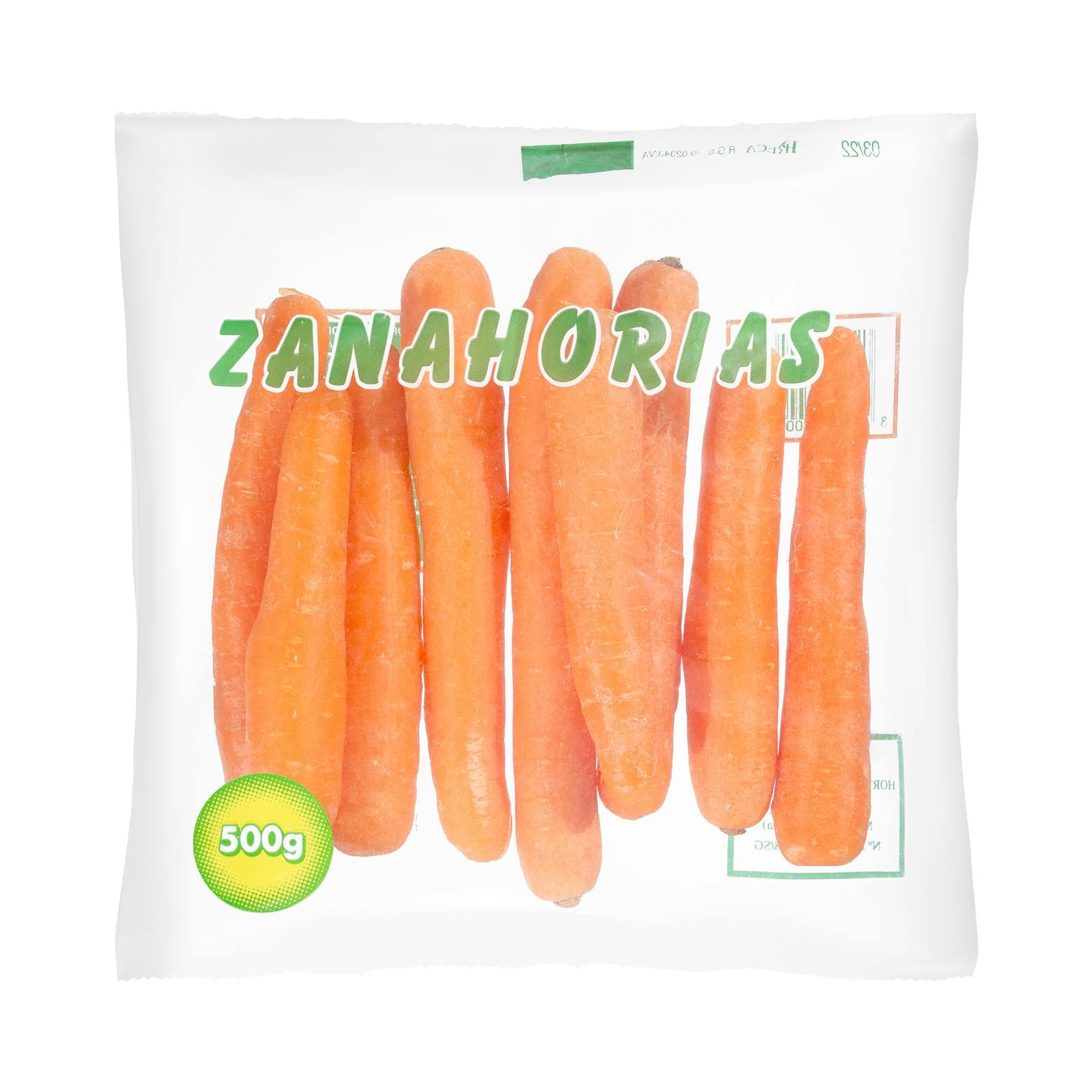
€0.85Carrots
500 g · Mercadona
 €1.35
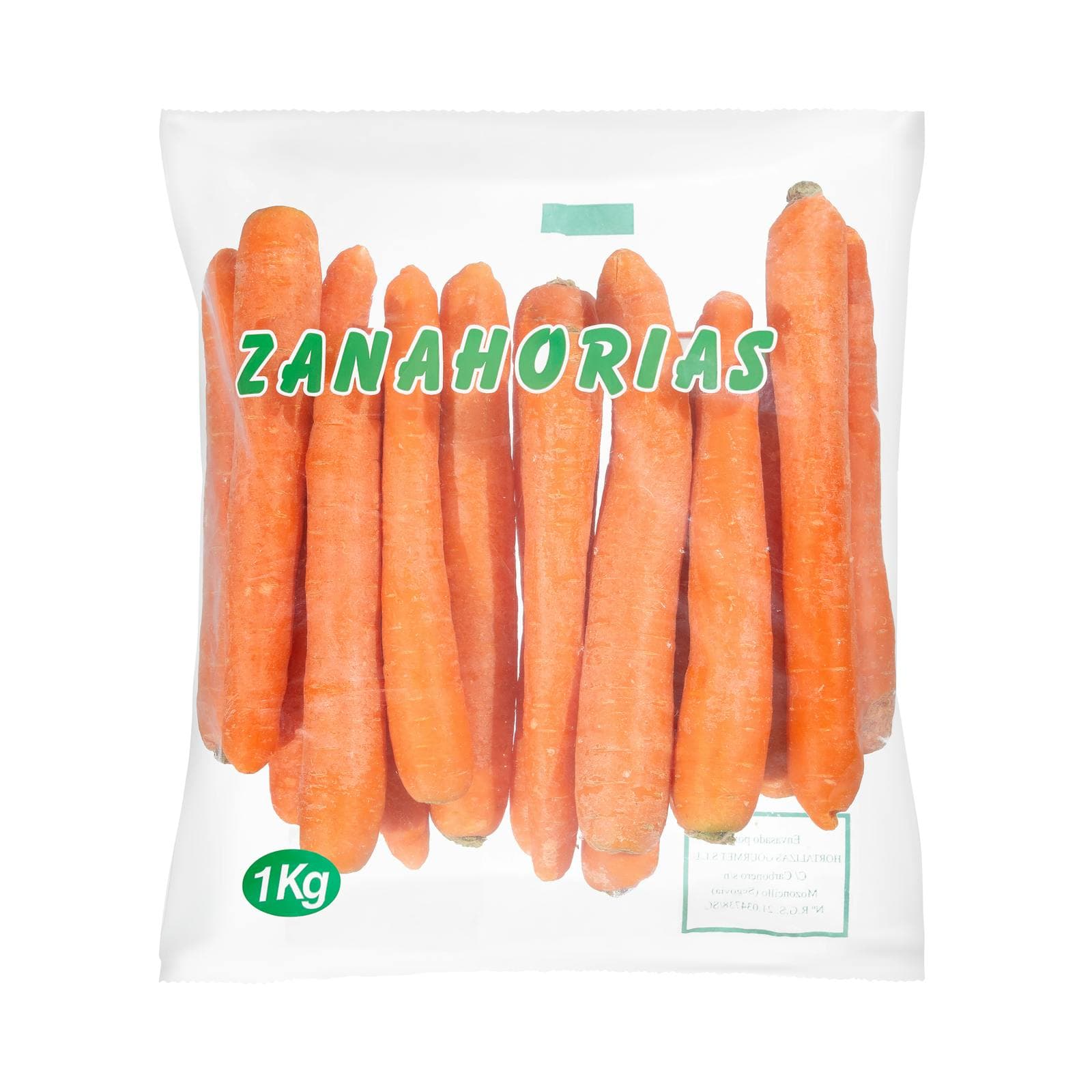
€1.35Carrots
1 kg · Mercadona
 €2.35
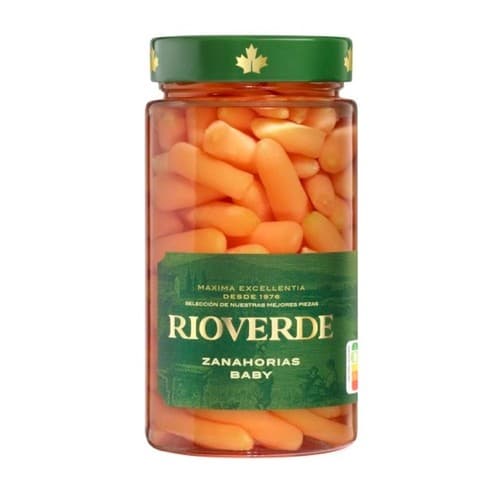
€2.35Baby Carrots
RIOVERDE · kg · Bonpreu
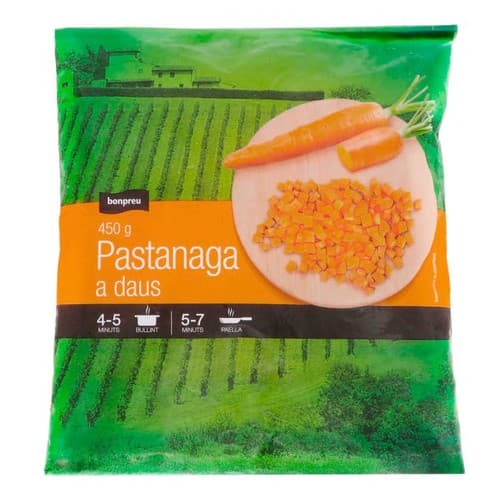 €1.25
€1.25Diced Carrot
BONPREU · kg · Bonpreu
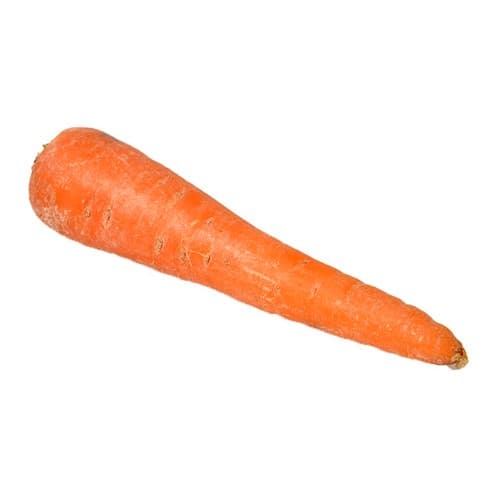 €0.17
€0.17Carrot 1 unit
ud · Bonpreu
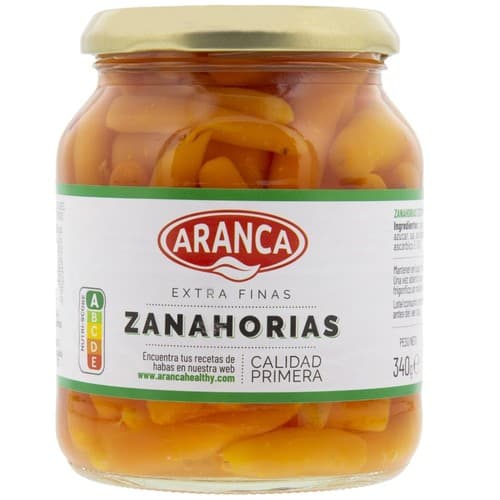 €1.99
€1.99ARANCA Carrot
ARANCA · kg · Bonpreu
Good to know
- What It Is
- True heirloom carrot varieties harvested young, naturally small (2–4 inches); not machine-cut from large carrots
- Origin
- Heirloom varieties from France (Nantes, Parisienne), the Netherlands, and vintage American strains
- Season
- Spring and fall; cool-weather crop that bolts in extreme heat
- Flavor
- Sweeter and more aromatic than standard carrots; flavor varies by variety (earthy, floral, citrusy notes)
- Typical Size
- 2–4 inches long, ½–1 inch wide at shoulder
- Storage
- Refrigerate in a sealed plastic bag; lasts 2–3 weeks. Do not store near apples or pears (ethylene gas causes bitterness)
- Prep
- Scrub well; no peeling needed. Trim tops to ½ inch if present
- Yield
- 1 pound serves 2–3 as a side dish
- Difficulty
- Easy; forgiving vegetable
Substitutes
- Regular carrots cut into 2-inch pieces — Not as sweet; increase cooking time by 5–10 minutes
- Farmer's market 'small carrots' — Usually young standard varieties; comparable when labeled 'baby' or 'small'
- Baby turnips — Different flavor but similar size and cooking method
Pairs with
Also called
Baby Carrot · Rainbow Baby Carrot
Related
Tomato
Juicy, sun-sweet fruit for sauces, salads, and slow-cooked depth
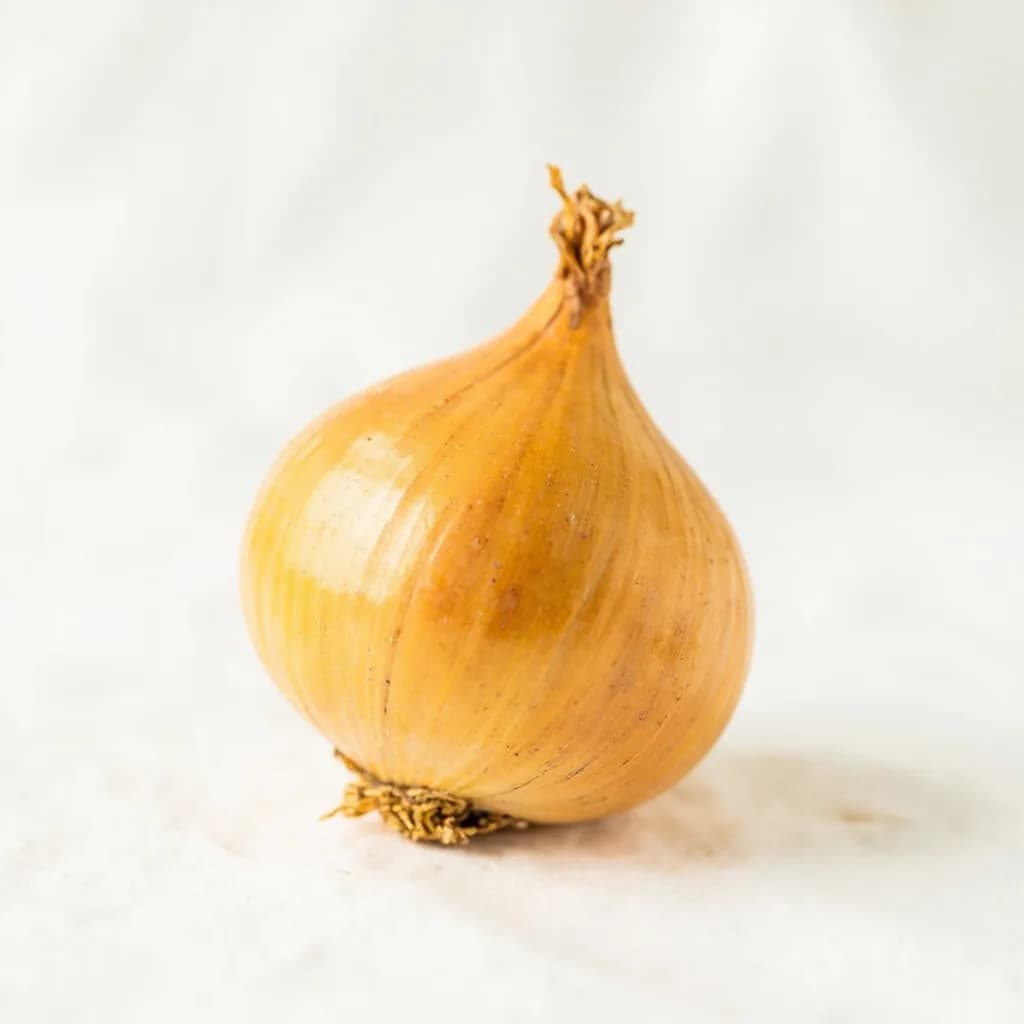
Yellow Onion
The aromatic backbone of soups, sofritos, and braises
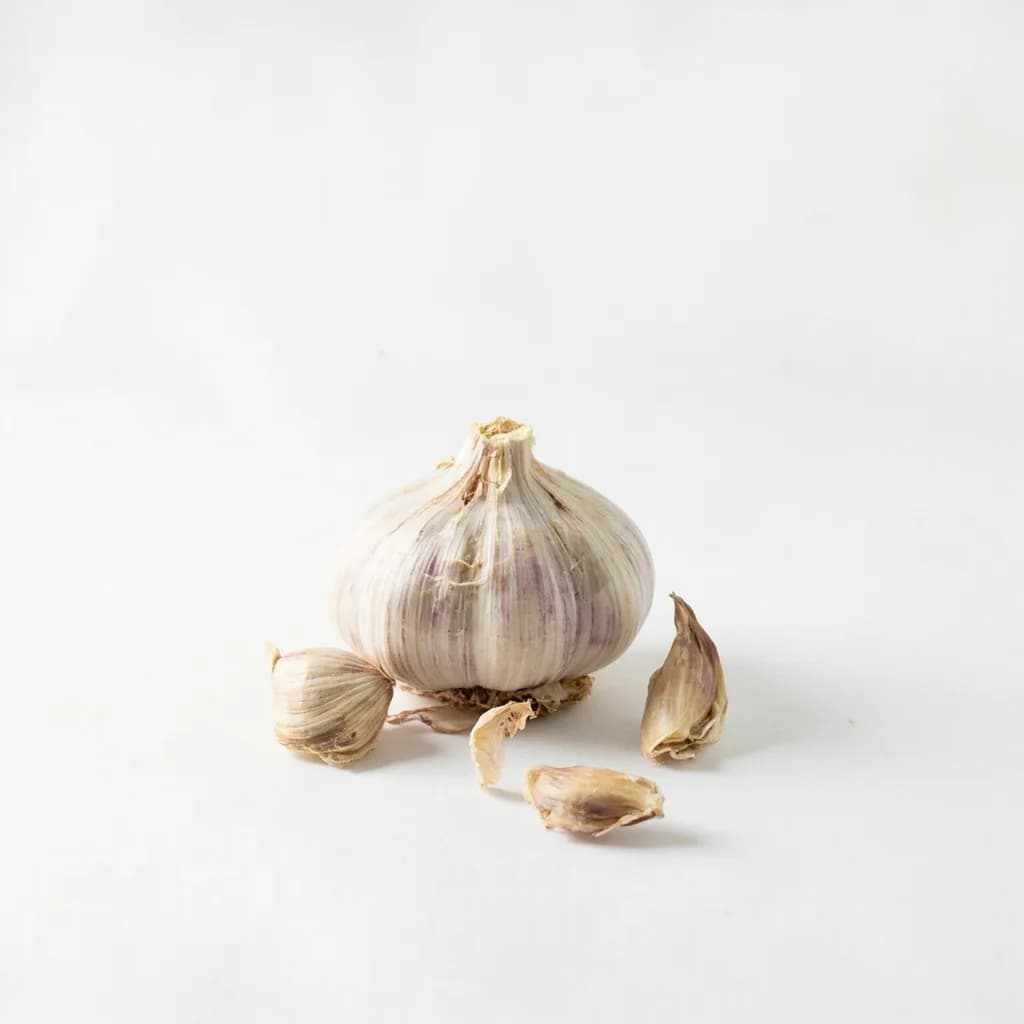
Garlic
Pungent cloves that perfume nearly every savory dish
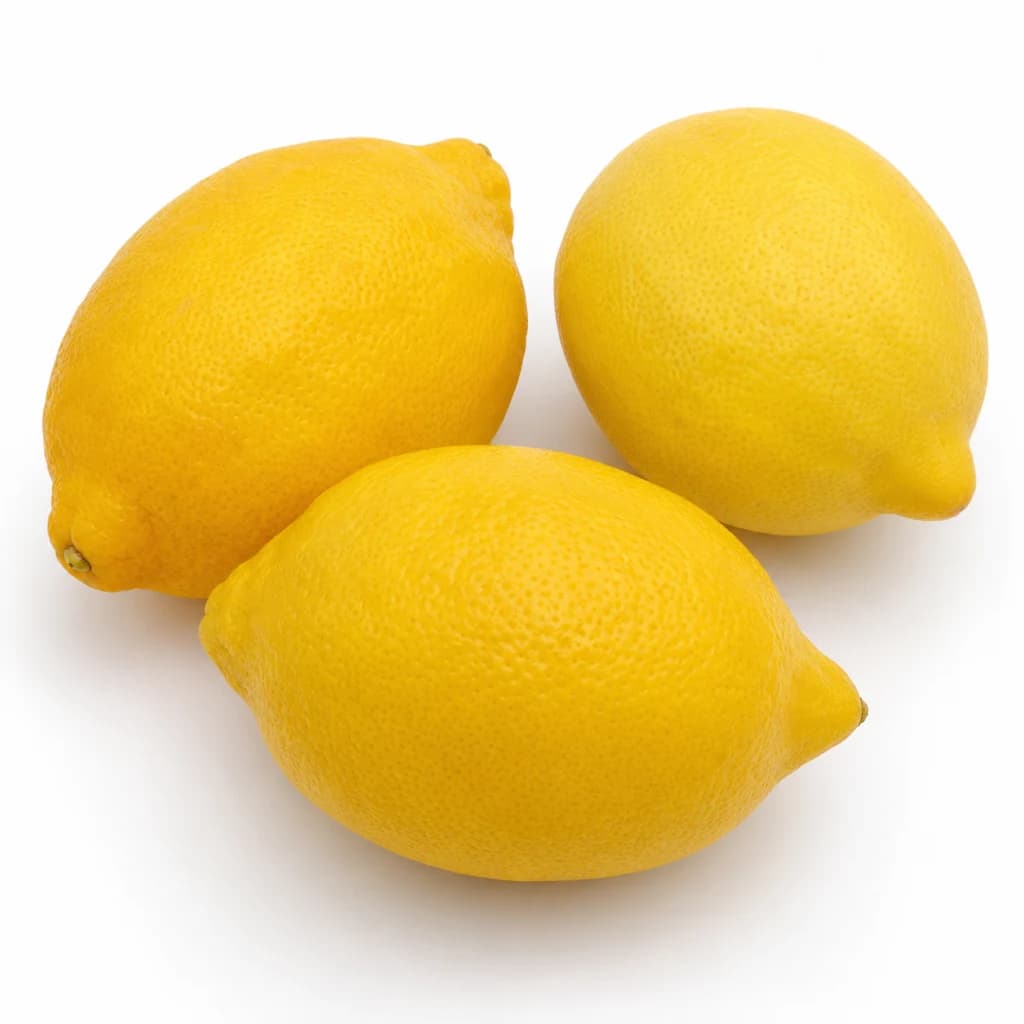
Lemon
Bright, acidic citrus that wakes up almost any dish
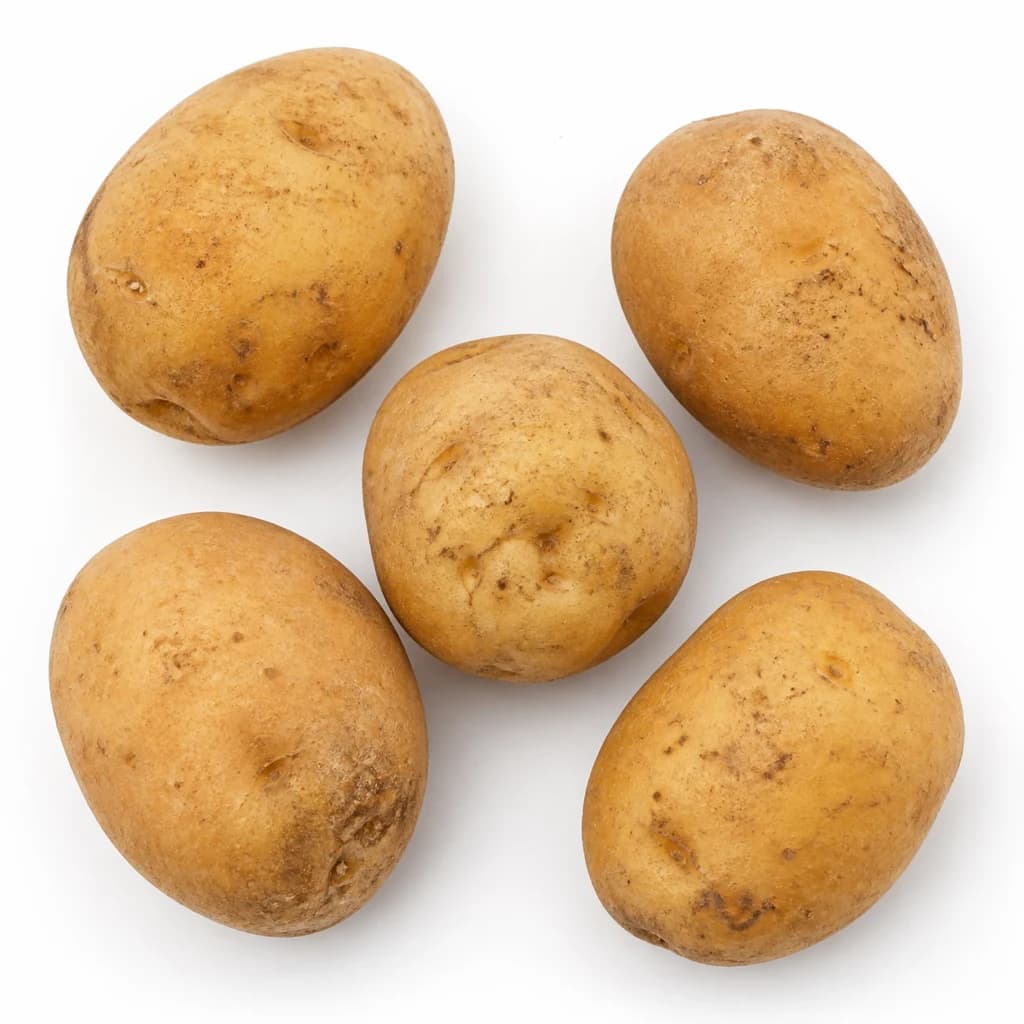
Potato
Humble, hearty staple — roast, mash, fry, or boil
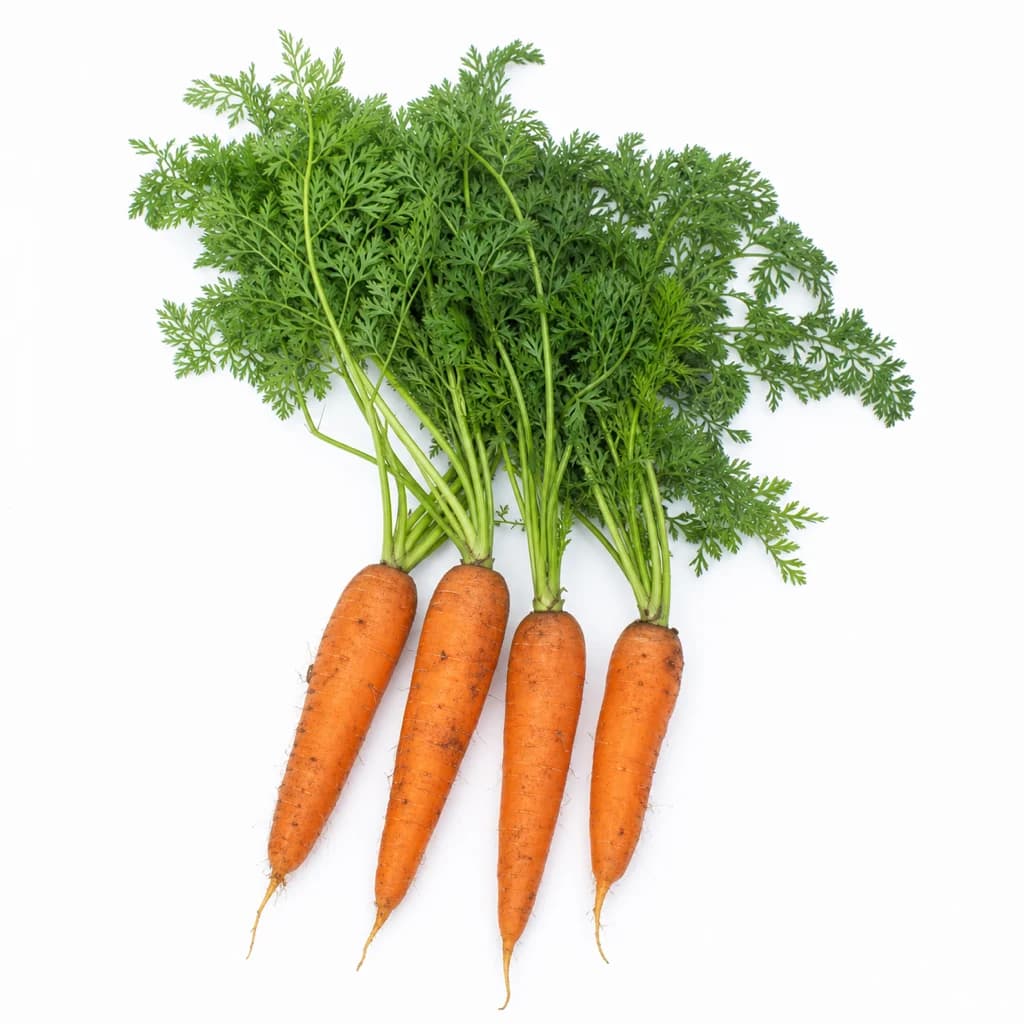
Carrot
Sweet, crunchy root — raw, roasted, or the base of a sofrito
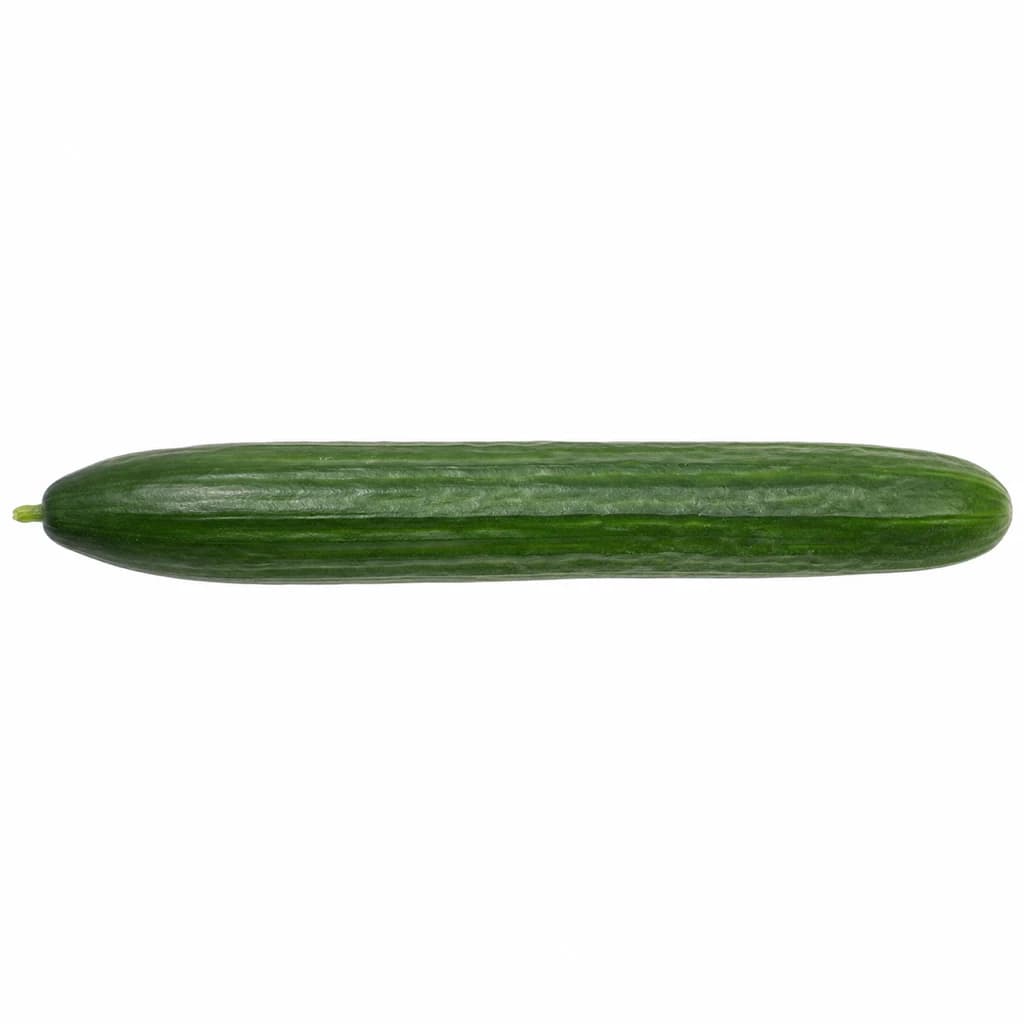
Cucumber
Cool, crisp, and watery — for salads, pickles, and tzatziki

Lettuce
Crisp leaves for salads, wraps, and a fresh crunch