Produce
Huayro Potato
Andean native potato with elongated shape and creamy, floury texture.
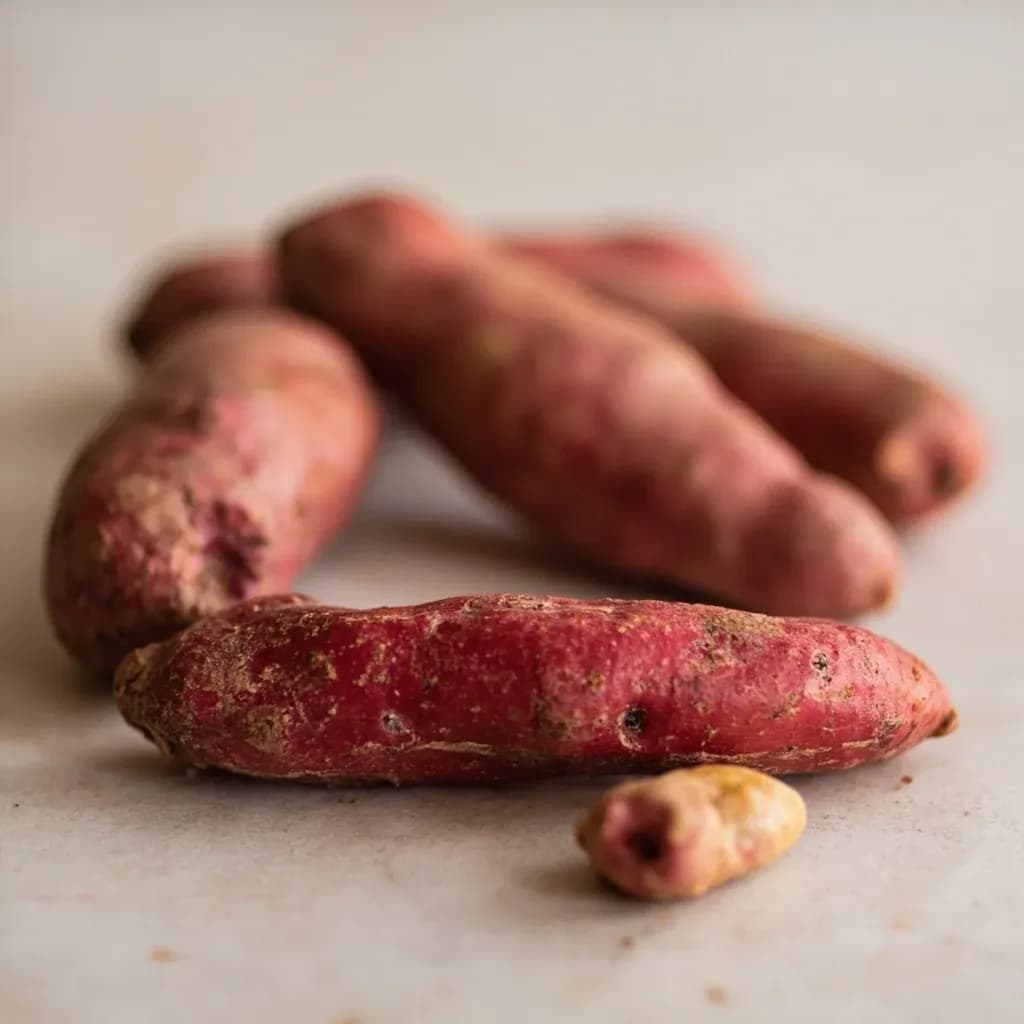
The huayro is a native Peruvian potato with an elongated shape, reddish-purple skin, and creamy yellow flesh. It has a floury, dense texture and rich earthy flavor that suits boiling, steaming, and traditional Andean stews like causa and huatia. It is one of thousands of native potato varieties grown in the Peruvian highlands.
Huayro is a workhorse Andean potato from the Peruvian highlands, particularly associated with Ayacucho and Huancavelica — regions where Quechua-speaking farmers have cultivated it for generations as an everyday kitchen staple. Its elongated, often irregularly knobby shape gives way to a dark reddish-brown to purple-brown skin concealing cream-to-pale-yellow flesh that transforms into a fluffy white interior when cooked. What sets Huayro apart is its position in the Andean potato spectrum: it carries enough starch to deliver the dry, floury quality prized for frying and mashing, yet retains enough structural integrity to hold its shape in stews — a balance that makes it the most versatile of Peru's native commercial varieties. Unlike the intensely colored papa amarilla or the extreme dryness of freeze-dried chuño, Huayro provides a neutral, absorbent canvas that performs reliably across techniques without demanding special handling. In highland homes, it is simply the potato you reach for when you need something to fry, bake, mash, or simmer. Fresh exports are rare outside Peru, but it appears regularly in Latin American markets in North American cities with Peruvian communities, and dried forms — chuño and papaseca — extend its reach year-round.
- Measured in
- piece
- Storage
- Pantry
Types & varieties
Purple-fleshed variant; same floury character with anthocyanin pigment; used in purple frios and traditional stews for visual impact
Yellow-fleshed selection; slightly sweeter; same structural integrity when cooked, good for dishes where a hint of color is welcome
Where Huayro Fits in the Andean Potato Family
Peru's native potatoes fall roughly into three classes: waxy, floury, and preserved. The waxy end is represented by papa amarilla and its relatives — dense, smooth, and ideal for salads and boiled preparations where you need pieces to hold their shape. The floury extreme is chuño and papaseca — freeze-dried potatoes with an almost powdered dryness that dominates highland stews and soups. Huayro occupies the practical middle ground. It behaves like a Russet in frying and baking, yet unlike a Russet, it won't turn gluey if simmered too long in a stew. This adaptability is why it became the commercial variety most accessible to urban Peruvian markets and why it travels best when dried. When you encounter a Peruvian potato dish that isn't specifically calling for yellow color or chuño's extreme dryness, Huayro is what the cook reached for.
Buying and Handling Fresh Huayro
Fresh Huayro potatoes are firm and heavy for their size, with taut skin free of soft spots or green discoloration. Avoid any tubers that feel light or hollow — this signals age and moisture loss. The irregular shape means you'll get more waste per pound than with uniform commercial varieties; buy by weight and expect to trim more. If you find them sold loose in Latin markets, ask about provenance; Peruvian community markets in cities like Los Angeles, New York, or Houston are your best sources. Once home, store unwashed in a cool, dark, ventilated space at 10–15°C — not the refrigerator, where cold converts starches to sugars and alters both cooking behavior and flavor. Plan to use within two to three weeks.
- Choose firm, heavy potatoes with no soft spots or green tinge
- Expect irregular shapes — buy slightly more than recipe quantities suggest
- Store unwashed in a cool (10–15°C), dark, ventilated area; never refrigerate
- Use within 2–3 weeks for best performance; dried forms last months
Common uses
Tips & pitfalls
- Do not overboil — Huayro potatoes go from tender to waterlogged quickly because of their porous starch structure; cook until just fork-tender and drain immediately
- For fries, blanch in 160°C oil first for 3–4 minutes, then finish at 190°C; the high starch gives exceptional crispness without excessive oil absorption
- When baking whole, prick the skin generously with a fork to prevent bursting — the dry interior creates significant steam pressure
- For mashing, use butter and cream but avoid overworking; the floury texture makes them naturally light, and excessive beating develops gumminess
- In stews, add Huayro in the last 15 minutes of cooking; it will thicken the broth while holding legible pieces rather than dissolving entirely
- If substituting Idaho or Russet potatoes, expect a slightly milder flavor and marginally more watery interior — adjust seasoning accordingly
- Huayro Morado bleeds color into the cooking liquid; use it when you want purple hues in broths or mashed preparations, but not when clean, neutral color matters
Nutrition
Energy
243 kJ · per 100 g
Where the calories come from
Protein
2.6g
5% DV
Carbs
12.4g
5% DV
Fat
0.1g
0% DV
Fiber
2.5g
9% DV
Sodium
10mg
0% DV
Source · USDA FoodData Central · approx. Potatoes, raw, skin
View on FDC →In the shops
Matched grocery products
 €0.40
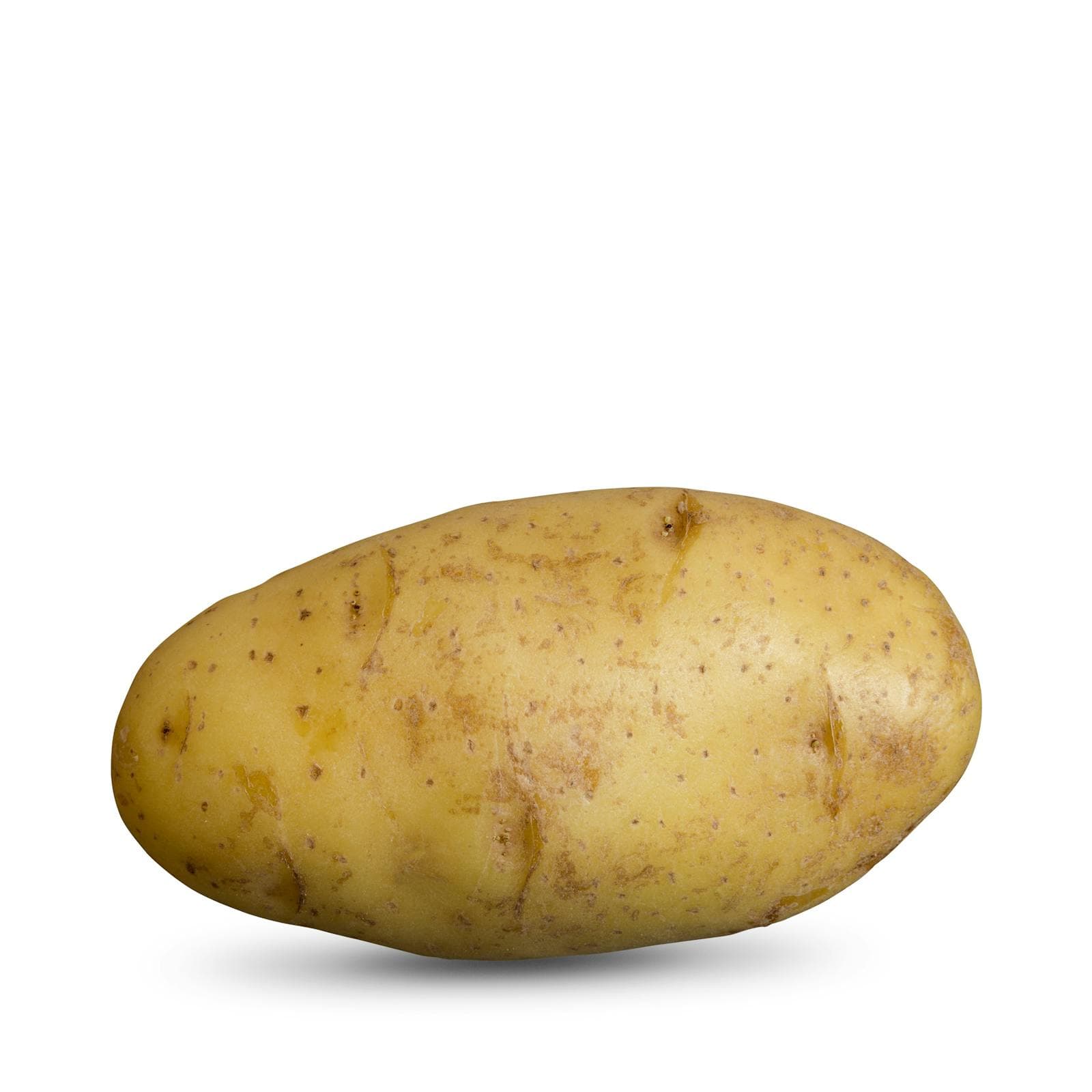
€0.40Potato
210 g · Mercadona
 €4.65
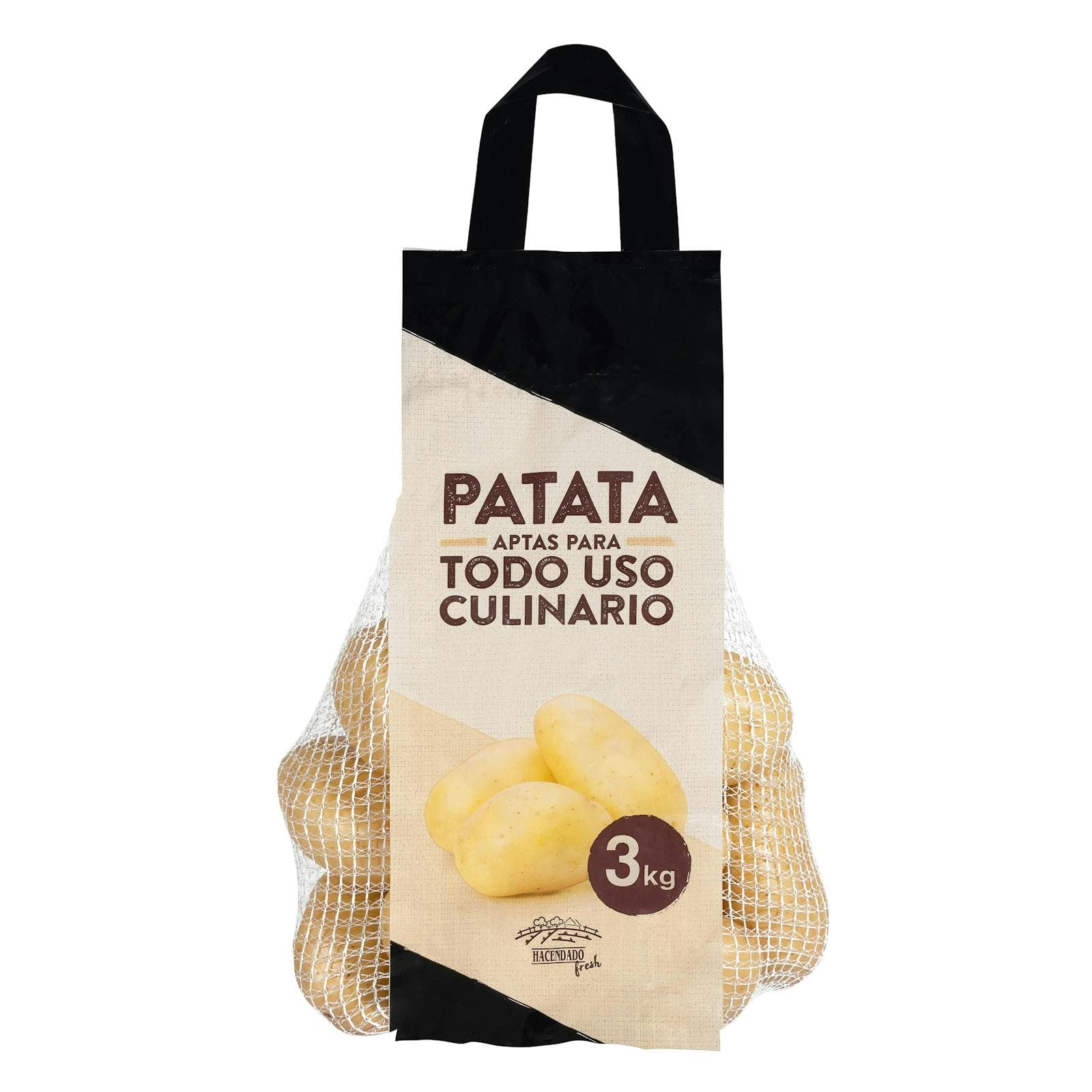
€4.65Potatoes
3 kg · Mercadona
 €5.60
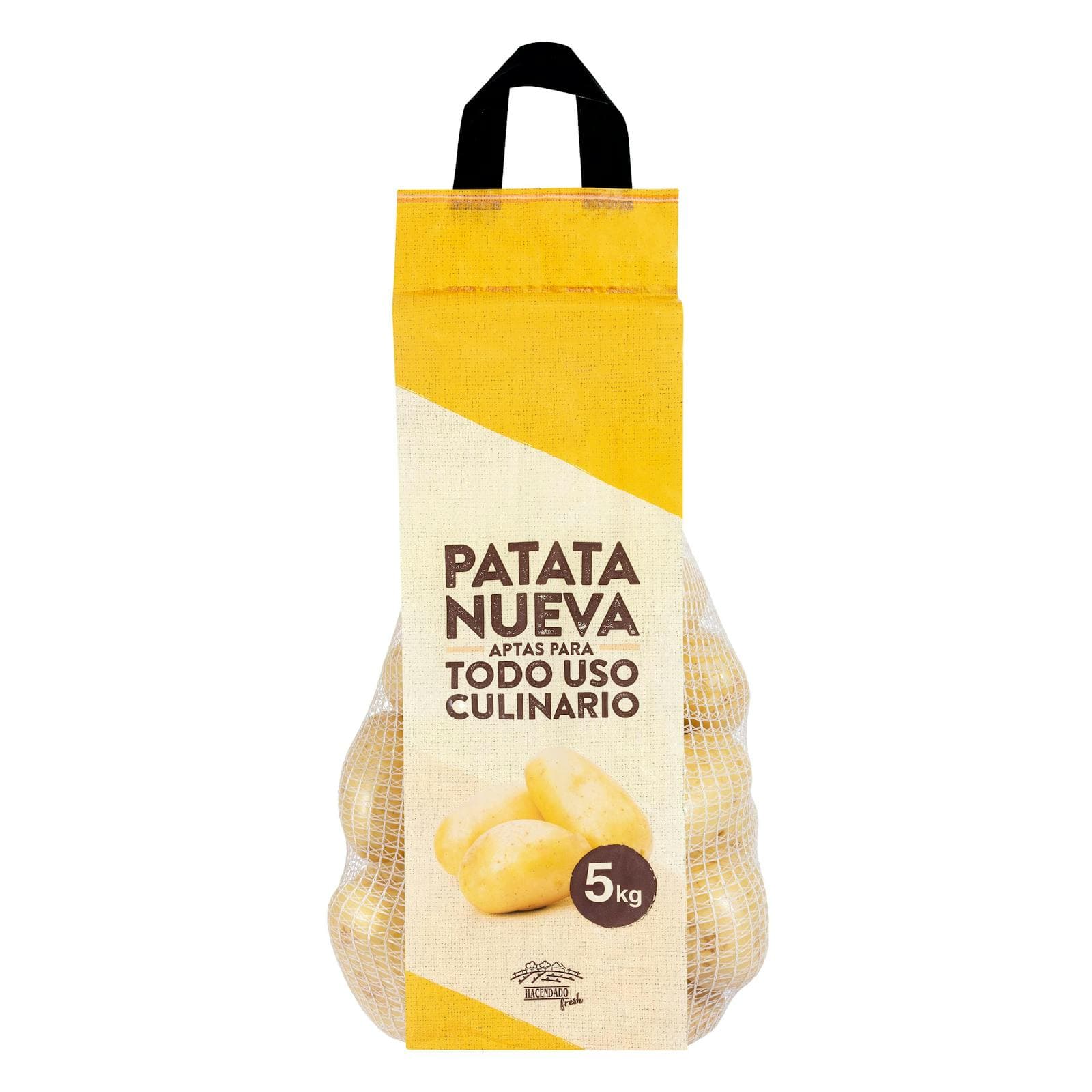
€5.60Potatoes
5 kg · Mercadona
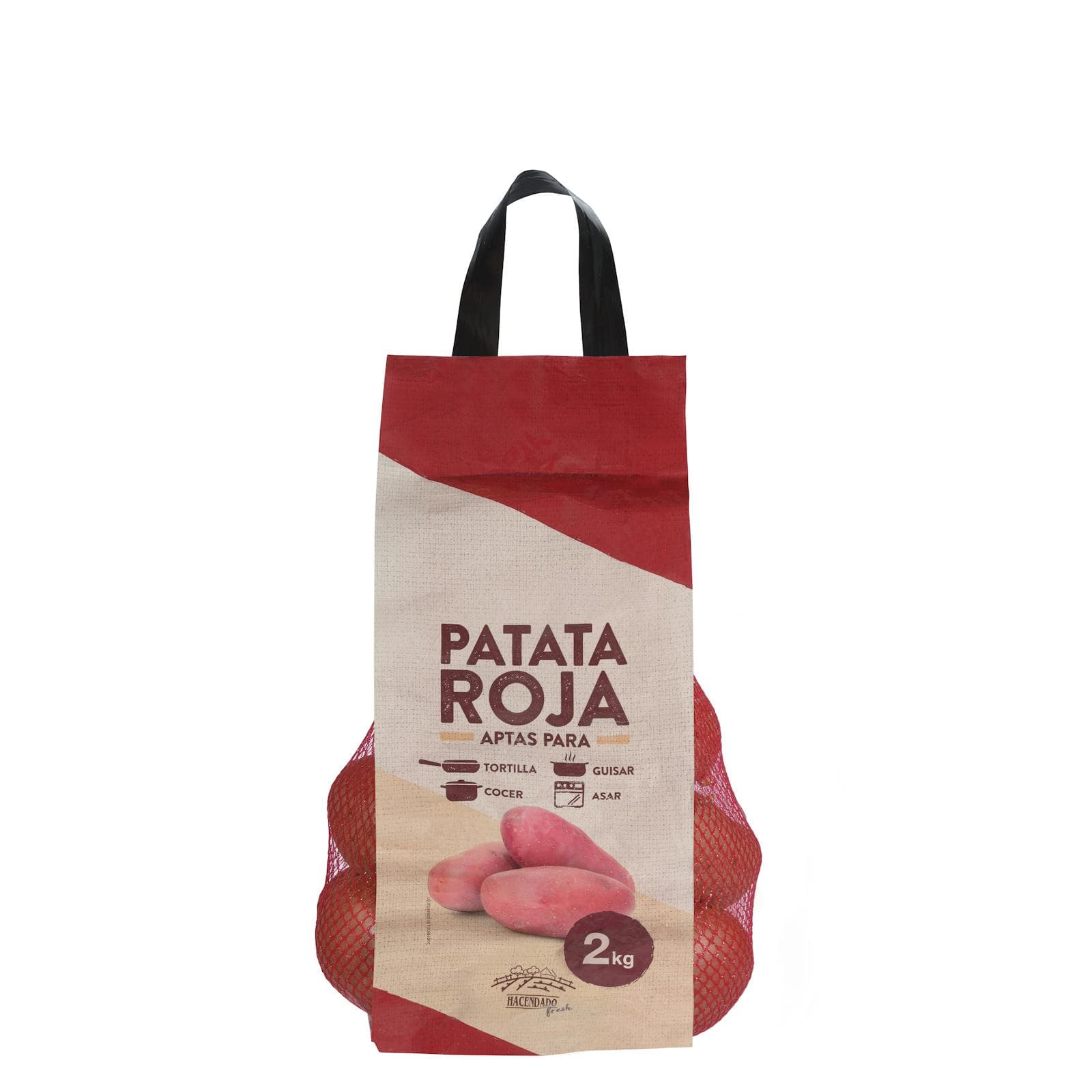 €3.80
€3.80Red Potatoes
2 kg · Mercadona
 €0.45
€0.45Potato 1 unit
Bonpreu
 €0.70
€0.70Potato 1 unit
ud · Bonpreu
Good to know
- Origin
- Peruvian Andean highlands (Ayacucho, Huancavelica); Quechua heritage variety
- Shape
- Elongated to oval, sometimes irregularly knobby
- Skin
- Dark reddish-brown to purple-brown, often with buff or cream patches
- Flesh (raw)
- Cream to pale yellow; fluffy white when cooked
- Texture
- Floury and dry; high starch, low moisture
- Starch Content
- High (18–22% amylose); firmer than Russet when cooked
- Primary Uses
- Frying, baking, mashing, stew thickener
- Harvest Season
- March–June (Andean cycle); dried forms available year-round
- Storage
- Cool (10–15°C), dark, ventilated; 2–4 weeks fresh; do not refrigerate
Substitutes
- Idaho/Russet — Closest match for floury texture and frying performance; slightly more watery interior and milder flavor; works in all Huayro applications
- Peruvian Yellow Potato (Canchan, Tunas) — Less floury but retains good structural integrity; better for boiling and stews than for frying; acceptable when Huayro is unavailable
- Papa Cuchi — Another Andean commercial variety with similar dry, fluffy cook; harder to find outside Peru but nearly interchangeable when available
Pairs with
Also called
Papa Huayro
Related
Tomato
Juicy, sun-sweet fruit for sauces, salads, and slow-cooked depth
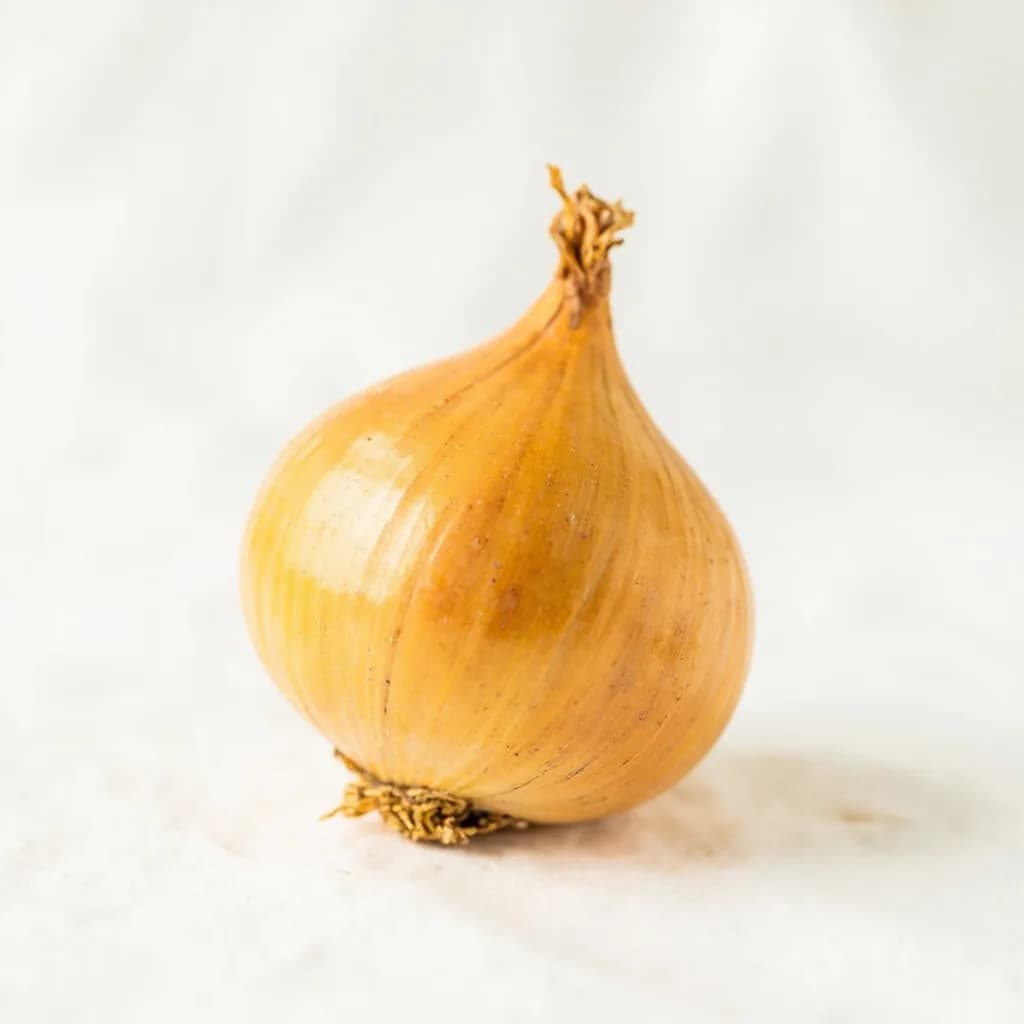
Yellow Onion
The aromatic backbone of soups, sofritos, and braises
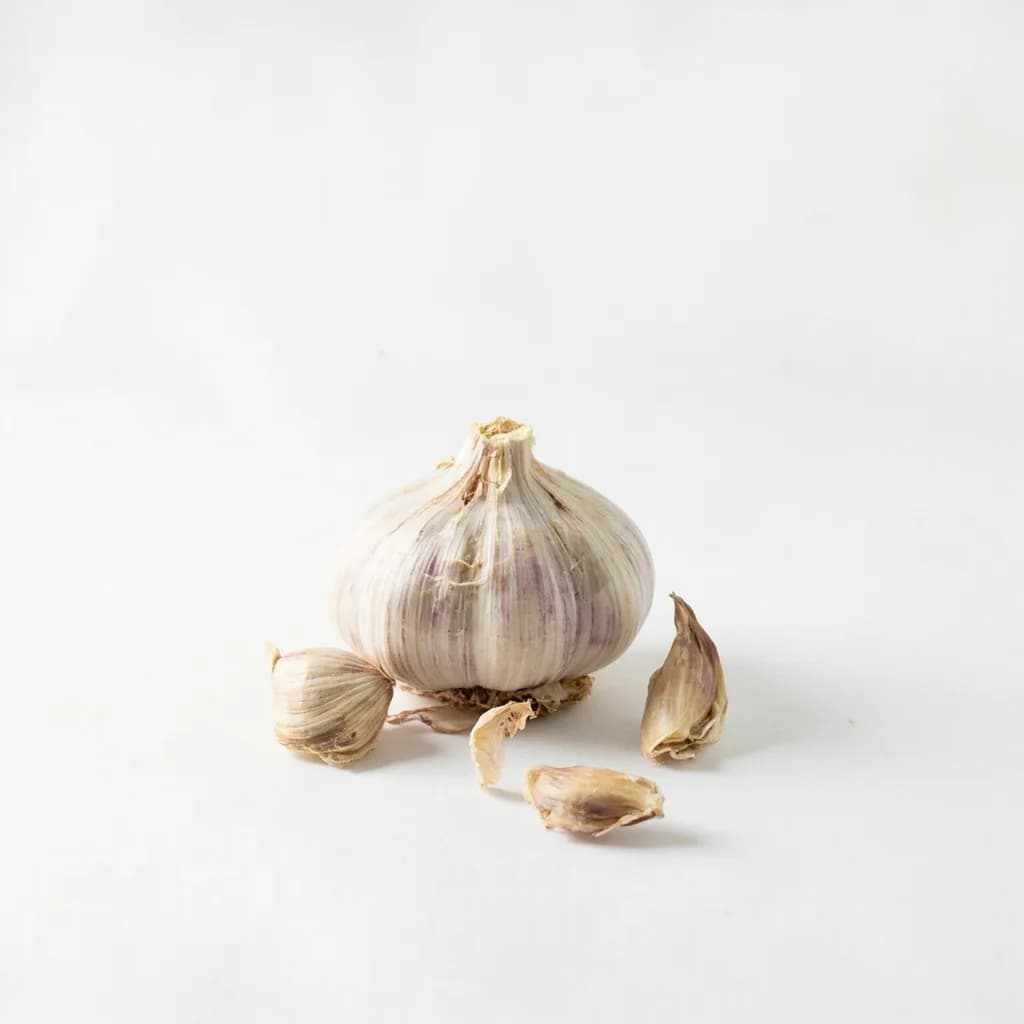
Garlic
Pungent cloves that perfume nearly every savory dish
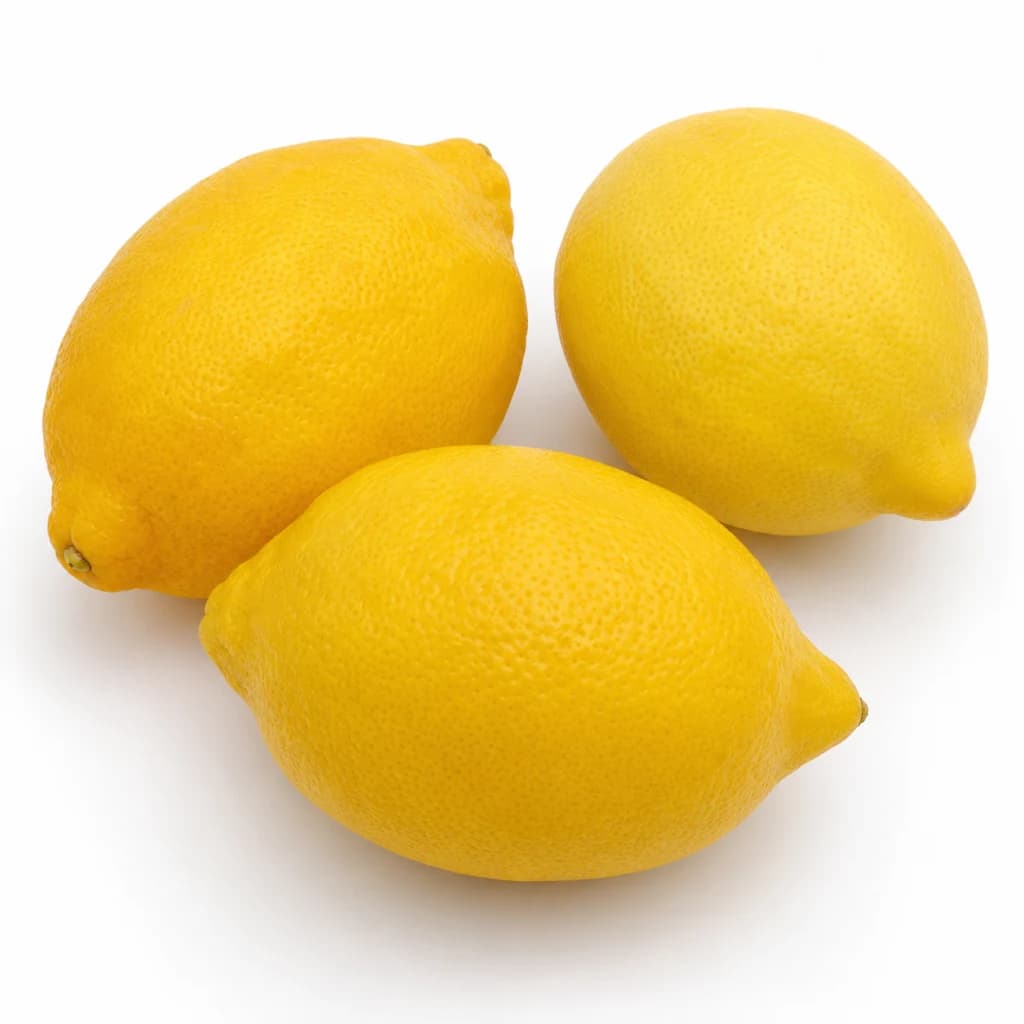
Lemon
Bright, acidic citrus that wakes up almost any dish
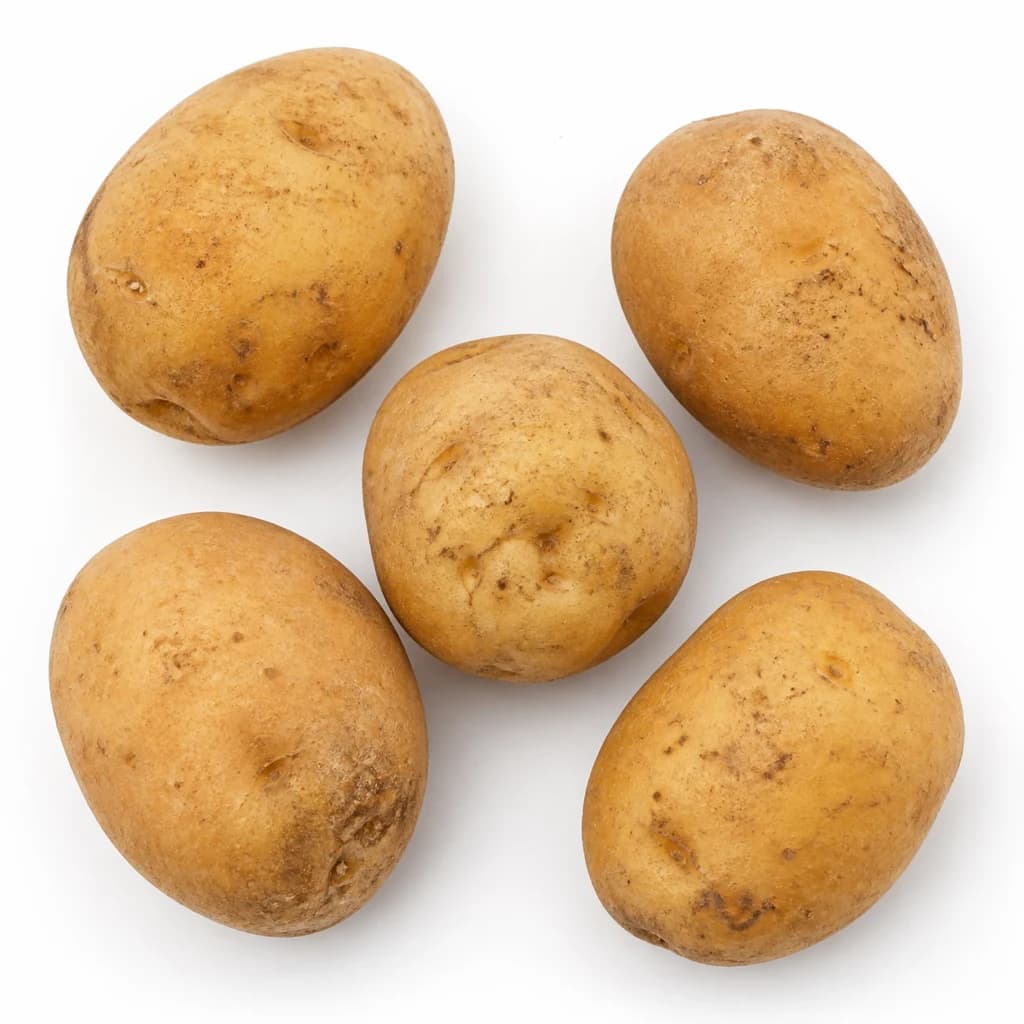
Potato
Humble, hearty staple — roast, mash, fry, or boil
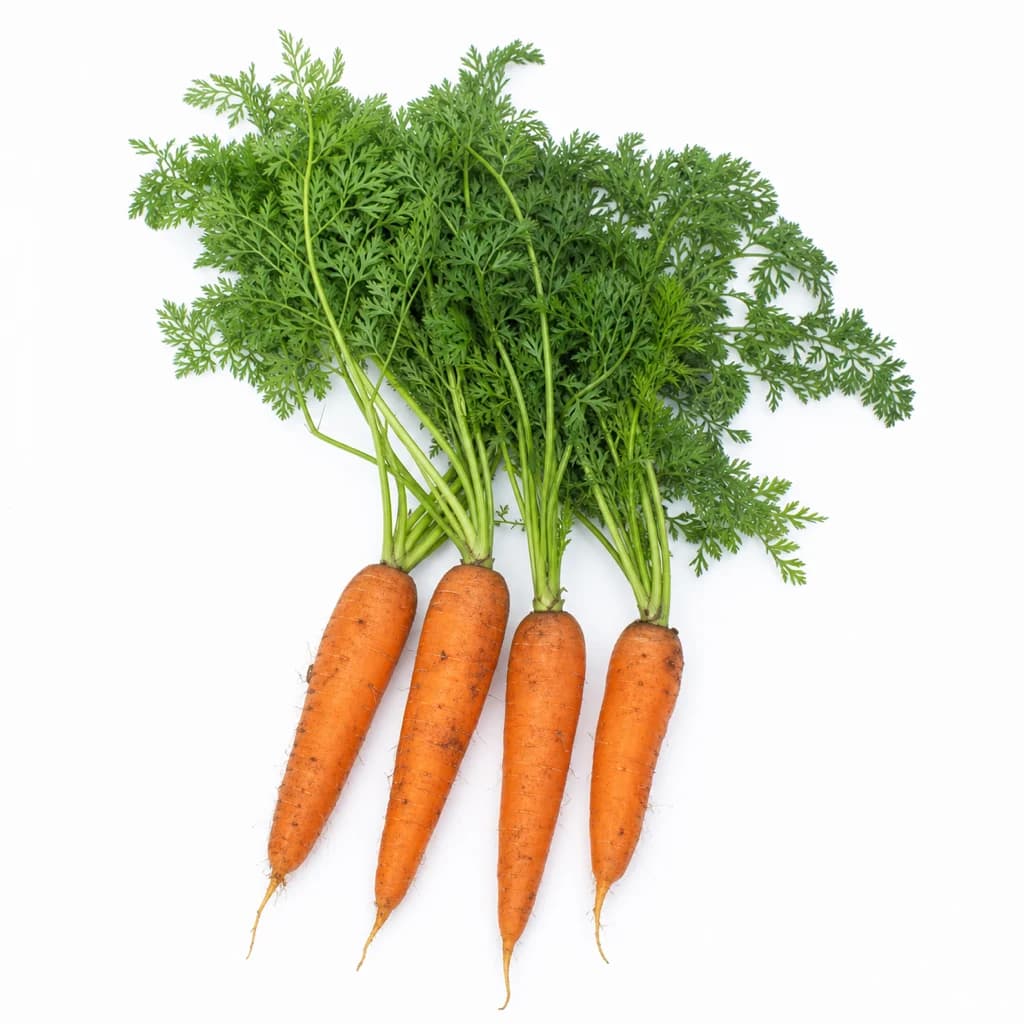
Carrot
Sweet, crunchy root — raw, roasted, or the base of a sofrito
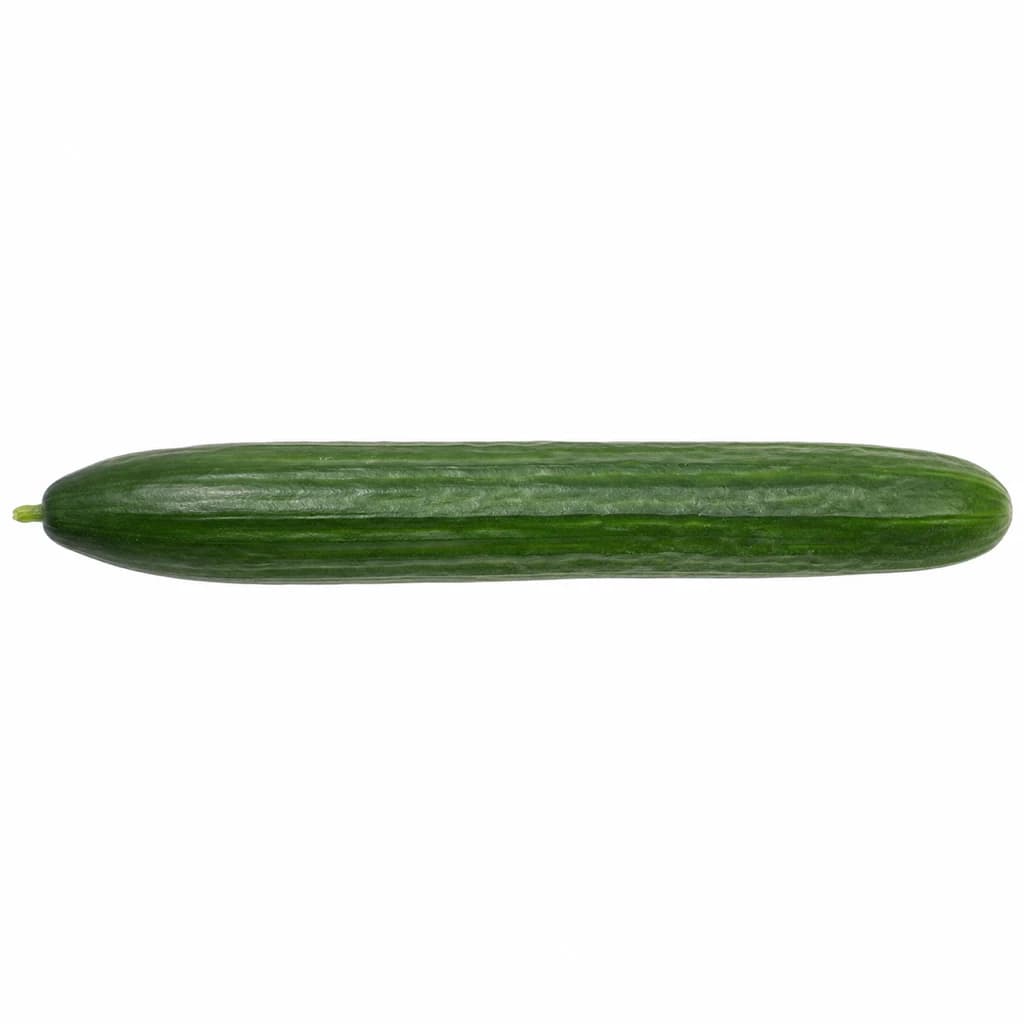
Cucumber
Cool, crisp, and watery — for salads, pickles, and tzatziki

Lettuce
Crisp leaves for salads, wraps, and a fresh crunch