Dairy & Eggs
Imeretian Cheese (Imeruli)
Georgian fresh brined cheese; the soft filling that defines khachapuri.
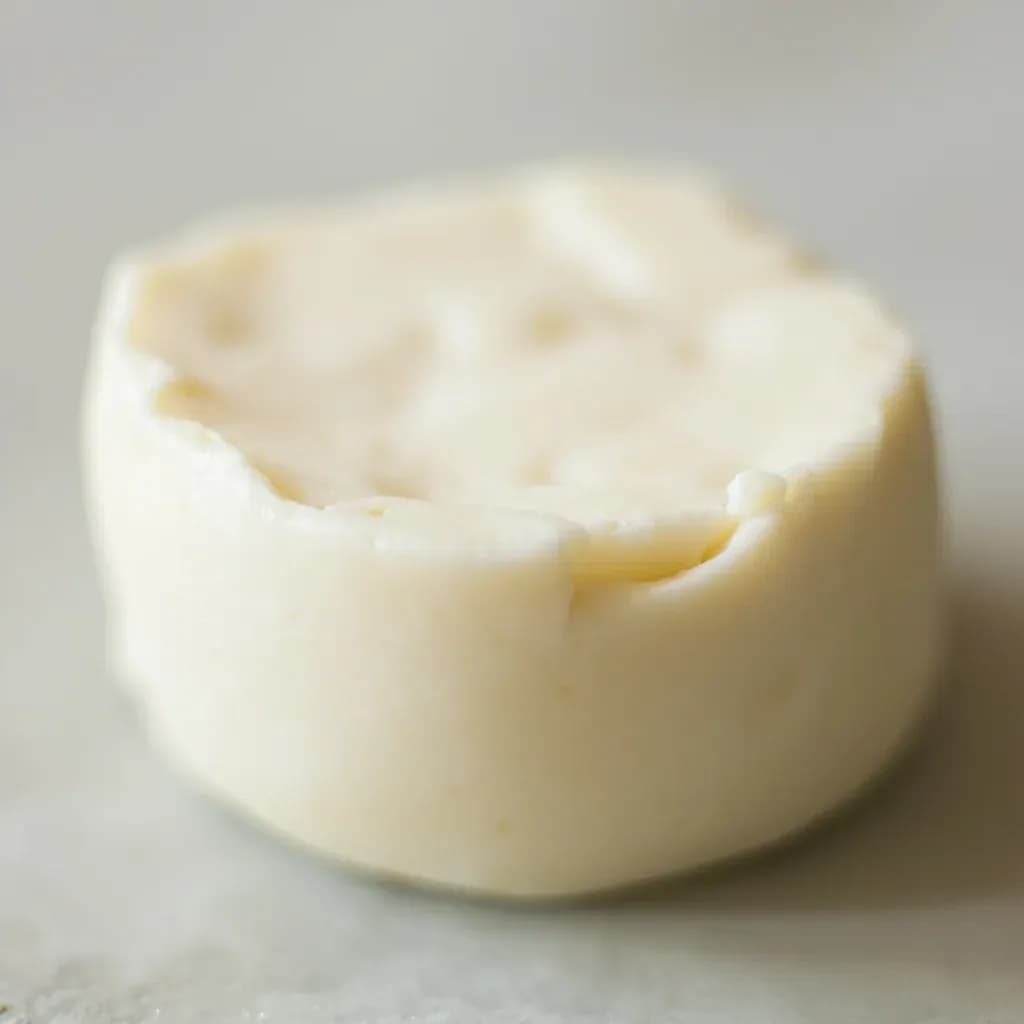
Imeruli is a fresh, mild, slightly salty Georgian cheese from the Imereti region, made from cow's milk and brined briefly. It is soft and crumbly with a tangy edge, and is the classic filling for khachapuri cheese bread. It is also eaten fresh with herbs or melted into Georgian dishes.
Imeretian cheese is the defining filling of Georgian khachapuri, and no substitution quite replicates its brined saltiness, milky tang, and the long elastic strings it pulls when melted. Produced in the Imereti region of western Georgia, it belongs to the family of fresh brined cheeses — a category distinct from aged or rinded cheeses. The cheese is made by coagulating full-fat cow's milk (sometimes buffalo or mixed) with rennet, then salting the finished curd and storing it submerged in its own brine. This brine is not incidental; it is both preservative and flavoring, giving the cheese its characteristic gentle saltiness and keeping it supple. The texture sits between soft and semi-firm with a slight elasticity that breaks into gratifying strings when heated — the hallmark that tells you the cheese is properly made and fresh enough to melt rather than simply collapse into grease.
Unlike aged cheeses, Imeretian cheese is meant to be consumed fresh, typically within days to two to three weeks of production. This perishability is why it is made in small batches throughout Georgia and found at markets submerged in clear brine in small plastic or glass containers. The brine should be clear; cloudiness or discoloration signals overaging or poor handling. Industrially produced versions exist beyond Georgia, but quality varies considerably in salt balance and melt behavior. For a cook working with this cheese, understanding that it is a fresh, brined, mild, elastic cheese — not a feta, not a smoked string cheese — is the foundation for using it correctly. The stretch is not incidental; it is the point.
In Georgia, Imeretian cheese is made at home and at small dairies throughout Imereti, where each household's version varies subtly in salt and acidity. The cheese is not sliced but torn or crumbled, and it enters dough, fills boats of bread, scatters over bean stews, and sometimes stands alone, grilled or fried. It is the cheese that makes khachapuri the dish it is — without it, you have bread and melted cheese; with it, you have something rooted and specific to this landscape and its tables.
- Measured in
- g
- Storage
- Fridge
Allergens
Types & varieties
The common brined cheese of the Imereti region; made with standardized techniques and brine. This is what you encounter in most markets and the standard filling for traditional khachapuri.
A slightly aged variant with a denser texture and more pronounced saltiness; the name translates literally to 'cheese in the bag.' It holds its shape better when grilled and works well where a firmer, saltier character is desired.
Suluguni-style cheeses produced in Imereti under the broader brined-cheese tradition. These are distinct from true Suluguni of the Samegrelo region and should not be confused with the smoked, more aged Megrelian original.
Common uses
Tips & pitfalls
- Drain excess brine before mixing into khachapuri dough or filling — brine loosens the dough and produces a soggy result
- Tear or crumble the cheese rather than slicing it; this distributes it more evenly through dough and ensures consistent melting
- If the cheese tastes too salty, soak it in cold milk for 30 minutes, then drain and pat dry before using
- The stretch is the test: properly made Imeretian cheese melts into long, elastic strings when heated. If your cheese does not pull, it is either too old, too dry, or not the right variety
- Do not confuse this with Suluguni, which is smoked, more aged, and comes from the Samegrelo region — Suluguni has a deeper yellow color and a pronounced smokiness
- When buying from a Georgian or specialty market, look for pieces submerged in clear brine; avoid product in cloudy, discolored, or frothy liquid
- Use full-fat milk cheese (at least 3.5%) for best elasticity — low-fat versions produce a rubbery, non-melting result
- Bring cheese to room temperature before cooking to ensure even, thorough melting rather than a patchy, uneven result
Nutrition
Energy
1628 kJ · per 100 g
Where the calories come from
Protein
25.6g
51% DV
Carbs
1.6g
1% DV
Fat
31.1g
40% DV
Fiber
0g
0% DV
Sugars
1.6g
of which
Sodium
800mg
35% DV
Source · USDA FoodData Central · approx. Cheese, fontina
View on FDC →In the shops
Matched grocery products
No matched grocery products for Imeretian Cheese (Imeruli) yet.
Good to know
- Origin
- Imereti region, western Georgia
- Milk
- Cow's milk (primary); occasionally buffalo or mixed
- Type
- Fresh brined cheese
- Texture
- Soft to semi-firm; elastic; slightly crumbly when cold
- Flavor
- Mild, tangy, distinctly salty from brine; milky
- Color
- White
- Aging
- Brief; consumed fresh, typically within days to 2–3 weeks
- Rind
- None; stored immersed in brine
- Storage
- Refrigerated in its brine; use within 2–3 weeks
- Traditional Rennet
- Animal rennet (traditional); vegetable rennet used by some producers
Substitutes
- Suluguni — Another Georgian brined cheese, slightly smoked and less heavily brined; closest flavor and melt. Adjust for smokiness by using less or seeking unsmoked varieties.
- Mozzarella — Good melting cheese with mild flavor but no intrinsic saltiness. Add 0.5% salt by weight and soak in 5% brine for 2 hours for a closer approximation.
- Kasseri — Mediterranean brined cheese with good melt and mild tang. Lacks the saltiness and milky depth of Imeretian but works in a pinch.
- Queso Oaxaca — Mexican string cheese with similar texture and pull; mild, not brined. Add salt to taste before using.
- Farmers Cheese (dry cottage cheese) — Acceptable in baked dishes but crumbly rather than elastic; will not produce the characteristic stringy pull in khachapuri. Best reserved for dishes where melt is secondary.
Also called
Imeruli · Imeretian Cheese
Appears in these dishes


Related

Whole Milk
Rich, full-fat milk for drinking, coffee, sauces, and baking
Butter
Golden fat for searing, baking, and finishing a sauce
Yogurt
Tangy, creamy culture for breakfast, sauces, and marinades
Cheddar Cheese
Sharp, melty cheese for sandwiches, gratins, and grating
Skim Milk
Fat-free milk for lighter drinking, coffee, and cooking
Heavy Cream
Rich cream that whips, enriches sauces, and sets ganache

Sour Cream
Tangy, thick cream for dolloping, baking, and dips
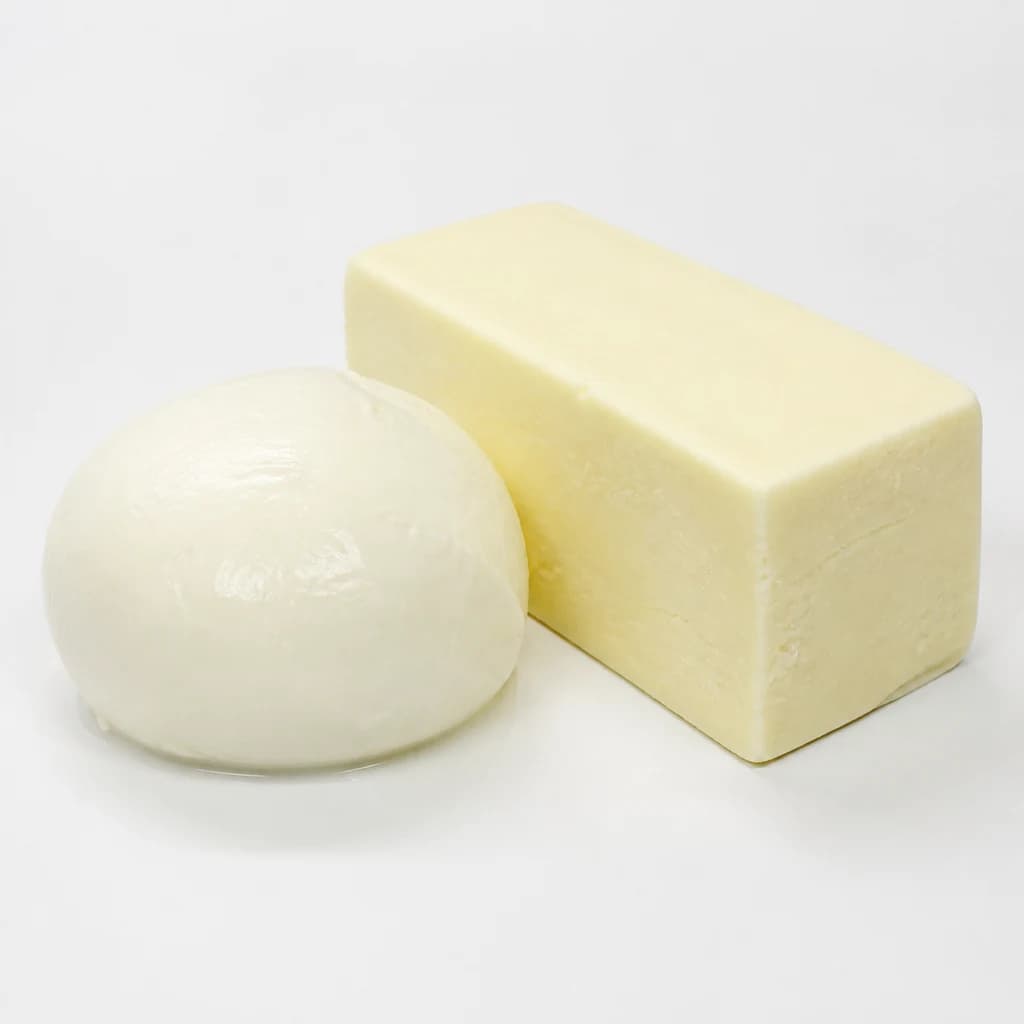
Mozzarella
Soft, milky cheese that melts into stretchy pizza pulls