Dairy & Eggs
Sulguni Cheese
Georgian brined pulled-curd cheese, salty and elastic, that melts into the cheese bread khachapuri.
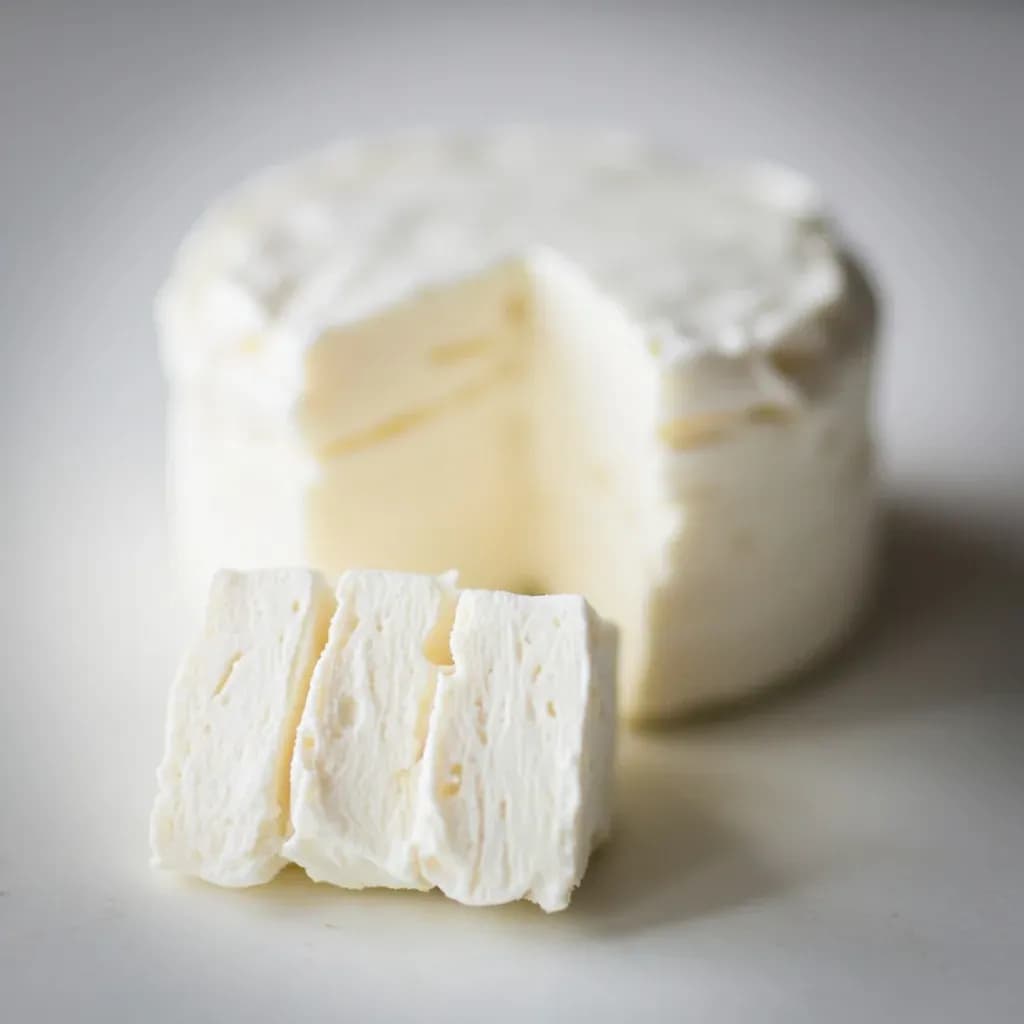
Sulguni is a Georgian brined cheese with a layered, elastic, pulled-curd texture, sometimes called 'Georgian mozzarella.' It is salty and moderately sour, and melts beautifully, making it the classic filling for khachapuri cheese bread. It can also be sliced, fried, or smoked.
Sulguni is a Georgian pulled-curd cheese made in the pasta filata tradition — curds are heated in hot whey or brine and then stretched and folded to develop the elastic, stringy structure that defines the cheese. It is preserved and sold submerged in brine, which maintains its moisture and contributes the characteristic mildly sour, briny flavor. Unlike hard cheeses that are aged and dried, sulguni depends on its brine for texture and shelf life. The cheese is produced primarily in the Svaneti region of northwestern Georgia, where it has been made for centuries; a broader national version is made throughout the country. Its defining culinary role is as the filling for khachapuri, the iconic Georgian cheese bread, where it melts into a unified, stretchy mass that is torn apart and dipped into the bread's bread-bowl crust. The slight tang and elastic pull distinguish authentic sulguni from Western pasta filata cheeses like mozzarella, which lack the lactic sourness and have a milder brine character. Commercial versions are made with pasteurized milk, while traditional production in Georgia sometimes uses raw milk.
- Measured in
- g
- Storage
- Fridge
Allergens
Types & varieties
Sold in brine; very moist, mildest flavor, best for frying and baking — develops a golden crust while remaining molten inside
Firmer texture, more pronounced tang, deeper ivory color; stored in tighter brine; better for slicing raw
The Pasta Filata Process
The characteristic elastic, stringy texture of sulguni comes from the pasta filata (pulled-curd) technique. After the curds are cut and drained, they are immersed in hot whey or brine and then kneaded and stretched repeatedly. This heat denatures the proteins and aligns them into long, elastic strands. The longer the curds are worked, the more pronounced the stretch. Traditional Georgian producers achieve this by hand; industrial producers use mechanical stretchers. The pulled curds are then shaped, often by hand-tearing into irregular pieces for khachapuri use, and stored in brine to preserve moisture and develop flavor. The slightly sour taste comes from lactic acid produced during fermentation and brining, a flavor that develops over weeks rather than months. This is why fresh, young sulguni is milder than aged versions, which have spent more time in the brine.
- Hot whey or brine heating aligns curd proteins into elastic strands
- Hand-tearing produces irregular curd pieces with better stringy pull than machine-cut blocks
- Brine fermentation develops sour, tangy flavor over 4–6 weeks
Buying and Storing Sulguni
Seek out sulguni packed in brine at Georgian, Eastern European, or specialty cheese shops. Brine-packed sulguni retains moisture and elasticity; vacuum-sealed blocks are often compressed, drier, and will not stretch or melt as effectively. When selecting fresh sulguni in brine, the cheese should feel pliable and slightly tacky. Avoid packages where the brine appears cloudy or the cheese looks dried at the edges. Aged sulguni is acceptable for raw applications but avoid it for frying or baking unless you specifically want a firmer, more pronounced tang. Refrigerate immediately and keep submerged in brine. If brine levels drop, top up with a 10% salt-water solution — the cheese must stay wet and salted to maintain its texture and safety.
- Brine-packed is always preferable to vacuum-sealed for cooking applications
- Store submerged in brine at all times; if depleted, cover with 10% salt water
- Use within 4–6 weeks of purchase for best elasticity and flavor
- Never freeze sulguni — ice crystals destroy the pulled-curd structure and render the cheese mealy
Common uses
Tips & pitfalls
- Buy sulguni packed in brine whenever possible — vacuum-sealed blocks are often drier and less elastic, producing inferior results in khachapuri
- Tear or pull fresh sulguni by hand rather than cutting it with a knife when preparing khachapuri filling — cutting compresses the curd strands and reduces the stringy pull
- For frying: slice 1–1.5 cm thick, pat the surface completely dry with paper towels, and cook over medium-high heat for 2–3 minutes per side — do not crowd the pan or the cheese will steam rather than sear
- If the cheese does not stretch when baked, it was likely too old, too dry, or stored in insufficient brine; switch to a fresh, brine-packed product from a Georgian supplier
- Do not add additional salt to dishes during cooking — sulguni carries significant sodium from the brine and will concentrate further as it heats
- Store sulguni in its original brine in the refrigerator; if the brine has been depleted, cover the cheese with a 10% salt-water solution to maintain texture
- Do not substitute standard low-moisture mozzarella one-for-one — mozzarella lacks sulguni's pleasant sour tang; compensate by mixing in a pinch of salt and a small squeeze of lemon juice
- For best khachapuri results, use enough cheese that it pools and melds completely when baked; skimping on quantity is the most common home-cooking mistake with this dish
Nutrition
Energy
1628 kJ · per 100 g
Where the calories come from
Protein
25.6g
51% DV
Carbs
1.6g
1% DV
Fat
31.1g
40% DV
Fiber
0g
0% DV
Sugars
1.6g
of which
Sodium
800mg
35% DV
Source · USDA FoodData Central · approx. Cheese, fontina
View on FDC →In the shops
Matched grocery products
No matched grocery products for Sulguni Cheese yet.
Good to know
- Origin
- Svaneti region, Georgia; distinct from the broader national Georgian version and from Russian suluguni despite name overlap
- Milk
- Cow's milk primarily; sheep or buffalo milk sometimes added
- Type
- Brined pulled-curd cheese; pasta filata class
- Rind
- None; sold submerged in brine or vacuum-sealed
- Texture
- Elastic, rubbery, and stringy when heated; firm but pliable when cold
- Flavor
- Mildly sour, briny, tangy; less aggressively salty than feta
- Color
- White to ivory
- Shelf life
- 4–6 weeks refrigerated in brine; check expiration date on vacuum-sealed packs
Substitutes
- Low-moisture part-skim mozzarella — Closest Western substitute; has similar stretch and melt but lacks the tangy, sour character; use for frying applications and as a khachapuri base
- Mozzarella and farmer cheese blend — Mix 3 parts mozzarella with 1 part farmer cheese or dry-curd cottage cheese to approximate sulguni's slight tang and pull for khachapuri filling
- Halloumi — Best alternative for frying applications where shape-hold is critical; differs in flavor (minty, less tangy) and does not develop the same stretch in baked doughs
Pairs with
Also called
sulguni · suluguni
Appears in these dishes


Related

Whole Milk
Rich, full-fat milk for drinking, coffee, sauces, and baking
Butter
Golden fat for searing, baking, and finishing a sauce
Yogurt
Tangy, creamy culture for breakfast, sauces, and marinades
Cheddar Cheese
Sharp, melty cheese for sandwiches, gratins, and grating

Skim Milk
Fat-free milk for lighter drinking, coffee, and cooking
Heavy Cream
Rich cream that whips, enriches sauces, and sets ganache

Sour Cream
Tangy, thick cream for dolloping, baking, and dips
Mozzarella
Soft, milky cheese that melts into stretchy pizza pulls