Dairy & Eggs
Lori Cheese
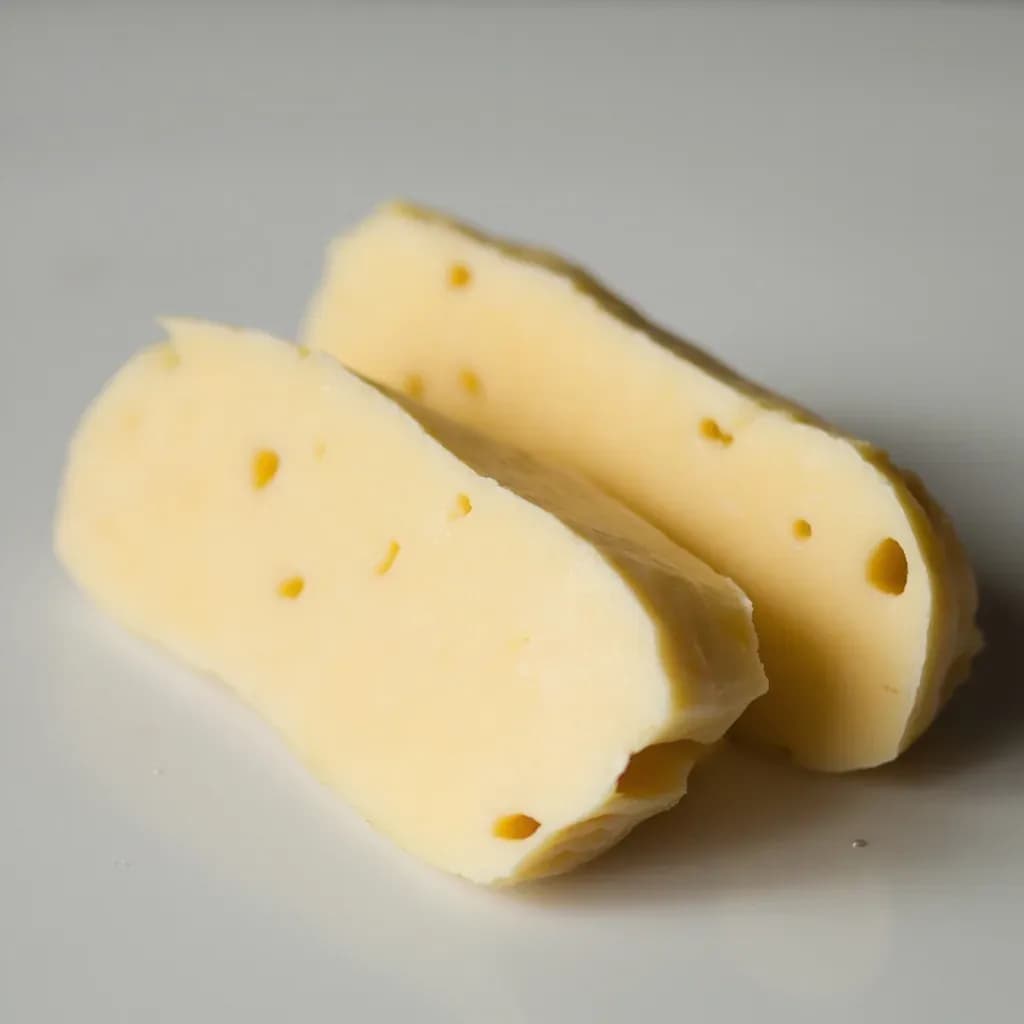
Armenian semi-hard brined cheese with small holes, sliced for breakfast and meze plates.
Lori is an Armenian brined cheese, semi-hard and pale with scattered small eyes, made from cow's milk and matured in brine. It has a mildly salty, tangy flavor and slices cleanly. It is a common table cheese eaten with bread, herbs, and at breakfast.
Lori cheese is a semi-hard brined cheese from the Lori Province of northern Armenia, produced primarily in the Debedag mountain region where cool temperatures favor controlled bacterial cultures. Aged a minimum of 60–90 days, it develops a firm, elastic texture punctuated by small irregular holes—mechanical eyes created during pressing, not propionic bacterial fermentation as in true Swiss-style cheeses. This distinction matters: Lori's holes are a byproduct of processing technique, not culture-driven carbonation, giving the cheese a different texture profile and more straightforward aging behavior. The cheese is traditionally preserved in a 12–18% salt brine solution, which serves a functional purpose beyond preservation: it maintains moisture content and allows gradual flavor equilibration over months of aging, developing Lori's characteristic buttery, mildly tangy profile with moderate saltiness. An edible natural rind forms during brining, and properly stored specimens keep up to six months.
The cheese represents a cornerstone of Armenian dairy tradition and carries informal geographic indication protection within Armenia, though imported versions vary considerably in quality. Its flavor is approachable yet distinctive—clean and buttery with a gentle tang, finishing with the salinity drawn from its brine bath. The texture holds up well to slicing yet melts smoothly in cooked applications, making Lori unusually versatile for a regional cheese. Lori's moderate saltiness and clean finish distinguish it from sharper aged cheeses, while its firmer body separates it from soft brined cheeses like feta.
At the table, Lori functions as both a ready-to-slice table cheese and a cooking ingredient. Its melting properties are reliable in grilled sandwiches and pizzas, though it behaves differently from high-moisture melting cheeses—expect firmer, more retained structure when heated. Understanding this behavior prevents disappointment when preparing hot dishes: Lori browns rather than puddles, holds shape rather than stretching dramatically, and adds concentrated flavor rather than gooey richness.
- Measured in
- g
- Storage
- Fridge
Allergens
Types & varieties
Classic block or wheel form, aged 2–3 months; the standard variety found in markets
Cold-smoked over fruitwoods; adds savory, lightly sweet smoke notes
Made with partially skimmed milk; slightly firmer and milder
Brining and Storage: The Key to Quality
The brine is not merely preservative—it is integral to Lori's character. A 12–18% salt solution maintains moisture balance and allows flavor to develop and equilibrate over months. Once removed from brine, Lori begins drying and hardening within hours. If original brine becomes cloudy or develops off-odor, prepare a refresh solution of 1 part salt to 9 parts cooled boiled water (approximately 10% concentration) and submerge the cheese completely. Always use a clean container; contamination introduces spoilage organisms that compromise the cheese rapidly.
- Never leave Lori exposed to air—use a sealed container with enough brine to cover completely
- Refrigerate at 4–8°C; warmer temperatures accelerate brine degradation
- If mold appears on the surface, trim generously and refresh the brine immediately
- Bring refrigerated cheese to near room temperature for at least 30 minutes before serving to allow full flavor expression
Common uses
Tips & pitfalls
- Always store Lori submerged in its brine; exposure to air causes it to dry and harden rapidly
- Use a hot, dry knife (dipped briefly in boiling water and wiped dry) for clean, non-crumbling slices
- If brine becomes cloudy or develops off-odor, refresh it with a 10% salt solution (1 part salt to 9 parts cooled boiled water)
- Bring refrigerated cheese to near room temperature before serving to allow full flavor development
- Do not confuse Lori with similar-looking graviera or kashkaval—each has distinct flavor profiles and melting properties
- When grilling, cut thick (1–1.5 cm) slices to prevent excessive melting through grill bars
- Avoid rinsing the rind before use; it protects the interior and contributes authentic flavor
Nutrition
Energy
1628 kJ · per 100 g
Where the calories come from
Protein
25.6g
51% DV
Carbs
1.6g
1% DV
Fat
31.1g
40% DV
Fiber
0g
0% DV
Sugars
1.6g
of which
Sodium
800mg
35% DV
Source · USDA FoodData Central · approx. Cheese, fontina
View on FDC →In the shops
Matched grocery products
No matched grocery products for Lori Cheese yet.
Good to know
- Origin
- Lori Province, northern Armenia
- Milk Type
- Cow's milk (occasionally blended with sheep or goat milk)
- Type
- Semi-hard brined cheese
- Texture
- Firm, elastic; characterized by small irregular mechanical holes
- Color
- Pale yellow to ivory interior; natural yellowish rind
- Flavor
- Mild, buttery, slightly tangy with moderate saltiness from brine
- Aging
- Minimum 60–90 days
- Rind
- Edible natural rind, preserved in brine
- Storage
- Fully submerged in brine; refrigerated at 4–8°C
- Shelf Life
- Up to 6 months when properly stored in brine
Substitutes
- Cheddar (young) — Closest Western substitute; offers similar firm texture and mild tang, but lacks brine-salt character; use in equal weight
- Provolone (young) — Good melting cheese with mild acidity; acceptable in cooked applications but misses the buttery depth of Lori
- Kashkaval — Bulgarian or Serbian yellow cheese shares Lori's semi-hard texture and brining; direct substitute in most applications
- Emmental — Provides comparable small holes and mild flavor; slightly sweeter; works in sandwiches and gratins
Pairs with
Also called
lori cheese · lori
Related

Whole Milk
Rich, full-fat milk for drinking, coffee, sauces, and baking
Butter
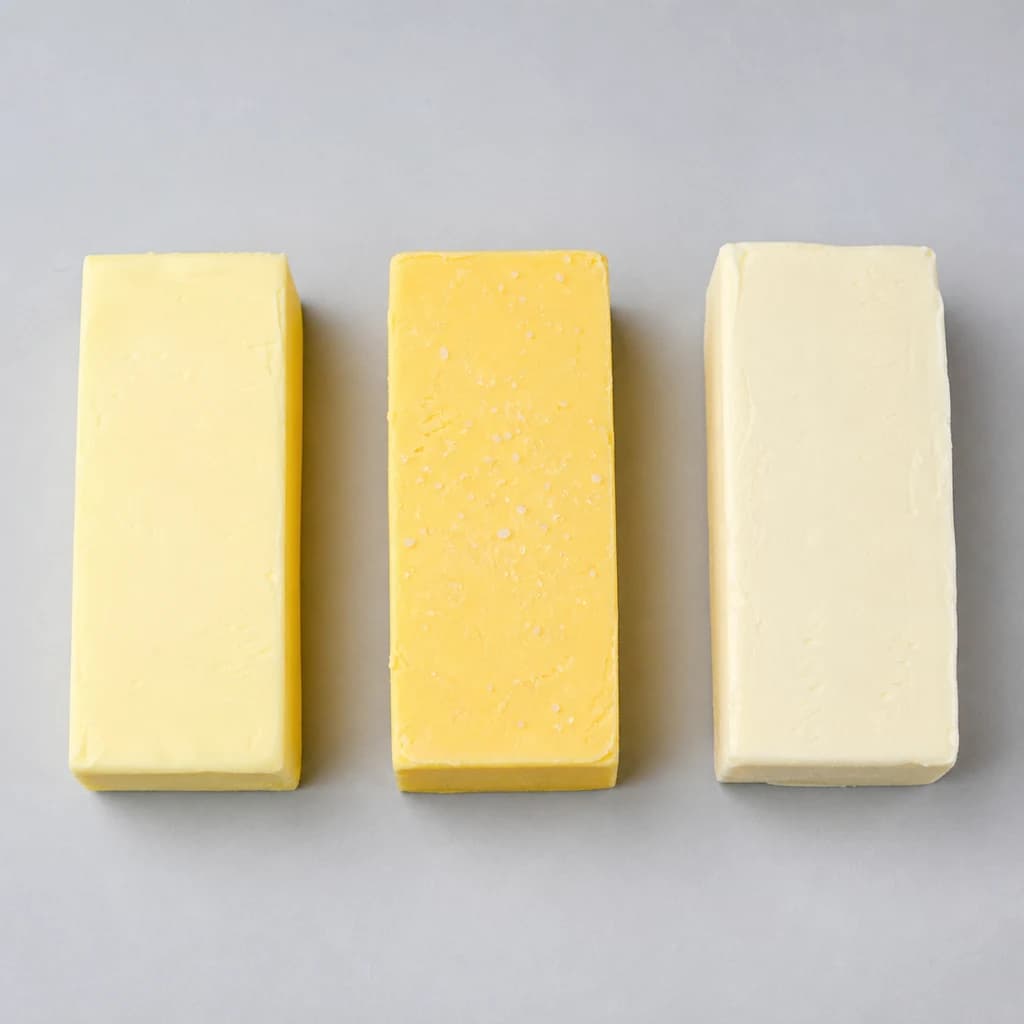
Golden fat for searing, baking, and finishing a sauce
Yogurt
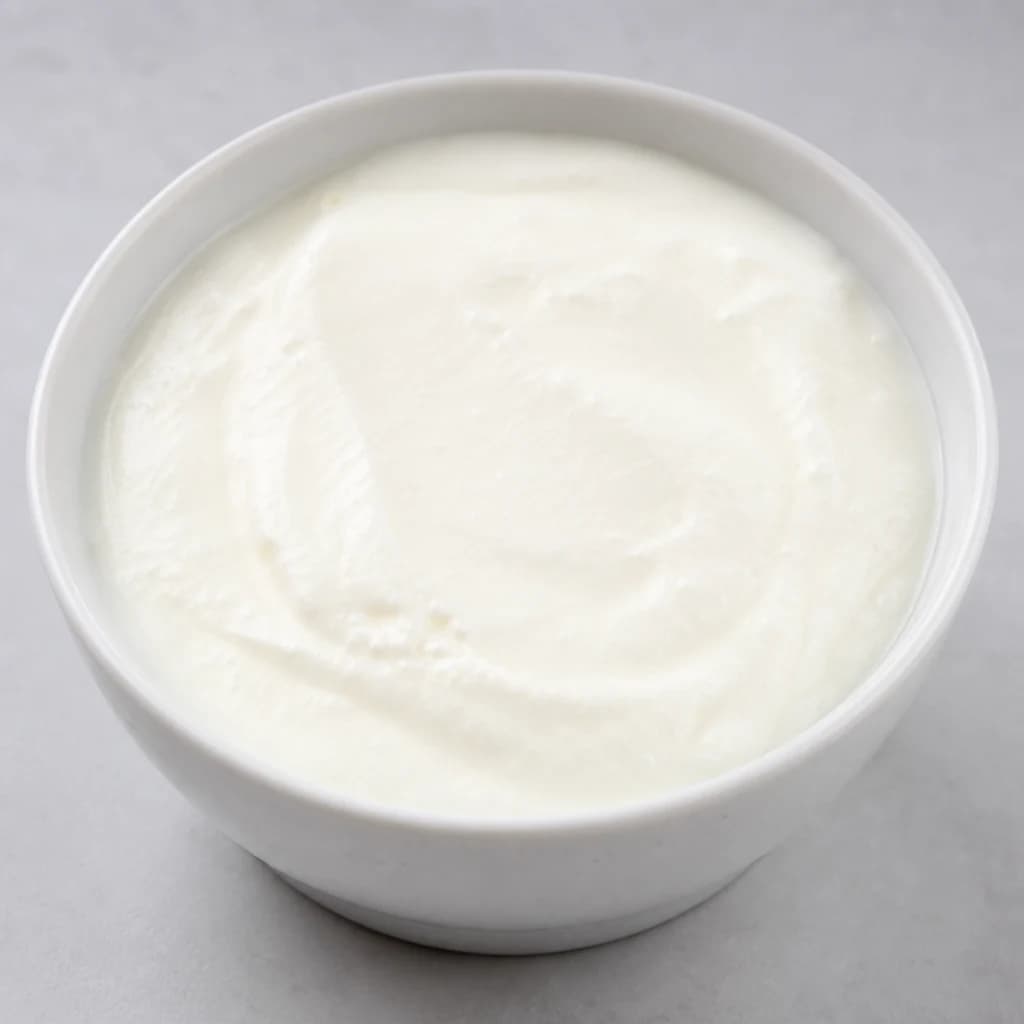
Tangy, creamy culture for breakfast, sauces, and marinades
Cheddar Cheese
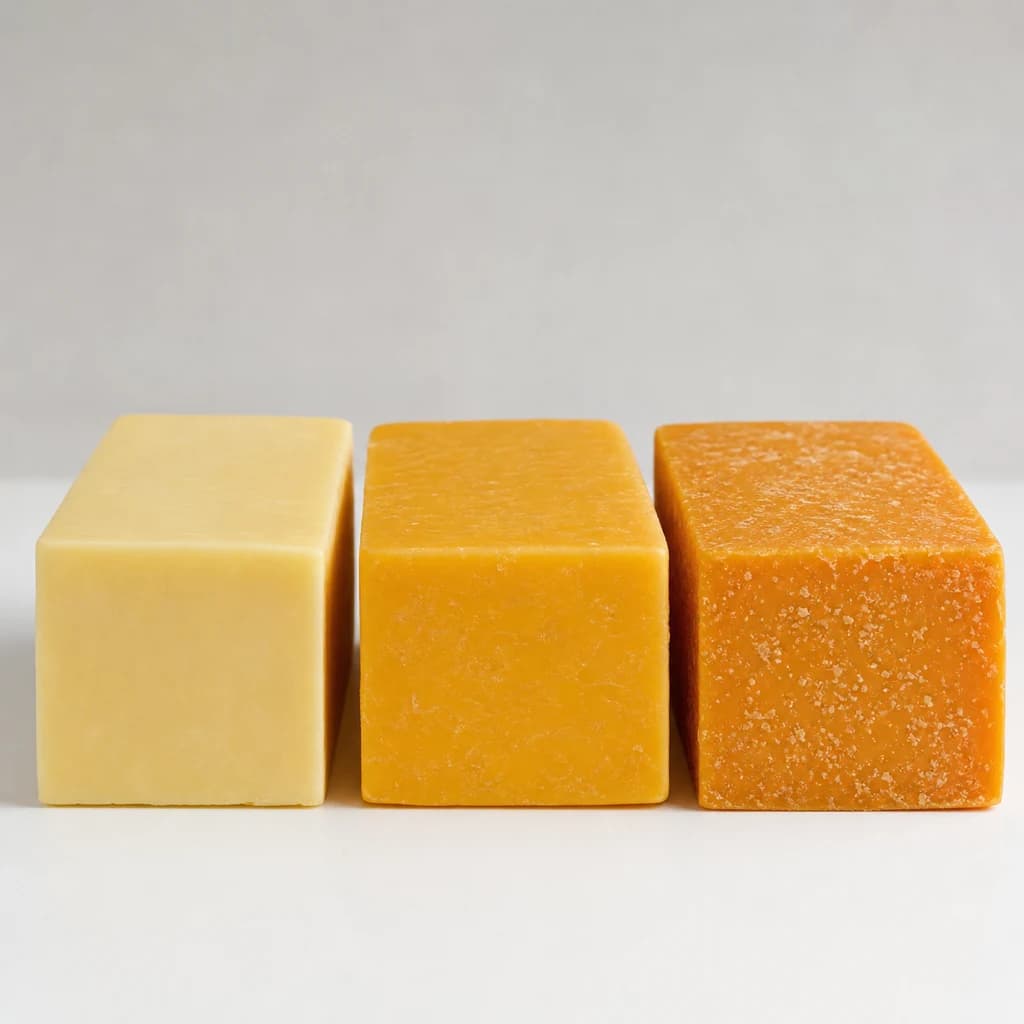
Sharp, melty cheese for sandwiches, gratins, and grating
Skim Milk
Fat-free milk for lighter drinking, coffee, and cooking
Heavy Cream
Rich cream that whips, enriches sauces, and sets ganache

Sour Cream
Tangy, thick cream for dolloping, baking, and dips
Mozzarella
Soft, milky cheese that melts into stretchy pizza pulls