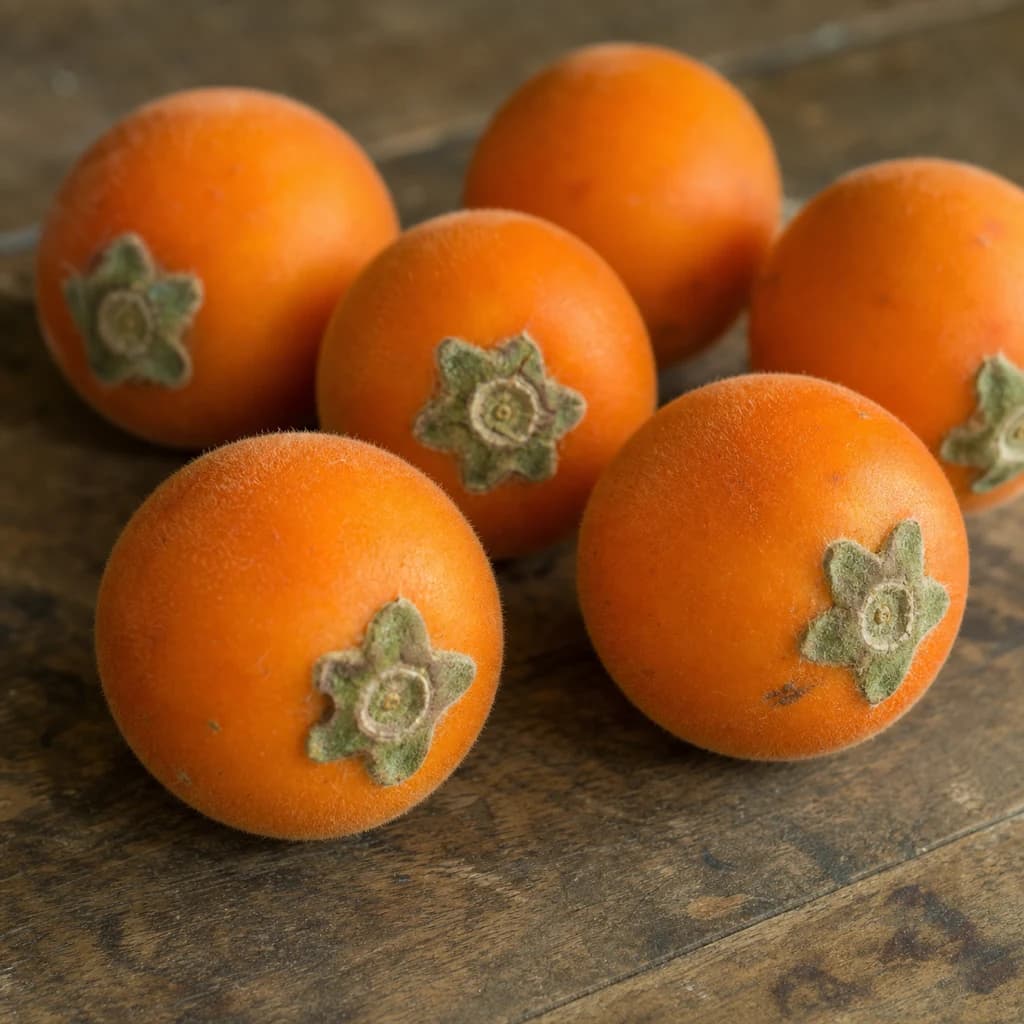
Natural form
Ripe lulo fruits showing their distinctive orange skin with fine surface hairs.
Shows the whole fruit's size, color, and fuzzy exterior so readers can identify it at a market.
Produce
Lulo (Naranjilla)
Tangy orange Andean fruit with green pulp, used for juices and sauces.
Lulo is a small orange citrus-like fruit native to the Andes, with bright green, juicy, very tart pulp full of tiny seeds. It is most famous blended into the refreshing Colombian drink lulada and juices, and used in sauces and desserts. Its flavor is often described as a cross between rhubarb, lime, and pineapple.
Lulo (Solanum quitoense), known as naranjilla in Ecuador, is a prized Andean fruit grown in the highland regions of Colombia, Ecuador, and northern Peru. Despite its bright orange skin, the interior reveals vivid green to yellow-green flesh with numerous small edible seeds, creating a striking visual contrast. The fruit belongs to the Solanaceae family—making it a distant relative of tomatoes, potatoes, and eggplants—and has been cultivated in the Andes for centuries. Its defining characteristic is extraordinary tartness: the fruit registers a pH between 2.5 and 3.0 when ripe, placing it among the most acidic common fruits, tempered by subtle tropical sweetness with distinct notes of pineapple and lime.
Lulo's cultural importance in its home regions cannot be overstated. In Colombia, it grows most abundantly in the coffee-growing Eje Cafetero and Antioquia department, while Ecuadorian cultivation centers on the Andean foothills around Quito. The fruit appears year-round in these highland areas due to multiple harvests annually, but fresh specimens remain rare outside Andean growing regions and Latin specialty markets. Frozen lulo pulp (naranjilla pulp) has become the most accessible form internationally, offering reliable quality and extended shelf life.
For cooks, lulo presents both opportunity and challenge. Its high acidity makes it exceptional for brightening rich proteins, tenderizing marinades, and adding vibrancy to both sweet and savory preparations. However, the fruit oxidizes rapidly—pulp turns brown within minutes of cutting—requiring immediate processing or the addition of citrus juice to preserve its characteristic bright green color. The entire plant bears prickly hairs (glochids) that can irritate skin during harvest, though spineless cultivars have been developed for commercial production.
- Measured in
- piece
- Storage
- Fridge
Types & varieties
Standard cultivar with orange skin and green pulp; the most widely grown and used variety in Colombia and Ecuador
Reddish-orange skin variant with a slightly sweeter flavor profile; common in Ecuador
Yellowish-orange skin with tendency toward sweeter pulp; more prevalent in Peruvian varieties
Named selection from Ecuador with denser foliage and reliable fruiting; basis of most commercial Ecuadorian cultivation
Spineless cultivar developed to eliminate irritating glochids on young fruit and leaves; preferred for commercial production
Working with Fresh Lulo
When handling fresh lulo, select fruit with fully orange skin—green-skinned specimens are unripe and lack developed flavor. Wash the fruit thoroughly and rub the surface to remove the fine prickly hairs (glochids) present on immature and sometimes ripe specimens. Cut and process immediately: the pulp oxidizes and browns within minutes of exposure to air. Adding a splash of lime or lemon juice slows this oxidation and preserves the bright green color in preparations that will sit longer than a few minutes. For smooth sauces and desserts, strain the pulp through a fine-mesh sieve to remove seeds; retain seeds for texture in juices.
- Roll whole fruit under palm pressure before cutting to maximize juice yield
- Briefly freezing whole fruit then thawing ruptures cell walls and simplifies extraction
- Score the skin and twist, or halve the fruit and scoop the flesh with a spoon
- Process in batches if making larger quantities to minimize oxidation time
Preservation and Storage
Fresh lulo keeps 5–7 days refrigerated when fully ripe. For longer storage, freeze the pulp or juice in airtight containers for up to 6 months—frozen lulo maintains its flavor and acidity well. Commercial frozen lulo pulp (naranjilla pulp) is a reliable year-round substitute when fresh fruit is unavailable and often preferable for consistent results. Concentrated lulo syrup or cordial can extend usability in another form, though the fresh fruit's versatility is unmatched.
- Freeze juice in ice cube trays for convenient portioning
- Thaw frozen pulp slowly in the refrigerator overnight for best texture
- Do not refreeze thawed pulp—quality degrades significantly with repeated freeze-thaw cycles
Common uses
Tips & pitfalls
- Select fruit with fully orange skin; green-skinned lulo are unripe and lack developed flavor
- Wash fruit thoroughly and rub to remove the fine prickly hairs (glochids) present on immature and sometimes ripe specimens
- Cut and process lulo immediately—pulp oxidizes and browns within minutes of exposure to air
- Strain through a fine-mesh sieve to remove seeds for smooth sauces and desserts, or retain for texture in juices
- Combine with a pinch of salt when sweetening juice to balance and amplify the fruit's acidity
- For maximum juice yield, roll fruit under palm pressure before cutting or briefly freeze whole fruit then thaw
- When cooking with lulo sauce, add in the final minutes to preserve brightness; prolonged cooking dulls the color and flavor
- Balance lulo's intensity with dairy (milk, cream, yogurt) which neutralizes acidity and creates a smoother profile
- Commercial frozen lulo pulp (naranjilla pulp) is a reliable year-round substitute when fresh fruit is unavailable
Nutrition
Energy
105 kJ · per 100 g
Where the calories come from
Protein
0.4g
1% DV
Carbs
5.9g
2% DV
Fat
0.2g
0% DV
Fiber
1.1g
4% DV
Sugars
3.7g
of which
Sodium
4mg
0% DV
Source · USDA FoodData Central · approx. Naranjilla (lulo) pulp, frozen, unsweetened
View on FDC →In the shops
Matched grocery products
No matched grocery products for Lulo (Naranjilla) yet.
Good to know
- Scientific name
- Solanum quitoense
- Family
- Solanaceae (nightshade family)
- Common names
- Lulo (Colombia), Naranjilla (Ecuador), Lulo de Quito
- Origin
- Andean highlands of Colombia, Ecuador, and northern Peru
- Flavor profile
- Intensely tart and acidic; citrusy with notes of pineapple and lime; subtle tropical sweetness
- pH level
- 2.5–3.0 when ripe (highly acidic)
- Texture
- Very juicy soft flesh with numerous small edible seeds
- Shelf life
- Refrigerate ripe fruit 5–7 days; freeze pulp or juice up to 6 months
Substitutes
- Tamarind paste or pulp — Closest match for tartness and tropical acidity; use approximately equal amounts, adjust sweetness
- Passion fruit pulp — Similar intensity and tropical acidity; slightly sweeter; excellent for beverages and desserts
- Lime juice + pineapple juice blend — Approximates the tart-citrus and tropical notes; use 2 parts pineapple to 1 part lime juice
- Blood orange juice — Shares citrusy tartness and visual appeal; less acidic than lulo; works in drinks and sauces
- Tamarind + lime + orange juice combination — Multi-fruit blend best replicating lulo's complex tartness and subtle sweetness
Pairs with
Also called
Naranjilla
Appears in these dishes
Related
Tomato
Juicy, sun-sweet fruit for sauces, salads, and slow-cooked depth
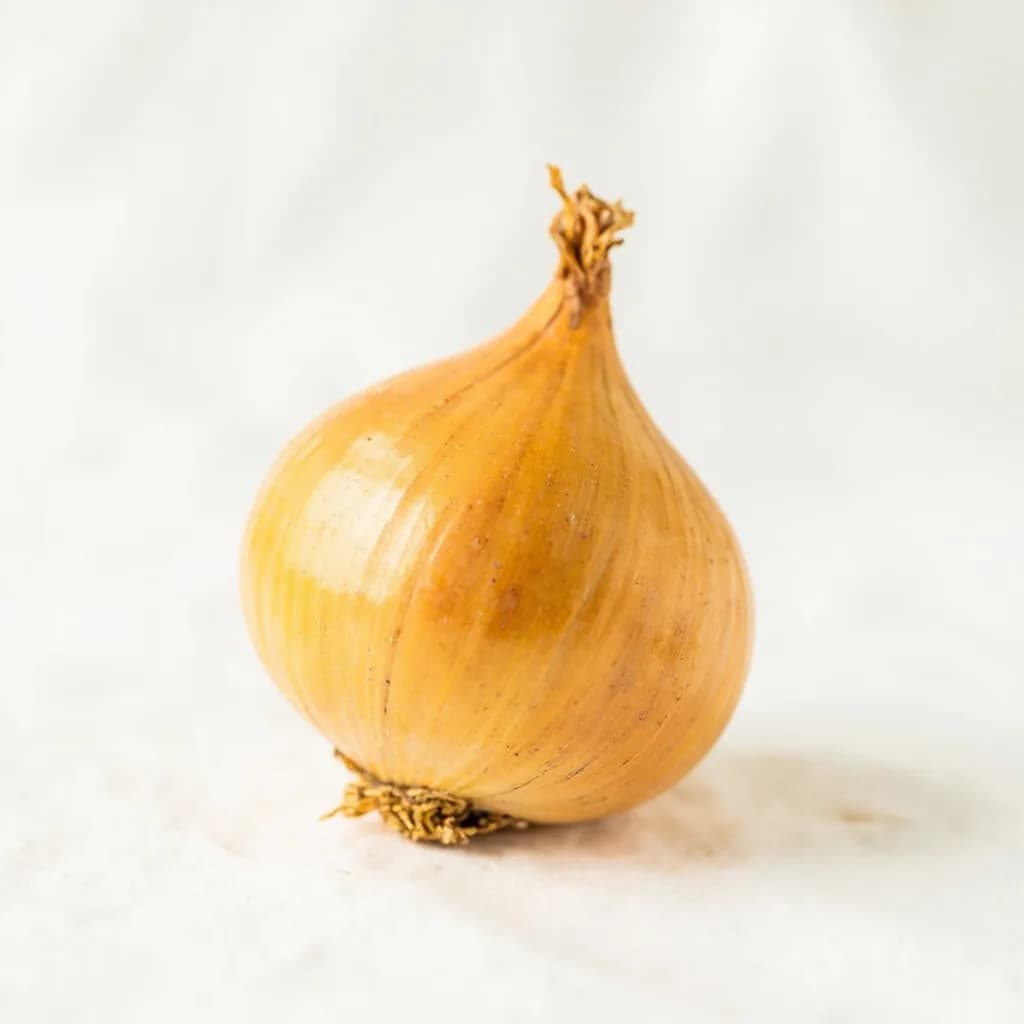
Yellow Onion
The aromatic backbone of soups, sofritos, and braises
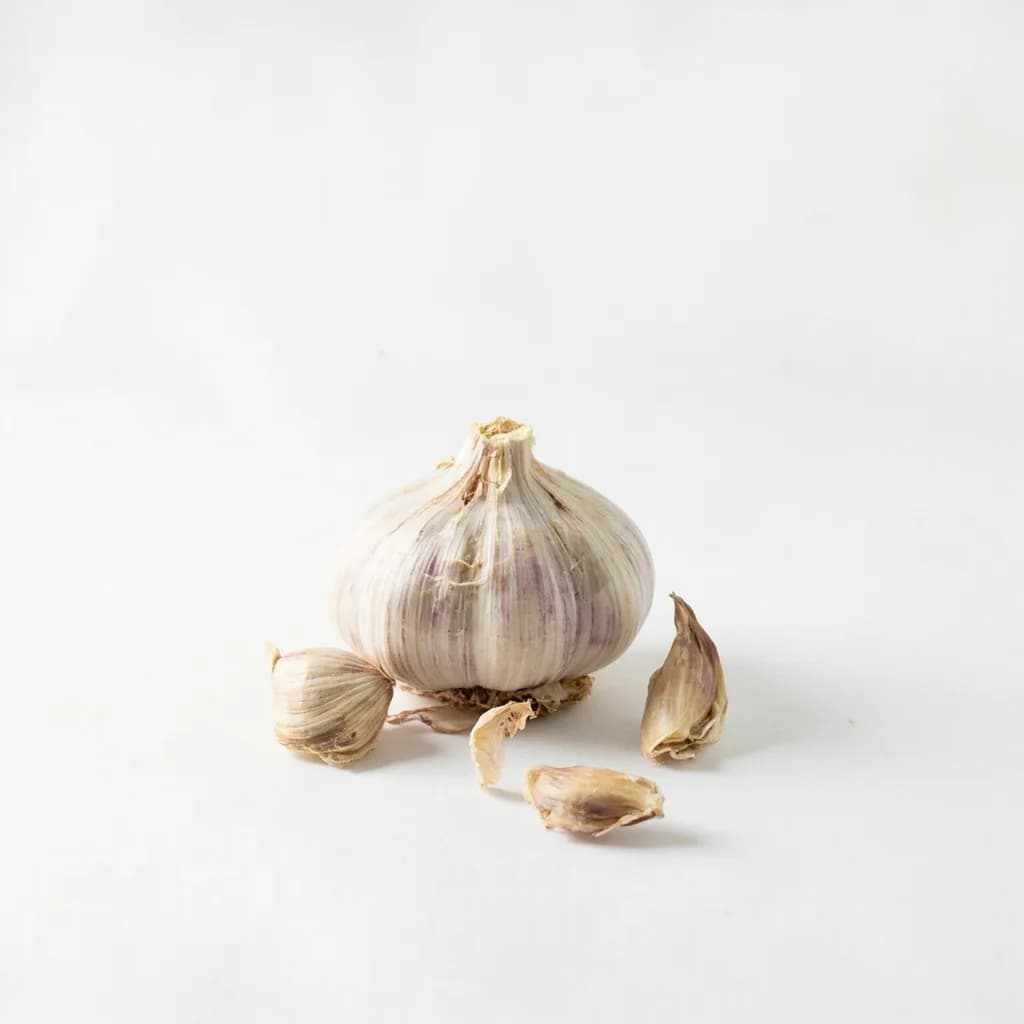
Garlic
Pungent cloves that perfume nearly every savory dish
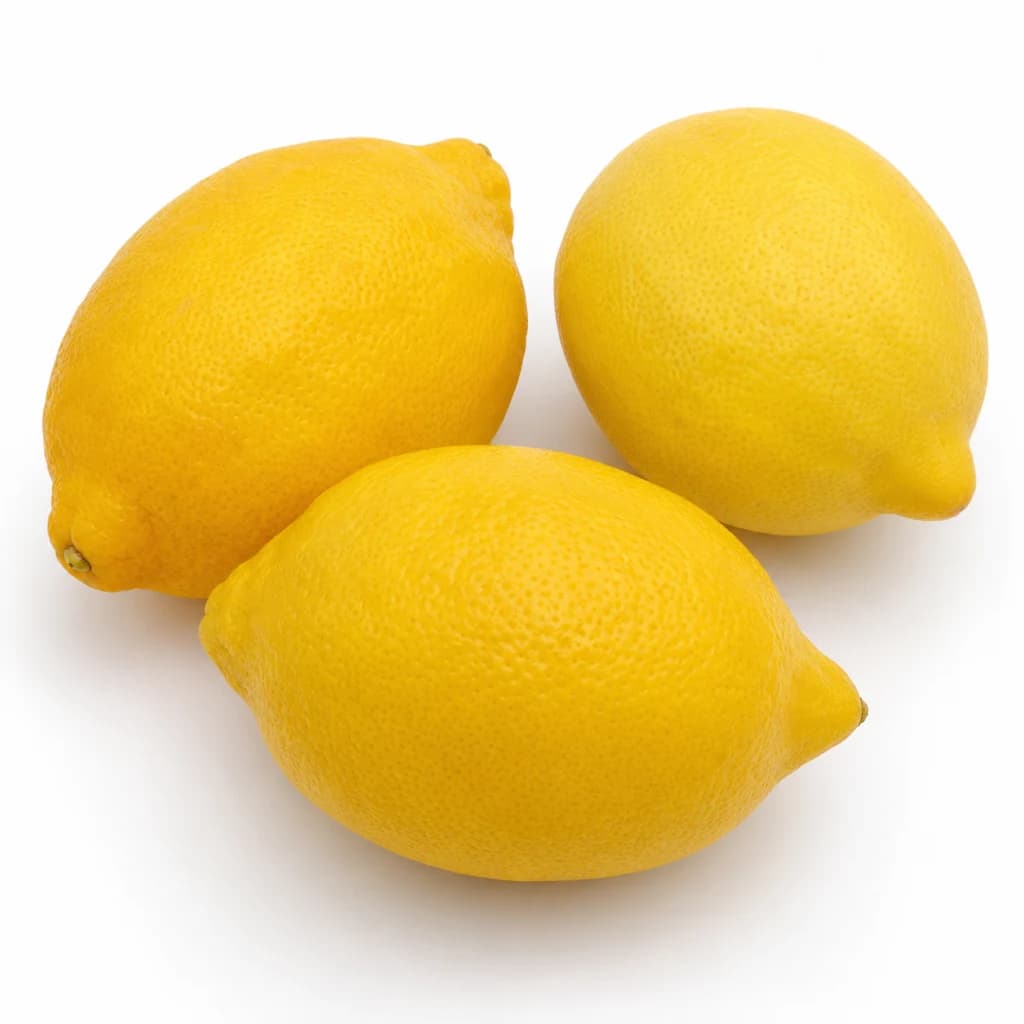
Lemon
Bright, acidic citrus that wakes up almost any dish
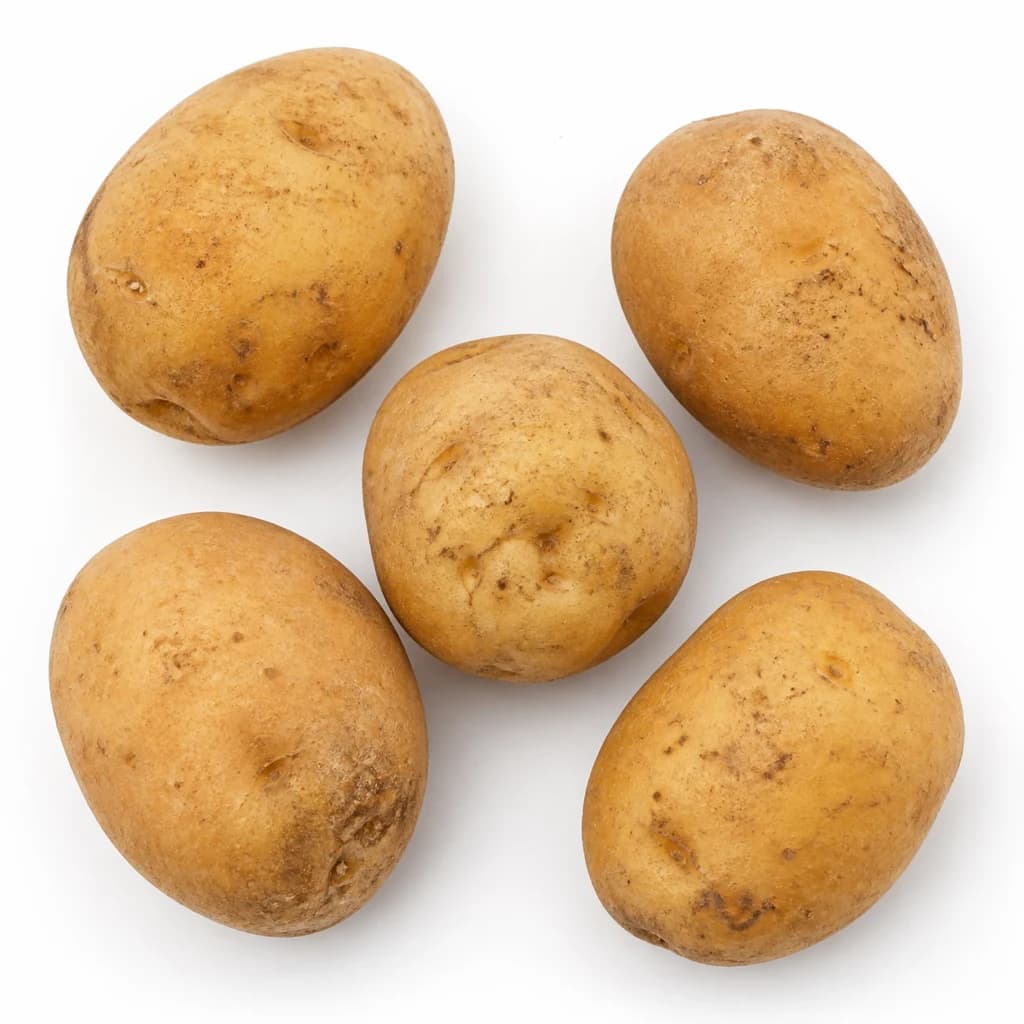
Potato
Humble, hearty staple — roast, mash, fry, or boil
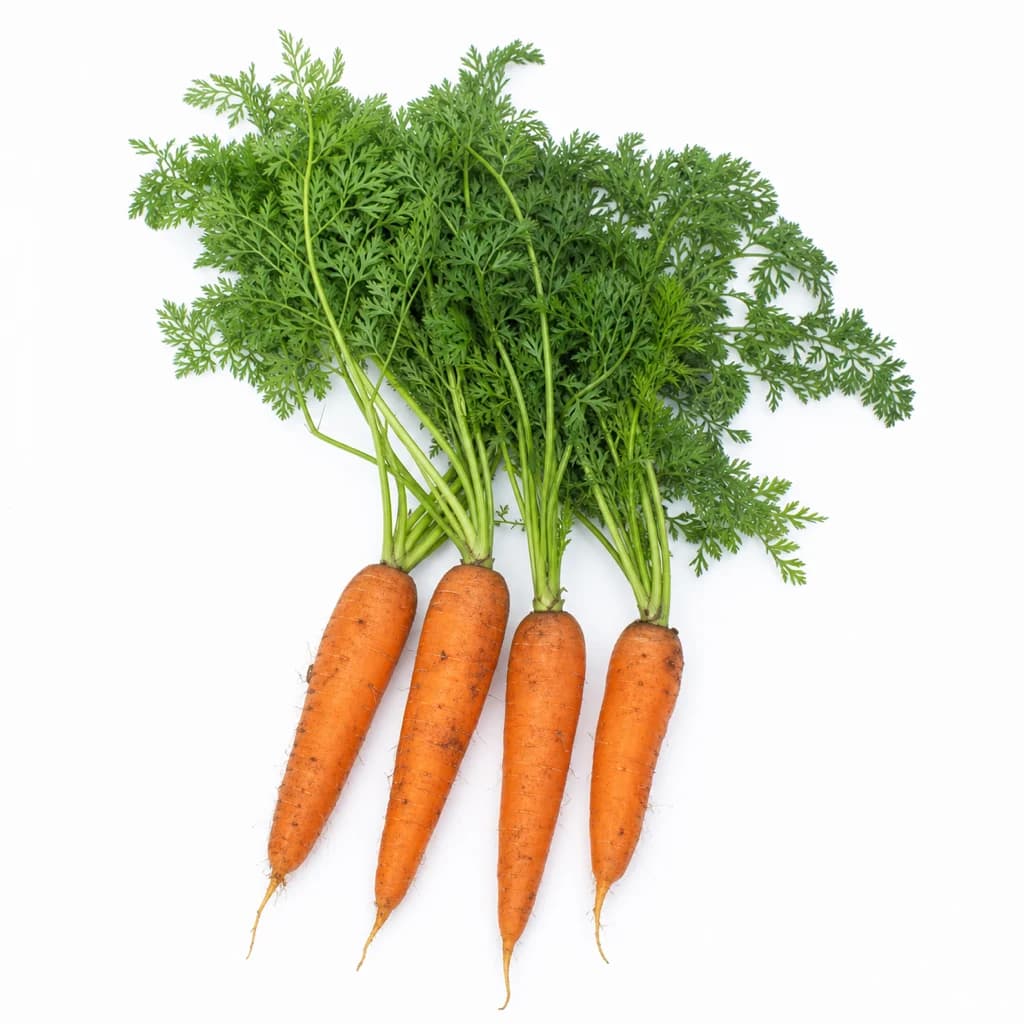
Carrot
Sweet, crunchy root — raw, roasted, or the base of a sofrito
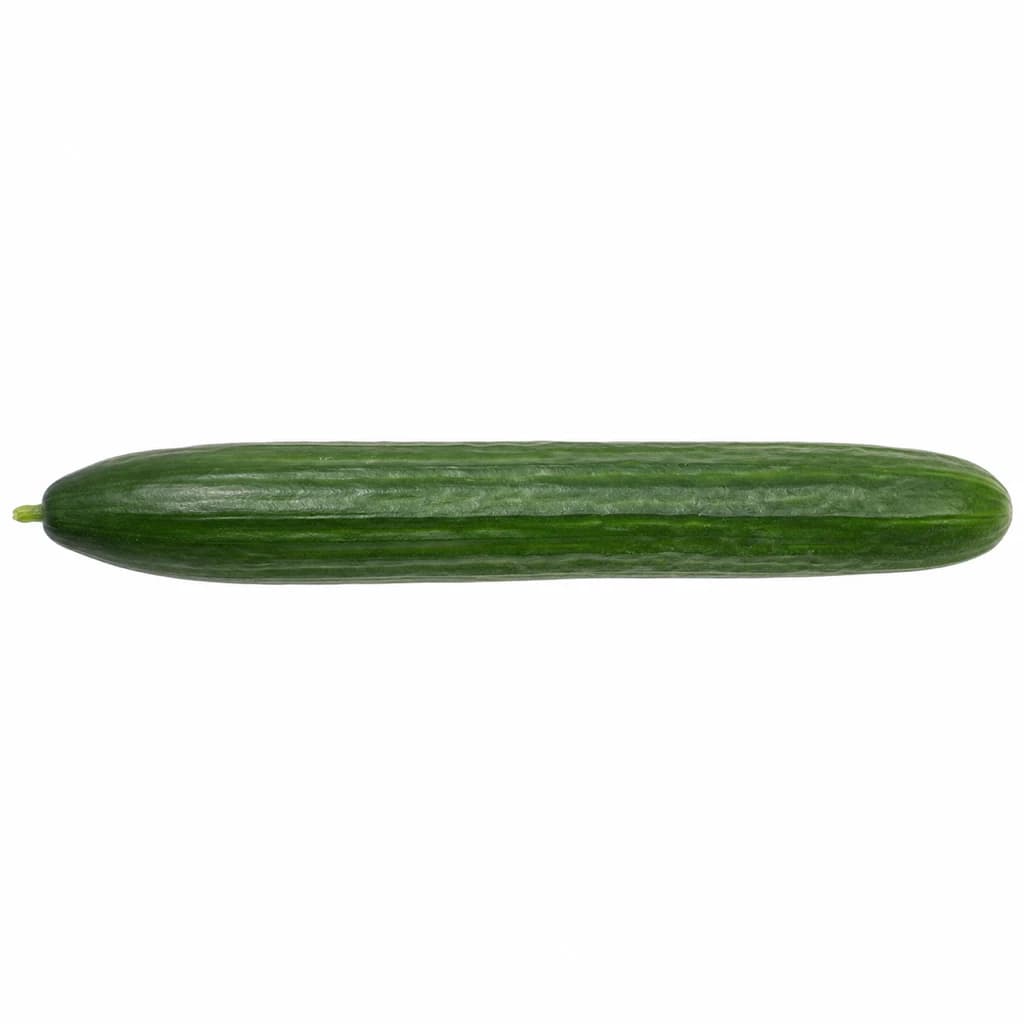
Cucumber
Cool, crisp, and watery — for salads, pickles, and tzatziki

Lettuce
Crisp leaves for salads, wraps, and a fresh crunch