Natural form
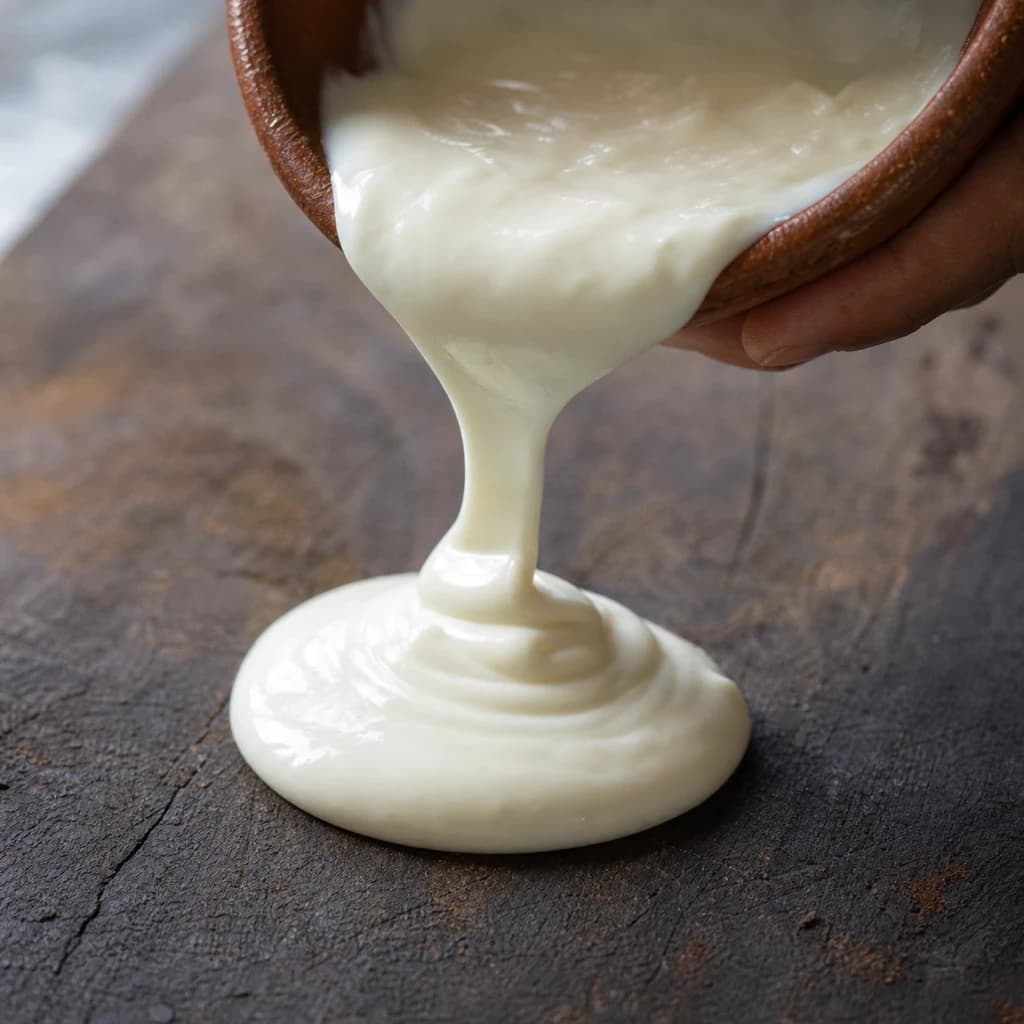
Natilla poured from a small clay bowl, showing its thick, spoonable texture and ivory color.
Establishes the defining physical characteristics — loose but thick consistency, off-white color, and pourable body — that distinguish natilla from American sour cream.
Dairy & Eggs
Natilla (Salvadoran Sour Cream)
Thick, tangy Central American cultured cream spooned over pupusas and beans.
In El Salvador and parts of Central America, natilla refers to a thick, tangy cultured cream similar to crema or sour cream. It is spooned over pupusas, fried plantains, beans, and tamales for a rich, slightly sour finish. It is looser and richer than American sour cream, with a pourable, spoonable texture.
Natilla is a thick, tangy cultured cream central to Salvadoran and broader Central American cuisine. Unlike American sour cream, which is direct-cultured with specific bacterial strains, natilla is made through natural fermentation—whole milk is left at room temperature for 24–48 hours, allowing the cream to rise and develop a complex, mildly sweet tang alongside its sourness. The result is thicker than crema mexicana but more pourable than standard sour cream, with a flavor that balances acidity with a subtle sweetness. In El Salvador, natilla is considered as essential as curtido at any pupuseria; its quality is seen as a direct reflection of the meal's quality. When made at home (natilla casera), the flavor is more complex and the texture more luxurious than commercial versions, which may contain stabilizers. Natilla should always be served room temperature or lightly chilled—never hot, as heat breaks the emulsion and ruins its character.
- Measured in
- ml
- Storage
- Fridge
Allergens
Types & varieties
Made by fermenting raw or lightly heated milk; creamier and more complex flavor
Commercially produced; more consistent texture; may contain stabilizers
Guatemalan counterpart; similar process, slightly thinner consistency
Essentially synonymous with natilla in Salvadoran markets; terms are used interchangeably
Natilla vs. Other Cultured Creams
Natilla occupies a distinct niche among cultured dairy products. American sour cream uses direct acidification with specific bacterial cultures, producing a consistent but narrower tang. Crema mexicana is typically thinner and less tangy. Natilla's natural fermentation creates a more complex flavor profile with the characteristic sweet-sour balance that defines Salvadoran cuisine. When purchasing commercial natilla, read the ingredient list—ideal versions contain only milk, cream, and cultures; avoid those with added starch or gelatin, which compromise texture and authenticity.
Common uses
Tips & pitfalls
- Bring natilla to room temperature 15–20 minutes before serving; cold natilla loses aroma and flavor depth
- If natilla is too thick, thin with a splash of whole milk or crema; never use water, which dilutes flavor and breaks the texture
- Never microwave natilla—it breaks the emulsion and causes the fat to separate from the liquid
- When making homemade natilla, use whole milk; reduced-fat milk yields inferior results with less cream separation
- The fermentation smell should be pleasantly tangy, not unpleasant; discard if it smells distinctly ammonia-like or overly sour beyond tanginess
- A thin layer on top of beans or pupusas is sufficient; it is a condiment, not a sauce—over-application overwhelms the dish
- Store in an airtight container to prevent absorption of odors from other refrigerator contents
- Check for minimal ingredients when buying commercially—ideally just milk, cream, and cultures
Nutrition
Nutrition
No USDA FoodData Central match for Natilla (Salvadoran Sour Cream) yet. We surface a per-100 g profile once a generic whole-food entry is matched and verified.
In the shops
Matched grocery products
No matched grocery products for Natilla (Salvadoran Sour Cream) yet.
Good to know
- Origin
- El Salvador and broader Central America
- Type
- Cultured dairy; naturally fermented cream
- Flavor
- Tangy, mildly sour, with a slight sweet undertone
- Texture
- Thick and spreadable; pourable but holds shape
- Fat Content
- Typically 18–25% milkfat
- Culturing Method
- Natural fermentation of milk at room temperature (24–48 hours); cream rises and is skimmed
- Shelf Life
- Refrigerated: 10–14 days after opening
- Serving Temperature
- Room temperature or lightly chilled; never hot
Substitutes
- Mexican Crema — Best substitute; similar tang and pourable consistency; thinning may be needed for spreadable applications
- Crème Fraîche — Comparable tang and thickness; widely available in US supermarkets
- Full-Fat Sour Cream — Tangier and thicker than natilla; works but less authentic; use as-is or thin slightly with milk
- Greek Yogurt (full-fat) — Similar tang but slightly grainier texture; acceptable substitute for health-conscious applications
- Homemade Cultured Cream — Blend 1 cup heavy cream with 2 tbsp buttermilk; let rest at room temperature 12–24 hours until thickened
Pairs with
Also called
Crema (Salvadoran) · Crema Salvadoreña
Appears in these dishes
Related

Whole Milk
Rich, full-fat milk for drinking, coffee, sauces, and baking
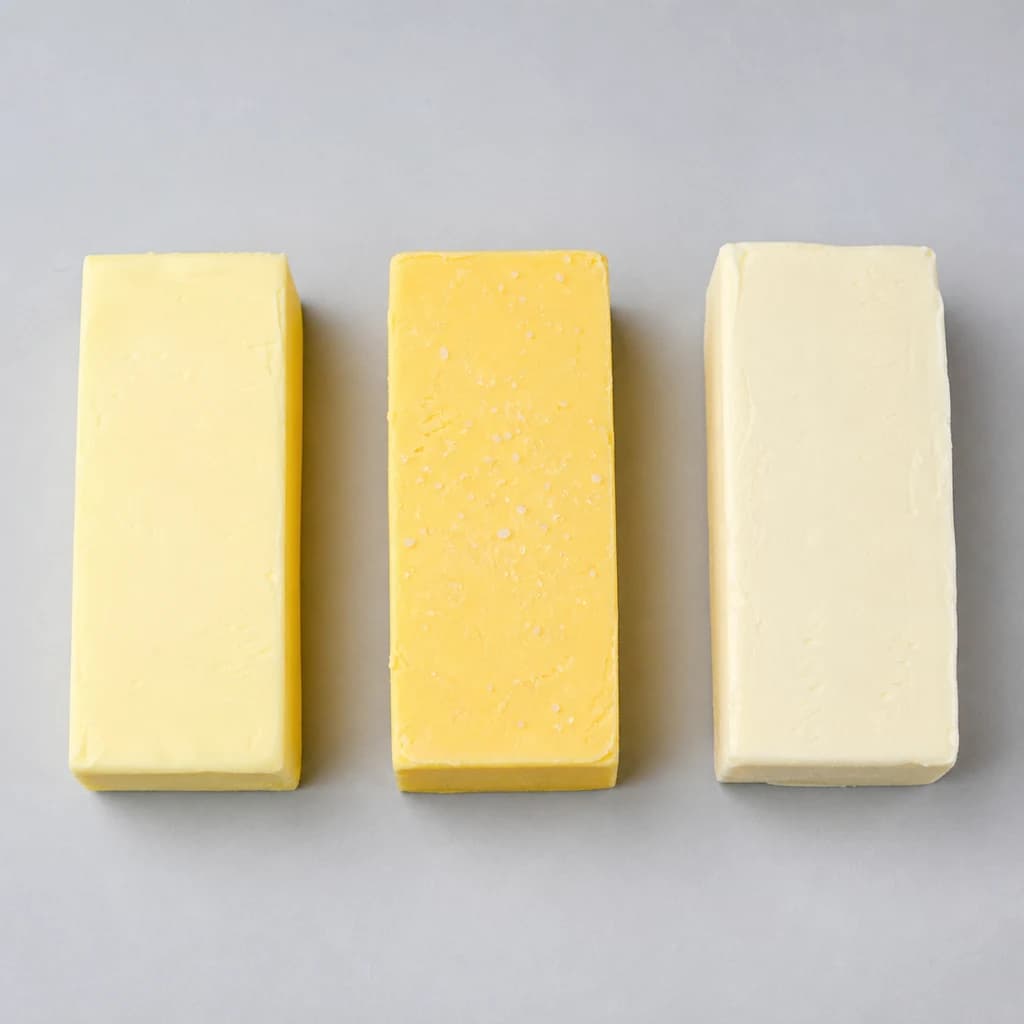
Butter
Golden fat for searing, baking, and finishing a sauce
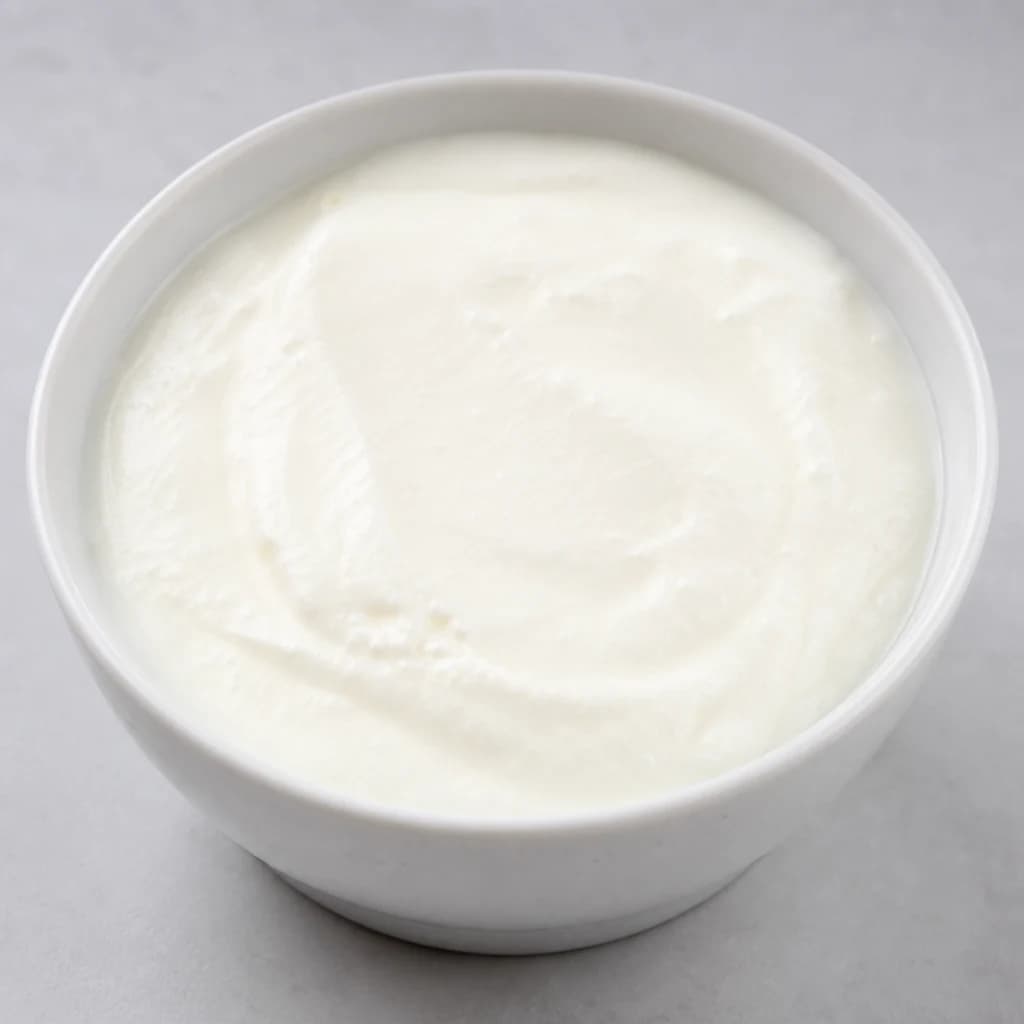
Yogurt
Tangy, creamy culture for breakfast, sauces, and marinades
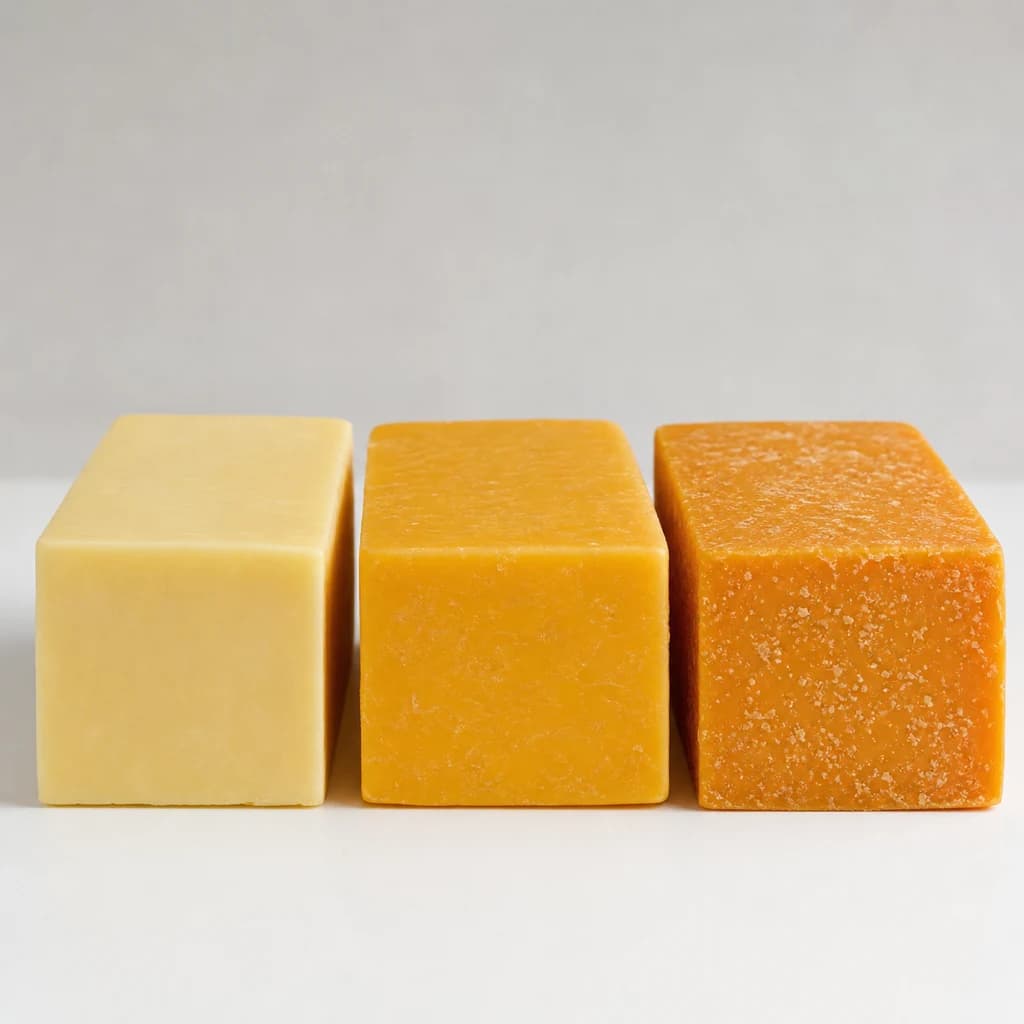
Cheddar Cheese
Sharp, melty cheese for sandwiches, gratins, and grating
Skim Milk
Fat-free milk for lighter drinking, coffee, and cooking
Heavy Cream
Rich cream that whips, enriches sauces, and sets ganache

Sour Cream
Tangy, thick cream for dolloping, baking, and dips
Mozzarella
Soft, milky cheese that melts into stretchy pizza pulls