
Natural form
A whole head of oak leaf lettuce showing its deeply lobed, oak-shaped leaves.
Shows the characteristic lobed leaf shape and loose-head structure that defines this variety and distinguishes it from other lettuces.
Produce
Oak Leaf Lettuce
Tender, lobed loose-leaf lettuce with a mild, buttery flavor for salads.
Oak leaf is a loose-leaf lettuce named for its deeply lobed, oak-shaped leaves, available in green and red varieties. The leaves are tender and soft with a mild, slightly nutty, buttery flavor that suits delicate salads. Because it bruises easily it is best dressed just before serving.
Oak leaf lettuce is a loose-leaf variety (Lactuca sativa var. crispa) distinguished by its deeply lobed, oak-shaped leaves that form open rosettes rather than compact heads. The name describes a leaf silhouette shared by multiple named varieties rather than a single cultivar, encompassing a range of green, red, and bicolor types. As a cut-and-come-again crop, it is harvested by taking outer leaves while the central growing point remains intact, allowing continuous production from a single plant.
The leaves are tender and delicate with a mild, faintly sweet, buttery character. Red-pigmented varieties concentrate anthocyanins at the margins and tips, adding a gentle, clean bitterness that reads more as brightness than astringency. These pigments are sensitive to heat and acid, so red oak leaf loses color quickly when cooked or dressed too far in advance.
Oak leaf behaves best in raw applications where its subtlety can shine. The delicate leaves wilt readily under heavy dressing, so restraint is required. It is far more perishable than heading lettuces: once harvested, the window for optimal quality narrows quickly, making it a vegetable to buy in small quantities and use within two to three days of purchase.
- Measured in
- g
- Storage
- Fridge
Types & varieties
Bright to deep green; mildest, sweetest flavor; most common variety in markets
Bronze-red to deep burgundy concentrated at leaf margins and tips; similar texture with slightly more pronounced, clean bitterness
Green base with red or pink blush throughout; often sold as a mix rather than a single variety
Bolting and Seasonality
Oak leaf is a cool-season crop that bolts—sending up a flower stalk—rapidly once temperatures exceed 75–80°F. Bolting triggers a dramatic shift in flavor: leaves turn bitter and the texture becomes tough and unpalatable. This is the single greatest determinant of quality in homegrown or farm-direct oak leaf. Commercially, greenhouse production makes oak leaf available year-round in temperate climates, but flavor peaks in spring and fall harvests when cool nights develop the sweet, tender character that distinguishes it.
- For best flavor, buy locally grown oak leaf in shoulder seasons when night temperatures are cool
- If growing at home, plant in early spring or late summer for fall harvest; provide afternoon shade in warm climates to extend the season
- Once bolting begins, harvest immediately—the window before bitterness develops is short
Common uses
Tips & pitfalls
- Wash thoroughly: the deeply lobed leaves trap soil and sand—swish in several changes of cold water, then spin or pat completely dry
- Dry completely before dressing: residual water dilutes vinaigrette and accelerates wilting
- Tear by hand just before serving: cutting with a knife causes faster browning on cut edges and bruises the delicate tissue
- Dress minimally: oak leaf is subtle and delicate; heavy dressing masks its character entirely
- Store dry and cold: any moisture remaining on leaves causes slimy breakdown within a day or two
- Use within two to three days: it is far more perishable than head lettuces; buy only what you need
- Avoid iceberg as a substitute for visual bulk: the flavor and texture gap is too wide—seek baby oak leaf or butter lettuce for similar delicate applications
Nutrition
Energy
63 kJ · per 100 g
Where the calories come from
Protein
1.4g
3% DV
Carbs
2.9g
1% DV
Fat
0.2g
0% DV
Fiber
1.3g
5% DV
Sugars
0.8g
of which
Sodium
28mg
1% DV
Source · USDA FoodData Central · Lettuce, green leaf, raw
View on FDC →In the shops
Matched grocery products
No matched grocery products for Oak Leaf Lettuce yet.
Good to know
- Botanical name
- Lactuca sativa var. crispa
- Type
- Loose-leaf, non-heading
- Leaf shape
- Deeply lobed, oak-leaf silhouette; lobes range from narrow to moderately broad
- Colors
- Green (pale straw to deep emerald) and red/burgundy (anthocyanin-tipped); both often appear on the same plant
- Flavor
- Mild, faintly sweet, buttery; red varieties add gentle, clean bitterness
- Texture
- Tender, thin, delicate leaves
- Season
- Cool weather; peak in spring and fall; bolts rapidly above 75–80°F
- Storage
- Refrigerate unwashed in a loosely closed bag with dry paper towel; 3–5 days
Substitutes
- Baby spinach — Sturdier texture; sweeter and slightly more assertive; works in most raw applications
- Butter lettuce (Boston/Bibb) — Comparable tenderness and mild flavor; larger, rounder leaves instead of lobed; similar delicate character
- Green leaf lettuce — Less deeply lobed but similarly mild; holds slightly better under dressing; a reliable everyday substitute
- Red leaf lettuce — Same loose-leaf habit; mild with a touch more bitterness; direct color substitute for red oak leaf
- Lollo rosso — Frilly, deeply cut leaves; slightly more bitter and sturdy; works as a textural substitute in composed salads
Pairs with
Also called
Oak Leaf Lettuce · Oakleaf
Related
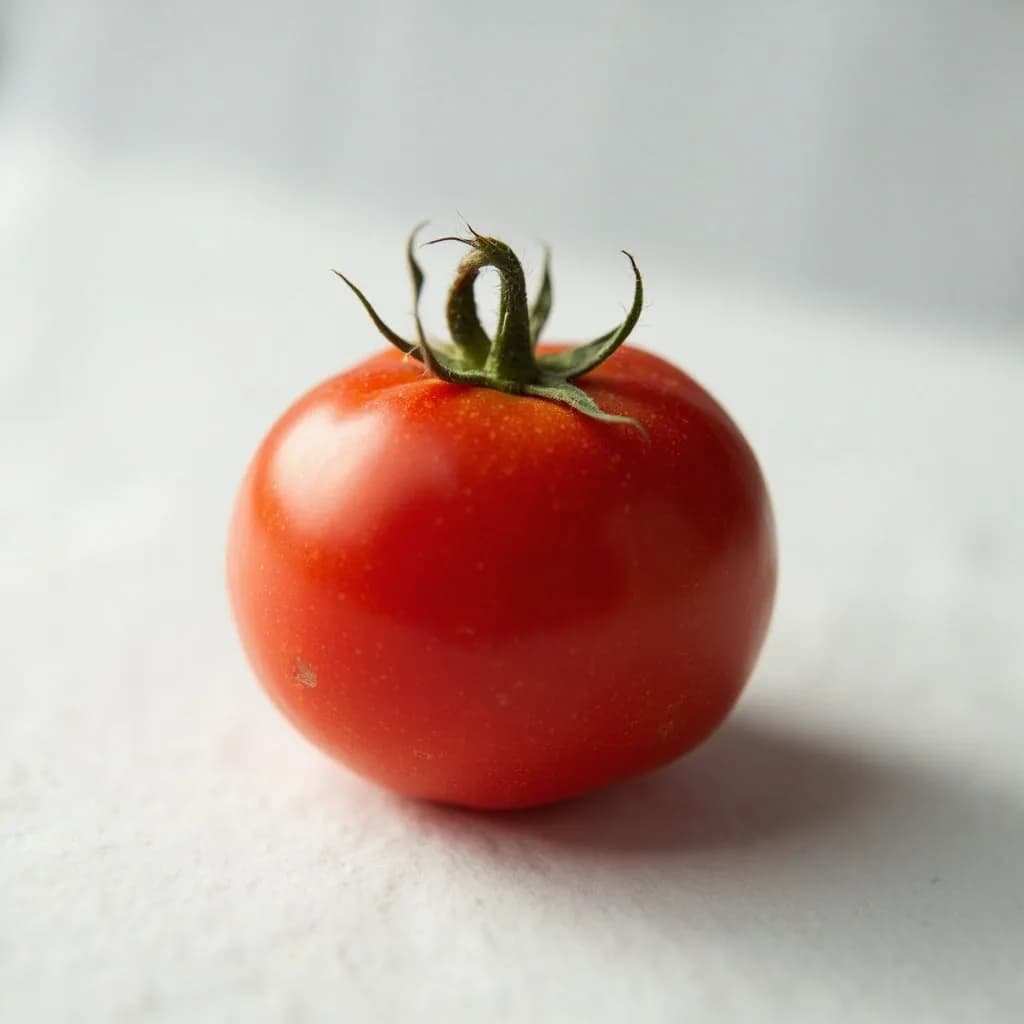
Tomato
Juicy, sun-sweet fruit for sauces, salads, and slow-cooked depth
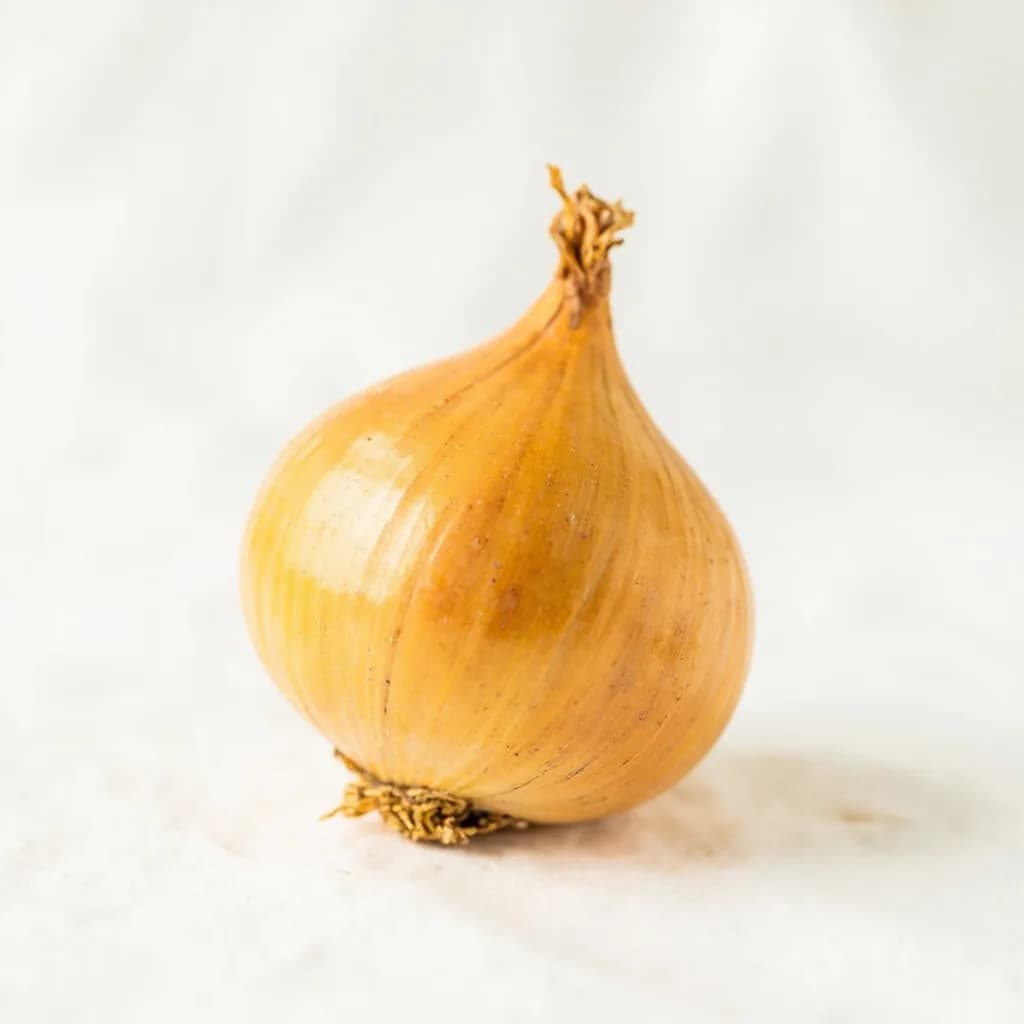
Yellow Onion
The aromatic backbone of soups, sofritos, and braises
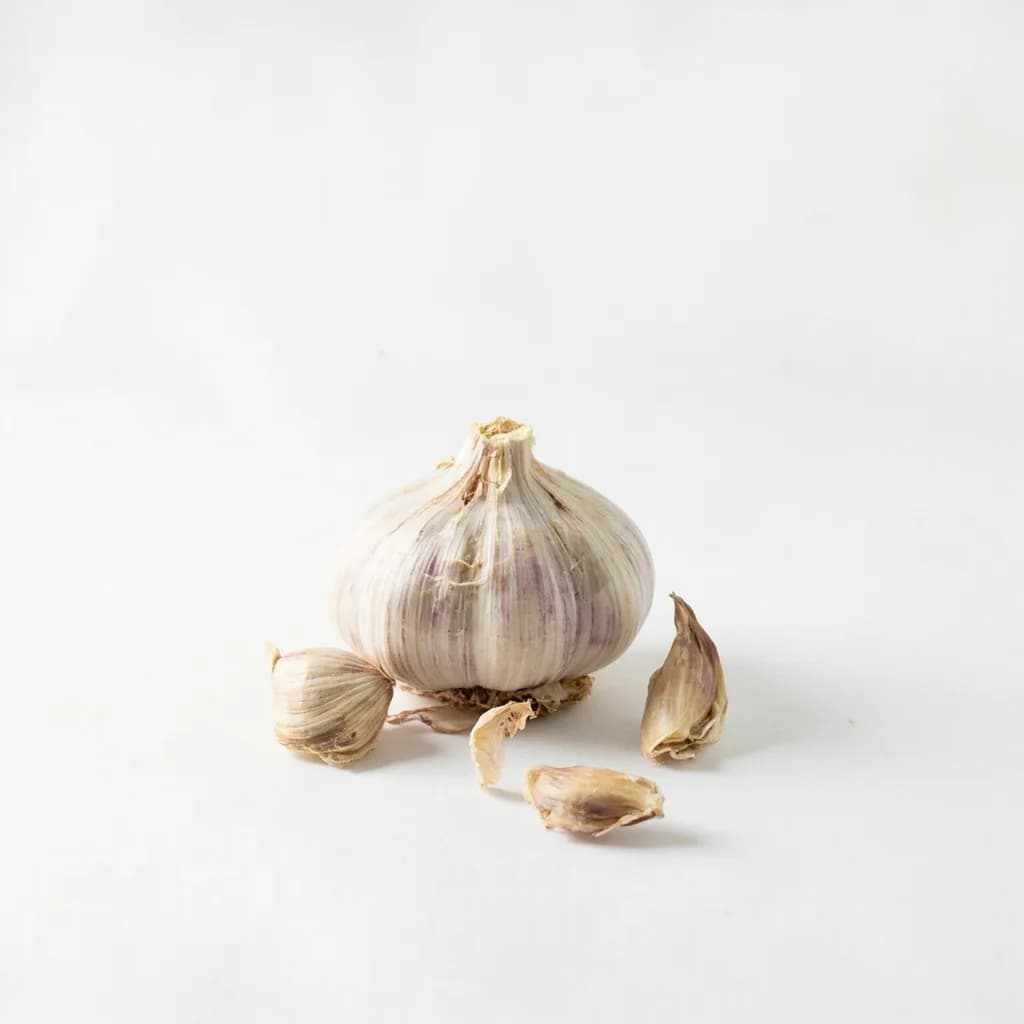
Garlic
Pungent cloves that perfume nearly every savory dish
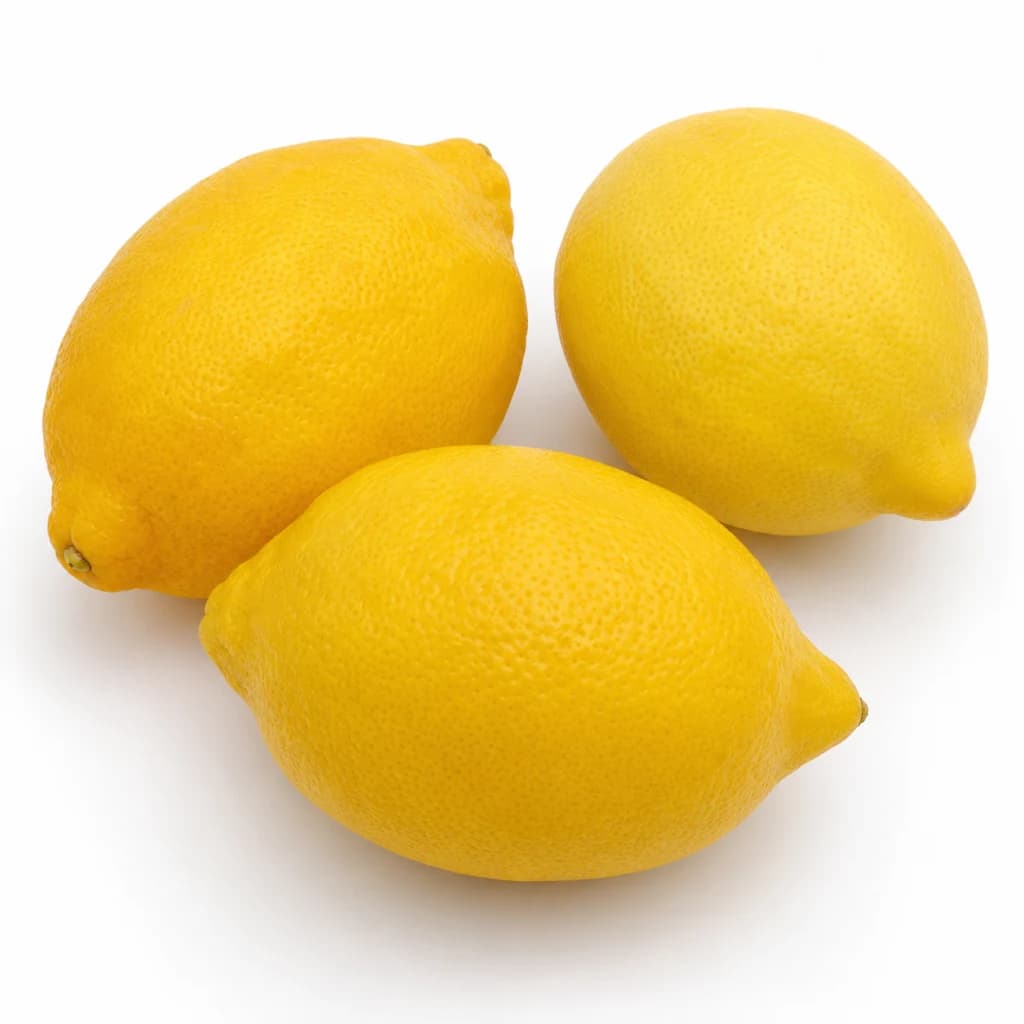
Lemon
Bright, acidic citrus that wakes up almost any dish
Potato
Humble, hearty staple — roast, mash, fry, or boil
Carrot
Sweet, crunchy root — raw, roasted, or the base of a sofrito
Cucumber
Cool, crisp, and watery — for salads, pickles, and tzatziki

Lettuce
Crisp leaves for salads, wraps, and a fresh crunch