Grains & Rice
Olotillo Landrace Corn
Heirloom Mexican landrace corn prized for nixtamal masa with deep flavor.
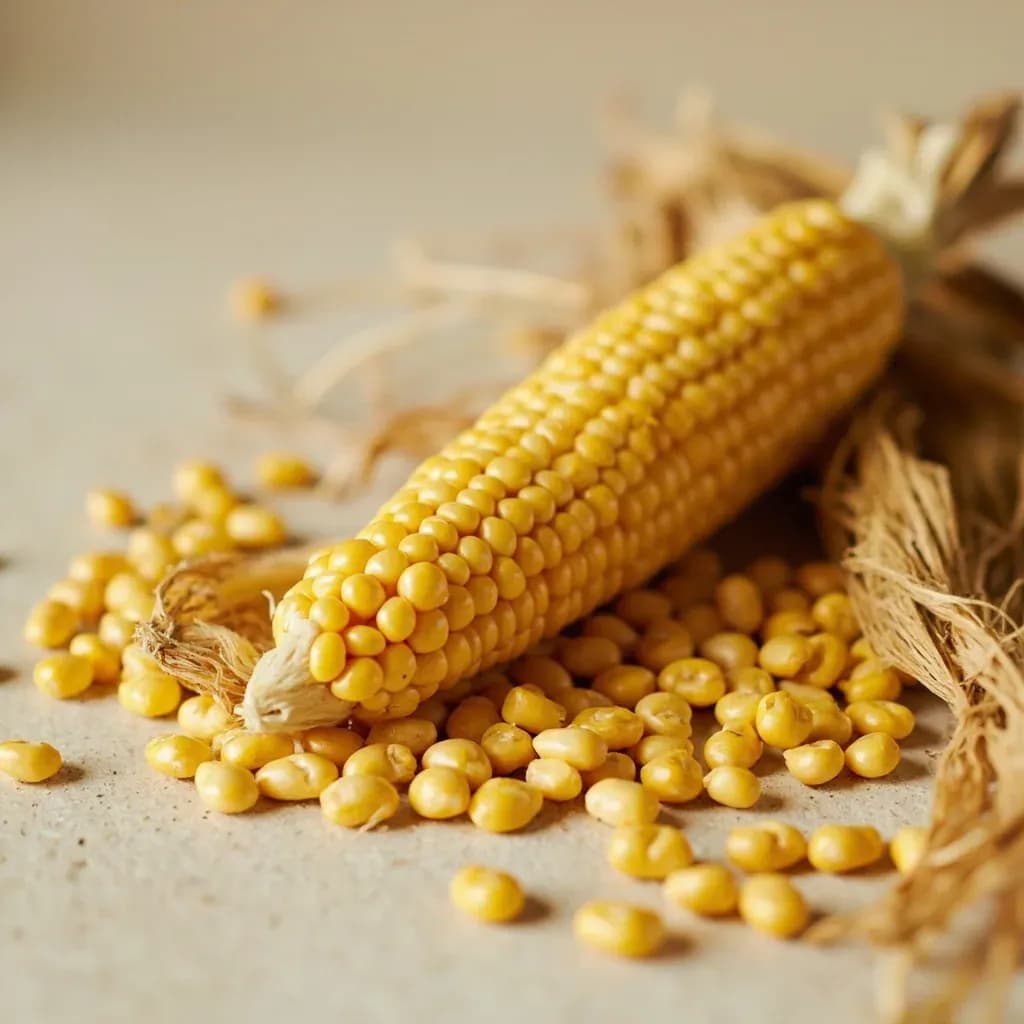
Olotillo is a Mexican landrace maize variety grown by smallholder farmers and valued for traditional nixtamalization. Its kernels yield a flavorful, aromatic masa for tortillas, tamales, and tlacoyos that mass-market hybrid corn cannot match. As a heritage open-pollinated corn, it carries regional terroir and supports biodiversity.
Olotillo is a traditional Mexican landrace corn grown for centuries in the central highlands, considered among the finest traditional varieties by master tortillers for the exceptional quality of its nixtamal. Unlike commodity corn bred for yield and storage, landrace corns like olotillo have been selected over generations for specific culinary traits—particularly how the kernels respond to nixtamalization and how the resulting masa behaves under the press. The variety produces a smooth, pliable dough with excellent gas retention, yielding tortillas that blow pockets without tearing and hold fillings without cracking. White to pale yellow kernels are characteristically firm and starchy, with a flavor depth that commercial masa simply cannot replicate. Growing methods remain rooted in the milpa system, where corn is planted alongside beans and squash in the traditional companion-planting pattern that has sustained Mexican agriculture for millennia.
- Measured in
- g
- Storage
- Pantry
Types & varieties
Primary type; considered among the finest traditional varieties for tortilla quality and masa pliability
Regional adaptations maintained by individual farming communities in central Mexico; slight variations in kernel size and flavor under different microclimates
Why Landrace Corn Matters
Modern commodity corn has been bred primarily for industrial processing, animal feed, and long-distance shipping—qualities that actively work against traditional nixtamal preparation. Landrace varieties, by contrast, evolved under the selective pressure of the people who grew and ate them: farmers chose seeds from plants that produced the best tortillas, the most satisfying pozole, the most coherent tamal dough. This centuries-long selection process built genetic adaptation for traditional processing directly into the kernel. When you nixtamalize olotillo, the pericarp releases cleanly, the endosperm absorbs calcium hydroxide evenly, and the masa holds together with just the right balance of moisture and structure. You are tasting the accumulated wisdom of thousands of years of Mexican food culture in every tortilla.
- Landrace varieties are genetically diverse; commodity corn is uniform
- Traditional varieties were selected for culinary performance, not yield
- Each regional landrace reflects the specific needs and preferences of its community
The Nixtamal Process
Nixtamalization transforms hard, dry corn kernels into something entirely new. Cooking in an alkaline solution of food-grade slaked lime (cal) does three things simultaneously: it loosens the hull for easy removal, it breaks down hemicellulose to make the endosperm more digestible, and it chemically binds calcium to the corn proteins in a form your body can absorb. The result is nixtamal—cooked, softened corn ready for grinding. This process is non-negotiable for traditional tortillas; without it, the masa tears and the tortillas taste flat. Fresh masa from properly nixtamalized olotillo should feel slightly warm, hold together without sticking to your hands excessively, and spring back when pressed.
- Always use food-grade calcium hydroxide, not construction lime or pickling lime
Common uses
Tips & pitfalls
- Select firm, plump kernels with no visible mold, insect damage, or mustiness—old or poorly stored corn produces inferior nixtamal
- Store dried corn in airtight containers in a cool, dark place; quality deteriorates significantly after 6 months
- For nixtamal: combine 1 tablespoon food-grade lime per 1 quart water, bring to a boil, add corn, simmer 25-35 minutes until hulls loosen and kernels have expanded slightly
- Rinse nixtamal under running water, rubbing gently to remove every loosened hull; trace amounts of hull produce gritty masa
- Grind nixtamal while still warm—warm masa flows through the grinder easily and produces tortillas that roll without cracking
- Common mistake: insufficient lime (less than 1 tablespoon per quart) results in incomplete nixtamalization; hulls won't release cleanly and calcium won't bind properly
- Common mistake: grinding cold nixtamal produces dry, crumbly masa that tears easily when pressed into tortillas
- Let ground masa rest 15-30 minutes before pressing; this allows moisture to distribute evenly through the dough
Nutrition
Energy
360 kJ · per 100 g
Where the calories come from
Protein
3.2g
6% DV
Carbs
19g
7% DV
Fat
1.2g
2% DV
Fiber
2.7g
10% DV
Sugars
3.2g
of which
Sodium
15mg
1% DV
Source · USDA FoodData Central · approx. Corn, sweet, white, raw
View on FDC →In the shops
Matched grocery products
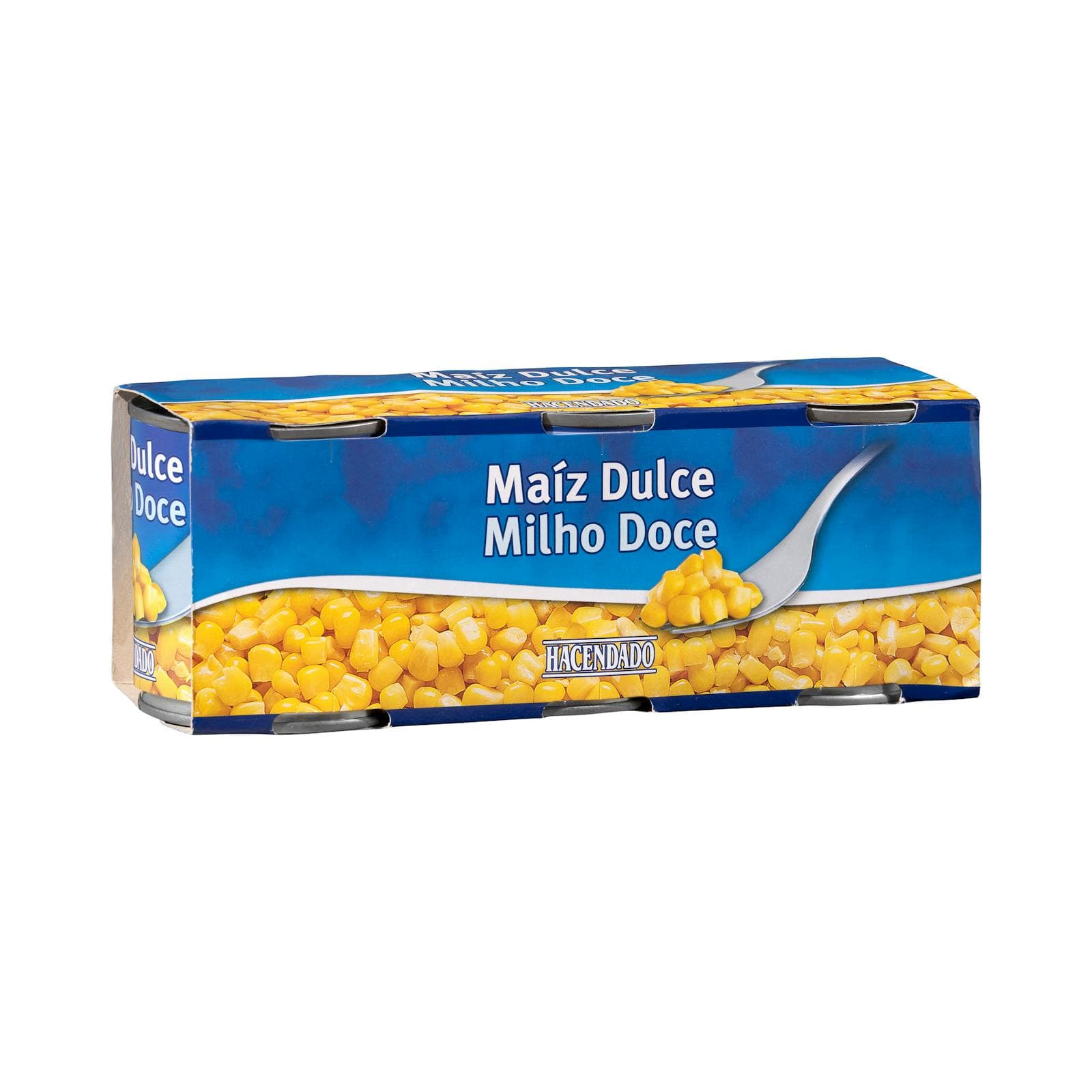 €1.55
€1.55Sweet Corn
Hacendado · 450 g · Mercadona
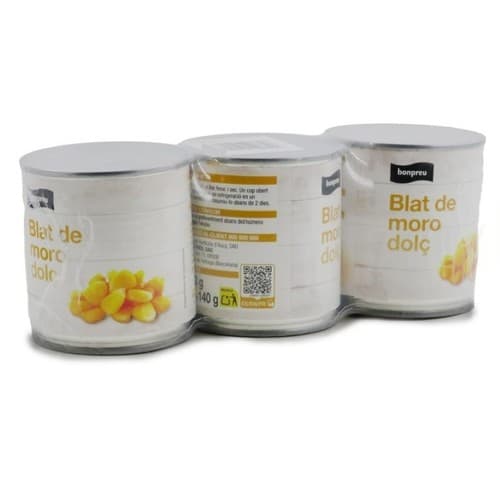 €1.59
€1.59Sweet Corn Bonpreu
BONPREU · kg · Bonpreu
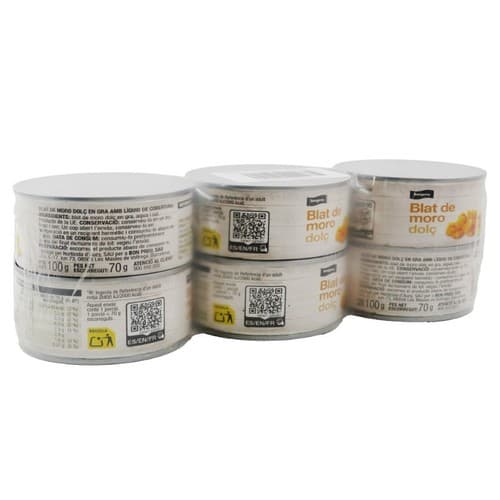 €2.49
€2.49Sweet Corn Bonpreu
BONPREU · kg · Bonpreu
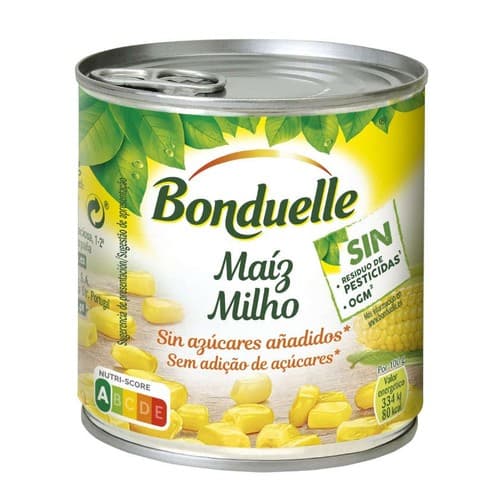 €1.99
€1.99Bonduelle Sweet Corn
BONDUELLE · kg · Bonpreu
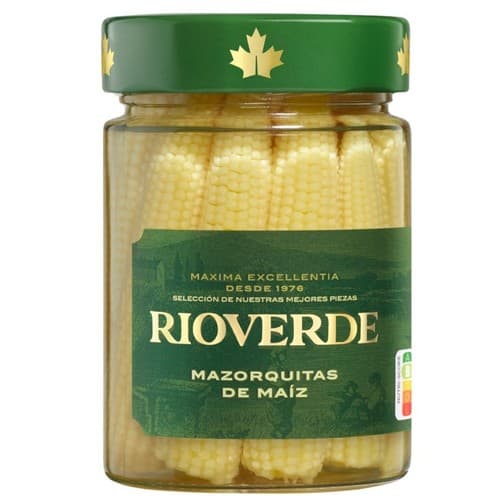 €2.99
€2.99Pickled Corn Kernels
RIOVERDE · kg · Bonpreu
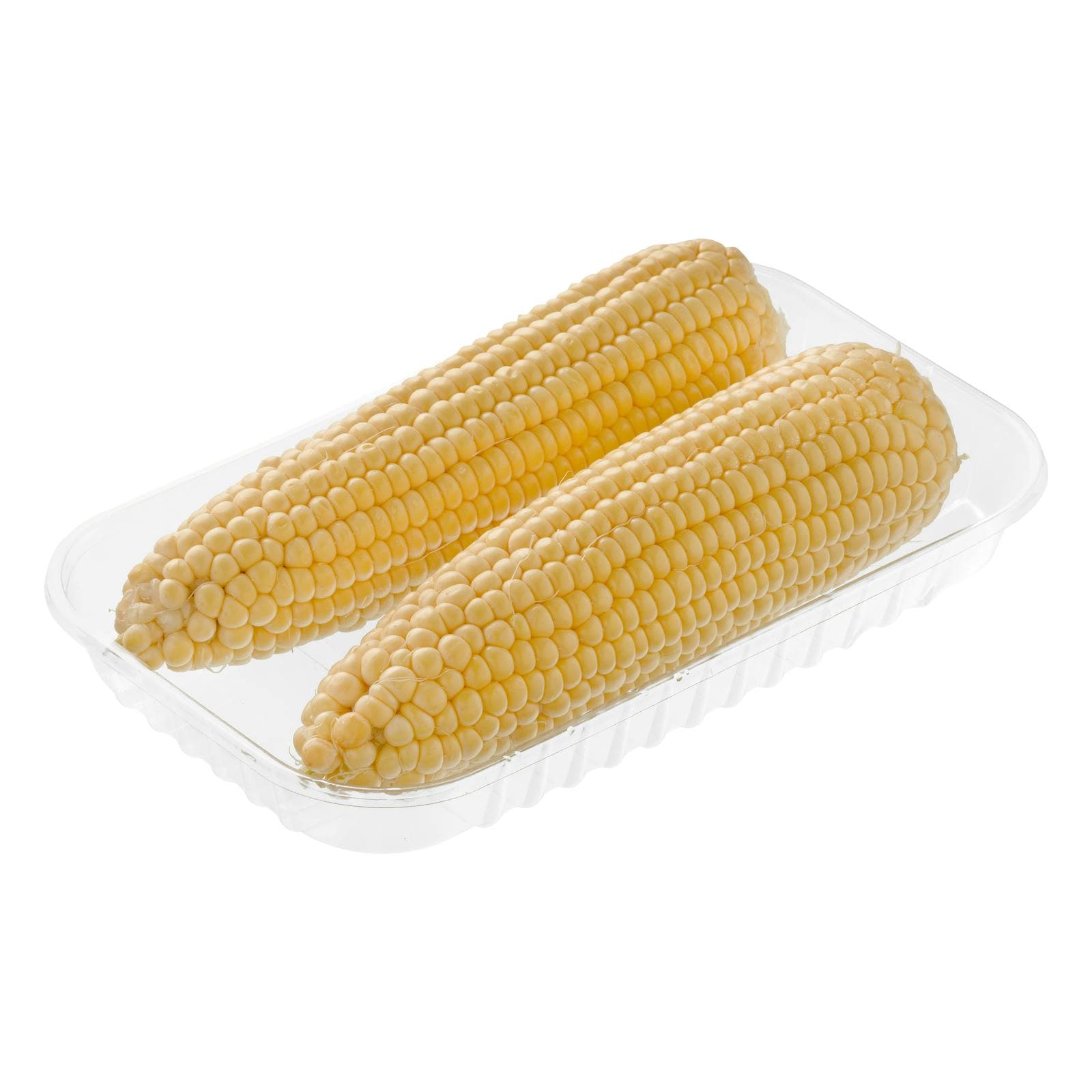 €3.15
€3.15Sweet Corn on the Cob
2 ud · Mercadona
Good to know
- Type
- Heirloom Mexican landrace corn (Zea mays)
- Origin
- Central Mexican highlands, traditional cultivation regions
- Primary Use
- Nixtamalization for fresh masa production
- Kernel Color
- White to pale yellow
- Plant Characteristics
- Tall stalks, open-pollinated heirloom growth habit
- Key Trait
- Superior nixtamal quality with high calcium absorption when cooked with lime
- Storage Life
- Dried kernels keep up to 6 months in airtight containers
Substitutes
- Cacahuazintle — Traditional variety for pozole; excellent nixtamal quality but larger, starchier kernels better suited to whole-grain preparations
- Bolita corn — Traditional variety with slightly smaller kernels; good tortilla quality, though pliability is marginally less than olotillo
- Mexican landrace blue corn — Use for tortillas with more robust, slightly sweet corn flavor; produces a coarser-textured masa but holds up well for thicker applications
- Fresh masa from a tortillería — If you cannot find olotillo, buy freshly ground masa from a local tortillería and use it the same day; quality degrades quickly
Pairs with
Also called
Olotillo Maize · Heirloom Corn
Related

White Rice
Fluffy long-grain rice — the neutral base for almost any meal

White Bread
Soft sandwich loaf for toast, sandwiches, and crumbs
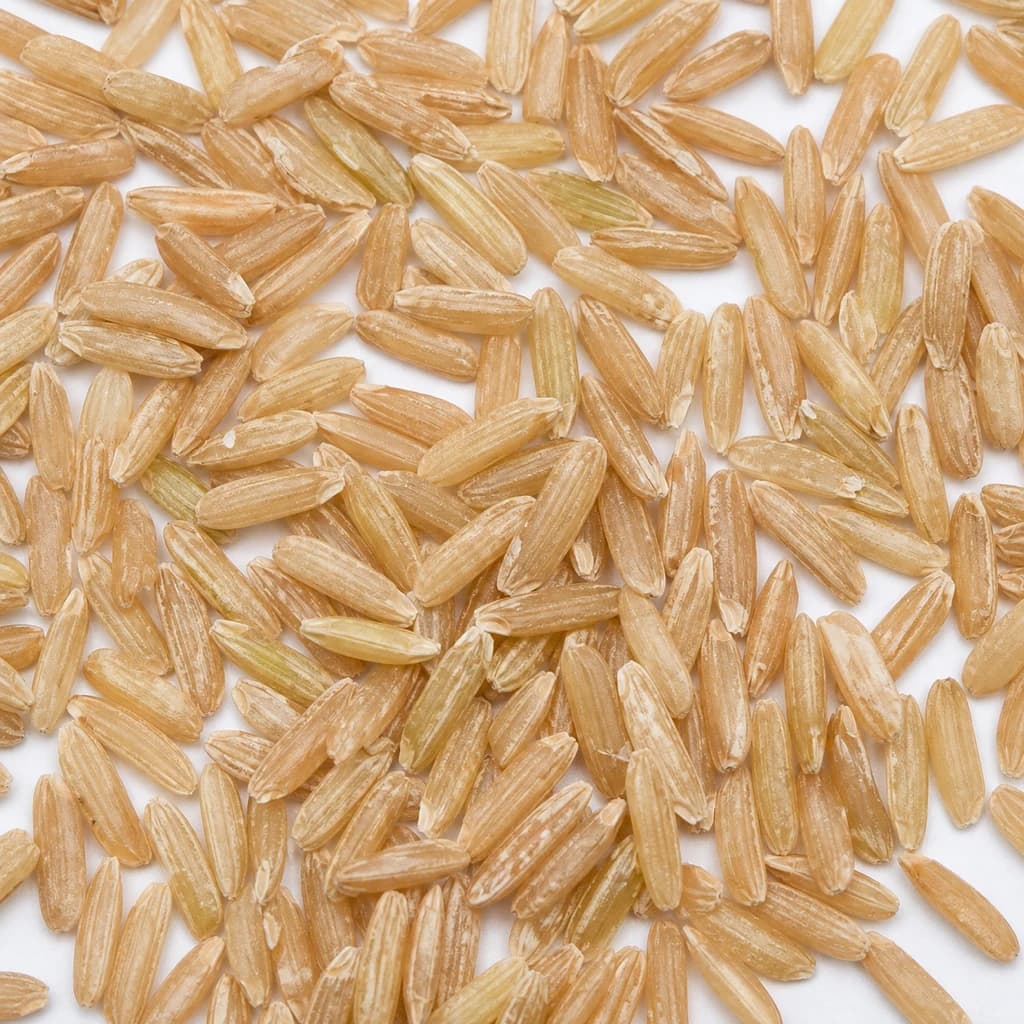
Brown Rice
Nutty, whole-grain rice with chew and extra fiber

Basmati Rice
Fragrant, long-grain rice that cooks up light and separate
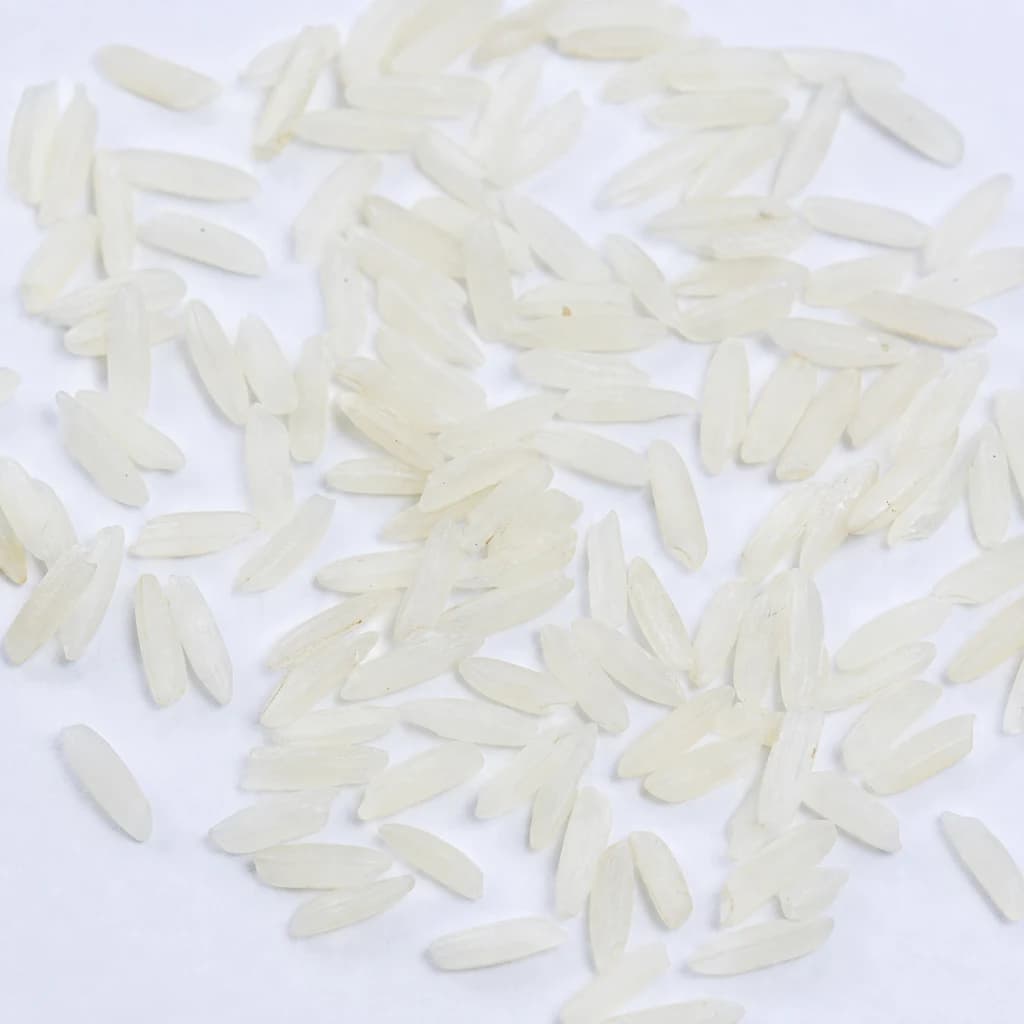
Jasmine Rice
Soft, floral-scented rice that's the pillar of Thai meals
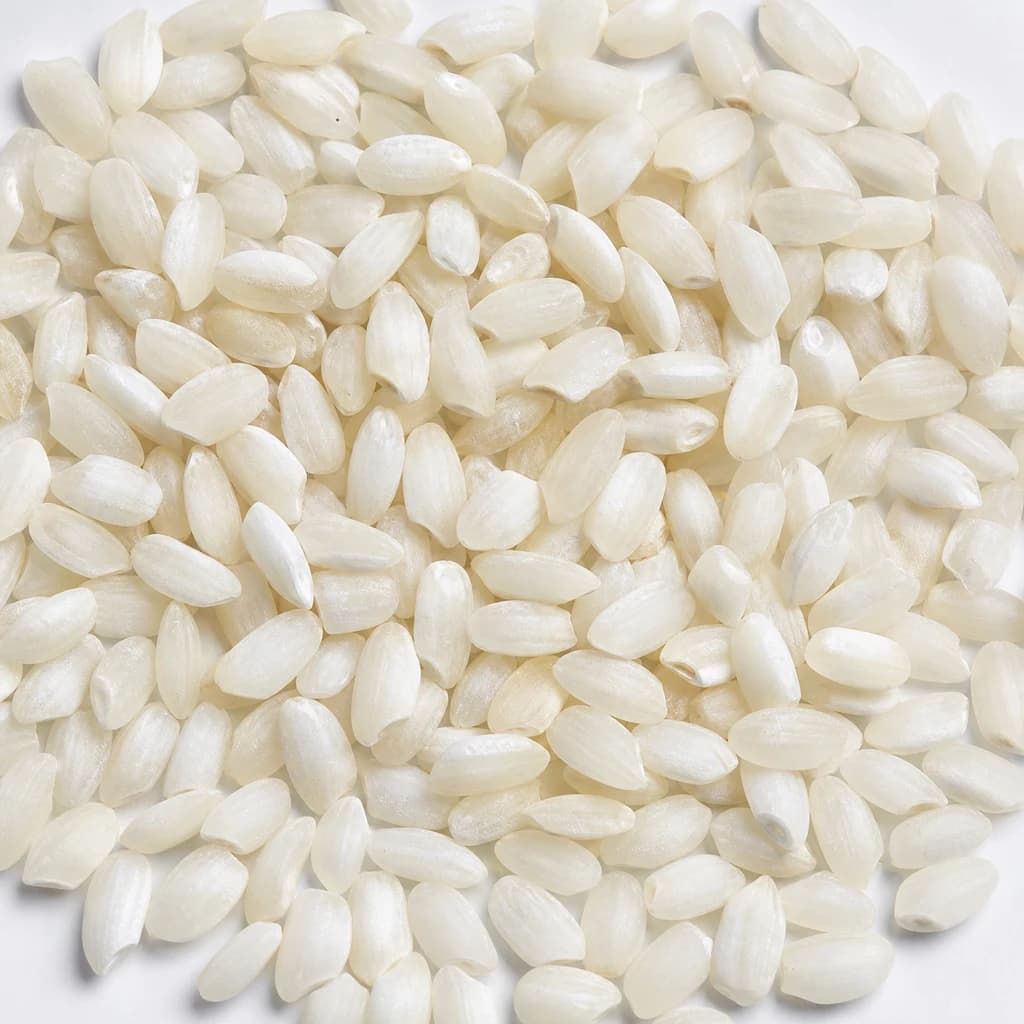
Arborio Rice
Plump, starchy rice that makes risotto creamy
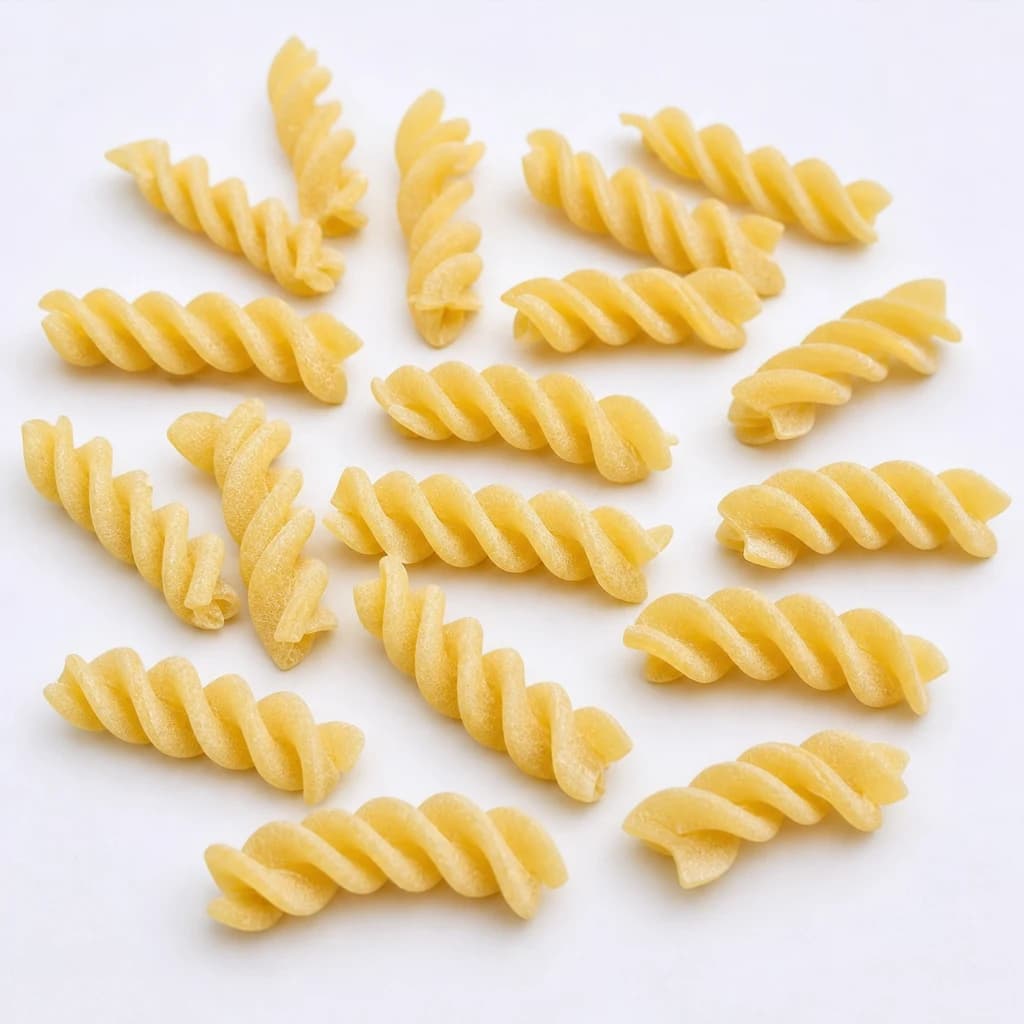
Fusilli
Spiraled pasta that twirls up sauce and dresses cold salads
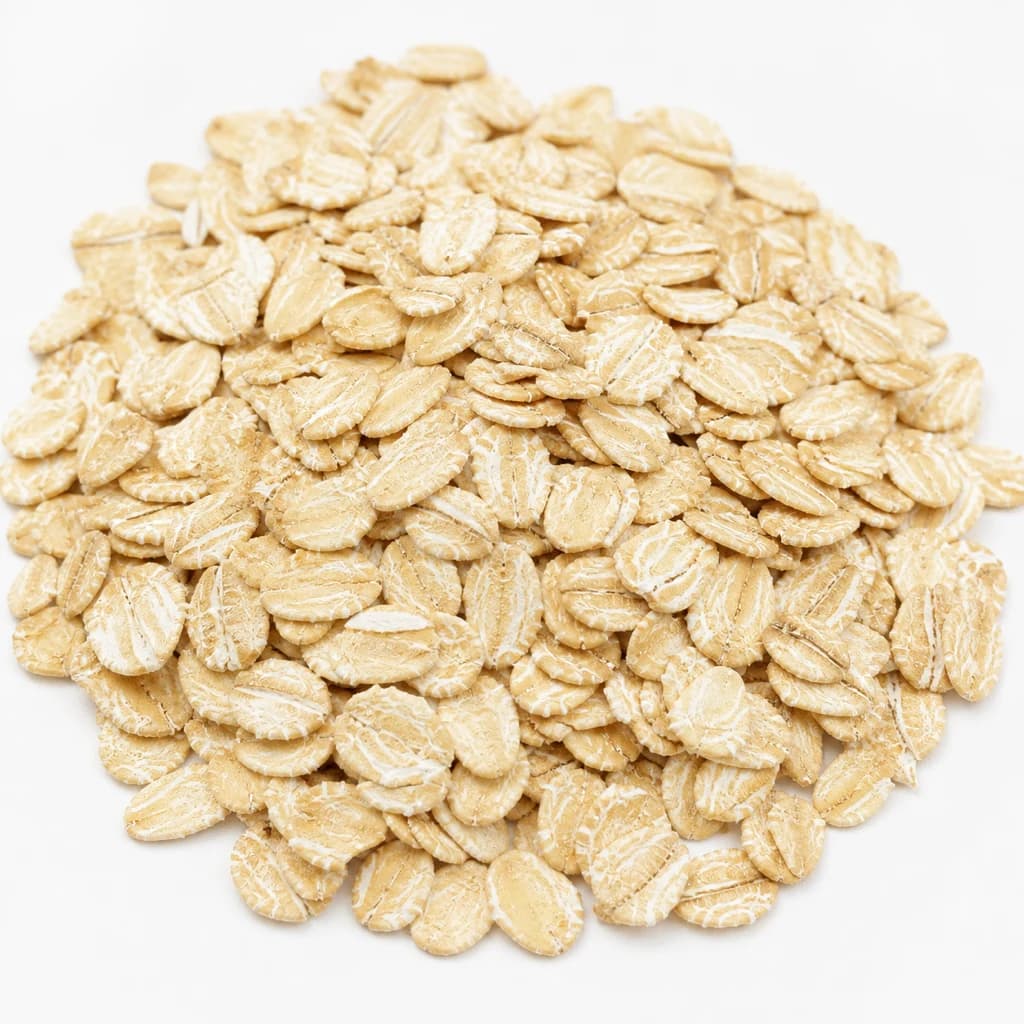
Rolled Oats
Hearty flakes for porridge, granola, and chewy cookies