Grains & Rice
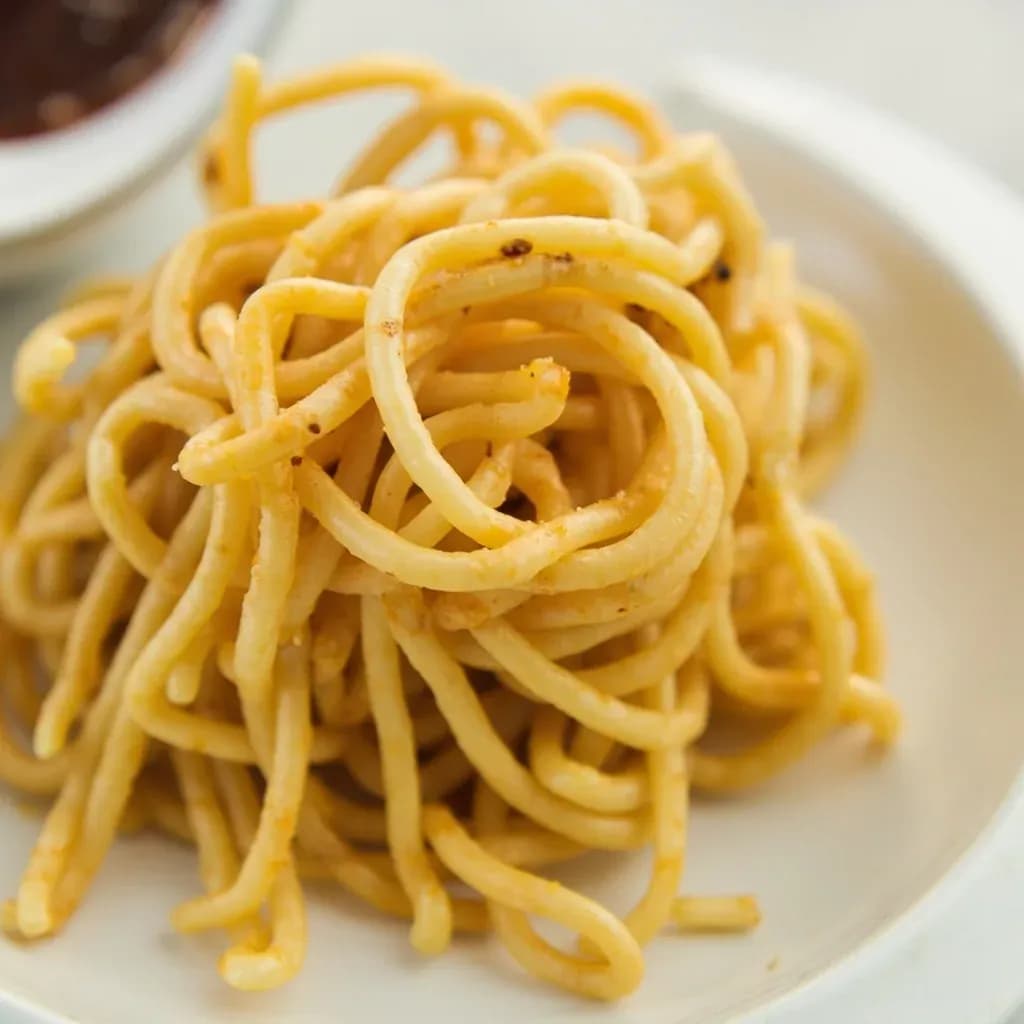
Ramen Noodles
Springy alkaline wheat noodles served in rich Japanese broth.
Ramen noodles are wheat noodles made with kansui alkaline salts, which give them a firm, springy bite and yellow tint. They are the heart of Japanese ramen, served in shoyu, miso, tonkotsu, or shio broth, available fresh or dried. The alkaline dough is what distinguishes ramen from plain wheat noodles.
Ramen noodles are alkaline wheat noodles distinguished by kansui, a mineral water solution of sodium carbonate and/or potassium carbonate that creates their signature yellow hue and resilient, springy texture. Unlike standard wheat noodles, the alkaline environment raises the dough's pH to approximately 9–10, which alters gluten formation and makes the wheat's natural carotenoid pigments more visible. This chemical transformation produces the elastic bite that can withstand prolonged time in hot broth without disintegrating — a fundamental requirement for Japanese ramen that sets these noodles apart from Italian pasta or Chinese lo mein. The technique of adding alkaline salts to noodle dough originated in Chinese lamian (hand-pulled noodles), but ramen as we know it crystallized in early 20th-century Japan, where regional styles developed distinct noodle profiles to match their broths.
- Measured in
- g
- Storage
- Fridge
Allergens
Types & varieties
Thin to medium thickness; the standard for most styles. Used in shoyu and shio ramen for clean broth presentation.
Medium thickness with a corrugated surface that clings to broth; common in miso ramen where maximum sauce adherence matters.
Short, tightly curled; developed to prevent slipping when eating with chopsticks. Popular in instant ramen and Sapporo-style miso.
Over 2mm diameter; chewy and substantial. Traditional in Hakata tonkotsu ramen, where the thick profile holds up to rich, fatty broth.
Under 1.5mm diameter; delicate and quick-cooking. Used in Tokyo-style ramen and shio ramen to complement lighter, clearer broths.
Wide, ribbon-like profile with more surface area for broth adherence. Less common but effective with thick, viscous soups.
Fresh vs. Dried: Why It Matters
Fresh ramen noodles (made within 24–48 hours) have significantly superior chew and broth adherence compared to dried. The fresh noodles retain more moisture and develop a more complex protein matrix during resting, creating that characteristic resilient bite. Dried noodles, while convenient and shelf-stable, have a firmer, more brittle structure that requires longer cooking and never quite achieves the same elasticity. Dedicated ramen shops typically make noodles in-house or source from specialty manufacturers for this reason. When using dried noodles, look for those with a slight sheen and avoid any with a sour or stale smell, which indicates oxidation or age.
The Science of Kansui
The alkaline environment created by kansui fundamentally transforms wheat proteins. At high pH, glutenin molecules repel each other and align more loosely, allowing the dough to stretch without tearing. Simultaneously, the yellow pigment in wheat carotenoids becomes more visible as the alkaline conditions break down color-inhibiting structures. The result is a noodle that feels slightly tacky when raw, firms up dramatically upon cooking, and maintains its integrity in boiling broth for several minutes without becoming mushy.
Common uses
Tips & pitfalls
- Always cook in a large pot of rapidly boiling water — crowding causes noodles to stick and cook unevenly.
- Salt the boiling water (like pasta water); it seasons the noodles internally and helps maintain structure.
- Cook noodles slightly under al dente if serving in hot broth, as they continue cooking when added.
- If using fresh noodles, reduce cooking time by 30–50%; they are already hydrated and tender.
- Rinse cooked noodles under cold running water ONLY for cold dishes — for hot ramen, drain and immediately add to broth.
- Never add oil to cooking water; noodles need the surface starch to absorb broth properly.
- For restaurant-quality texture, use fresh noodles rather than dried; the protein structure creates better bite.
- When reheating broth separately, bring it to a boil and reduce heat before adding cooked noodles to prevent overcooking.
- Expired or improperly stored noodles develop a sour smell and will not achieve proper elastic texture.
Nutrition
Energy
1971 kJ · per 100 g
Where the calories come from
Protein
10.9g
22% DV
Carbs
63.6g
23% DV
Fat
21.2g
27% DV
Fiber
6.7g
24% DV
Sugars
0g
of which
Sodium
866mg
38% DV
Source · USDA FoodData Central · approx. Noodles, chinese, chow mein
View on FDC →In the shops
Matched grocery products
No matched grocery products for Ramen Noodles yet.
Good to know
- Key Ingredient
- Kansui — a solution of sodium carbonate and/or potassium carbonate that creates the alkaline environment responsible for the yellow color and elastic texture.
- Origin
- Derived from Chinese lamian (hand-pulled noodles); popularized in Japan in the early 20th century.
- Shelf Life (Dried)
- 12–18 months in a cool, dry pantry; reseal after opening.
- Shelf Life (Fresh/Refrigerated)
- 2–3 days; freeze for up to 1 month (thaw before cooking).
- Cooking Time
- 2–5 minutes depending on thickness and freshness; undercook slightly as they continue cooking in hot broth.
- Yield
- 100–120g dried or 150–200g fresh per serving makes one standard bowl of ramen.
- Difficulty
- Easy to cook; difficult to replicate at home without proper flour and kansui ratios.
- pH Range
- 9–10; the alkaline environment modifies gluten structure for distinctive chew.
Substitutes
- Chinese la mein noodles — The closest substitute; thinner alkaline wheat noodles without kansui but similar chew. Reduce cooking time by 1–2 minutes.
- Fresh udon noodles (thin) — Much thicker and softer overall; not authentically close but works for soups if you prefer a heartier noodle. Use thin udon and reduce cooking time significantly.
- Soba noodles — Buckwheat content gives different flavor and less chew; acceptable for cold noodle dishes only.
- Egg noodles (fresh) — Contain eggs and sometimes alkaline agents; produce similar texture but lack the true kansui mineral character and yellow color.
- Fresh rice vermicelli (bun) — Completely different texture and flavor profile; disintegrates in broth. Use only for cold salads or very mild broths.
Pairs with
Also called
Fresh Ramen Noodle · Chukamen
Related

White Rice
Fluffy long-grain rice — the neutral base for almost any meal

White Bread
Soft sandwich loaf for toast, sandwiches, and crumbs
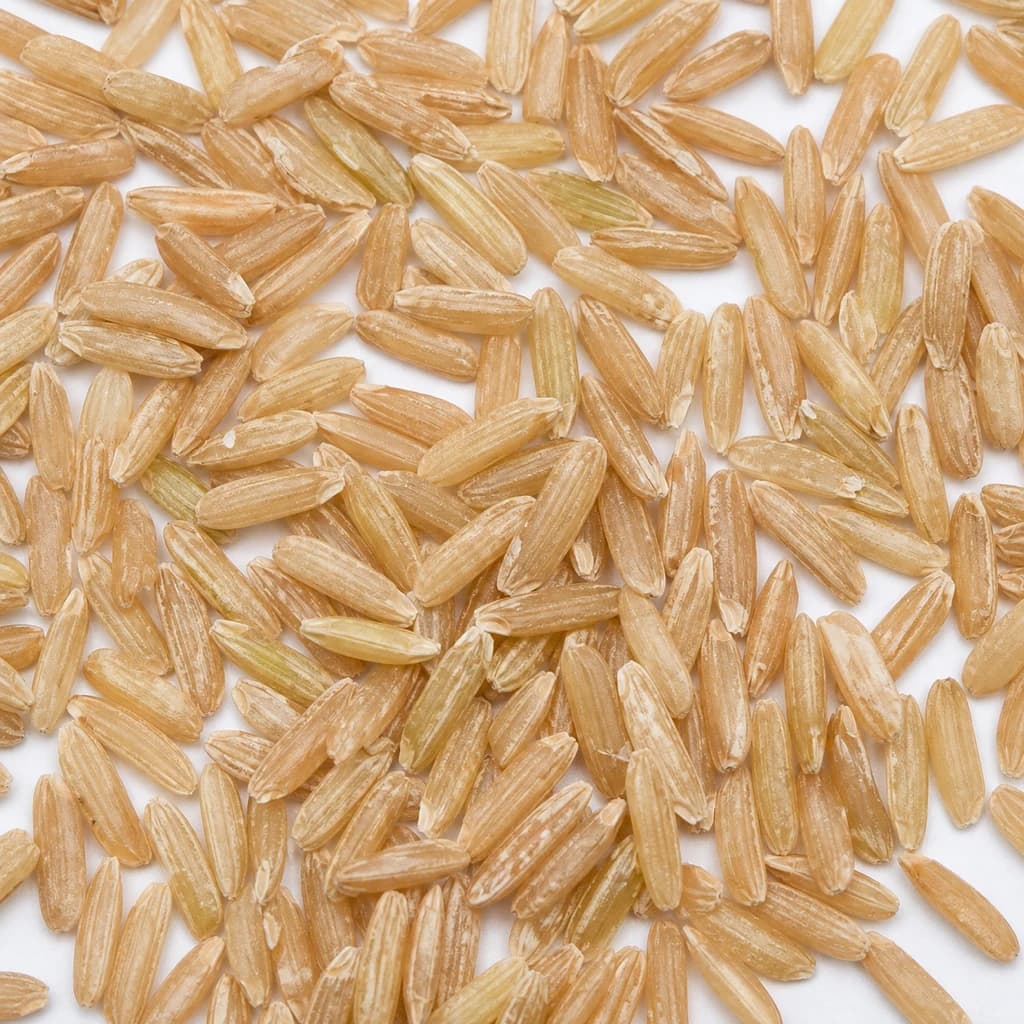
Brown Rice
Nutty, whole-grain rice with chew and extra fiber

Basmati Rice
Fragrant, long-grain rice that cooks up light and separate
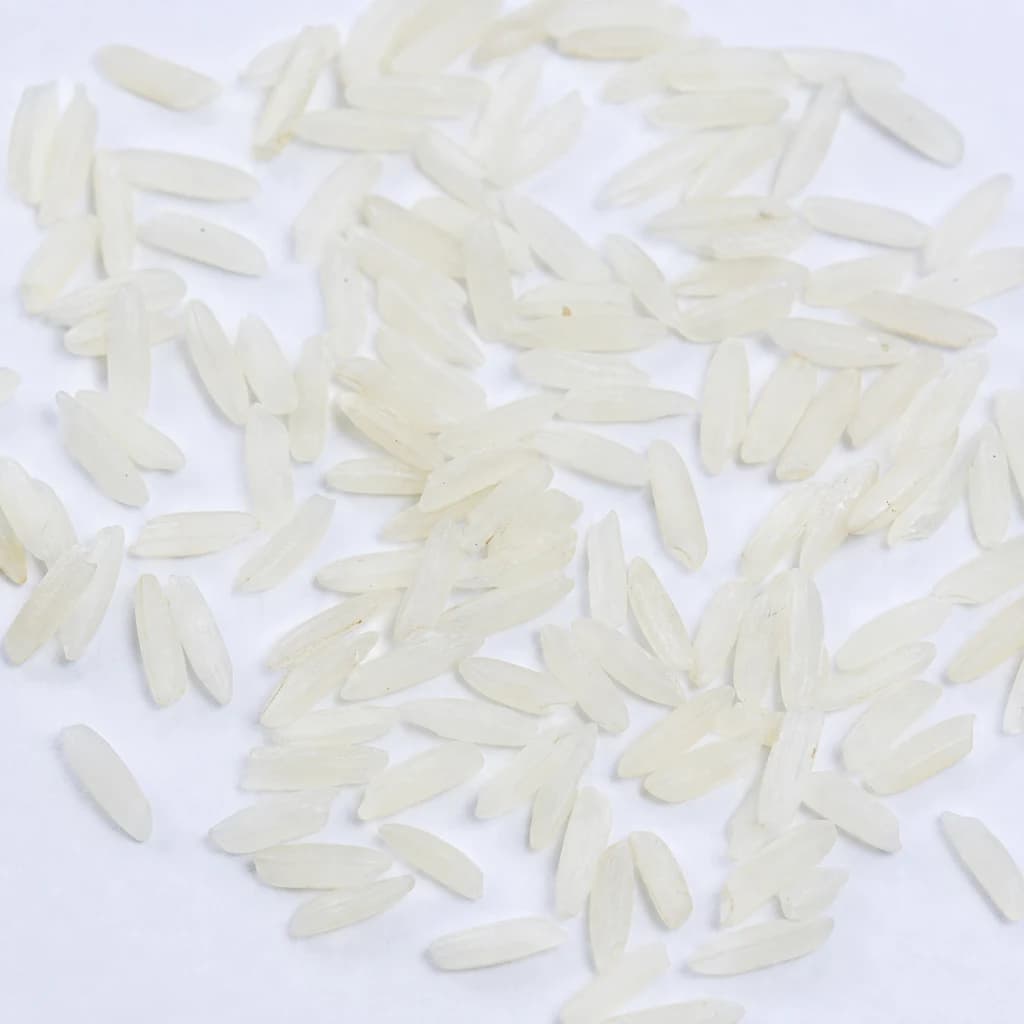
Jasmine Rice
Soft, floral-scented rice that's the pillar of Thai meals
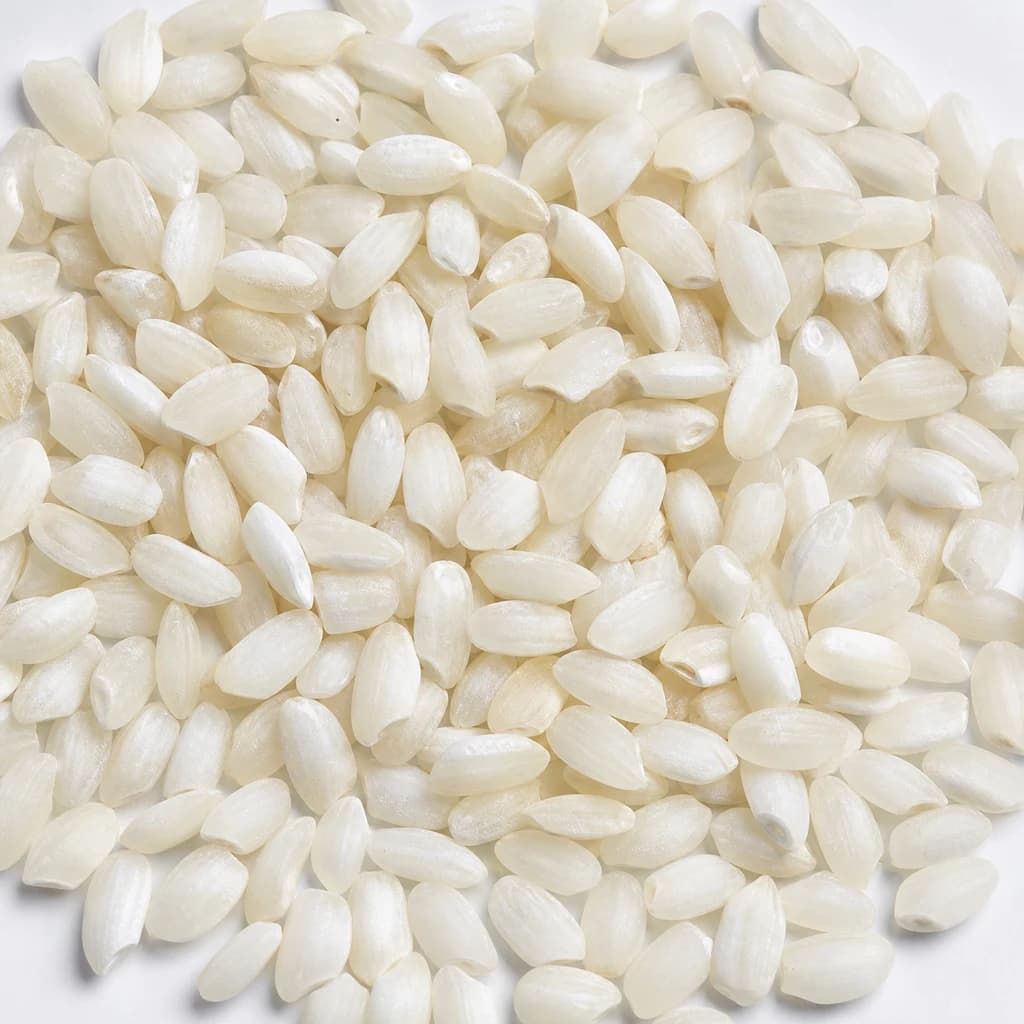
Arborio Rice
Plump, starchy rice that makes risotto creamy
Fusilli
Spiraled pasta that twirls up sauce and dresses cold salads
Rolled Oats
Hearty flakes for porridge, granola, and chewy cookies