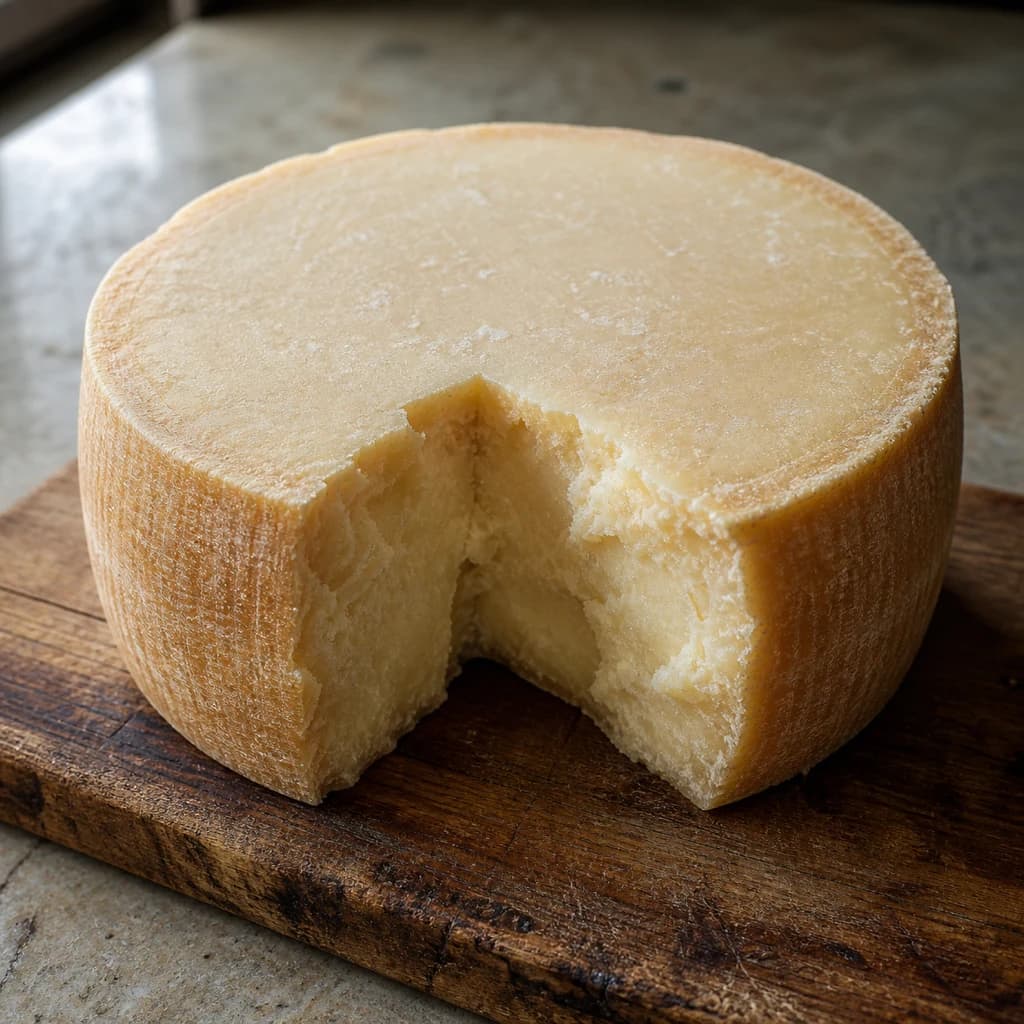
Natural form
A dense, pale-golden Sbrinz wheel showing its dry, hard rind and granular texture.
Shows the whole wheel form, rind color, and scale so readers recognize the cheese at a market or cheesemonger.
Dairy & Eggs
Sbrinz
Extra-hard Swiss alpine cheese aged for years, shaved into curls or grated like Parmesan.
Sbrinz is an extra-hard, full-fat Swiss cow's-milk cheese from central Switzerland, aged at least 18 months and often much longer. It has a dense, granular, crumbly body and a rich, savory, slightly nutty flavor. It is broken into shards (möckli) for snacking, shaved over dishes, or grated like Parmesan.
Sbrinz is one of Switzerland's oldest and most distinguished cheeses, produced in the central cantons—primarily Lucerne—since at least the 16th century. This extra-hard alpine cheese is aged for a minimum of 18 months, though the finest wheels develop their characteristic crystalline texture and intense complexity over two to three years, or even longer. Made from raw cow's milk in copper vats following traditional methods, Sbrinz achieves a density and hardness that sets it apart from most other alpine cheeses.
What makes Sbrinz remarkable is its singular culinary purpose: unlike the melts-and-binds role of many alpine cheeses, Sbrinz is almost exclusively an aged grating and shaving cheese. Its low moisture content and dense protein matrix create a cheese that fractures into paper-thin curls when shaved, or grates into a fine, sandy powder that melts with exceptional elegance. The flavor profile intensifies with age—nutty and fruity in younger wheels, developing deep caramel and butterscotch notes alongside a sharper, more pungent finish as the wheels mature. The tyrosine crystals that form during extended aging are not flaws but indicators of proper development, contributing a pleasant grit and umami intensity that experienced cooks actively seek.
The cheese carries AOC/AOP protected designation since 2001, meaning only wheels produced in designated central Swiss cantons under strict protocols may bear the name. This protection matters: authentic Sbrinz AOP commands premium prices and is genuinely difficult to source outside Switzerland and specialty importers. Much of what sells as "Sbrinz" in international markets is actually aged Parmesan-style cheese—a different tradition entirely. When you find the real thing, you're holding a piece of Swiss culinary heritage that was historically a luxury export commodity, reserved for courts and fine tables across Europe.
- Measured in
- g
- Storage
- Fridge
Allergens
Types & varieties
The protected variety meeting strict production and aging requirements under Swiss AOC designation; look for the official seal on the rind
Pre-shaved for convenience; sold in bags; ideal for restaurants and quick-service applications
Milder, more approachable flavor profile; suitable for table use and as an introduction to the cheese
More crystalline, intensely flavored; primarily sought for grating over pasta and risotto
Common uses
Tips & pitfalls
- Use a sturdy microplane or box grater with the smallest holes—standard paddle graters cannot handle Sbrinz's density and will skitter across the surface
- Let the cheese come to room temperature for 20–30 minutes before grating; cold Sbrinz will crumble rather than produce clean, fluffy shavings
- Refrigerate in cheese paper in the vegetable drawer; for longer storage, wrap cut surfaces tightly in parchment or cheese paper, never plastic wrap, to allow slight respiration and prevent moisture buildup that leads to mold
- Price is a reliability indicator—authentic Sbrinz AOP costs significantly more than Parmesan; suspiciously cheap "Sbrinz" is almost certainly not the real AOC product
- Look for the official AOP seal and casein marking on whole wheels when purchasing; this is your assurance of authenticity and origin
- The white flecks (tyrosine crystals) are a sign of proper long aging and intensified flavor—do not mistake them for mold or contamination
- Sbrinz has a sharper, more pungent flavor than Parmesan—begin with slightly less when substituting in recipes and adjust to taste
- Do not attempt to melt Sbrinz as a primary application; its extremely low moisture content makes it a finishing cheese, not a melter
Nutrition
Nutrition
No USDA FoodData Central match for Sbrinz yet. We surface a per-100 g profile once a generic whole-food entry is matched and verified.
In the shops
Matched grocery products
No matched grocery products for Sbrinz yet.
Good to know
- Origin
- Central Switzerland (canton of Lucerne); documented since at least the 16th century
- Milk
- Raw cow's milk (sometimes pasteurized for export)
- Aging
- Minimum 18 months; typically 2–3 years; wheels aged 4+ years exist for specialist use
- Protection
- AOC/AOP protected designation since 2001 (only cheese from designated central Swiss cantons may use the name)
- Rind
- Natural rind, golden-brown to dark amber, with official casein marking on whole wheels
- Weight
- Wheels typically 30–35 kg each
- Texture
- Extra-hard, dense, crystalline with tyrosine crystals (white flecks)
- Yield
- Approximately 10 kg of milk per 1 kg of finished cheese
Substitutes
- Parmigiano-Reggiano — Closest flavor and texture; use at 1:1 ratio; Italian counterpart with similar aging standards and culinary role
- Grana Padano — Milder and slightly less expensive; acceptable everyday substitute, especially for straightforward grating applications
- Aged Comté — French alpine cheese with comparable nutty depth; similar wheel size, aging practices, and AOC protection
- Pecorino Romano — Sharper, saltier, and made from sheep's milk; use sparingly as a stronger-flavored substitute
- Aged Gruyère — Shares Swiss origin and similar flavor profile; particularly suited for fondue and applications requiring some melting
Pairs with
Also called
sbrinz
Related

Whole Milk
Rich, full-fat milk for drinking, coffee, sauces, and baking
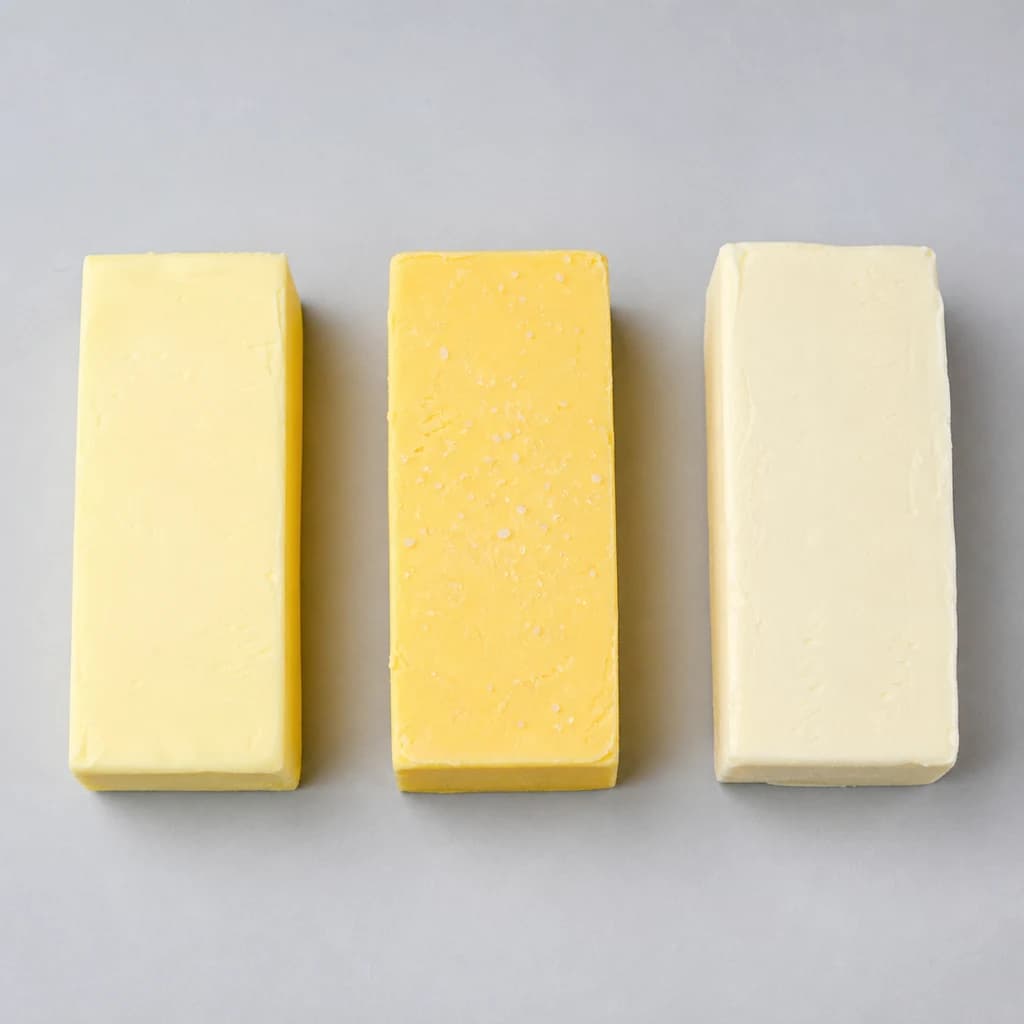
Butter
Golden fat for searing, baking, and finishing a sauce
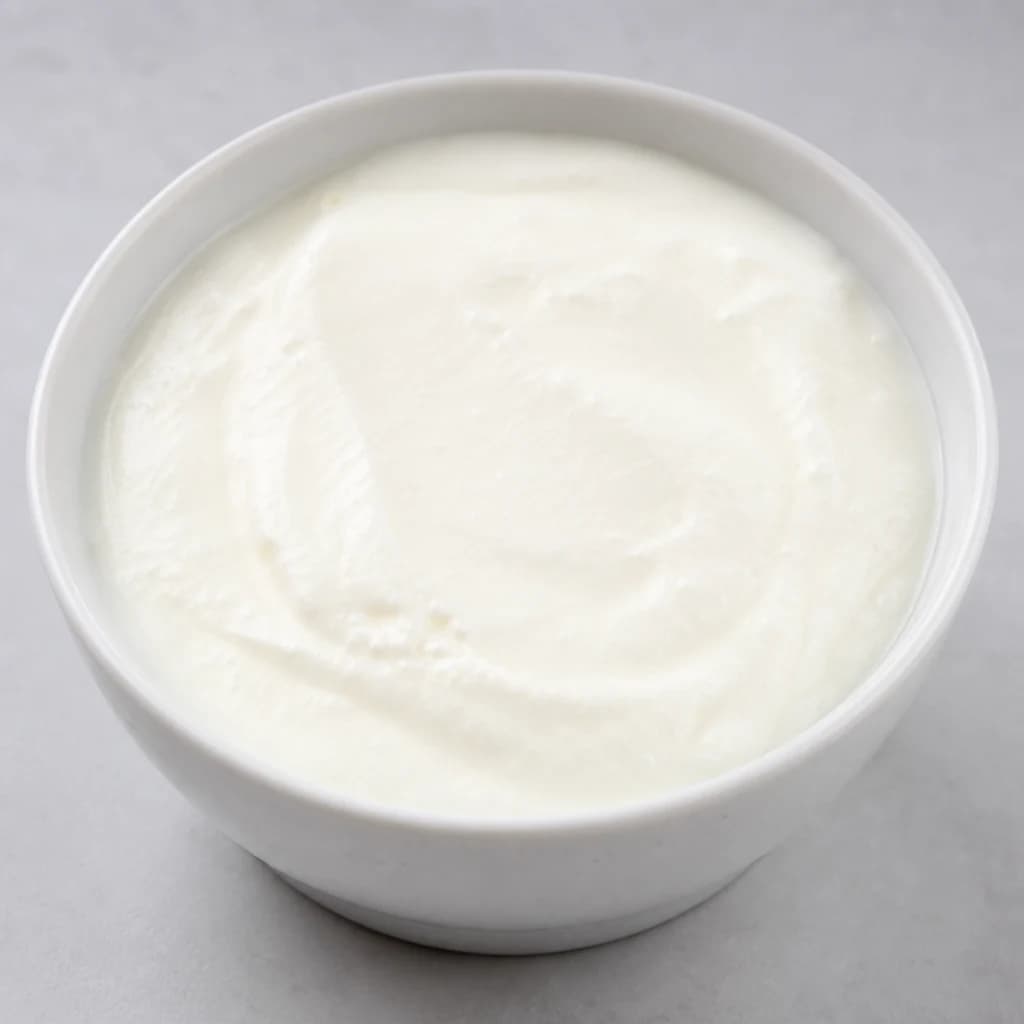
Yogurt
Tangy, creamy culture for breakfast, sauces, and marinades
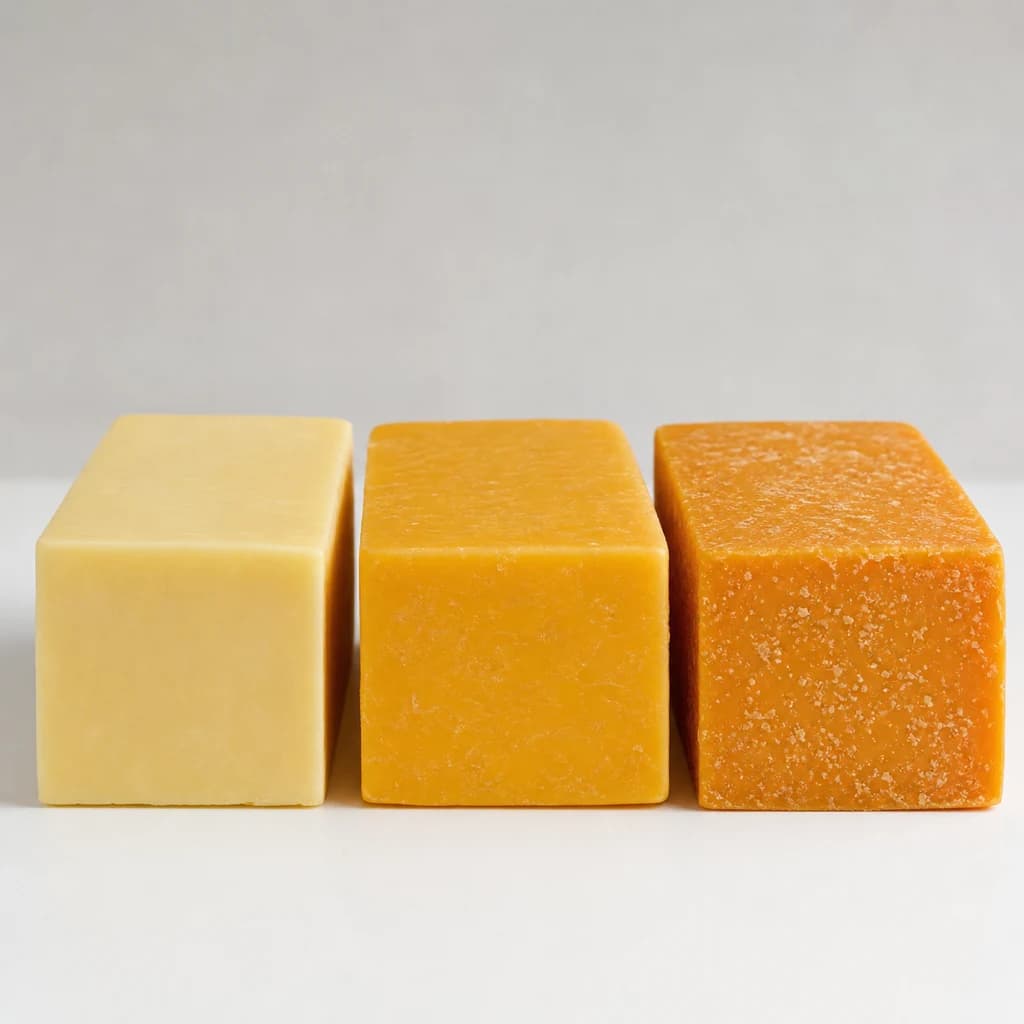
Cheddar Cheese
Sharp, melty cheese for sandwiches, gratins, and grating
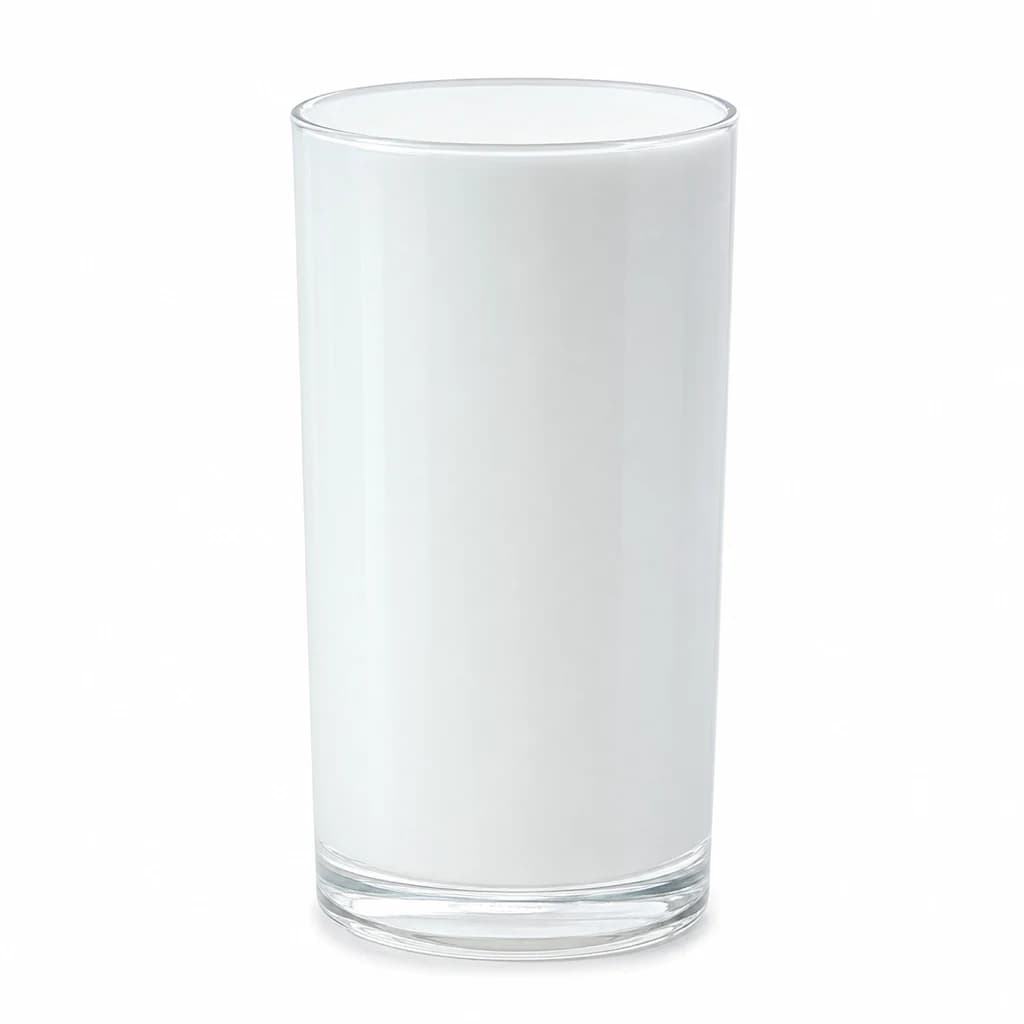
Skim Milk
Fat-free milk for lighter drinking, coffee, and cooking
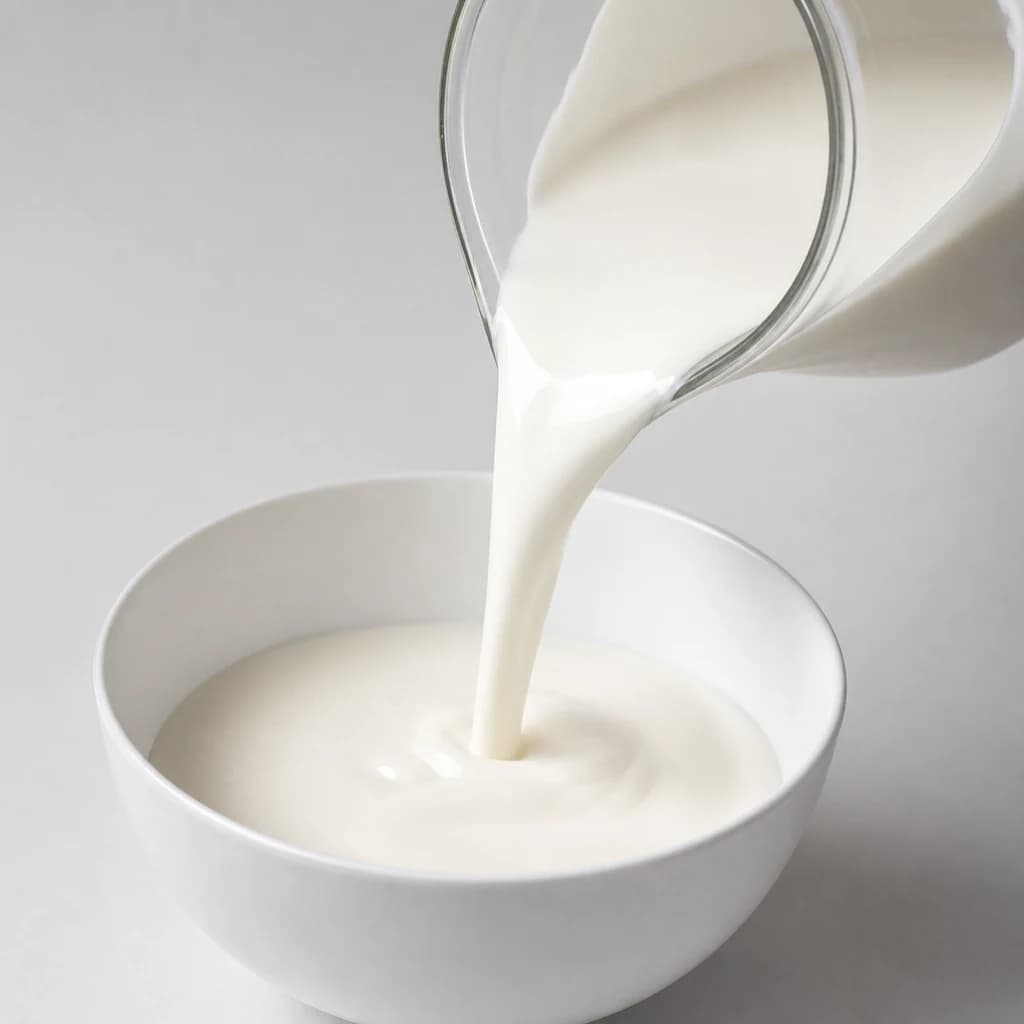
Heavy Cream
Rich cream that whips, enriches sauces, and sets ganache

Sour Cream
Tangy, thick cream for dolloping, baking, and dips
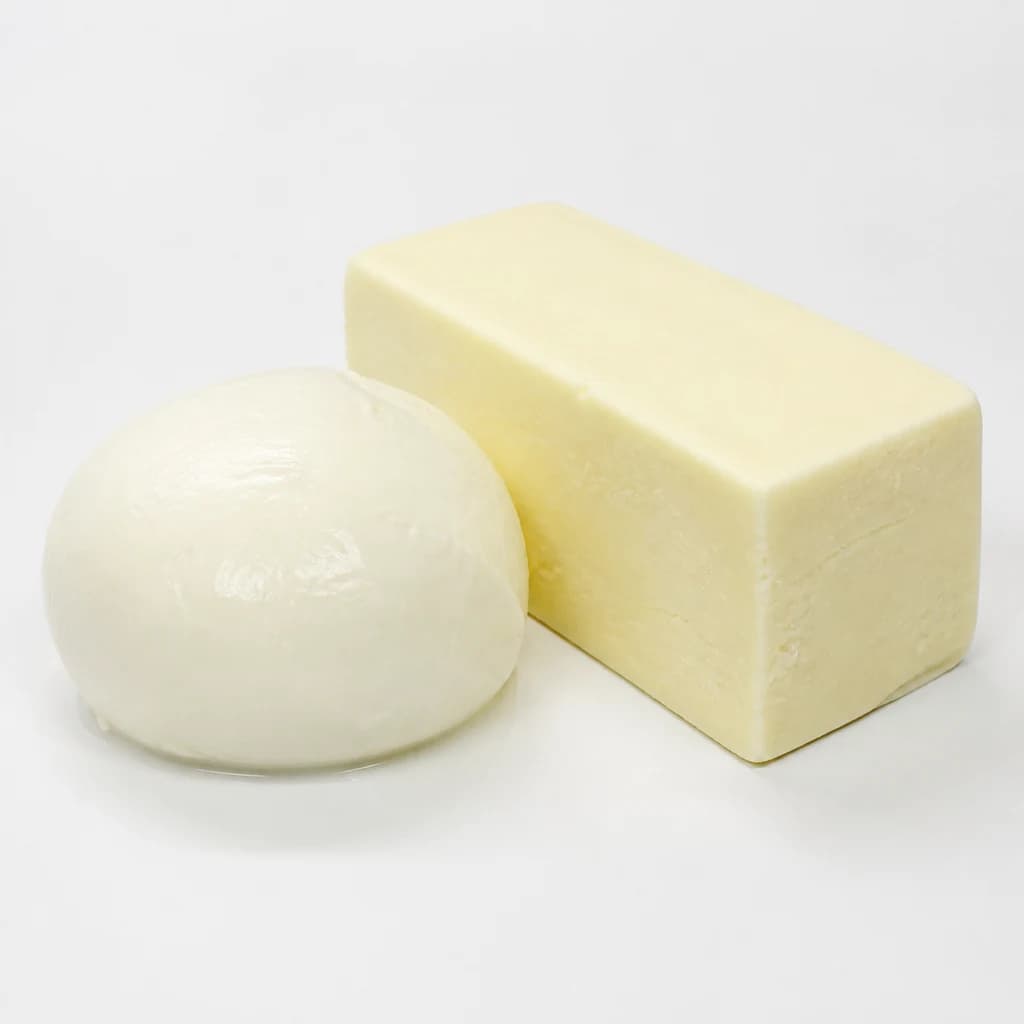
Mozzarella
Soft, milky cheese that melts into stretchy pizza pulls