
Natural form
Fresh sea grape clusters showing their characteristic tiny bead-like fronds on central stems.
Shows the unmistakable bead-on-stem structure that defines sea grapes and distinguishes them from all other seaweeds.
Produce
Sea Grapes (Umibudo)
Green caviar-like seaweed with a salty pop, eaten fresh in Okinawan dishes.
Sea grapes are a green edible seaweed whose tiny bead-like fronds burst with a briny pop, earning the nickname 'green caviar.' Popular in Okinawa and Southeast Asia, they are eaten raw with a dipping sauce or scattered over rice, salads, and sashimi. They are served fresh and uncooked to keep their delicate crunch.
Umibudo, the Japanese name for sea grapes (Caulerpa lentillifera), is a species of green seaweed—not a fruit—cultivated extensively in the clear, warm waters surrounding Okinawa, Japan. The plant consists of delicate, branching filaments from which tiny hollow vesicles (3–8 mm) grow in grape-like clusters. Each sphere is a thin, gelatinous membrane filled with salted ocean fluid that creates the signature bursting pop when bitten. Unlike nori, wakame, or kombu—which are dried and often cooked—umibudo is served exclusively raw. The texture is everything: a clean, briny seawater taste that carries a faintly sweet undertone, followed by a satisfying pop and a burst of salinity. In Okinawa, premium umibudo is traditionally harvested in early morning and kept alive in seawater until purchase, a practice that preserves the membrane's integrity and flavor. The distinction between farm-cultivated specimens from Okinawa (cleaner, more consistent) and wild-harvested varieties from the Philippines or Indonesia (more complex flavor but risk of sand inclusion) matters significantly in professional kitchens. Sea grapes have moved beyond their Okinawan and Southeast Asian origins to appear in sushi bars, raw seafood presentations, and contemporary fusion dishes globally.
- Measured in
- g
- Storage
- Fridge
Types & varieties
Premium grade cultivated in the clear waters around Okinawa's coasts; sweeter, more delicate flavor; most widely exported and preferred for fine-dining presentations
Typically wild-harvested; slightly stronger briny flavor; commonly used in local salads and as a souring element in sinigang; may contain sand and requires thorough rinsing
Often sold dried or preserved in salt; used in fresh rujak (spiced fruit salad) and as a raw garnish; rehydration restores some texture but lacks the fresh pop
The Caulerpa Plant
Caulerpa lentillifera is a green algae that thrives in tropical and subtropical shallow coastal waters throughout the Indo-Pacific. The plant grows from a single cell into branching structures that extend across the seafloor, with the bubble-like vesicles (called utricles) developing along the filaments. These vesicles are not true fruits or seeds but specialized growth structures that contain seawater and function in the plant's nutrient exchange. Understanding this biology explains why the vesicles are so fragile and why proper handling is critical.
- The entire plant is edible, though only the vesicles are typically harvested
- Caulerpa species can be toxic—ensure proper identification from trusted suppliers
- The plant regenerates quickly when vesicles are selectively harvested, making it a renewable resource in well-managed farms
Buying and Quality Assessment
Fresh umibudo should be purchased from sources that keep it refrigerated and submerged in seawater or lightly salted brine. Quality deteriorates within hours at room temperature, so transport quickly and never leave it in warm conditions.
- Look for bright, vivid green coloration—dull or brownish hues indicate age
- Bubbles should be firmly inflated; collapsed or wrinkled vesicles signal damage
- Avoid any with a strong ammonia or sour smell, which indicates bacterial breakdown
- Check for sand or debris at the base of clusters, especially with wild-harvested product
- Ask your supplier about harvest date—ideally use the same day or day after harvest
Regional Culinary Traditions
In Okinawa, umibudo is considered a delicacy and is often served simply with ponzu or as a garnish for soba and ramen. In the Philippines, lato appears in kinilaw (ceviche-style dishes), sour soups, and fresh lumpia. Indonesian bulung is a common element in rujak, the spiced fruit and vegetable salad. Each tradition treats the ingredient as a raw, textural element that contributes briny contrast to other flavors.
- Okinawan preparations favor restraint—minimal dressing to let the sea flavor lead
- Philippine cuisine often pairs lato with souring agents like calamansi or tamarind
- Indonesian applications embrace bold, spicy, sweet-sour dressing
Common uses
Tips & pitfalls
- Rinse umibudo briefly in cold seawater or a mild saltwater solution (1 teaspoon salt per cup water) just before serving to remove any sand or debris—never soak in freshwater, which causes the bubbles to burst and lose their signature pop
- Keep it cold at all times; the membrane is delicate and warmth accelerates deterioration within hours, leaving you with deflated, mushy spheres
- Serve the same day of purchase; umibudo does not freeze well and loses its characteristic texture entirely when thawed—frozen sea grapes are a waste of money
- Add umibudo to dishes immediately before serving rather than during cooking or reheating—heat deflates the spheres completely within seconds
- Use gently with chopsticks; treat each cluster as a delicate whole rather than breaking apart individual spheres before eating, which causes them to lose their liquid and pop prematurely
- When purchasing, look for bright green, firmly inflated bubbles; avoid any with dull coloring, broken membranes, or a strong ammonia smell, which indicates age
- Avoid tossing umibudo in heavy dressings or acidic liquids far in advance—the salt in the vesicles draws liquid inward and the bubbles can burst from osmotic stress
- If using dried bulung, rehydrate in cold salted water for 15-20 minutes and expect a softer, less explosive texture than fresh specimens
Nutrition
Energy
389 kJ · per 100 g
Where the calories come from
Protein
5.6g
11% DV
Carbs
17.3g
6% DV
Fat
2.1g
3% DV
Fiber
11g
39% DV
Sugars
6.3g
of which
Sodium
9mg
0% DV
Source · USDA FoodData Central · approx. Grape leaves, raw
View on FDC →In the shops
Matched grocery products
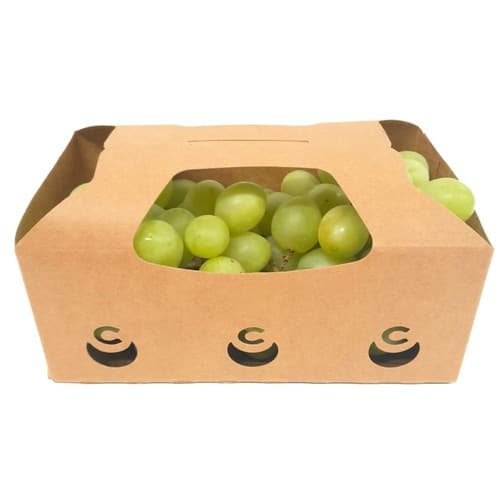 €2.85
€2.85White Seedless Grapes 500g Tray
LA COLLITA · kg · Bonpreu
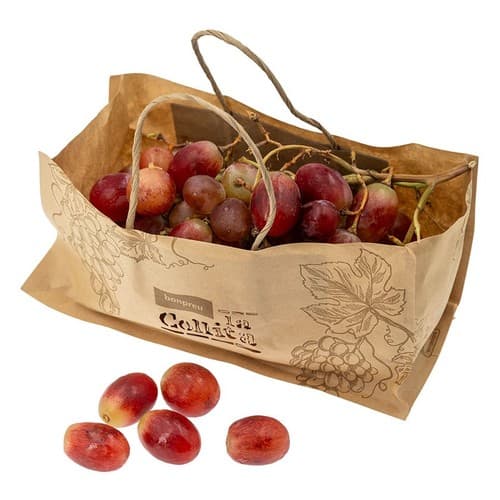 €2.89
€2.89Seedless Red Grapes in 500g Bag
LA COLLITA · kg · Bonpreu
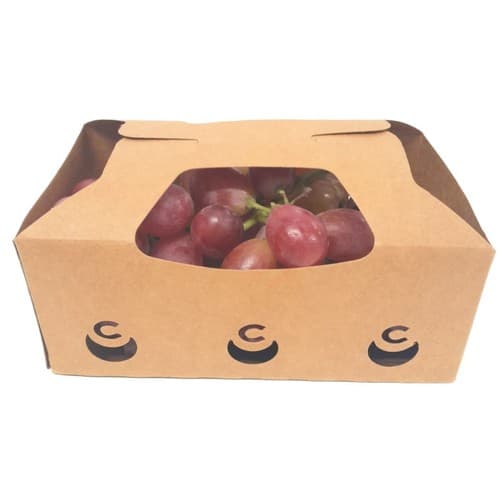 €2.89
€2.89Seedless Red Grapes in 500g Tray
LA COLLITA · kg · Bonpreu
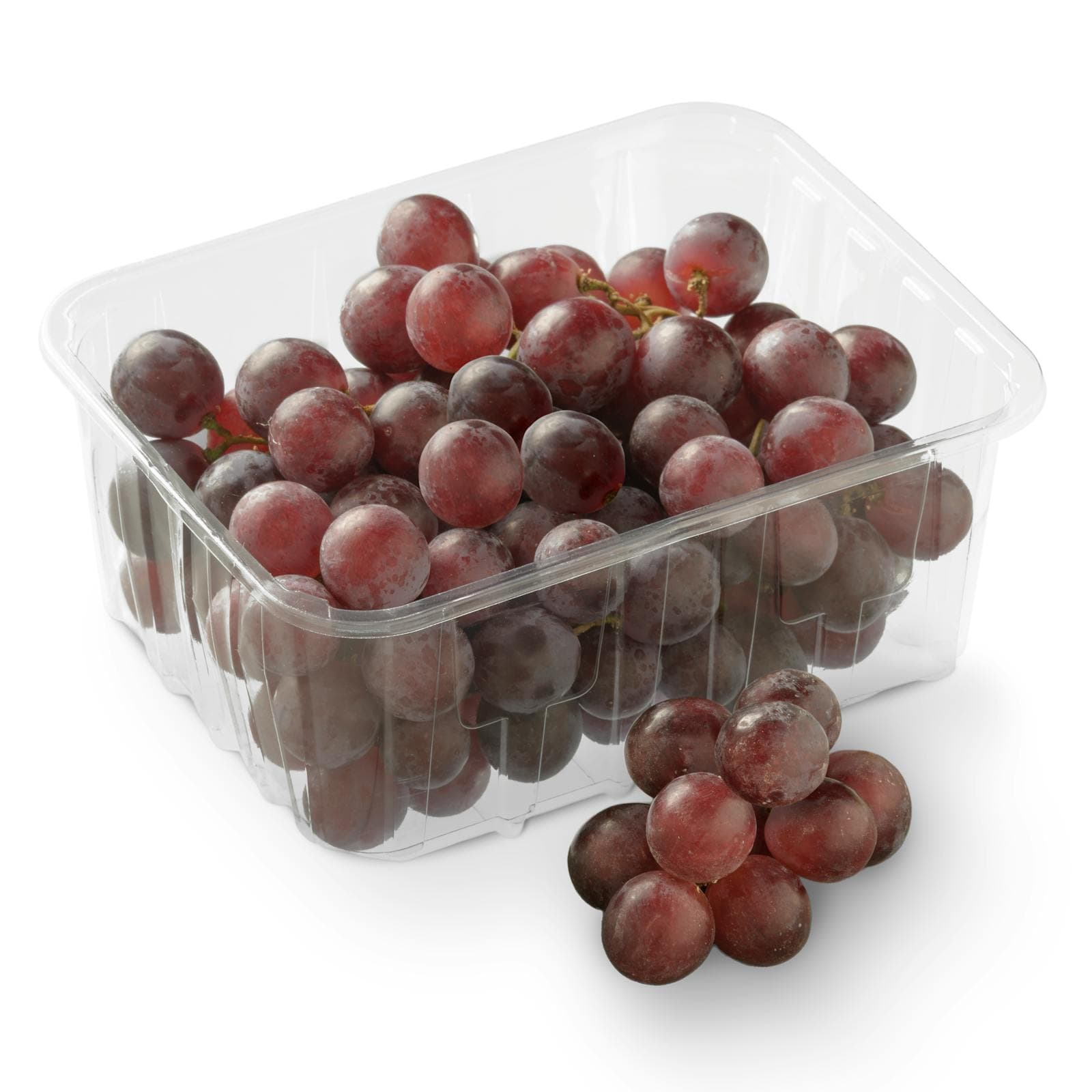 €3.30
€3.30Seedless Red Grapes
600 g · Mercadona
 €3.30
€3.30White Seedless Grapes
600 g · Mercadona
Good to know
- Scientific Name
- Caulerpa lentillifera
- Appearance
- Clusters of tiny (3–8 mm), round, translucent-green bubbles on slender branching stems
- Flavor
- Clean, briny seawater with a pronounced saltiness and a mildly sweet undertone
- Texture
- Firm, gel-filled spheres that burst with a satisfying pop when chewed
- Primary Form
- Fresh, sold live in seawater or lightly packed in salt; never cooked
- Storage
- Refrigerate submerged in lightly salted cold water; use within 1–2 days
- Shelf Life
- 2–3 days when properly refrigerated; quality deteriorates rapidly at room temperature
- Nutritional Profile
- High in iodine, vitamin A, iron, and dietary fiber; low in calories
Substitutes
- Tobiko (flying fish roe) — Similar visual presentation and textural pop; lacks the genuine oceanic salinity but works as a textural substitute for garnishing sushi and salads
- Masago (smelt roe) — Comparable size and subtle pop; milder flavor; effective for sushi and salad applications where briny notes are less critical
- Salicornia (sea asparagus) — Provides the same briny, seawater character in a different form; excellent for oceanic flavor pairings but does not replicate the popping texture
Pairs with
Also called
Latte · Umibudo · Green Caviar · Lato
Appears in these dishes
Related

Tomato
Juicy, sun-sweet fruit for sauces, salads, and slow-cooked depth

Yellow Onion
The aromatic backbone of soups, sofritos, and braises

Garlic
Pungent cloves that perfume nearly every savory dish

Lemon
Bright, acidic citrus that wakes up almost any dish

Potato
Humble, hearty staple — roast, mash, fry, or boil

Carrot
Sweet, crunchy root — raw, roasted, or the base of a sofrito

Cucumber
Cool, crisp, and watery — for salads, pickles, and tzatziki

Lettuce
Crisp leaves for salads, wraps, and a fresh crunch