Natural form
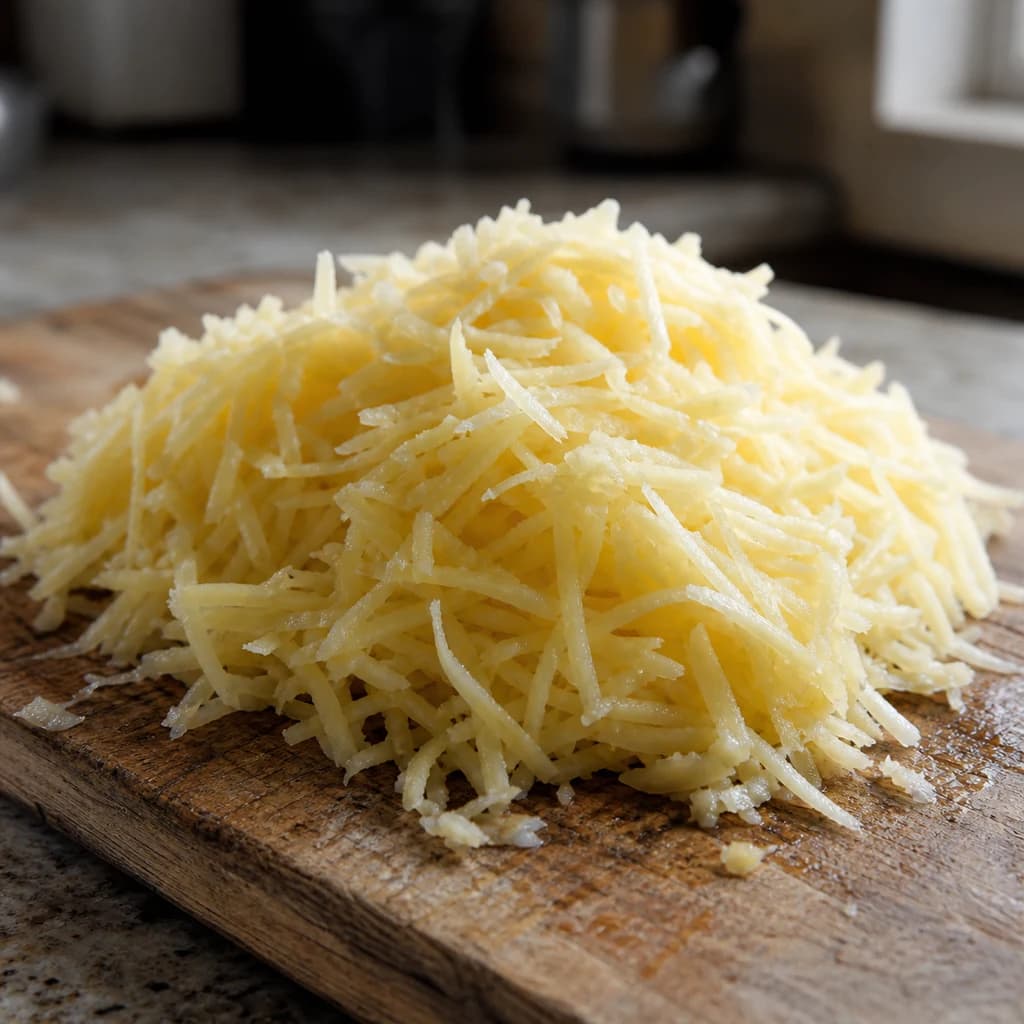
Raw grated potato shreds, pale yellow-white, freshly prepared and ready to press dry.
Shows the raw ingredient in its uncooked shredded state so readers immediately recognize what shredded hash browns look like before cooking.
Produce
Shredded Hash Browns
Grated potato shreds, fresh or frozen, pan-fried into crisp golden hash browns or baked into casseroles.
Shredded hash browns are potatoes grated into fine strands, usually parcooked and sold frozen or refrigerated for convenience. They are pan-fried in oil or butter until crisp and golden as a classic breakfast side, and are also folded into baked egg casseroles and breakfast bakes. Pressing out excess moisture before frying is key to a crisp result.
Shredded hash browns are potato strands—typically from high-starch varieties like Russet or Idaho—grated either by hand or machine, then cooked to a crisp, golden finish. The name comes from the French "hacher," meaning to chop or hash, and the dish originated in the American Northeast in the late 19th century, appearing on hotel and short-order menus by the 1890s. The critical distinction between hash browns and home fries: hash browns are made from freshly shredded potatoes cooked from raw, while home fries use pre-cooked cubed potatoes. This matters because the raw shreds have more moisture to drive off and more starch exposed for browning, producing a fundamentally different texture.
The shredded form creates maximum surface area, which is both the asset and the challenge—those countless little strands brown quickly but also trap moisture that can turn your breakfast into a steamed mess. Russet potatoes are the gold standard here: their high starch content and low moisture produce the crispiest, most caramelized crust. Yukon Golds work but yield a softer result. Fresh shreds must be rinsed thoroughly to remove surface starch, then squeezed completely dry before cooking. Frozen shredded hash browns, pioneered by Ore-Ida in the 1950s, are pre-blanched before freezing—a process that prevents discoloration and means they're partially cooked, requiring only high heat to brown, not to cook through.
Hash browns are forgiving of improvisation in the kitchen: they form the backbone of diner-style breakfast plates, the crispy base for eggs Benedict, the crunchy crust of loaded potato pancakes, and the comforting backbone of Midwestern casseroles. The technique is simple, but nailing the fundamentals—dry shreds, screaming hot fat, and disciplined hands-off cooking—makes the difference between a limp, pale mess and a crackling golden potato cake with the texture of a proper breakfast.
- Measured in
- g
- Storage
- Freezer
Types & varieties
Russet potatoes hand- or processor-grated; must be rinsed to remove starch and squeezed completely dry before cooking
Commercially blanched before freezing; most common brand: Ore-Ida; partially cooked—requires only high heat to brown
Cubed rather than shredded; different texture and cooking behavior; requires longer cooking time
Some grocers carry pre-shredded russets in produce coolers; shorter fridge life than frozen, best used same day
Common uses
Tips & pitfalls
- Always squeeze shredded potatoes completely dry in a clean kitchen towel before cooking; residual moisture is the primary cause of sogginess—squeeze in stages, once, then press again
- Do not skip the rinse step for fresh shreds: rinse until water runs clear to remove surface starch, which prevents proper browning
- Start with a screaming hot pan (375–400°F/190–200°C) with a thin, even layer of fat—clarified butter, bacon fat, or an oil with high smoke point
- Resist the urge to move the shreds once they are in the pan; let a crust form undisturbed for 3–4 minutes before attempting to flip
- Season after cooking, not before—salt drawn in too early pulls out more moisture and dilutes browning
- For a cohesive patty, season the dry shreds lightly with salt and let sit 5 minutes before cooking to draw out additional moisture, then press firmly into the pan
- Frozen shreds are pre-blanched and partially cooked; they need high heat only to brown, not to cook through—don't overhandle them
- If crisping on a griddle, separate clumps with a spatula to allow steam to escape from each strand; clumps trap steam and cause soggy patches
Nutrition
Energy
243 kJ · per 100 g
Where the calories come from
Protein
2.6g
5% DV
Carbs
12.4g
5% DV
Fat
0.1g
0% DV
Fiber
2.5g
9% DV
Sodium
10mg
0% DV
Source · USDA FoodData Central · approx. Potatoes, raw, skin
View on FDC →In the shops
Matched grocery products
No matched grocery products for Shredded Hash Browns yet.
Good to know
- Standard potatoes
- Russet or Idaho (high starch, best crisp); Yukon Gold acceptable but softer result
- Shred size
- Medium-coarse (roughly 1/8-inch strands); fine shreds burn easily, too-coarse shreds won't bind
- Fresh storage
- Refrigerate in cold water up to 24 hours; pat completely dry before cooking
- Frozen storage
- Keep at 0°F (-18°C); cook directly from frozen or thaw and squeeze dry
- Yield
- 1 medium russet (≈8 oz raw) yields about 1 cup packed shredded (≈160g)
- Equipment
- Box grater, food processor with shredding disk, or mandoline with shredding blade
- Origin
- American Northeast, late 19th century; named from French "hacher" (to chop)
- Freshness
- Same day preferred; up to 24 hours in cold water in refrigerator
Substitutes
- Frozen diced hash browns — Similar flavor; different texture (chunky rather than stringy); may need longer cooking time to achieve browning
- Frozen cubed potatoes (e.g., Ore-Ida Potatoes O'Brien without peppers) — Rounded pieces rather than strands; not a direct textural substitute but works in casseroles and skillets
- Sweet potato shreds — Similar method; naturally sweeter and softer; lower starch; can be mixed half-and-half with russets for color variation
- Leftover mashed potatoes pressed into a hot pan — Makes a potato pancake, not true hash browns; lacks the shredded strand texture and won't crisp the same way
- Frozen curly fries (chopped) — Crispy but already seasoned and oiled; works as a hash brown substitute in casseroles or as a quick side
Pairs with
Also called
Hash Browns · Shredded Potatoes · Grated Potato
Appears in these dishes
Related
Tomato
Juicy, sun-sweet fruit for sauces, salads, and slow-cooked depth
Yellow Onion
The aromatic backbone of soups, sofritos, and braises
Garlic
Pungent cloves that perfume nearly every savory dish
Lemon
Bright, acidic citrus that wakes up almost any dish
Potato
Humble, hearty staple — roast, mash, fry, or boil
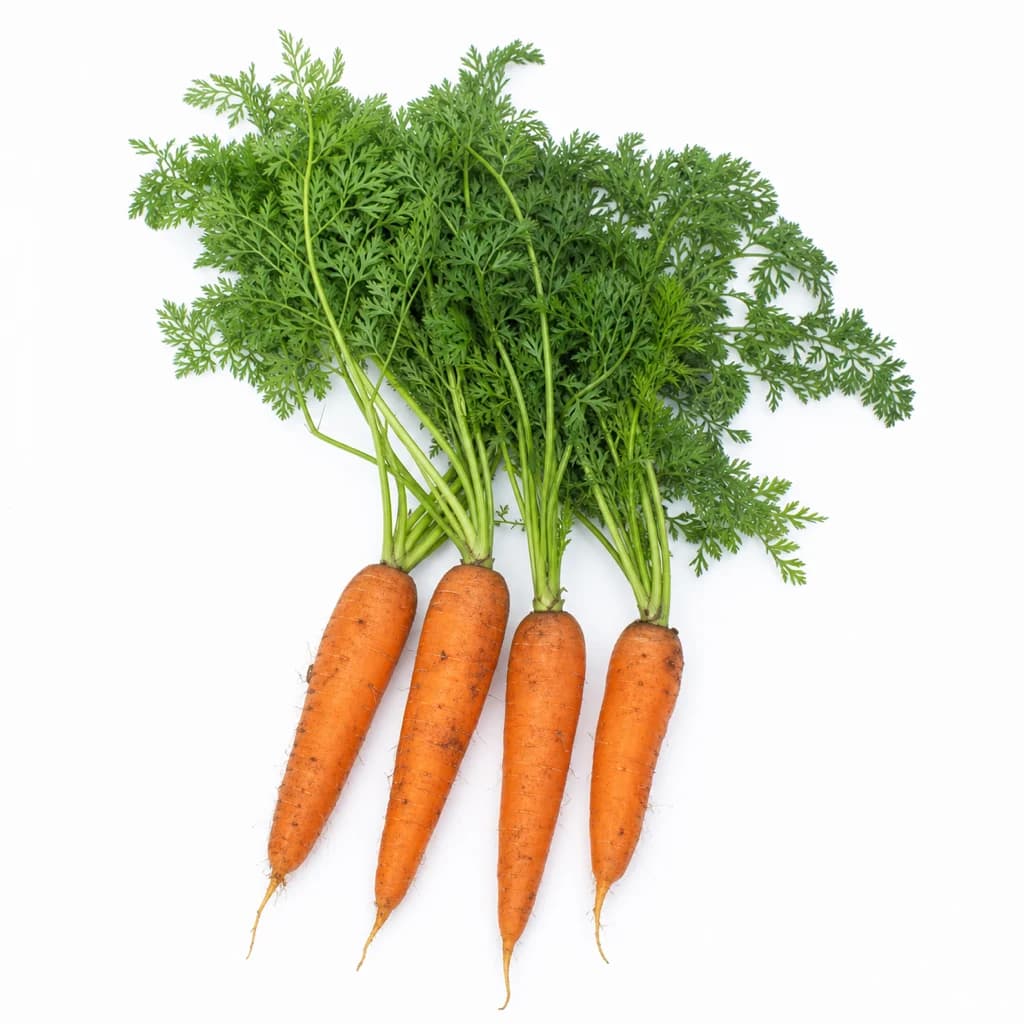
Carrot
Sweet, crunchy root — raw, roasted, or the base of a sofrito
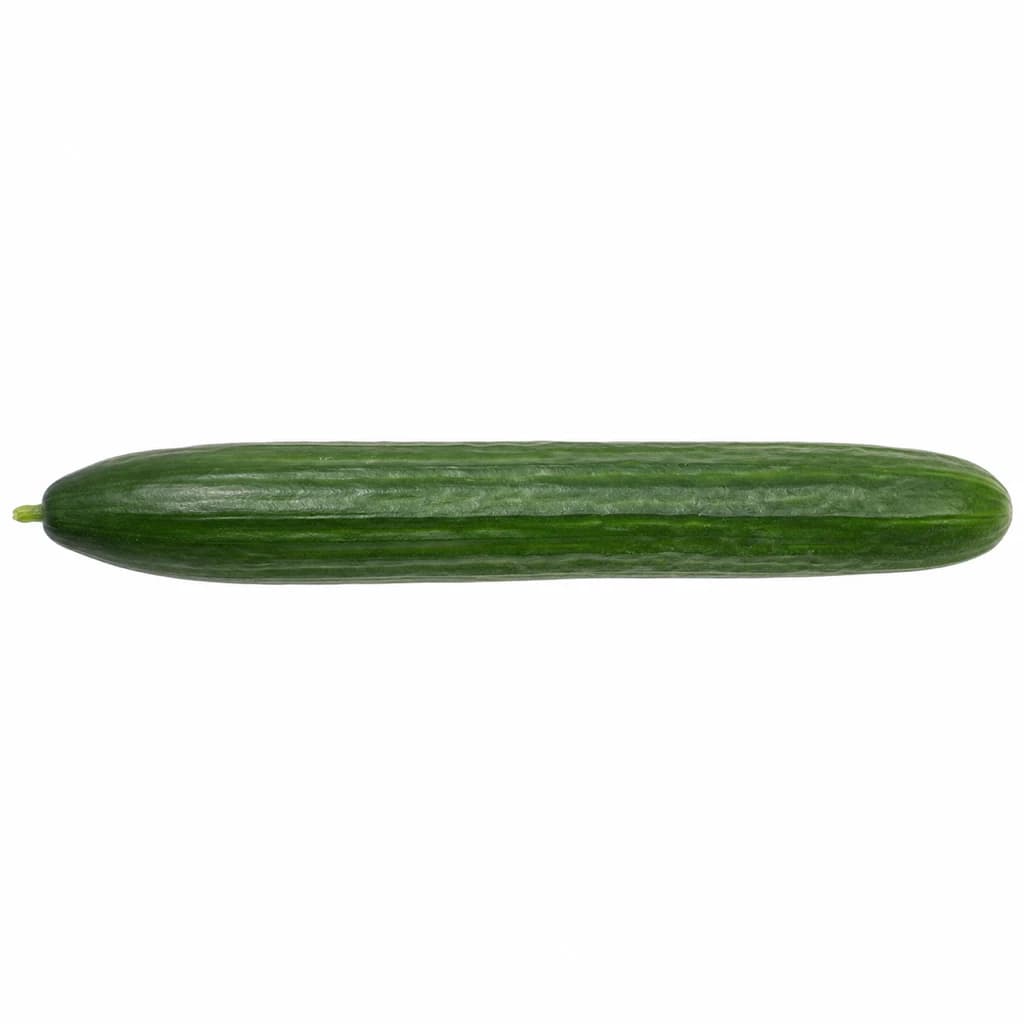
Cucumber
Cool, crisp, and watery — for salads, pickles, and tzatziki

Lettuce
Crisp leaves for salads, wraps, and a fresh crunch