
Natural form
Fresh aibika stems with large, soft, heart-shaped leaves picked from the plant.
Shows the reader the whole plant form — distinctive leaf shape, color, and stem — so they can identify it in a market or garden.
Produce
Slippery Cabbage (Aibika)
Mucilaginous Pacific leafy green that thickens stews and is a staple cooking vegetable in island cuisines.
Slippery cabbage, also called aibika or bush hibiscus, is a leafy green widely eaten across the Pacific Islands and parts of Africa. When cooked it releases a natural mucilage that gives soups and stews a slippery, okra-like body, and the tender leaves are simmered with coconut milk or boiled as a vegetable. It is nutritious and fast-growing, making it a common backyard staple.
Slippery Cabbage, known botanically as Abelmoschus manihot and called aibika throughout the Pacific Islands, is a heat-loving perennial shrub prized for its tender young leaves and growing tips. Belonging to the Malvaceae family—making it a distant cousin of hibiscus—it grows rapidly to 1–4 meters in tropical conditions, producing leaves that are broad, deep green, and notably soft in texture. What distinguishes aibika from most other leafy greens is its intensely mucilaginous quality: when cooked, the leaves release a natural slime that thickens and smooths soups, stews, and coconut-based braises into a silky, body-rich consistency. This is not the aggressive slime of overcooked okra; aibika's mucilage is milder and more delicate, allowing the leaf to maintain some structure while contributing body to the dish.
Aibika occupies a central role in Pacific and Southeast Asian food systems precisely because it thrives where most temperate greens cannot. It tolerates heat and humidity that would cause spinach to bolt, grows quickly from cuttings or seed, and produces usable leaves within weeks of planting. In Vanuatu, it is considered one of the most important traditional vegetables. The mild, slightly sweet, vegetal flavor does not compete with bold aromatics, making it an extraordinarily versatile canvas—equally at home in a simple blanched side dish dressed with coconut milk and lime, or as the thickening agent in a complex taro-based stew. Its flowers, which resemble small yellow hibiscus blooms with dark centers, are attractive enough that the plant is sometimes grown ornamentally in tropical gardens, but the culinary value lies entirely in the foliage.
Texture is the defining characteristic cooks must understand. The mucilage in aibika is heat-activated and soluble; it dissolves into the cooking liquid, thickening from within rather than requiring a separate roux or starch slurry. This natural thickening action made aibika indispensable in island cuisines long before modern thickeners were available. The slime also acts as a mild emulsifier, helping coconut milk and other fats stay suspended in the broth rather than separating. Understanding this behavior lets you work with the plant's nature rather than against it—adding it at the right moment, cooking it just long enough, and pairing it with the flavors that have traditionally balanced its texture across generations of Pacific Island cooking.
- Measured in
- g
- Storage
- Fridge
Types & varieties
As a utilitarian crop, aibika is grown for utility rather than varietal selection. Most seed sources and nurseries offer the species without distinguishing varieties. Ornamental forms with particularly showy flowers exist but do not differ meaningfully in culinary behavior.
Working with the Mucilage
Aibika's slime is a kitchen asset, not a problem to be eliminated. The mucilage is water-soluble and heat-labile, meaning it activates and dissolves when exposed to heat and liquid. To control its intensity: brief cooking (2–4 minutes) produces a light slip suitable for salads or lightly dressed sides. Longer simmering—15 minutes or more—generates a noticeably thicker, more viscous liquid ideal for stews and braises. If you want to use aibika for thickening but prefer less slime, blanch the leaves in boiling water for 1 minute, then shock in ice water, squeeze dry, and add to the dish. This pre-cooking step partially inactivates the mucilage while keeping the leaves intact.
The mucilage also acts as a gentle emulsifier, which is why traditional Pacific preparations so often pair aibika with coconut milk—the fat and the slime work together to create a cohesive, creamy sauce that resists separation during simmering.
- Add to soups and stews in the last 10–15 minutes of cooking for maximum thickening without disintegration
- For a lighter side dish, blanch 2–3 minutes only; the leaves will be tender but retain their bright green color
- In coconut-based dishes, add aibika early enough for the mucilage to integrate, but not so early that the leaves disintegrate
Harvest and Selection
Young leaves are the gold standard in every tradition that uses aibika. Pick leaves when they are still small—roughly 5–10 cm—and tender, with no tough midribs. Larger, mature leaves develop a thicker, more fibrous texture and acquire a slight bitterness that cooking can mask but not fully remove. If you are growing aibika, harvest regularly from the growing tips; this pruning encourages the plant to branch densely and produce a greater yield of tender new growth.
At market, look for bright, uniformly green leaves with no yellowing, wilting, or dark spots. Avoid leaves with large, prominent stems. Because aibika is highly perishable, purchase only what you can use within two to three days, and store it unwashed in a loosely closed plastic bag in the refrigerator's crisper drawer.
- Harvest or buy small, young leaves whenever possible—they cook faster and taste milder
- Regular harvesting from a growing plant improves both leaf quality and overall yield
- Store unwashed; wash only just before use to prevent premature softening
Common uses
Tips & pitfalls
- Harvest leaves young—larger, mature leaves become tough and develop a slight bitterness that cooking cannot fully mask.
- Do not overcook; 2–4 minutes in boiling water or a brief sauté preserves color and nutrients while developing the desired slip.
- The mucilage intensifies with longer cooking; for a lighter texture, blanch and shock in ice water before adding to dishes.
- Pairs naturally with coconut milk, ginger, garlic, and fish—flavors dominant in its native cuisines.
- When using as a thickener, add toward the end of cooking to avoid excessive breakdown of the leaves into unidentifiable matter.
- Wear kitchen gloves when handling large quantities raw if you have sensitive skin, as the sap may irritate.
- In stir-fries, add in the last 30–60 seconds to maintain some structure and vivid color.
- Avoid boiling vigorously once aibika is added—the gentle bounce of a simmer is sufficient and prevents the leaves from breaking apart prematurely.
Nutrition
Energy
105 kJ · per 100 g
Where the calories come from
Protein
1.3g
3% DV
Carbs
5.8g
2% DV
Fat
0.1g
0% DV
Fiber
2.5g
9% DV
Sugars
3.2g
of which
Sodium
18mg
1% DV
Source · USDA FoodData Central · Cabbage, raw
View on FDC →In the shops
Matched grocery products
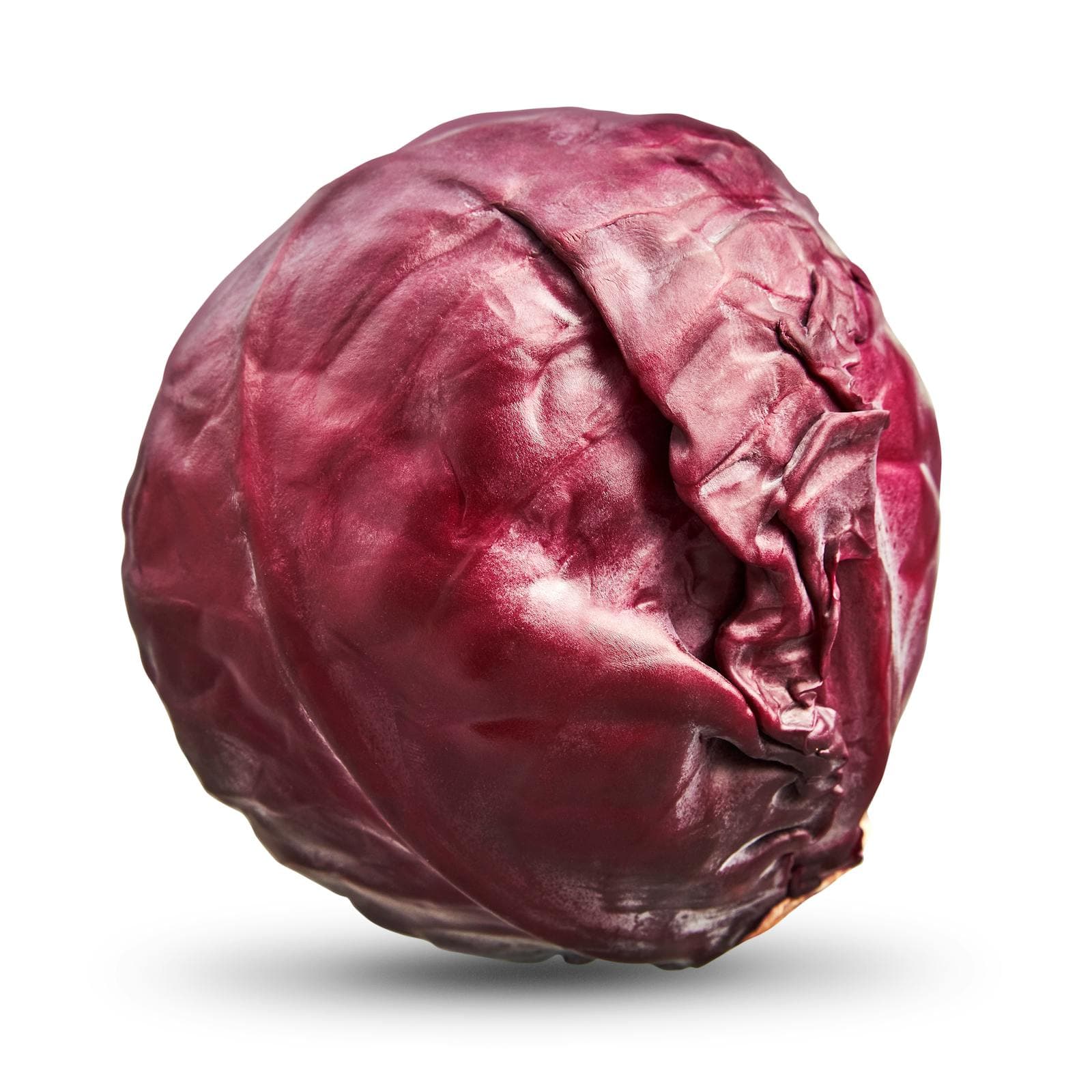 €1.72
€1.72Red Cabbage
860 g · Mercadona
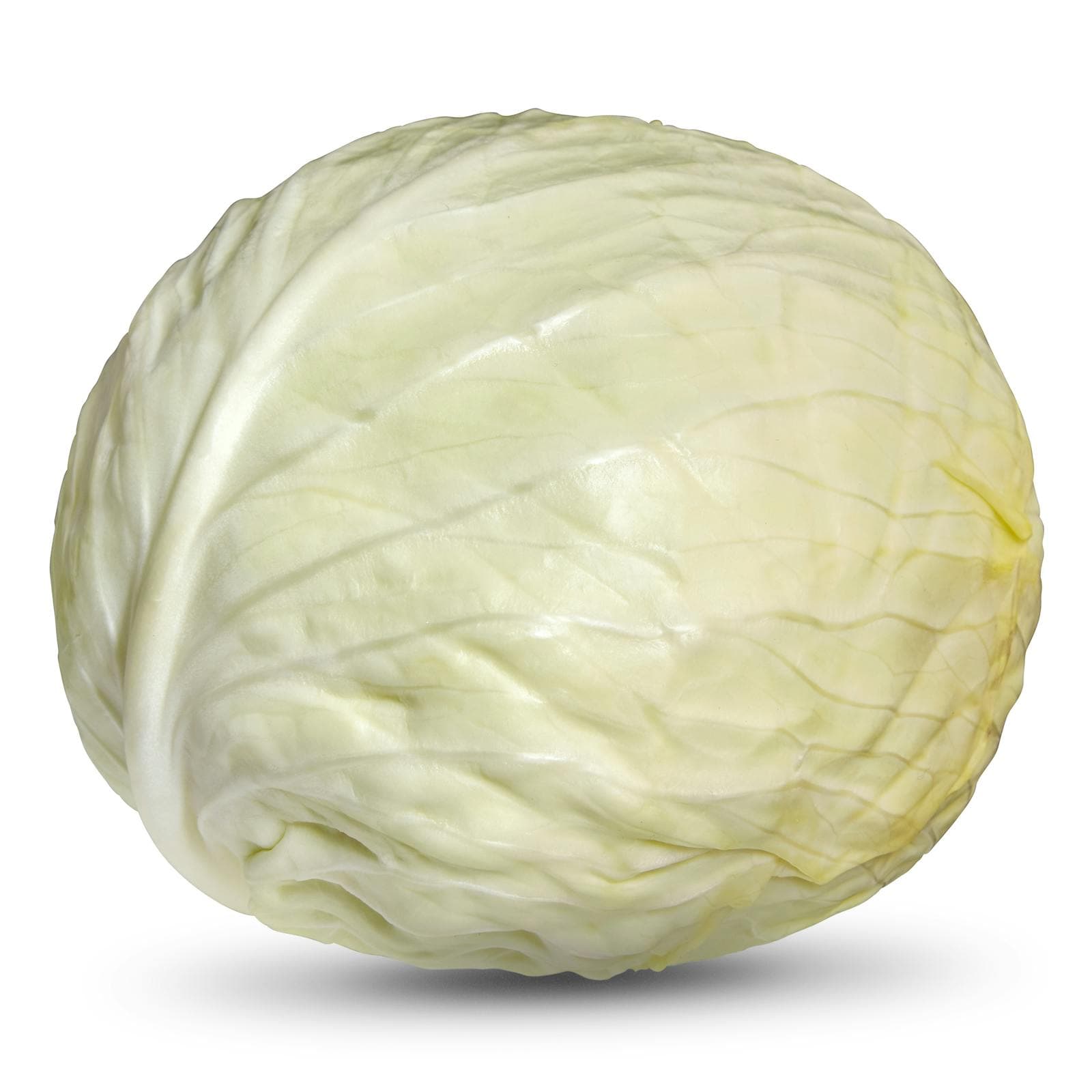 €1.60
€1.60Smooth Cabbage
890 g · Mercadona
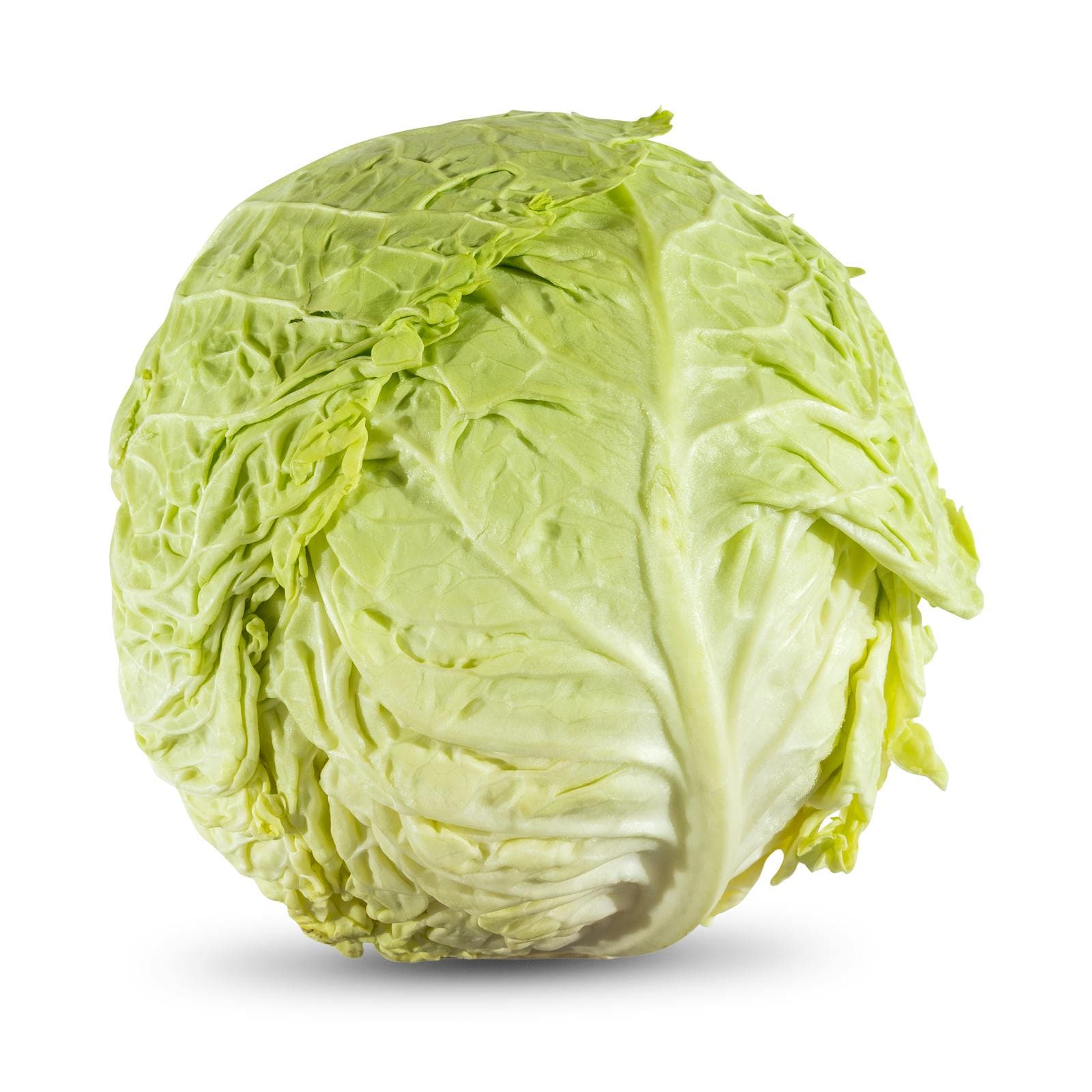 €1.70
€1.70Curly Cabbage
920 g · Mercadona
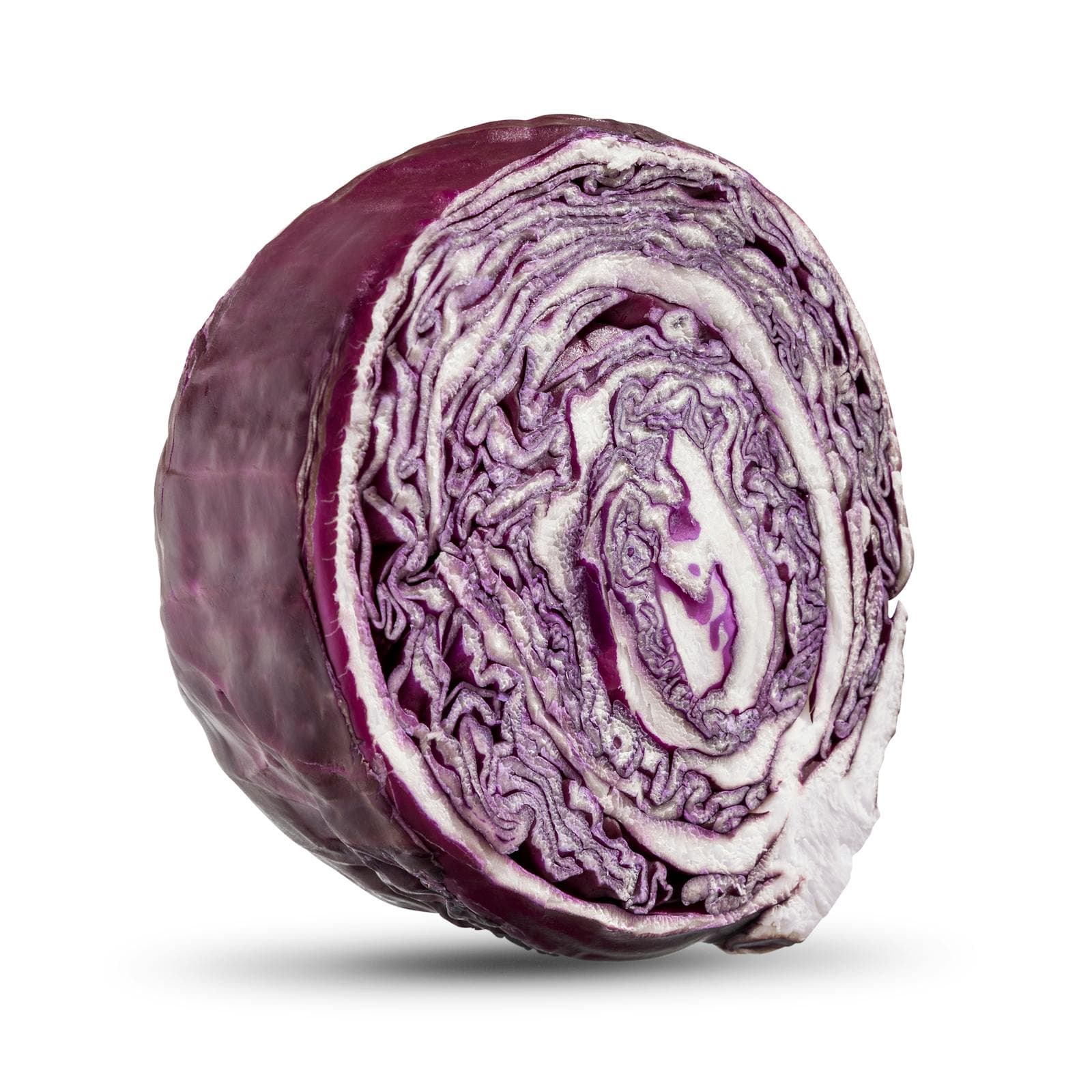 €0.95
€0.95Half Red Cabbage
450 g · Mercadona
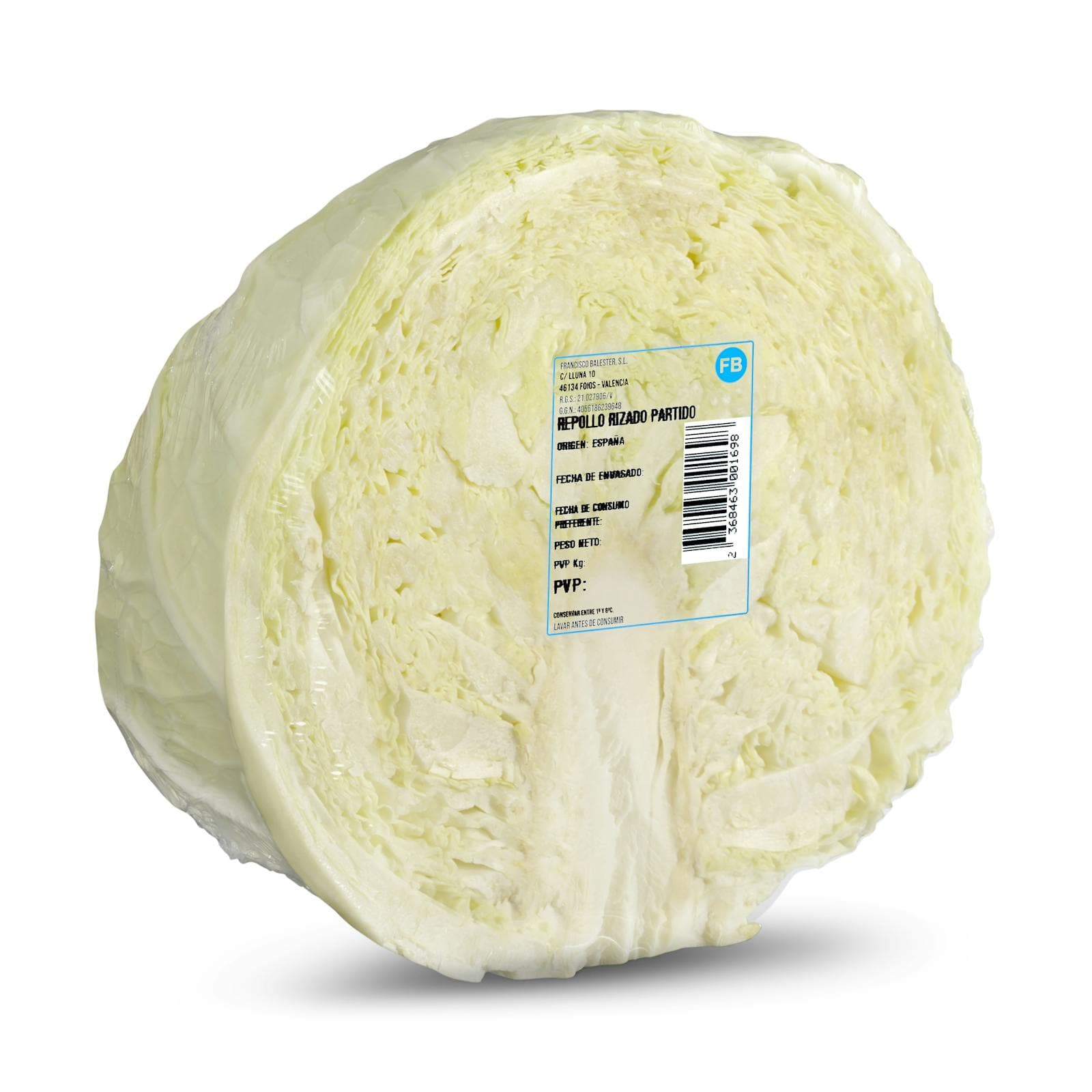 €1.75
€1.75Half Curly Cabbage
796 g · Mercadona
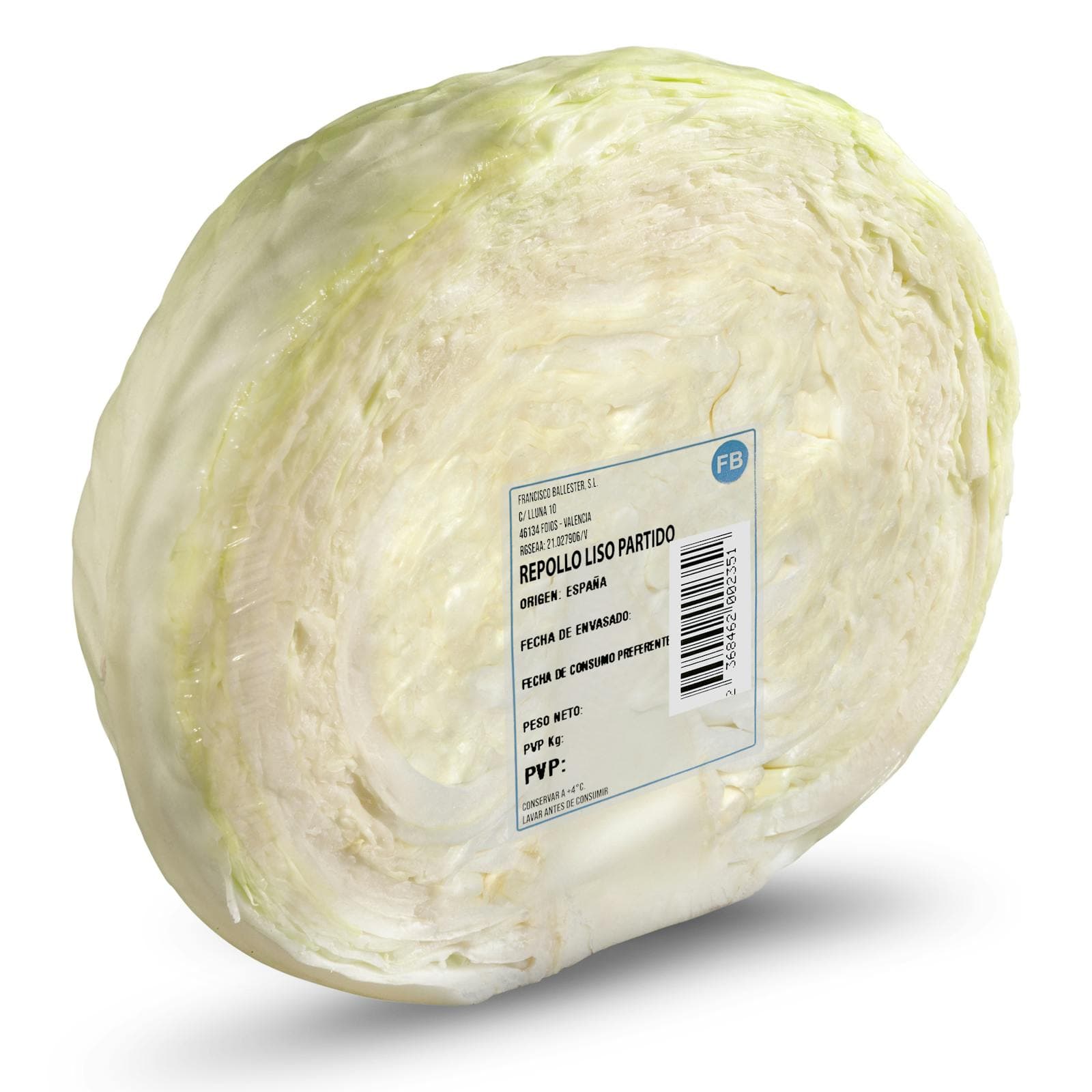 €1.94
€1.94Half Smooth Cabbage
900 g · Mercadona
Good to know
- Scientific Name
- Abelmoschus manihot
- Family
- Malvaceae (hibiscus family)
- Origin
- Pacific Islands and Southeast Asia; now cultivated throughout tropical regions worldwide
- Common Names
- Aibika, Island cabbage, Jelly leaf, Pacific spinach, Sunset hibiscus, Bellyache bush
- Plant Type
- Perennial shrub, 1–4 m tall; highly heat-tolerant compared to most leafy greens
- Part Used
- Tender young leaves (5–10 cm) and growing tips; occasionally young stems
- Texture
- Intensely mucilaginous when cooked; produces a smooth, silky body in liquids
- Flavor
- Mild, slightly sweet, and vegetal; does not dominate dishes when properly cooked
- Key Nutrients
- Vitamins A and C, iron, calcium, and protein for a leafy green
- Storage
- Refrigerate unwashed in a plastic bag; use within 2–3 days for best quality
Substitutes
- Okra — Closest substitute for thickening; use 1:1 by weight, though okra has a stronger flavor and produces a less delicate texture than aibika.
- Lagos bologi (bush okra, Corchorus olitorius) — Another mucilaginous green used in West African and Caribbean cooking; similar thickening role if available.
- Molokhia (Corchorus olitorius) — Egyptian jute mallow thickens similarly; different flavor profile but comparable texture and cooking behavior.
Pairs with
Also called
Aibika · Bush Hibiscus · Edible Hibiscus · Abelmoschus Manihot
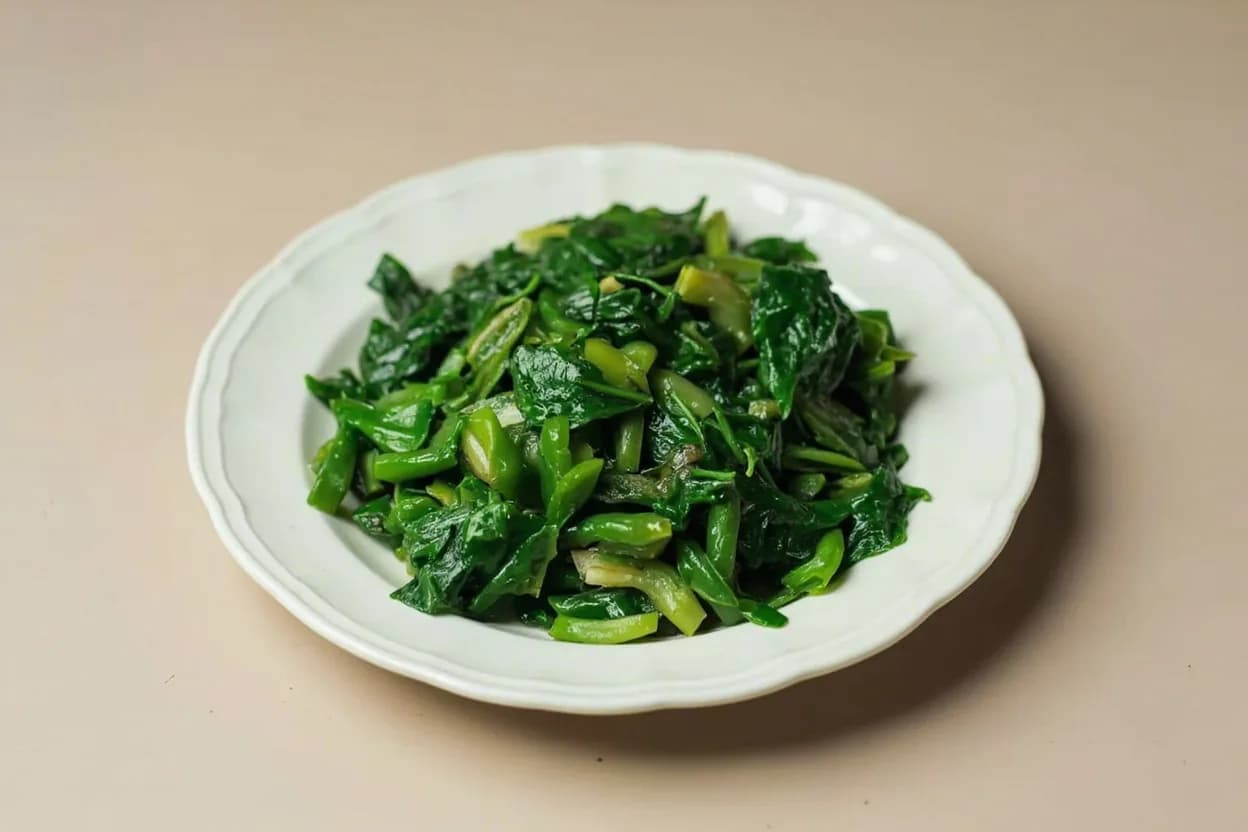
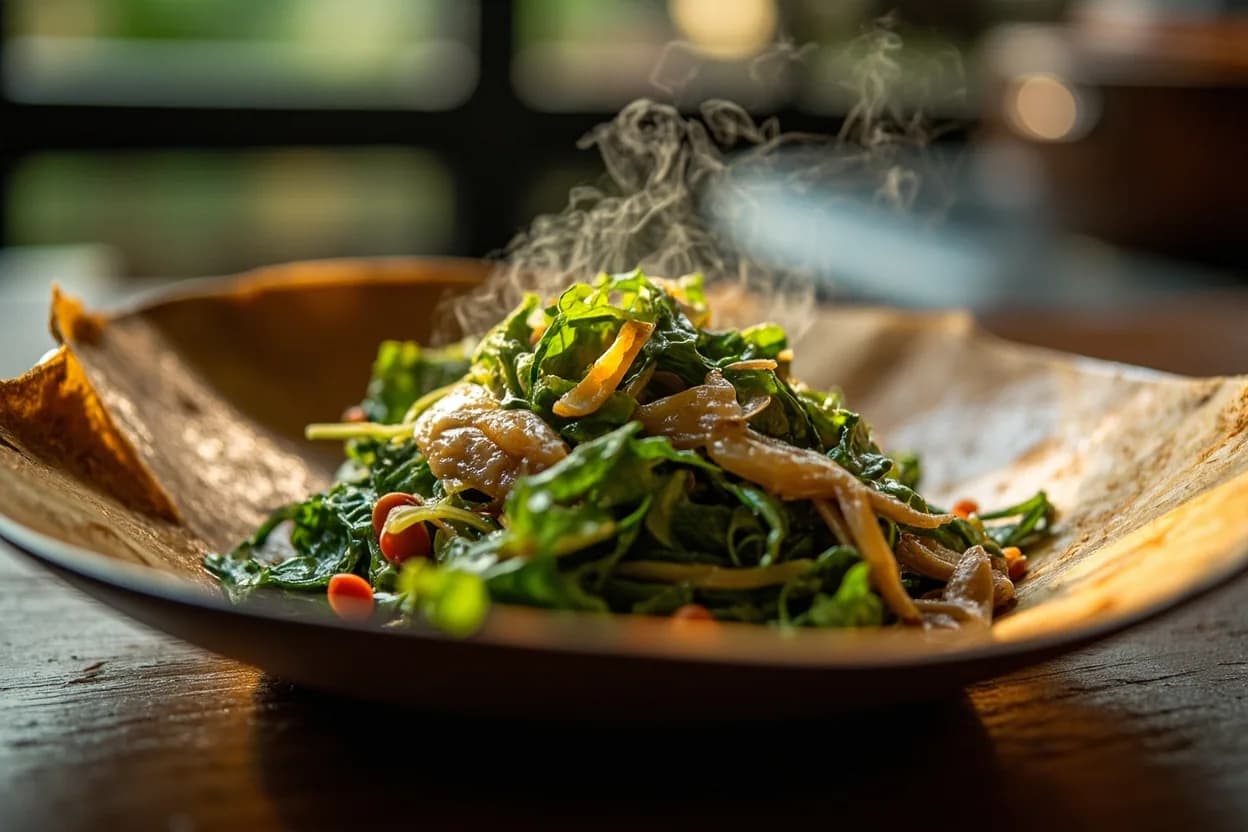
Appears in these dishes
Related

Tomato
Juicy, sun-sweet fruit for sauces, salads, and slow-cooked depth

Yellow Onion
The aromatic backbone of soups, sofritos, and braises

Garlic
Pungent cloves that perfume nearly every savory dish

Lemon
Bright, acidic citrus that wakes up almost any dish

Potato
Humble, hearty staple — roast, mash, fry, or boil

Carrot
Sweet, crunchy root — raw, roasted, or the base of a sofrito

Cucumber
Cool, crisp, and watery — for salads, pickles, and tzatziki

Lettuce
Crisp leaves for salads, wraps, and a fresh crunch